GOQii

Blog

  • HOME
  • HEALTHY LIVING
  • FITNESS
  • HEALTHY RECIPES
  • USER STORIES
  • KARMA
  • BUY GOQii

January 2, 2020 By Dr. Naina Sudarshan 4 Comments

Why You Should Eat Oranges During Winter!

oranges during winterAs winter hits the city, we find a lot of fruit carts loaded with Oranges. The best part about oranges during winter is that they are quite nutritious and healthier for the body. You might think that during winter, the body craves warm, spicy food but there are many reasons to not ignore this tasty citrus fruit.

5 Reasons to Eat Oranges During Winter

1. Boost Immunity

Winter has a notorious reputation of causing common cold, congestion and recurrent ear infections. Oranges are rich in Phytonutrients, Vitamin C and antioxidants which boost our immunity. This way, they help prevent common cold, congestion and related ailments.

2. Good for Skin and Hair

Oranges provide about 120 per cent of daily Vitamin C value that is required by the body. Vitamin C in Oranges helps the body to produce collagen that is required to maintain healthy skin and hair. Apart from this, Vitamin A in oranges keeps the hair moisturized by increasing sebum secretion. If you want radiant skin, smooth hair, and delayed ageing, eat an orange every day. Antioxidants in oranges prevent skin damage caused by free radicals. Orange peel can be used as a face mask which is excellent for preventing and fighting acne on the face.

3. Protects Heart Health

Oranges are high in fiber, Vitamin B6, potassium and Vitamin C, which are known to improve heart health. Oranges improve iron absorption in the body and Vitamin B6 supports the production of haemoglobin. Hence, if you have iron deficiency, it’s good to intake oranges along with Iron supplements. Magnesium present in Oranges keeps the cholesterol in check.

4. Enhances Digestion

Oranges are rich in both soluble and insoluble fibers which support gut health. Soluble fibers help feed the healthy bacteria in our gut. But make sure you eat the white fibers in Oranges along with the pulp to get this benefit. Insoluble fibers draw the water into the gut to make the stool soft and easier to pass. So, oranges can prevent constipation and irritable bowel syndrome to some extent.

5. Easy Go-To-Snack

There can’t be a better fruit snack than an orange! We don’t need to cut them and they are easy to peel. Oranges are nearly fat-free and sodium-free with as low as 60 calories and can make a good mid-morning or afternoon snack at work or at home. As they are rich in fibers, they can keep you full for a longer time. So Oranges can make a great weight-loss snack as well.

Interesting Fact:

Did you know Orange peel taken internally has double the health benefits than the actual fruit part? Orange peels contain flavonoids which can protect the heart, are good for digestion, and help to prevent allergies.  They are good for boosting immunity, reduce bad breath and good for skin. Save the Orange peels, boil them in water and it can be made into a chutney grinding the peels with coconut, tamarind, jaggery, red chili and salt. It tastes the best and is healthy too!

Don’t forget to snack on Oranges in winter to stay healthy! We hope this blog helps you. Want to know about more fruits? Tune in to our expert nutritionists on GOQii Play. Subscribe now and #BeTheForce.
November 7, 2019 By Varsha Jangid 1 Comment

The Difference Between Keto, Paleo and Atkins

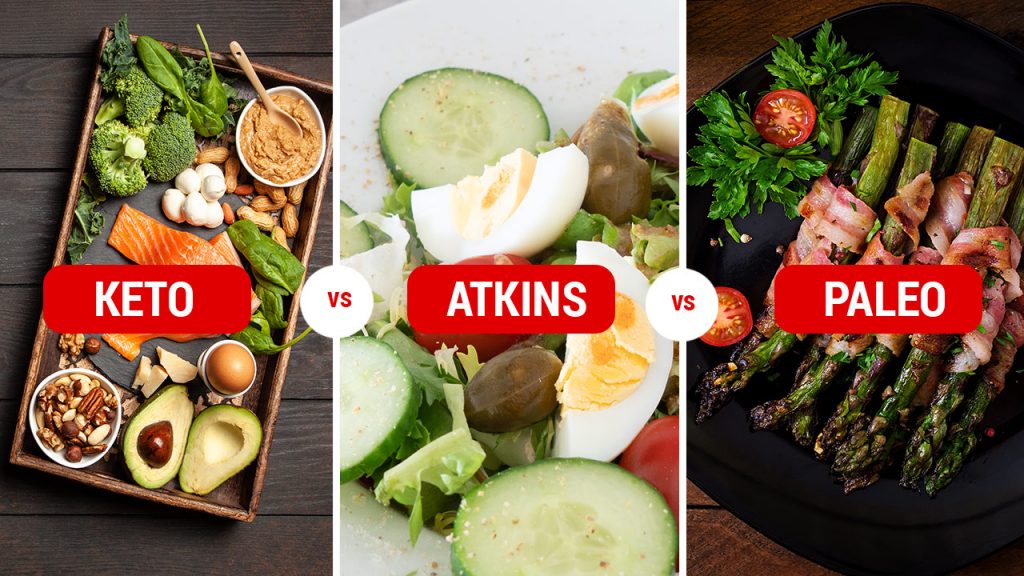
keto, atkins and paleo

With fad diets running around in full swing, you’re bound to wonder what they are about. To give you a quick gist, Keto, Atkins and Paleo are all low carbohydrate diets that serve different purposes. To understand the difference between them, let’s delve into details first!

1. Ketogenic or Keto Diet

This diet was created in the 1920s as a mode of treating epilepsy. The classic Keto diet requires 90% of the calories coming from fat, 6% from proteins and 4% from carbohydrates. The purpose of this diet is to force the body to go into ketosis, which is a metabolic state that utilizes fat for energy instead of glucose (i.e. from Carbs).

Although the diet is low-carb, its main focus is to be high in fat with some protein. There are no restrictions on the type of fat to be consumed.  So followers can have bacon, avocados, butter, etc.

Pros:

  • High-fat and high-protein foods keep you fuller for longer.
  • You can eat up to four ounces of cheese (For some of us, that’s key).
  • Protein is more limited than on Atkins, so your liver will not end up processing it.
  • Your cholesterol is going to get better as the good cholesterol will go up and the bad triglycerides will go down.
  • It can also help lower blood pressure.
  • The keto diet has been shown, in some studies, to improve the health of women with PCOS (Polycystic ovarian syndrome), reduce cholesterol, decrease seizures in epileptic children, and improve acne.

Cons: 

  • Have you heard of the Keto flu? When you start the diet, you may begin feeling grumpy and foggy while your body and brain adjust to using ketones instead of glucose for fuel. The Keto flu can last from 2 days to 2 weeks.
  • You cannot eat any fruit.
  • As the fiber content in the diet is low, it can cause issues such as constipation.
  • You need to be careful about dehydration.
  • You need to get ketone urine testing strips to confirm you’re in ketosis at regular intervals.
  • If you are accustomed to a high-fiber diet, you might need a supplement.
  • If you are on medication for hypertension, diabetes, or other conditions, you must talk to a doctor before starting the diet.

2. Atkins Diet

This diet is specifically labelled as a low-carb diet. There are 2 versions of Atkins diet: Atkin 20 which is the original diet and Atkin 40, which is a diet created for those looking to lose less than 40 pounds (approx. 18 kg).

The Classic Atkins diet has 4 phases: The 1st phase starts off with having 20-25gms of carbs per day and then slowly progresses to phase 4 in which people are allowed 80-100gms of carbs, which is still considered low-carb.

Atkins focuses on net carb intake. Instead of counting all carbs as the same, this diet takes fiber and sugars into account, whereas Paleo and Keto don’t. So if a food has 10gms of carbs, but 3gms of fiber, and 1gm of sugar, than your net carb intake would be 6gms.

Pros: 

  • You won’t be hungry. You will feel satisfied.
  • Weight comes off quickly, although some of it will be water weight. 
  • The four phases allow you to slowly add some carbs back in, making it somewhat easier to sustain. 
  • Atkins has a line of snack bars, shakes, and frozen meals, which make compliance convenient.
  • There is evidence that the diet helps improve both cholesterol and blood sugar levels.

Cons: 

  • Your initial dramatic weight loss is a whole lot of water — you won’t keep losing at the same level and the minute you eat carbs again it will come back on. 
  • You eat too much protein, which can cause serious liver issues.
  • This can also prevent you from going into ketosis, which means you won’t lose weight. 
  • Eating barely any carbs can, at first, make you feel cranky, lethargic, and even achy — mainly because your brain takes time to adjust from processing glucose to ketones.
  • Being in a state of ketosis causes stinky breath — and since bad breath doesn’t come from your mouth, brushing isn’t going to help.
  • The Atkins line of foods and snacks often contain artificial sweeteners and other processed ingredients.

3. Paleo Diet

The Paleo diet follows the eating pattern followed during the Paleolithic era, 2.6 million years ago, which is basically eating like a hunter- gatherer. It focuses mostly on a high-protein diet with lots of vegetables and fruit. Unlike Keto and Atkins, this diet doesn’t aim to be low-carb. It cuts down the intake of carbs from grains, dairy, legumes, refined and processed foods.

While keto diet doesn’t discriminate between the types of fats that needs to be included, the Paleo diet advises its followers to avoid certain types of oils and trans-fats. Although you can eat all the peanut butter you want to on a keto diet, the paleo diet cuts out the peanut butter because technically peanuts are classified under legumes.

Pros: 

  • The focus of Paleo is on whole, nutrient-dense foods.
  • You can have proteins, fruits and vegetables, and healthy fats (like those from avocado, nuts, and seeds). 
  • Low-glycemic diets have been shown to lower blood sugar and cholesterol and reduce visceral fat. 
  • You don’t have to give up sweets, as long as they are natural (honey, maple syrup, etc.). 
  • People with gut issues may find eliminating wheat, dairy, and processed foods also eliminates digestive discomfort. 
  • It is higher in fiber and other nutrients than Atkins and Keto.

Cons: 

  • The diet is restrictive and difficult to implement. 
  • Be prepared to shop and cook for every meal, because it’s challenging to eat out on Paleo. 
  • This diet might burn a hole in your pockets as grass-fed meats, free-range poultry and organic produce are expensive. 
  • Without dairy, you may need to increase your efforts to consume enough calcium. 
  • Weight loss, if any, may be more gradual than on the other diets.

While GOQii does not advocate, promote or instruct its players to follow fad diets, if you’re still adamant on choosing any one of these, you may want to consult your GOQii Coach within the app, nutritionist or dietician before proceeding as the same diet doesn’t work for everyone. You might even want to check with your doctor in case you have food allergies.

We hope this article helps you! Leave your thoughts in the comments below!

#BeTheForce

August 28, 2019 By Pradnya Shinde Leave a Comment

Should You Go Grain-Free?

grain-free

In the past few years, imperical evidence emerged, coaxing us to stay away from all the foods we enjoyed so much in order to live a strong, healthy and disease-free life. Now, along with sugar, fats and diary, you even have grains joining the list of dietary outcasts. How did this happen? Is it necessary? Let’s find out if you should go grain-free!

What is Grain-Free?

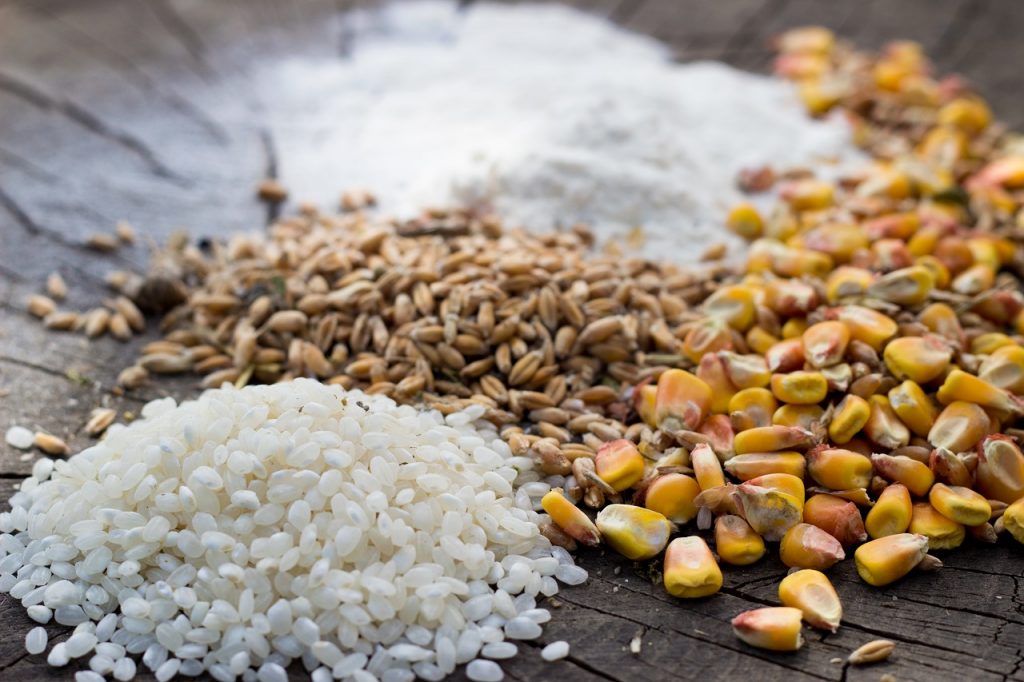
Have you ever thought about skipping rice, chapati or your favorite rotis for losing weight quickly? Ever skipped all grains which includes wheat and its products, corn, rice, jowar, ragi, and bajra? That is called going grain-free. It is when you eliminate all grains from your diet.

If you have followed a specific diet like Keto or Paleo, you know that they involve skipping grains. Another reason people avoid grains is the discomfort in digesting them. The specific known culprit is Wheat! But there is hardly any reason enough that suggests grains are unhealthy or promote weight gain.

Are There Any Benefits of Going Grain-Free?

The immediate benefit of going grain-free is that you will notice some weight loss and reduction in bloating. 80% of dry matter of grains is carbohydrates. Reduced intake of excess carbohydrates helps in reducing weight quickly as it also reduces water retention. Hence, skipping grains makes you feel light. It works for short-term weight loss.

However, if you want to go for long-term weight loss, skipping grains might not be such a great idea as it may lead to nutritional deficiency. Whole grains are a major source of Vitamin B in our diet. Restricting it for a long time may lead to deficiency and cause problems. Going grain-free is not for every person. You can get the same benefits by skipping sugar and processed foods. For long term weight loss, go for grains!

What to Watch Out For!

If you are insistent on going grain-free, then plan your diet in such a way that you can cope with the vitamin loss. For instasnce, include green vegetables in your diet. You can go grain-free for a specific period but avoid going long term. Remember that eating whole grains is good for your heart and it reduces the risk of cancer as well.

If you are skipping grains due to digestive discomfort, then take the IgA anti-gliadin antibodies test to see if you have gluten sensitivity followed by endoscopy to check for celiac disease.

Gluten is a protein present in wheat and it will cause you discomfort if you have gluten sensitivity or celiac disease. If you have either of these conditions, avoid wheat, rye and barley. You can safely eat other grains.

To sum it up, you can enjoy eating rice, idli and parathas in moderation. Avoid refined cereal!

We hope this article helps you come to a conclusion on whether you should go grain-free or not! Do let us know your thoughts in the comments below!

#BeTheForce

August 12, 2019 By Anu Acharya 1 Comment

Nutrigenomics and You!

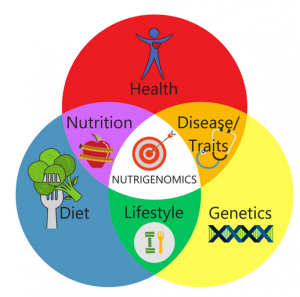
NutrigenomicsThere are many people who feel that they are not able to achieve their health goals in spite of a conscientious diet and fitness routine. Even regular health checks do not seem to help. Is there any method to identify and bridge the gap? Nutrigenomics is the science that looks at the interaction between our diet and lifestyle habits and how they affect our DNA in terms of regulating genes responsible for metabolism, development, and overall wellness.

Why is it Important to Understand Nutrigenomics?

  • Common dietary elements can act on our DNA, either directly or indirectly, to alter gene expression or structure. For example, dietary fat/carbohydrate intake affects genetic activity, metabolism rates, adiposity and thereby, a likelihood of weight gain (obesity).
  • Sometimes, for some of us, diet can be a serious risk factor for many diseases. For example, carriers of MTHFR gene variants may have lower enzyme activity and hence a higher risk for developing folate deficiency. In such instances, a reduced intake of Vitamin B6-containing foods may trigger clinical manifestation — screening can help implement dietary changes to manage health better.
  • The impact of diet on the balance between healthy and diseased states depends on our DNA. For example, variation in the SOD2 gene can alter the the antioxidant activity and increase the risk for excessive oxidative damage. Individuals who carry such variants need to ensure richer portions of antioxidants in their diet. Exercise routines can be planned with adequate rest between heavy workouts for repair/recovery.
  • Some diet-regulated genes (and their common variants) can affect the onset, incidence, progression, and/or severity of chronic diseases.
  • Chronic diseases can be prevented, mitigated, or addressed through dietary intervention based on the knowledge of nutritional requirement, nutritional status, and genotype. For example, certain gene variants can increase the likelihood of developing gluten intolerance. Genetic screening can help identify such risk factors for dietary intervention if required. This can have a positive impact on health, overall wellness, as well as athletic performance.

What Can You Learn From Nutrigenomics?

  • Your power to absorb vital nutrients required for a healthy body and mind
  • The impact of nutrients on various organs and pathways
  • Nutritional factors that can protect your genome from damage
  • Impact of genes on your lifestyle, diet, fitness, habits, etc.

When Is The Best Time To Get A Test?

The answer is NOW! Nutrigenomics are once-in-a-lifetime tests that are noninvasive. From newborns to nonagenarians, anyone can take this test. Whether you are starting your wellness journey or a veteran health and fitness expert, these tests can help you get to know yourself better.

How Can You Use It To Improve Quality Of Life?

Nutrigenomics can be the game-changer that empowers you on your wellness journey or enables you to achieve your fitness goals. Here’s how it works:

  1. Genetic tests are available online — you order one and receive the sample collection kit, along with a health history questionnaire.
  2. Once you send the sample, your DNA is extracted and analyzed for several key markers associated with diet, fitness, well-being, disease risk, and more.
  3. The genetic counselor correlates genetic findings with health history to offer personalized nutrition, fitness, and wellness advice.
  4. Your nutritionists and personal trainers can also be part of the genetic counseling session in order to design diet plans and fitness routines that work for you.

Sharing her views on the importance of Nutrigenomics, Pooja Ramachandran, India’s pioneering genetic counselor says, “The need for personalizing nutrition was seen soon after the conclusion of the Human Genome Project and the ensuing impact of personalized medicine. Nutrigenomics is poised to be a powerful tool for nutritionists, dietitians, doctors as well as any healthcare professional in using nutrition therapy for the treatment of disease. More importantly, Nutrigenomics may facilitate the prevention of diet-related diseases, and help design individualized nutritional strategies based on anticipated adverse or beneficial impacts of specific food or nutrients for a particular individual.”

  • « Previous Page
  • 1
  • …
  • 59
  • 60
  • 61
  • 62
  • 63
  • 64
  • Next Page »

Search

Recent Posts

  • Healthy Recipes For Kids: Healthy Twist On Pizza & Rolls
  • Staying Sharp After 40: The Ultimate Guide to Brain Longevity
  • Eat to Defy Age: Top 5 Foods to Fight Wrinkles and Premature Ageing
  • Brain Longevity: How to Stay Mentally Sharp After 40
  • The Role of Glutamine: Why This Amino Acid is Crucial for Muscle Recovery

Stay Updated

Archives

  • April 2026 (2)
  • March 2026 (18)
  • February 2026 (14)
  • January 2026 (14)
  • December 2025 (19)
  • November 2025 (15)
  • October 2025 (20)
  • September 2025 (6)
  • August 2025 (6)
  • July 2025 (12)
  • June 2025 (18)
  • May 2025 (16)
  • April 2025 (22)
  • March 2025 (28)
  • February 2025 (22)
  • January 2025 (25)
  • December 2024 (22)
  • November 2024 (23)
  • October 2024 (21)
  • September 2024 (24)
  • August 2024 (30)
  • July 2024 (21)
  • June 2024 (25)
  • May 2024 (30)
  • April 2024 (27)
  • March 2024 (27)
  • February 2024 (25)
  • January 2024 (21)
  • December 2023 (14)
  • November 2023 (11)
  • October 2023 (19)
  • September 2023 (22)
  • August 2023 (18)
  • July 2023 (22)
  • June 2023 (24)
  • May 2023 (24)
  • April 2023 (23)
  • March 2023 (23)
  • February 2023 (19)
  • January 2023 (15)
  • December 2022 (11)
  • November 2022 (15)
  • October 2022 (15)
  • September 2022 (12)
  • August 2022 (10)
  • July 2022 (17)
  • June 2022 (11)
  • May 2022 (10)
  • April 2022 (6)
  • March 2022 (6)
  • February 2022 (13)
  • January 2022 (11)
  • December 2021 (7)
  • November 2021 (3)
  • October 2021 (6)
  • September 2021 (3)
  • August 2021 (8)
  • July 2021 (7)
  • June 2021 (15)
  • May 2021 (16)
  • April 2021 (10)
  • March 2021 (7)
  • February 2021 (4)
  • January 2021 (4)
  • December 2020 (3)
  • November 2020 (4)
  • October 2020 (10)
  • September 2020 (3)
  • August 2020 (3)
  • July 2020 (2)
  • June 2020 (4)
  • May 2020 (10)
  • April 2020 (12)
  • March 2020 (10)
  • February 2020 (4)
  • January 2020 (4)
  • December 2019 (3)
  • November 2019 (7)
  • October 2019 (5)
  • September 2019 (4)
  • August 2019 (9)
  • July 2019 (9)
  • June 2019 (11)
  • May 2019 (4)
  • April 2019 (8)
  • March 2019 (8)
  • February 2019 (9)
  • January 2019 (8)
  • December 2018 (9)
  • November 2018 (3)
  • October 2018 (3)
  • September 2018 (5)
  • August 2018 (10)
  • July 2018 (6)
  • June 2018 (13)
  • May 2018 (8)
  • April 2018 (18)
  • March 2018 (9)
  • February 2018 (8)
  • January 2018 (15)
  • December 2017 (12)
  • November 2017 (19)
  • October 2017 (13)
  • September 2017 (15)
  • August 2017 (4)
  • July 2017 (8)
  • June 2017 (7)
  • May 2017 (6)
  • April 2017 (8)
  • March 2017 (6)
  • February 2017 (7)
  • January 2017 (9)
  • December 2016 (10)
  • November 2016 (7)
  • October 2016 (7)
  • September 2016 (7)
  • August 2016 (11)
  • July 2016 (9)
  • June 2016 (9)
  • May 2016 (12)
  • April 2016 (17)
  • March 2016 (17)
  • February 2016 (8)
  • January 2016 (6)
  • December 2015 (2)
  • November 2015 (9)
  • October 2015 (7)
  • September 2015 (9)
  • August 2015 (11)
  • July 2015 (9)
  • June 2015 (12)
  • May 2015 (9)
  • April 2015 (13)
  • March 2015 (8)
  • February 2015 (5)
  • January 2015 (12)
  • December 2014 (14)
  • November 2014 (11)
  • October 2014 (6)
  • September 2014 (13)
  • August 2014 (12)
  • July 2014 (6)
  • June 2014 (2)
  • May 2014 (7)
  • April 2014 (4)

From “Laddu Nawin” to Fit and Fierce: How a 25-Year-Old Insurance Advisor Shed 20 Kilos and Gained His Life Back

When 25-year-old Nawin Yadav from Hyderabad walked into his office every morning, he carried more than just his files and policy papers. He had the weight of fatigue, sluggish energy, and an ever-growing belly that was becoming the butt of jokes. “People … [Read More...]

“I’ve Challenged Myself to Live 100 Years” – The Story of Chandubhai Savani’s Second Chance at Life

At 67, most people start slowing down. Not Chandubhai Savani. A resident of Surat, Chandubhai, thought life was on track. “My life was going well till I had my bypass surgery,” he says. That surgery, back in 2021, was a wake-up call.  Medication was routine, but exercise wasn’t. His diet? What he calls ‘normal.’ “I […]

From Shimla’s Slopes to Chandigarh’s Sidewalks: Surinder Kaur Bhalla’s Journey from Chaos to Control

Some journeys start with a plan. Others begin with a stumble literally. Surinder Bhalla, a government professional, born and raised in the scenic hill town of Shimla, had always lived a life of movement. “In Shimla, you walked everywhere,” she reflects. “Walking was never an exercise. It was just life.” But after shifting to Chandigarh, […]

Ananda Mukherjee Health Story

From Terminal Illness To Complete Wellness! Ananda Mukherjee Health Story

As we observe World Cancer Day under the powerful theme ‘United by Unique’ (2025-2027)**, we are reminded that every individual’s journey with cancer is distinct, yet united by shared resilience, hope, and the collective fight against this disease. This theme places people at the centre of care and their stories at the heart of the […]

  • HOME
  • HEALTHY LIVING
  • FITNESS
  • HEALTHY RECIPES
  • USER STORIES
  • KARMA
  • BUY GOQii

Copyright ©2016 GOQii