
Our body and mind are intricately connected, and even a slight imbalance in one can significantly affect the other. A common example of this is stress. Psychological stress can be challenging not only for the mind but also for the body, particularly the skin, which is one of the largest organs. The connection between stress and chronic skin diseases like Atopic Dermatitis (AD) is profound.
Stress impacts many neurological, metabolic, and immune pathways linked to the progression of chronic skin diseases like AD. It can impair skin barrier function, trigger pro-inflammatory factors causing redness and inflammation, and alter the immune response, compromising disease resistance. Consequently, stress worsens AD, and the deteriorated state of the skin further exacerbates stress. This reciprocal relationship underscores the importance of managing stress as a vital part of AD management.
It is crucial to seek professional help for stress management and skin care. Consulting a dermatologist and, if necessary, a psychiatrist can ensure both stress and skin health are properly addressed. Meanwhile, indulging in hobbies, taking prescribed medications regularly, exercising, practicing yoga, and establishing a bedtime ritual can all contribute to better skin health.
A happier mind leads to happier, healthier skin.
We hope this article helps you. For further information or guidance, reach out to your GOQii Skin Coach.
#BeTheForce
Reference –
Evers AWM, van Beugen S. How stress affects the skin: from designs to mechanisms. Br J Dermatol. 2021 Jul;185(1):12-13. doi: 10.1111/bjd.20397. Epub 2021 Jun 11. PMID: 34114221; PMCID: PMC8361690.
Disclaimer: The information provided in this blog is for general awareness and educational purposes only. It is not intended to replace professional medical advice, diagnosis, or treatment. Always consult a qualified healthcare provider for personalised medical guidance or concerns related to your health.
 Gut health is a familiar concept, and it’s widely recognized that maintaining a healthy gut is beneficial for our overall well-being. Beyond just aiding digestion, a healthy gut supports our immune system, heart health, brain function, weight management, and numerous other facets of health.
 Do you eat food peacefully or with worry on your mind? Do you exercise happily or with worry on your mind? Do you also go to bed worried? Are you low on energy through the day and only the thought of outside food or entertainment can cheer you up? Are you unable to overcome worry?
 Most of our obstacles to weight loss and health are mental in character. You might say, “mine are not mental, they are real”, perhaps so, but your attitude towards them is clearly mental. “Worry” is the most subtle and destructive of all human diseases. Through “worry”, we have the dangerous ability to manifest diseases, stress, failure, defeat, anger, frustration and depression.
 Take a paper and write down all the things that you have and are grateful for. This should come from your heart. When you are done with this, your problems and insecurities will suddenly seem less. When you begin to eliminate worry, your energy levels automatically increase.
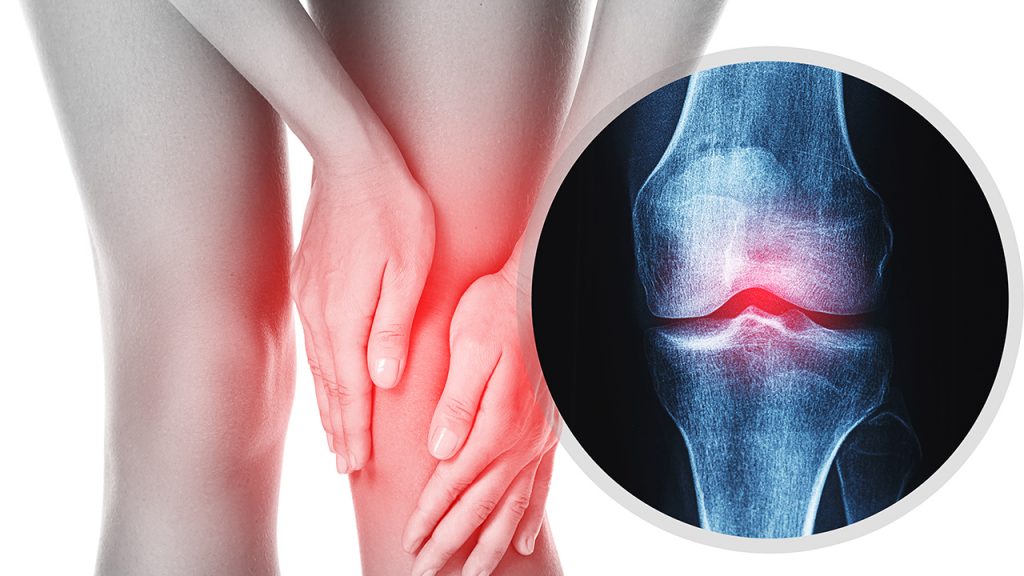 The other day one of my patients who is in her 60s fell while walking and she got a hip fracture. When I asked what the reason for your fracture was? She said it’s my old age. I asked if you would have fallen like this 30 years back, would you have got a fracture? She said No.


