GOQii

Blog

  • HOME
  • HEALTHY LIVING
  • FITNESS
  • HEALTHY RECIPES
  • USER STORIES
  • KARMA
  • BUY GOQii

December 23, 2025 By GOQii Leave a Comment

How to Use Mounjaro: Essential Guidelines for Your Weekly Dose

Starting a new injectable medication can raise many questions, especially in the first few weeks. From understanding the routine to knowing where to find reliable guidance, clarity plays a key role in building confidence.

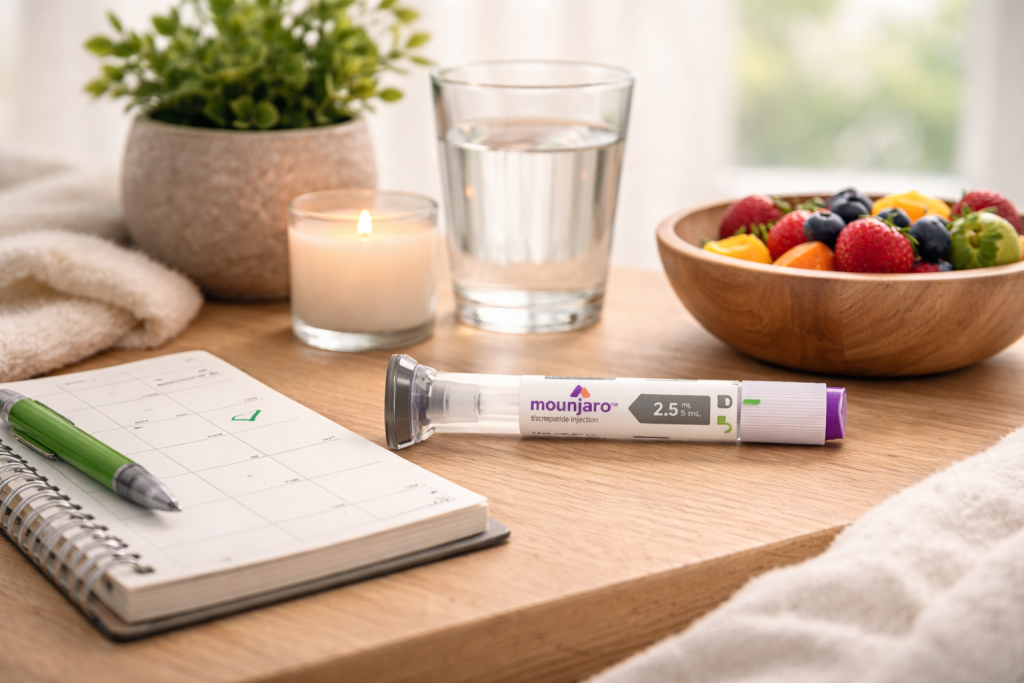
Mounjaro is prescribed as part of a structured treatment plan and is designed to be administered once a week using a prefilled pen. While the device itself is intended to be user-friendly, learning how it is typically used should always begin with guidance from your doctor, pharmacist, and the manufacturer’s official instructions.

Below is an overview of how Mounjaro is commonly administered, along with important considerations to keep in mind as you build it into your weekly routine.

How Mounjaro Is Typically Used

Mounjaro is administered as an injection just under the skin (subcutaneous injection).

Before starting treatment, your doctor or pharmacist will demonstrate how to use the pen correctly. You should not begin Mounjaro without professional instruction.

According to the drug manufacturer, using the Mounjaro pen generally follows a simple, step-based process.

Manufacturer-Recommended Usage Overview

As outlined by the manufacturer, using a Mounjaro pen typically involves:

  • Choosing an appropriate injection site
  • Removing the pen’s base cap (the pen is single-use and does not require preparation or mixing)
  • Placing the pen flat against the skin and unlocking it
  • Pressing and holding the button until the injection is complete

During the injection, two clicks are usually heard. The first indicates that the injection has started, and the second confirms that it is complete. Holding the pen in place briefly helps ensure the full dose is delivered.

For detailed instructions and a visual demonstration, patients are advised to refer to the manufacturer’s official website before their first injection.

Where Mounjaro Is Administered

Mounjaro is injected just beneath the skin and is commonly administered in:

  • The abdomen (stomach area)
  • The thigh
  • The upper arm

Rotating injection sites from week to week may help minimise discomfort and reduce the risk of skin irritation.

Using Mounjaro with Other Medications

If insulin is also part of your treatment plan, Mounjaro may be administered during the same session.

Healthcare professionals generally advise that:

  • Both injections can be given in the same general area (such as the abdomen)
  • The exact same spot should be avoided
  • Leaving a few inches between injection sites supports proper absorption

Your doctor or pharmacist can provide personalised guidance on site rotation if needed.

The Bigger Picture

Mounjaro is a prescription medication used to support blood sugar management in adults with Type 2 Diabetes and is increasingly prescribed as part of weight management care. It is taken once a week using a prefilled pen.

At GOQii, we believe medication is just one part of a broader health journey. Long-term progress particularly for metabolic health and weight-related goals is best supported when treatment is paired with informed nutrition choices, regular movement, quality sleep, and sustainable habits.

This is where personalised coaching plays an important role, helping individuals translate treatment into everyday routines that can be maintained over time.

If you have questions about using Mounjaro, always speak with your doctor or pharmacist, or refer directly to the manufacturer’s official resources.

#BeTheForce

Disclaimer
GOQii is committed to providing accurate, up-to-date, and comprehensive information. This article is for informational purposes only and is not a substitute for professional medical advice. Always consult your doctor or another qualified healthcare professional before starting or changing any medication. Drug information may change over time and may not include all possible uses, directions, precautions, warnings, interactions, or adverse effects.

September 10, 2025 By GOQii Leave a Comment

How to Manage the Break Moment: Life Beyond Six Months on GLP-1

For many people on GLP-1 therapy, the six-month mark is a significant milestone. This is often a planned part of the treatment protocol, where doctors advise a pause or dose reduction to assess how the body responds independently. While this “break moment” can bring a wave of uncertainty, it’s also a powerful opportunity to trust your new habits and embrace the next phase of your health journey.

Understanding the Break Moment

GLP-1 medications work by regulating appetite, slowing digestion, and supporting blood sugar control. Over several months, they create the space for people to reset their relationship with food, manage cravings, and rebuild their confidence in metabolic health.

When the treatment is paused, however, it can feel like stepping into unknown territory. Questions naturally arise:

  • Will my hunger return?
  • What if I start regaining weight?
  • Was my progress down to the medication, or have I truly changed?

These concerns are valid, but the reality is that GLP-1 was never intended as a permanent crutch. Instead, it acts as a tool to support change while healthier patterns take root. The break moment is about testing and trusting those patterns.

Three Strategies for Navigating the Transition

1. Rely on the Habits You’ve Built

Over the course of six months, most people adapt to smaller portions, find satisfying food choices, and develop healthier eating habits. These habits are now the anchors. The focus should be on continuing with consistency rather than reverting to restrictive diets or old cycles of guilt.

2. Reset the Mind Alongside the Body

This stage is as much about psychology as it is about physiology. It helps to:

  • Accept that appetite fluctuations are normal.
  • Recognise that six months of change has strengthened not only metabolism but also mindset.
  • Frame the break as the beginning of a new chapter, not the end of progress.

3. Stay Connected and Accountable

Support makes a difference. Whether through medical guidance, coaching, or trusted peers, staying accountable encourages steadiness. Tools such as journaling, tracking progress, or participating in support groups can help maintain focus.

Embracing the New Normal

Rather than viewing the break as a setback, it can be reframed as a checkpoint—a moment to pause, evaluate, and continue forward. Just as a cyclist wobbles before finding balance when training wheels come off, it may feel uncertain at first. With time, however, confidence builds.

GLP-1 therapy provides the initial reset, but the long-term journey belongs to the individual. By leaning on established habits, aligning mindset, and maintaining support, the break moment can transform into proof of resilience and self-trust.

Ultimately, wellness is not defined by medication alone, but by the ability to sustain health and balance when external supports are adjusted. The break moment is not the end of the road it is a reminder that the journey is still unfolding, and you are ready to continue it.

#BeTheForce

Disclaimer: The information provided in this blog is for general awareness and educational purposes only. It is not intended to replace professional medical advice, diagnosis, or treatment. Always consult a qualified healthcare provider for personalised medical guidance or concerns related to your health. Images shown are for representation purposes only and may not depict the exact recommendations or outcomes.

May 31, 2025 By GOQii Leave a Comment

Enabling Choices: How GLP-1 is Transforming Weight and Well-being Globally

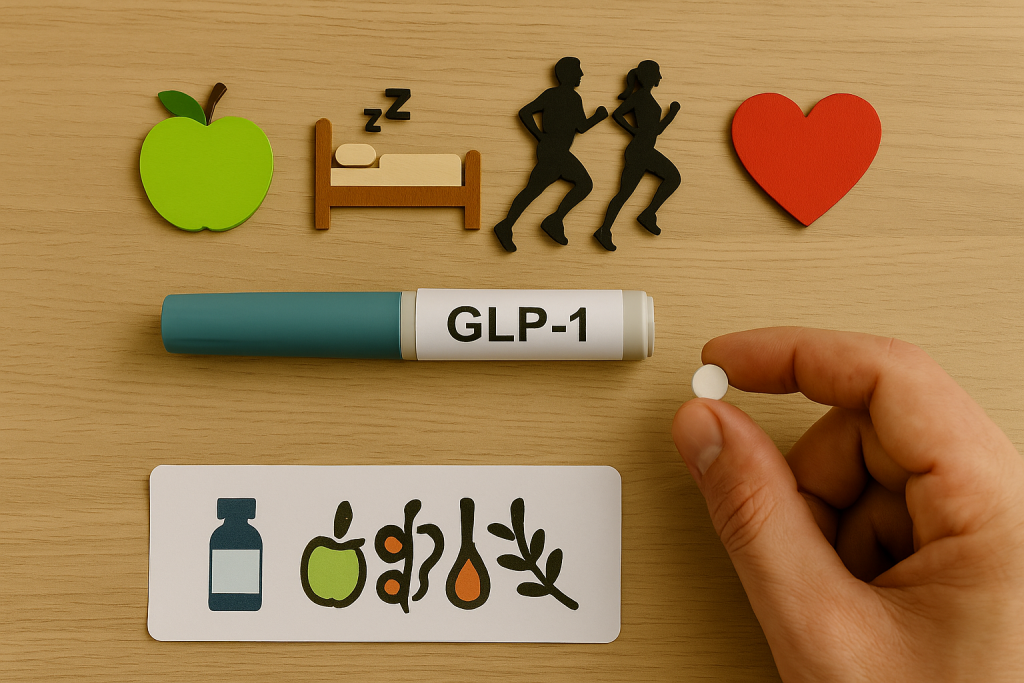
A flat lay of wellness essentials including a GLP-1 medication pen, healthy food, water, sleep mask, and fitness tracker — symbolising holistic support for weight and health management.A Science-Based Shift from Shame to Strength
Let’s talk about weight — not as a number on the scale, but as a story we’ve been telling, often with shame, judgement, and whispered critiques. Across cultures, weight has been more than just about health; it’s been tangled up in expectations, appearances, and societal pressure.

For women, it’s long been linked to worth, desirability, and social acceptance. For men, mockery often comes disguised as humour, while lifestyle stress quietly takes its toll.

But a new story is emerging. And this time, it’s backed by science.

From Willpower to Biology: A Paradigm Shift

For decades, the weight-loss conversation has been stuck in a simplistic formula: eat less, move more. If you didn’t succeed, the blame fell on your discipline — or supposed lack of it.

But modern science tells a different story.

Weight is not just about willpower — it’s deeply influenced by how our brains regulate hunger, how our hormones respond to food, and how our bodies manage insulin.

Enter GLP-1 (glucagon-like peptide-1) receptor agonists — a class of medications initially developed to treat type 2 diabetes. Drugs like semaglutide and liraglutide work by mimicking the action of the natural GLP-1 hormone, helping to regulate appetite, glucose levels, and feelings of fullness.

What doctors began to notice was that many patients weren’t just managing their diabetes better — they were also losing weight, sustainably and safely.

Endocrinologists noted that this was science supporting the body to function as it was meant to — managing hunger cues, curbing intense cravings, and balancing metabolism.

A Tool, Not a Shortcut

Let’s be clear: GLP-1 therapies are not miracle pills. They’re tools — and remarkably effective ones — but they work best when used alongside healthy lifestyle habits like balanced nutrition, regular physical activity, good sleep, and mental well-being.

This isn’t about chasing an ideal body image. It’s about improving metabolic health, enhancing insulin sensitivity, reducing cardiovascular risk, boosting energy, and improving long-term quality of life.

For many people who have tried everything — from extreme diets to punishing fitness routines — GLP-1 treatment has been the first time they’ve felt in control.

Hunger is no longer all-consuming. Eating becomes mindful, not guilt-ridden. Their bodies start responding, not resisting.

Language Matters: From Fat Loss to Health Gain

It’s time to change the way we talk about weight and wellness.

Let’s move away from phrases like “fat loss” and instead centre conversations around “health gain.” Let’s talk about hormone balance, liver health, and emotional regulation — not just waistlines.

When we reduce health to aesthetics, we risk turning a deeply personal and biological journey into a beauty contest. GLP-1 therapies remind us that health isn’t about being thinner — it’s about being stronger, more balanced, and more in tune with your body.

A Personal Journey, Backed by Science

GLP-1 therapy is not a shortcut — it is a signal of a larger shift. From blame to understanding. From shame to support. It’s a tool that gives people their agency back.

For too long, the message has been: You need to try harder.
Now, science says: You deserve better tools.

Whether you’re navigating weight challenges, prediabetes, or simply trying to feel better in your body, know this:

You are not broken.
You are not weak.
You are not alone.

You’re human — and now, finally, the science is humanising your struggle.

The future of wellness isn’t about perfection.
It’s about empowerment, equity, and informed choice.
And with tools like GLP-1, we’re not just transforming bodies —
we’re transforming the very conversation around health.

#BeTheForce

Disclaimer: The information provided in this blog is for general awareness and educational purposes only. It is not intended to replace professional medical advice, diagnosis, or treatment. Always consult a qualified healthcare provider for personalised medical guidance or concerns related to your health. Images shown are for representation purposes only and may not depict the exact recommendations or outcomes.

May 19, 2025 By GOQii Leave a Comment

Low-Carb Woes? Here’s How to Tackle the 3 Cs: Cravings, Constipation & Cramps

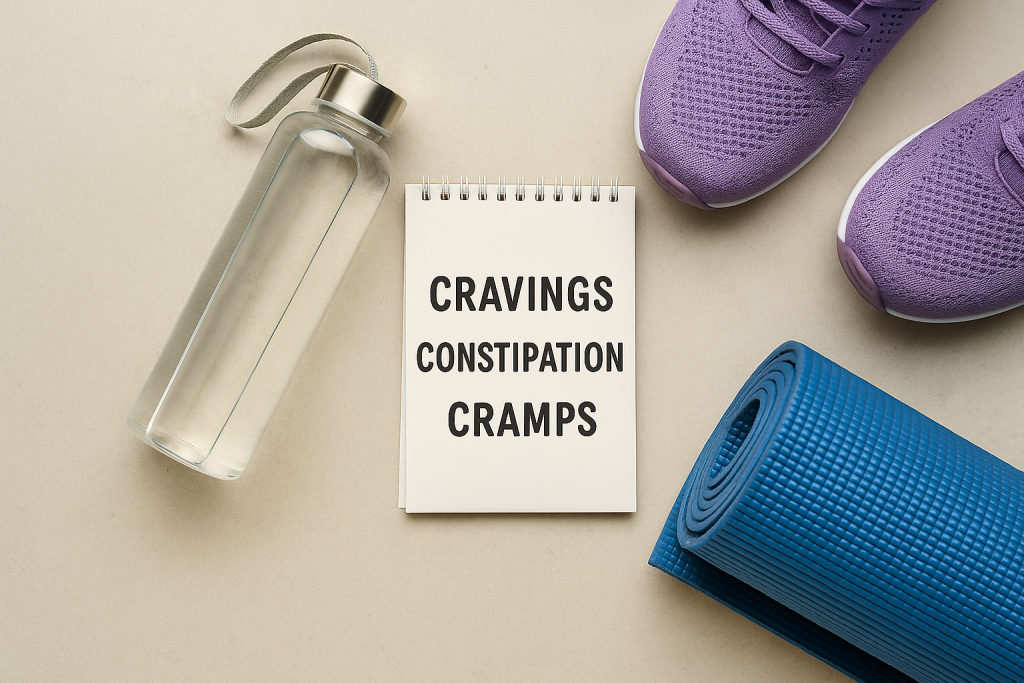
Cravings, Constipation & CrampsStarting a low-carb diet can be a transformative step — especially if you’re aiming to reverse diabetes, improve metabolic health, or simply feel better overall. But the transition isn’t always smooth.



In the early days, it’s common to face a few challenges. Chief among them are cravings, constipation, and cramps — the “3 Cs” that often accompany your body’s adjustment to this new way of eating.

These symptoms are temporary, and they’re not a sign that something’s gone wrong. They simply reflect how your body is adapting. The good news? Each one can be managed effectively with a few simple strategies.

  1. Cravings

What’s happening:
When you cut down on carbohydrates — especially refined sugars and processed starches — your body initially struggles. It’s used to relying on quick sugars for energy, so when that source is removed, it signals hunger more aggressively. This can lead to strong cravings, particularly for high-carb comfort foods.

What helps:

  • Increase healthy fats: Include good fats like avocado, coconut, olive oil, and nuts in your meals. They promote satiety and help control hunger.
  • Eat balanced meals: Ensure your meals include a mix of protein, fibre, and fat. This helps stabilise blood sugar levels and reduces sudden hunger pangs.
  • Hydrate regularly: Often, what feels like a craving is actually dehydration. Aim to drink plenty of water throughout the day.

Distract and reset: A short walk, chewing gum, or even brushing your teeth can help shift your focus away from cravings.

  1. Constipation

What’s happening:
As your carbohydrate intake drops, you may also be eating less fibre — particularly if you’ve eliminated whole grains and haven’t replaced them with fibrous vegetables. This can slow down digestion.

What helps:

  • Prioritise vegetables: Load up on non-starchy vegetables like spinach, broccoli, cucumbers, and courgettes to boost fibre intake.
  • Add natural fibre sources: Chia seeds or ground flaxseeds (1–2 tablespoons a day) are excellent for digestive health.
  • Stay hydrated: Water supports smooth digestion and helps fibre do its job properly.
  • Keep moving: Gentle physical activity, like a daily walk, stimulates bowel movements and supports gut motility.
  1. Cramps

What’s happening:
Low-carb diets lead to reduced insulin levels, which cause the kidneys to excrete more water and, along with it, essential electrolytes like sodium, potassium, and magnesium. This can result in muscle cramps, especially at night. Also, cutting out processed foods often reduces sodium intake, leading to deficiency.

What helps:

  • Salt your food mindfully: A pinch of good-quality salt (sea salt or Himalayan salt) can help restore sodium levels. Aim for around 2 teaspoons per day (unless advised otherwise by your doctor).
  • Replenish magnesium: Include magnesium-rich foods like leafy greens, almonds, and pumpkin seeds. In some cases, a supplement may be useful — consult your doctor.
  • Boost potassium intake: Avocados, mushrooms, and spinach are excellent low-carb sources of potassium.
  • Hydration remains key: Continue drinking adequate fluids throughout the day to support overall electrolyte balance.

Stay the Course

These early side effects are not permanent. They’re part of your body’s natural shift from relying on carbohydrates to using fat as a primary energy source. With a little patience and the right nutritional adjustments, most people notice these symptoms ease within the first two weeks.

Once past this transition, many experience improved energy levels, reduced cravings, better digestion, and overall enhanced well-being.

So if you’re facing the 3 Cs right now — know that it’s temporary. Stay informed, take care of your body, and lean on the DIP principles. You’re on the right track.

#BeTheForce

Disclaimer: The information provided in this blog is for general awareness and educational purposes only. It is not intended to replace professional medical advice, diagnosis, or treatment. Always consult a qualified healthcare provider for personalised medical guidance or concerns related to your health.

  • « Previous Page
  • 1
  • 2
  • 3
  • 4
  • 5
  • Next Page »

Search

Recent Posts

  • Caution: Smoking is Injurious to health!!
  • The Sleep-Metabolism Connection: Why Rest is Your Best GLP-1 Partner
  • Accelerate Action for Your Health: Why Self-Care Matters This International Women’s Day
  • 4 Reasons Why Affirmations Are Not Working For You
  • The Social Side of GLP-1: Navigating “Food Culture” and Peer Pressure

Stay Updated

Archives

  • March 2026 (4)
  • February 2026 (14)
  • January 2026 (14)
  • December 2025 (19)
  • November 2025 (15)
  • October 2025 (20)
  • September 2025 (6)
  • August 2025 (6)
  • July 2025 (12)
  • June 2025 (18)
  • May 2025 (16)
  • April 2025 (22)
  • March 2025 (23)
  • February 2025 (22)
  • January 2025 (25)
  • December 2024 (22)
  • November 2024 (23)
  • October 2024 (21)
  • September 2024 (24)
  • August 2024 (30)
  • July 2024 (21)
  • June 2024 (26)
  • May 2024 (31)
  • April 2024 (27)
  • March 2024 (29)
  • February 2024 (25)
  • January 2024 (21)
  • December 2023 (15)
  • November 2023 (11)
  • October 2023 (19)
  • September 2023 (22)
  • August 2023 (18)
  • July 2023 (22)
  • June 2023 (24)
  • May 2023 (24)
  • April 2023 (23)
  • March 2023 (23)
  • February 2023 (19)
  • January 2023 (15)
  • December 2022 (11)
  • November 2022 (15)
  • October 2022 (15)
  • September 2022 (12)
  • August 2022 (10)
  • July 2022 (17)
  • June 2022 (11)
  • May 2022 (10)
  • April 2022 (6)
  • March 2022 (6)
  • February 2022 (13)
  • January 2022 (11)
  • December 2021 (7)
  • November 2021 (3)
  • October 2021 (6)
  • September 2021 (3)
  • August 2021 (8)
  • July 2021 (7)
  • June 2021 (15)
  • May 2021 (16)
  • April 2021 (10)
  • March 2021 (7)
  • February 2021 (4)
  • January 2021 (4)
  • December 2020 (3)
  • November 2020 (4)
  • October 2020 (10)
  • September 2020 (3)
  • August 2020 (3)
  • July 2020 (2)
  • June 2020 (4)
  • May 2020 (10)
  • April 2020 (12)
  • March 2020 (10)
  • February 2020 (4)
  • January 2020 (4)
  • December 2019 (3)
  • November 2019 (7)
  • October 2019 (5)
  • September 2019 (4)
  • August 2019 (9)
  • July 2019 (9)
  • June 2019 (11)
  • May 2019 (4)
  • April 2019 (8)
  • March 2019 (8)
  • February 2019 (9)
  • January 2019 (8)
  • December 2018 (9)
  • November 2018 (3)
  • October 2018 (3)
  • September 2018 (5)
  • August 2018 (10)
  • July 2018 (6)
  • June 2018 (13)
  • May 2018 (8)
  • April 2018 (18)
  • March 2018 (9)
  • February 2018 (8)
  • January 2018 (15)
  • December 2017 (12)
  • November 2017 (19)
  • October 2017 (13)
  • September 2017 (15)
  • August 2017 (4)
  • July 2017 (8)
  • June 2017 (7)
  • May 2017 (6)
  • April 2017 (8)
  • March 2017 (6)
  • February 2017 (7)
  • January 2017 (9)
  • December 2016 (10)
  • November 2016 (7)
  • October 2016 (7)
  • September 2016 (7)
  • August 2016 (11)
  • July 2016 (9)
  • June 2016 (9)
  • May 2016 (12)
  • April 2016 (17)
  • March 2016 (17)
  • February 2016 (8)
  • January 2016 (6)
  • December 2015 (2)
  • November 2015 (9)
  • October 2015 (7)
  • September 2015 (9)
  • August 2015 (11)
  • July 2015 (9)
  • June 2015 (12)
  • May 2015 (9)
  • April 2015 (13)
  • March 2015 (8)
  • February 2015 (5)
  • January 2015 (12)
  • December 2014 (14)
  • November 2014 (11)
  • October 2014 (6)
  • September 2014 (13)
  • August 2014 (12)
  • July 2014 (6)
  • June 2014 (2)
  • May 2014 (7)
  • April 2014 (4)

From “Laddu Nawin” to Fit and Fierce: How a 25-Year-Old Insurance Advisor Shed 20 Kilos and Gained His Life Back

When 25-year-old Nawin Yadav from Hyderabad walked into his office every morning, he carried more than just his files and policy papers. He had the weight of fatigue, sluggish energy, and an ever-growing belly that was becoming the butt of jokes. “People … [Read More...]

“I’ve Challenged Myself to Live 100 Years” – The Story of Chandubhai Savani’s Second Chance at Life

At 67, most people start slowing down. Not Chandubhai Savani. A resident of Surat, Chandubhai, thought life was on track. “My life was going well till I had my bypass surgery,” he says. That surgery, back in 2021, was a wake-up call.  Medication was routine, but exercise wasn’t. His diet? What he calls ‘normal.’ “I […]

From Shimla’s Slopes to Chandigarh’s Sidewalks: Surinder Kaur Bhalla’s Journey from Chaos to Control

Some journeys start with a plan. Others begin with a stumble literally. Surinder Bhalla, a government professional, born and raised in the scenic hill town of Shimla, had always lived a life of movement. “In Shimla, you walked everywhere,” she reflects. “Walking was never an exercise. It was just life.” But after shifting to Chandigarh, […]

Ananda Mukherjee Health Story

From Terminal Illness To Complete Wellness! Ananda Mukherjee Health Story

As we observe World Cancer Day under the powerful theme ‘United by Unique’ (2025-2027)**, we are reminded that every individual’s journey with cancer is distinct, yet united by shared resilience, hope, and the collective fight against this disease. This theme places people at the centre of care and their stories at the heart of the […]

  • HOME
  • HEALTHY LIVING
  • FITNESS
  • HEALTHY RECIPES
  • USER STORIES
  • KARMA
  • BUY GOQii

Copyright ©2016 GOQii
