GOQii

Blog

  • HOME
  • HEALTHY LIVING
  • FITNESS
  • HEALTHY RECIPES
  • USER STORIES
  • KARMA
  • BUY GOQii

April 7, 2025 By GOQii Leave a Comment

Building a Healthier Future: Why Maternal and Infant Health Must Be a Global Priority

When a mother embraces her infant for the first time, it is the most profound moment and a delight that every woman should be able to feel. The mother and her baby should have the opportunity to flourish rather than just survive. Strong families and resilient communities are built on the foundation of maternal and infant health. In India and other parts of the world, protecting mothers’ and infants’ health is not only a medical concern but also a fundamental human right.

It’s time to consider the tragic fact that far too many mothers and infants continue to perish from preventable causes as we commemorate World Health Day today on April 7th, 2025.

The Stark Numbers We Cannot Ignore

As per the World Health Organisation (WHO), pregnancy and delivery problems claim the lives of about 300,000 women annually. In the first month of life, more than 2 million babies pass away, and another 2 million are stillborn. That is around one avoidable death every seven seconds.

The stories of a lady with hope and a child whose destiny was never given a chance lie behind each of these figures.

Though awareness has grown and medical technology has advanced, improvement has been too slow. Four out of five nations will fall short of their 2030 maternal survival improvement goals if present trends continue.

One in three nations will not meet their targets for lowering the number of neonatal fatalities.

India’s Progress and Remaining Challenges

India has made noteworthy progress in improving maternal health as per a UNICEF India programme. The programme report suggests that the Maternal Mortality Ratio (MMR) declined from 130 per 100,000 live births in 2014–16 to 97 in 2018–20, reflecting stronger healthcare systems, better antenatal care, and dedicated policy interventions.

Yet, significant challenges remain. There are persistent disparities in access to healthcare and nutrition, particularly across rural and marginalized communities. Many maternal deaths are still due to preventable causes such as severe bleeding, infections, and complications during delivery that can be managed with timely and appropriate care.

Helping Every Woman and Baby Survive and Thrive

This is an important—and completely doable—task. We can easily solve the problems.

We must make sure that every woman and her family receive respectful, high-quality care before, during, and after childbirth. This entails treating mental health, noncommunicable diseases, and family planning access in addition to direct obstetric difficulties.

Listening to Women, Supporting Families

A dedication to listening to women must be at the core of this movement. Their opinions are much too frequently ignored when choices about their health and welfare are being made. To raise new lives in secure, healthy settings, families also require financial, emotional, and physical support.

Health systems need to change to become more people-centred and responsive. We must make investments in maternity and neonatal care that enhance quality of life while lowering mortality.

This World Health Day, we join the global movement to:

  • Raise awareness about the gaps in maternal and newborn survival—and the urgent need to close them.
  • Advocate for investments that prioritise the health and long-term well-being of women and babies.
  • Encourage collective action, supporting both families and health workers who provide critical care under challenging conditions.
  • Provide vital information about pregnancy, childbirth, and the postnatal period, empowering individuals to make informed health choices.

Maternal and infant deaths are not inevitable—they are preventable. With the right care, policies, and support systems, we can change the story for millions of women and children around the world.

On this World Health Day, let’s commit to building a world where every birth is safe, every life is valued, and every mother and baby has the opportunity to thrive.

#BeTheForce

March 15, 2025 By Dr Manali Rao 5 Comments

Hypertension in Pregnancy: What Every Mother-to-Be Should Know

pregnant-womenPregnancy is a beautiful journey, but it also comes with its share of challenges. Among them, high blood pressure (hypertension) is one of the most common concerns for expectant mothers. Whether it’s your first pregnancy or you’ve experienced complications before, understanding hypertension during pregnancy can help you stay in control and safeguard both your health and your baby’s well-being.

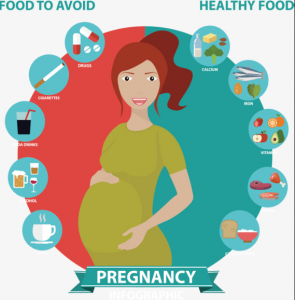
Some women experience pregnancy-induced hypertension (PIH), which can develop after 20 weeks of pregnancy. If left unchecked, it can lead to complications such as pre-eclampsia, placental abruption, or preterm delivery. However, with early detection, lifestyle changes, and medical support, most women can manage their blood pressure effectively and have a healthy pregnancy.

What is Pregnancy Induced Hypertension (PIH)?

PIH refers to newly developed hypertension during pregnancy, without the presence of protein in the urine or other symptoms of pre-eclampsia. Hypertension is defined as blood pressure higher than 140/90 mmHg. It can have serious effects on both mother and baby if not monitored properly.

Causes & Risk Factors of PIH

There is no single cause of PIH, but several factors can increase your risk:

  • Being overweight or obese
  • Lack of physical activity
  • Smoking or alcohol consumption
  • Family history of hypertension or PIH
  • Previous history of PIH in past pregnancies
  • Multiple pregnancy (twins or more)
  • Maternal age (below 18 or over 35 years old)
  • Pre-existing diabetes, kidney disease, or high blood pressure
  • Living with a single kidney
  • IVF pregnancies
  • Placental abnormalities

Types of Hypertension in Pregnancy

  • Gestational Hypertension:​
    Develops after 20 weeks of pregnancy, with high blood pressure but no protein in the urine or organ damage. Some women with gestational hypertension may develop pre-eclampsia later in pregnancy.
  • Chronic Hypertension:​
    High blood pressure present before pregnancy or occurring before 20 weeks of gestation. This type may go undiagnosed if regular BP checks were not done before pregnancy.
  • Chronic Hypertension with Superimposed Pre-Eclampsia:
    Women with chronic hypertension who develop worsening blood pressure, protein in the urine, or other complications during pregnancy.
  • Pre-Eclampsia:​
    A serious pregnancy complication that includes high blood pressure, proteinuria (protein in the urine), and signs of organ damage. If left untreated, it can lead to severe complications for both mother and baby.
  • Eclampsia:
    A severe form of pre-eclampsia that leads to seizures, which can be life-threatening for both mother and baby.

Symptoms of PIH & Pre-Eclampsia

Look out for the following warning signs:

  • Severe headaches
  • Blurred vision or sensitivity to light
  • Pain in the upper abdomen (under the ribs, right side)
  • Nausea or vomiting
  • Sudden swelling in the face, hands, or feet
  • Decreased urine output
  • Shortness of breath (fluid in the lungs)
  • Dizziness or fainting spells
  • Spots or flashes before your eyes
  • Blood in urine
  • Decreased levels of platelets in your blood (thrombocytopenia)
  • Impaired liver function

If you experience any of the symptoms mentioned, immediately report to your Gynecologist or health care provider.

Complications of PIH

If left unmanaged, hypertension in pregnancy can lead to:

  1. Preterm Labour: Premature birth due to complications.
  2. Placental Abruption: The placenta partially or completely separates from the uterus before birth, depriving the baby of oxygen and nutrients.
  3. Intrauterine Growth Restriction (IUGR): The baby may have restricted growth due to reduced blood supply.
  4. Organ Damage: Liver, kidney, and blood clotting issues.
  5. Stillbirth (IUD – Intrauterine Death): In severe, untreated cases.
  6. Postpartum Hypertension: Some women may continue to experience high blood pressure after delivery, requiring continued medical care.

Managing PIH for a Healthy Pregnancy

  • Follow Your Doctor’s Advice – Attend all antenatal appointments and take prescribed medications as directed.
  • Rest as Advised – Your doctor may recommend bed rest depending on your blood pressure.
  • Manage Stress – Meditation, deep breathing, and engaging in relaxing activities can help.
  • Reduce Salt Intake – Cut down on processed foods, salty snacks, and added table salt.
  • Eat a Nutritious Diet – Prioritise whole grains, fruits, vegetables, lean proteins, and healthy fats.
  • Stay Active – Engage in light exercises such as walking or prenatal yoga if approved by your doctor.
  • Stay Hydrated – Drink plenty of water to maintain proper circulation.
  • Monitor Your Blood Pressure – Regularly check your BP at home and report any concerns to your doctor.

Maintaining a healthy blood pressure throughout pregnancy is crucial for both maternal and foetal well-being. Early detection, lifestyle modifications, and regular medical check-ups can help prevent complications.

  1. Start healthy habits before pregnancy to reduce your risk of PIH.
  2. Listen to your body and report any unusual symptoms to your doctor.
  3. Prioritise a balanced lifestyle with a nutritious diet, regular movement, and stress management.
  4. Remember, a Healthy Mother = a Healthy Baby!

💬 Have you experienced hypertension during pregnancy? Share your experience in the comments below!

#BeTheForce 

Disclaimer: The information provided in this blog is for general awareness and educational purposes only. It is not intended to replace professional medical advice, diagnosis, or treatment. Always consult a qualified healthcare provider for personalised medical guidance or concerns related to your health.

May 16, 2024 By Dr Darshana Salve 2 Comments

Navigating Pregnancy: A Journey of Transformation

PREGNANT-women

Seeing two pink lines (positive) on the pregnancy test strip and confirming the pregnancy after the doctor’s visit knew no boundaries to their happiness.

But, with each passing week of the pregnancy came not only new excitement but, also doubts whether the changes taking place inside the body were normal or not.

Here’s an insight into Pregnancy.

The entire pregnancy is about 38 weeks plus minus 7 days. If the baby is born before 37 weeks then it is a pre-term delivery whereas if the delivery happens after 42 weeks then it is called a post-term delivery.

Pregnancy is divided into 3 trimesters and each trimester is 3 months.

The first trimester is the most crucial to your baby’s development. During this period, your baby’s body structure and organ systems develop. Most miscarriages and birth defects occur during this period. Inculcating a healthy lifestyle during this period is very important as the foetus depends on its mother for nourishment. During this period have a balanced diet, compromised of proteins, carbohydrates, fats, vitamins and minerals. Make sure you include Folic acid tablets which are essential for normal brain development of the baby.

In this period the expectant mother may not put on weight, rather she may lose some due to morning sickness. She needs 300-350 calories more than her normal requirement during this period. Do not stop eating because you feel nauseated but, try and include foods that you like and that are light on your stomach. Proper diet and exercise ensures foetal health and growth.

 Physical changes that normally occur during the First Trimester (1-3 months).

– Nausea (morning sickness) with or without vomiting
– Increased frequency of urination
– Food cravings
– Breast heaviness and darkening of the areola
– Constipation, gases or heartburn
– Occasional headaches
– Fetal heart sounds can be heard during the Sonography by the 5th week of pregnancy.

Emotional changes

– Happiness, euphoria, fear or irritability
– Frequent mood swings
– Confused mental state if the pregnancy was unplanned

The Second trimester

The Second trimester of pregnancy is often called the “golden period” because many of the unpleasant effects of early pregnancy disappear. During the second trimester, you’re likely to experience decreased nausea, better sleep patterns, and increased energy levels. You need to supplement with Iron and Calcium tablets as prescribed by your Doctor.

Physical changes that normally occur during Second Trimester (3-6 months).

– Decreased nausea and vomiting and increased appetite
– Fatigue and giddiness
– Constipation and bloating
– White discharge from the vagina
– Mild swelling of ankles and feet and leg cramps
– Weight gain 4-6 kgs
– Lower abdomen and back discomfort
– Darkening of skin and stretch marks on tummy

Emotional changes

– Joy of looking pregnant due to enlarging tummy
– Excitement about feeling the fetal movements.

It is advisable to get the Anomaly Scan by the 20th week of pregnancy to check if there are any congenital defects in the baby like Down’s syndrome, cleft lip or palate and heart and spine abnormalities.

Along with the Anomaly scan, if the Mother is less than 30 years of age then the Double Marker blood test is recommended and if she is more than 30 years of age then the Triple Marker test is recommended which is used for detecting chromosomal abnormalities that might occur after the conception. 1 in 700 births can have chromosomal abnormalities.

You have now reached your final stretch of pregnancy and are probably very excited and anxious at the same time for the birth of your baby. Some of the physical symptoms you may experience during this period include;

– Large, itchy abdomen and breasts with protruding umbilicus (navel)
– Gentle uterine contractions (Braxton Hicks Contractions) (false labor)
– Leaking of breast milk from the nipples
– Shortness of breath
– Difficulty in sleeping
– Increased constipation and occasionally piles
– Increased in foetal activity (kicking)
– Fatigue and breathing difficulty

Emotional changes

– Anxiety about labour and baby care
– Excitement about shopping for baby and preparing for the baby nursery
– Irritability and impatience about reaching the due date
– “Nesting instinct” – Nesting is the act of preparing your home (cleaning, stockpiling and organizing) for your baby’s arrival

How do you know you are in labour?

  1. Blood tinged or brownish vaginal discharge
  2. Diarrhoea
  3. Fluid gushing or leaking from the vagina means the membranes of the amniotic sac that surrounded and protected the baby have ruptured
  4. More frequent and intense painful Contractions.

Look out for these signs and know that your baby is on its way. Contact your Doctor and prepare for the delivery. Labour can be absolutely exhausting extending anywhere between 12 to 36 hours but, always remember the end result is the joy of holding your precious baby in your arms and knowing that this is your perfect creation. It’s not the end but the beginning of a beautiful journey.

We hope this article helps you. For further information or guidance, reach out to our certified experts by subscribing to GOQii’s Personalised Health Coaching here.

#BeTheForce 

May 6, 2024 By Dr. Viral Thakkar Leave a Comment

Safe Pregnancy

safe pregnancy

It is said that a child gives birth to a mother.

Bringing a new life in this world is a huge responsibility. The woman bears’ the responsibility of creating the new generation. It is sad to see that something so essential and pertinent is taken lightly today. And no wonder, that the instances of risk pregnancy have steadily risen.

 You are at risk if you-

  • Have a history of chronic hypertension, diabetes, heart disorders, breathing problems, Hypothyroid
  • Your age is above 35 years
  • Smoke cigarettes, drink alcohol or consume drugs- before and during pregnancy
  • Malnutrition like anaemia
  • Mental health issues like stressful life and depression
  • Had complications like abnormal placenta position, fetal growth fetal growth restriction and Rh (rhesus) sensitization — a potentially serious condition that can occur when your blood group is Rh negative and your baby’s blood group is Rh positive.
  • Have a history of surgery on your uterus, including multiple C-sections, multiple abdominal surgeries or surgery for uterine tumours (fibroids)
  • Pregnancy risks are higher for women carrying twins or higher order multiples.

What can you do?

To ensure a healthy pregnancy for you and your baby’s health, ensure you prepare your body. Be sure that you and your partner both want a child. The mental state of a mother plays a very important role in the health of the baby and mother too, and hence the partner also should be equally involved. Nowadays we see a lot of couple marking as ‘WE’ are Pregnant as it is very important that both are involved together. Sit in a quiet place, contemplate and decide.

Eat right! Food rich in folic acid, protein, calcium and iron goes a long way to ensure a healthy pregnancy. If you love smoking and drinking, please adopt a baby! Spare the new life!

safe pregnancy 1

Get your body to move and groove! Exercise! Yoga and pranayama ensure holistic health and pregnancy is a part of it. However, if you are pregnant, consult your healthcare provider for appropriate yoga poses or any exercise.

Pregnancy or not, happy thoughts ensure good health. While you are eating right and exercising, include some smiles- you are in the process to get life into this world! Meditate for this and keep stress at bay!

 A Specialised Tests which you want to know about!

  • Lab tests might be conducted for urinary tract infections and screen you for infectious diseases such as HIV, syphilis, etc.
  • Specialized or targeted ultrasound targets a suspected problem, such as abnormal development.
  • Amniocentesis can identify certain genetic conditions, as well as neural tube defects — serious abnormalities of the brain or spinal cord.
  • Chorionic villus sampling (CVS) can identify certain genetic conditions.
  • Also known as percutaneous umbilical blood sampling, can identify certain genetic disorders, blood conditions and infections.
  • Ultrasound for cervical length might use an ultrasound to measure the length of your cervix at prenatal appointments to determine if you’re at risk of preterm labour.
  • A biophysical profile is used to check on a baby’s well-being. It might involve only an ultrasound to evaluate fetal well-being or, depending on the results of the ultrasound, also fetal heart rate monitoring (non-stress test).

Some prenatal diagnostic tests such as amniocentesis and chorionic villus sampling carry a small risk of pregnancy loss. The decision to pursue prenatal testing is up to you and your partner. Discuss the risks and benefits with your healthcare provider.


Rush to the hospital if you have

  • Severe headaches
  • Vaginal bleeding
  • Pain or cramping in the lower abdomen
  • Watery vaginal discharge — in a gush or a trickle
  • Regular or frequent contractions — a tightening sensation in the abdomen
  • Decreased fetal activity
  • Pain or burning with urination
  • Changes in vision, including blurred vision

If you have any condition different from the norm, it is best to speak with your healthcare provider. Discuss nutrition, healthy weight or any ailment you might have. Your health care provider might also discuss your risk of having a baby with a genetic condition. If you are pregnant, do not take any medicine without the advice of your health care provider- allopathy, homoeopathy, ayurvedic or any pathy!

#BeTheForce

Search

Recent Posts

  • India Leads in Longevity: GOQii Sanjeevini Named Top 40 in $101M XPRIZE
  • The Importance Of Knowing If You’re Thirsty Or Hungry
  • Best Foods To Alleviate Irritable Bowel Syndrome
  • ALL ABOUT VERTIGO!
  • PCOS and Anxiety: Discover Relief with the 54321 Technique

Stay Updated

Archives

  • December 2025 (8)
  • November 2025 (15)
  • October 2025 (20)
  • September 2025 (6)
  • August 2025 (6)
  • July 2025 (12)
  • June 2025 (18)
  • May 2025 (16)
  • April 2025 (23)
  • March 2025 (23)
  • February 2025 (22)
  • January 2025 (26)
  • December 2024 (26)
  • November 2024 (25)
  • October 2024 (22)
  • September 2024 (24)
  • August 2024 (31)
  • July 2024 (21)
  • June 2024 (26)
  • May 2024 (31)
  • April 2024 (27)
  • March 2024 (29)
  • February 2024 (26)
  • January 2024 (25)
  • December 2023 (15)
  • November 2023 (11)
  • October 2023 (20)
  • September 2023 (22)
  • August 2023 (20)
  • July 2023 (22)
  • June 2023 (24)
  • May 2023 (24)
  • April 2023 (24)
  • March 2023 (23)
  • February 2023 (20)
  • January 2023 (16)
  • December 2022 (12)
  • November 2022 (15)
  • October 2022 (15)
  • September 2022 (12)
  • August 2022 (10)
  • July 2022 (17)
  • June 2022 (11)
  • May 2022 (10)
  • April 2022 (6)
  • March 2022 (6)
  • February 2022 (13)
  • January 2022 (12)
  • December 2021 (7)
  • November 2021 (3)
  • October 2021 (6)
  • September 2021 (3)
  • August 2021 (8)
  • July 2021 (7)
  • June 2021 (15)
  • May 2021 (16)
  • April 2021 (10)
  • March 2021 (7)
  • February 2021 (4)
  • January 2021 (4)
  • December 2020 (3)
  • November 2020 (4)
  • October 2020 (10)
  • September 2020 (3)
  • August 2020 (3)
  • July 2020 (2)
  • June 2020 (4)
  • May 2020 (10)
  • April 2020 (12)
  • March 2020 (10)
  • February 2020 (4)
  • January 2020 (4)
  • December 2019 (3)
  • November 2019 (7)
  • October 2019 (5)
  • September 2019 (4)
  • August 2019 (9)
  • July 2019 (9)
  • June 2019 (11)
  • May 2019 (4)
  • April 2019 (9)
  • March 2019 (8)
  • February 2019 (9)
  • January 2019 (8)
  • December 2018 (9)
  • November 2018 (3)
  • October 2018 (3)
  • September 2018 (5)
  • August 2018 (10)
  • July 2018 (6)
  • June 2018 (13)
  • May 2018 (8)
  • April 2018 (18)
  • March 2018 (9)
  • February 2018 (8)
  • January 2018 (15)
  • December 2017 (12)
  • November 2017 (19)
  • October 2017 (13)
  • September 2017 (15)
  • August 2017 (4)
  • July 2017 (8)
  • June 2017 (7)
  • May 2017 (6)
  • April 2017 (8)
  • March 2017 (6)
  • February 2017 (7)
  • January 2017 (9)
  • December 2016 (10)
  • November 2016 (7)
  • October 2016 (7)
  • September 2016 (7)
  • August 2016 (11)
  • July 2016 (9)
  • June 2016 (9)
  • May 2016 (12)
  • April 2016 (17)
  • March 2016 (17)
  • February 2016 (8)
  • January 2016 (6)
  • December 2015 (2)
  • November 2015 (9)
  • October 2015 (7)
  • September 2015 (9)
  • August 2015 (11)
  • July 2015 (9)
  • June 2015 (12)
  • May 2015 (9)
  • April 2015 (13)
  • March 2015 (8)
  • February 2015 (5)
  • January 2015 (12)
  • December 2014 (14)
  • November 2014 (11)
  • October 2014 (6)
  • September 2014 (13)
  • August 2014 (12)
  • July 2014 (6)
  • June 2014 (2)
  • May 2014 (7)
  • April 2014 (5)

From “Laddu Nawin” to Fit and Fierce: How a 25-Year-Old Insurance Advisor Shed 20 Kilos and Gained His Life Back

When 25-year-old Nawin Yadav from Hyderabad walked into his office every morning, he carried more than just his files and policy papers. He had the weight of fatigue, sluggish energy, and an ever-growing belly that was becoming the butt of jokes. “People … [Read More...]

“I’ve Challenged Myself to Live 100 Years” – The Story of Chandubhai Savani’s Second Chance at Life

At 67, most people start slowing down. Not Chandubhai Savani. A resident of Surat, Chandubhai, thought life was on track. “My life was going well till I had my bypass surgery,” he says. That surgery, back in 2021, was a wake-up call.  Medication was routine, but exercise wasn’t. His diet? What he calls ‘normal.’ “I […]

From Shimla’s Slopes to Chandigarh’s Sidewalks: Surinder Kaur Bhalla’s Journey from Chaos to Control

Some journeys start with a plan. Others begin with a stumble literally. Surinder Bhalla, a government professional, born and raised in the scenic hill town of Shimla, had always lived a life of movement. “In Shimla, you walked everywhere,” she reflects. “Walking was never an exercise. It was just life.” But after shifting to Chandigarh, […]

Ananda Mukherjee Health Story

From Terminal Illness To Complete Wellness! Ananda Mukherjee Health Story

As we observe World Cancer Day under the powerful theme ‘United by Unique’ (2025-2027)**, we are reminded that every individual’s journey with cancer is distinct, yet united by shared resilience, hope, and the collective fight against this disease. This theme places people at the centre of care and their stories at the heart of the […]

  • HOME
  • HEALTHY LIVING
  • FITNESS
  • HEALTHY RECIPES
  • USER STORIES
  • KARMA
  • BUY GOQii

Copyright ©2016 GOQii



