GOQii

Blog

  • HOME
  • HEALTHY LIVING
  • FITNESS
  • HEALTHY RECIPES
  • USER STORIES
  • KARMA
  • BUY GOQii

October 15, 2024 By Dhwani Bagadia 1 Comment

Leaky Gut: Symptoms and Causes

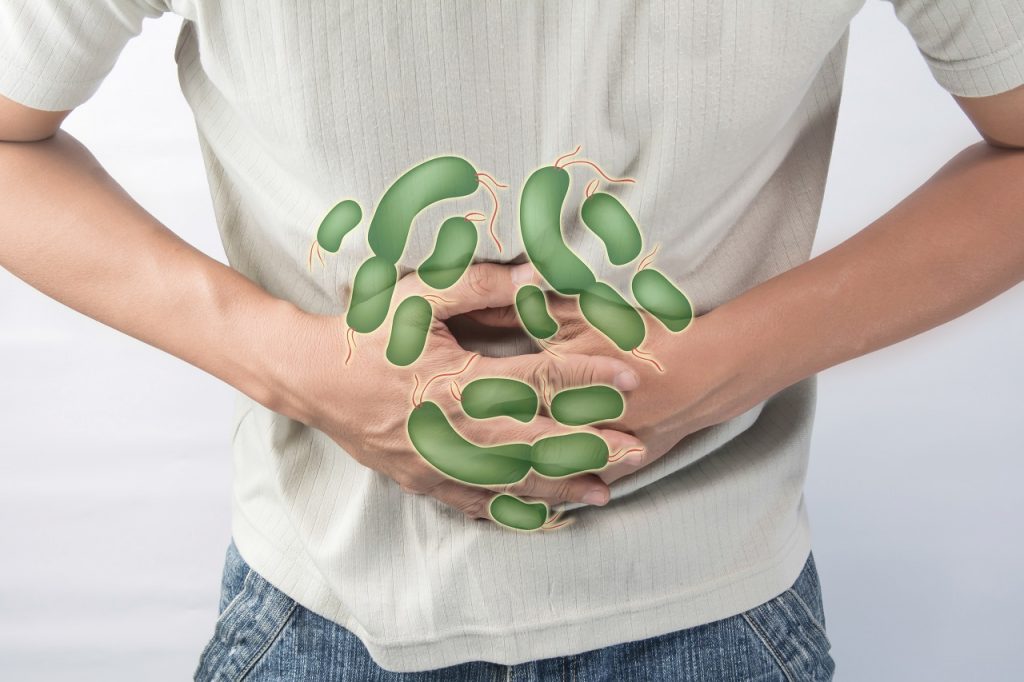
leaky gutThe gut is considered to be the “Gateway to Health”. It consists of approximately 80% of the immune system. 95% of “serotonin”, the “feel-good” hormone, is also produced in the Gut. Healing and improving your gut is of the utmost importance to lead a healthy and happy life. Your gut is responsible for stomach conditions, pain and even eagerness. Poor gut health can cause various issues such as a Leaky Gut.

A Leaky Gut is one of the most puzzling illnesses/diseases to be diagnosed and to get treated. It is a very puzzling disease or illness majorly due to the gut having a very extensive and complex structure. “There is still so much science that proceeds with finding newly developed methods, where the gut can have an impact on the health of the heart to brains being young and active,” says Dr. Alessio Fasano, Director of the Center for Celiac Research and Treatment with Harvard-affiliated Massachusetts General Hospital.

What is Leaky Gut?

The digestive system is where food is broken down and nutrients are absorbed. It also plays a major role in safeguarding your body from detrimental or dangerous substances. The intestinal walls act as a barrier/hurdle to check what is passing into the bloodstream, to be carried to different organs of the body.

Water and nutrients are passed into and out of the small holes (tight junctions) in the walls of the intestine when obstructing the movement of detrimental substances. Intestinal Permeability is defined as an easy passage of the substances through the walls of the intestine. When the small holes (tight junction) of the intestinal wall become loose, the permeability of the gut increases and results in bacteria and toxins passing from the gut into the bloodstream. This event is termed as “Leaky Gut”.  

Due to Leaky Gut, toxins and bacteria enter the blood-stream, resulting in inflammation and activating a reaction from the immunity. Proponents declare that it is one of the major causes of several medical conditions such as chronic fatigue syndrome, migraine, multiple sclerosis, fibromyalgia, food sensitivities, thyroid abnormalities, mood swings, skin conditions, and autism.

Many Health-care professionals say that an increase in the permeability of the intestine occurs in a few chronic diseases. It is a challenge to calculate the strength of an individual’s gut barrier, so it becomes difficult to identify whether a person has a leaky gut and what impact it will have on the body.

Symptoms to Watch Out For

As per Dr. Leo Galland, the director of the Foundation for Integrated Medicine, the symptoms below could indicate a Leaky Gut.

  • Digestive issues such as chronic diarrhea, constipation, gas or bloating or IBS (Irritable Bowel Syndrome)
  • Nutritional Deficiencies such as anemia, omega-3 fatty acids, vitamin deficiencies
  • Excess weight, obesity, diabetes
  • Poor immunity such as frequent cold, flu, and infection. Auto-immune disease such as rheumatoid arthritis, lupus, celiac disease or chron’s disease, Hashimoto’s thyroiditis
  • Brain: Headaches, brain fog and memory loss and Depression/Eagerness/ADHD (Attention Deficient Hyperactive Disorder)
  • Excessive tiredness or fatigue
  • Rashes on skin such as acne, eczema
  • Cravings for refined carbs or sugar
  • Bones: Arthritis or Joint Pain and Osteoporosis
  • Seasonal Allergies or Asthma
  • Imbalance in the hormones such as PMS or PCOD i.e. Pre-menstrual Syndrome and Polycystic Ovarian Syndrome
  • Diagnosis of candida overgrowth
  • Food Allergies, food sensitivities or intolerances

What Causes a Leaky Gut?

There are several factors that can cause a Leaky Gut. Gluten, food, infection and toxins being a few of them. The following factors can also be considered.

  • Food Sensitivities, Candida or yeast over-growth, Parasites, Medications and Drugs
  • Excessive sugar intake and other un-healthy food affect the barrier of the wall of the intestine
  • Non-steroidal anti-inflammatory drugs (NSAID’s): Excess and too much use of NSAID’s like ibuprofen leads to leaky gut due to an increase in the wall of intestinal permeability
  • Excess alcohol intake may also cause intestinal permeability
  • Nutritional Deficiencies: Deficiencies of Vitamins such as A, D and Zinc result in increases intestinal permeability
  • Inflammation: Can also result in the leaky gut
  • Stress: Excess Stress also results in gastro-intestinal disorder, leading to leaky gut
  • Poor Gut Condition: There is a mix of good and harmful bacteria which are almost in millions in the gut. If the balance of the good and harmful bacteria is affected, it can affect the intestinal wall.
  • Yeast Overgrowth: Natural existence of yeast is there in the gut, but excess growth of yeast can lead to leaky gut

Stay tuned and stay healthy. For more topics on Gut Health, click here. If you’re experiencing any of the above symptoms, consult a doctor or speak to our experts for lifestyle changes that will help you heal. 

#BeTheForce

Disclaimer: The information provided in this blog is for general awareness and educational purposes only. It is not intended to replace professional medical advice, diagnosis, or treatment. Always consult a qualified healthcare provider for personalised medical guidance or concerns related to your health.

July 17, 2024 By Vandana Juneja 1 Comment

Effective Ways To Improve Gut Health

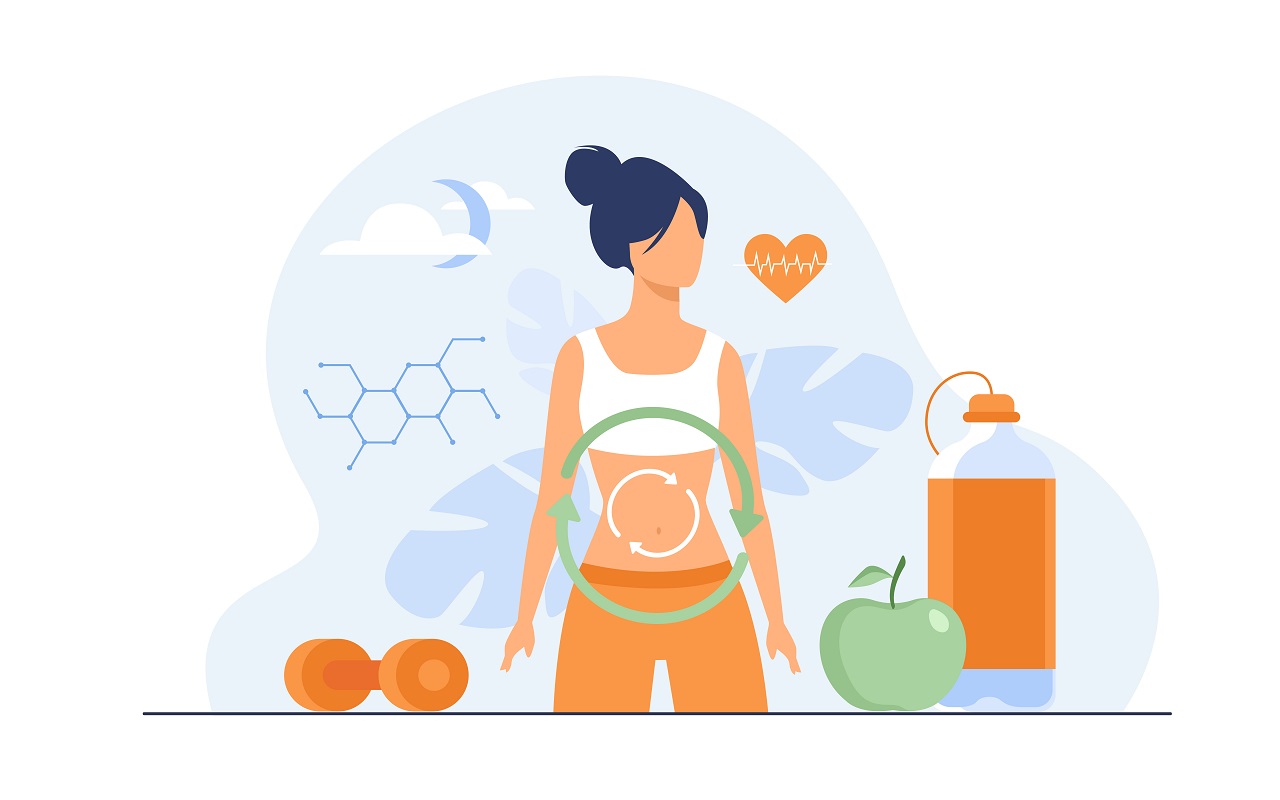
How to improve gut healthGut health is a familiar concept, and it’s widely recognized that maintaining a healthy gut is beneficial for our overall well-being. Beyond just aiding digestion, a healthy gut supports our immune system, heart health, brain function, weight management, and numerous other facets of health.


How Do We Know That Our Gut Health Is Optimal?

A healthy gut requires a balanced interaction between beneficial and harmful microbes within our digestive system. Our body’s microbiome, which includes trillions of bacteria, fungi, yeast, and other microbes—with bacteria being the predominant group—is vast. In fact, bacterial cells outnumber our own human cells! It’s accurate to consider the microbiome as an essential organ, critical to maintaining our overall health.

When our gut health suffers, we may experience a variety of symptoms such as indigestion, bloating, constipation, acidity, acid reflux, chronic fatigue, acne, joint inflammation and pain, as well as anxiety and depression. It’s crucial to identify and address the underlying causes of these symptoms instead of merely resorting to temporary solutions.

Effective Ways To Improve Gut Health

improve gut health

  • Include Fibre in your diet: Fibre helps to regulate bowel movements by absorbing water into the colon, making the stools soft and easy to pass through the intestines. Good sources of fibre include – fresh fruits and vegetables, whole grains, beans and pulses.
  • Have foods rich in Prebiotics: Prebiotics are basically food for the gut microflora that humans cannot digest but keeps the gut bacteria healthy. These include fibre from legumes, beans, oats, banana, berries, asparagus, apples, garlic, onion and leeks.
  • Include Probiotics in your daily diet: Probiotics are live bacteria found in certain foods and supplements. These include Curd, Yogurt, Fermented food items like Kombucha, Kimchi, Sauerkraut, Kefir and Pickles. Before taking probiotic supplements, it is advisable to consult your physician first.
  • Drink plenty of water: Drink eight glasses (about 2 litres) of water each day to keep yourself hydrated during the day. This is a general guideline, the exact water requirement depends on your body weight, activity levels and the environmental condition.
  • Reduce/Manage stress levels: Stress can have a major impact on our gut health because it affects the regulation of hormones and neurotransmitters that control your gastrointestinal function. So, if you are feeling stressed, seek help or try to manage it with meditation, yoga, exercise, pursuing a hobby, talking to family and friends.
  • Avoid Processed/Sugary food items: Sugar feeds bad bacteria in our gut which can cause bloating, discomfort and gas. So avoiding or reducing sugar intake can help promote good bacteria growth. Similarly, processed foods are stripped of the majority of nutrients and are loaded with artificial colours, preservatives, sweeteners, trans fats, all of these increase inflammation in the body and impact gut health.
  • Exercise regularly: Regular exercise is one of the best ways to improve your gut health, as it helps build immunity to fight against viruses and bacterial infections. So, the more active you are, the healthier gut you will have!
  • Sleep well: The quality of your sleep can affect your gut health, so get your 7-8 hours of good quality sleep. Follow a good sleep hygiene, avoid using electronic gadgets before sleep and avoid caffeine late in the day. You can also practice deep breathing or meditation to induce sleep.
  • Antibiotics: Avoid taking antibiotics unnecessarily, as they kill the bad as well as good bacteria in the gut. In case it is unavoidable, do include probiotics in your diet, to replenish the lost good bacteria.
  • Avoid Alcohol: Alcohol causes depletion in the gut bacteria and inflammation, so it is better to avoid or limit your intake.

These simple yet very effective ways will help you keep your gut healthy and contribute to your overall wellbeing. If this article helped you, let us know in the comments below!

For more on maintaining and improving Gut Health, check out Healthy Reads. You can also speak to an expert by subscribing for GOQii’s Personalised Health Coaching here.

#BeTheForce

Disclaimer: The information provided in this blog is for general awareness and educational purposes only. It is not intended to replace professional medical advice, diagnosis, or treatment. Always consult a qualified healthcare provider for personalised medical guidance or concerns related to your health.

September 28, 2023 By Neha Goyal Leave a Comment

Best Foods To Alleviate Irritable Bowel Syndrome

irritable bowel syndrome

Irritable Bowel Syndrome (IBS) is a common gastrointestinal disorder making mealtimes a challenge for many people. With such a condition, you may notice that certain foods trigger uncomfortable digestive symptoms like irregular bowel movements, cramping, gas, bloating, diarrhea or constipation. It’s no surprise that living with IBS can have a significant effect on a person’s quality of life.

While there are foods which help prevent the symptoms of IBS. Everyone, responds to food differently. One has to be their own food detective by recording their intake and symptoms so as to rule out trigger foods that your gut may not be able to handle easily. 

Foods Which Help Alleviate Irritable Bowel Syndrome 

Here is a list of food you can stock as they are gentle on your system. You can use them to create satisfying, healthy meals and snacks without upsetting your stomach. 

  1. Cooked Vegetables: Vegetables are high in fiber and may worsen symptoms for IBS in some people. But cooked vegetables are safe to eat as cooking makes them easy to digest. Eggplant, carrots, sweet potato, yam, broccoli, bell pepper, potato, zucchini, baby spinach, pumpkin, bottle gourd, green beans and celery in cooked form with some added herbs like basil, coriander, mint, ginger, lemongrass, rosemary, parsley and thyme enhance flavor and are safe to eat for most people.
  2. Fruits with low Fructose: Fructose in fruits can cause discomfort if you have Irritable Bowel Syndrome. So choose low fructose fruits like banana, blueberry, cranberry, kiwi, strawberry, lemon, lime, raspberry, pineapple and papaya. Make sure you don’t eat too many fruits at a time or you may overwhelm your body’s ability to absorb fruit sugars without fermentation.
  3. Gluten-free/Low Gluten Grains: People with IBS can safely tolerate gluten to some extent. Some gluten-free grains can be a great addition to a hassle free IBS diet.  You can enjoy rice, cooked oatmeal, quinoa, tapioca and millet every day without being worried about IBS flares.
  4. Eggs: can easily be a part of your breakfast, lunch or dinner. However, some people report sensitivity with protein in egg whites or fat in egg yolk, but for most people, they are easy to digest.
  5. Lean Meats: They are easy to digest due to low fat and negligible fiber content. They provide a good amount of protein.
  6. Fish: Being rich in anti-inflammatory omega 3 fatty acid, fish can be a great addition to your diet. Since inflamed gut may be a reason for your IBS, consuming fish can actually help. Good fish sources are anchovies, sardines, mackerel, black cod, herring, rainbow trout and salmon.
  7. Lactose-free Milk: Most people can handle small amounts of lactose found in dairy unless they have lactose intolerance. But if you have more than your intestines can handle, it may cause bloating and gas. Some lactose-free milk options can be used in such conditions like oat milk, rice milk and soy milk as an alternative to cow milk.
  8. Nuts and Seeds: are high in fiber, protein and omega 3 – which are good for overall health and your gut flora. They are especially good for IBS. You can add them to your salads, smoothies or oatmeal. Safer options in limited amounts for IBS are almonds, Brazil nuts, sesame seeds, flaxseeds, pumpkin seeds, sunflower seeds, walnuts, pine nut, hazelnuts, pecan and macadamia nuts.

Along with carefully choosing food that suits you, a healthy lifestyle with a low fat diet, regular exercise, managing stress and mindful eating often makes a great difference. Before you begin consuming any of the above foods, do consult your doctor, nutritionist or dietitian. 

For more information or tips to alleviate Irritable Bowel Syndrome, speak to a GOQii Coach by subscribing for Personalised Health Coaching here.

#BeTheForce 

April 28, 2021 By Mrinali Dwivedi 1 Comment

All You Need To Know About Irritable Bowel Syndrome (IBS)

irritable bowel syndrome

Irritable Bowel Syndrome (IBS) is an umbrella term for a long standing functional (relating to the function of) gut disorder that affects around 1 in 10 people worldwide. It is more common than you may think. It has now been recognized as the most common debilitating gastrointestinal disorder in the general population globally.

Classically, IBS manifests as abdominal pain or discomfort, that is relieved by passing stools or is associated at its onset. With an alteration in the stool frequency (either an increase or decrease) or a change in the appearance of the stool (to either loose or hard). There is still a lot that is being researched about this disorder, and although there is currently no cure, we can still manage the symptoms and live a quality full life!

What Causes Irritable Bowel Syndrome? 

While the main causative factors of this disorder are uncertain, it is considered to be caused by a play of numerous physical as well as emotional factors. Physical factors being lack of physical activity, improper dietary habits and poor sleep quality, coupled with a number of emotional stressors and impaired mental health. Research has shown that those who endure extended periods of stress, anxiety and depression, are more prone to experience IBS related symptoms & vice versa. However, people who consume high doses of antibiotics or antidepressants, are more likely to experience this symptom complex.

What Are Its Symptoms? 

The symptoms of this disorder vary individually. They can range from constipation, diarrhoea, bowel movements that are alternating between constipation and diarrhoea, bloating and abdominal pain/discomfort. Symptoms can be exacerbated on intake of certain foods and drinks, called ‘triggers’ or on days that the individual is experiencing poor sleep or excess mental pressure.

Note: If you are experiencing any other symptoms such as unexplained weight loss, blood in the stools, a prolonged change in bowel movements for 6+ weeks or have a family history of bowel cancer, consider consulting your General Practitioner.

How Can It Be Managed? 

Diet and Lifestyle

  1. Keep a Symptom diary to help identify potential trigger foods
  2. Practice Mindful eating: Eat slowly without any distractions like television or mobile phones
  3. Yoga and Physical Exercise can help reduce stress and some symptoms. It also aids in maintaining a healthy weight status.
  4. A varied diet is the key to microbial diversity. Having a balanced meal with foods from different food groups helps maintain gut microbiota
  5. Limit fruits to 3 portions/80g a day. This is because of the fiber profile of fruits that may interact with gut mobility
  6. Probiotics may improve symptoms, yet an individualised approach is needed

Food and Drinks

  1. Avoid long gaps between eating. Regular meal timings and controlled portion sizes prevent symptoms from exacerbating
  2. Consume lots of fluids, approx 6-8 glasses a day. However, limit fizzy drinks
  3. Spicy foods can irritate the gut lining, especially if used with highly flavoured ingredients such as too much onion and garlic. Limit them! 
  4. Caffeine should be reduced to less than 3 cups a day (tea/coffee)
  5. Reduce Alcohol intake to 30-60ml or even lesser per week
  6. Resistant Starch is seen to exacerbate symptoms. Reduce the intake of cooked and cooled carbs like frozen pizza/cold pasta, day old boiled potatoes, etc. or refined wheat flour products like bakery products 

We hope this article helps you manage Irritable Bowel Syndrome. Do leave your thoughts in the comments below and share this article with someone who needs to read it! For more on living a healthy lifestyle, check out Healthy Reads or tune in to LIVE sessions by experts on GOQii Play. 

To get the right guidance for lifestyle issues such as IBS, Subscribe or Renew your GOQii subscription now: https://goqiiapp.page.link/wssu

#BeTheForce 

Search

Recent Posts

  • The Hidden Link Between Diabetes and Mental Health – And How to Break the Cycle
  • Delicious Low-Carb Desserts You Can Enjoy Guilt-Free
  • Can You Die From Pneumonia? 6 Serious Complications You Should Know
  • Healthy Eating: Paneer Stuffed Palak Paratha
  • 5 Simple Lifestyle Changes To Manage Hypertension

Stay Updated

Archives

  • November 2025 (6)
  • October 2025 (20)
  • September 2025 (6)
  • August 2025 (6)
  • July 2025 (12)
  • June 2025 (18)
  • May 2025 (16)
  • April 2025 (23)
  • March 2025 (23)
  • February 2025 (22)
  • January 2025 (26)
  • December 2024 (26)
  • November 2024 (25)
  • October 2024 (22)
  • September 2024 (24)
  • August 2024 (31)
  • July 2024 (22)
  • June 2024 (27)
  • May 2024 (31)
  • April 2024 (27)
  • March 2024 (29)
  • February 2024 (26)
  • January 2024 (25)
  • December 2023 (17)
  • November 2023 (14)
  • October 2023 (23)
  • September 2023 (23)
  • August 2023 (21)
  • July 2023 (22)
  • June 2023 (24)
  • May 2023 (25)
  • April 2023 (24)
  • March 2023 (23)
  • February 2023 (20)
  • January 2023 (16)
  • December 2022 (12)
  • November 2022 (15)
  • October 2022 (15)
  • September 2022 (13)
  • August 2022 (11)
  • July 2022 (17)
  • June 2022 (11)
  • May 2022 (10)
  • April 2022 (6)
  • March 2022 (6)
  • February 2022 (13)
  • January 2022 (12)
  • December 2021 (7)
  • November 2021 (3)
  • October 2021 (6)
  • September 2021 (3)
  • August 2021 (8)
  • July 2021 (7)
  • June 2021 (15)
  • May 2021 (16)
  • April 2021 (10)
  • March 2021 (7)
  • February 2021 (4)
  • January 2021 (4)
  • December 2020 (3)
  • November 2020 (4)
  • October 2020 (10)
  • September 2020 (3)
  • August 2020 (3)
  • July 2020 (2)
  • June 2020 (4)
  • May 2020 (10)
  • April 2020 (12)
  • March 2020 (10)
  • February 2020 (4)
  • January 2020 (4)
  • December 2019 (3)
  • November 2019 (7)
  • October 2019 (5)
  • September 2019 (4)
  • August 2019 (9)
  • July 2019 (9)
  • June 2019 (11)
  • May 2019 (4)
  • April 2019 (9)
  • March 2019 (8)
  • February 2019 (9)
  • January 2019 (8)
  • December 2018 (9)
  • November 2018 (3)
  • October 2018 (3)
  • September 2018 (5)
  • August 2018 (10)
  • July 2018 (6)
  • June 2018 (13)
  • May 2018 (8)
  • April 2018 (18)
  • March 2018 (9)
  • February 2018 (8)
  • January 2018 (15)
  • December 2017 (12)
  • November 2017 (19)
  • October 2017 (13)
  • September 2017 (15)
  • August 2017 (4)
  • July 2017 (8)
  • June 2017 (7)
  • May 2017 (6)
  • April 2017 (8)
  • March 2017 (6)
  • February 2017 (7)
  • January 2017 (9)
  • December 2016 (10)
  • November 2016 (7)
  • October 2016 (7)
  • September 2016 (7)
  • August 2016 (11)
  • July 2016 (9)
  • June 2016 (9)
  • May 2016 (12)
  • April 2016 (17)
  • March 2016 (17)
  • February 2016 (8)
  • January 2016 (6)
  • December 2015 (2)
  • November 2015 (9)
  • October 2015 (7)
  • September 2015 (9)
  • August 2015 (11)
  • July 2015 (9)
  • June 2015 (12)
  • May 2015 (9)
  • April 2015 (13)
  • March 2015 (8)
  • February 2015 (5)
  • January 2015 (12)
  • December 2014 (14)
  • November 2014 (11)
  • October 2014 (6)
  • September 2014 (13)
  • August 2014 (12)
  • July 2014 (6)
  • June 2014 (2)
  • May 2014 (7)
  • April 2014 (5)

From “Laddu Nawin” to Fit and Fierce: How a 25-Year-Old Insurance Advisor Shed 20 Kilos and Gained His Life Back

When 25-year-old Nawin Yadav from Hyderabad walked into his office every morning, he carried more than just his files and policy papers. He had the weight of fatigue, sluggish energy, and an ever-growing belly that was becoming the butt of jokes. “People … [Read More...]

“I’ve Challenged Myself to Live 100 Years” – The Story of Chandubhai Savani’s Second Chance at Life

At 67, most people start slowing down. Not Chandubhai Savani. A resident of Surat, Chandubhai, thought life was on track. “My life was going well till I had my bypass surgery,” he says. That surgery, back in 2021, was a wake-up call.  Medication was routine, but exercise wasn’t. His diet? What he calls ‘normal.’ “I […]

From Shimla’s Slopes to Chandigarh’s Sidewalks: Surinder Kaur Bhalla’s Journey from Chaos to Control

Some journeys start with a plan. Others begin with a stumble literally. Surinder Bhalla, a government professional, born and raised in the scenic hill town of Shimla, had always lived a life of movement. “In Shimla, you walked everywhere,” she reflects. “Walking was never an exercise. It was just life.” But after shifting to Chandigarh, […]

Ananda Mukherjee Health Story

From Terminal Illness To Complete Wellness! Ananda Mukherjee Health Story

As we observe World Cancer Day under the powerful theme ‘United by Unique’ (2025-2027)**, we are reminded that every individual’s journey with cancer is distinct, yet united by shared resilience, hope, and the collective fight against this disease. This theme places people at the centre of care and their stories at the heart of the […]

  • HOME
  • HEALTHY LIVING
  • FITNESS
  • HEALTHY RECIPES
  • USER STORIES
  • KARMA
  • BUY GOQii

Copyright ©2016 GOQii


