GOQii

Blog

  • HOME
  • HEALTHY LIVING
  • FITNESS
  • HEALTHY RECIPES
  • USER STORIES
  • KARMA
  • BUY GOQii

October 30, 2026 By GOQii Leave a Comment

Trending Healthy Recipes Worth Trying This Season

What India cooks says a lot about what India cares about. Last year, the humble idli topped Google’s list of the country’s most-searched recipes, alongside festive favourites like thekua and modak and a surprise wellness drink, beetroot kanji. This year, food trend reports point to savoury high-protein snacks, millets moving into everyday meals, smarter home cooking and a fresh look at traditional sweets.

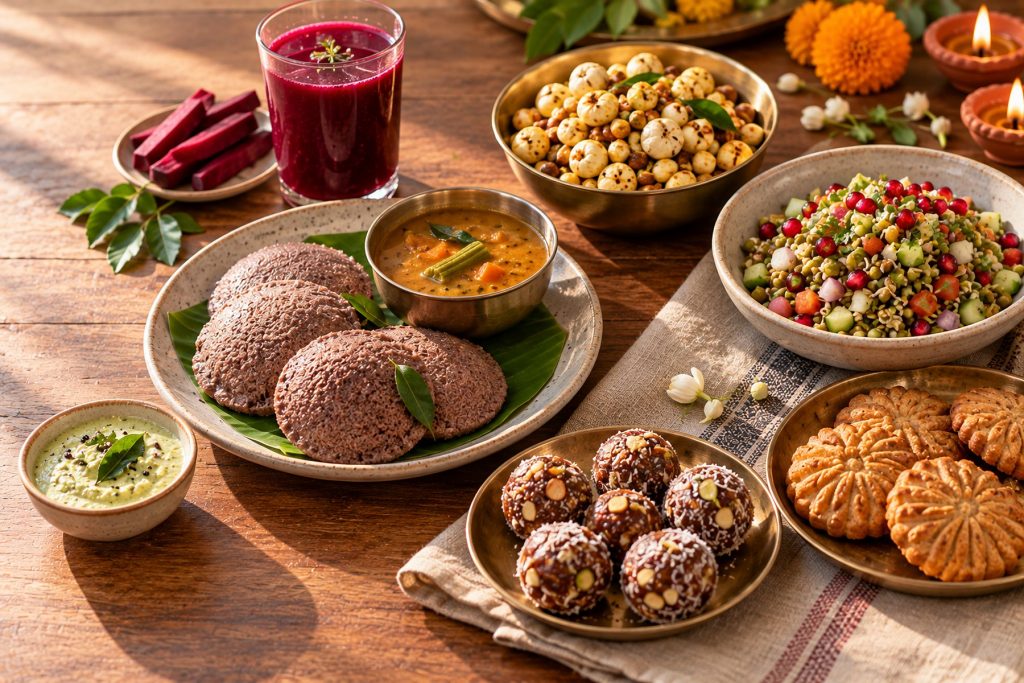
With Diwali on 8 November and Chhath Puja from 13 to 16 November, it’s a good moment to try a few of these trending recipes, made in ways that support your health rather than undo it. Here are seven worth cooking this season, why each one is trending, what it does (and doesn’t do) for your health, and a simple way to make it at home.

At a glance

  • Idli is India’s most-searched recipe. Try a ragi idli for extra calcium and fibre.
  • Beetroot kanji is the fermented drink of the moment. Enjoy it as a tasty fermented drink rather than a remedy: a small glass is far more dilute than the beetroot juice used in blood-pressure trials, and it contains added salt.
  • Protein snacks have gone savoury. A homemade roasted chana and makhana chivda gives you protein without packaged extras.
  • Millets are moving into everyday cooking. A ragi or jowar dosa is an easy way in.
  • Chatpata is in. A sprouts chaat packs bold flavour and plant protein. Steam the sprouts lightly, and cook them thoroughly for children, older adults, pregnant women and anyone with weakened immunity.
  • Festive sweets are getting a makeover. Lighter thekua and a dates-and-nuts laddoo keep the tradition but need portion control: they’re still energy-dense.

What’s trending, and how we chose these recipes

We started with two sources of what Indians are actually cooking and buying:

  • Google’s Year in Search 2025 for India, where the top recipe searches included idli, modak, thekua, Ugadi pachadi, beetroot kanji, gond katira and kolukattai. Google’s own summary notes that “classic Idli topped the charts”.
  • 2026 food trend reports. The Godrej Food Trends Report 2026 highlights bold “chatpata” flavours, savoury protein snacks, Indo-modern mithai and “smarter” home cooking, such as millet dosa mixes. Esquire India adds protein-fortified namkeen, functional makhana and millets in everyday foods.

From these, we picked recipes that are trending, easy to make at home with Indian ingredients, and can be made in a genuinely healthier way. We left out trends that rely mainly on packaged products, like collagen drinks and protein ice creams, and seasonal recipes that don’t fit October and November.

7 trending recipes, made healthier

1. Ragi idli

Why it’s trending: idli was India’s most-searched recipe of 2025. Adding ragi ties it to another big trend: millets in everyday food.

The health angle: idli is steamed, not fried, and the fermented batter makes it light and easy to digest for most people. Using ragi (finger millet) in place of some of the rice adds fibre and calcium: ragi provides about 344 mg of calcium per 100 g, far more than rice and other major cereals. Keep expectations realistic, though. Spread across a batch, three ragi idlis give roughly 60 mg of calcium, about 6% of the 1,000 mg a day ICMR–NIN recommends for most adults, so ragi idli adds to your calcium rather than covering it. Serve three or four idlis with a bowl of sambar for protein and vegetables.

You’ll need (makes about 20 idlis): 1 cup ragi flour, 1 cup idli rava, ½ cup whole urad dal, ½ tsp methi seeds, salt to taste.

Method:

  1. Soak the urad dal and methi for 4–5 hours, then grind to a smooth, fluffy batter with a little water.
  2. Rinse the idli rava, squeeze out the water and mix it into the urad batter with the ragi flour and salt. Add water to make a thick, pourable batter.
  3. Cover and leave in a warm place for 8–12 hours, until risen and slightly sour.
  4. Pour into greased idli moulds and steam for 10–12 minutes. Serve with sambar and coconut or tomato chutney.

Tip: ragi idlis are darker and slightly denser than rice idlis. If your family is new to them, start with half the ragi and increase it over time.

2. Beetroot kanji

Why it’s trending: this tangy, fermented North Indian winter drink (traditionally made with black carrots, though the beetroot version is the one going viral) made Google’s 2025 list of top recipe searches, riding the wider interest in gut health and traditional Indian drinks.

The health angle: beetroot is rich in dietary nitrate. A 2022 review of seven trials in people with high blood pressure found beetroot juice lowered systolic blood pressure by about 5 mm Hg on average, though the trials were small and varied. Those studies used concentrated beetroot juice. Kanji uses a couple of beetroots in a litre of water, so a small glass delivers far less nitrate, and kanji itself hasn’t been tested for blood pressure. Fermentation is the more relevant angle: in a small Stanford trial, a 10-week diet rich in fermented foods, including vegetable brine drinks similar to kanji, increased gut microbiome diversity and lowered markers of inflammation. That’s promising but early, so think of kanji as a tasty way to add a fermented food to your day, not a remedy for digestive or blood-pressure problems.

You’ll need (makes about 1 litre): 2 medium beetroots (or 1 beetroot and 2 black carrots), 1 litre boiled and cooled water, 1 tbsp coarsely ground mustard seeds (rai), 1 tsp black salt or regular salt, ½ tsp red chilli powder (optional).

Method:

  1. Peel the beetroots and cut into thin sticks.
  2. Put them in a clean, dry glass jar with the mustard, salt and chilli. Pour in the water and stir with a clean spoon.
  3. Cover with a muslin cloth or loose lid and leave in a warm spot for 3–5 days, stirring once a day, until pleasantly tangy.
  4. Strain, refrigerate and drink within a week. Have a small glass (about 100–150 ml) with a meal.

Tip: use a very clean jar and spoon, and throw the batch away if you see mould or it smells unpleasant. The recipe uses about a teaspoon of salt per litre, so one small glass adds only a little, but it adds up alongside pickles, papad and namkeen; keep to one glass if you’ve been told to limit salt. Beetroot is also high in oxalate. That isn’t a concern for most healthy people, but if you’ve had kidney stones, check with your doctor before making kanji a daily drink. Pink urine after eating beetroot is common and harmless.

3. Protein-rich makhana and chana chivda

Why it’s trending: protein has “gone namkeen”. Food trend reports describe a shift from sweet protein bars to savoury, street-food-style protein snacks, and makhana is a favourite base.

The health angle: a homemade version gives you control over the oil and salt that packaged namkeen often hides. Roasted chana brings plant protein and fibre (pulses contain about 20–25% protein), peanuts and seeds add protein and healthy fats, and makhana adds crunch and volume.

You’ll need (makes about 8 servings of 30 g): 2 cups makhana, 1 cup roasted chana, ½ cup peanuts, 2 tbsp pumpkin or sunflower seeds, 2 tsp oil, 10–12 curry leaves, ¼ tsp turmeric, ½ tsp red chilli powder, 1 tsp chaat masala, salt only if needed.

Method:

  1. Dry-roast the makhana in a heavy pan on low heat for 6–8 minutes, until crisp. Set aside. Roast the peanuts and seeds the same way.
  2. Heat the oil, add the curry leaves and turmeric, then add everything back with the roasted chana.
  3. Turn off the heat, sprinkle over the chilli powder and chaat masala, and toss well. Taste before adding salt: chaat masala already contains plenty.
  4. Cool completely and store in an airtight jar for up to a week.

Tip: pre-portion it into small boxes; about 30 g (a small handful) is a sensible snack. Whole nuts and hard, crunchy snacks are a choking risk for young children, and NHS guidance is that whole nuts shouldn’t be given to children under 5, so leave out the peanuts or crush the mix for little ones. Skip the peanuts altogether for anyone with a peanut allergy. For more ideas, see our 5-minute healthy snacks for work and home.

4. Chatpata sprouts chaat

Why it’s trending: bold, layered “chatpata” flavours are one of 2026’s biggest food trends, along with a renewed love of regional street food.

The health angle: sprouted moong is a pulse, so it’s a good source of plant protein and fibre (read more in our guide to why pulses are good for you). Fresh vegetables, lemon and spices bring the flavour without frying, and the vitamin C in lemon, tomato and pomegranate helps your body absorb the iron in the moong.

You’ll need (serves 2): 1½ cups moong sprouts, 1 small onion, 1 tomato, ½ cucumber (all finely chopped), 2 tbsp pomegranate seeds, 1 green chilli (optional), juice of ½ lemon, 1 tsp chaat masala, ½ tsp roasted jeera powder, fresh coriander.

Method:

  1. To sprout at home, soak whole moong for 8–10 hours, drain, then cover or tie in a damp cloth for 1–2 days until short shoots appear, rinsing them in clean water twice a day. Refrigerate once sprouted and use within a day or two; discard any that smell sour or feel slimy.
  2. Steam or boil the sprouts for 3–4 minutes and cool. For children, older adults, pregnant women and anyone with weakened immunity, boil them until fully soft instead.
  3. Mix with the vegetables, pomegranate, chilli, lemon juice and spices. Serve straight away.

Tip: raw sprouts can carry bacteria such as E. coli and Salmonella. Health Canada advises children, older adults, pregnant women and people with weakened immunity to avoid raw sprouts, so the light cooking step is worth keeping for everyone.

5. Instant jowar dosa

Why it’s trending: “home cooking, but smarter” is a major 2026 trend: busy families are combining quick bases, such as millet dosa mixes, with their own fresh touches. Millets like jowar are also moving from regional staples into everyday foods.

The health angle: jowar (sorghum) is a whole grain and naturally gluten-free. (If you have coeliac disease, choose flour labelled gluten-free, as millets can pick up wheat during milling.) This instant version needs no fermentation, so it’s a quick weekday breakfast or dinner. Add vegetables to the batter, and pair it with sambar, a dal or an egg for protein.

You’ll need (makes 6–7 dosas): 1 cup jowar flour, ¼ cup rice flour, ¼ cup curd, 1 small onion and a handful of coriander (finely chopped), 1 green chilli, ½ tsp jeera, salt to taste, about 1½–2 cups water, a little oil for the pan.

Method:

  1. Whisk the flours, curd, salt and water into a thin, lump-free batter, like rava dosa batter. Stir in the onion, coriander, chilli and jeera. Rest for 15 minutes.
  2. Heat a tawa until hot, then lower the heat. Stir the batter and pour it from a height in a circle, filling the gaps.
  3. Drizzle a few drops of oil around the edge and cook until crisp and golden. Fold and serve.

Tip: if you use a ready-made millet mix, check the label. Some contain a lot of salt, or more refined flour than millet.

6. Lighter thekua

Why it’s trending: thekua, the crunchy, jaggery-sweetened offering made for Chhath Puja, was one of India’s top recipe searches in 2025. With Chhath falling on 13–16 November this year, interest will peak again.

The health angle: thekua is traditionally made with whole wheat flour, jaggery and ghee, then deep-fried. For the puja itself, follow your family’s tradition. For everyday snacking through the season, a baked version cuts the oil considerably while keeping the flavour, though the texture is a little more biscuit-like. Remember that jaggery is still a sugar, so this remains a treat.

You’ll need (makes about 15): 1 cup whole wheat flour, 2 tbsp semolina (sooji) or extra whole wheat flour, 2 tbsp desiccated coconut, ½ tsp fennel seeds (saunf), ¼ tsp cardamom powder, 2 tbsp ghee, about ½ cup grated jaggery melted in ¼ cup warm water.

Method:

  1. Mix the flour, sooji, coconut, fennel and cardamom. Rub in the ghee until the mixture looks like breadcrumbs.
  2. Add the cooled jaggery water a little at a time to make a firm dough.
  3. Shape into small discs and press each into a thekua mould or the back of a fork to make a pattern.
  4. Bake at 180°C for 20–25 minutes, turning once, until golden and firm. (You can also use an air fryer.) Cool fully before storing.

Tip: make them small. One or two thekua with a cup of tea is a better fit than a handful.

7. Dates and nuts laddoo with an Indo-modern twist

Why it’s trending: traditional mithai is getting an “Indo-modern” makeover, with familiar sweets given new flavours and textures. With Diwali on 8 November, this is an easy way to join in.

The health angle: these laddoos contain no refined sugar, and the nuts and seeds add fibre, protein and healthy fats. But dates are naturally high in sugar, and once they’re blended into a paste, NHS guidance counts that sugar as “free sugar”, the kind adults are advised to keep below 30 g a day. Nuts are energy-dense too, so this is still a sweet, not a health food. If you have diabetes, count it as a sweet and check with your doctor or dietitian about portions.

You’ll need (makes about 15 small laddoos): 1 cup soft seedless dates, ¾ cup mixed nuts (almonds, cashews, walnuts), 2 tbsp roasted seeds (sunflower, pumpkin or flax), 1 tbsp desiccated coconut, ¼ tsp cardamom powder. For the twist, add the grated zest of 1 orange, or 1 tbsp unsweetened cocoa powder.

Method:

  1. Dry-roast the nuts for 4–5 minutes on low heat, cool and chop coarsely.
  2. Blend or mash the dates into a sticky paste. If they’re dry, soak them in warm water for 10 minutes first.
  3. Mix the dates with the nuts, seeds, cardamom and your chosen twist.
  4. Grease your palms lightly and roll into small balls, about the size of a walnut. Roll in coconut and refrigerate for up to a week.

Tip: make them small and serve one at a time. Gifting a box this Diwali? These make a thoughtful alternative to heavily sugared mithai.

Trend or hype? 5 quick checks

Not every trending food is a healthy one, and “healthy” on a label doesn’t always mean much. Before you jump on the next food trend, ask:

  1. What’s actually in it? A “high-protein” namkeen can still be fried and salty. Read the ingredients list and the salt, sugar and fat per serving, not just the protein claim on the front of the pack.
  2. Is the sugar just renamed? Jaggery, honey, dates and coconut sugar are still sugars. They’re fine in a festive sweet, but they don’t turn it into a health food.
  3. Does the claim match the evidence? Words like “gut-healing”, “detox” or “immunity-boosting” are easy to print and hard to prove. Fermented foods are promising for gut health, for example, but the research is still early.
  4. Is it a whole food or a product? The healthiest trends usually bring back whole ingredients, such as millets, pulses, vegetables and fermented foods, rather than new packaged products.
  5. Can you keep it up? A trend is only useful if it fits your week. Ragi idli or a sprouts chaat you’ll make every week beats an expensive superfood you’ll buy once. Our meal-prep guide shows how to make healthy food the easy option.

The bottom line

The best food trends of the moment aren’t really new. Idli, kanji, thekua, sprouts and millets have been part of Indian kitchens for generations; what’s changed is how we’re rediscovering them. Cook them at home, keep the oil, salt and sugar in check, and enjoy festive treats in sensible portions, and these trending recipes can be a genuinely healthy addition to your season.

Pro Tip: Use the GOQii App to log your meals through the festive season and keep an eye on how often sweets and fried snacks creep in. Your GOQii Personalised Health Coach can help you adapt your favourite recipes and plan a festive week that still fits your health goals.

Frequently asked questions

What are the trending recipes in India right now?

According to Google’s Year in Search 2025, India’s top recipe searches included idli, modak, thekua, Ugadi pachadi, beetroot kanji, gond katira and kolukattai, with idli at number one. In 2026, food trend reports highlight high-protein savoury snacks, millet-based meals, bold chatpata flavours and modern twists on traditional mithai.

Is ragi idli healthier than regular idli?

Both are steamed and light. Ragi idli adds finger millet, which is rich in calcium and adds fibre, so it makes a nutritious swap. For a balanced meal, serve either kind with sambar and vegetables.

Is beetroot kanji good for you?

It can be a healthy addition in small amounts. Beetroot juice has modestly lowered blood pressure in trials, but a small glass of kanji is far more dilute, so enjoy it mainly as a tasty fermented drink. Fermented foods are being studied for gut health, but the research is still early, and kanji contains added salt, so keep portions small.

Are packaged high-protein snacks healthy?

Some are, but many are still fried or high in salt. Check the ingredients and the salt, fat and sugar per serving, not just the protein claim. A homemade roasted chana and makhana chivda lets you control what goes in.

Is it safe to eat raw sprouts?

Raw sprouts can carry bacteria such as E. coli and Salmonella. Children, older adults, pregnant women and people with weakened immunity should avoid them raw. Cook sprouts thoroughly for these groups; for everyone else, steaming or boiling for a few minutes reduces the risk.

Are dates laddoos healthy for people with diabetes?

They have no refined sugar, but dates are naturally high in sugar, and once blended into a paste their sugar counts as “free sugar” under UK NHS guidance. They will still raise blood sugar. If you have diabetes, treat them as a sweet, keep to one small laddoo and check portions with your doctor or dietitian.

How can I eat healthily during Diwali without missing out?

Enjoy your favourite sweets in small portions, choose baked or steamed snacks where you can, fill up on balanced home-cooked meals, and keep moving. Recipes like ragi idli, sprouts chaat and baked thekua let you join in the festivities while eating well.

#BeTheForce

Disclaimer: The information provided in this blog is for general awareness and educational purposes only. It is not intended to replace professional medical advice, diagnosis, or treatment. Always consult a qualified healthcare provider for personalised medical guidance or concerns related to your health.
July 16, 2026 By Neha Goyal 1 Comment

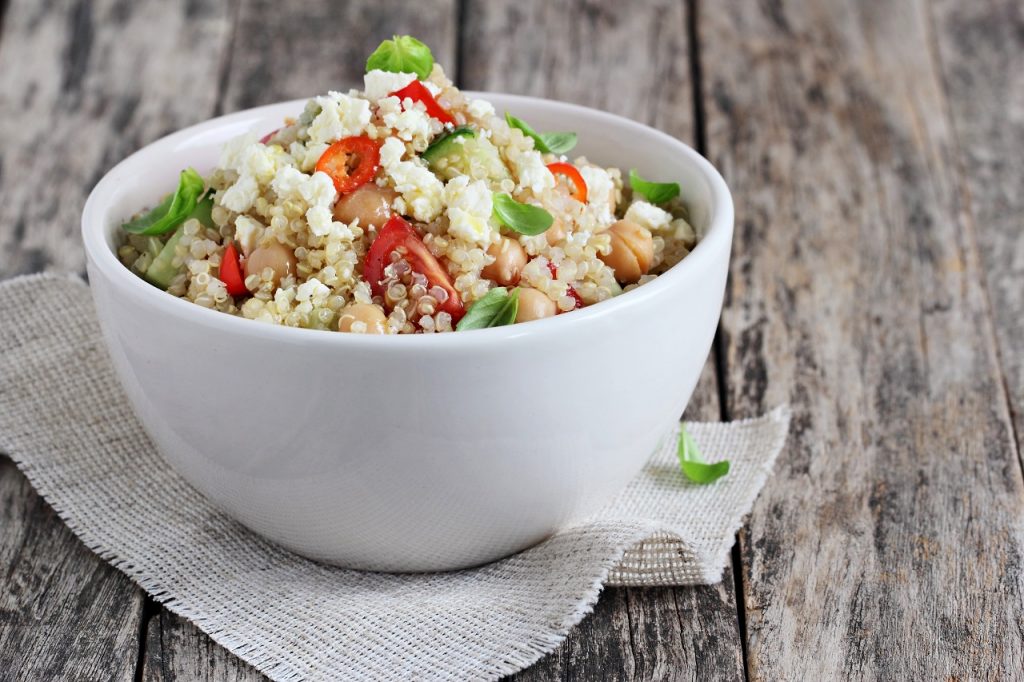
Healthy Eating: The Power-Packed Quinoa Chickpea Salad

quinoa chickpea saladThe Big Question: Have you ever eaten a salad for lunch, only to feel hungry again a couple of hours later?

Not all salads are created equal. While bowls filled with leafy greens and vegetables are rich in vitamins and minerals, they may not always provide enough protein, fibre and complex carbohydrates to keep you satisfied for long.

The key to a truly nourishing salad is balance. This Quinoa Chickpea Salad combines whole grains, legumes and colourful vegetables to create a wholesome meal that’s rich in plant-based protein, dietary fibre and essential nutrients. Whether you’re looking for a healthy lunch, a post-workout meal or a quick dinner, this recipe delivers sustained energy without feeling heavy.

Why This Salad Works

A balanced meal should nourish your body, keep you satisfied and provide steady energy throughout the day. This recipe combines ingredients that complement each other nutritionally.

Ingredient Nutritional Benefit
Quinoa Provides complex carbohydrates, fibre and all nine essential amino acids.
Chickpeas Rich in plant protein, fibre and iron.
Fresh Vegetables    Add vitamins, minerals, antioxidants and crunch.
Lemon Juice Adds freshness and may help improve iron absorption from plant foods.
Ghee or Olive Oil Provides healthy fats that support the absorption of fat-soluble vitamins.

The combination of protein, fibre and healthy fats helps slow digestion, supporting satiety and more stable energy levels.

Why You’ll Love This Recipe

  • Rich in plant-based protein
  • High in dietary fibre
  • Naturally gluten-free (when prepared with certified gluten-free quinoa)
  • Meal-prep friendly
  • Colourful, fresh and satisfying
  • Ready in around 30 minutes

Recipe Overview

Category Details
Preparation Time    15 minutes
Cooking Time 15 minutes
Total Time 30 minutes
Serves 2
Difficulty Level Easy

Ingredients

Ingredient Quantity
Quinoa ⅓ cup
Chickpeas (Kabuli Chana) ½ cup (boiled)
Garlic 1 tsp (finely chopped)
Capsicum ¼ cup (finely chopped)
Onion ¼ cup (finely chopped)
Cucumber 1 medium (diced)
Tomato 1 medium (diced)
Green chilli 1 tsp (finely chopped, optional)
Fresh coriander 4 tbsp (chopped)
Ghee (or Extra Virgin Olive Oil) 1 tsp
Cumin seeds ¼ tsp
Turmeric powder ¼ tsp
Asafoetida (Hing) A pinch
Water ½ cup
Lemon juice 1 tsp
Salt To taste

How to Prepare

  1. Prepare the Quinoa: Rinse the quinoa thoroughly under running water to remove its natural coating (called saponin), which can leave a slightly bitter taste. Soak it for 30–60 minutes before cooking.
  2. Temper the Spices: Heat the ghee (or olive oil) in a deep pan. Add cumin seeds. Once they begin to crackle, add hing and chopped garlic. Sauté for about 30 seconds until fragrant.
  3. Cook the Quinoa: Add water and bring it to a boil. Stir in the salt, turmeric, and quinoa. Cover and cook over medium-low heat for about 10–12 minutes until the water is absorbed and the grains become fluffy. Allow it to cool.
  4. Assemble the Salad: In a large bowl, combine the cooked quinoa, boiled chickpeas, onion, capsicum, cucumber, tomato, green chilli, and fresh coriander. Add lemon juice and gently toss until everything is evenly mixed. Serve immediately.

Approximate Nutrition (Per Serving)

Nutrient Approximate Amount
Calories 300 kcal
Protein 12 g
Carbohydrates 40 g
Dietary Fibre 10 g
Fat 9 g

Values are approximate and may vary depending on ingredient brands and serving sizes.

Make It Your Own

This salad is easy to customise. Try adding:

  • Grilled paneer for extra protein
  • Tofu for a vegan version
  • Avocado for healthy fats
  • Pumpkin or sunflower seeds for crunch
  • Baby spinach or rocket leaves
  • Roasted sweet potato
  • Pomegranate seeds for natural sweetness

Meal Prep & Storage Tips

This salad is ideal for meal prep:

  • Store in an airtight container in the refrigerator for up to 2 days.
  • Keep the lemon juice separate if preparing ahead to maintain freshness.
  • Allow refrigerated quinoa to return to room temperature before serving for the best texture.

Pro Tips

  • Rinse the Quinoa Well: Removing saponins helps eliminate bitterness.
  • Use Leftover Chickpeas: Cooking chickpeas in batches makes weekday meal preparation much faster.
  • Add Fresh Herbs Just Before Serving: Fresh coriander and lemon juice brighten the flavours and maintain freshness.
  • Don’t Overcook the Quinoa: Perfectly cooked quinoa should be fluffy rather than mushy.

Who Can Enjoy This Salad?

This recipe is suitable for:

  • Busy professionals
  • Students
  • Fitness enthusiasts
  • Vegetarians
  • People looking to increase fibre intake
  • Meal-prep lovers

Individuals with kidney disease or specific dietary restrictions should consult their healthcare provider or dietitian regarding portion sizes and protein intake.

Healthy eating doesn’t have to be complicated. A balanced salad should leave you feeling nourished, satisfied and energised—not searching for snacks an hour later.

By combining quinoa, chickpeas and fresh vegetables, this recipe provides a wholesome mix of plant-based protein, dietary fibre and complex carbohydrates that can support sustained energy and overall wellbeing. Simple ingredients, prepared thoughtfully, can transform an ordinary salad into a complete meal.

Pro Tip: Looking for personalised nutrition guidance? Track your meals, water intake and daily habits on the GOQii App. Your GOQii Personalised Health Coach can recommend meal plans based on your health goals, activity levels and dietary preferences. Explore even more healthy recipes and practical nutrition tips—all in one place.

Frequently Asked Questions (FAQs)

  1. Is quinoa healthier than rice?

Both can be part of a healthy diet. Quinoa contains more protein and fibre than white rice, making it a nutrient-dense option for many meals.

  1. Can I make this salad ahead of time?

Yes. Store it in an airtight container in the refrigerator for up to two days. Add lemon juice just before serving for the freshest flavour.

  1. Is this recipe suitable for weight management?

This salad is rich in protein and fibre, which may help improve satiety as part of a balanced eating pattern. Weight management depends on your overall diet, physical activity and lifestyle.

  1. Can I add other vegetables?

Absolutely. Carrots, spinach, roasted sweet potato, avocado, beetroot and broccoli all work well in this recipe.

#BeTheForce 

Disclaimer: This recipe is intended for educational purposes only and should not be considered personalised nutrition advice. Nutritional requirements vary from person to person. Consult a qualified healthcare professional or registered dietitian for dietary guidance tailored to your individual health needs.

May 9, 2026 By Madhu Soni Leave a Comment

Recipes With Seasonal Vegetables

recipes with seasonal vegetablesWhen the temperatures rise and the summer heat sets in, there is a simple, natural way to help your body regulate its temperature and stay nourished: your diet!

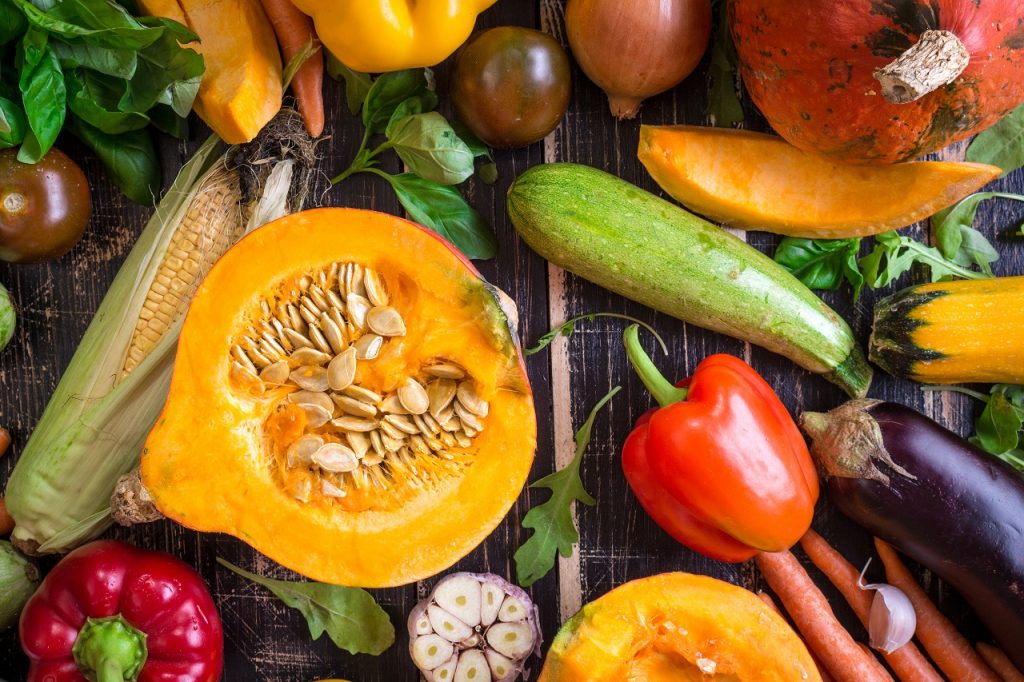
Eating seasonal vegetables is one of the best ways to ensure your body gets peak nutritional value. Seasonal produce is naturally loaded with essential micronutrients and high water content. Incorporating these into your daily meals not only helps you stay hydrated but also strengthens your immunity and keeps you feeling light and energetic throughout the day.

Let’s step into the kitchen and try these two delicious, healthy recipes using seasonal vegetables that are easily available in the market right now!

1. Creamy Spiced Pumpkin Soup

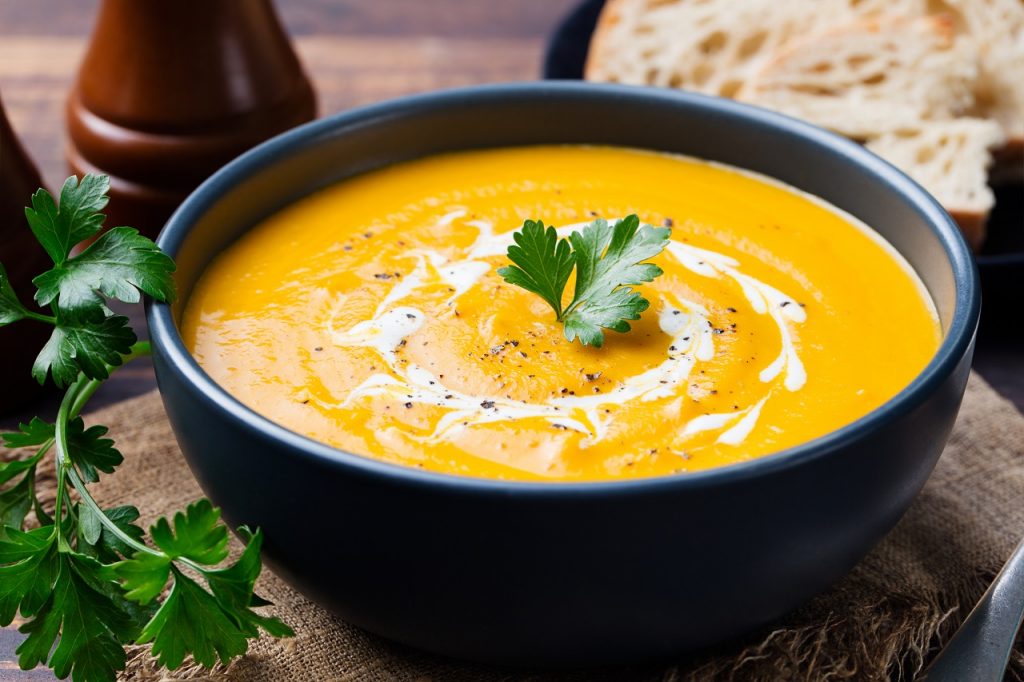
pumpkin soupPumpkin is a fantastic seasonal vegetable packed with Vitamin A, which is crucial for eye health and immunity. This spiced soup is comforting, deeply nourishing, and incredibly easy to make.
Ingredients:

  • Olive oil: 2 tbsp
  • Onion: 1 (finely chopped)
  • Leek: 1 (white part only, finely sliced)
  • Garlic: 1 clove (crushed)
  • Ground coriander: ½ tsp
  • Ground cumin: 1 tsp
  • Freshly grated nutmeg: ½ tsp
  • Peeled pumpkin: 1 kg (diced)
  • Potato: 1 kg (peeled and diced)
  • Vegetable liquid stock: 1 Liter
  • Thin cream: ½ cup / 125ml (Healthy Swap: Use coconut milk or unsweetened Greek yogurt!)

Method:

  1. Heat the olive oil in a large saucepan over low heat. Add the chopped onion and leek, cooking for 2-3 minutes until softened but not colored.
  2. Stir in the crushed garlic, ground coriander, and ground cumin. Cook while stirring for about 30 seconds until fragrant.
  3. Add the diced pumpkin, diced potato, and vegetable stock to the pot. Bring the mixture to a gentle boil.
  4. Reduce the heat to low, cover the saucepan, and let it simmer for 30 minutes until the vegetables are completely tender.
  5. Allow the soup to cool slightly, then carefully blend it in batches until smooth and creamy.
  6. Return the blended soup to the pan, stir through the cream (or your healthy alternative), and reheat gently without boiling.
  7. Season with salt and pepper to taste, and add a little more freshly grated nutmeg if desired.

2. Roasted Brinjal Baba Ganoush

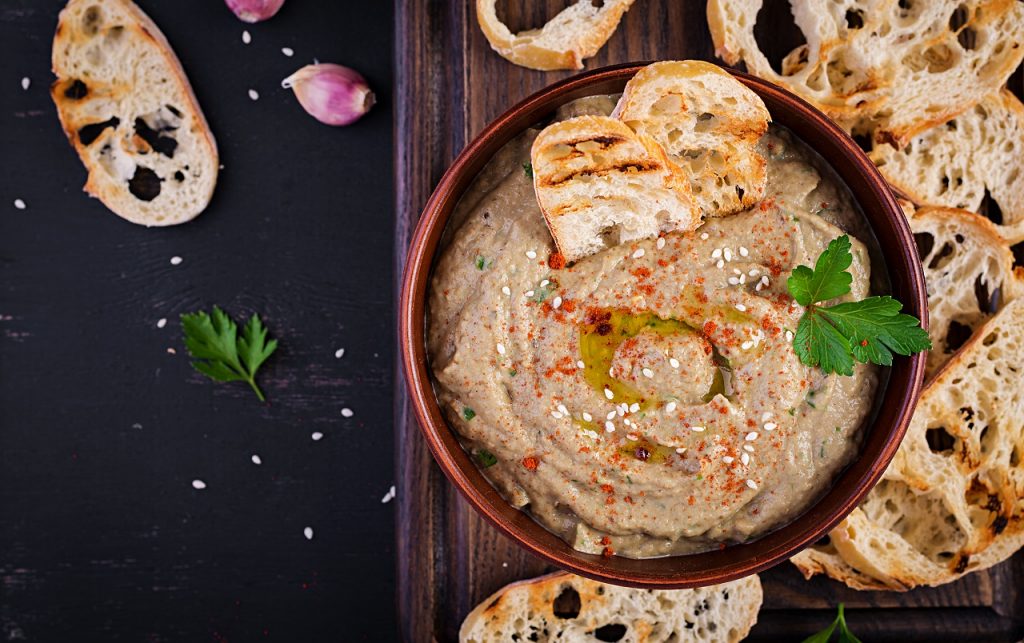
baba ganoushBrinjal (eggplant) is incredibly rich in fiber and antioxidants. Baba Ganoush is a classic Middle Eastern dip that transforms the humble brinjal into a smoky, creamy, and highly nutritious snack—perfect for a warm afternoon.

Ingredients:

  • Brinjal (Eggplant): 2 large
  • Garlic: 2-3 cloves
  • Tahini paste: 3-4 tsp (sesame seed paste)
  • Lemon juice: 1 tsp
  • Yogurt: 2 tsp
  • Olive oil: 4-5 tsp
  • Salt: To taste
  • Garnish: Finely chopped parsley, red chili flakes, and olives

Method:

  1. Roast the whole brinjals directly over an open gas flame, turning them occasionally, until the skin is completely charred and the inside is soft and tender.
  2. Allow them to cool slightly, then carefully peel off and discard the charred skin. Mash the roasted inner pulp.
  3. Transfer the mashed pulp to a mixer or food processor. Add the garlic cloves, tahini paste, lemon juice, yogurt, salt, and half of the olive oil.
  4. Pulse until you reach a smooth, creamy consistency.
  5. Transfer the dip to a serving bowl. Drizzle with the remaining olive oil and garnish with finely chopped parsley, red chili flakes, and olives.

Serving Suggestion: Enjoy your Baba Ganoush with toasted multigrain bread, whole-wheat pita, or fresh vegetable sticks (like carrots and cucumbers). You can also top it with finely chopped onions and tomatoes for extra crunch!

We hope you enjoy these recipes with seasonal vegetables. Cooking with seasonal vegetables is a wonderful way to reconnect with your food and nourish your body from the inside out.

Do try them out, upload your pics on social media or the GOQii Arena and tag us! Find more healthy recipes here. 

Need more advice on healthy recipes, balanced nutrition, and diet tips? Subscribe to GOQii’s Personalised Health Coaching in the GOQii App to get expert, one-on-one guidance.

Frequently Asked Questions (FAQs)

  1. Why is it important to eat seasonal vegetables?

Eating seasonal vegetables ensures you are consuming produce at its peak nutritional value and flavor. Because they are harvested at the right time and do not travel long distances or sit in cold storage for months, they retain a higher concentration of essential vitamins, minerals, and antioxidants. Plus, they are usually more affordable!

  1. Can I make the Pumpkin Soup ahead of time and freeze it?

Absolutely! Pumpkin soup is excellent for meal prep. You can store it in an airtight container in the refrigerator for up to 4 days. If you want to freeze it, let the soup cool completely before storing it in freezer-safe containers for up to 3 months. (Pro-tip: If you are freezing it, wait to add the cream until you reheat it!).

  1. What can I use if I don’t have tahini for the Baba Ganoush?

Tahini (which is simply a paste made from toasted sesame seeds and olive oil) gives Baba Ganoush its signature nutty flavor. If you don’t have a jar on hand, you can make a quick substitute by blending toasted sesame seeds with a little olive oil. If you don’t have sesame seeds, you can just leave it out! The dip will still taste wonderfully smoky and garlicky.

Eat Healthy and #BeTheForce 

Disclaimer: This article is intended for educational and informational purposes only. If you have specific dietary restrictions, allergies, or medical conditions, please consult with your doctor or a qualified nutritionist before making significant changes to your diet.healthy recipes

April 4, 2026 By Neha Sharma Leave a Comment

Healthy Recipes For Kids: Healthy Twist On Pizza & Rolls

healthy recipes for kids“In all this world, there is nothing so beautiful as a happy child.” – L. Frank Baum

We can define happiness in many terms, but for a child, a healthy child is the happiest one. Healthy eating is vital for the overall growth and development of a child. Albeit, it is not a one-off process; it is a habit that has to be developed from early childhood.

Proper nutrition protects children from chronic diseases, builds strong immunity, and keeps them happy and active in the long run. The core aspects of healthy eating for children are not entirely different from adults both need the right nutrients in the right quantities.

1. Healthy Veggie Pizza 

Say goodbye to “blank calories” and hello to a colorful, nutrient-dense pizza that kids will actually love to eat.

What You Will Need:

For the Dough: 

  • Wheat flour: 150 gm
  • Boiled & mashed Spinach: 50 gm
  • Boiled & mashed beetroot: 50 gm
  • Oil: 2 tsp
  • Salt: ½ tsp

For the Dressing & Toppings :

  • Hung curd: 50 gm
  • Tomato sauce: 50 gm
  • Mixed herbs: 1 tsp
  • Grated carrot: 50 gm
  • Chopped capsicum: 50 gm
  • Boiled chopped corns: 50 gm
  • Cottage cheese (Paneer): 100 gm (finely chopped) 

Method of Preparation

  1. Prepare the Dough: Create two separate doughs one using the mashed spinach and the other using the beetroot. Roll them out into two slightly big and thick chapattis.
  2. Pre-cook: These colorful chapattis can be baked or partially cooked on a tawa like a normal roti.
  3. Add the Base: Spread one layer of fresh hung curd and one layer of tomato sauce evenly over the bases.
  4. Decorate: Spread all the veggies and paneer one by one. Do this in a fun, interesting pattern that appeals to kids!
  5. Season: Sprinkle mixed herbs, salt, and a little bit of cheese on top.
  6. Cook: Bake this chapati pizza in an oven or cook it covered in a kadai for 4-5 minutes until the cheese melts.
  7. Serve: Enjoy hot with an extra side of hung curd dip or tomato sauce!

2. Tangy Protein Rolls 

A fantastic way to curb evening hunger pangs while sneaking in a powerful dose of protein and hidden veggies.

What You Will Need:

For the Wrap (Chilla):

  • Overnight soaked Moong Dal: 100 gm
  • Rice Flour: 2 tsp

For the Filling:

  • Boiled potatoes: 2 (medium)
  • Boiled & mashed peas: 50 gm
  • Cottage cheese (Paneer): 100 gm
  • Grated carrot: 100 gm
  • Chopped capsicum (mixed colors): 100 gm
  • Finely chopped onion: 50 gm
  • Chopped cashews and raisins: 1 tsp
  • Grated fresh coconut: 1-2 tsp

For the Tempering & Flavor:

  • Cumin seeds: ½ tsp
  • Mustard seeds: ½ tsp
  • Curry leaves: 6-7 leaves
  • Sesame seeds: 1 tsp
  • Dry mango powder (Amchur): ½ tsp
  • Tomato sauce: 2-3 tsp
  • Salt: ½ tsp
  • Oil: 2-3 tsp

Method of preparation:

  1. Prepare the Batter: Grind the soaked moong dal into a coarse paste. Add the rice flour, mix well, and set the batter aside for 5-10 minutes.
  2. Temper the Spices: In a pan, heat the oil. Add cumin seeds, mustard seeds, curry leaves, and chopped onion. Sauté until the onions turn slightly pink.
  3. Cook the Filling: Add all the chopped veggies one by one. Mix in the dry mango powder, salt, grated coconut, sesame seeds, and chopped nuts. Sauté everything together for 2-3 minutes.
  4. Shape the Filling: Once slightly cooled, roll the veggie mixture into cylindrical, hotdog-like shapes.
  5. Make the Wrap: Pour a ladle of the moong dal batter onto a hot tawa to make a thin chilla (crepe).
  6. Assemble: Place one veggie “hotdog” in the center of the cooked chilla, apply some tomato sauce, roll it up tightly, and serve!

Health Benefits: Why These Recipes are a Win-Win

  • 100% Safe & Homemade: You control the ingredients, ensuring absolute safety and hygiene for your kids.
  • Nutrient-Dense vs. Empty Calories: Regular commercial pizza is often junk food loaded with empty calories. This version is super healthy, utilizing wheat flour, spinach, and beetroot to provide essential vitamins and minerals.
  • Smart Swaps: Using hung curd blended with a little tomato sauce is a fantastic, gut-friendly alternative to heavy, processed mayonnaise or cheese spreads.
  • High in Protein & Bone Support: Moong dal is an excellent source of plant-based protein. Sesame seeds are fantastic for supporting growing bone health.
  • Kid-Approved Aesthetics: These recipes satisfy the emotional aspect of eating for kids. The natural food coloring from the beetroot and spinach makes them look vibrant, exciting, and exactly like the “outside food” they crave!

We hope you enjoy these Healthy Recipes For Kids. Do try them out, upload your pics on social media or the GOQii Arena and tag us! For more healthy recipes, check out Healthy Reads.  

To get more personalized advice on recipes, nutrition, and diet tips for your child’s development, subscribe to GOQii Personalised Health Coaching here. 

#BeTheForce

Disclaimer: The information and recipes provided in this blog are for general educational and informational purposes only and are not intended as professional medical or clinical nutritional advice. Every child’s nutritional needs, growth patterns, and tolerances are unique. Always consult with your pediatrician or a qualified healthcare professional before making significant changes to your child’s diet, especially if they have known food allergies, sensitivities, or pre-existing health conditions.

  • 1
  • 2
  • 3
  • …
  • 14
  • Next Page »

Search

Recent Posts

  • Cancer Screening: Which Tests You Need and When
  • This Dhanteras, Invest in Your Health
  • Jaggery vs Sugar: Is Gur Really Healthier?
  • 5 Breathing Exercises To Relieve Anxiety In An Instant
  • Maintaining a Healthy Lifestyle During Diwali: Balancing Tradition and Well-Being

Stay Updated

Archives

  • November 2026 (7)
  • October 2026 (23)
  • September 2026 (5)
  • August 2026 (8)
  • July 2026 (24)
  • June 2026 (22)
  • May 2026 (20)
  • April 2026 (24)
  • March 2026 (18)
  • February 2026 (14)
  • January 2026 (14)
  • December 2025 (19)
  • November 2025 (14)
  • October 2025 (17)
  • September 2025 (6)
  • August 2025 (5)
  • July 2025 (9)
  • June 2025 (18)
  • May 2025 (16)
  • April 2025 (22)
  • March 2025 (25)
  • February 2025 (21)
  • January 2025 (25)
  • December 2024 (21)
  • November 2024 (21)
  • October 2024 (15)
  • September 2024 (22)
  • August 2024 (27)
  • July 2024 (14)
  • June 2024 (23)
  • May 2024 (26)
  • April 2024 (27)
  • March 2024 (27)
  • February 2024 (23)
  • January 2024 (21)
  • December 2023 (14)
  • November 2023 (10)
  • October 2023 (18)
  • September 2023 (20)
  • August 2023 (16)
  • July 2023 (16)
  • June 2023 (21)
  • May 2023 (20)
  • April 2023 (19)
  • March 2023 (23)
  • February 2023 (19)
  • January 2023 (15)
  • December 2022 (11)
  • November 2022 (15)
  • October 2022 (15)
  • September 2022 (12)
  • August 2022 (9)
  • July 2022 (17)
  • June 2022 (11)
  • May 2022 (10)
  • April 2022 (6)
  • March 2022 (6)
  • February 2022 (13)
  • January 2022 (11)
  • December 2021 (7)
  • November 2021 (3)
  • October 2021 (6)
  • September 2021 (3)
  • August 2021 (8)
  • July 2021 (7)
  • June 2021 (15)
  • May 2021 (16)
  • April 2021 (10)
  • March 2021 (7)
  • February 2021 (4)
  • January 2021 (4)
  • December 2020 (3)
  • November 2020 (4)
  • October 2020 (10)
  • September 2020 (3)
  • August 2020 (3)
  • July 2020 (2)
  • June 2020 (4)
  • May 2020 (10)
  • April 2020 (12)
  • March 2020 (10)
  • February 2020 (4)
  • January 2020 (4)
  • December 2019 (3)
  • November 2019 (7)
  • October 2019 (5)
  • September 2019 (4)
  • August 2019 (9)
  • July 2019 (9)
  • June 2019 (11)
  • May 2019 (4)
  • April 2019 (8)
  • March 2019 (8)
  • February 2019 (9)
  • January 2019 (8)
  • December 2018 (9)
  • November 2018 (3)
  • October 2018 (3)
  • September 2018 (5)
  • August 2018 (10)
  • July 2018 (6)
  • June 2018 (13)
  • May 2018 (8)
  • April 2018 (17)
  • March 2018 (9)
  • February 2018 (8)
  • January 2018 (15)
  • December 2017 (12)
  • November 2017 (19)
  • October 2017 (13)
  • September 2017 (15)
  • August 2017 (4)
  • July 2017 (8)
  • June 2017 (7)
  • May 2017 (6)
  • April 2017 (8)
  • March 2017 (6)
  • February 2017 (7)
  • January 2017 (9)
  • December 2016 (10)
  • November 2016 (7)
  • October 2016 (7)
  • September 2016 (7)
  • August 2016 (11)
  • July 2016 (9)
  • June 2016 (9)
  • May 2016 (12)
  • April 2016 (17)
  • March 2016 (17)
  • February 2016 (8)
  • January 2016 (6)
  • December 2015 (2)
  • November 2015 (9)
  • October 2015 (7)
  • September 2015 (9)
  • August 2015 (11)
  • July 2015 (9)
  • June 2015 (11)
  • May 2015 (9)
  • April 2015 (13)
  • March 2015 (8)
  • February 2015 (5)
  • January 2015 (12)
  • December 2014 (14)
  • November 2014 (11)
  • October 2014 (6)
  • September 2014 (13)
  • August 2014 (12)
  • July 2014 (6)
  • June 2014 (2)
  • May 2014 (7)
  • April 2014 (4)

From Burnout to Balance: How Dr. Ranjit Reclaimed His Health

Dr Ranjit Bhatt has spent years tending to others. A practising doctor in Odisha, his days were packed with patients, surgeries, and emergencies. From the outside, it looked like a life lived in service. But on the inside, something wasn’t right. “I had no … [Read More...]

From Shimla’s Slopes to Chandigarh’s Sidewalks: Surinder Kaur Bhalla’s Journey from Chaos to Control

Some journeys start with a plan. Others begin with a stumble literally. Surinder Bhalla, a government professional, born and raised in the scenic hill town of Shimla, had always lived a life of movement. “In Shimla, you walked everywhere,” she reflects. “Walking was never an exercise. It was just life.” But after shifting to Chandigarh, […]

“I’ve Challenged Myself to Live 100 Years” – The Story of Chandubhai Savani’s Second Chance at Life

At 67, most people start slowing down. Not Chandubhai Savani. A resident of Surat, Chandubhai, thought life was on track. “My life was going well till I had my bypass surgery,” he says. That surgery, back in 2021, was a wake-up call.  Medication was routine, but exercise wasn’t. His diet? What he calls ‘normal.’ “I […]

Ananda Mukherjee Health Story

From Terminal Illness To Complete Wellness! Ananda Mukherjee Health Story

As we observe World Cancer Day under the powerful theme ‘United by Unique’ (2025-2027)**, we are reminded that every individual’s journey with cancer is distinct, yet united by shared resilience, hope, and the collective fight against this disease. This theme places people at the centre of care and their stories at the heart of the […]

  • HOME
  • HEALTHY LIVING
  • FITNESS
  • HEALTHY RECIPES
  • USER STORIES
  • KARMA
  • BUY GOQii

Copyright ©2016 GOQii