 Obesity is often seen as just a number on the scales, but in reality, it’s far more than that. It’s a complex health condition that affects every aspect of your well-being, from your heart to your mental health. In a world where fast food is abundant, sedentary lifestyles are the norm, and stress levels are constantly high, obesity has become a growing global concern.
But here’s the good news—it’s preventable and reversible with the right lifestyle changes. Let’s explore how obesity affects your health, what causes it, and, most importantly, how you can take control of your body and well-being.
What is Obesity?
Obesity is defined as having an excess amount of body fat that poses health risks. A common way to measure it is the Body Mass Index (BMI), which calculates weight in relation to height:
BMI Categories:
- Healthy weight: 18.5 – 24.9
- Overweight: 25 – 29.9
- Obese: 30 or above
However, BMI doesn’t tell the full story—where the fat is stored matters too. Visceral fat (fat around the organs) is more harmful than subcutaneous fat (under the skin), increasing the risk of serious diseases.
How Obesity Impacts Your Health
Carrying excess weight isn’t just about appearance—it’s about how your body functions. Here’s how obesity can impact your health:
- Increases the Risk of Chronic Diseases
Obesity is linked to some of the most serious health conditions, including:
- Heart Disease & High Blood Pressure – Excess fat increases strain on the heart, leading to hypertension and an increased risk of heart attacks and strokes.
- Type 2 Diabetes – Obesity is a key driver of insulin resistance, making blood sugar levels harder to control.
- Liver Disease (Fatty Liver) – Excess fat can accumulate in the liver, leading to inflammation and scarring (cirrhosis).
- Certain Cancers – Studies show obesity is linked to an increased risk of cancers, including breast, colon, and liver cancer.
- Impacts Mental Health & Well-being
Obesity isn’t just about physical health—it affects mental and emotional well-being too. Many individuals with obesity experience:
- Low self-esteem & body image concerns
- Increased risk of anxiety & depression
- Social stigma & discrimination
The mind-body connection is real, and feeling good about yourself plays a huge role in overall health.
- Affects Joint & Bone Health
Excess weight puts extra pressure on your joints, particularly in the knees, hips, and lower back, increasing the risk of:
- Osteoarthritis (joint wear and tear)
- Chronic back pain
- Reduced mobility & flexibility
- Disrupts Sleep & Increases Fatigue
Obesity is a leading cause of sleep apnoea, a condition where breathing repeatedly stops and starts during sleep. This can lead to:
- Poor-quality sleep & daytime fatigue
- Increased risk of heart disease
- Difficulty concentrating & lower productivity
Quality sleep is essential for energy levels, brain function, and overall health.
What Causes Obesity?
While diet and lack of exercise play major roles, obesity is often a combination of multiple factors:
- Poor Diet Choices – High-calorie, processed, and sugary foods contribute to weight gain.
- Lack of Physical Activity – A sedentary lifestyle means fewer calories burned, leading to excess fat storage.
- Genetics & Metabolism – Some individuals are genetically predisposed to store fat more easily.
- Hormonal Imbalances – Conditions like hypothyroidism & PCOS can make weight management harder.
- Stress & Emotional Eating – Many people turn to food as a way to cope with stress, boredom, or emotions.
Understanding these factors is key to making sustainable lifestyle changes.
How to Prevent & Manage Obesity
The best approach to tackling obesity is a holistic lifestyle change—not just crash diets or quick fixes. Here’s how to take control of your health:
- Eat Mindfully & Nutrient-Dense Foods 🍏
-
- Swap processed foods for whole, natural foods.
- Focus on lean proteins, healthy fats, and fibre-rich foods.
- Reduce sugar & refined carbs—they spike insulin and lead to fat storage.
- Practise portion control and avoid emotional eating.
- Move More, Sit Less 🏃♀️
-
- Aim for 30-45 minutes of movement daily—it doesn’t have to be intense! Walking, cycling, yoga, or swimming all help.
- Strength training boosts metabolism and burns fat long after exercise.
- Take the stairs, stand more, and find ways to be active throughout the day.
- Prioritise Sleep & Stress Management 😴
-
- Get 7-9 hours of quality sleep—it helps regulate hunger hormones.
- Practise relaxation techniques like meditation, deep breathing, or journaling.
- Avoid late-night snacking—it often leads to unnecessary calorie intake.
- Stay Hydrated 💧
-
- Drinking enough water helps digestion, metabolism, and fat loss.
- Sometimes, thirst is mistaken for hunger—stay hydrated to avoid overeating.
- Seek Professional Support If Needed
-
- A nutritionist, doctor, or health coach can create a personalised plan.
- Mental health support can help with emotional eating and motivation.
- Consider a buddy system—staying accountable makes a difference!
Obesity isn’t just about weight—it’s about long-term health, energy, and well-being. The good news is that even small lifestyle changes can make a big difference.
✅ Start with one healthy habit at a time.
✅ Focus on progress, not perfection.
✅ Remember—your body is capable of amazing things!
💬 Have you made changes to improve your health? Share your journey in the comments!
#BeTheForce
Disclaimer: The information provided in this blog is for general awareness and educational purposes only. It is not intended to replace professional medical advice, diagnosis, or treatment. Always consult a qualified healthcare provider for personalised medical guidance or concerns related to your health.
 Holi is a festival of fun and mirth with plenty of colors and zeal. The tradition is to wish a Happy Holi by smearing colors at each other. Few decades ago, the colors used in Holi were derived from dry flowers and leaves. Even sandalwood paste, saffron, turmeric, henna and fuller’s earth were used to play Holi.
 Strengthening exercises, as the name suggests, often bring to mind big muscles and heavy weights, but that’s far from the complete picture. Strengthening exercises have different aspects depending on the goal, and they are beneficial for people of all fitness levels.
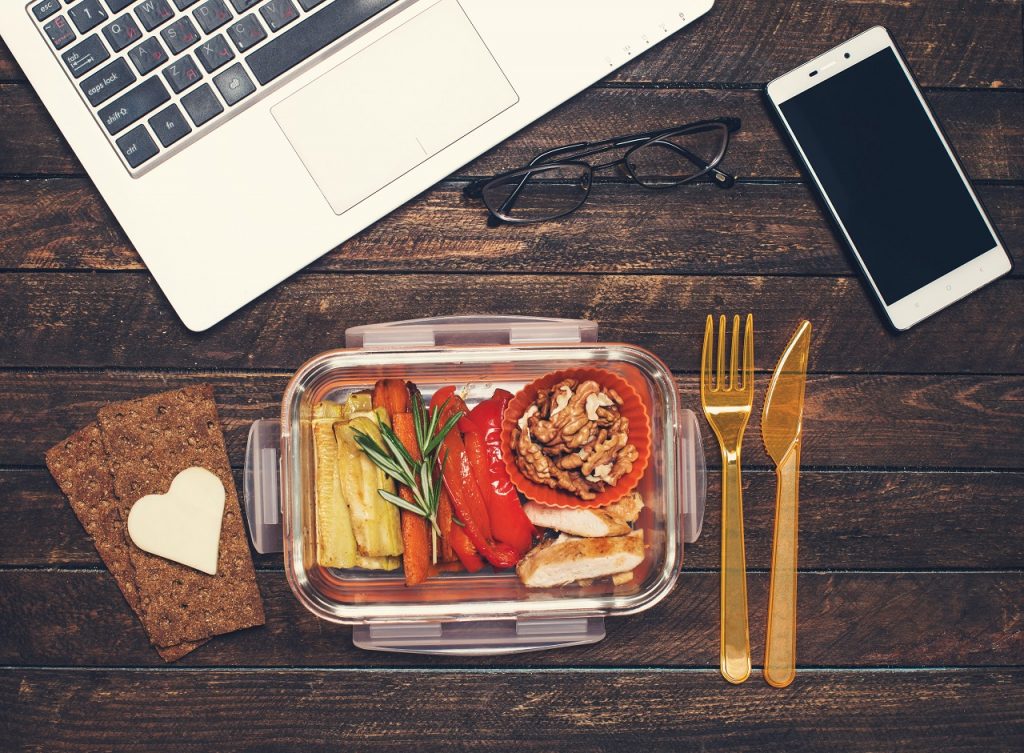 Snacking is an important part of a balanced diet. However, when it comes to snacking at work, many of us find ourselves staring at a vending machine or scrolling through food delivery apps, unsure of what to eat. One of the main reasons people struggle to maintain healthy eating habits in the office is a lack of time. In today’s fast-paced world, fast food seems like the easiest solution. Fortunately, there are plenty of quick, easy, and affordable healthy snacks that can keep you on track.
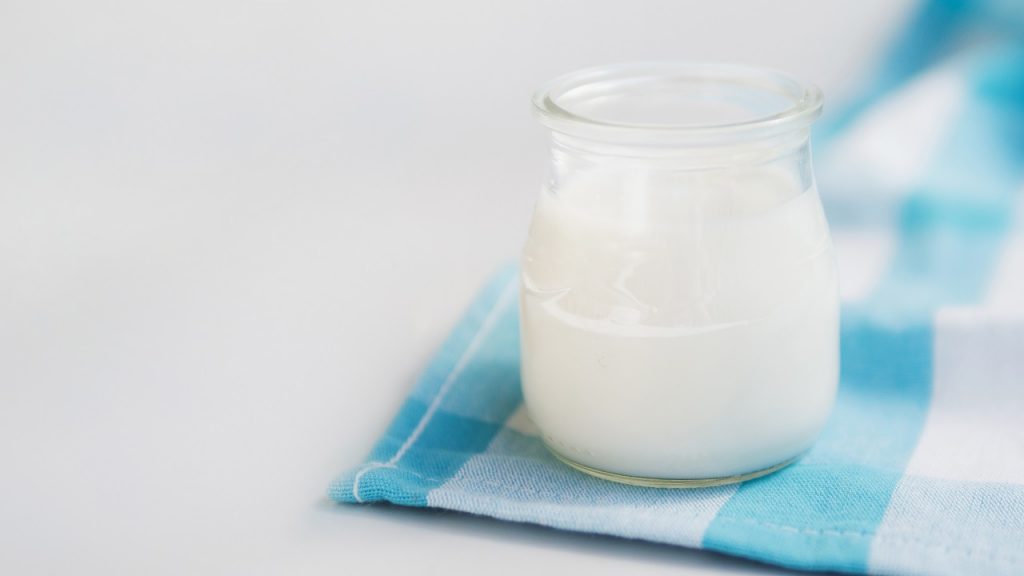 Greek yoghurt is a nutritious and satisfying option. Opt for low-fat or skimmed milk versions for a healthier choice. You can enhance the flavour with a drizzle of honey or a sprinkle of jaggery. Adding fresh berries, apple slices, or bananas makes it even more nutritious!
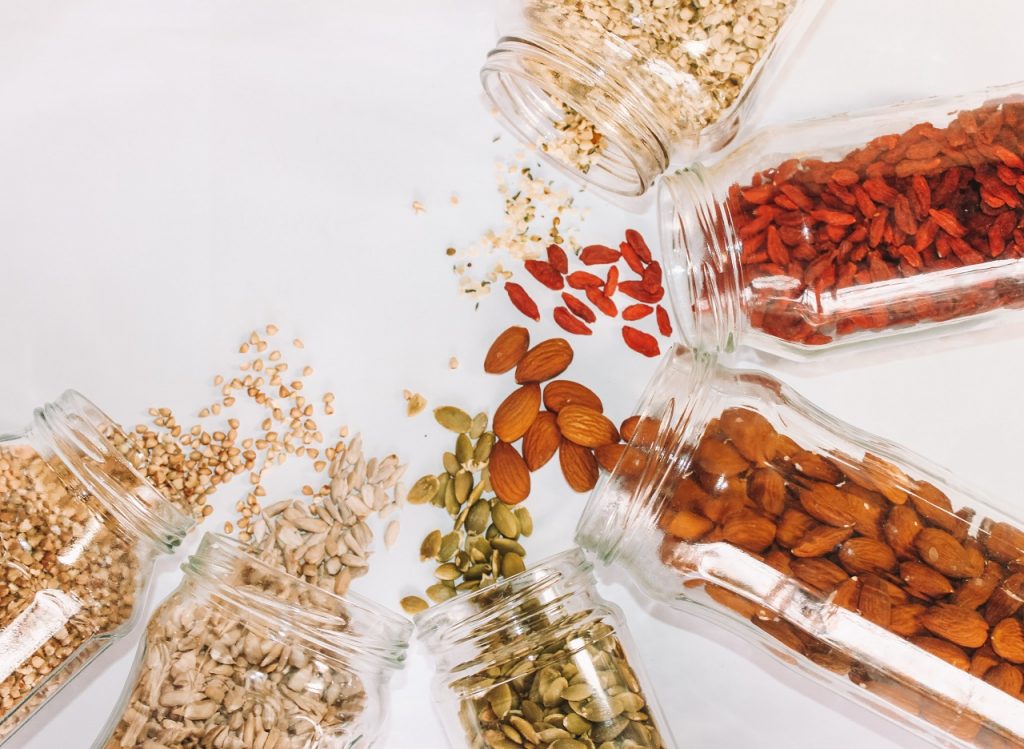 Instead of reaching for crisps or chocolate bars, opt for nuts and seeds. These are packed with protein, fibre, and healthy fats, making them a far better choice than snacks high in refined sugars and empty calories.
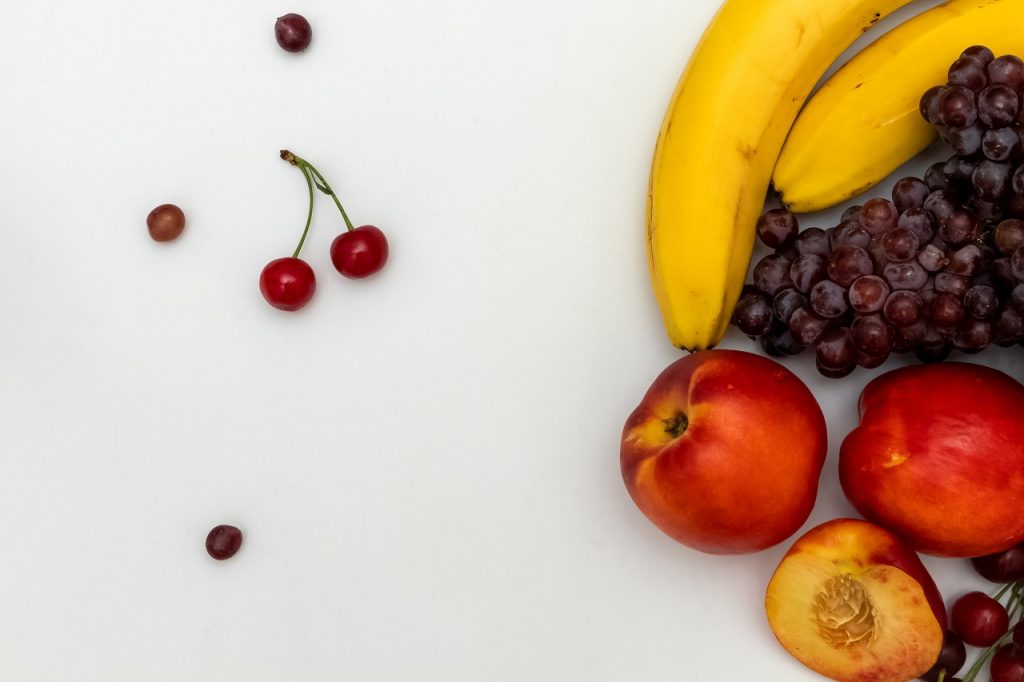 Fruits offer natural sugars that provide a quick energy boost. Options like strawberries, oranges, apples, bananas, and melons are packed with antioxidants, vitamins, and fibre—perfect for keeping you refreshed and focused.
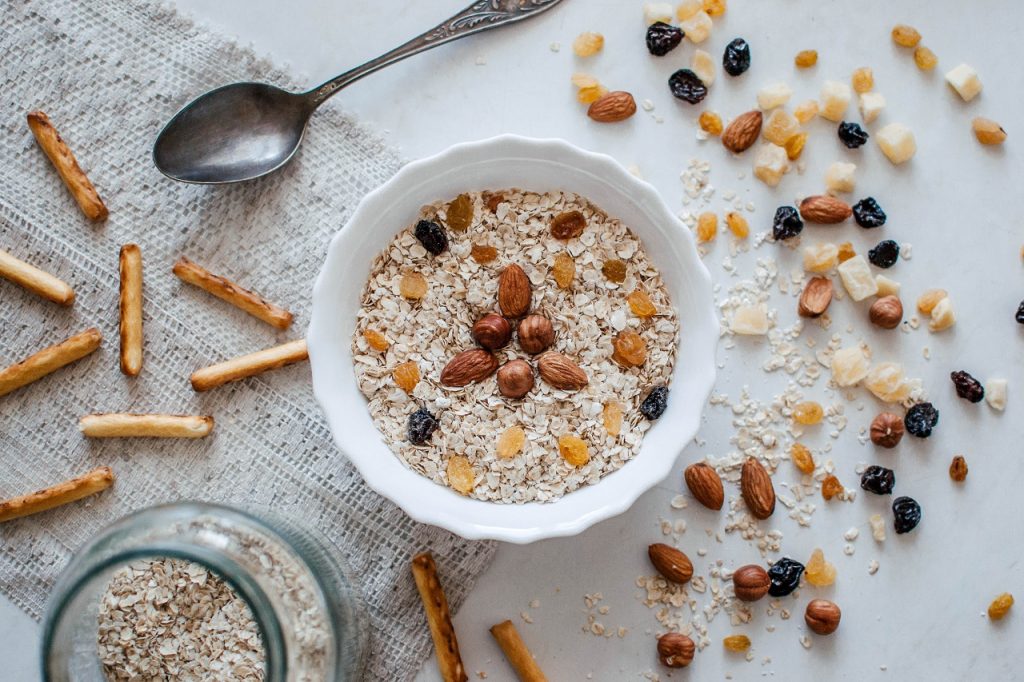 A plain instant oatmeal packet makes for a comforting yet healthy snack. Add your own raisins, cinnamon, or nutmeg to enhance the flavour while keeping sugar levels in check. Oats are known to reduce the risk of heart disease and provide long-lasting energy.
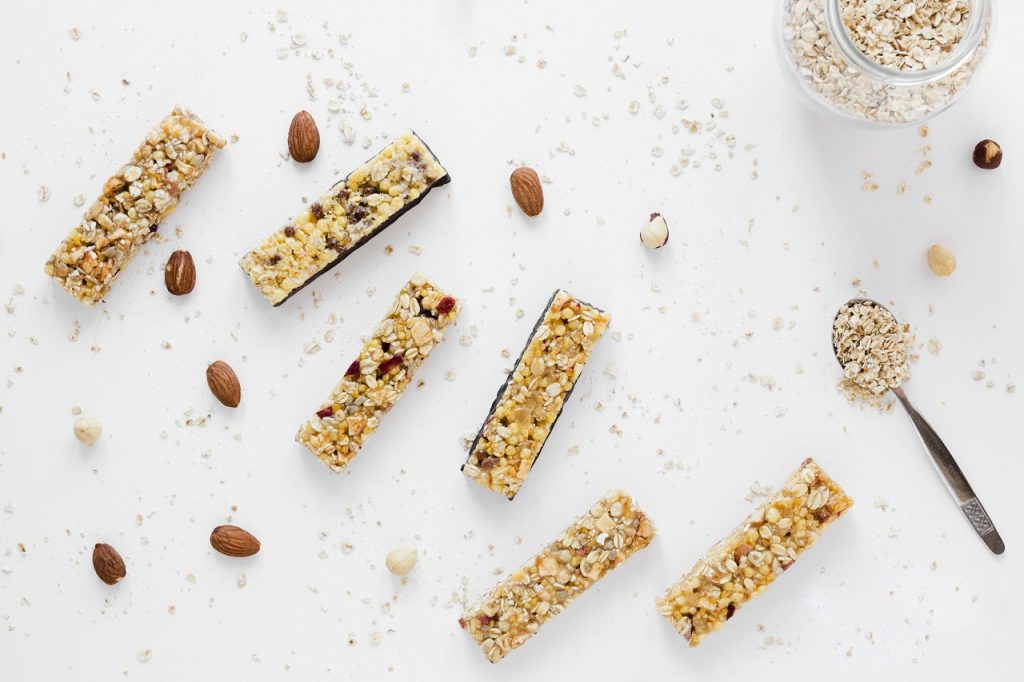 Not all protein bars are created equal—some are packed with sugar and calories. Look for bars that contain fruit, nuts, and fewer than 200 calories. You can also make homemade protein bars using healthy ingredients like oats, nuts, and seeds.


