GOQii

Blog

  • HOME
  • HEALTHY LIVING
  • FITNESS
  • HEALTHY RECIPES
  • USER STORIES
  • KARMA
  • BUY GOQii

July 15, 2025 By GOQii Leave a Comment

Silencing the Food Noise: Tackling Cravings While on GLP-1 Therapy

Silencing the Food Noise: Tackling Cravings While on GLP-1 Therapy
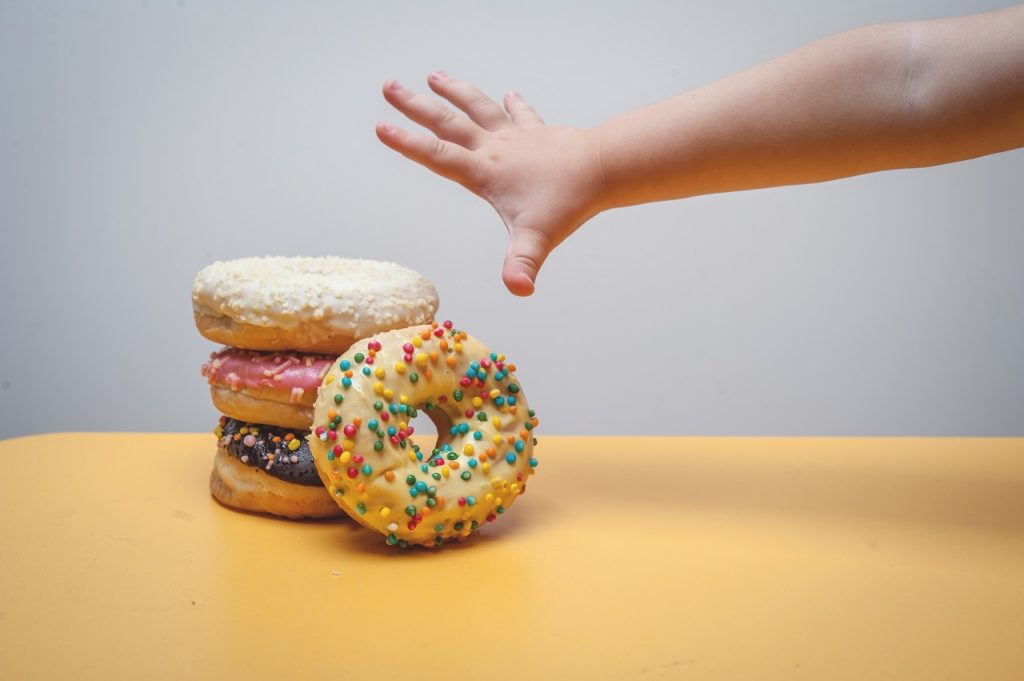
Think about this for a second: You’re in the middle of your workday, focused and productive, when out of nowhere, a voice in your head pipes up: “A slice of cake wouldn’t hurt…” Suddenly, you’re battling thoughts of crisps, chocolate, or that tempting takeaway. This constant internal dialogue about food, often referred to as food noise, can be one of the biggest hurdles to healthy eating, even when you’re on effective treatments like GLP-1 receptor agonists.

So, what exactly is food noise? And how do you quieten it, especially if you’re already on medication that’s supposed to help with appetite?

Food noise is the non-stop chatter in your brain about food, whether you’re hungry or not. It’s that mental loop of cravings, planning your next snack, or emotional eating cues that have nothing to do with physical hunger. It can be:

  • A response to stress
  • A product of habit
  • A way to avoid difficult emotions
    Or simply environmental, like the smell of baked goods or a food advert on TV

For many people with obesity or type 2 diabetes, food noise can feel relentless. And it’s not about lack of willpower, it’s rooted in biology, psychology, and learned behaviour.  Weight loss and hormone experts state that food noise appears to be significantly reduced by medications like semaglutide and tirzepatide.

How this is thought to work is that these medications essentially block or reduce the communication between the digestive tract and the brain, thus interfering with “food noise” signals that trigger hunger, cravings, or intrusive thoughts about food.

How GLP-1 Medications Help – But Don’t Silence Everything

GLP-1 receptor agonists such as semaglutide and liraglutide are game-changers. They work by mimicking a hormone that regulates appetite, slows gastric emptying, and helps you feel full sooner and for longer. In many people, this leads to significant weight loss and improved glucose control.

However, while GLP-1 therapy may reduce food noise, it doesn’t eliminate it. Emotional eating patterns, deeply embedded habits, and environmental triggers don’t disappear overnight. This is why managing food noise needs a multi-faceted approach.

Strategies to Deal With Food Noise

Here are evidence-backed strategies that can help quieten the noise and bring more awareness and control to your eating habits:

  1. Name It to Tame It

The moment you notice food thoughts popping up, pause. Ask yourself:

“Is this physical hunger or head hunger?” Recognising the difference gives you power over the impulse. If it’s an emotional or habitual issue, acknowledge it; don’t judge yourself for it.

  1. Mindful Eating Practices

Slow down. Engage all your senses when you eat. When you eat without distractions, no phone, no telly, just you and your plate, you become more in tune with your body’s hunger and fullness signals. Research shows mindful eating can significantly reduce binge-eating behaviours and promote satisfaction with smaller portions.

  1. Don’t Skip Meals

Ironically, skipping meals can make food noises louder later in the day. GLP-1s may reduce appetite, but your body still needs nutrition. Structured, balanced meals prevent dips in energy and minimise rebound cravings.

  1. Strategic Snacking

Instead of resisting snacks altogether, plan smarter ones. High-protein, high-fibre options (think Greek yoghurt, boiled eggs, or nuts) can keep you full longer and curb the urge for sugary quick fixes.

  1. Create a ‘Craving Pause’ Ritual

When cravings hit, delay action by 10 minutes. Take a walk, sip water, write in a journal, or simply breathe. Most cravings peak and fade quickly—this brief pause creates space for you to respond thoughtfully rather than react impulsively.

  1. Environment Matters

Out of sight, out of mind works. Keep trigger foods out of your immediate environment and make nourishing options more accessible. Rearranging your fridge or pantry can be a surprisingly effective first step.

  1. Address Emotional Triggers

Cravings often mask emotions – boredom, sadness, loneliness, even joy. Therapy, journaling, or talking with a trusted friend can help untangle emotional patterns behind eating.

When to Seek Support

If food noise continues to dominate your day, consider speaking to a dietitian, health coach, or behavioural therapist with experience in obesity care. GLP-1s are powerful, but they work best when combined with lifestyle tools, habit change, and compassionate support.

You’re Not Failing – You’re Rewiring

If you’re on GLP-1 therapy and still struggling with food noise, you’re not doing anything wrong. Remember: you’re unlearning years sometimes decades of behaviour. That takes time, patience, and persistence.

Cravings are not a moral failing. They’re a message. And with the right tools, you can listen, learn, and choose differently.

#BeTheForce

Disclaimer: The information provided in this blog is for general awareness and educational purposes only. It is not intended to replace professional medical advice, diagnosis, or treatment. Always consult a qualified healthcare provider for personalised medical guidance or concerns related to your health. Images shown are for representation purposes only and may not depict the exact recommendations or outcomes.

October 26, 2024 By Kusum Soni 8 Comments

5 Common Habits that Cause Obesity!

obesityYou might have been trying hard to lose that stubborn weight with sincere healthy food habits and sweating hard through physical activities. Despite your efforts, that scale doesn’t seem to budge. You might be wondering why. To understand why, you will need to understand what Obesity is.


What is Obesity?

As per WHO, Obesity is a medical condition in which excess body fat has accumulated to an extent that it may have a negative effect on health. Various studies and meta-analysis have demonstrated that it increases the likelihood of various diseases and conditions, particularly cardiovascular diseases, Type2 diabetes, obstructive sleep-apnea, certain types of cancer, osteoarthritis, and depression. And Obesity is most commonly caused by a combination of excessive food intake, lack of physical activity, and genetic susceptibility.

Here are 5 common habits that eventually lead to obesity.

1. Eating Quickly

How many times have you quickly eaten your food while on a call or before rushing for a meeting or a chore without so much as even tasting the food?

This practice of eating quickly & unmindfully could be making you gain fat. Studies among middle-aged men and women have suggested that eating fast leads to obesity. Eating fast has been associated with childhood, general and abdominal obesity as well as greater consumption of food.

It takes approx. 20 minutes for the satiety signal/hormones to reach the brain from the stomach. And eating hurriedly overrides this mechanism of stimulating the satiety centre in the brain. Thus, eating too quickly makes you overeat, paving the way for obesity and related disorders. Eating slowly helps in portion control, makes you aware of when your stomach gets full and you also know how much to serve yourself and when to stop. Plus, chewing well promotes the release of salivary enzymes in the mouth and digestive juices in the stomach, which in turn starts-off the digestion process. Hence, eating slowly metabolizes food faster and more efficiently.

Be conscious while eating and take smaller bites. Eating slowly is associated with enhanced Postprandial Thermogenic Effect of Food, elevated serum adiponectin (a hormone which increases fatty acid oxidation and inhibition of hepatic glucose production) and suppressed Non Esterified Fatty Acid (major component of triglycerides/body fat). Try planning your meal timings along with the official meetings, not only for yourself but also for your subordinates and colleagues. This will not only improve your health but also the productivity. Be mindful when you eat.

2. Not Drinking Enough Water

I have seen people during my practice, who drink less than 1L of water and are still overweight despite eating healthy and being active throughout the day.

Water is critical to proper physiological and cognitive functioning. An average human adult is approximately 55-60% water by weight, whereas some obese people are as little as 15% water by weight. This is because fat tissues do not retain water as well as lean tissues do. Adipose tissue contains about 10% of water, while muscle tissue contains about 75% water. Plain water helps you have healthy muscle mass which is responsible for improving metabolic rate which eventually helps in fat loss.

Combined with physical activity, drinking water helps increase fat oxidation. Another study establishes the role of drinking 1.5L of excessive water in weight reduction, body fat reduction, and appetite suppression in overweight female participants. This is because water fills you up in zero calories and even suppresses appetite thus it acts as a natural appetite suppressant.

So go for plain water instead of too many milky teas/coffees, fruit juices, soft drinks and other so-called healthy energy drinks. If you find plain water boring, try adding slices of cucumber, lemon or your favourite fruit, any condiments/spices to add a dash of flavour and enjoy the drink.

3. Not Getting Enough Sleep

Sleep deprivation has become a hallmark of modern societies. There are many factors such as frequent travel to different time zones, social and tech changes, internet, social media and so on that contribute to inadequate sleep.

Sleep deprivation increases obesity or weight gain because of the metabolic and endocrine alterations, including decreased glucose tolerance/insulin sensitivity, increased evening concentrations of cortisol, deranged hunger hormones, and the individuals who are awake longer will be exposed to food stimuli resulting in wider waist circumferences, which are proven in various studies.

Good sleep helps you to eat better, exercise better, keeps hormone levels in balance and stay healthier. Try these tips to sleep better.

4. Kitchen Grocery

Have you ever looked at the kind of food you have in your kitchen cabinets? I am sure there you will find all sorts of processed foods in colourful packets of biscuits, cereals, toast, cookies, beverages, fruit juices, etc.

Such food tends to cause major spikes in blood sugar levels, which leads to a subsequent crash in blood sugar which can then trigger hunger and cravings for more high-carb foods. This is the “blood sugar roller coaster” that many people experience. Such foods lack essential nutrients. In other words, they are “empty” calories. The added white sugar is another story altogether, it’s the absolute worst and linked to all sorts of chronic diseases.

Whole foods are loaded with nutrients and fiber, and don’t cause the same spikes and dips in blood sugar levels as the processed food. Remember: A low-fat cookie is still a cookie! So, aim to store whole grains, healthy fats, lean proteins, fruits and vegetables in your kitchen grocery. This would naturally balance out your diet and lower your daily calorie intake.

5. Long Sitting Hours

As per WHO, more than 50% of the world’s population lives in urban areas. Most urban jobs revolve around electronic gadgets/devices which require long sitting hours. Traditionally, obesity has been thought to have been caused by the lack of a healthy diet and physical exercise. However, researchers have found that one hour of intense physical exercise does not make up for the negative effects of inactivity when rest of the hours of the day are spent sitting.

So don’t throw away all that hard work at the gym or park in the morning by hitting the couch for the rest of the day in office or at home. Try to work on your sedentary levels. It makes a big difference by being active throughout the day.  Try these tips to remain active:

  • Stand up and move after every 30 mins for 3 mins or for 5 mins every hour
  • Walk around in your office
  • Walk when you are talking over mobile
  • Use stairs or park your vehicle at a distance from your office
  • Keep water bottle away from your table, so get up every hour to get water
  • Go to your colleagues to discuss something or share a document
  • Swap TV time with hobbies or a sport or household chores

We hope this article helps you understand what causes obesity and take necessary measures to curb it. For more on obesity and how to reduce weight, check out Healthy Reads.

To get the right guidance on how to lose weight and sustain it in a healthy way, speak to a certified expert by subscribing to GOQii’s Personalised Health Coaching here.

#BeTheForce

Disclaimer: The information provided in this blog is for general awareness and educational purposes only. It is not intended to replace professional medical advice, diagnosis, or treatment. Always consult a qualified healthcare provider for personalised medical guidance or concerns related to your health.

October 6, 2024 By GOQii Leave a Comment

Attain Freedom From Illness With Lifestyle Coaching!

lifestyle coaching

Have you ever accidentally stubbed your toe on the edge of some furniture in your house and writhed in pain, contemplating all the ways you could have avoided this agonizing experience? While nursing that bruised toe, we think about all the ways in which we could have been mindful or aware and how we could have prevented this mishap. We never realize what could have been unless it is too late. More often than not, this is the case with health too. 

During the pandemic, people realized the importance of health and the need to build and maintain a strong immune system. As per the India Fit Report, we saw that a majority of people followed different methods to build their immunity. Some of these methods included drinking lemon water, trying Kadhas, immunity supplements and Ayurveda among other home remedies. While there is nothing wrong with using nutrition to improve your health, are you taking the right quantities? Do you really need vitamin supplements? What kind of food does your body need if you have certain health conditions? How much exercise is good for you? Are you monitoring your sleep and managing your stress?

The Need For Health and Lifestyle Coaching 

If the above questions got you thinking, it’s time to connect with an expert, and we’ve got a few reasons why that might be a good idea. 

  1. Modifications Based On Need: Is your goal to lose weight or gain weight? Do you want to strengthen your immunity? At this point, we’ve got to realize that one shoe doesn’t fit everyone. Each person is unique and requires a different approach to improve their health. This is where a lifestyle coach or an expert comes in and guides you based on your health goals. 
  2. Save Time On Scrolling: There’s nothing wrong with taking accountability for your health by trying to be your own coach, but mindlessly scrolling through different websites trying to figure out the best way to improve your health can be a dicey affair. A coach interacts with you and guides you in real-time, while being aware of any pre-existing conditions. This helps you avoid eating the wrong food or performing the wrong exercise and assist you in making better decisions for your health. 
  3. Making Sense Of Data: Using trackers and fitness bands help you monitor your health. They let you know your heart rate, step count, blood pressure and with GOQii devices you can track various parameters. But once you get that data, how do you make sense of it? You need someone to analyze your data, interpret it, and find solutions to any existing problems. That someone is your Lifestyle Coach! 
  4. Improve Knowledge and Accountability: Don’t know how to deal with a persistent headache? Confused about mid-meals? How much of a portion should you be consuming? Which exercise can you perform to strengthen your back? A Coach can help you answer all these questions and more! Since you have a Personal Coach, you’ll be accountable to that person, which means visible changes once you follow the modifications they suggest. 
  5. Setting Realistic Goals: The most important point! The number one reason most people fail to stick to their health goal is because they set unrealistic numbers. For instance, trying to lose 30kg in 2 months is not realistic and is definitely not healthy. A coach can help you understand why and how you can gradually lose weight and suggest the best practices for sustainable weight management. With correct and achievable goals as well as visible results, you’ll always be motivated!   

It’s always better to rely on a Coach and have the right guidance to avoid making mistakes with your health. It is always better to follow the right practices, stay at the peak of your health, and free yourself from illness! 

If you’re in need of a Coach to guide and motivate you, then subscribe to GOQii’s Personalized Health Coaching here. You can also find more articles on improving your health and lifestyle here.

#BeTheForce 

July 18, 2024 By GOQii Leave a Comment

Understanding the Stress – Skin Connection: Managing Stress for Healthier Skin

Our body and mind are intricately connected, and even a slight imbalance in one can significantly affect the other. A common example of this is stress. Psychological stress can be challenging not only for the mind but also for the body, particularly the skin, which is one of the largest organs. The connection between stress and chronic skin diseases like Atopic Dermatitis (AD) is profound.

Stress impacts many neurological, metabolic, and immune pathways linked to the progression of chronic skin diseases like AD. It can impair skin barrier function, trigger pro-inflammatory factors causing redness and inflammation, and alter the immune response, compromising disease resistance. Consequently, stress worsens AD, and the deteriorated state of the skin further exacerbates stress. This reciprocal relationship underscores the importance of managing stress as a vital part of AD management.

It is crucial to seek professional help for stress management and skin care. Consulting a dermatologist and, if necessary, a psychiatrist can ensure both stress and skin health are properly addressed. Meanwhile, indulging in hobbies, taking prescribed medications regularly, exercising, practicing yoga, and establishing a bedtime ritual can all contribute to better skin health.

A happier mind leads to happier, healthier skin.

We hope this article helps you. For further information or guidance, reach out to your GOQii Skin Coach.

#BeTheForce

Reference –

Evers AWM, van Beugen S. How stress affects the skin: from designs to mechanisms. Br J Dermatol. 2021 Jul;185(1):12-13. doi: 10.1111/bjd.20397. Epub 2021 Jun 11. PMID: 34114221; PMCID: PMC8361690.

Disclaimer: The information provided in this blog is for general awareness and educational purposes only. It is not intended to replace professional medical advice, diagnosis, or treatment. Always consult a qualified healthcare provider for personalised medical guidance or concerns related to your health.

  • 1
  • 2
  • Next Page »

Search

Recent Posts

  • Best Foods To Alleviate Irritable Bowel Syndrome
  • ALL ABOUT VERTIGO!
  • PCOS and Anxiety: Discover Relief with the 54321 Technique
  • Navigating the Maze of Nutrition: Finding Clarity Amidst Confusion
  • Get children active and keep them healthy

Stay Updated

Archives

  • December 2025 (6)
  • November 2025 (15)
  • October 2025 (20)
  • September 2025 (6)
  • August 2025 (6)
  • July 2025 (12)
  • June 2025 (18)
  • May 2025 (16)
  • April 2025 (23)
  • March 2025 (23)
  • February 2025 (22)
  • January 2025 (26)
  • December 2024 (26)
  • November 2024 (25)
  • October 2024 (22)
  • September 2024 (24)
  • August 2024 (31)
  • July 2024 (21)
  • June 2024 (26)
  • May 2024 (31)
  • April 2024 (27)
  • March 2024 (29)
  • February 2024 (26)
  • January 2024 (25)
  • December 2023 (15)
  • November 2023 (11)
  • October 2023 (20)
  • September 2023 (22)
  • August 2023 (20)
  • July 2023 (22)
  • June 2023 (24)
  • May 2023 (24)
  • April 2023 (24)
  • March 2023 (23)
  • February 2023 (20)
  • January 2023 (16)
  • December 2022 (12)
  • November 2022 (15)
  • October 2022 (15)
  • September 2022 (12)
  • August 2022 (10)
  • July 2022 (17)
  • June 2022 (11)
  • May 2022 (10)
  • April 2022 (6)
  • March 2022 (6)
  • February 2022 (13)
  • January 2022 (12)
  • December 2021 (7)
  • November 2021 (3)
  • October 2021 (6)
  • September 2021 (3)
  • August 2021 (8)
  • July 2021 (7)
  • June 2021 (15)
  • May 2021 (16)
  • April 2021 (10)
  • March 2021 (7)
  • February 2021 (4)
  • January 2021 (4)
  • December 2020 (3)
  • November 2020 (4)
  • October 2020 (10)
  • September 2020 (3)
  • August 2020 (3)
  • July 2020 (2)
  • June 2020 (4)
  • May 2020 (10)
  • April 2020 (12)
  • March 2020 (10)
  • February 2020 (4)
  • January 2020 (4)
  • December 2019 (3)
  • November 2019 (7)
  • October 2019 (5)
  • September 2019 (4)
  • August 2019 (9)
  • July 2019 (9)
  • June 2019 (11)
  • May 2019 (4)
  • April 2019 (9)
  • March 2019 (8)
  • February 2019 (9)
  • January 2019 (8)
  • December 2018 (9)
  • November 2018 (3)
  • October 2018 (3)
  • September 2018 (5)
  • August 2018 (10)
  • July 2018 (6)
  • June 2018 (13)
  • May 2018 (8)
  • April 2018 (18)
  • March 2018 (9)
  • February 2018 (8)
  • January 2018 (15)
  • December 2017 (12)
  • November 2017 (19)
  • October 2017 (13)
  • September 2017 (15)
  • August 2017 (4)
  • July 2017 (8)
  • June 2017 (7)
  • May 2017 (6)
  • April 2017 (8)
  • March 2017 (6)
  • February 2017 (7)
  • January 2017 (9)
  • December 2016 (10)
  • November 2016 (7)
  • October 2016 (7)
  • September 2016 (7)
  • August 2016 (11)
  • July 2016 (9)
  • June 2016 (9)
  • May 2016 (12)
  • April 2016 (17)
  • March 2016 (17)
  • February 2016 (8)
  • January 2016 (6)
  • December 2015 (2)
  • November 2015 (9)
  • October 2015 (7)
  • September 2015 (9)
  • August 2015 (11)
  • July 2015 (9)
  • June 2015 (12)
  • May 2015 (9)
  • April 2015 (13)
  • March 2015 (8)
  • February 2015 (5)
  • January 2015 (12)
  • December 2014 (14)
  • November 2014 (11)
  • October 2014 (6)
  • September 2014 (13)
  • August 2014 (12)
  • July 2014 (6)
  • June 2014 (2)
  • May 2014 (7)
  • April 2014 (5)

From “Laddu Nawin” to Fit and Fierce: How a 25-Year-Old Insurance Advisor Shed 20 Kilos and Gained His Life Back

When 25-year-old Nawin Yadav from Hyderabad walked into his office every morning, he carried more than just his files and policy papers. He had the weight of fatigue, sluggish energy, and an ever-growing belly that was becoming the butt of jokes. “People … [Read More...]

“I’ve Challenged Myself to Live 100 Years” – The Story of Chandubhai Savani’s Second Chance at Life

At 67, most people start slowing down. Not Chandubhai Savani. A resident of Surat, Chandubhai, thought life was on track. “My life was going well till I had my bypass surgery,” he says. That surgery, back in 2021, was a wake-up call.  Medication was routine, but exercise wasn’t. His diet? What he calls ‘normal.’ “I […]

From Shimla’s Slopes to Chandigarh’s Sidewalks: Surinder Kaur Bhalla’s Journey from Chaos to Control

Some journeys start with a plan. Others begin with a stumble literally. Surinder Bhalla, a government professional, born and raised in the scenic hill town of Shimla, had always lived a life of movement. “In Shimla, you walked everywhere,” she reflects. “Walking was never an exercise. It was just life.” But after shifting to Chandigarh, […]

Ananda Mukherjee Health Story

From Terminal Illness To Complete Wellness! Ananda Mukherjee Health Story

As we observe World Cancer Day under the powerful theme ‘United by Unique’ (2025-2027)**, we are reminded that every individual’s journey with cancer is distinct, yet united by shared resilience, hope, and the collective fight against this disease. This theme places people at the centre of care and their stories at the heart of the […]

  • HOME
  • HEALTHY LIVING
  • FITNESS
  • HEALTHY RECIPES
  • USER STORIES
  • KARMA
  • BUY GOQii

Copyright ©2016 GOQii