GOQii

Blog

  • HOME
  • HEALTHY LIVING
  • FITNESS
  • HEALTHY RECIPES
  • USER STORIES
  • KARMA
  • BUY GOQii

June 27, 2024 By Luke Coutinho Leave a Comment

Your Gut Health: Why It Matters More Than You Think

You would have heard of the saying, ‘Almost all diseases begin in the gut’. Well, it’s true. Maintaining the right ‘microflora’ (balance of good bacteria) in the gut is crucial for great health, immunity and even preventing, healing and recovering from serious diseases like cancer.

Your intestines (gut) contain pounds of good bacteria that help with the absorption of nutrients from the food you eat. These ‘good bacteria’ determine the strength of your immunity, regulate weight loss, aid recovery, support colon health, manage body toxicity, and handle several other functions.

The gut also contains yeast (fungals), which, if exceeds in number compared to the good bacteria, cause serious digestive issues, affect nutrient assimilation, and can cause leaky gut, vaginal rashes, IBS and other bowel and GI tract disorders. It is crucial to maintain the proportion of good bacteria, especially in children.

A shortage of good bacteria can lead to allergies, skin problems, headaches, migraines, inability to lose weight, and even contribute to fat accumulation. Energy levels can fall when there is an imbalance.

Everything we eat and drink passes through the gut along the gastrointestinal (GI) tract. This tube-like GI tract, lined with a thin, sticky mucous, is embedded with millions of bacteria that live, grow, and metabolize (digesting and absorbing) in a complex ecosystem comprised of both beneficial and harmful bacteria.

Maintaining gut health is one of the most important and least addressed aspects of overall health. Many lifestyles choices deplete the gut of the ‘good’ bacteria’, leading to health problems ranging from acne to deadly diseases like cancer.

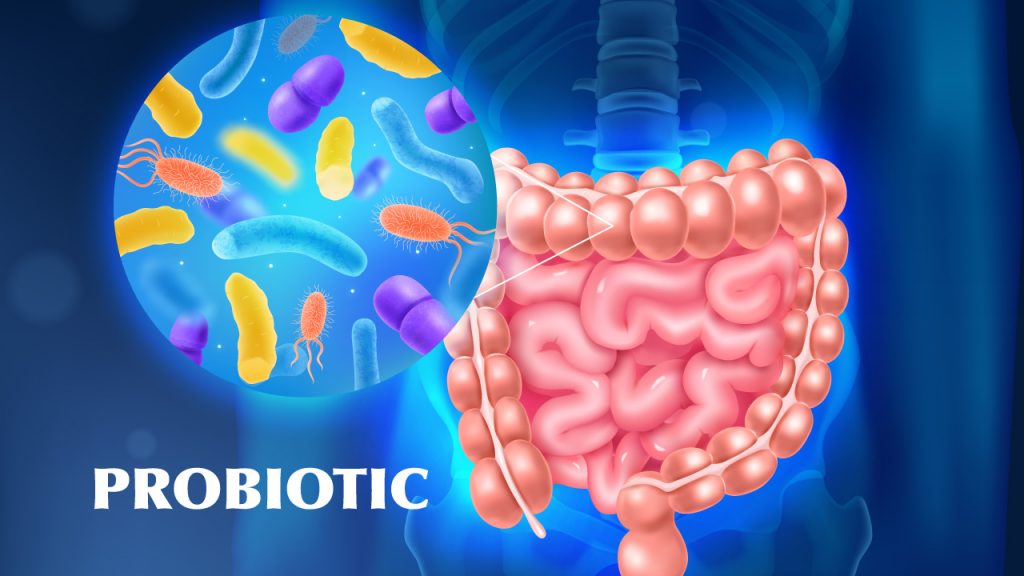
If you have more bad bacteria (fungus) than good bacteria in your gut, even the healthy food you eat will not be assimilated the right way. Even if you eat clean, organic, or expensive foods, it does not matter if your gut microflora is out of balance. This is where probiotics come in.

Probiotic bacteria do several things that contribute to good health and immunity.

Their most basic function is to fight harmful foreign substances that enter the body by detoxifying them and easing their elimination. Probiotics can prevent the growth of harmful bacteria, which thrive and grow within a neutral pH environment, by producing organic acids such as acetic and lactic acids that, in turn, lower the pH of the large intestine.

This lower pH also prevents the metabolism of cholesterol and bile acids in the colon. Since cholesterol and bile metabolites act as cancer-causing agents, they can play an important role in the prevention of cancers of the GI tract and other organs as well. These helpful bacteria can even lower serum cholesterol levels along with cardiovascular disease risk by preventing the activity of an enzyme involved in the synthesis of cholesterol.

Inside the gut are about 100 trillion live microorganisms that promote normal GI (gastro intestinal tracts) function, protect the body from infection, and regulate metabolism and the mucosal immune system. They comprise more than 75% of the immune system.

Also important is their role in maintaining and protecting the GI barrier. An intact GI barrier maintains gut health, while a problem with its microbiota composition will affect the body’s defense systems and can create a condition known as leaky gut syndrome, which can compromise gut health and lead to diseases such as inflammatory breast cancer, obesity, chronic fatigue syndrome, and depression.

Your diet is the most important element for building gut health. Include curds or probiotic supplement if you are vegan or cannot have yogurt. Some top natural probiotic-rich foods include:

  • Yogurt (plain kind)
  • Miso
  • Sauekraut
  • Kimchi
  • Kefir
  • Kombucha tea
  • Pickled gherkins
  • Spirulina
  • Chlorella

Ensure your diet is rich in complex carbs, fiber, fruits, vegetables, and omega – 3, with a healthy water intake and low intake of sugar, processed foods and red meat.

Avoid sodas, processed foods, and sugar as they quickly depletes the gut of good bacteria, dropping immunity almost instantly, making it the worst thing your child or you can consume. I constantly tell parents that giving your child aerated drinks is worse than drugs.

Your gut health plays a pivotal role in your overall well-being. By maintaining a balanced gut microflora through a healthy diet and probiotics, you can prevent diseases, boost immunity, and ensure optimal nutrient absorption. Prioritize your gut health to experience better health and vitality.

We hope this article helps you. For further information or guidance, reach out to our certified experts by subscribing to GOQii’s Personalised Health Coaching here.

#BeTheForce

Disclaimer: The information provided in this blog is for general awareness and educational purposes only. It is not intended to replace professional medical advice, diagnosis, or treatment. Always consult a qualified healthcare provider for personalised medical guidance or concerns related to your health.


May 19, 2024 By Jyoti Kumawat 6 Comments

Yogurt: The miracle food

It is middle of summer and the temperature is rising day by day. It is during this season that you need foods that keep you cool. The one such miraculous food is ‘Yogurt’. It’s miraculous only because it does miracles to our health. Yogurt is one of the Functional foods which posses’ special functions to human health. Let’s understand why it is a miracle food?

Let us understand the nutritional benefits and contents of yogurt. Yogurt is made from milk and therefore one can get a dose of animal protein (about 9 grams per 6-ounce serving), plus several other nutrients found in dairy foods, like Calcium, Vitamin B-2, Vitamin B-12, Potassium, and Magnesium are in Yoghurt.

Yogurt is also a “probiotic.” Probiotics are “friendly bacteria” that are naturally present in the digestive system. Live strains of these “good bacteria” are also found in many yogurt products.

Potential benefits of Yoghurt:-

1: Yogurt May Help in the Gut Health –

Yoghurt helps in controlling certain gastrointestinal conditions, including lactose intolerance, constipation, diarrheal diseases, colon cancer, inflammatory bowel disease, Helicobacter pylori infection, and allergies. Yogurt is a boon to patients with these conditions and have benefitted because of innate immunity response created by yogurt and improvement of healthy bacteria in GI tract.

2: Yogurt Boosts the Immune System (including gastrointestinal and respiratory infections) –

Yogurt makes us strong by providing immunity. Given the right circumstances, eating yogurt may help protect the intestinal tract. As a result, yogurt has great potential as a protective, anti-infection agent. Increased yogurt consumption might help increase one’s resistance to immune-related diseases such as cancer and infection, particularly gastrointestinal infection. So we have the power to increase the immunity in such conditions. Why not opt for one cup everyday during your snacks time to stay away from these conditions.

3: Yogurt may help Prevent Osteoporosis – 

If you’re suffering from postmenopausal osteoporosis, consuming a little cup of yogurt each day can make a big difference! As I said earlier, this healthy snack is packed with calcium and several other nutrients that help postmenopausal women maintain strong and healthy bones. Those who are concerned about developing osteoporosis or are looking for a way to help manage the disease should incorporate more of this tasty and powerful food into their diets.

4: Yogurt may reduce the risk of High Blood Pressure – 

In today’s time there are lots of people who suffer from high blood pressure. We generally do control over our diet to control that condition, but do you know we don’t need to watch calories while having Yogurt…..Why?

Eating yogurt is more satisfying, so we are less likely to reach for higher-calorie sources of calcium and protein. Being lower in fat, it is less likely to stick to the insides of our blood vessels. The potassium in yogurt, almost 600 milligrams per eight ounces, may help flush some of the excess sodium out of your body.

Well that’s Good news for all.

5: Yogurt helps in weight management –

Weight loss and weight gain, these two are the major points of concern for most people. Yogurt is the right answer for both those who want to lose weight and for those who want to gain weight. It has proven to help in weight loss as well as healthy weight gain, which shows that it stimulates happy hormones to reduce visceral fat hence reducing belly fat. In weight gain also it has shown to improve weight without disturbing the waist circumference…..isn’t it a magic ?

Some other benefits are………………….

6: Yogurt Lowers the Risk of Metabolic Syndrome

7: Yogurt helps in Lactose Absorption in Lactose-Deficient Patients

8: Yogurt leads to Healthy Ageing

9: Yogurt May Help You Feel Fuller

10: Yogurt lowers the risk of Colon Cancer 

11: A cup of yogurt a day can help you recover faster after a workout

This single food provides us with lots of benefits and hence it is recommended that Yogurt is included in your regular diet in a balanced amount.

With its numerous health benefits ranging from improving gut health to aiding weight management, yogurt truly deserves its title as a miracle food. Incorporate this nutritious snack into your daily diet to reap its full potential and support your overall health and well-being. We hope this article helps you. For further information or guidance, reach out to our certified experts by subscribing to GOQii’s Personalised Health Coaching here.

#BeTheForce 

February 19, 2024 By Sunita Arora 8 Comments

Benefits of Fennel Seed Water

Benefits of Fennel Seeds WaterThe age-old secrets of health can be found in the simplest of ingredients in our kitchens. We just need to unveil them. Fennel Seeds are used in traditional rituals and celebrations as a symbol of Nature. In Ayurveda, Fennel Seeds are considered very beneficial. It is used to increase stamina and promote longevity, also used by nursing mothers in order to increase breast milk. Fennel Seeds are extensively used in Indian recipes.  It is an effective aid to digestion, treating bloating, gas, or cramps and also acts as a diuretic.  In foods and beverages, Fennel Oil and Fennel Seeds are used as flavoring agents.

Health benefits of Fennel Seeds:

1) Fennel Seeds for Constipation, Indigestion, Acidity, Bloating and IBS: Fennel Seeds are very useful in treating these disorders because it contains Estragole, Fenchone and Anethole. For those with IBS, the volatile oils found in Fennel Seeds can help kick-start digestion by promoting the production of gastric enzymes.

2) Managing Blood Pressure: Fennel Seeds are also a very rich source of Potassium, which is an essential component of cells and body fluids. Hence, it helps regulate heart rate and blood pressure.

3) Improves Eyesight: A handful of these seeds can do wonders for your eyesight as well.  Fennel Seeds contain Vitamin A, which is essential for good eyesight. The extracts of these seeds were used in ancient times to improve the symptoms of Glaucoma.

4)  Purify Blood: The essential oils and fiber in these seeds are very useful to flush out toxins and sludge from our bodies, thus helping to cleanse the blood and clear the skin.

5) Relieves Menstrual Pain: Fennel Seeds help in reducing menstrual pains, alleviates symptoms of menopause, shorten the length of the menstruation cycle, reduced period-related nausea due to the presence of estrogen.

6) Promotes Breast Milk Production: It has estrogen which increases Prolactin levels and increases breast milk production.

7) Reduces Hair fall: The antioxidants and nutrients present in Fennel Seeds strengthen the roots of your hair and give your follicles extra strength.

8) Reduces Cholesterol: It contains high amounts of fiber, which decreases re-absorption of cholesterol, and thus, lowers the risk of heart related diseases.

9) Improves Brain Functioning: Fennel Seeds are rich in potassium, which stimulates electrical conduction throughout the body.  Which in turn improves brain functioning and cognitive skills. It acts as a great brain booster and improves brain-based skills.

10) Improves Vision: It helps improve eyesight, alleviate high eye pressure, pink eyes, dry eyes, tired, watery eyes and almost all eye related problems.

Some Other Benefits:

  • Gargling Fennel Tea can relieve inflamed gums and treat bad breath
  • It eases muscular pain
  • Fennel Water is used to relieve colic pain in newborn babies
  • Fennel Water eases morning sickness in expecting moms
  • Used as a spice in many different cuisines all over the world
  • Sugarcoated Fennel Seeds (Saunf) have been used as a condiment after food to improve digestion

How to use Fennel Seeds:

a)  Fennel Tea: Extract of Fennel Seeds is not the same thing as fennel tea. Fennel tea is less processed and more likely to be pure and the measurable, beneficial impacts of fennel tea suggest multiple reasons for drinking it.

Here is a recipe for Fennel Tea:

  • Take 1 teaspoon of dried Fennel Seeds per cup of tea and pour hot water over it
  • Make sure you do not boil the Fennel Seeds as this will kill most of its nutrients
  • Cover and let it rest for 10 minutes. You will get a light yellow infusion
  • Drink it 2-3 times a day
  • The best time to drink this tea is after meals to help treat digestion problems and its sweet taste, much similar to that of licorice, can serve as a wonderful after dinner treat

b) Fennel Water: Take one glass of water and add one tsp of Fennel Seeds and soak it overnight. Drink it early in the morning. This water helps in reducing acidity and constipation.

Do you want to know more about Fennel Seeds? Stay tuned for the second part on the Benefits of Fennel Seeds.

We hope this article helps you. If you have your own special style of using Fennel Seeds, let us know in the comments below! For further information or guidance, reach out to our certified experts by subscribing to GOQii’s Personalised Health Coaching here.

#BeTheForce

February 15, 2024 By Kusum Soni Leave a Comment

Do Grains Cause a Leaky Gut?

leaky gut

If you’re suffering from chronic diarrhea, constipation, gas or bloating coupled with a poor immune system, your issue might be more than something to do with ‘what you ate last night’. There’s a fair chance that you might be suffering from a leaky gut.

What is a Leaky Gut?

A Leaky Gut, as the word suggests, literally means that the gut/intestine is leaking. Technically, the permeability of intestinal mucosa increases and as a result, a protein called Zonulin and consequently bacteria, toxins, digestive metabolites, and bacterial toxins leak into the bloodstream.

This increases the toxic build-up in the body which manifests itself on the skin, colon, hormones, lungs, liver, lymph and kidneys in the form of bloating, diarrhea and constipation. Autoimmune response could include rheumatoid arthritis, lupus, Celiac disease, migraines, a weak immune system and hormonal imbalances, etc.

The exact cause of a Leaky Gut is not known, but potential causes include a poor diet, chronic stress, toxin overload and imbalances in the gut microbiome or dysbiosis.

The Role of Grains in Increasing Gut Permeability 

Dietary guidelines advise one to eat adequate amounts of (whole) grain products per day and are promoted as the fiber-rich foundation of a healthy diet. The question is, are grains really necessary as a part of our diet or can they be harmful?

Yes, grains are the main source of our energy for daily activities, brain function and even supply us with Vitamins B Complex and minerals like Zinc, Chromium, Iron, Calcium, Magnesium and Manganese, etc. that boost numerous biochemical reactions taking place in our body every moment. Having said that, grains & legumes also contain certain anti-nutritional compound/chemicals which can make them inflammatory and can affect some people.

What are the Anti-Nutritional Compounds in Grains? 

1. Gluten
Gluten is the main structural protein complex of grains like Wheat, Rye and Barley. They are incredibly widespread in modern diets due to the increased intake of processed/refined flour food products such as bread, cakes, pastries, sauces, ready meals and breakfast cereals.

Research has shown that a person with gluten sensitivity, ingesting gluten significantly increases intestinal permeability immediately after the consumption. Studies have shown that the daily consumption of wheat products and other related cereal grains could contribute to the manifestation of chronic inflammation and autoimmune diseases.

Both in vitro and in vivo studies demonstrate that gliadin, by releasing Zonulin and wheat germ agglutinin can both increase intestinal permeability and activate the immune system and have also been confirmed in human studies.

2. Lectins
Grains have different types of lectins but all are not harmful. The harmful ones are Agglutinins and Prolamins. Agglutinins are a natural insecticide to protect crops from insects. But to get a higher yield of crop, grains are genetically modified (GM) to produce more of their natural insecticides which in turn make the grain inflammatory.

Prolamins are also not easily digested and most grains contain a Prolamin similar in structure to gluten. For example, Orzenin in rice or Avenin in oats or Gliadins in wheat.

3. Phytates and Phytic Acid
Phytates and Phytic Acid in the seeds of grains inhibits digestion and absorption of certain minerals (specifically zinc, iron, and calcium) by binding with them in the gut. These are vital for our immune system to function properly. Usually, a small amount of Phytates in diet does not cause a problem, as long as you’re getting adequate nutrients from the rest of your food. But mineral deficiencies may result when grains form the staple diet.

How Can You Manage a Leaky Gut? 

  1. Go for gluten-free grains like bajra, rice, maize, and gluten-free oats. Even ‘gluten-free food products available in the market contain some food additives, food preservatives, some amount of fibre and added sugar which can further damage the gut lining. So, beware and read the nutritional label!
  2. Go for non-GMO and heirloom varieties of seeds that are passed down from generation to generation. Make sure to soak grains overnight in water mixed with a little bit of lemon juice or apple cider vinegar, sprout and slow cook them. These methods also activate Phytase, an enzyme present in the plant that breaks down Phytates.
  3. Don’t rush through your food, chew it slowly and thoroughly so that small particles of food can be well digested and absorbed in the intestine.
  4. Adopt an anti-inflammatory eating plan. Include plenty of colourful, fresh fruit and vegetables, seeds, soaked nuts, plant protein such as beans and lentils and oily fish. At the same time, exclude sugar, processed foods, red meat and alcohol. Fermented foods can replenish natural gut bacteria. Try curd, fermented pickle, sauerkraut, kefir or kombucha.
  5. Vegetables from the nightshade family (Solanaceae) like tomatoes, peppers, eggplant (brinjal) and potatoes, are high in lectins that can damage the gut lining. They don’t even breakdown while cooking. So those with autoimmune diseases should avoid these vegetables as well.

If grains are the staple food, they may obstruct digestion and contribute to a leaky gut. For those with autoimmune diseases or gluten sensitivity, it would be wise to completely exclude grains, pseudo-grains, legumes and nightshades. Also avoid nuts and seeds if they cause any inflammation. Once the intestinal gaps heals, medicines are reduced or stopped and there are no symptom, you may have these foods once in a while.

Medically, Leaky Gut Syndrome is a hypothetical, unrecognized condition.

We hope this article helps you! Do leave your thoughts and questions in the comments below! For further guidance speak to a certified expert by subscribing to GOQii’s Personalised Health Coaching here.

#BeTheForce 

  • « Previous Page
  • 1
  • …
  • 3
  • 4
  • 5
  • 6
  • 7
  • 8
  • Next Page »

Search

Recent Posts

  • ALL ABOUT VERTIGO!
  • PCOS and Anxiety: Discover Relief with the 54321 Technique
  • Navigating the Maze of Nutrition: Finding Clarity Amidst Confusion
  • Get children active and keep them healthy
  • What Gestational Diabetes Can Do To You & Your Unborn Child

Stay Updated

Archives

  • December 2025 (5)
  • November 2025 (15)
  • October 2025 (20)
  • September 2025 (6)
  • August 2025 (6)
  • July 2025 (12)
  • June 2025 (18)
  • May 2025 (16)
  • April 2025 (23)
  • March 2025 (23)
  • February 2025 (22)
  • January 2025 (26)
  • December 2024 (26)
  • November 2024 (25)
  • October 2024 (22)
  • September 2024 (24)
  • August 2024 (31)
  • July 2024 (21)
  • June 2024 (26)
  • May 2024 (31)
  • April 2024 (27)
  • March 2024 (29)
  • February 2024 (26)
  • January 2024 (25)
  • December 2023 (15)
  • November 2023 (11)
  • October 2023 (22)
  • September 2023 (22)
  • August 2023 (20)
  • July 2023 (22)
  • June 2023 (24)
  • May 2023 (24)
  • April 2023 (24)
  • March 2023 (23)
  • February 2023 (20)
  • January 2023 (16)
  • December 2022 (12)
  • November 2022 (15)
  • October 2022 (15)
  • September 2022 (12)
  • August 2022 (10)
  • July 2022 (17)
  • June 2022 (11)
  • May 2022 (10)
  • April 2022 (6)
  • March 2022 (6)
  • February 2022 (13)
  • January 2022 (12)
  • December 2021 (7)
  • November 2021 (3)
  • October 2021 (6)
  • September 2021 (3)
  • August 2021 (8)
  • July 2021 (7)
  • June 2021 (15)
  • May 2021 (16)
  • April 2021 (10)
  • March 2021 (7)
  • February 2021 (4)
  • January 2021 (4)
  • December 2020 (3)
  • November 2020 (4)
  • October 2020 (10)
  • September 2020 (3)
  • August 2020 (3)
  • July 2020 (2)
  • June 2020 (4)
  • May 2020 (10)
  • April 2020 (12)
  • March 2020 (10)
  • February 2020 (4)
  • January 2020 (4)
  • December 2019 (3)
  • November 2019 (7)
  • October 2019 (5)
  • September 2019 (4)
  • August 2019 (9)
  • July 2019 (9)
  • June 2019 (11)
  • May 2019 (4)
  • April 2019 (9)
  • March 2019 (8)
  • February 2019 (9)
  • January 2019 (8)
  • December 2018 (9)
  • November 2018 (3)
  • October 2018 (3)
  • September 2018 (5)
  • August 2018 (10)
  • July 2018 (6)
  • June 2018 (13)
  • May 2018 (8)
  • April 2018 (18)
  • March 2018 (9)
  • February 2018 (8)
  • January 2018 (15)
  • December 2017 (12)
  • November 2017 (19)
  • October 2017 (13)
  • September 2017 (15)
  • August 2017 (4)
  • July 2017 (8)
  • June 2017 (7)
  • May 2017 (6)
  • April 2017 (8)
  • March 2017 (6)
  • February 2017 (7)
  • January 2017 (9)
  • December 2016 (10)
  • November 2016 (7)
  • October 2016 (7)
  • September 2016 (7)
  • August 2016 (11)
  • July 2016 (9)
  • June 2016 (9)
  • May 2016 (12)
  • April 2016 (17)
  • March 2016 (17)
  • February 2016 (8)
  • January 2016 (6)
  • December 2015 (2)
  • November 2015 (9)
  • October 2015 (7)
  • September 2015 (9)
  • August 2015 (11)
  • July 2015 (9)
  • June 2015 (12)
  • May 2015 (9)
  • April 2015 (13)
  • March 2015 (8)
  • February 2015 (5)
  • January 2015 (12)
  • December 2014 (14)
  • November 2014 (11)
  • October 2014 (6)
  • September 2014 (13)
  • August 2014 (12)
  • July 2014 (6)
  • June 2014 (2)
  • May 2014 (7)
  • April 2014 (5)

From “Laddu Nawin” to Fit and Fierce: How a 25-Year-Old Insurance Advisor Shed 20 Kilos and Gained His Life Back

When 25-year-old Nawin Yadav from Hyderabad walked into his office every morning, he carried more than just his files and policy papers. He had the weight of fatigue, sluggish energy, and an ever-growing belly that was becoming the butt of jokes. “People … [Read More...]

“I’ve Challenged Myself to Live 100 Years” – The Story of Chandubhai Savani’s Second Chance at Life

At 67, most people start slowing down. Not Chandubhai Savani. A resident of Surat, Chandubhai, thought life was on track. “My life was going well till I had my bypass surgery,” he says. That surgery, back in 2021, was a wake-up call.  Medication was routine, but exercise wasn’t. His diet? What he calls ‘normal.’ “I […]

From Shimla’s Slopes to Chandigarh’s Sidewalks: Surinder Kaur Bhalla’s Journey from Chaos to Control

Some journeys start with a plan. Others begin with a stumble literally. Surinder Bhalla, a government professional, born and raised in the scenic hill town of Shimla, had always lived a life of movement. “In Shimla, you walked everywhere,” she reflects. “Walking was never an exercise. It was just life.” But after shifting to Chandigarh, […]

Ananda Mukherjee Health Story

From Terminal Illness To Complete Wellness! Ananda Mukherjee Health Story

As we observe World Cancer Day under the powerful theme ‘United by Unique’ (2025-2027)**, we are reminded that every individual’s journey with cancer is distinct, yet united by shared resilience, hope, and the collective fight against this disease. This theme places people at the centre of care and their stories at the heart of the […]

  • HOME
  • HEALTHY LIVING
  • FITNESS
  • HEALTHY RECIPES
  • USER STORIES
  • KARMA
  • BUY GOQii

Copyright ©2016 GOQii