GOQii

Blog

  • HOME
  • HEALTHY LIVING
  • FITNESS
  • HEALTHY RECIPES
  • USER STORIES
  • KARMA
  • BUY GOQii

July 2, 2026 By Shaeba Shaikh 1 Comment

5 Foods You Should Avoid Eating During Monsoons

5 Foods You Shouldn't Eat During MonsoonsThe Big Question: Why do our favorite rainy-day comfort foods often act as the primary triggers for severe stomach infections and metabolic sluggishness?

The arrival of the monsoon brings much-needed relief from the intense summer heat. It’s the season of cool breezes, steaming cups of tea, and our favorite comfort foods. But while the rainy season refreshes the environment, it also creates conditions that allow bacteria, viruses, and fungi to thrive. Higher humidity, fluctuating temperatures, and increased moisture make food spoil faster and drastically raise the risk of foodborne illnesses. During this time, your digestive system may also become more sensitive, making food hygiene and smart eating choices more important than ever.

The good news? You don’t have to give up enjoying the monsoon—you simply need to make safer food choices that protect your gut health.

Why Food Choices Matter During the Monsoon

The rainy season often brings a noticeable increase in stomach infections, food poisoning, diarrhea, typhoid, and other waterborne illnesses.

This happens because:

  • Microbial Proliferation: High atmospheric moisture and dampness encourage the rapid growth of bacteria and fungi.
  • Rapid Spoilage: Cooked and raw foods spoil much more quickly in humid weather.
  • Vulnerable Water Supplies: Local drinking water sources face a higher risk of cross-contamination from rainwater runoff.
  • Gastrointestinal Slowdown: Environmental shifts can naturally lower your baseline digestive efficiency, reducing the secretion of essential stomach enzymes.

Choosing freshly prepared, hygienic meals can go a long way in protecting your digestive health and supporting your immune system.

5 Specific Foods to Restrict (And Their Healthy Alternatives)

  1. Deep-Fried Foods

Nothing feels more comforting than hot pakodas, samosas, bhajiyas, or fries while it’s raining outside. However, because your metabolic rate naturally slows down during the monsoon, heavy trans-fats and deeply saturated oils take an exceptionally long time to break down and digest. Eating fried foods frequently can lead to bloating, severe acidity, and uncomfortable indigestion.

  • The Destructive Autopilot Loop: Heavy Fried Fats à Stalled Gastric Emptying à Gastrointestinal Sluggishness à Low Energy.
  • The Mindful Alternative Loop: Roasted or Air-Fried Starches à Smooth Digestion à Balanced Glucose àLight & Active Feeling.
  • Better Choices: Roasted makhana (foxnuts), roasted chana (chickpeas), baked sweet potato wedges, air-fried snacks, or homemade vegetable cutlets cooked with minimal oil.
  1. Open-Air Street Food

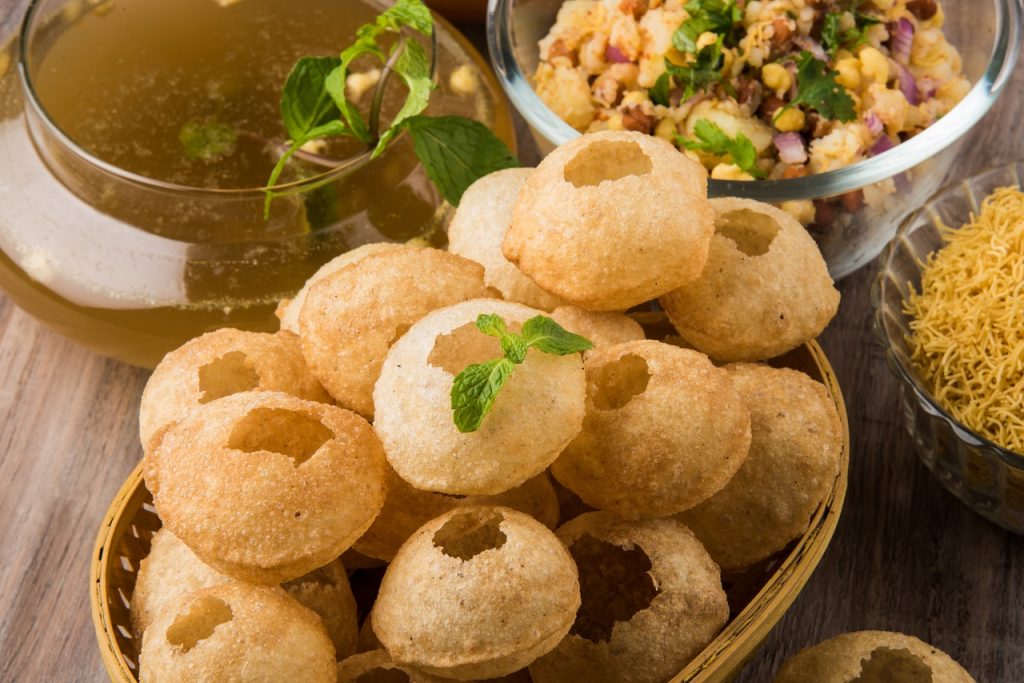
Pani puri, bhel puri, dahi puri, chaats, and roadside snacks become even more tempting during the rains. Unfortunately, open-air food stalls are highly exposed to airborne dust, flies, and humid ambient temperatures.

More importantly, the water used to construct the savory mint liquids in pani puri can easily become contaminated with waterborne bacterial spores due to monsoon pipe leaks. This contamination is a primary cause of seasonal dysentery, typhoid, and jaundice.

  • Better Choices: Try making your favorite chaat at home using filtered, boiled water and fresh ingredients. Other safe options include hot, home-cooked soups, freshly prepared hot snacks, and roasted corn on the cob.
  1. Raw Leafy Greens

Leafy vegetables like spinach, lettuce, cabbage, and coriander are packed with dietary fiber, magnesium, and essential vitamins. However, during the monsoon, their intricate folds, damp surfaces, and proximity to moist soil make them a major breeding ground for bacteria, parasites, and fungi that thrive in humid weather. Consuming them raw in salads significantly increases the risk of food poisoning.

  • Better Choices: Do not avoid these nutritious greens entirely—simply focus on proper cleaning and cooking. Wash them thoroughly under running water, soak them in clean water with a pinch of salt for 10 minutes, and choose steamed, blanched, or thoroughly cooked leafy vegetables instead of raw salads.
  1. Cut Fruits Left in the Open

Fresh fruits are an important part of a healthy diet, providing vital Vitamin C and antioxidants. However, fruits that are pre-cut and left exposed on street stalls or kitchen counters can become contaminated quickly, especially in humid weather. The longer fruit slices remain uncovered, the faster airborne bacteria multiply on their sugary surfaces.

  • Better Choices: Buy whole fruits instead. Wash the outer skin thoroughly under running water and cut your fruits immediately before eating. If you have leftovers, store the freshly cut fruits in a sealed container inside the refrigerator right away.
  1. Poorly Stored Seafood

Fish and seafood are excellent sources of lean protein and healthy fats, but freshness is extremely important during this season. The monsoon marks the primary breeding period for most marine life, meaning fresh catch is limited.

Furthermore, water quality fluctuates wildly due to heavy rain runoff, increasing the risk that wild-caught seafood may carry waterborne bacteria. Improper storage and handling at this time can quickly trigger acute gastroenteritis.

  • Better Choices: If you choose to consume seafood, ensure it is sourced from reliable suppliers and cooked thoroughly. Alternatively, fulfill your protein goals with easily digestible, home-cooked staples such as organic eggs, paneer, tofu, sprouts, or mixed lentils and dals.

The Monsoon Food Safety Quick-Reference

Food Item to Limit The Primary Biological Risk The Safe, Healthy Alternative
Deep-Fried Pakodas Causes long digestive delays and extreme lethargy. Roasted chana, foxnuts, or oil-free baked crisps.
Street Pani Puri High vulnerability to contaminated, waterborne bacteria. Homemade chaat using boiled ingredients and filtered water.
Raw Leafy Salads Harbors hidden bacterial spores and micro-parasites. Thoroughly blanched, steamed, or fully cooked greens.
Exposed Cut Fruits Accelerates bacterial growth on sugary surfaces. Whole seasonal fruits washed and cut right before eating.

Foods That Are Great During the Monsoon

Instead of focusing only on what to avoid, fill your plate with nourishing choices that support your digestion and overall well-being:

  • Warm Soups: Lentil, tomato, or chicken soups comfort the throat and digest easily.
  • Therapeutic Spices: Include ginger, garlic, turmeric, and black pepper in your meals to stimulate digestive enzymes.
  • Probiotic Support: Fresh curd or unsweetened yogurt (if well-tolerated) introduces beneficial bacteria to reinforce your gut lining.
  • Herbal Infusions: Hot ginger or tulsi (Holy Basil) tea helps clear out early respiratory congestion.
  • Whole Grains: Oats, millets, and brown rice provide steady, long-lasting daytime energy.

Simple Monsoon Food Safety Tips

Good food choices go hand in hand with consistent daily hygiene habits. Keep these precautions in mind to protect your family:

✔ Wash your hands thoroughly with soap before preparing or eating food.

✔ Drink strictly filtered, boiled, or safe bottled drinking water.

✔ Focus on eating freshly cooked, steaming-hot meals whenever possible.

✔ Refrigerate leftovers promptly in airtight containers to avoid spoilage.

✔ Avoid food items that have been left uncovered or exposed to flies.

The monsoon is a wonderful, refreshing season—but it also demands a little extra care when it comes to your plate. Choosing freshly prepared meals, practicing rigorous food hygiene, and limiting foods that spoil easily can completely protect you from seasonal stomach infections and digestive discomfort. Healthy eating isn’t about avoiding everything you love. It’s about making smarter, mindful choices that allow you to enjoy the rains while keeping your body strong and resilient!

Pro Tip: Managing your seasonal nutrition targets is effortless when you track your choices consistently. Use the GOQii App to log your daily meals, monitor your pure water intake, and record your sleep patterns. You can seamlessly share this information with your GOQii Personalised Health Coach to receive customized monsoon meal plans, immune-boosting recipes, and expert guidance built to support your unique wellness goals!

Frequently Asked Questions (FAQs)

  1. Why do stomach infections become more common during the monsoon?

Stomach infections spike during the monsoon because the high atmospheric humidity and warm moisture create the perfect environment for bacteria, viruses, and fungi to multiply rapidly. When these pathogens contaminate our food or water supplies, they easily bypass our naturally slowed seasonal digestion, resulting in higher rates of gastroenteritis.

  1. Can I safely eat street food during the rainy season?

It is highly recommended to avoid street food during the rainy season. Open stalls are vulnerable to airborne dust, flies, and contaminated water systems. If you find yourself craving tangy chaats, preparing them cleanly at home with boiled ingredients and filtered water is a much safer option.

  1. Should I completely stop eating leafy vegetables during the monsoon?

No, you do not need to eliminate them. Leafy greens are highly nutritious. However, you must change how you prepare them: avoid raw salads entirely. Ensure you wash the leaves thoroughly under running water, soak them in salt water to loosen hidden pests, and steam or cook them completely before eating.

  1. Which foods are best for supporting digestion during the rainy season?

Foods that are warm, light, and easy to break down are ideal. Focus on freshly cooked vegetables, whole grains like millets or oats, warm lentil soups, anti-inflammatory spices (ginger, turmeric, black pepper), and probiotic-rich fresh curd to support your gut flora.

#BeTheForce

Disclaimer: This article is intended for educational and informational purposes only. It is not intended to replace professional medical advice, clinical diagnosis, or personalized dietary treatment. Always consult your primary care physician or a registered dietitian before making major changes to your eating habits, especially if you manage an underlying gastrointestinal condition or chronic metabolic disorder.

July 1, 2024 By Aesha Mehta 1 Comment

7 Foods To Avoid If You Have Asthma

Asthma

Asthma is an ancient Greek word which means “short drawn breath”. It can be quite troublesome as it causes chest tightness, shortness of breath, and coughing. Patients suffering from asthma have more trouble exhaling carbon dioxide than inhaling oxygen because the air passages of the small bronchi become clogged, making it difficult to breathe. Most asthma patients face more difficulty breathing during the night time. 

Modern medicine has not been able to find a cure for this troublesome respiratory disease. Drugs and vaccines help in reducing symptoms and provide temporary relief. Allergy is a major cause of asthma, but it can be managed with a  proper diet and lifestyle, such as eating foods which are easy to digest and adapting lifestyle methods such as yogic kriya – which helps in proper assimilation of food, strengthening of lungs, digestive and circulatory system. 

Which Foods Should You Avoid If You Have Asthma? 

While there are foods which can help you alleviate the symptoms of asthma, here are some which you must avoid at any cost. 

  1. Sugar: Sweet carbonated drinks, candies, cakes, biscuits, and all the foods which are rich in sugar increase coughing and wheezing in children. Sugar attacks the immune system of the airway, causing narrowing of airways and mucous production. Instead of sweets, include jaggery and coconut sugar.
  2. Junk Foods: Foods like burgers, pizza, red meats, fries, etc., which are loved by a large part of the population, worsens asthma symptoms. These foods make one overweight, and the lungs have to work harder, making it difficult to breathe. Include simple, homemade foods instead of junk foods
  3. Alcohol: Sulphites, one of the allergens present in many alcoholic beverages, worsen asthma symptoms. It increases wheezing and breathing difficulty. Include more natural beverages like lemon water and coconut water instead of beer and wine.
  4. Beans: Beans cause gas in our body, putting pressure on the diaphragm and increasing acid reflux. It is better to avoid beans and other foods like cabbage, onion and garlic which are gas forming.
  5. Tea and Coffee: Another allergen, Salicylates, is found in tea and coffee. Though it is rare, some asthmatic patients are allergic to salicylates and find difficulty in breathing. As an alternative, you can include herbal teas like chamomile tea and passionflower tea instead of regular tea and coffee.
  6. Shrimp: Shrimp contains sulphites, which is an allergen. Yes, SULPHITES again! It can worsen asthma symptoms.
  7. Salt: Salt is one of the worst foods for asthma. It can tighten the airways, cause inflammation, and fluid retention, making it a very serious lung complication. Include natural flavouring ingredients like cumin, turmeric and chilli flakes instead of salt. 

We hope this article helps you understand which foods to avoid if you have asthma. By making mindful dietary choices, you can better manage your asthma symptoms and improve your overall well-being. Do leave your thoughts in the comments below.

#BeTheForce 

Disclaimer: The information provided in this blog is for general awareness and educational purposes only. It is not intended to replace professional medical advice, diagnosis, or treatment. Always consult a qualified healthcare provider for personalised medical guidance or concerns related to your health.

February 22, 2024 By Madhu Soni 1 Comment

6 Foods That Trigger Migraine

migraine

Migraine is a severe headache accompanied by nausea, dizziness and vomiting. Initially the pain may be very mild, but gradually builds up to a throbbing pain. You may experience pain in one area or the pain may shift and sometimes, affect the entire head. It varies from person to person. The pain can go on for hours or even days. 

What Triggers A Migraine? 

It is difficult to pinpoint the exact triggers for a Migraine. Medical science states that inflammation of the neurotransmitters causes migraine. Hormonal imbalance, stress, change in season, change in physical activity, etc. are all possible causes for this debilitating condition. However, certain foods have shown to play a major role in provoking the migraine. 

  1. Alcohol: High consumption of alcohol causes dehydration and this causes the brain to react in a different way. This could be a major trigger. Apart from other alcohols, red wine, which is considered to be good for health, can cause migraine.
  2. Chocolate: Although nitric oxide is very good for the heart and blood vessels, nitrates present in chocolates tend to cause migraine as dilation of blood vessels can activate this condition.
  3. Processed Food: Most fast food, chinese food, ready to cook meals, instant noodles, pasta, oats, chips and other fried snacking options have an active ingredient called monosodium glutamate (MSG) which is considered safe to eat, but is said to be linked with migraine.
  4. Fermented Food: contains histamine which may be a possible reason. Cheese, pickled vegetables and fruits, dry fruits, sauerkraut, kimchi and vinegar come under the umbrella of fermented food. The high salt content in most of these foods may act as a trigger.
  5. Citrus Fruits: like oranges, lemons, melons etc. are also known to trigger this condition. These citrus fruits may cause gas formation which may kickstart the migraine
  6. Leftover food: Stale food is said to be one of the reasons for igniting a migraine as the tyramine content increases  during the storage period, hence making one more vulnerable to this pain. If food is not stored at the right temperature, it can trigger the pain.

 We hope this article helps you! Stay away from these foods if you have a migraine condition. Do consult your doctor and stay safe! For more on nutrition, what to eat and what to avoid, check out Healthy Reads or speak to a certified expert by subscribing to GOQii’s Personalised Health Coaching here.

#BeTheForce 

February 15, 2022 By Dr. Vaidya's 1 Comment

Foods That Are Bad For Immunity According To Ayurveda

Bad For ImmunityWhile personal hygiene and social distancing measures are essential to stay safe, we can also turn to traditional Ayurvedic wisdom to raise immunity levels. As a holistic health system, Ayurveda has always regarded disease prevention as the key to maintaining health. Accordingly, a great amount of Ayurvedic literature focuses on diet, lifestyle, and home remedies to boost immunity. Since there’s already plenty of information on immunity boosting foods and remedies, we are going to put the spotlight on foods that are bad for immunity. 

8 Foods That Are Bad For Immunity 

  1. Fried Foods: We love our fried foods, from samosas to bhajias, but it’s time to make some sacrifices. Whether it’s farsan or burgers, all fried foods are loaded with fats, including trans fats. This is known to trigger inflammation, weakening immune function. So, although you might be eating home cooked meals during this time, try to skip the fried and deep fried foods. This will help to keep your immune function strong.
  2. Sodas and Colas: Even if we are not that addicted to sodas yet, now would be a good time to curb the habit. It really doesn’t matter if you only drink diet soda or carbonated drinks with ‘no added sugar’. They are all artificially sweetened and have no nutritional value whatsoever. Phosphoric acid, which is present in most sodas, depletes calcium and magnesium levels, both of which are vital for good immune function.
  3. Canned Soups: In our current state of lockdown, canned foods like canned soups may seem like the healthiest choice. Unfortunately, the convenience of such instant foods comes with a price. Most instant soups (and other instant foods for that matter) contain high amounts of sodium, corn flour, maltodextrin, and other artificial preservatives and flavoring agents. These ingredients are known to increase the risk of lifestyle diseases and infections because of impaired immune function.
  4. Sugary Snacks: Ayurveda has always recognized the risk posed by artificially sweetened foods. This ancient wisdom is now accepted as a scientific fact, as we know that high sugar intake triggers chronic inflammation and suppresses the immune function, making you more vulnerable to all types of infections – viral, bacterial and fungal. Ice cream, pastries, and chocolates may be your comfort foods but they are simply not a good way to survive social isolation.
  5. Red Meats: are to be strictly avoided according to Ayurveda to protect against infection. A sugar called Neu5Gc is found in red meats and unlike fruit sugars, this sugar is not digested by the body. Instead, it is absorbed into tissue and triggers inflammation and suppresses immunity. Additionally, red meats are also high in fats that we know are bad for immunity.
  6. Foods with MSG: MSG came into the spotlight some years ago when instant noodles were briefly off the shelves. Sadly, the ingredient hasn’t disappeared altogether and you’ll find it in a whole lot of processed and instant foods. Look at those food labels carefully. MSG is bad for your immunity as it causes oxidative stress to the thymus and spleen, which are vital for healthy immune function.
  7. Alcoholic Beverages: Although Ayurveda recognizes the medicinal value of natural alcohols, recreational consumption of alcoholic beverages is regarded as toxic to the body. Alcoholic beverages are known to have high sugar content, impair sleep, increase inflammation and damage the gastrointestinal lining. This severely impairs immunity and increases vulnerability to infections.
  8. Caffeinated Beverages: The need for harmonious living in accordance with the rhythms of nature is central to Ayurveda. Stimulants like caffeine can disturb this natural rhythm, especially when consumed later in the day. This is known to impair sleep, which is vital for strong immunity. Caffeinated drinks are also known to increase acidic levels in the body, which can increase inflammation and suppress immunity.

Reconnecting with our rich heritage of Ayurveda can help us through these tough times. Remember, Ayurveda is not about restriction but balance and harmony. So, in addition to eliminating these bad food choices, try using immunomodulatory herbs like tulsi, amla, and neem to boost immunity and stay safe from infections. 

We hope this article on foods that are bad for immunity helps you make a positive shift to a healthier lifestyle. For more on Healthy Living, check out Healthy Reads or ask a GOQii Coach by subscribing for personalized coaching here: https://goqiiapp.page.link/bsr

#BeTheForce 

Search

Recent Posts

  • International Men’s Day 2026: why men’s health is everyone’s business
  • World COPD Day 2026: Short of Breath? Think COPD – Why Early Diagnosis Matters
  • National Epilepsy Day 2026: Seizure First Aid – What to Do (and Not Do) When Someone Has a Seizure
  • Children’s Day 2026: Healthy Lunchboxes and Screen-Time Habits for Happier, Healthier Kids
  • World Diabetes Day 2026: Early Action on Diabetes – Know Your Risk, Get Tested, Reverse Prediabetes

Stay Updated

Archives

  • November 2026 (18)
  • October 2026 (23)
  • September 2026 (5)
  • August 2026 (8)
  • July 2026 (24)
  • June 2026 (22)
  • May 2026 (20)
  • April 2026 (24)
  • March 2026 (18)
  • February 2026 (14)
  • January 2026 (14)
  • December 2025 (19)
  • November 2025 (14)
  • October 2025 (17)
  • September 2025 (6)
  • August 2025 (5)
  • July 2025 (9)
  • June 2025 (18)
  • May 2025 (16)
  • April 2025 (22)
  • March 2025 (25)
  • February 2025 (21)
  • January 2025 (25)
  • December 2024 (21)
  • November 2024 (21)
  • October 2024 (15)
  • September 2024 (22)
  • August 2024 (27)
  • July 2024 (14)
  • June 2024 (23)
  • May 2024 (26)
  • April 2024 (27)
  • March 2024 (27)
  • February 2024 (23)
  • January 2024 (21)
  • December 2023 (14)
  • November 2023 (10)
  • October 2023 (18)
  • September 2023 (20)
  • August 2023 (16)
  • July 2023 (16)
  • June 2023 (21)
  • May 2023 (20)
  • April 2023 (19)
  • March 2023 (23)
  • February 2023 (19)
  • January 2023 (15)
  • December 2022 (11)
  • November 2022 (15)
  • October 2022 (15)
  • September 2022 (12)
  • August 2022 (9)
  • July 2022 (17)
  • June 2022 (11)
  • May 2022 (10)
  • April 2022 (6)
  • March 2022 (6)
  • February 2022 (13)
  • January 2022 (11)
  • December 2021 (7)
  • November 2021 (3)
  • October 2021 (6)
  • September 2021 (3)
  • August 2021 (8)
  • July 2021 (7)
  • June 2021 (15)
  • May 2021 (16)
  • April 2021 (10)
  • March 2021 (7)
  • February 2021 (4)
  • January 2021 (4)
  • December 2020 (3)
  • November 2020 (4)
  • October 2020 (10)
  • September 2020 (3)
  • August 2020 (3)
  • July 2020 (2)
  • June 2020 (4)
  • May 2020 (10)
  • April 2020 (12)
  • March 2020 (10)
  • February 2020 (4)
  • January 2020 (4)
  • December 2019 (3)
  • November 2019 (7)
  • October 2019 (5)
  • September 2019 (4)
  • August 2019 (9)
  • July 2019 (9)
  • June 2019 (11)
  • May 2019 (4)
  • April 2019 (8)
  • March 2019 (8)
  • February 2019 (9)
  • January 2019 (8)
  • December 2018 (9)
  • November 2018 (3)
  • October 2018 (3)
  • September 2018 (5)
  • August 2018 (10)
  • July 2018 (6)
  • June 2018 (13)
  • May 2018 (8)
  • April 2018 (17)
  • March 2018 (9)
  • February 2018 (8)
  • January 2018 (15)
  • December 2017 (12)
  • November 2017 (19)
  • October 2017 (13)
  • September 2017 (15)
  • August 2017 (4)
  • July 2017 (8)
  • June 2017 (7)
  • May 2017 (6)
  • April 2017 (8)
  • March 2017 (6)
  • February 2017 (7)
  • January 2017 (9)
  • December 2016 (10)
  • November 2016 (7)
  • October 2016 (7)
  • September 2016 (7)
  • August 2016 (11)
  • July 2016 (9)
  • June 2016 (9)
  • May 2016 (12)
  • April 2016 (17)
  • March 2016 (17)
  • February 2016 (8)
  • January 2016 (6)
  • December 2015 (2)
  • November 2015 (9)
  • October 2015 (7)
  • September 2015 (9)
  • August 2015 (11)
  • July 2015 (9)
  • June 2015 (11)
  • May 2015 (9)
  • April 2015 (13)
  • March 2015 (8)
  • February 2015 (5)
  • January 2015 (12)
  • December 2014 (14)
  • November 2014 (11)
  • October 2014 (6)
  • September 2014 (13)
  • August 2014 (12)
  • July 2014 (6)
  • June 2014 (2)
  • May 2014 (7)
  • April 2014 (4)

From Burnout to Balance: How Dr. Ranjit Reclaimed His Health

Dr Ranjit Bhatt has spent years tending to others. A practising doctor in Odisha, his days were packed with patients, surgeries, and emergencies. From the outside, it looked like a life lived in service. But on the inside, something wasn’t right. “I had no … [Read More...]

From Shimla’s Slopes to Chandigarh’s Sidewalks: Surinder Kaur Bhalla’s Journey from Chaos to Control

Some journeys start with a plan. Others begin with a stumble literally. Surinder Bhalla, a government professional, born and raised in the scenic hill town of Shimla, had always lived a life of movement. “In Shimla, you walked everywhere,” she reflects. “Walking was never an exercise. It was just life.” But after shifting to Chandigarh, […]

“I’ve Challenged Myself to Live 100 Years” – The Story of Chandubhai Savani’s Second Chance at Life

At 67, most people start slowing down. Not Chandubhai Savani. A resident of Surat, Chandubhai, thought life was on track. “My life was going well till I had my bypass surgery,” he says. That surgery, back in 2021, was a wake-up call.  Medication was routine, but exercise wasn’t. His diet? What he calls ‘normal.’ “I […]

Ananda Mukherjee Health Story

From Terminal Illness To Complete Wellness! Ananda Mukherjee Health Story

As we observe World Cancer Day under the powerful theme ‘United by Unique’ (2025-2027)**, we are reminded that every individual’s journey with cancer is distinct, yet united by shared resilience, hope, and the collective fight against this disease. This theme places people at the centre of care and their stories at the heart of the […]

  • HOME
  • HEALTHY LIVING
  • FITNESS
  • HEALTHY RECIPES
  • USER STORIES
  • KARMA
  • BUY GOQii

Copyright ©2016 GOQii