
Spending long hours at your desk? You’re not alone. Many office workers experience neck, back, and wrist pain due to poor posture and an improper workstation setup. The good news? With a few simple ergonomic adjustments and regular movement breaks, you can prevent discomfort and stay injury-free at work. From adjusting your chair height to taking short movement breaks, small changes can make a huge difference to your physical well-being. Let’s explore some easy ways to protect yourself from workplace injuries.
How to Avoid Injuries at Work
- Adjust Your Workstation for Better Posture
- Screen Position: Your laptop or desktop screen should be at eye level to prevent slouching. If needed, use a stand or place your laptop on a stack of books.
- Chair Support: Your seat should provide proper neck and back support, aligning with the natural curve of your spine. If your chair lacks support, consider adding a lumbar cushion.
- Arm & Shoulder Alignment: Arms should be fully supported and parallel to the desk. If your elbows sit higher or lower than your desk, it puts strain on your shoulders and wrists.
- Foot Positioning: Keep your feet flat on the floor or on a footrest to maintain good posture and reduce pressure on your lower back.
- Take Regular Movement Breaks
- Set a Reminder: Every 30-45 minutes, stand up, stretch, or take a short walk.
- Move Around: Walk to get water, use the printer, or take a quick lap around the office.
- Stretch Your Muscles: Simple neck, wrist, and back stretches help release tension and improve circulation.
- Reduce Strain on Your Neck & Wrists
- Use a Hands-Free Device: If you take a lot of calls, a Bluetooth headset or speakerphone will stop you from cradling your phone between your neck and shoulder.
- Keyboard & Mouse Placement: Your keyboard and mouse should be within easy reach to avoid excessive stretching or wrist bending.
- Hand & Wrist Exercises: Roll your wrists 10 times in each direction and stretch your fingers every few hours.
- Manage Workplace Fatigue
- Stay Hydrated: Dehydrated muscles and joints are more prone to injury. Keep a water bottle at your desk and sip regularly.
- Improve Air & Lighting: Ensure your workspace has good ventilation and natural light to reduce fatigue and eye strain.
- Stress Management: Poor posture often worsens under stress. Take deep breaths, do a quick desk meditation, or listen to calming music to stay relaxed.
Home Treatment for Work-Related Pain & Injuries
If you start feeling aches and pains, here’s what you can do to relieve discomfort:
- Apply Ice Packs to reduce inflammation.
- Use Proper Supports like lumbar cushions or wrist rests.
- Rest & Recover – Allow muscles to heal by taking a break from repetitive movements.
- Seek Medical Advice if pain persists or worsens.
- Strengthen & Stretch – Regular flexibility and strength exercises will help prevent further injuries.
Your workstation setup and daily habits play a huge role in preventing injuries. By making small adjustments and taking regular movement breaks, you can protect yourself from discomfort and keep your mind and body feeling great throughout the workday. 💡 Try implementing these simple changes and see the difference in how you feel! 💬 Have you experienced any workplace injuries? What helped you recover? Share your thoughts in the comments! #BeTheForce Disclaimer: The information provided in this blog is for general awareness and educational purposes only. It is not intended to replace professional medical advice, diagnosis, or treatment. Always consult a qualified healthcare provider for personalised medical guidance or concerns related to your health. Images shown are for representation purposes only and may not depict the exact recommendations or outcomes.
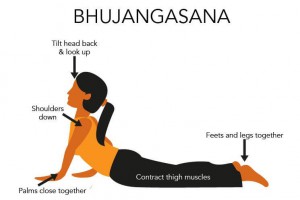
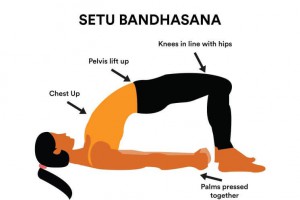
 Our immune system is constantly working behind the scenes to protect us from illness and infection. But sometimes, it needs a little help. The good news? Yoga can offer that support. Practised regularly, specific yoga poses not only strengthen the body but also stimulate the physiological systems closely linked to immunity—such as the digestive, circulatory, endocrine, and nervous systems.


 Motivation is a tricky thing. One moment it’s with you, and the next, it vanishes. The enthusiasm you began with slowly fades, and before you know it, your drive to work towards your goal has dwindled. We’ve all been there.
 When we talk about healthy living, our minds often go straight to diet and exercise. But true wellbeing runs deeper—it’s not just about nourishing the body, but also the mind and soul. One often-overlooked yet deeply important part of holistic health is spirituality and social connection. These elements bring meaning, comfort, and balance to our lives, helping us thrive—not just physically, but emotionally and mentally too.


