GOQii

Blog

  • HOME
  • HEALTHY LIVING
  • FITNESS
  • HEALTHY RECIPES
  • USER STORIES
  • KARMA
  • BUY GOQii

June 6, 2025 By Luke Coutinho 6 Comments

Digestion: The Secret to Losing Weight

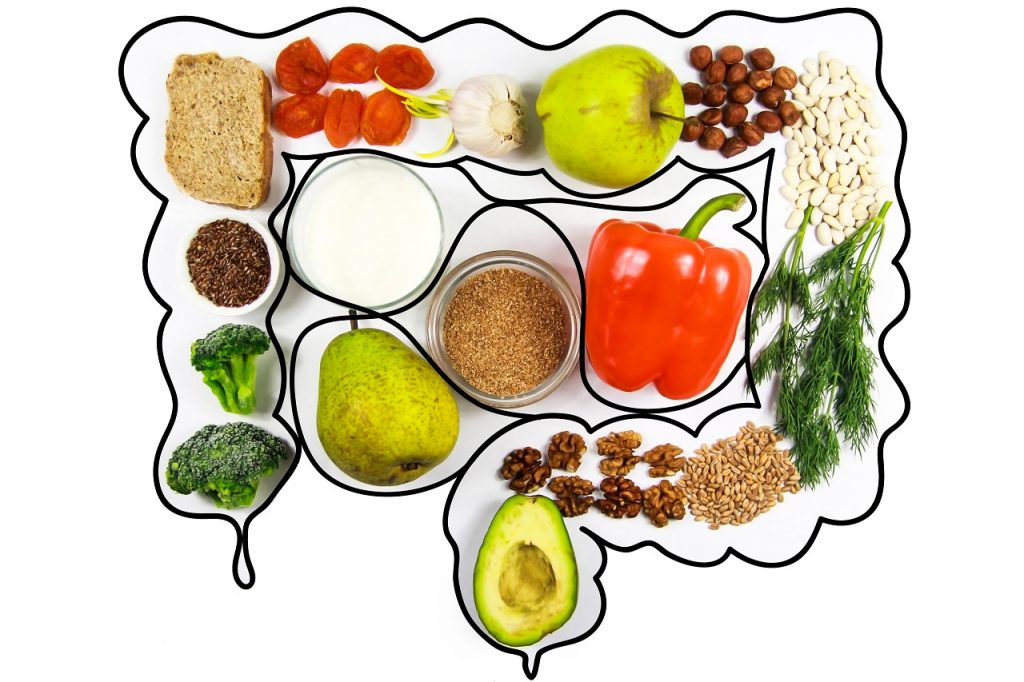
digestionHow often are you worried about that sneaky fat creeping up around your mid-section, a bloated belly after meals or low energy sabotaging your workout? What do all of these have in common? They reflect the direct relationship between sluggish digestion, slow metabolism, and weight gain. Overeating during the holidays and less physical activity means this process can really snowball in the winter.

The Good News!

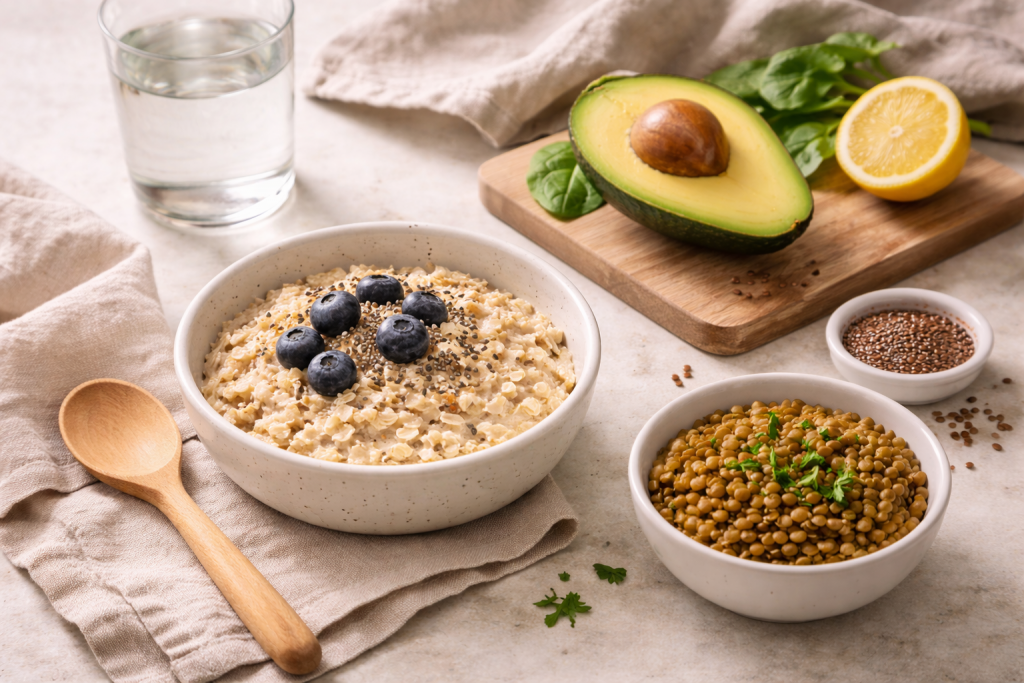
By increasing digestive efficiency through diet, lifestyle and targeted supplements, we can effectively shed excess fat, boost metabolism and support nearly every other aspect of health in the process.

Good digestion goes beyond the idea that “You are what you eat”.

Digestion is at the very centre of our core health. It lays the foundation for health, happiness, and wellbeing. We now have greater insight into the many roles digestion plays in immunity, hormone balance and even mental and emotional health.

Traditional healing systems, especially those from Asia, have long recognised these relationships. In fact, many Eastern medical systems treat nearly every condition by first addressing the digestive system. Often, when we optimise it, everything else falls into place – especially the bathroom scale.

Herbs & Supplements For Digestion 

The relationship between herbs and supplements is clear – many nutrients and herbs that support digestion also boost metabolism. They do this by promoting mitochondrial function while improving the breakdown and absorption of nutrients.

Some digestive-supporting herbs and ingredients also increase enzyme activity, improve circulation, and help soothe inflammation in the digestive tract and beyond.

Black Pepper & Other Spices

Pungent culinary herbs and spices have long been recognised as digestive aids. Their strong aromas and spicy flavours stimulate the production of digestive enzymes for better food breakdown. They also bring warmth and circulation to the system, helping to reduce stagnation.

Their antimicrobial properties help maintain a healthy digestive environment. Researchers now confirm that these long-cherished spices also support healthy weight. For example, black pepper, known for aiding digestion, has been found to block the formation of fat cells at a genetic level – helping to manage weight. It’s often paired with curcumin (from turmeric) to further support metabolism and fat burning.

Probiotics

Another key factor in digestive health is probiotics. These friendly bacteria have evolved with us and offer countless benefits — especially for digestion. New research continues to uncover their broader role in health.

Around the world, fermented probiotic foods such as sauerkraut, kimchi and miso have been consumed for their health benefits. In the UK, kefir, live yoghurt (unsweetened), and kombucha are increasingly popular options.

Probiotics help break down food into usable nutrients, manage inflammation, support immunity, and produce digestive enzymes. A specific probiotic strain — Lactobacillus gasseri — has even been shown to reduce visceral fat by up to 9% over three months.

Cinnamon, Cardamom, Turmeric (Curcumin) & Ginger

These spices have long been used in traditional medicine to support digestion, metabolism, and reduce inflammation. In Asian systems, ginger is commonly used for stomach discomfort and is generally safe in small amounts (1–3 grams daily).

These herbs help warm the digestive system, ease occasional discomfort, and enhance nutrient absorption.

Stress, Exercise & Eating Habits

Because digestion and metabolism are connected to other body systems, a holistic approach is key for healthy weight management. Stress can severely disrupt both digestion and metabolism.

Mind-body practices like yoga, Tai Chi, or regular meditation can reduce inflammation, boost energy, and improve digestive efficiency. In fact, any consistent physical activity contributes to better digestion.

Our mothers were right — don’t skip breakfast. Doing so can disrupt metabolism and trigger fat storage.

Chew Slowly

Chewing food thoroughly and eating at a relaxed pace supports digestion and weight in two ways. First, it helps break food down more effectively, improving nutrient absorption. Second, it allows time for satiety signals to register — preventing overeating.

The Bottom Line

Whether you eat to live or live to eat, better digestion brings ripple effects across all aspects of health – not just weight. Improved energy, reduced bloating, less water retention, more regular elimination, and a general sense of wellbeing are among the first signs that your digestion is on track.

If this article helped you, let us know your thoughts in the comments below! Find more articles on weight loss here or get these tips directly from a GOQii Coach by subscribing to Personalised Health Coaching here.

#BeTheForce

Disclaimer: The information provided in this blog is for general awareness and educational purposes only. It is not intended to replace professional medical advice, diagnosis, or treatment. Always consult a qualified healthcare provider for personalised medical guidance or concerns related to your health. Images shown are for representation purposes only and may not depict the exact recommendations or outcomes.

January 22, 2025 By Suvarna Bhandare Leave a Comment

Effective Tips That Help Relieve Constipation

constipationBefore we dive into the foods that can help you relieve constipation, it is necessary to understand the factors contributing to this condition. Constipation, in simple terms, is the inability to empty the by-products or waste matter of digestion from the colon due to peristalsis – a process in which muscles in the intestine contract and relax to create a wave-like motion. As food passes through the colon (large intestine), water gets absorbed, and the remaining matter forms stool.

Constipation is not a disease but may or may not be a symptom of other underlying conditions. It is a very common complaint, especially where:

  • The diet is low in fibre
  • There is improper food sequencing and combining
  • Mucus-forming foods are consumed in excess
  • There is lack of exercise
  • Hydration levels are low
  • A sedentary lifestyle is followed
  • Processed foods are consumed in high amounts
  • During Pregnancy
  • Stress or emotional eating is prevalent
  • There is delay in using the bathroom when the urge is felt
  • Western toilets are used as opposed to Indian ones

When is constipation experienced?

  • Stools are painful or difficult to pass
  • Stools are hard and dry
  • There is a feeling of incomplete emptying
  • Fewer than 3 bowel movements occur in a week

Having 1-3 bowel movements in a day or after a meal is considered normal. Just remember that the frequency of bowel movements is not the only aspect to consider. Other important points are:

  • Bowel movements shouldn’t be uncomfortable
  • There should be no blood in the stools
  • Stools should not be black or tarry in appearance

Diet and Constipation 

It is proven that what we put into our body has a lot to do with how it comes out. The foods listed below can help prevent or treat constipation:

1. Dietary Fibre:

Fibre is simply the indigestible part of plants. It’s also known as roughage and adds bulk to waste matter. It exists in two types:

  • Soluble Fibre: This type of fibre dissolves and is broken down in the colon, forming a gel-like substance.
  • Insoluble Fibre: This type doesn’t dissolve or break down during digestion. Its main function is to add bulk and make the final stage of digestion easier.

Both types of fibre are essential for treating constipation and are found in almost all plant foods. Besides aiding in easy bowel movements, fibre also helps maintain blood sugar levels, lower cholesterol, and support weight management.

2. Hydration:

Hydration plays an extremely important role in managing constipation. It helps form softer stools and makes transit easier. At least 2-2.5 litres of fluid per day is recommended. Consuming high water-content fruits and veggies also helps.

Foods That Help Relieve Constipation

  1. Fruits: All fruits are good sources of fibre but there are a few sources which have proven to give amazing results, such as apple, pear, papaya, melons, guava, figs, plums, peaches, kiwi, dragon fruit, citrus fruits, berries.
  2. Dried Fruits: But be sure to avoid sugar dipped or coated variants. 
  3. Veggies: Fill your plate with greens. One of the best strategies to keep your digestive system healthy is including lots of fresh and seasonal veggies. Along with a good dose of fibre, they provide other nutrients as well. Add veggies such as spinach, kale, broccoli, lettuce, carrots, cucumbers, sweet potato, peas, corn, asparagus,  green beans, etc. 
  4. Grains and Millets: such as brown rice, oats, quinoa, barley, jowar, bajra combined with veggies are a great option.
  5. Beans and Pulses: such as chickpeas, lentils. Hummus is a good option to have during constipation.
  6. Nuts and Seeds: such as walnuts, almonds, brazil nuts, chia seeds (either soaked in water or over salads and smoothies), flax seeds (sprinkle over salads/smoothies or just consume it in powdered form), fennel seeds (Just chew after meals or can also be boiled with water or in the form of tea)

Additional Tips To Manage Constipation

  • Eat a well balanced diet. Pay attention to DDR – Daily Diet Routine – Meal timings, foods that you choose and portion size.
  • Fill your plate with colourful and seasonal fruits and veggies. They also provide a good amount of micronutrients.
  • Add an adequate amount of fibre in your meals. Choose salads, smoothies and soups. A bowl of papaya with chia or flax seeds proves to be an excellent way of adding fibre to your meals.
  • Keep a check on hydration levels. Lime water, coconut water, herbal and green teas, sugarcane juice, soups, veggie juices works good for increasing total fluid content.
  • Exercise is a must. Make it a part of your routine.
  • Junk and processed foods can upset your stomach so keep them at bay.
  • Limit the consumption of caffeine rich drinks.
  • Avoid emotional eating. 

We hope this article helps you! Do share it and leave your thoughts in the comments below. You can find more articles like this on Gut Health here. If you want expert advice or further guidance on improving digestive or gut health, speak to a GOQii Coach by subscribing for Personalised Health Coaching here.

#BeTheForce 

December 24, 2024 By Luke Coutinho 3 Comments

Holiday Health Tip: It’s All In The Chew!

Holiday Health Tip: It's All In The ChewIt’s precisely between this week and January 1st when people tend to put on most of their weight. There are two reasons for this – The crazy festive season filled with weddings and parties followed by Christmas, New Year’s Eve and the tendency to let loose during this time, with the justification that they’ll start fresh with ‘healthy new year resolutions’ in January.



  • What if I told you that you could enjoy this season and it wouldn’t impact your weight?
  • What if I told you snacking on a cookie or dessert occasionally wouldn’t effect your weight goals?
  • What if you could eat rice, roti (Indian flat bread), and bread at lunch and dinner without it impacting your weight or health?
  • What if you could enjoy this festive season, have loads of fun, eat your favorite foods and still maintain your health and weight?

The human body is a miracle, and we are living examples of this miracle. The way our brain and body function, blood flow, smell, feelings, emotions, the ability to recover from the deadliest of diseases and the ability of our cells to heal and repair – is nothing short of extraordinary. Every day, trillions of cells in our body work non-stop to fight off germs and bacteria that could otherwise make us very sick or even threaten our lives. This miracle is called immunity.

Our stomach produces enough acid to dissolve a razor blade. Such is the power of our digestive system. So what’s an ice-cream, chocolate bar, or cookie going to do when it enters our stomachs? Our body is made to digest even the toughest foods. Red meat, for instance, is hard to digest, but the body will break it down. Vegetarians don’t escape either—cellulose in vegetables is extremely difficult to break down, but the body eventually does the job. This is one reason vegetarians may experience more flatulence than non-vegetarians.

The body can break down meats, vegetables and desserts alike! The secret lies in the ‘chew’. Food tastes so good because you’re meant to enjoy it—slow down and savor it, not just rush it to your stomach.

How Does Chewing Thoroughly Help? 

Chewing your food thoroughly is actually the first step in the complex process of digestion, and if you compromise this process, a common mistake, it can affect your overall health.

We have teeth not just to smile for a pretty picture but primarily to tear down and break up food into small bits. Saliva mixes with these small bits, further softening them.

Let’s dive into the basics:

Why Should You Chew Your Food Thoroughly? 

When you chew, more saliva gets produced and your saliva contains enzymes that break down FATS and CARBS. Yes!!! Digestion starts in the MOUTH! By the time your food reaches your stomach, it’s already processed by enzymes, making it easier for your stomach to complete the digestion process.

  • You feel light
  • You feel full for a longer period of time.
  • You reduce flatulence, gas, indigestion and burping.
  • You learn to savor and enjoy the taste of your food.
  • Your body absorbs all the goodness of your food (vitamins, minerals) better.
  • You eat just the amount your body needs to maintain or achieve a healthy weight.

Imagine all the times you’ve gobbled down your food. You’re left with undigested chunks sitting in your stomach, causing gas, discomfort, and increasing the chances of food converting to fat.

Chew your food. Enjoy a dessert, but eat it slowly and savor it. Over time, you’ll learn not to overindulge. The more you chew your food, the cleaner you keep your intestines, stomach and colon because the body can cleanse itself more effectively when digestion happens correctly. Say goodbye to constipation, fatigue, and migraines.

Try This Exercise Today!

At your next meal, eat slowly. Take a spoonful of food, chew it several times, savor the flavor and taste, then swallow. Put your spoon down before taking the next bite.

You’ll find yourself getting fuller quickly and will naturally eat less. This habit helps you save calories over time. Eventually, you’ll serve yourself smaller portions—fewer calories mean better health, a longer life, and a healthy weight.

Take one serving spoon less at every meal, chew thoroughly, and eat slowly. You’ll find that this is enough. All these saved portions add up to a significant calorie reduction, helping you lose fat and feel healthier.

Most diseases are caused by overeating. Even if you think your portions are appropriate, eating too quickly can lead to overconsumption. Chewing thoroughly ensures you eat mindfully, eliminating the need for restrictive diets.

Meal times are sacred—they’re your personal moments to nourish and care for your body. Respect this time, as it’s essential for keeping you healthy and strong.

This is a lifestyle change and if you master it, you can enjoy all your favorite foods in moderation.

We hope this article helps you make that lifestyle change. For more tips like this, check out Healthy Reads or ask a GOQii Coach by subscribing for Personalised Health Coaching here.

#BeTheForce

September 24, 2024 By Falguni Bhojak 2 Comments

5 Yoga Asanas To Relieve Bloating and Gas

Relieve BloatingMost of us feel bloated after a heavy meal or when we have some digestive problems or when we are stressed out. There is a feeling of fullness and tightness in the abdomen which may cause abdominal pain. Practising yoga improves digestion by increasing blood flow to your digestive tract and twisting poses compress and massage your internal organs, which help relieve bloating and gas. 

Poses To Aid Digestion and Relieve Bloating 

Try the yoga asanas below to help improve digestion and relieve bloating: 

1. Apanasana
This asana is also known as the ‘wind relieving pose’. It not only helps to release the build-up of gas and improve digestion but also helps in detoxifying the entire system.Apanasana

  • Lie down on your back and place your hands on the knees
  • As you exhale, hug your knees to your chest
  • Rock your knees from side to side to maximize stretch
  • Do this for five to ten breaths and release your knees
  • When you inhale, loosen your grip to allow your legs to move away from your stomach 

2. Supta Matsyendrasana
Also known as the Spinal Twist, this pose is great for digestion as it helps your blood flow through your body, especially your gut.Supta Matsyendrasana

  • Lying on your back, bring your arms out to the sides with the palms facing down in a T position. Bend the right knee and place the right foot on the left knee
  • Exhale and drop the right knee over to the left side of your body, twisting the spine and lower back
  • Gently push your right knee using your left hand to touch the ground
  • Make sure your right arm is extended out to the side at shoulder height
  • Breathe and hold for 6-10 breaths
  • To release, inhale and roll the hips back to the floor, and exhale the leg back down to the floor. Repeat the same process on the other side.

3. Malasana
Also known as the Garland Pose, it is good for digestion as it helps you release all the gas out of your system that is blocking your intestines from functioning normally.  Malasana Relieve Bloating

  • Begin in the Mountain Pose (Tadasana), with your feet slightly wider than hip distance apart
  • Bend your knees deeply, sinking down until your hips are lower than your knees, a few inches off the floor
  • Bring your palms together at heart center and wedge your elbows one at a time, to the inside of your knees
  • Push your elbows into your knees to open your hips and gently press the inside of your knees into your elbows
  • Stay in this pose for 30 seconds to a minute
  • To get out of the pose, either sit back onto your buttocks or push back up to standing

4. Setu Bandha Sarvangasana
Also known as the Bridge Pose, it will open up your gut, allowing blood to flow smoothly and subsequently, will help relieve bloating and pain. Setu Bandha Sarvangasana

  • Lying on your back, place your feet flat on the floor
  • Fold your knees and keep your feet hip distance apart on the floor, 10-12 inches from your pelvis, with knees and ankles in a straight line
  • Keep your arms beside your body, palms facing down
  • On inhalation, press the back of your shoulders and your feet into the floor and lift your hips up
  • Lengthen your tailbone, slide your shoulder blades down your back and keep your neck neutral
  • Keep your bottom firm up in this pose; Keep your thighs and feet parallel
  • Hold the pose at the top for 30 seconds each time before releasing
  • To come out of the pose, release the arms and roll your spine down while breathing out

5. Chakravakasana
This pose, also known as the Cat-Cow Stretch, helps relieve bloating by stretching and contracting the abdomen with each motion.Chakravakasana

  • Keep your hands and knees in the table pose, and your spine neutral
  • First begin with the Cow Pose by inhaling as you drop your belly towards the mat. Lift your chin and chest, and look up towards the ceiling
  • As you exhale, come into the Cat Pose while rounding your spine outward, tucking in your tailbone, and drawing your pubic bone forward
  • Release your head toward the floor, but don’t force your chin to your chest
  • Inhale as you come back into the Cow Pose and exhale as you return to the Cat Pose
  • Hold each pose for a breath before moving into the other one. Do this for 15-20 breaths

We hope these yoga asanas help you relieve bloating, gas and any other associated pains. Before you begin any yoga practice, do consult your doctor, physician or personal trainer. Kindly ensure that you perform these asanas under proper guidance if you’re a beginner. 

For more on yoga, check out Healthy Reads or speak to a certified expert by subscribing to GOQii’s Personalised Health Coaching here.

#BeTheForce 

Disclaimer: The information provided in this blog is for general awareness and educational purposes only. It is not intended to replace professional medical advice, diagnosis, or treatment. Always consult a qualified healthcare provider for personalised medical guidance or concerns related to your health.

  • 1
  • 2
  • 3
  • 4
  • Next Page »

Search

Recent Posts

  • Best Foods To Alleviate Irritable Bowel Syndrome
  • ALL ABOUT VERTIGO!
  • PCOS and Anxiety: Discover Relief with the 54321 Technique
  • Navigating the Maze of Nutrition: Finding Clarity Amidst Confusion
  • Get children active and keep them healthy

Stay Updated

Archives

  • December 2025 (6)
  • November 2025 (15)
  • October 2025 (20)
  • September 2025 (6)
  • August 2025 (6)
  • July 2025 (12)
  • June 2025 (18)
  • May 2025 (16)
  • April 2025 (23)
  • March 2025 (23)
  • February 2025 (22)
  • January 2025 (26)
  • December 2024 (26)
  • November 2024 (25)
  • October 2024 (22)
  • September 2024 (24)
  • August 2024 (31)
  • July 2024 (21)
  • June 2024 (26)
  • May 2024 (31)
  • April 2024 (27)
  • March 2024 (29)
  • February 2024 (26)
  • January 2024 (25)
  • December 2023 (15)
  • November 2023 (11)
  • October 2023 (22)
  • September 2023 (22)
  • August 2023 (20)
  • July 2023 (22)
  • June 2023 (24)
  • May 2023 (24)
  • April 2023 (24)
  • March 2023 (23)
  • February 2023 (20)
  • January 2023 (16)
  • December 2022 (12)
  • November 2022 (15)
  • October 2022 (15)
  • September 2022 (12)
  • August 2022 (10)
  • July 2022 (17)
  • June 2022 (11)
  • May 2022 (10)
  • April 2022 (6)
  • March 2022 (6)
  • February 2022 (13)
  • January 2022 (12)
  • December 2021 (7)
  • November 2021 (3)
  • October 2021 (6)
  • September 2021 (3)
  • August 2021 (8)
  • July 2021 (7)
  • June 2021 (15)
  • May 2021 (16)
  • April 2021 (10)
  • March 2021 (7)
  • February 2021 (4)
  • January 2021 (4)
  • December 2020 (3)
  • November 2020 (4)
  • October 2020 (10)
  • September 2020 (3)
  • August 2020 (3)
  • July 2020 (2)
  • June 2020 (4)
  • May 2020 (10)
  • April 2020 (12)
  • March 2020 (10)
  • February 2020 (4)
  • January 2020 (4)
  • December 2019 (3)
  • November 2019 (7)
  • October 2019 (5)
  • September 2019 (4)
  • August 2019 (9)
  • July 2019 (9)
  • June 2019 (11)
  • May 2019 (4)
  • April 2019 (9)
  • March 2019 (8)
  • February 2019 (9)
  • January 2019 (8)
  • December 2018 (9)
  • November 2018 (3)
  • October 2018 (3)
  • September 2018 (5)
  • August 2018 (10)
  • July 2018 (6)
  • June 2018 (13)
  • May 2018 (8)
  • April 2018 (18)
  • March 2018 (9)
  • February 2018 (8)
  • January 2018 (15)
  • December 2017 (12)
  • November 2017 (19)
  • October 2017 (13)
  • September 2017 (15)
  • August 2017 (4)
  • July 2017 (8)
  • June 2017 (7)
  • May 2017 (6)
  • April 2017 (8)
  • March 2017 (6)
  • February 2017 (7)
  • January 2017 (9)
  • December 2016 (10)
  • November 2016 (7)
  • October 2016 (7)
  • September 2016 (7)
  • August 2016 (11)
  • July 2016 (9)
  • June 2016 (9)
  • May 2016 (12)
  • April 2016 (17)
  • March 2016 (17)
  • February 2016 (8)
  • January 2016 (6)
  • December 2015 (2)
  • November 2015 (9)
  • October 2015 (7)
  • September 2015 (9)
  • August 2015 (11)
  • July 2015 (9)
  • June 2015 (12)
  • May 2015 (9)
  • April 2015 (13)
  • March 2015 (8)
  • February 2015 (5)
  • January 2015 (12)
  • December 2014 (14)
  • November 2014 (11)
  • October 2014 (6)
  • September 2014 (13)
  • August 2014 (12)
  • July 2014 (6)
  • June 2014 (2)
  • May 2014 (7)
  • April 2014 (5)

From “Laddu Nawin” to Fit and Fierce: How a 25-Year-Old Insurance Advisor Shed 20 Kilos and Gained His Life Back

When 25-year-old Nawin Yadav from Hyderabad walked into his office every morning, he carried more than just his files and policy papers. He had the weight of fatigue, sluggish energy, and an ever-growing belly that was becoming the butt of jokes. “People … [Read More...]

“I’ve Challenged Myself to Live 100 Years” – The Story of Chandubhai Savani’s Second Chance at Life

At 67, most people start slowing down. Not Chandubhai Savani. A resident of Surat, Chandubhai, thought life was on track. “My life was going well till I had my bypass surgery,” he says. That surgery, back in 2021, was a wake-up call.  Medication was routine, but exercise wasn’t. His diet? What he calls ‘normal.’ “I […]

From Shimla’s Slopes to Chandigarh’s Sidewalks: Surinder Kaur Bhalla’s Journey from Chaos to Control

Some journeys start with a plan. Others begin with a stumble literally. Surinder Bhalla, a government professional, born and raised in the scenic hill town of Shimla, had always lived a life of movement. “In Shimla, you walked everywhere,” she reflects. “Walking was never an exercise. It was just life.” But after shifting to Chandigarh, […]

Ananda Mukherjee Health Story

From Terminal Illness To Complete Wellness! Ananda Mukherjee Health Story

As we observe World Cancer Day under the powerful theme ‘United by Unique’ (2025-2027)**, we are reminded that every individual’s journey with cancer is distinct, yet united by shared resilience, hope, and the collective fight against this disease. This theme places people at the centre of care and their stories at the heart of the […]

  • HOME
  • HEALTHY LIVING
  • FITNESS
  • HEALTHY RECIPES
  • USER STORIES
  • KARMA
  • BUY GOQii

Copyright ©2016 GOQii