GOQii

Blog

  • HOME
  • HEALTHY LIVING
  • FITNESS
  • HEALTHY RECIPES
  • USER STORIES
  • KARMA
  • BUY GOQii

July 23, 2024 By Disti Shah 7 Comments

Why You Should Exercise To Manage Diabetes

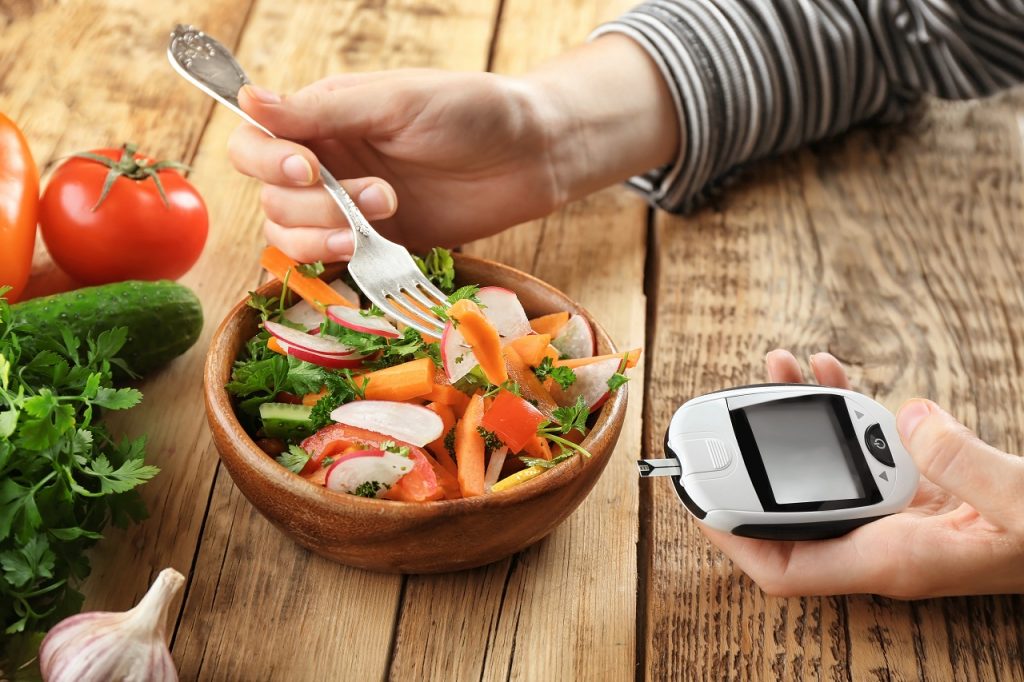
exercise to manage diabetesThe facts and myths about diabetes are plenty, especially on the kind of foods one should have or not have, whether one should exercise to manage diabetes, etc. But, it’s when I saw my dad exercising one day, a thought struck me – is it not important to test a diabetic before exercise? Is diet all that one needs to focus on?

What if he exercises vigorously and his sugar levels drop down? At what sugar levels should we allow or not allow a person to exercise? What should be the intensity and frequency of the exercise? What type of exercise should a diabetic do?

These questions obviously led me to explore and research more about diabetes and exercise. I would like to share some information about what Diabetes is, what are its types and how regular exercise can control your Diabetes.

What is Diabetes?

Diabetes is a chronic disease where there’s a high level of sugar in the blood, either due to less insulin sensitivity or because of low insulin secretion or no insulin levels in the body.

There are three major types of diabetes. The causes and risk factors are different for each type:

  • Type 1 diabetes: can occur at any age, but it is most often diagnosed in children, teens, or young adults. In this type, the body makes little or no insulin. Daily injections of insulin are needed. The exact cause is unknown.
  • Type 2 diabetes: makes up for most of the diabetes cases. It often occurs in adulthood, but teens and young adults are now being diagnosed because of high obesity rates. In such cases, either the body becomes less sensitive to insulin or insulin secretion decreases.
  • Gestational diabetes: is high blood sugar that develops at any time during pregnancy in a woman who does not have diabetes, and disappears once the pregnancy is over.

Can You Exercise To Manage Diabetes? 

We all know that exercise provides multiple benefits but does it help diabetics as well? In fact, it does! Here are some of the changes you can experience if you exercise to manage diabetes:

  • Exercise helps lower blood sugar levels
  • It helps you feel better
  • Helps maintain proper body weight
  • Keeps the heart rate and blood pressure lower
  • Keeps blood fat levels normal
  • Improves insulin sensitivity
  • Helps in maintaining normal blood circulation in the feet

Now that we know a few of many reasons why exercise is important for a person with diabetes, let’s see which exercises can benefit diabetics.

Which kinds Of Exercise Are Best For Diabetics?

To help manage diabetes, you can try:

  1. 30 minutes of “moderate intensity” aerobic activity – 5 days a week.
  2. “Vigorous intense” aerobic activity for 20 minutes or more a day – 3-5 days a week.

In addition, you should add flexibility and strength training to your routine.

  1. Flexibility activities 5-7 days a week.
  2. Strength training 8-10 exercises, 10-15 repetitions of each exercise, 2-3 days a week.

Calories Per hour and the types of moderate and vigorous exercises

Moderate physical activity for one hour Calorie burnt per hour
Hiking 370
Light gardening / Yard work 330
Dancing 330
Golf (walking and carrying clubs) 330
Bicycling (<10mph) 290
Walking  (3.5mph) 280
Weight lifting (light workout) 220
Stretching 180
Vigorous physical activity for one hour 
Running / Jogging (5mph) 590
Bicycling (>10mph) 590
Swimming (Slow freestyle laps) 510
Aerobics 480
Walking (4-5 mph) 460
Heavy Yard work (chopping wood) 440
Weight lifting (vigorous effort) 440
Basket ball (vigorous) 440

Source – Dietary Guidelines for Americans – 2005 *(These values are derived from American journals and may not be specific to other populations).

When Should One Exercise?

The best time to exercise will vary with the schedule. Preferably, one should pick the same time for exercise each day so that if one is on insulin, the adjustment of insulin dosage is manageable.

  1. Morning exercise may cause your blood glucose to drop less than if you exercised later.
  2. If you are on insulin or taking pills that work by making more insulin, evening exercise may result in low blood glucose while you sleep.

Remember – Your Diabetes Management can be adjusted to suit your lifestyle. Your lifestyle does not have to be adjusted to fit your diabetes.

After knowing what kind of exercise and at what time we should do them, let’s see what precautions should be taken while doing them.

Safety Tips for Active Diabetics

1. Get your doctor’s okay before you start exercising.
This is especially important if you are older than age 35, have had diabetes for more than 10 years, have any complications of diabetes, have not exercised in a long time, or have heart disease. Exercise has the same effect on blood glucose as insulin. It lowers blood glucose, making you more sensitive to insulin. This is a benefit of exercise that can also pose a problem if it lowers your blood glucose too much.

2. Avoid low blood sugar levels
Low blood sugar levels are when the glucose levels dip below <70mg/dl. Common symptoms include shakiness, weakness, abnormal sweating, and anxiety, tingling of mouth and hunger, headache, visual disturbance, confusion, seizures, coma. Monitor your blood glucose before and after working out, especially when beginning or modifying the exercise program. Always keep a 15g of fast-acting carbohydrate (powdered sugar/Glucose tablets 3-4) with you to treat Hypoglycemia.

3. Check your blood glucose levels pre and post workout
If you blood glucose is below 70 –

  1. Take 5g of carbohydrate right away
  2. Wait for 15 minutes
  3. Check again – if still below 70, then have another 15 grams.

It should work now.

If the blood glucose is high – Fasting is>250 and ketosis is present.

Or >300 with or without ketosis. Avoid exercise with such high blood sugar levels.

4. Eat before heavy exercise
If you’re going to exercise around mealtime, you should eat the meal first. When possible, allow half an hour for digestion. Solid foods, such as whole grains, vegetables, etc. are digested slowly than liquids. They provide protection for at least 2-3 hours. When it is possible to choose the exercise time, try to begin the exercise 30-60 minutes after a meal or snack.

Remember – Nothing works better than experience and frequent blood glucose testing. 

5. Diabetic complications 

  • Retinopathy: Patients with retinopathy are at risk for retinal detachment and vitreous hemorrhage associated with vigorous-intensity exercise. For those with retinopathy, vigorous aerobic and resistance, weight-bearing exercises should be avoided.
  • Nephropathy: Should not indulge in vigorous-intensity exercise as protein excretion increases post-exercise.
  • Peripheral Neuropathy: Should take proper care of feet to prevent foot ulcers. Feet should be kept dry. Avoid the wrong type of socks and shoes. Avoid tight elastic bands and ill-fitted shoes (they reduce circulation). Avoid wearing thick or bulky socks (they can fit poorly and irritate the skin). Rather wear light colored cotton socks that dissipate heat faster. Moisturize your feet – but not between your toes- that could encourage a fungal infection. Use a moisturizer daily to keep dry skin from itching or cracking. Consider non-weight bearing activities as they may be better tolerated and aid healing.

6. Stay hydrated
Proper hydration is essential during exercise. Exercising during hot weather requires special attention. Drinking extra fluids should begin an hour or two before you begin exercise to manage diabetes. A general rule is to drink 8 ounces of fluid for every 30 minutes of vigorous activity. 

7. Check your pulse rate
It’s important to check the pulse periodically to see if you are exercising within your target zone. Right after you exercise, take your pulse – count your pulse for 10 secs and multiply the no by 6.

Compare the numbers on the right grouping in the table below.

Age Target Heart range zone
20 years 100-150 beats/min
25 years 98-146 beats/min
30 years 95-142 beats / min
35 years 93-138 beats/ min
40 years 90-135 beats/min
45 years 88-131 beats/min
50 years 85-127 beats/ min
55 years 83-123 beats/min
60 years 80-120 beats/min
65 years 78-116 beats/ min
70 years 75-113 beats / min

Source: Exercise and Your Heart, National Heart, Lung, and Blood Institute/American Heart Association, NIH Publication No. 93-1677.

The good news is that if someone regularly exercises, these benefits can be permanent, and for someone with diabetes, it can mean reducing medication. If younger members of families with a predisposition to diabetes exercise regularly, they could avoid diabetes altogether.

A single bout of exercise can benefit the body’s sensitivity to insulin for 16-18 hours and have positive effects on blood glucose control (glucose absorption) for 24-48hours.

But these effects wear off between 60-72 hours. Hence, staying active most of the time is imperative.

I just want to convey that Diabetes cannot take your hope, faith, attitude, courage and happiness away from you. We are the authors of our own health. Let’s overcome it, no matter what type or what level of disease it is.

Now that you know why you should exercise to manage diabetes, get out there and begin your journey! To read more on Diabetes, check out Healthy Reads.

For further guidance and motivation by certified experts, join the GOQii Diabetes Care program. It’s India’s only diabetes program that is driven by Smart Science and Personal Coaching to improve Fasting Blood Sugar (FBS), Postprandial Blood Sugar (PP), reduce HbA1c levels and let you win gold! You can subscribe here: https://store.goqii.com/diabetescare.

#BeTheForce
June 14, 2024 By Trupti Hingad 1 Comment

Bite these Snacks if you are diabetic

Planning three times meals for a diabetic is not a difficult task but, snacking options is what they lack information in. I personally realised this when I was planning a menu for my Mom who is a diabetic. I prepare meals for her and I tried every possible new dish, a recipe that I knew. However, after a point, it was a task for me. Finding snack option was like most of them were packed with carbs and this raises the insulin levels.

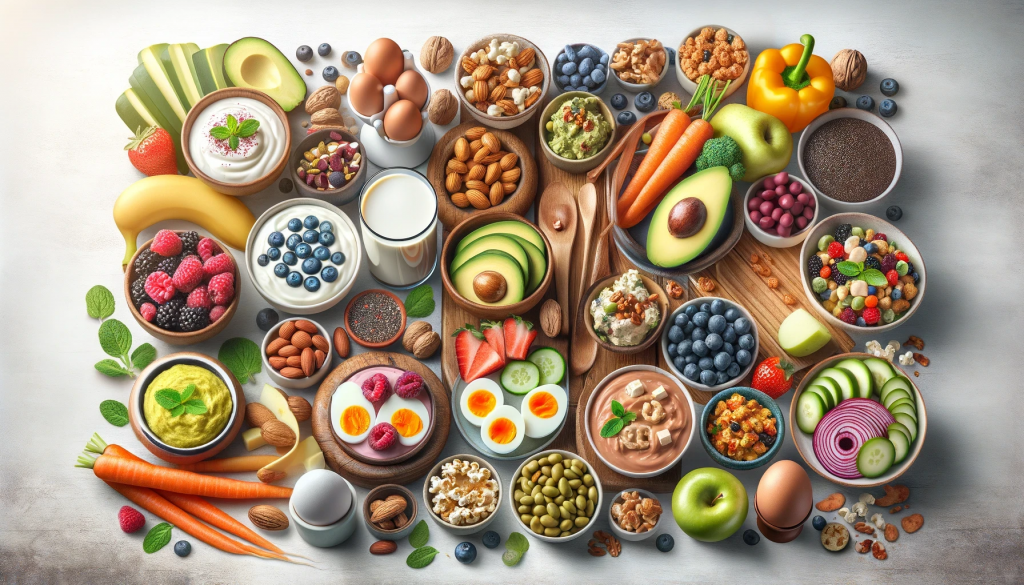
Then I researched on the same and got these healthy snacking options. These can help other diabetics too. The key is to choose snacks that are high in protein, high in fibre and healthy fats so that it keeps you a full until your next meal. The choice of food should be nutrient dense.

hard boiled eggs

  1. Hard-boiled Eggs: Why this? Because its protein content really shines and perfect to slow down the spike in blood sugar levels.

yogurt with berries

  1. Yoghurt with Berries: It’s an excellent diabetic friendly snack. Its rich in antioxidant prevents damage to cells of the pancreas. Their high flavonoid content helps with regular blood sugar. Limit to one serving per day.

nuts and seeds

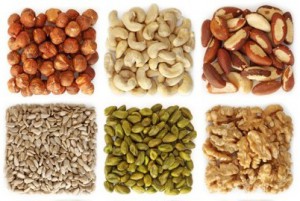
  1. Nuts and Seeds: Nuts like almonds, walnuts, pecans, pistachios are perfect on the go snack. They are high in good fats, good carbs and a lot of fibre for appetite control. You can opt for seeds like pumpkin, flaxseed, sunflower. Grab around 15 (a small handful) and make sure not to go overboard, because they are high in calories.

hummus-raw-vegetables

  1. Hummus with Raw Veggies: This is another delicious snack that diabetics can enjoy without any guilt. Hummus is high in fibre and healthy fats and low in carbs. Take around 1/3 of a cup of hummus and dip with bell peppers, carrots, cucumber, celery, or broccoli.

avocado

  1. Avacado: Perfect snack option! The high fibre content and mono-saturated fatty acids in avocado make it diabetic friendly, preventing blood sugar to spike high! Since its high in calories, restrict to half or one-fourth avocado at one time.

apples with peanut butter

  1. Sliced Apples with Peanut Butter: Yummy! You can eat any fruit simply or have it with peanut butter. Apple is rich in Vitamin C, B and Potassium while peanut butter is rich Vitamin E, Magnesium and Manganese. All of which is known to help manage Diabetes. Both are rich in fibre. The polyphenol antioxidants they contain are thought to protect pancreatic cells from damage that often worsens diabetes.

beet and carrort

  1. Beet and Carrot sticks: Simple, easy, and basic is sometimes the best. Perfect office carrying snack. The beta-carotene, fibre, and antioxidants will help to level blood sugar and keep you feeling full. 8-12 carrot is a good amount to go.

boiled beans

  1. Boiled Beans: Super healthy and filler to curb your hunger pangs. Beans are an excellent source of antioxidants, Fibre, Protein, B Vitamins, Iron, Magnesium, Potassium, Copper and Zinc. Consuming them prevent blood sugar spikes and help lower insulin levels after meals.

edamame

  1. Edamame: They are unripe, green soybeans that are still in their pods. They are a very nutritious and convenient snack. It improves insulin resistance. It is typically served steamed, and you can enhance its flavour by mixing it with seasonings of your choice.

chicken and veg soup

  1. Chicken and Veggie soup: It’s like chicken noodle soup, but skip the noodles!  Use chicken and any and all low carbohydrate vegetables you can think of. Seriously, it would be hard to go wrong. The high protein intake, water, and fibre from the veggies make it one of the most satiating and diabetic friendly snacks around.

protein bars

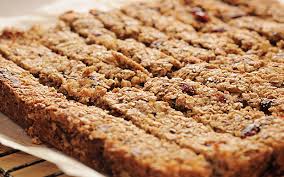
  1. Protein bars / Protein powder: They are a great snack option for diabetics due to the amount of protein they provide. They are quite filling too. You can make protein bars homemade by using peanut butter, whey protein and oats flour. To add sweetness you can use a small amount of raw organic honey or add dates/figs.

cchia seed pudding

  1. Chia seed pudding: Chia seed pudding is made by soaking chia seeds in milk until the mixture achieves a pudding-like consistency. It’s a healthy snack for people with diabetes because chia seeds are rich in many nutrients that help stabilize blood sugar, including protein, fibre and omega-3 fatty acids  The fibre in chia seeds can absorb a significant amount of water, which may help control diabetes by slowing down the digestion process and release of sugar into the blood

popcorn

  1. Popcorn: Air-popped popcorn made with coconut oil is one of the best healthy snacks for diabetics. It’s high in fibre and can easily be made in about 5 minutes on the stove. Sprinkle a bit of rock salt and enjoy!

Tuna roll 1

  1. For NON VEG lovers – Tuna and Turkey roll up is a great handy snack. They are essentially a breadless sandwich wrap consisting of turkey breast slices wrapped around low-carb contents of your choice, such as cheese and veggies. Because of its high protein content. It prevents your blood sugar levels from rising too high

Snack your way and keep blood sugar under control. Stay healthy and happy!

We hope these snack ideas help you manage your diabetes more effectively while keeping your taste buds satisfied. Remember, the key to maintaining stable blood sugar levels is choosing snacks that are high in protein, fiber, and healthy fats. Stay healthy and happy by incorporating these nutritious options into your diet. For more tips on managing diabetes and healthy snacking, check out Healthy Reads or consult a GOQii Coach by subscribing to Personalised Health Coaching here.

#BeTheForce

May 30, 2024 By Zehra Fatima 8 Comments

STEVIA (A 0 calorie, 0 carbs, 0 protein and 0 fats natural sweetener)

Yes, you have read right! A null nutritional value sweetener which is sweeter than sugar. Stevia has 0 kcal energy, 0gms of carbohydrates, 0 gms of proteins, 0 gms of fats yet a very sweet product and gained popularity in foreign countries. Let’s find out more about Stevia.

What is stevia?

Stevia is a sweetener and sugar substitute extracted from the leaves of the plant species Stevia Rebaudiana.

The active compounds of stevia are steviol glycosides (mainly stevioside and rebaudioside), which have up to 150 times the sweetness of sugar, are heat-stable, pH-stable, and not fermentable. Stevia’s taste has a slower onset and longer duration than that of sugar, and some of its extracts may have a bitter or liquorice-like aftertaste at high concentrations.

Benefits of Stevia

Apart from using it as a replacement for Sugar it has additional benefits like

  • IN DIABETES: Research has shown that stevia sweeteners do not contribute calories or carbohydrates to the diet and do not affect blood glucose or insulin response, which allows people with diabetes to consume a wider variety of foods and comply with a healthful meal plan.
  • IN WEIGHT MANAGEMENT: The intake of added sugars has been shown to contribute an average of 16 percent of the total calories in the American diet and has been linked to weight gain and adverse effects on glycemic control. Plant-based, zero calorie stevia can be part of a well-balanced diet to help reduce energy intake without sacrificing taste.
  • IN BLOOD PRESSURE: Certain glycosides in stevia extract have been found to dilate blood vessels, increase sodium excretion, and urine output. In higher doses, stevia could potentially help lower blood pressure. The plant may have cardiotonic actions, which normalize blood pressure and regulate heartbeat.

Good and bad Stevia

Stevia’s green leaves are naturally sweet. However, those white powder and clear drops we find in groceries have very little to do with stevia leaves. They aren’t really stevia at all. They’re an extract that’s been super-refined using toxic chemicals, bleach, and marketed as “healthy”. Everybody is looking for a non-addictive, healthy sweetener. But, beware of any sugar-free sweetener that gives you the illusion of a “free ride”, because you may just be deepening your addiction.

Green leaf stevia is the least processed of the stevia types. The leaves are basically just dried and ground into powder form. This is the type of stevia that’s been used in South America and Japan for centuries as a natural sweetener and health remedy. This type of stevia is about 30–40 times sweeter than sugar.

The best stevia is the kind you can grow yourself. When it’s alive you know it’s REAL! Stevia plants grow beautifully in a pot, a garden, a window box, or on your kitchen window sill. Just pull off a leaf when you need to sweeten something. This way you can be sure it’s organic, and the soil is healthy.

We hope this article helps you understand the incredible benefits of Stevia as a natural sweetener. Have you tried incorporating Stevia into your diet? Let us know in the comments below. For more tips on diet and nutrition, speak to a certified expert by subscribing to GOQii’s Personalised Health Coaching here.

#BeTheForce

May 13, 2024 By Megha Mahajan 1 Comment

10 Dietary Changes That Can Help Manage Diabetes

manage diabetesDiabetes – the one word that makes your mind wander in so many directions! You find yourself asking questions like: Will this last for ever? Will I ever get better? How can I manage my diabetes? Well, these are smart questions that anyone should ask. And, yes, you can and will get better! You just need to make a few tweaks in your lifestyle and you should be fine.

While it may seem like an insurmountable hurdle or a wall that cannot be breached, there are thousands of diabetics with good testimonies. Aged people who have lived with diabetes so much so that they sometimes forget that they have diabetes. How can this be your testimony? Well, the pointers below show some of the things you can do to kickstart your own journey to overcome diabetes.

Of course it’s not going to be easy to let go of all your favorite meals. But, no one is saying you have to get rid of them all at once. You’ve just got to be smart about it. Do not make diabetes “complex”,  make eating “complex” to keep diabetes “simple”. Just as in everything else, a lot of effort has to go into your overall lifestyle if you are to conquer diabetes. Just be conscious and you’ll make headway. To eliminate diabetes, take a step towards improving your eating habits and you’ll feel a lot better generally.

Some Dietary Changes To Help You Manage Diabetes

1. Eat Complex To Live Simple: Eating complex doesn’t mean you have to stop eating everything. It simply means you have to make your carbs complex over simple ones, as these are the best type of carbohydrates for diabetics. Complex carbohydrates digest slowly and maintain steady glucose levels in the body.

2. Make fiber an important part of your diet: Fiber refers to plant-based food that slows down the breaking of carbohydrates and keeps you full for longer periods of time. Yes, fiber can go a long way in improving your situation. You don’t have to go over and under in search of fiber rich foods. You can get your fiber fix by following these simple tips:

  • Do not sieve the flour
  • Eat whole fruits over a glass of juice
  • Choose whole grains and whole pulses
  • Eat more vegetables
  • Do not peel the edible portion of the fruit for example – apple, guava, pear, peaches
  • Make soups and salads your best friends

3. Choose healthier versions of your favorite food

Instead of these Choose these
White bread Brown bread
Normal roti Bran roti/multigrain roti
Meat Fish
Normal rice/parboiled rice Brown rice
Sugary or flavored cornflakes Plain cornflakes/oats
Sugar Jaggery/honey
Mayonnaise veg sandwich Hungcurd vegetable sandwich
Normal chocolate Dark chocolate
Creamy cheesy dip Salsa dip
Whole milk Skimmed milk
Salted nuts Unsalted nuts
Soda Salted fresh lime
Potato sticks Raw veggie sticks
Fried chicken Grilled chicken
White pasta Whole wheat pasta
Fruit juices Whole fruits

It surely can be very difficult to do away with all your favorite meals. Instead of doing away totally, you can instead opt for close alternatives as shown above. Choose the healthier version of your favorite meals and you’ll thank yourself for it.

4. Say “NEVER AGAIN” to Trans-fat: Trans-fat is basically obtained chemically by the hydrogenation of oils. It will make your condition worse! To avoid trans-fats, avoid chips, cookies, pastries and margarine. Incorporate healthy fats by following these simple methods:

  • Introduce olive oil or rice bran over butter or ghee
  • Remove the skin from chicken before cooking it
  • Prefer healthy ways of cooking such as grilling, baking and roasting over frying
  • Enhance flavour of food by using more of herbs and spices instead of oil. It will not only give you good taste but also prevent you from consuming extra oil as well as provide you the benefits of antioxidants
  • Prefer fish over red meat as it is full of good fat
  • Eat fish 2 or 3 times week instead of red meat
  • Use hung curd as dressing instead of mayonnaise
  • Prefer baked chips over fried ones

5. Choose Low-glycemic index foods: Glycemic Index refers to the rate at which a particular food raises our blood glucose levels. Foods with high GI spike our blood glucose level and vice-a-versa. Again, fiber is your hero! Fiber rich foods have lower glycemic index – another reason why you should take them.

Some Low GI Sources include whole nuts, whole cereals, cherries, oatmeal, apple, vermicelli, whole dals, prunes, plain yoghurt, soymilk, whole milk, peaches, channa dal and peanuts.

6. Eat small but frequently: The logic here is, heavy meals spike our glucose levels. So small frequent meals will keep our metabolism high, while maintaining glucose levels.

7. Walking and Exercise are your best friends: Exercise is important as it helps to maintain your ideal Body Weight which is very important for diabetics. Exercising helps your weight loss efforts, and is especially important in maintaining an ideal body weight.

8. Limit only high caloric fruits: Except for some fruits like mango, banana and chikoo, one can eat any fruit but  in prescribed amounts only.

9. Use functional foods in the diet: These foods provide “extra benefits” to your diet. Apart from nutrition, it provides you a number of benefits. Functional foods are full of antioxidants, unsaturated fatty acids and are also rich in fiber. Some of them include mustard seeds, flax seeds, fenugreek seeds, curry leaves, cinnamon, cloves and chia seeds.

10. Before sleeping ask yourself the following questions:

  • Am I taking too much of alcohol? If the answer is no, then you are okay
  • Am I taking medication properly? If yes, give yourself a pat on the back
  • My feet are clean? No? Then rush to the bathroom!
  • Am I feeling stressed? If your answer is yes? Chill with music and take deep breaths. Remember nothing comes at the cost of your health and ensure you feel some relief.
  • Have I checked my weight?
  • Did I walk for 45 minutes today? If yes, you’ve done well. Feel good about it because you are on track to manage diabetes
  • Now, time for sleep…Proper timing is essential. Get good sleep.

You can manage diabetes by living healthy. Eating in moderation and eating healthy can go a long way in giving you really good results!

We hope this article helps you manage diabetes effectively. For more help to manage diabetes, get the right guidance and motivation by certified experts, join the GOQii Diabetes Care program. It’s India’s only diabetes program that is driven by Smart Science and Personal Coaching to improve Fasting Blood Sugar (FBS), Postprandial Blood Sugar (PP), reduce HbA1c levels. You can subscribe here: https://store.goqii.com/diabetescare.

To read more on how to manage Diabetes, check out Healthy Reads.

Let’s #DefeatDiabetes and #BeTheForce!

  • « Previous Page
  • 1
  • 2
  • 3
  • 4
  • 5
  • 6
  • …
  • 8
  • Next Page »

Search

Recent Posts

  • ALL ABOUT VERTIGO!
  • PCOS and Anxiety: Discover Relief with the 54321 Technique
  • Navigating the Maze of Nutrition: Finding Clarity Amidst Confusion
  • Get children active and keep them healthy
  • What Gestational Diabetes Can Do To You & Your Unborn Child

Stay Updated

Archives

  • December 2025 (5)
  • November 2025 (15)
  • October 2025 (20)
  • September 2025 (6)
  • August 2025 (6)
  • July 2025 (12)
  • June 2025 (18)
  • May 2025 (16)
  • April 2025 (23)
  • March 2025 (23)
  • February 2025 (22)
  • January 2025 (26)
  • December 2024 (26)
  • November 2024 (25)
  • October 2024 (22)
  • September 2024 (24)
  • August 2024 (31)
  • July 2024 (21)
  • June 2024 (26)
  • May 2024 (31)
  • April 2024 (27)
  • March 2024 (29)
  • February 2024 (26)
  • January 2024 (25)
  • December 2023 (15)
  • November 2023 (11)
  • October 2023 (22)
  • September 2023 (22)
  • August 2023 (20)
  • July 2023 (22)
  • June 2023 (24)
  • May 2023 (24)
  • April 2023 (24)
  • March 2023 (23)
  • February 2023 (20)
  • January 2023 (16)
  • December 2022 (12)
  • November 2022 (15)
  • October 2022 (15)
  • September 2022 (12)
  • August 2022 (10)
  • July 2022 (17)
  • June 2022 (11)
  • May 2022 (10)
  • April 2022 (6)
  • March 2022 (6)
  • February 2022 (13)
  • January 2022 (12)
  • December 2021 (7)
  • November 2021 (3)
  • October 2021 (6)
  • September 2021 (3)
  • August 2021 (8)
  • July 2021 (7)
  • June 2021 (15)
  • May 2021 (16)
  • April 2021 (10)
  • March 2021 (7)
  • February 2021 (4)
  • January 2021 (4)
  • December 2020 (3)
  • November 2020 (4)
  • October 2020 (10)
  • September 2020 (3)
  • August 2020 (3)
  • July 2020 (2)
  • June 2020 (4)
  • May 2020 (10)
  • April 2020 (12)
  • March 2020 (10)
  • February 2020 (4)
  • January 2020 (4)
  • December 2019 (3)
  • November 2019 (7)
  • October 2019 (5)
  • September 2019 (4)
  • August 2019 (9)
  • July 2019 (9)
  • June 2019 (11)
  • May 2019 (4)
  • April 2019 (9)
  • March 2019 (8)
  • February 2019 (9)
  • January 2019 (8)
  • December 2018 (9)
  • November 2018 (3)
  • October 2018 (3)
  • September 2018 (5)
  • August 2018 (10)
  • July 2018 (6)
  • June 2018 (13)
  • May 2018 (8)
  • April 2018 (18)
  • March 2018 (9)
  • February 2018 (8)
  • January 2018 (15)
  • December 2017 (12)
  • November 2017 (19)
  • October 2017 (13)
  • September 2017 (15)
  • August 2017 (4)
  • July 2017 (8)
  • June 2017 (7)
  • May 2017 (6)
  • April 2017 (8)
  • March 2017 (6)
  • February 2017 (7)
  • January 2017 (9)
  • December 2016 (10)
  • November 2016 (7)
  • October 2016 (7)
  • September 2016 (7)
  • August 2016 (11)
  • July 2016 (9)
  • June 2016 (9)
  • May 2016 (12)
  • April 2016 (17)
  • March 2016 (17)
  • February 2016 (8)
  • January 2016 (6)
  • December 2015 (2)
  • November 2015 (9)
  • October 2015 (7)
  • September 2015 (9)
  • August 2015 (11)
  • July 2015 (9)
  • June 2015 (12)
  • May 2015 (9)
  • April 2015 (13)
  • March 2015 (8)
  • February 2015 (5)
  • January 2015 (12)
  • December 2014 (14)
  • November 2014 (11)
  • October 2014 (6)
  • September 2014 (13)
  • August 2014 (12)
  • July 2014 (6)
  • June 2014 (2)
  • May 2014 (7)
  • April 2014 (5)

From “Laddu Nawin” to Fit and Fierce: How a 25-Year-Old Insurance Advisor Shed 20 Kilos and Gained His Life Back

When 25-year-old Nawin Yadav from Hyderabad walked into his office every morning, he carried more than just his files and policy papers. He had the weight of fatigue, sluggish energy, and an ever-growing belly that was becoming the butt of jokes. “People … [Read More...]

“I’ve Challenged Myself to Live 100 Years” – The Story of Chandubhai Savani’s Second Chance at Life

At 67, most people start slowing down. Not Chandubhai Savani. A resident of Surat, Chandubhai, thought life was on track. “My life was going well till I had my bypass surgery,” he says. That surgery, back in 2021, was a wake-up call.  Medication was routine, but exercise wasn’t. His diet? What he calls ‘normal.’ “I […]

From Shimla’s Slopes to Chandigarh’s Sidewalks: Surinder Kaur Bhalla’s Journey from Chaos to Control

Some journeys start with a plan. Others begin with a stumble literally. Surinder Bhalla, a government professional, born and raised in the scenic hill town of Shimla, had always lived a life of movement. “In Shimla, you walked everywhere,” she reflects. “Walking was never an exercise. It was just life.” But after shifting to Chandigarh, […]

Ananda Mukherjee Health Story

From Terminal Illness To Complete Wellness! Ananda Mukherjee Health Story

As we observe World Cancer Day under the powerful theme ‘United by Unique’ (2025-2027)**, we are reminded that every individual’s journey with cancer is distinct, yet united by shared resilience, hope, and the collective fight against this disease. This theme places people at the centre of care and their stories at the heart of the […]

  • HOME
  • HEALTHY LIVING
  • FITNESS
  • HEALTHY RECIPES
  • USER STORIES
  • KARMA
  • BUY GOQii

Copyright ©2016 GOQii