GOQii

Blog

  • HOME
  • HEALTHY LIVING
  • FITNESS
  • HEALTHY RECIPES
  • USER STORIES
  • KARMA
  • BUY GOQii

May 19, 2025 By GOQii Leave a Comment

Low-Carb Woes? Here’s How to Tackle the 3 Cs: Cravings, Constipation & Cramps

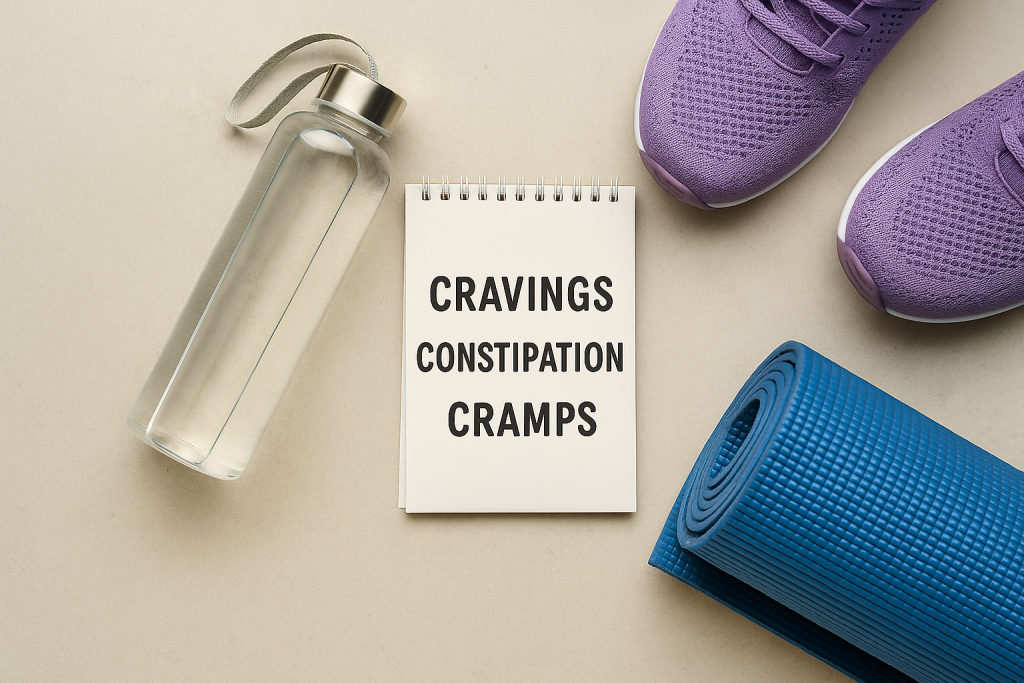
Cravings, Constipation & CrampsStarting a low-carb diet can be a transformative step — especially if you’re aiming to reverse diabetes, improve metabolic health, or simply feel better overall. But the transition isn’t always smooth.

In the early days, it’s common to face a few challenges. Chief among them are cravings, constipation, and cramps — the “3 Cs” that often accompany your body’s adjustment to this new way of eating.

These symptoms are temporary, and they’re not a sign that something’s gone wrong. They simply reflect how your body is adapting. The good news? Each one can be managed effectively with a few simple strategies.

  1. Cravings

What’s happening:
When you cut down on carbohydrates — especially refined sugars and processed starches — your body initially struggles. It’s used to relying on quick sugars for energy, so when that source is removed, it signals hunger more aggressively. This can lead to strong cravings, particularly for high-carb comfort foods.

What helps:

  • Increase healthy fats: Include good fats like avocado, coconut, olive oil, and nuts in your meals. They promote satiety and help control hunger.
  • Eat balanced meals: Ensure your meals include a mix of protein, fibre, and fat. This helps stabilise blood sugar levels and reduces sudden hunger pangs.
  • Hydrate regularly: Often, what feels like a craving is actually dehydration. Aim to drink plenty of water throughout the day.

Distract and reset: A short walk, chewing gum, or even brushing your teeth can help shift your focus away from cravings.

  1. Constipation

What’s happening:
As your carbohydrate intake drops, you may also be eating less fibre — particularly if you’ve eliminated whole grains and haven’t replaced them with fibrous vegetables. This can slow down digestion.

What helps:

  • Prioritise vegetables: Load up on non-starchy vegetables like spinach, broccoli, cucumbers, and courgettes to boost fibre intake.
  • Add natural fibre sources: Chia seeds or ground flaxseeds (1–2 tablespoons a day) are excellent for digestive health.
  • Stay hydrated: Water supports smooth digestion and helps fibre do its job properly.
  • Keep moving: Gentle physical activity, like a daily walk, stimulates bowel movements and supports gut motility.
  1. Cramps

What’s happening:
Low-carb diets lead to reduced insulin levels, which cause the kidneys to excrete more water and, along with it, essential electrolytes like sodium, potassium, and magnesium. This can result in muscle cramps, especially at night. Also, cutting out processed foods often reduces sodium intake, leading to deficiency.

What helps:

  • Salt your food mindfully: A pinch of good-quality salt (sea salt or Himalayan salt) can help restore sodium levels. Aim for around 2 teaspoons per day (unless advised otherwise by your doctor).
  • Replenish magnesium: Include magnesium-rich foods like leafy greens, almonds, and pumpkin seeds. In some cases, a supplement may be useful — consult your doctor.
  • Boost potassium intake: Avocados, mushrooms, and spinach are excellent low-carb sources of potassium.
  • Hydration remains key: Continue drinking adequate fluids throughout the day to support overall electrolyte balance.

Stay the Course

These early side effects are not permanent. They’re part of your body’s natural shift from relying on carbohydrates to using fat as a primary energy source. With a little patience and the right nutritional adjustments, most people notice these symptoms ease within the first two weeks.

Once past this transition, many experience improved energy levels, reduced cravings, better digestion, and overall enhanced well-being.

So if you’re facing the 3 Cs right now — know that it’s temporary. Stay informed, take care of your body, and lean on the DIP principles. You’re on the right track.

#BeTheForce

Disclaimer: The information provided in this blog is for general awareness and educational purposes only. It is not intended to replace professional medical advice, diagnosis, or treatment. Always consult a qualified healthcare provider for personalised medical guidance or concerns related to your health.

February 13, 2025 By Disti Shah 4 Comments

What is Bloating?

BloatingThere is a lot of confusion around ‘bloating’, a common problem that we come across in our day to day life. In fact, we are witnessing a virtual epidemic of bloating in current times. Abdominal bloating not only looks bad but also causes a lot of discomfort.

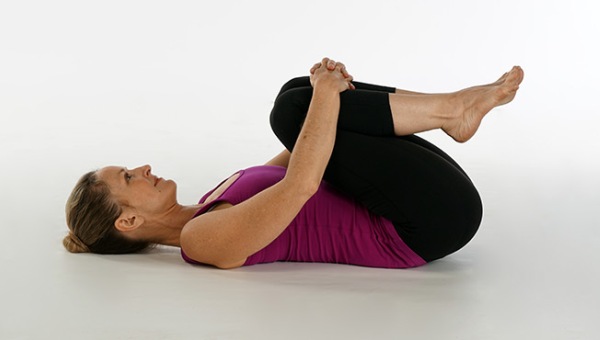

But it’s not the end of the road. The good news is that it is one of the conditions that can be avoided. However, before learning how to prevent it, we need to first understand the most common causes of bloating.

Common Causes of Bloating

  1. Constipation
    Too little fibre, fluids, and physical activity may lead to constipation, which can result in bloating.
  2. Eating too fast
    Eating quickly and not chewing your food well can cause air swallowing, which leads to bloating.
  3. Drinking too much carbonated beverages
    The fizz in carbonated drinks (even diet ones) can cause gas to get trapped in your belly.
  4. Too much consumption of sugar-free beverages
    Too much sugar alcohol in artificially sweetened foods and drinks can lead to bloating.
  5. Food allergies and Intolerance
    Food allergies and intolerance can cause gas and bloating. However, these need to be confirmed by your doctor.
  6. Medical conditions
    Conditions like lactose intolerance, irritable bowel syndrome (IBS), Giardiasis (parasite infection), colon cancer, and bacterial overgrowth can also cause bloating.

Simple ways to avoid bloating:

  • Chew your food thoroughly
    Chewing breaks the food down from large particles into smaller particles that are more easily digested. This makes it easier for the intestines to absorb nutrients and prevents improperly digested food from entering your blood, which can cause bloating.
  • Exercise regularly
    Physical activity helps air bubbles pass through your digestive tract more quickly, so the bloated feeling disappears faster.
  • Avoid too much water during meals
    Too many liquids during meals can dilute digestive juices, which may hamper the digestion process. A small amount of liquids aids digestion, so moderation is key.
  • Avoid drinking using straws and narrow mouth bottles
    These can lead to the ingestion of excess air while sucking, which may cause bloating.
  • Avoiding carbonated beverages
    When carbonated drinks are opened, the compressed carbon dioxide forms bubbles and escapes into the air. Drinking large amounts forces the gas into your stomach, where it may pass to your intestines, causing bloating.
  • Eliminate smoking and Hukka
    People who smoke or use Hukka inhale a lot of extra air, which can lead to bloating.
  • Avoid chewing gums and food with artificial sweeteners
    Artificial sweeteners are difficult to digest and may cause bloating if consumed in excess.
  • Avoid gassy vegetables
    Vegetables like beans, cabbage, Brussels sprouts, onions, radishes, melons, and broccoli can cause gas during digestion.
  • Avoid foods with air whipped into them
    Foods like soufflés, sponge cakes, and milkshakes can introduce excess air into your stomach.
  • Avoid long gaps between meals
    Long gaps between meals can disrupt digestion and lead to bloating.
  • Limit sodium intake
    Processed foods are high in sodium, which can cause water retention and bloating.
  • Monitor fiber intake
    While fiber is essential, excess fiber can cause gas as gut bacteria break it down, leading to bloating.
  • Avoid milk if you’re lactose intolerant
    If your body doesn’t produce enough lactase, the enzyme needed to break down lactose, dairy can cause bloating.
  • Include Probiotics in your diet
    Probiotics contain good bacteria that aid digestion and help reduce bloating.

Yoga and Exercises to Reduce Bloating

Certain yoga poses and exercises can help relieve bloating by stimulating digestion and releasing trapped gas. Try these:

  • Leg Seated Spinal Twist

Seated-Spinal-Twist

  • Apanasan (Wind-relieving pose)

  • Spinal Twist

maxresdefault

  • Paschimottanasana (Seated forward bend)

Seated-forward-bend-pose

  • Seated Heart Opener

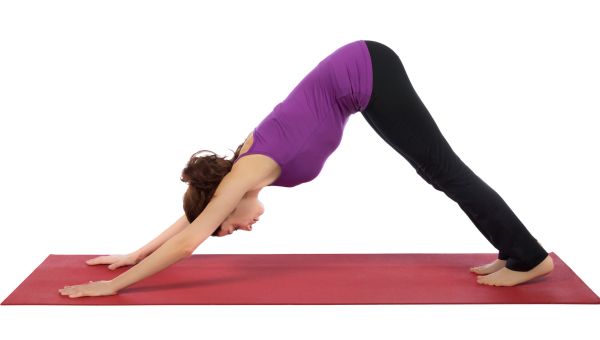
  • Adho Mukha Savanasana (Downward-Facing dog)

27335368_l

Bloating is a common issue with various underlying causes. By understanding these causes and implementing simple lifestyle changes, you can reduce bloating and improve your digestive health. Remember, a healthy and comfortable digestive system is within your reach!

Bloating can be uncomfortable, but it doesn’t have to control your life. Try these tips and let us know what works for you in the comments below! For more articles on digestive health and wellness, explore Healthy Reads or speak to a certified expert by subscribing to GOQii’s Personalised Health Coaching here.

#BeTheForce

January 22, 2025 By Suvarna Bhandare Leave a Comment

Effective Tips That Help Relieve Constipation

constipationBefore we dive into the foods that can help you relieve constipation, it is necessary to understand the factors contributing to this condition. Constipation, in simple terms, is the inability to empty the by-products or waste matter of digestion from the colon due to peristalsis – a process in which muscles in the intestine contract and relax to create a wave-like motion. As food passes through the colon (large intestine), water gets absorbed, and the remaining matter forms stool.

Constipation is not a disease but may or may not be a symptom of other underlying conditions. It is a very common complaint, especially where:

  • The diet is low in fibre
  • There is improper food sequencing and combining
  • Mucus-forming foods are consumed in excess
  • There is lack of exercise
  • Hydration levels are low
  • A sedentary lifestyle is followed
  • Processed foods are consumed in high amounts
  • During Pregnancy
  • Stress or emotional eating is prevalent
  • There is delay in using the bathroom when the urge is felt
  • Western toilets are used as opposed to Indian ones

When is constipation experienced?

  • Stools are painful or difficult to pass
  • Stools are hard and dry
  • There is a feeling of incomplete emptying
  • Fewer than 3 bowel movements occur in a week

Having 1-3 bowel movements in a day or after a meal is considered normal. Just remember that the frequency of bowel movements is not the only aspect to consider. Other important points are:

  • Bowel movements shouldn’t be uncomfortable
  • There should be no blood in the stools
  • Stools should not be black or tarry in appearance

Diet and Constipation 

It is proven that what we put into our body has a lot to do with how it comes out. The foods listed below can help prevent or treat constipation:

1. Dietary Fibre:

Fibre is simply the indigestible part of plants. It’s also known as roughage and adds bulk to waste matter. It exists in two types:

  • Soluble Fibre: This type of fibre dissolves and is broken down in the colon, forming a gel-like substance.
  • Insoluble Fibre: This type doesn’t dissolve or break down during digestion. Its main function is to add bulk and make the final stage of digestion easier.

Both types of fibre are essential for treating constipation and are found in almost all plant foods. Besides aiding in easy bowel movements, fibre also helps maintain blood sugar levels, lower cholesterol, and support weight management.

2. Hydration:

Hydration plays an extremely important role in managing constipation. It helps form softer stools and makes transit easier. At least 2-2.5 litres of fluid per day is recommended. Consuming high water-content fruits and veggies also helps.

Foods That Help Relieve Constipation

  1. Fruits: All fruits are good sources of fibre but there are a few sources which have proven to give amazing results, such as apple, pear, papaya, melons, guava, figs, plums, peaches, kiwi, dragon fruit, citrus fruits, berries.
  2. Dried Fruits: But be sure to avoid sugar dipped or coated variants. 
  3. Veggies: Fill your plate with greens. One of the best strategies to keep your digestive system healthy is including lots of fresh and seasonal veggies. Along with a good dose of fibre, they provide other nutrients as well. Add veggies such as spinach, kale, broccoli, lettuce, carrots, cucumbers, sweet potato, peas, corn, asparagus,  green beans, etc. 
  4. Grains and Millets: such as brown rice, oats, quinoa, barley, jowar, bajra combined with veggies are a great option.
  5. Beans and Pulses: such as chickpeas, lentils. Hummus is a good option to have during constipation.
  6. Nuts and Seeds: such as walnuts, almonds, brazil nuts, chia seeds (either soaked in water or over salads and smoothies), flax seeds (sprinkle over salads/smoothies or just consume it in powdered form), fennel seeds (Just chew after meals or can also be boiled with water or in the form of tea)

Additional Tips To Manage Constipation

  • Eat a well balanced diet. Pay attention to DDR – Daily Diet Routine – Meal timings, foods that you choose and portion size.
  • Fill your plate with colourful and seasonal fruits and veggies. They also provide a good amount of micronutrients.
  • Add an adequate amount of fibre in your meals. Choose salads, smoothies and soups. A bowl of papaya with chia or flax seeds proves to be an excellent way of adding fibre to your meals.
  • Keep a check on hydration levels. Lime water, coconut water, herbal and green teas, sugarcane juice, soups, veggie juices works good for increasing total fluid content.
  • Exercise is a must. Make it a part of your routine.
  • Junk and processed foods can upset your stomach so keep them at bay.
  • Limit the consumption of caffeine rich drinks.
  • Avoid emotional eating. 

We hope this article helps you! Do share it and leave your thoughts in the comments below. You can find more articles like this on Gut Health here. If you want expert advice or further guidance on improving digestive or gut health, speak to a GOQii Coach by subscribing for Personalised Health Coaching here.

#BeTheForce 

May 24, 2024 By Azra Faizan 41 Comments

How to Reduce Side effects of most commonly used Drugs

“For every drug that benefits a patient, there is a natural substance that can achieve the same effect.”
– Dr Carl C. Pfeiffer

Then why is it that drugs have become our first choice and not herbs? Well, the answer is obvious, in today’s fast-paced life we all want immediate results and while, some herbs do give immediate results for simple ailments, more serious ailments call for a longer treatment with herbs which most people don’t have the patience for. Also, at times the harm done is so extensive that we do need immediate results.

But, the biggest problem with allopathic medicines is their side effects, they might cure your ailment, but they more often than not, leave you with another one, resulting in the Doctor prescribing you another drug to reduce the side effect. This can sometimes become a vicious cycle.

From my personal experience, I understand that even though medication, long-term or temporary, sometimes is a necessity but, having further prescription drugs to counter the side effects of medications can usually be avoided by adopting simple home remedies instead.

So what are the most commonly occurring side effects of most allopathic medications?

Hyperacidity, constipation, diarrhoea, nausea, abdominal cramps, water retention, oral ulcers, weight gain, weight loss, bone and joint pains, hair fall, high blood pressure, liver toxicity, kidney toxicity, drowsiness and, even hallucinations.

 So let us learn a few tips to keep in mind whenever on medication.

  1. Know your medicine – Don’t blindly accept whatever the Doctor has prescribed, without counter questions. Inquire about the side effect so that you are aware if it ever occurs, check the dosage too, and always make sure to ask your Doctor for the minimum dose required.
  2. WATER, WATER, WATER – Keep yourself hydrated, side effects occur because all oral medicines affect our whole body and not just the affected part. So drinking adequate water helps in flushing out the toxins present in drugs.
  3. Supplementation – Most drugs along with the ailment deplete our body’s vitamin and mineral stores, in turn leading to the side effects. So, why not replenish our vitamin stores instead of treating the symptom alone. Supplementation also helps in a quicker recovery.

Now; I know what my colleagues would be thinking “How can a nutritionist say take supplementation, instead of trying to get essential micronutrients through food?? “

Yes, like most nutritionists I do agree that healthy eating can keep giving us all the essential micronutrients that we need and that supplementation gives us synthetic vitamins and minerals which are not equally effective. But, the rules are changed when on medication, and to make up for the fast depletion and to prevent simple side effects, supplementation is key.

Now let’s take up those common Side effects individually and know what can be done about them.

Hyperacidity – If you have ever been prescribed an antibiotic, you would have noticed that your Doctor always prescribes an antacid along with it. And, it’s not only antibiotics that cause acidity, most drugs do.

DID YOU KNOW – antacids themselves can cause drug dependence, constipation or diarrhoea, the vicious cycle that I was talking about.

Instead, ditch the antacid and go for a glass of warm water with half a lemon squeezed in it – first thing in the morning. In fact, don’t wait till you get the acidity, start beforehand to prevent it, Plus lemon water also helps to remove those toxins I was talking about.

For severe acidity, you can have lemon water after every meal too. And for immediate relief, you can try chewing on a basil leaf – works same as 2 tbsp of prescribed antacid syrup.

Constipation – Another simple side effect, with a simple cure, though in the case of any complaint from the patient for constipation along with medicines, the Doctor will never fail to prescribe yet another syrup for relieving the symptom. The problem – drug dependence again. The Solution – adequate hydration, good soluble fibre in the diet, simple fruits like papaya, and bananas can work wonders.

In the case of severe constipation, a tablespoon of Psyllium husk (Isabgol), that is a naturally occurring fibre can work as good as any prescribed syrup.

Diarrhea – If it’s not constipation, it’s diarrhoea – more often than not diarrhoea is caused due to hyperacidity. So the above-mentioned lemon water works as the best prevention. Another quick age-old cure is black tea with lemon -tea contains astringent tannins that help reduce intestinal inflammation.

And to replenish the electrolytes lost during severe diarrhoea, just have simple ORS solution, lime juice (with sugar and salt), juices and coconut water at short intervals.

Nausea – Nausea or vomiting again usually subsides with lime juice and ORS solution.

Oral ulcers – Another common occurrence whenever someone is prescribed antibiotics. These are caused due to hyperacidity and depletion of B-complex vitamin stores in the body – So a supplementation of B-complex and the first prevention that is lemon water usually works best.

For severe and painful ulcers – applying honey on the affected area, and gargling with lightly salted water usually, helps alleviate the pain.

Water retention and weight gain – Almost 70% of weight gain due to medication is because of water retention. So by simply reducing our salt intake, upping our potassium intake and water intake, we can say goodbye to our water intake.

Fruits like sweet lime, oranges, tomatoes, and bananas are all high in potassium, and not to forget my favourite – coconut water.

Increasing our water intake also helps in reducing water retention.

Replacing some of our salt with black salt also helps in increasing your potassium intake and reduce sodium intake. Another big culprit of high sodium in processed food which can be easily avoided.

Water retention aside, the long-term use of some drugs – like oral steroids, antidepressants, Antihistamines, and even insulin can cause weight gain.

In such a case, eating healthy, and having a good exercise regime helps a lot. If a healthy lifestyle is adopted, these drugs are less likely to affect our waistlines. Knowing that the drug can cause weight gain also helps in making sure we try and avoid long-term use of the same.

Weight loss – With most medications, weight loss results due to severe loss of appetite, and the toll the ailment and its treatment is taking on the body. Good Proteins and good fats to supplement our diet along with medication helps a lot in preventing severe weight loss.

It is also important to understand that this weight loss is temporary and due to the condition, which can be reversed once the medication stops.

Bone and Joint Pain – Many drugs leach calcium from our body and some medicines can also cause depletion of Vitamin D. So, timely Calcium and Vitamin D supplementation along with prescribed drugs can usually reduce these symptoms.

Hair loss – Again, nothing but protein depletion, and your body’s proteins are getting used up elsewhere to fight inflammation.

Liver toxicity – Our liver should be cleansed timely, ailment or no ailment, side effects or no side effects. It may sound complex but, it’s really easy. A daily morning glass of lemon water on an empty stomach can detox your liver. For added toxicity or side effects, garlic is another excellent food to cleanse the liver. Just chew on a clove of raw garlic every morning, and the allicin (an organosulfur compound obtained from garlic) works wonders.

Kidney toxicity – Simple kidney toxicity or high uric acid levels can be easily corrected with just increasing our water intake, for cleansing the liver further, you can just add a cup of coriander or parsley tea to your routine daily.

Drowsiness – Drowsiness is usually just temporary, and again, knowing in advance that a drug can cause you to be sleepy, can prevent any serious damage.

Hallucination – Yes, some drugs do cause hallucination, again temporarily, And the best way to manage these is to be aware that the said drug can cause hallucinations. If we stay aware, it is less likely that the hallucination will scare or disturb us.

Follow the above and avoid complications due to medications.

We hope this article equips you with valuable insights on reducing the side effects of common medications. By incorporating these natural remedies and nutritional tips, you can manage your health more effectively while minimising adverse effects. If you found this information helpful, we’d love to hear your thoughts in the comments below. For further information or guidance, reach out to our certified experts by subscribing to GOQii’s Personalised Health Coaching here.

#BeTheForce

  • 1
  • 2
  • Next Page »

Search

Recent Posts

  • Best Foods To Alleviate Irritable Bowel Syndrome
  • ALL ABOUT VERTIGO!
  • PCOS and Anxiety: Discover Relief with the 54321 Technique
  • Navigating the Maze of Nutrition: Finding Clarity Amidst Confusion
  • Get children active and keep them healthy

Stay Updated

Archives

  • December 2025 (6)
  • November 2025 (15)
  • October 2025 (20)
  • September 2025 (6)
  • August 2025 (6)
  • July 2025 (12)
  • June 2025 (18)
  • May 2025 (16)
  • April 2025 (23)
  • March 2025 (23)
  • February 2025 (22)
  • January 2025 (26)
  • December 2024 (26)
  • November 2024 (25)
  • October 2024 (22)
  • September 2024 (24)
  • August 2024 (31)
  • July 2024 (21)
  • June 2024 (26)
  • May 2024 (31)
  • April 2024 (27)
  • March 2024 (29)
  • February 2024 (26)
  • January 2024 (25)
  • December 2023 (15)
  • November 2023 (11)
  • October 2023 (20)
  • September 2023 (22)
  • August 2023 (20)
  • July 2023 (22)
  • June 2023 (24)
  • May 2023 (24)
  • April 2023 (24)
  • March 2023 (23)
  • February 2023 (20)
  • January 2023 (16)
  • December 2022 (12)
  • November 2022 (15)
  • October 2022 (15)
  • September 2022 (12)
  • August 2022 (10)
  • July 2022 (17)
  • June 2022 (11)
  • May 2022 (10)
  • April 2022 (6)
  • March 2022 (6)
  • February 2022 (13)
  • January 2022 (12)
  • December 2021 (7)
  • November 2021 (3)
  • October 2021 (6)
  • September 2021 (3)
  • August 2021 (8)
  • July 2021 (7)
  • June 2021 (15)
  • May 2021 (16)
  • April 2021 (10)
  • March 2021 (7)
  • February 2021 (4)
  • January 2021 (4)
  • December 2020 (3)
  • November 2020 (4)
  • October 2020 (10)
  • September 2020 (3)
  • August 2020 (3)
  • July 2020 (2)
  • June 2020 (4)
  • May 2020 (10)
  • April 2020 (12)
  • March 2020 (10)
  • February 2020 (4)
  • January 2020 (4)
  • December 2019 (3)
  • November 2019 (7)
  • October 2019 (5)
  • September 2019 (4)
  • August 2019 (9)
  • July 2019 (9)
  • June 2019 (11)
  • May 2019 (4)
  • April 2019 (9)
  • March 2019 (8)
  • February 2019 (9)
  • January 2019 (8)
  • December 2018 (9)
  • November 2018 (3)
  • October 2018 (3)
  • September 2018 (5)
  • August 2018 (10)
  • July 2018 (6)
  • June 2018 (13)
  • May 2018 (8)
  • April 2018 (18)
  • March 2018 (9)
  • February 2018 (8)
  • January 2018 (15)
  • December 2017 (12)
  • November 2017 (19)
  • October 2017 (13)
  • September 2017 (15)
  • August 2017 (4)
  • July 2017 (8)
  • June 2017 (7)
  • May 2017 (6)
  • April 2017 (8)
  • March 2017 (6)
  • February 2017 (7)
  • January 2017 (9)
  • December 2016 (10)
  • November 2016 (7)
  • October 2016 (7)
  • September 2016 (7)
  • August 2016 (11)
  • July 2016 (9)
  • June 2016 (9)
  • May 2016 (12)
  • April 2016 (17)
  • March 2016 (17)
  • February 2016 (8)
  • January 2016 (6)
  • December 2015 (2)
  • November 2015 (9)
  • October 2015 (7)
  • September 2015 (9)
  • August 2015 (11)
  • July 2015 (9)
  • June 2015 (12)
  • May 2015 (9)
  • April 2015 (13)
  • March 2015 (8)
  • February 2015 (5)
  • January 2015 (12)
  • December 2014 (14)
  • November 2014 (11)
  • October 2014 (6)
  • September 2014 (13)
  • August 2014 (12)
  • July 2014 (6)
  • June 2014 (2)
  • May 2014 (7)
  • April 2014 (5)

From “Laddu Nawin” to Fit and Fierce: How a 25-Year-Old Insurance Advisor Shed 20 Kilos and Gained His Life Back

When 25-year-old Nawin Yadav from Hyderabad walked into his office every morning, he carried more than just his files and policy papers. He had the weight of fatigue, sluggish energy, and an ever-growing belly that was becoming the butt of jokes. “People … [Read More...]

“I’ve Challenged Myself to Live 100 Years” – The Story of Chandubhai Savani’s Second Chance at Life

At 67, most people start slowing down. Not Chandubhai Savani. A resident of Surat, Chandubhai, thought life was on track. “My life was going well till I had my bypass surgery,” he says. That surgery, back in 2021, was a wake-up call.  Medication was routine, but exercise wasn’t. His diet? What he calls ‘normal.’ “I […]

From Shimla’s Slopes to Chandigarh’s Sidewalks: Surinder Kaur Bhalla’s Journey from Chaos to Control

Some journeys start with a plan. Others begin with a stumble literally. Surinder Bhalla, a government professional, born and raised in the scenic hill town of Shimla, had always lived a life of movement. “In Shimla, you walked everywhere,” she reflects. “Walking was never an exercise. It was just life.” But after shifting to Chandigarh, […]

Ananda Mukherjee Health Story

From Terminal Illness To Complete Wellness! Ananda Mukherjee Health Story

As we observe World Cancer Day under the powerful theme ‘United by Unique’ (2025-2027)**, we are reminded that every individual’s journey with cancer is distinct, yet united by shared resilience, hope, and the collective fight against this disease. This theme places people at the centre of care and their stories at the heart of the […]

  • HOME
  • HEALTHY LIVING
  • FITNESS
  • HEALTHY RECIPES
  • USER STORIES
  • KARMA
  • BUY GOQii

Copyright ©2016 GOQii