GOQii

Blog

  • HOME
  • HEALTHY LIVING
  • FITNESS
  • HEALTHY RECIPES
  • USER STORIES
  • KARMA
  • BUY GOQii

June 3, 2026 By GOQii Leave a Comment

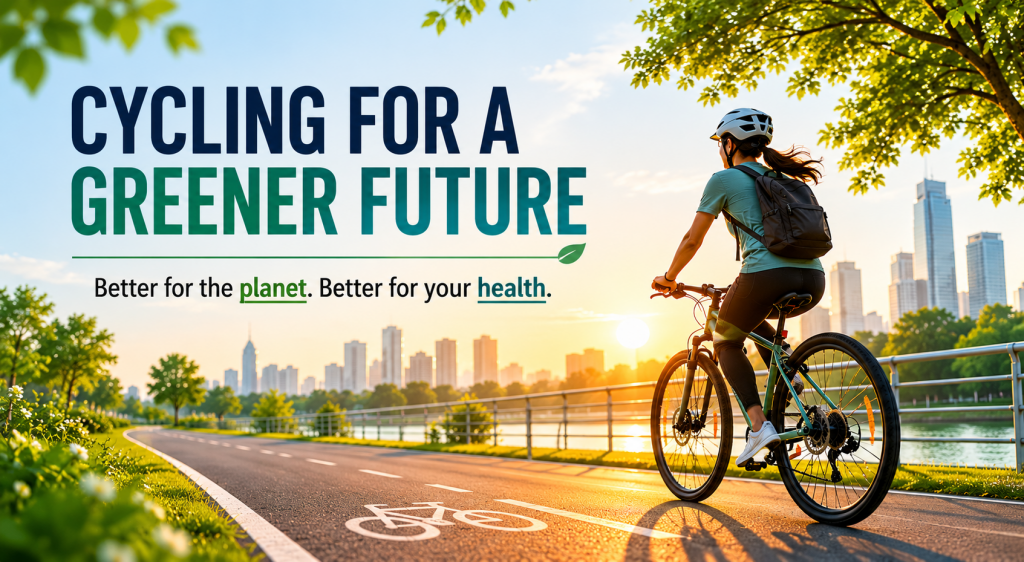
Cycling for a Greener Future: One Habit That Benefits Both You and the Planet

The Big Question: How does cycling benefit both the environment and human longevity?
The World Bicycle Day 2026 theme, “Cycling for a Greener Future,” highlights one of the simplest ways to improve both environmental and personal health. Every time you choose a bicycle over a fuel-powered vehicle, you reduce carbon emissions, support cleaner air, and add more movement to your day. Beyond its environmental benefits, cycling is also one of the most joint-friendly forms of exercise, helping improve cardiovascular fitness, metabolic health, endurance, and healthy ageing.

When most people think about cycling, they think about childhood memories, weekend rides, or professional athletes racing through mountain roads. But the bicycle may be one of the few inventions that improves both human health and environmental health at the exact same time.

Observed globally tomorrow, June 3rd, World Bicycle Day celebrates the bicycle as a simple, affordable, sustainable, and reliable means of transportation. The 2026 theme, “Cycling for a Greener Future,” reminds us that small choices made every day can collectively create a healthier planet.

What’s often overlooked, however, is that the same habit helping reduce pollution and traffic congestion may also be one of the most powerful tools for improving long-term health and longevity.

Why Cycling Matters Beyond Fitness

Unlike many forms of exercise, cycling serves two purposes simultaneously: it acts as transportation, recreation, exercise, and a sustainable lifestyle choice all at once.

A bicycle doesn’t require fuel, produces no emissions, creates minimal noise pollution, and takes up far less urban space than motor vehicles. Replacing even a few short weekly car trips with cycling can contribute to cleaner neighbourhoods, improved air quality, and more active communities. And while you’re helping the environment, you’re also helping your cellular biology.

The Health Benefits Begin With Everyday Movement

One of the biggest barriers to exercise is finding extra time for it. Cycling solves that problem. A ride to work, the grocery store, or a nearby café can become meaningful physical activity without requiring a dedicated, scheduled workout session.

This integration of movement into daily life is one reason cycling is heavily associated with better cardiovascular health, improved fitness levels, and healthy ageing. Unlike intense exercise programmes that are difficult to maintain, cycling is often easier to sustain because it naturally fits into your everyday routines.

The Longevity Secret: Zone 2 Training

In recent years, longevity researchers have increasingly focused on the benefits of Zone 2 cardio. Zone 2 refers to moderate-intensity exercise where your breathing becomes slightly heavier and your heart rate rises steadily, but you can still comfortably hold a conversation.

This specific level of effort helps improve aerobic fitness, endurance, fat metabolism, and mitochondrial efficiency. Mitochondria are the energy-producing structures inside your cells, and maintaining their function is closely linked to healthy ageing.

What makes cycling unique is how easy it is to stay within this ideal training zone. By adjusting your speed, gears, or resistance, you can maintain a steady effort level for extended periods without the stop-start intensity common in many other activities. Supporting your mitochondrial health is one of the absolute key pillars of long-term vitality and resilience.

Cycling vs Running: The Joint-Friendly Advantage

Running is an excellent form of exercise, but it also places significant impact forces on the knees, hips, and ankles. Cycling offers a completely different approach. Because it is a low-impact, non-weight-bearing activity, it allows people to improve cardiovascular fitness while placing far less stress on their cartilage.

Feature Cycling Running
Joint Impact Low Moderate to High
Cardiovascular Benefits Excellent Excellent
Zone 2 Control Easy Moderate
Accessibility High High
Long-Term Joint Comfort     Often Better Tolerated Depends on Individual

This makes cycling particularly appealing for older adults, individuals returning to exercise, people carrying excess weight, or anyone actively managing joint discomfort.

3 Hidden Benefits of Cycling

  1. Improved Metabolic Health

Regular cycling helps improve the body’s ability to use both carbohydrates and fats efficiently for energy. This adaptability, often referred to as metabolic flexibility, supports better energy regulation and insulin sensitivity throughout the day.

  1. Better Stress Management

The rhythmic motion of cycling, particularly outdoors, can help reduce stress and improve mental wellbeing. Spending time in natural environments while moving supports emotional resilience, nervous system recovery, and acts as excellent stress management from daily pressures.

  1. Stronger Legs and Better Balance

Age-related muscle loss (sarcopenia) often affects the lower body first. Pushing against the resistance of the pedals strengthens the quadriceps, glutes, calves, and hamstrings, helping maintain mobility, stability, and physical independence as we age.

Small Rides Can Create Big Change

Many people assume they need expensive equipment or long-distance rides to benefit from cycling. In reality, consistency matters far more than distance. Even short rides can contribute to better cardiovascular fitness, improved energy levels, lower environmental impact, and healthier daily habits.

The bicycle is far more than a recreational tool. It is a practical solution to some of the biggest challenges facing modern society: physical inactivity, urban congestion, environmental pollution, and declining metabolic health. This World Bicycle Day, consider viewing cycling not just as exercise, but as an investment in both your personal wellbeing and a more sustainable future.

Pro Tip: Use your GOQii Smart Vital Tracker and GOQii App to monitor your heart rate during cycling sessions. Tracking your effort levels can help you identify your ideal Zone 2 range and build a sustainable fitness routine that supports cardiovascular health, endurance, and longevity!

Frequently Asked Questions (FAQs)

  1. How does cycling contribute to a greener future?
    Cycling is a zero-emission mode of transport that helps reduce traffic congestion, fuel consumption, and air pollution, directly combating climate change.
  2. How much cycling is needed for health benefits?
    Aim for at least 150 minutes of moderate-intensity cycling per week, spread across multiple days.
  3. Is cycling suitable for older adults?
    Yes. Because cycling is low-impact and non-weight-bearing, it is often perfectly suited for older adults looking to improve cardiovascular fitness while minimising joint stress.
  4. Is cycling better than walking?
    Both are excellent forms of exercise. However, cycling generally allows individuals to sustain a higher cardiovascular intensity (burning more visceral fat) while remaining gentle on the joints.

#BeTheForce

Disclaimer: This article is intended for educational purposes only. If you have a history of severe cardiovascular disease, chronic back pain, or recent joint replacements, please consult your physician or physical therapist before beginning a new exercise regimen.
May 31, 2026 By GOQii Leave a Comment

The Hidden Biological Cost of Vaping

The Big Question: If e-cigarettes don’t have tobacco, how do they accelerate biological ageing?

The World No Tobacco Day 2026 theme, “Unmasking the Appeal,” highlights how vaping and modern nicotine products are marketed to younger audiences through sleek branding and social media. While many believe e-cigarettes are safer than smoking, research shows that vaping exposes the body to severe oxidative stress, heavy metals, and ultrafine chemical particles. This combination damages blood vessels, impairs lung function, and accelerates cellular biological ageing, actively reducing your long-term healthspan.

Observed every year on May 31st, World No Tobacco Day is a global initiative led by the World Health Organization (WHO) to raise awareness about the dangers of tobacco and nicotine addiction.

But nicotine culture today no longer looks the way it once did.

The 2026 campaign theme “Unmasking the Appeal” directly challenges how vaping is being normalised among younger generations. Lured by candy flavours, sleek designs, and influencer-driven marketing, many young adults have bought into the biggest myth surrounding vaping: that it is “just harmless water vapour.”

It is not. Here is the hidden biological cost of the modern vaping epidemic.

Vaping Is Banned in India – But the Problem Remains

India took a massive step for public health by banning e-cigarettes in 2019 under the Prohibition of Electronic Cigarettes Act, which prohibits the manufacture, import, sale, distribution, storage, and advertisement of vape products.

However, despite the strict ban, vaping devices remain accessible through illegal online channels and informal retail networks. The danger here is not just nicotine addiction; it is the growing normalisation of vaping among younger populations who are entirely unaware of the oxidative stress, cardiovascular strain, and long-term cellular damage these devices cause.

Why Vaping Is Not Harmless

Unlike traditional combustible cigarettes, vape devices heat chemical liquids into an aerosol that is inhaled deep into the lungs. This aerosol contains a toxic payload of nicotine salts, ultrafine particles, artificial flavouring chemicals, heavy metals, and inflammatory compounds.

While vaping may expose users to fewer combustion-related toxins (like tar) than traditional cigarettes, it still places massive, unnatural stress on the human body.

3 Ways Vaping Accelerates Biological Ageing

Biological age reflects how efficiently your cells and organs function not simply how many birthdays you have had chronologically. Vaping actively accelerates that cellular ageing process in three distinct ways:

  1. Oxidative Stress and Cellular Damage

The heated chemicals inhaled during vaping increase oxidative stress throughout the body. Oxidative stress introduces free radicals that directly damage your DNA, blood vessels, cell membranes, and mitochondrial function. Over time, this accelerates cellular ageing and increases the risk of cardiovascular disease and metabolic dysfunction. Vaping-related oxidative stress also impairs cellular energy production, affecting how efficiently your body recovers and performs.

  1. Blood Vessel and Lung Damage

Nicotine is a potent vasoconstrictor it causes blood vessels to physically shrink and tighten, reducing healthy circulation and increasing strain on the heart. Simultaneously, repeated exposure to heated aerosol particles inflames the lung tissue and reduces oxygen exchange. Over time, this contributes to:

  • Breathlessness and reduced endurance
  • Elevated resting blood pressure
  • Delayed workout recovery
  • Premature skin ageing (due to reduced oxygen flow to the epidermis)
  1. Dopamine Addiction and Constant Nicotine Exposure

Vaping often becomes highly addictive because of how easily and frequently it can be used. Vapes utilize “nicotine salts,” which absorb rapidly into the bloodstream, creating intense, repeated dopamine spikes that reinforce dependency patterns.

Unlike traditional cigarettes, vape devices allow for continuous micro-dosing, discreet indoor usage, and frequent consumption throughout the day. This strengthens behavioural addiction loops linked to stress, boredom, and anxiety. Supporting stress regulation becomes an essential part of long-term nicotine recovery.

What Happens When You Quit?

The most encouraging news is that the human body is remarkably resilient. It begins repairing itself surprisingly quickly after nicotine exposure stops:

  • Within 20 Minutes: Your elevated heart rate and blood pressure begin returning toward normal levels.
  • Within 24 Hours: Nicotine levels in the bloodstream drop significantly, flushing out the toxin.
  • Within 2–12 Weeks: General circulation and lung function begin to measurably improve, making physical movement easier.
  • Within 1–9 Months: Breathing, cardiovascular endurance, and respiratory recovery continue improving as the cilia in your lungs stabilize and clear out mucus.

The Bigger Picture

Modern vaping culture is relentlessly marketed as cleaner, safer, more advanced, and socially acceptable. But beneath the slick branding, vaping exposes the body to severe addiction, systemic inflammation, oxidative stress, and accelerated biological wear.

Protecting your long-term health is not just about avoiding disease decades later. It is about protecting your daily energy, your cardiovascular endurance, and your healthy ageing right now.

Pro Tip: Breaking the cycle of nicotine addiction requires more than just willpower. Use the GOQii App to track your recovery, movement, sleep quality, and heart rate variability (HRV) trends while reducing nicotine use. Your GOQii Personalised Health Coach can help you build healthier routines to manage cravings and support long-term behavioural change naturally!

Frequently Asked Questions (FAQs)

  1. Is vaping safer than smoking?

While vaping may expose users to fewer combustion-related toxins (like tar and carbon monoxide) than traditional cigarettes, it is not harmless. It still carries significant health risks, including severe oxidative stress, lung inflammation, and cardiovascular strain.

  1. Why are vapes so addictive?

Vapes often contain “nicotine salts” that absorb rapidly into the bloodstream without the harsh throat burn of traditional tobacco. This creates faster dopamine reinforcement and stronger, more frequent dependency patterns.

  1. Does vaping affect fitness and workouts?

Yes. Vaping directly reduces lung efficiency, constricts blood vessels, and limits oxygen delivery to the muscles. This severely impairs cardiovascular endurance and delays post-workout recovery.

  1. Can the body recover after quitting vaping?

Yes. Circulation, lung function, and recovery capacity begin improving within just weeks after quitting nicotine exposure, drastically reducing your long-term disease risk.

#BeTheForce

Disclaimer: This article is intended for educational purposes only. Nicotine addiction is a medical condition. If you are struggling with smoking or vaping cessation, consult a healthcare professional for evidence-based support.

April 29, 2026 By GOQii Leave a Comment

International Dance Day: Why Dancing is the Ultimate Workout for Your Body and Mind

DancingLet’s be honest: sometimes, the sheer thought of lacing up your shoes, hitting the gym, or staring at a treadmill screen feels like a chore. When you are already exhausted from a long workday or stressed about your to-do list, finding the motivation to “workout” can be incredibly tough.

But what if your workout didn’t feel like a workout at all?

Every year on April 29th, the world celebrates International Dance Day. Created by the International Theatre Institute to revel in the universality of this art form, it is the perfect reminder that movement doesn’t have to be rigid, repetitive, or boring. Dancing is not just an expression of joy—it is a full-body, mind-healing powerhouse of a workout.

If you have been struggling to break free from a sedentary lifestyle, here is why dancing might just be the exact medicine you need.

  1. The Ultimate “Accidental” Cardio

When your favorite song comes on and you start moving to the beat, you aren’t counting reps or watching the clock. Yet, your heart rate is climbing, your lungs are working harder, and your blood is circulating faster.

Dancing is a fantastic cardiovascular workout. Depending on the intensity and style, whether it’s Bhangra, Zumba, Hip-Hop, or just jumping around your living room you can burn anywhere from 200 to 500 calories in an hour. It improves cardiovascular endurance, helping to combat the exact heart health risks associated with sitting at a desk all day.

  1. A Powerful Antidote to Stress and Anxiety

As we highlighted in the GOQii India Fit Report 2026, stress and low mood are reaching alarming levels across the country. Dancing offers an immediate, natural remedy.

When you dance, your brain releases a massive rush of endorphins (the “feel-good” hormones) while simultaneously lowering cortisol (the stress hormone). Furthermore, because dancing requires coordination and rhythm, it forces your brain to stay entirely in the present moment. It is nearly impossible to ruminate over an anxious thought or a stressful email when you are trying to catch the beat.

  1. It Builds Better Balance and Bones

Unlike walking or running, which are linear movements, dancing forces your body to move in all directions forward, backward, side-to-side, and rotational.

This multi-directional movement engages minor muscle groups that traditional workouts often miss. It sharpens your coordination, improves your posture, and actively strengthens your core. Because it is a weight-bearing activity, regular dancing also helps maintain bone density, which is crucial for preventing osteoporosis as we age.

How to Add More Dance to Your Day (No Skills Required!)

The best part about dancing? There is zero barrier to entry. You don’t need a gym membership, you don’t need expensive equipment, and you absolutely do not need to be a “good” dancer.

Here are three simple ways to celebrate International Dance Day and build more joyful movement into your routine:

  • The 10-Minute Morning Playlist: Create a playlist of 3 uplifting songs. Play them while you are making your morning tea or getting dressed, and just let yourself move. It completely changes the trajectory of your day.
  • The “Chores” Dance Party: Sweeping, folding laundry, or cooking? Put on your headphones and turn routine household chores into a mini cardio session.
  • Take a Class: If you thrive on community energy, sign up for a local Zumba, Bollywood aerobics, or salsa class. The shared energy of a group is infectious and keeps you accountable.

Our bodies were designed to move, and our minds were designed to experience joy. Dancing bridges the gap between the two.

This International Dance Day, don’t worry about burning calories, hitting a step count, or looking perfect. Just turn up the volume, let go of the stress of the day, and let your body do what it naturally wants to do.

Takeaway: Dancing is a zero-equipment, highly effective way to boost your cardiovascular health, melt away anxiety, and break the cycle of a sedentary lifestyle.

What is your absolute favorite song to dance to when nobody is watching? Tell us in the comments!

Frequently Asked Questions (FAQs)

  1. When is International Dance Day?
    International Dance Day is celebrated globally every year on April 29th. It was created by the Dance Committee of the International Theatre Institute (ITI) to celebrate the art of dance and its ability to cross all political, cultural, and ethnic barriers.
  2. Is dancing considered a good workout?
    Absolutely! Dancing is a highly effective cardiovascular workout. It elevates your heart rate, burns calories, improves lung capacity, and engages multiple muscle groups. Because it involves multi-directional movement, it also greatly improves your balance, agility, and core strength.
  3. Does dancing help with mental health?
    Dancing is a powerful mood booster. The physical exertion releases endorphins (happiness hormones) and reduces cortisol (stress hormones). Additionally, focusing on rhythm and movement helps distract the mind from anxious thoughts, acting as a form of moving meditation.

#BeTheForce #InternationalDanceDay

Disclaimer: The content provided in this blog is for educational and informational purposes only and should not be construed as professional medical advice, diagnosis, or treatment. Always consult with a qualified healthcare provider or a certified medical professional before starting any new cardiovascular exercise or fitness routine, especially if you have pre-existing joint issues, heart conditions, or other medical concerns.

August 7, 2025 By GOQii Leave a Comment

Hypertension and Obesity: Connecting the dots

Hypertension and Obesity: Connecting the dotsYou’ve been taking your blood pressure tablets for years. You rarely miss a dose. Yet, every time you check, those numbers stubbornly stay high.



Ideally, an individual’s blood pressure should be around 120/80 mmHg. But yours? It hovers around 140/90 mmHg or higher. Some days, it’s only within a normal range because of the medication. Sounds familiar?

Now, imagine this: You visit your doctor, expecting yet another tweak in your prescription, but instead, they ask about something else, your weight. You sigh, thinking, Not again. But what if your weight is playing a bigger role in your hypertension than you realise?

Many of us focus on treating hypertension with medication alone, but what if the missing link is something else something closer to home, like the extra pounds we carry? Let’s connect the dots between hypertension and obesity and uncover why tackling this could be the key to managing both conditions.

What is Hypertension? And Its Biggest Triggers

Hypertension occurs when the pressure inside your blood vessels runs too high, putting extra strain on your heart. It’s often called the silent killer because, most of the time, there are no obvious symptoms until you check your blood pressure. And if left unchecked? It can quietly pave the way for heart disease, stroke, and kidney problems.

What causes it? Some factors, like genetics and ageing, are beyond our control. But others such as lack of exercise, too much salt, excessive alcohol consumption, and obesity are within our reach.

Here’s the game-changer: while you can’t turn back time or change your genetics, you can take charge of your weight. Obesity and hypertension are deeply connected and tackling one can be the key to controlling the other.

Are You Obese? Here’s How to Find Out

We often associate obesity with being “overweight”, but not all extra weight is a problem. A few extra kilos won’t necessarily harm you. However, when excess fat starts affecting your health, that’s when it turns into obesity a condition that raises the risk of hypertension, heart disease, diabetes, and more.

How to Check If You’re Obese

  • Body Mass Index (BMI):

✔ BMI = Weight (kg) ÷ Height (m²)

✔ A BMI over 30 is classified as obese.

  • Waist Circumference:

✔ Men: Over 102 cm (40 inches)

✔ Women: Over 88 cm (35 inches)

Note: For people of Middle Eastern or Asian descent, some health experts recommend lower cutoff points (e.g., >90 cm for men, >80 cm for women) due to different body compositions. It’s best to discuss your personal risk with your doctor.

If you fall into these categories, it’s time to take action.

How Obesity Raises Your Blood Pressure

Obesity isn’t just about carrying extra weight it puts your entire cardiovascular system under strain, making it harder for your heart to function properly. Here’s how:

  • Clogged Arteries & Increased Pressure: Excess weight raises cholesterol levels, leading to plaque build-up in the arteries. This narrows blood vessels, forcing the heart to work harder resulting in high blood pressure.
  • More Weight = More Work for Your Heart: Your heart has to pump blood for your entire body. The more weight you carry, the harder it has to work, increasing blood pressure levels.
  • Insulin Resistance & Nerve Overload: Obesity can lead to insulin resistance, which raises insulin levels in your blood. This triggers nerve activity in the brain, causing blood pressure to rise.
  • Kidneys Under Pressure: Excess belly fat compresses your kidneys, making it harder for them to flush out waste and excess fluid. More fluid = higher blood pressure.
  • Stress Hormones & Water Retention: Being overweight often raises cortisol (the stress hormone). High cortisol leads to more salt and water retention, which in turn leads to higher blood pressure.
  • Inflammation & Poor Heart Health: Obesity fuels chronic inflammation, which damages blood vessels and increases oxidative stress one of the main drivers of high blood pressure.

The bottom line? Obesity is a major driver of hypertension, affecting your entire body. But here’s the good news—you can take control and reduce your risk!

How to Control Hypertension & Lose Weight Naturally

Eat Smart, Stay Healthy

The key to weight loss? Burn more calories than you consume. This is called a calorie deficit.

  • Control Your Portions: Eating smaller meals helps keep calorie intake in check.
  • Choose Low-Calorie Foods: Load up on vegetables, lean protein, and whole grains.

Boost Your Metabolism with Protein

Protein is one of the most essential nutrients for weight loss because it helps burn more calories and keeps you full for longer.

  • Include lean meats, fish, eggs, dairy, soy, lentils, and legumes.
  • Reduce refined carbohydrates like white flour and sugary foods, which lead to fat accumulation.

Ditch the Sugar Trap

Fast food and sugary snacks contribute to insulin resistance, a major factor in high blood pressure.

  • Processed foods contain hidden sugars, so check labels and choose whole, natural foods.

Less Salt, Less Weight, Better Blood Pressure

Reducing salt intake can help with weight loss and blood pressure control.

  • Processed foods, ready meals, and salty snacks add excess sodium, leading to bloating and water retention.
  • Opt for fresh, home-cooked meals whenever possible.

Finding the Right Diet for You

Intermittent fasting, keto, low-carb, or plant-based diets can all be effective—but not every diet suits everyone.

  • Consult a nutritionist or your doctor before making major dietary changes to find what works best for your body.

Get Moving – Exercise Regularly

One of the best ways to lose weight and lower blood pressure is simple: move more!

    • Aim for at least 30 minutes of activity per day.
    • Try brisk walking, cycling, swimming, dancing, or strength training.
    • Start small, stay consistent – every little movement counts!

Think of it like this: Imagine carrying a 10-pound backpack all the time sounds exhausting, right? That’s what obesity does to your body. At first, moving more might feel tough, but your stamina will build, and every step will get easier. One pound at a time.

Manage Stress & Sleep Well

Lack of sleep and high stress levels contribute to weight gain & high blood pressure.

  • Prioritise 7-9 hours of quality sleep.
  • Practise mindfulness, deep breathing, or yoga.
  • Limit screen time before bed.

Take Charge of Your Health Today

Now you know the secret: losing weight is one of the most effective ways to manage blood pressure. The best part? It all starts with two things eating better and moving more. Set your target weight, make a plan, and start today. Your future self will thank you! 

If you’re currently on blood pressure medication, don’t stop it abruptly.Instead, use this blog as a guide to complement your medical care, and talk to your doctor before making any major lifestyle or diet changes.

#BeTheForce

Disclaimer: The information provided in this blog is for general awareness and educational purposes only. It is not intended to replace professional medical advice, diagnosis, or treatment. Always consult a qualified healthcare provider for personalised medical guidance or concerns related to your health. Images shown are for representation purposes only and may not depict the exact recommendations or outcomes.

  • 1
  • 2
  • Next Page »

Search

Recent Posts

  • Why Small Misunderstandings Become Big Fights – And How Couples Can Handle Them Better
  • The Benefits of Micro-Workouts: Why Small Exercise Snacks Lower Sedentary Risk
  • Train Hard, Sleep Well: The Recovery Secret Most People Ignore
  • World Blood Donor Day: The Lifesaving Gift That Science Still Cannot Create
  • From Shimla’s Slopes to Chandigarh’s Sidewalks: Surinder Kaur Bhalla’s Journey from Chaos to Control

Stay Updated

Archives

  • June 2026 (16)
  • May 2026 (20)
  • April 2026 (24)
  • March 2026 (18)
  • February 2026 (14)
  • January 2026 (14)
  • December 2025 (19)
  • November 2025 (15)
  • October 2025 (20)
  • September 2025 (6)
  • August 2025 (6)
  • July 2025 (11)
  • June 2025 (18)
  • May 2025 (16)
  • April 2025 (22)
  • March 2025 (27)
  • February 2025 (21)
  • January 2025 (25)
  • December 2024 (22)
  • November 2024 (23)
  • October 2024 (20)
  • September 2024 (23)
  • August 2024 (30)
  • July 2024 (20)
  • June 2024 (25)
  • May 2024 (27)
  • April 2024 (27)
  • March 2024 (27)
  • February 2024 (23)
  • January 2024 (21)
  • December 2023 (14)
  • November 2023 (10)
  • October 2023 (19)
  • September 2023 (22)
  • August 2023 (18)
  • July 2023 (22)
  • June 2023 (23)
  • May 2023 (20)
  • April 2023 (19)
  • March 2023 (23)
  • February 2023 (19)
  • January 2023 (15)
  • December 2022 (11)
  • November 2022 (15)
  • October 2022 (15)
  • September 2022 (12)
  • August 2022 (10)
  • July 2022 (17)
  • June 2022 (11)
  • May 2022 (10)
  • April 2022 (6)
  • March 2022 (6)
  • February 2022 (13)
  • January 2022 (11)
  • December 2021 (7)
  • November 2021 (3)
  • October 2021 (6)
  • September 2021 (3)
  • August 2021 (8)
  • July 2021 (7)
  • June 2021 (15)
  • May 2021 (16)
  • April 2021 (10)
  • March 2021 (7)
  • February 2021 (4)
  • January 2021 (4)
  • December 2020 (3)
  • November 2020 (4)
  • October 2020 (10)
  • September 2020 (3)
  • August 2020 (3)
  • July 2020 (2)
  • June 2020 (4)
  • May 2020 (10)
  • April 2020 (12)
  • March 2020 (10)
  • February 2020 (4)
  • January 2020 (4)
  • December 2019 (3)
  • November 2019 (7)
  • October 2019 (5)
  • September 2019 (4)
  • August 2019 (9)
  • July 2019 (9)
  • June 2019 (11)
  • May 2019 (4)
  • April 2019 (8)
  • March 2019 (8)
  • February 2019 (9)
  • January 2019 (8)
  • December 2018 (9)
  • November 2018 (3)
  • October 2018 (3)
  • September 2018 (5)
  • August 2018 (10)
  • July 2018 (6)
  • June 2018 (13)
  • May 2018 (8)
  • April 2018 (18)
  • March 2018 (9)
  • February 2018 (8)
  • January 2018 (15)
  • December 2017 (12)
  • November 2017 (19)
  • October 2017 (13)
  • September 2017 (15)
  • August 2017 (4)
  • July 2017 (8)
  • June 2017 (7)
  • May 2017 (6)
  • April 2017 (8)
  • March 2017 (6)
  • February 2017 (7)
  • January 2017 (9)
  • December 2016 (10)
  • November 2016 (7)
  • October 2016 (7)
  • September 2016 (7)
  • August 2016 (11)
  • July 2016 (9)
  • June 2016 (9)
  • May 2016 (12)
  • April 2016 (17)
  • March 2016 (17)
  • February 2016 (8)
  • January 2016 (6)
  • December 2015 (2)
  • November 2015 (9)
  • October 2015 (7)
  • September 2015 (9)
  • August 2015 (11)
  • July 2015 (9)
  • June 2015 (11)
  • May 2015 (9)
  • April 2015 (13)
  • March 2015 (8)
  • February 2015 (5)
  • January 2015 (12)
  • December 2014 (14)
  • November 2014 (11)
  • October 2014 (6)
  • September 2014 (13)
  • August 2014 (12)
  • July 2014 (6)
  • June 2014 (2)
  • May 2014 (7)
  • April 2014 (4)

From Shimla’s Slopes to Chandigarh’s Sidewalks: Surinder Kaur Bhalla’s Journey from Chaos to Control

Some journeys start with a plan. Others begin with a stumble literally. Surinder Bhalla, a government professional, born and raised in the scenic hill town of Shimla, had always lived a life of movement. “In Shimla, you walked everywhere,” she reflects. … [Read More...]

From “Laddu Nawin” to Fit and Fierce: How a 25-Year-Old Insurance Advisor Shed 20 Kilos and Gained His Life Back

When 25-year-old Nawin Yadav from Hyderabad walked into his office every morning, he carried more than just his files and policy papers. He had the weight of fatigue, sluggish energy, and an ever-growing belly that was becoming the butt of jokes. “People had even started calling me Laddu Nawin,” he says with a laugh, but […]

From Burnout to Balance: How Dr. Ranjit Reclaimed His Health

Dr Ranjit Bhatt has spent years tending to others. A practising doctor in Odisha, his days were packed with patients, surgeries, and emergencies. From the outside, it looked like a life lived in service. But on the inside, something wasn’t right. “I had no control over my schedule. I’d sleep late, eat at odd hours, […]

Ananda Mukherjee Health Story

From Terminal Illness To Complete Wellness! Ananda Mukherjee Health Story

As we observe World Cancer Day under the powerful theme ‘United by Unique’ (2025-2027)**, we are reminded that every individual’s journey with cancer is distinct, yet united by shared resilience, hope, and the collective fight against this disease. This theme places people at the centre of care and their stories at the heart of the […]

  • HOME
  • HEALTHY LIVING
  • FITNESS
  • HEALTHY RECIPES
  • USER STORIES
  • KARMA
  • BUY GOQii

Copyright ©2016 GOQii
