GOQii

Blog

  • HOME
  • HEALTHY LIVING
  • FITNESS
  • HEALTHY RECIPES
  • USER STORIES
  • KARMA
  • BUY GOQii

Search Results for: weight loss

March 19, 2025 By GOQii Leave a Comment

Fatty Liver: Causes, Symptoms & How to Reverse It Naturally

Understanding Fatty Liver

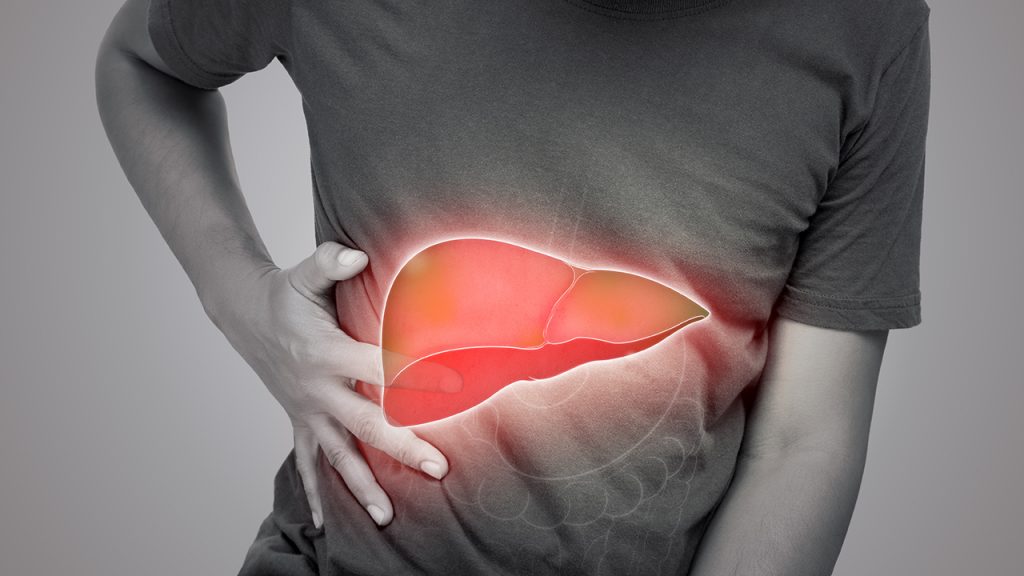
Your liver is a powerhouse—processing nutrients, filtering toxins, and keeping your metabolism running smoothly. But when too much fat builds up in liver cells, it can disrupt its function and lead to fatty liver disease.

Fatty liver is one of the most common liver conditions globally, affecting millions of people. The good news? It’s reversible in its early stages! But left unchecked, it can progress to more serious liver damage.

Let’s break down the causes, symptoms, and best ways to treat and prevent fatty liver disease—so you can take charge of your health before it’s too late.

Types of Fatty Liver Disease

There are two main types of fatty liver disease:

  1. Non-Alcoholic Fatty Liver Disease (NAFLD)
  • Occurs without excessive alcohol consumption.
  • Linked to obesity, diabetes, high cholesterol, and poor diet.
  • Can progress to non-alcoholic steatohepatitis (NASH)—a more severe form causing liver inflammation and scarring.
  1. Alcohol-Related Fatty Liver Disease (AFLD)
  • Caused by excessive alcohol consumption, which damages liver cells.
  • If drinking continues, it can lead to cirrhosis and liver failure.

Both conditions increase the risk of serious liver complications, but lifestyle changes can help prevent or even reverse them in the early stages.

What Causes Fatty Liver?

Several lifestyle and health factors contribute to fatty liver disease:

  • High Sugar & Processed Foods – Sugary drinks, sweets, and refined carbs promote fat accumulation in the liver.
  • Obesity & Insulin Resistance – Excess weight, especially around the abdomen, increases fatty deposits in the liver.
  • Sedentary Lifestyle – Lack of exercise slows metabolism and contributes to fat storage.
  • Excess Alcohol Intake – Alcohol is metabolised in the liver, and excessive intake can lead to fat buildup and inflammation.
  • High Cholesterol & Triglycerides – Poor cholesterol levels contribute to fat accumulation in the liver.
  • Underlying Health Conditions – Diabetes, metabolic syndrome, and PCOS are all linked to fatty liver.
  • Certain Medications – Some steroids, chemotherapy drugs, and painkillers can contribute to liver fat buildup.

Signs & Symptoms of Fatty Liver

In its early stages, fatty liver doesn’t usually cause noticeable symptoms. However, as it progresses, you may experience:

⚠️ Constant fatigue or sluggishness
⚠️ Discomfort or pain in the upper right abdomen
⚠️ Unexplained weight gain or difficulty losing weight
⚠️ Nausea or loss of appetite
⚠️ Jaundice (yellowing of skin/eyes) in severe cases

If left untreated, fatty liver can progress to fibrosis, cirrhosis, or even liver failure.

How to Treat & Reverse Fatty Liver

The best approach to managing and reversing fatty liver is lifestyle modification. Here’s how to take charge of your liver health:

  1. Improve Your Diet
  • Prioritise whole, unprocessed foods—vegetables, lean proteins, and whole grains.
  • Reduce sugar intake—avoid fizzy drinks, sweets, and refined carbs.
  • Eat liver-friendly foods:
    • Leafy greens (spinach, kale) – Detoxifying properties.
    • Berries – Packed with antioxidants to reduce inflammation.
    • Turmeric – Contains curcumin, which helps protect liver cells.
  • Oats & Whole Grains – Rich in fibre to support digestion.

Avoid trans fats, fried foods, and processed snacks—they increase liver inflammation.

  1. Stay Active
  • Regular exercise helps burn excess liver fat—aim for at least 150 minutes per week.
  • Include strength training to improve metabolism and fat-burning capacity.
  • Even small changes—like walking after meals—can significantly improve liver function.
  1. Maintain a Healthy Weight
  • Losing just 5-10% of body weight can reduce liver fat and inflammation.
  • Focus on sustainable, healthy weight loss—crash diets can do more harm than good!
  1. Cut Back on Alcohol
  • Alcohol is one of the leading causes of liver damage—reducing intake can prevent fatty deposits from worsening.
  • If you drink, stick to recommended guidelines—no more than 14 units per week (UK guidelines).
  1. Stay Hydrated
  • Water helps flush out toxins and supports liver function.
  • Aim for at least 2-3 litres per day.
  1. Manage Stress & Sleep
  • Chronic stress can lead to overeating & poor lifestyle habits—practise relaxation techniques like deep breathing and meditation.
  • Prioritise sleep—poor sleep quality is linked to metabolic disorders affecting the liver.
  1. Get Regular Check-ups
  • Monitor liver function through blood tests if you have risk factors like obesity, diabetes, or a history of high alcohol consumption.
  • Consult your doctor if you experience persistent symptoms.

Can Fatty Liver Be Reversed?

Yes! With consistent lifestyle changes, fatty liver can be reversed in its early stages. However, if it progresses to fibrosis or cirrhosis, the damage becomes permanent.

Taking action now can protect your liver and overall well-being.

Fatty liver disease is increasingly common, but the good news is that it can be prevented and even reversed with the right lifestyle choices.

By making simple yet powerful changes to your diet, exercise routine, and daily habits, you can protect your liver and improve overall health.

💬 Have you made lifestyle changes to improve liver health? Share your experience in the comments!

#BeTheForce

Disclaimer: The information provided in this blog is for general awareness and educational purposes only. It is not intended to replace professional medical advice, diagnosis, or treatment. Always consult a qualified healthcare provider for personalised medical guidance or concerns related to your health.

March 6, 2025 By GOQii Leave a Comment

Bursting Some Common Food Myths: Separating Fact from Fiction

nutrition myths and factsIn today’s digital world, we are constantly bombarded with diet trends, viral health tips, and well-meaning advice from family, friends, and social media influencers. Some of these food beliefs have been passed down for generations, while others have gained traction through modern misinformation. But how many of these commonly accepted truths are actually backed by science?

From the idea that carbs make you fat to the belief that frozen foods lack nutrients, many food myths dictate our eating habits and influence our health choices—sometimes in ways that do more harm than good. It’s time to separate fact from fiction and uncover the real truth behind the most common food myths that continue to mislead people across the world.

Let’s debunk these misconceptions and get back to making smarter, science-backed food choices!

❌ Myth #1: Fresh Produce is Always Healthier than Frozen


Many people believe that fresh fruit and vegetables are superior to frozen ones, but that’s not necessarily true.

✅ Truth: Frozen produce is picked at peak ripeness and flash-frozen, preserving its nutrients. On the other hand, fresh produce can lose vitamins and minerals during transport and storage. In some cases, frozen vegetables may even retain more nutrients than their fresh counterparts!

What to do? Don’t hesitate to stock up on frozen fruit and veg—they’re convenient, affordable, and just as nutritious!

❌ Myth #2: Carbs Make You Gain Weight

carbohydrate-addicts-diet-plan1

Carbohydrates have been wrongfully demonised for years, with many believing they lead to weight gain and poor health.

✅ Truth: Not all carbs are the enemy! Whole grains like quinoa, oats, brown rice, and wholewheat bread provide fibre, vitamins, and sustained energy. The real culprits? Refined carbs like white bread, pastries, and sugary cereals that spike blood sugar levels.

What to do? Choose complex carbs over refined ones and watch portion sizes, rather than cutting carbs completely.

❌ Myth #3: You Need to Detox Your Body with Juice Cleanses

Juices for weight loss

Juice cleanses are marketed as the ultimate detox, promising to flush out toxins and reset your system.

✅ Truth: Your liver and kidneys are already natural detoxifiers! Juice cleanses often lack protein and fibre, leading to blood sugar spikes, energy crashes, and muscle loss rather than ‘detoxification’.

What to do? Instead of extreme cleanses, focus on eating whole foods, drinking plenty of water, and supporting your body’s natural detox processes with balanced nutrition.

❌ Myth #4: Eating Late at Night Causes Weight Gain

Ever heard the advice “Don’t eat after 7 PM, or you’ll gain weight”? Many people believe late-night eating automatically leads to fat storage.

✅ Truth: Total calorie intake matters more than timing. The real problem isn’t when you eat, but what and how much. Late-night snacking on crisps, sweets, and processed foods leads to excess calorie intake, but a protein-rich snack before bed can actually support muscle repair and metabolism.

What to do? If you’re hungry at night, opt for healthy snacks like Greek yoghurt, a handful of nuts, or cottage cheese instead of high-sugar, high-fat processed foods.

❌ Myth #5: Egg Yolks Are Bad for Your Heart

benefits of egg yolk

Egg yolks have long been blamed for raising cholesterol levels and increasing the risk of heart disease.

✅ Truth: Egg yolks contain healthy fats, essential vitamins, and choline, which supports brain function. While they do contain cholesterol, research shows that dietary cholesterol has little impact on blood cholesterol levels for most people. The bigger concern? Processed foods high in trans fats and added sugars.

What to do? Unless advised otherwise by a doctor, enjoy whole eggs as part of a balanced diet—they’re a powerhouse of nutrients!

❌ Myth #6: Dairy Products Are Inflammatory

Many believe that dairy is inflammatory, causes weight gain, or isn’t necessary for adults.

✅ Truth: Unless you have a lactose intolerance or dairy allergy, dairy products like yoghurt, milk, and cheese provide calcium, protein, and probiotics that support bone health and gut health. Studies show that dairy doesn’t inherently cause inflammation unless there’s a specific intolerance.

What to do? Choose high-quality, minimally processed dairy and watch portion sizes. If dairy doesn’t agree with you, opt for fortified plant-based alternatives like almond or oat milk.

Misinformation about food and nutrition is everywhere, but understanding the science behind what we eat helps us make smarter, healthier choices. By busting these common myths, you can build a balanced, sustainable diet without unnecessary restrictions or food fears.

Which food myth have you believed in the past? Let us know in the comments!

#BeTheForce

Disclaimer: The information provided in this blog is for general awareness and educational purposes only. It is not intended to replace professional medical advice, diagnosis, or treatment. Always consult a qualified healthcare provider for personalised medical guidance or concerns related to your health.
February 20, 2025 By Sindhu Ashwin 4 Comments

Interesting facts about Salt you should know

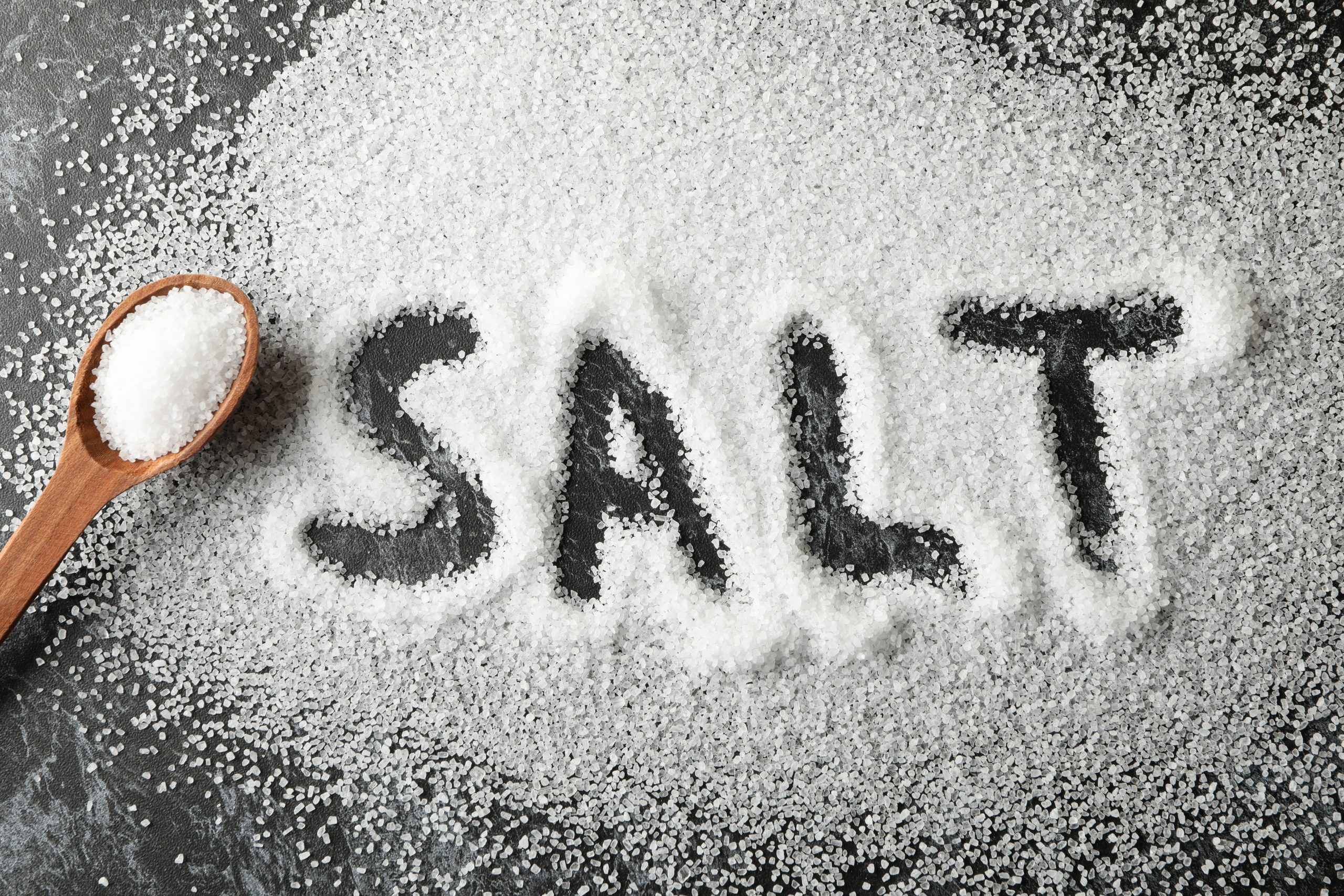
SaltWe all know that salt is an essential ingredient in our food. It’s hard to imagine a meal without it! But what exactly is salt, and why is it so important? While most of us are familiar with table salt, there are some fascinating facts about salt that you might not know. Let’s dive into the world of salt and uncover its role in our lives.

What is Salt?

Salt is made from sodium, a naturally occurring mineral, and is a major ingredient used worldwide. Most of the sodium we consume is in the form of sodium chloride, commonly known as table salt. But salt is more than just a seasoning—it plays a vital role in our health and daily lives.

Interesting facts about Salt

  1. Widely used Additive
    • Salt is one of the first food additives and seasonings used by humans. Today, it’s one of the most widely used additives, second only to sugar in the amount added to food.
  2. Too much salt is harmful
    • While salt is necessary for human life, over consumption can lead to health issues like high blood pressure, hypertension, and heart disease. On the other hand, consuming too little salt can cause hypotension.
    • High blood pressure is a major risk factor for heart disease, stroke, and kidney disease. However, sodium intake alone isn’t the sole cause—factors like family history, weight, race, physical fitness, and smoking also play a role.
  3. How Much Salt Should You Consume?
    • Under normal conditions, a person needs about 2500 milligrams of sodium daily, which is roughly half a teaspoon of salt.
  4. Replenishing Salt
    • During conditions like excessive sweating (from workouts, sports, or trekking), diarrhea, or vomiting, sodium is lost, and the body’s need for it increases. This increased need can usually be met through diet, as the average diet already contains more sodium than required.

Sources of Sodium

  1. Table salt and seasoning:
    • Sodium is often added to foods during preparation in the form of table salt, monosodium glutamate (MSG), sea salt, black salt, or rock salt. One level teaspoon of salt contains about 2000 milligrams of sodium.
  2. Processed foods:
    • Salt and sodium-containing additives are commonly found in processed foods like chips, salted nuts, pickles, sauces, and ketchup. These additives also help preserve food.
  3. Natural sources:
    • All animal-based foods naturally contain sodium. Most fresh fruits and vegetables also have small amounts of sodium.
  4. Medicines:
    • Some over-the-counter drugs and medications contain sodium, so it’s important to check labels if you’re monitoring your sodium intake.

The Role of Salt in Health

Experts believe that while cutting down on salt may not prevent high blood pressure, it can help lower blood pressure for people who are “salt-sensitive.” A low-salt diet, combined with weight loss, medication, or other lifestyle changes, can effectively control high blood pressure.

Salt is a tasty and essential ingredient in our daily cooking, but moderation is key. Use it wisely to stay healthy. For instance, switching to rock salt can help keep blood pressure in check.

We hope this article equips you with valuable insights into the role of salt in your life. If you found this information helpful, we’d love to hear your thoughts in the comments below.

#BeTheForce

Disclaimer: The information provided in this blog is for general awareness and educational purposes only. It is not intended to replace professional medical advice, diagnosis, or treatment. Always consult a qualified healthcare provider for personalised medical guidance or concerns related to your health.

February 15, 2025 By Urvi Gohil 1 Comment

Healthy Eating: Spinach Paratha

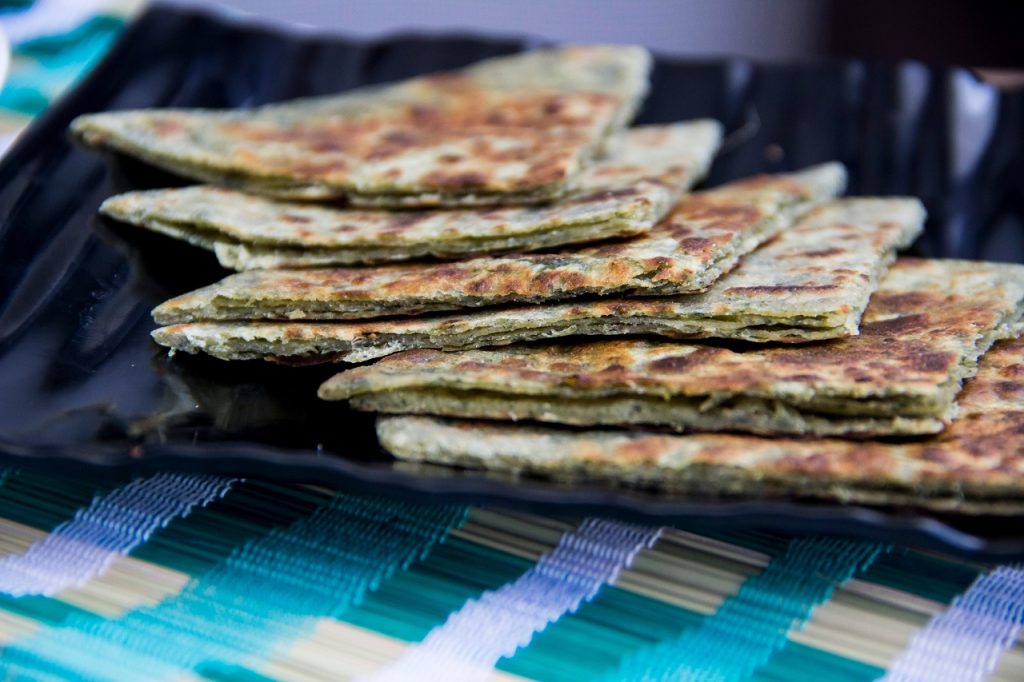
spinach parathaIf you love parathas, roti, or chapati for breakfast, here’s a way to make the first meal of your day a healthy one! This Spinach Paratha recipe is loaded with essential nutrients to fuel your day and improve overall health. Spinach, the star ingredient, is packed with vitamins and minerals that benefit your body in numerous ways. Let’s get started!

What You Will Need

  • Spinach leaves – 200g
  • Gram flour (besan) – 2 tbsp
  • Wheat flour – 1 cup
  • Ajwain (carom seeds) – 1 tsp
  • Green chilli – 1-2
  • Ginger – 1 tsp
  • Oil – 1 tbsp
  • Salt to taste

How to Prepare

  • Step 1: Boil water in a pan and turn off the flame. Add the spinach leaves to the hot water and let them blanch for 1-2 minutes. Remove the leaves and soak them in cold water to retain their vibrant green color.
  • Step 2: In a mixer or blender, make a puree using the blanched spinach leaves, ginger, and green chillies.
  • Step 3: In a mixing bowl, combine wheat flour, gram flour, and salt. Mix well, then add the spinach puree, ajwain, and 1 tsp of oil.
  • Step 4: Knead the dough well and let it rest for 10-15 minutes.
  • Step 5: Divide the dough into small portions and roll them into medium-thick parathas.
  • Step 6: Heat a tawa (griddle) and roast the paratha on both sides, applying a little oil for a crispy texture.
  • Step 7: Serve hot with carrot raita or your favorite chutney.

Highlights of the Spinach Paratha

  • Nutrient-Dense: Spinach is one of the most nutrient-dense leafy green vegetables, rich in Vitamin K, which supports bone health and blood clotting.
  • Eye Health: Spinach contains lutein and zeaxanthin, antioxidants that promote eye health and reduce the risk of age-related macular degeneration.
  • Reduces Oxidative Stress: The antioxidants in spinach help combat oxidative stress, reducing the risk of chronic diseases.
  • Manages Blood Pressure: Spinach is high in potassium, which helps regulate blood pressure levels.
  • Weight Loss-Friendly: Low in calories and high in fiber, spinach parathas are a great addition to a weight-loss diet.

This Spinach Paratha is not only delicious but also packed with nutrients to kickstart your day on a healthy note. It’s easy to prepare, versatile, and perfect for anyone looking to add more greens to their diet. Give this recipe a try and let us know how you liked it in the comments below!

Do you have any other healthy breakfast recipes you love? Share them with us in the comments below! For more healthy recipes, check out Healthy Reads or get in touch with your GOQii Coach by subscribing for Personalized Health Coaching here.

Eat Healthy and #BeTheForce

  • « Previous Page
  • 1
  • …
  • 18
  • 19
  • 20
  • 21
  • 22
  • …
  • 100
  • Next Page »

Search

Recent Posts

  • Best Foods To Alleviate Irritable Bowel Syndrome
  • ALL ABOUT VERTIGO!
  • PCOS and Anxiety: Discover Relief with the 54321 Technique
  • Navigating the Maze of Nutrition: Finding Clarity Amidst Confusion
  • Get children active and keep them healthy

Stay Updated

Archives

  • December 2025 (6)
  • November 2025 (15)
  • October 2025 (20)
  • September 2025 (6)
  • August 2025 (6)
  • July 2025 (12)
  • June 2025 (18)
  • May 2025 (16)
  • April 2025 (23)
  • March 2025 (23)
  • February 2025 (22)
  • January 2025 (26)
  • December 2024 (26)
  • November 2024 (25)
  • October 2024 (22)
  • September 2024 (24)
  • August 2024 (31)
  • July 2024 (21)
  • June 2024 (26)
  • May 2024 (31)
  • April 2024 (27)
  • March 2024 (29)
  • February 2024 (26)
  • January 2024 (25)
  • December 2023 (15)
  • November 2023 (11)
  • October 2023 (22)
  • September 2023 (22)
  • August 2023 (20)
  • July 2023 (22)
  • June 2023 (24)
  • May 2023 (24)
  • April 2023 (24)
  • March 2023 (23)
  • February 2023 (20)
  • January 2023 (16)
  • December 2022 (12)
  • November 2022 (15)
  • October 2022 (15)
  • September 2022 (12)
  • August 2022 (10)
  • July 2022 (17)
  • June 2022 (11)
  • May 2022 (10)
  • April 2022 (6)
  • March 2022 (6)
  • February 2022 (13)
  • January 2022 (12)
  • December 2021 (7)
  • November 2021 (3)
  • October 2021 (6)
  • September 2021 (3)
  • August 2021 (8)
  • July 2021 (7)
  • June 2021 (15)
  • May 2021 (16)
  • April 2021 (10)
  • March 2021 (7)
  • February 2021 (4)
  • January 2021 (4)
  • December 2020 (3)
  • November 2020 (4)
  • October 2020 (10)
  • September 2020 (3)
  • August 2020 (3)
  • July 2020 (2)
  • June 2020 (4)
  • May 2020 (10)
  • April 2020 (12)
  • March 2020 (10)
  • February 2020 (4)
  • January 2020 (4)
  • December 2019 (3)
  • November 2019 (7)
  • October 2019 (5)
  • September 2019 (4)
  • August 2019 (9)
  • July 2019 (9)
  • June 2019 (11)
  • May 2019 (4)
  • April 2019 (9)
  • March 2019 (8)
  • February 2019 (9)
  • January 2019 (8)
  • December 2018 (9)
  • November 2018 (3)
  • October 2018 (3)
  • September 2018 (5)
  • August 2018 (10)
  • July 2018 (6)
  • June 2018 (13)
  • May 2018 (8)
  • April 2018 (18)
  • March 2018 (9)
  • February 2018 (8)
  • January 2018 (15)
  • December 2017 (12)
  • November 2017 (19)
  • October 2017 (13)
  • September 2017 (15)
  • August 2017 (4)
  • July 2017 (8)
  • June 2017 (7)
  • May 2017 (6)
  • April 2017 (8)
  • March 2017 (6)
  • February 2017 (7)
  • January 2017 (9)
  • December 2016 (10)
  • November 2016 (7)
  • October 2016 (7)
  • September 2016 (7)
  • August 2016 (11)
  • July 2016 (9)
  • June 2016 (9)
  • May 2016 (12)
  • April 2016 (17)
  • March 2016 (17)
  • February 2016 (8)
  • January 2016 (6)
  • December 2015 (2)
  • November 2015 (9)
  • October 2015 (7)
  • September 2015 (9)
  • August 2015 (11)
  • July 2015 (9)
  • June 2015 (12)
  • May 2015 (9)
  • April 2015 (13)
  • March 2015 (8)
  • February 2015 (5)
  • January 2015 (12)
  • December 2014 (14)
  • November 2014 (11)
  • October 2014 (6)
  • September 2014 (13)
  • August 2014 (12)
  • July 2014 (6)
  • June 2014 (2)
  • May 2014 (7)
  • April 2014 (5)

From “Laddu Nawin” to Fit and Fierce: How a 25-Year-Old Insurance Advisor Shed 20 Kilos and Gained His Life Back

When 25-year-old Nawin Yadav from Hyderabad walked into his office every morning, he carried more than just his files and policy papers. He had the weight of fatigue, sluggish energy, and an ever-growing belly that was becoming the butt of jokes. “People … [Read More...]

“I’ve Challenged Myself to Live 100 Years” – The Story of Chandubhai Savani’s Second Chance at Life

At 67, most people start slowing down. Not Chandubhai Savani. A resident of Surat, Chandubhai, thought life was on track. “My life was going well till I had my bypass surgery,” he says. That surgery, back in 2021, was a wake-up call.  Medication was routine, but exercise wasn’t. His diet? What he calls ‘normal.’ “I […]

From Shimla’s Slopes to Chandigarh’s Sidewalks: Surinder Kaur Bhalla’s Journey from Chaos to Control

Some journeys start with a plan. Others begin with a stumble literally. Surinder Bhalla, a government professional, born and raised in the scenic hill town of Shimla, had always lived a life of movement. “In Shimla, you walked everywhere,” she reflects. “Walking was never an exercise. It was just life.” But after shifting to Chandigarh, […]

Ananda Mukherjee Health Story

From Terminal Illness To Complete Wellness! Ananda Mukherjee Health Story

As we observe World Cancer Day under the powerful theme ‘United by Unique’ (2025-2027)**, we are reminded that every individual’s journey with cancer is distinct, yet united by shared resilience, hope, and the collective fight against this disease. This theme places people at the centre of care and their stories at the heart of the […]

  • HOME
  • HEALTHY LIVING
  • FITNESS
  • HEALTHY RECIPES
  • USER STORIES
  • KARMA
  • BUY GOQii

Copyright ©2016 GOQii