GOQii

Blog

  • HOME
  • HEALTHY LIVING
  • FITNESS
  • HEALTHY RECIPES
  • USER STORIES
  • KARMA
  • BUY GOQii

Search Results for: trail challenge

June 28, 2024 By Anusha Subramanian Leave a Comment

Monsoon Magic: Navigating the Lush Trails of Sahyadri Safely

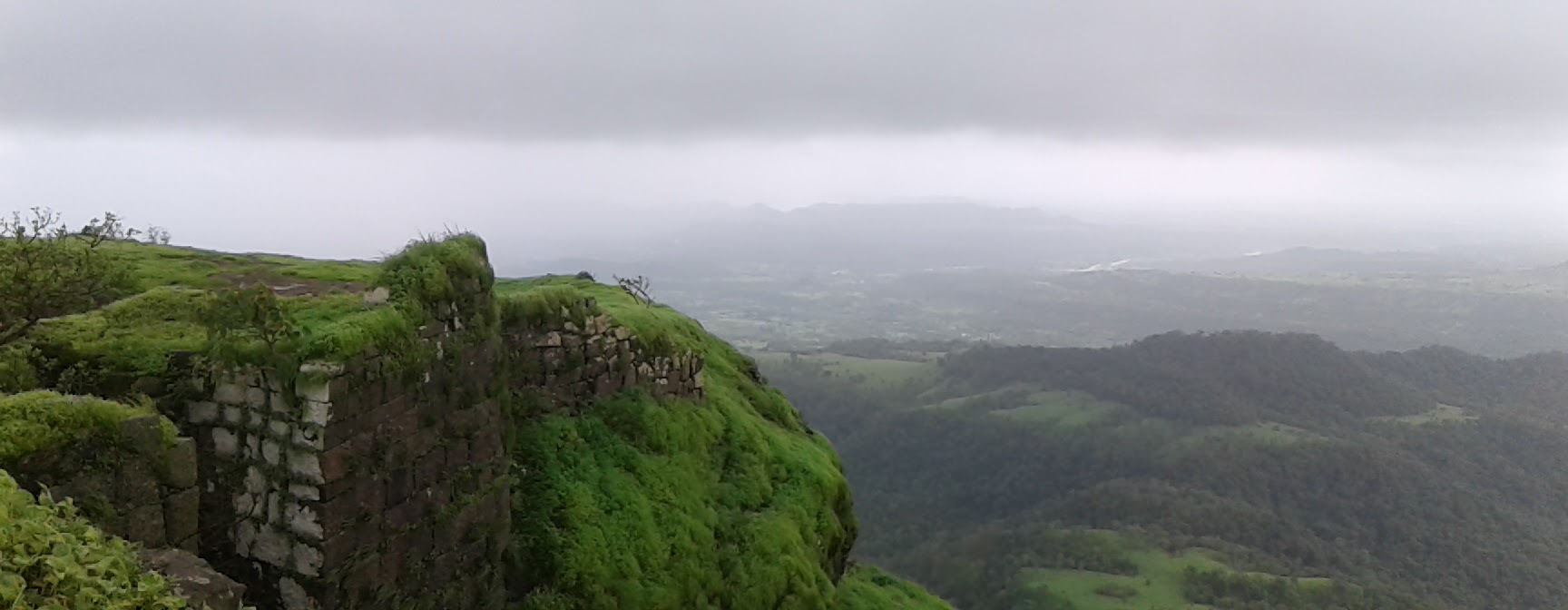
Trekking in the Sahyadri ranges during the monsoon season offers a mesmerizing experience with lush green landscapes, cascading waterfalls, and the fresh aroma of wet earth. The monsoons transform the Sahyadri into a verdant paradise, attracting numerous trekkers and nature lovers.

So, what makes trekking so enjoyable and rejuvenating? Is it so difficult that only a select few can do it? These questions are best answered by experiencing a trek first hand. For those still trying to decide whether to venture into trekking, let me give you a sneak preview.

While trekking, you may find yourself stuck or simply in awe of the untouched beauty around you. This beauty, often missed while traveling by car, embeds itself permanently in your memory. Trekking involves confronting new situations throughout the day, making each little thing a cherished memory for life. Human togetherness becomes simple in the face of this challenging lifestyle for otherwise confused and unprepared minds.

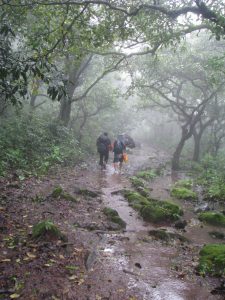
Trekking during the monsoon season comes with its own set of challenges and requires careful planning and preparation. The trails can be slippery due to rain and mud, increasing the risk of slips and falls. Streams and rivers can swell suddenly, making crossings risky. Visibility can also be reduced during heavy rains, which may lead to disorientation.
Essential Skills and Preparation

Contrary to popular belief, trekking is not tough. If you know how to walk, you can trek. However, this doesn’t mean venturing into unknown territories alone. Walking along a trail with a backpack doesn’t require exceptional skills but does require physical fitness, planning, the right clothes, shoes, and above all, common sense.

A first-time trekker should start with easy, effortless trails of about an hour and gradually work up to longer, more difficult treks. The difficulty of any trek depends on the terrain’s hilliness and altitude. Most walking trips tailored for moderately active people cover gentle terrain at low altitudes, with optional shorter routes and breaks along the trails. This applies to treks in Maharashtra or in South India.


Respecting Nature and Safety

Respecting nature and the environment is crucial while trekking. Living in harmony with nature during a trek rewards you with an enriching feeling of rejuvenation.

Here are some tips for safe trekking in the Sahyadris’ during the monsoons:

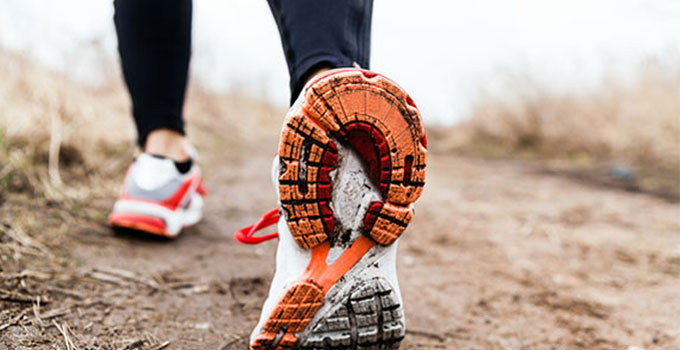
Proper Gear: Equip yourself with good quality, non-slip trekking shoes, a waterproof jacket, and quick-dry clothing. A sturdy walking stick can also provide additional support on slippery trails. Choose a well-fitted backpack with multiple pockets, padded shoulder straps, and large zipper closures. The base should sit on your hips, and the top should be at least one hand-width below the base of your neck.

Essentials in Your Day Pack: At least 2 litres water, Swiss Army knife, Map if you have one, compass, a rain jacket or a poncho is a must.

Stay Informed: Check the weather forecast before setting out and be prepared for quick weather changes. Avoid trekking during a heavy downpour or when thunderstorms are predicted.

Experienced Company: It’s safer to trek with experienced and certified guides who know the area well and can navigate safely through challenging terrain. Avoid going with information posted by groups on social Media.

First Aid Skills: A basic first aid course is beneficial. At the very least, know how to bandage a wound and detect signs of dehydration and heatstroke. However, in the absence of not knowing first aid, ensure your guide is first aid trained.

Emergency Preparedness: Carry a basic first aid kit, a whistle for emergency signals, and keep your mobile phone fully charged for emergencies. Inform someone about your trekking plans and expected return time.

Environmental Awareness: Be mindful of the flora and fauna. The monsoon is a crucial breeding season for many species, and it’s important to tread carefully and respect wildlife habitats.

Trekking in the Sahyadri during the monsoons can be a thrilling and rejuvenating experience if done with caution and respect for nature. With the right preparations and safety measures, you can enjoy the breath taking beauty of the rain-soaked Sahyadri safely.

Happy Trekking!

#BeTheForce
July 10, 2017 By Anusha Subramanian 2 Comments

Do’s and Don’ts of Trail walker

trail-walk

When I was told to be a part of a 100 km trail walk, I agreed. My initial reaction was there is nothing new about long distance walking. I do it all the time and do it in the Himalayan and the Sahyadri hills. But, yet there is a new challenge in doing the 100 km trail walke. Have done it once and I would say it is still a challenge for myself- a challenge to test my own endurance.

Honestly, I will reiterate this point again that there is nothing tough about walking a long distance. Walking 15-20 miles (24-32 km) daily is what human bodies are built for. But, sadly none of us walk that much even in a week in our normal course of routine. So for many when they end up taking up such a challenge of 100 km they get a bit perturbed.

I would say first and foremost think and figure out why are you doing this? Are you doing this for yourself and to build your own endurance? Are you doing it because you are being forced -because you think you will be judged based on doing this challenge? Are you doing this to prove a point to others? Once you have the answer for why you are doing it you will be at ease in deciding your next step. I would say do it for yourself.

While this is an endurance challenge, it is also largely about teamwork and a strategy game. It’s about patience and temperament.

All rookies to the 100 km challenge remember one thing –be mentally prepared and don’t think too much about it. Even when I did it for the first time, I was not sure what to expect but, after two practice session of 25 km each at Garudmachi also known as the Eagles Plateau, I was clear of what to expect.

With exactly 20 days left for the D -Day, here are a couple of dos and don’ts for the trail walker that might help. This is based on a few learning from my own experience and practice sessions.

Dos: Get your footing right during your practice session especially if you are doing treks. Do not injure yourself during the practice. Do enough strength training for neck, shoulders and legs.

Dos: Ideally, it would be good to practice in a mixed terrain (both tar and hillocks) so you are comfortable on the day of the walk.

Dos: Be positive and happy all along the trail. Sing to yourself, laugh and motivate yourself.These ease the pressure on you and your teammates.

Dos: On the day of the trail walk try to rest a bit at checkpoints and then move forward. Target to cover 60% on the first day. Believe me, the remaining 40% will be easy on you.

Dos: learn to walk in the heat no matter how grim, awful and humid you feel.

Dos: Remember to thank your support crew after the event is over. Because they are going to be the ones who are going to be there for you waiting to make you feel comfortable with whatever you might need after long hours of walk. They will motivate you and make sure you do not have to think about anything else and just concentrate on your walk. So thank them.

DON’T talk much on the trail. Conserve energy. But do not be afraid to communicate uneasiness.

DON’T overload the backpack you are carrying with you on the trail. 1 to 2 litres of water is essential and your personal medication if you need anything on the trail. You really don’t need so many eatables and energy bars on you at all times. Let your support crew carry the extras.

DON’T argue with your teammates. Always try and come to a consensus on any issues that may arise. Remember this is a team effort.

DON’T get overexcited early on in the walk. Walk at your pace lest you end up getting tired very soon.

DON’T: Walking with earphones on could prove dangerous.

DON’T: Lastly, do not litter. We are all educated people. However tired you may be and might just want to throw away that bottle down, do not do it. Keep it with you in your bag and dispose it later.

Follow these dos and don’ts and you will be good to go for the 100 km trail walk.

December 26, 2016 By Anusha Subramanian Leave a Comment

“This is not a trail walk… it’s a life’s journey”


Walking a 100 Km is no mean task and we at GOQii have been doing this for the last three years.

Every year the excitement for the 100 KM Oxfam trail walk begins 2 months in advance. This year was no different with several teams from GOQii participating with close to 50% being first timers. First timers to the event included both our players as well as GOQii employees.

This adventure trail walk is no run of the mill trail walk, it comes with a purpose. 140 teams in total came together for a good cause-‘Walk for Equality’ and to physically challenge themselves to walk 100 kms within 48 hours on a route that included tar road, mud path, open fields, stones strewn roads and forest routes. Each team had to raise a minimum of Rs 80K for Oxfam.

Considered as the World’s 3 most difficult trail walks, the Mumbai trail walk is held every year amidst the lap of nature in the Western Ghats of Maharashtra. It starts from a place called Garudmachi in Tamhinighat and ends in Lonavala.

By now many would have realized that walking isn’t that taxing as much as it is to raise funds. Many come up with interesting and innovative ways to raise funds. Few teams in GOQii also came with innovative ways to raise funds such a selling lunch and snacks to their fellow colleagues at office. While some I know did some odd jobs for their friends in lieu for donation to Walk for Equality.

GOQii collectively with all its teams raised approximately Rs 16 lakh for Oxfam. That’s a great achievement for all of us at GOQii. It is not only about fund raising funds but, also all GOQii teams finished well within 48 hours the required time to complete the 100 km trailwalk.


If I have to describe what the trail walk is like, I would say it is a test of your endurance, physical fitness, mental strength, team spirit, leadership skills, crisis management and the power to make the right decisions. It is also a test of one’s own ability and confidence.

Manjot Singh from the business development team at GOQii and who was participating in the 100 km trail walk for the first time this year says, “I feel like a million bucks having completed the 100 km trail walk. I did this purely for myself and to test my own abilities. And, today I feel victorious and above all confident as an individual.”

Similarly, for Maaline D’Souza who is part of GOQii’s customer support team the 100 KM trail walk was a challenge that she took upon herself. She says, “I never thought, I could do it. But, yes with regular practice and the right kind of will power I completed it without much issues”.

She adds, “The 100 km journey cannot be stated as easy. It is a mind game where I truly needed my mind to be constantly pushing me than my body. In short, this was the best achievement of my life. It has made me more confident as a person”.

Clearly, most who I spoke to on the trail on why did they were doing the 100 km trail walk? 2 or 3 motives came out clear. For some veterans on the trail it was to overcome their fear and also a chance to get fit.  For people who were on the heavier side, it was to prove to themselves that they can do it. And, for some others who had already attempted this before once or twice, it was all about improving their timing.  Another observation I made on the trail was that older people pulled the feat much better than the younger individuals. Secondly, Women on the trail were more resilient than men.

For first timers it was a mental battle that they were trying to fight with themselves. For most their bodies are given away but, it was their mental strength that held them through the 100 km pushing them every inch to complete the race.  Some like Parth from the tech team of GOQii it was accountability. Accountability to his friends who had donated for the good cause that he was walking for.

At Check point 7 to 8 when Parth was almost on the verge of giving up due to pain, it’s his friends’ words that rang in his mind and pulled him through and of course the motivation that he got from Vishal Gondal, CEO, GOQii who walked with him a neat 10 km of the total 11.6 km trail. “A lot of my friends donated to the cause because I was walking. How could I let them down? I have to complete,” Parth said while on the trail and continued his journey. Like Vishal always says, “this is not a 100 km trail walk… it’s a life’s journey.”

Check point to 7-8 trail was also a grueling trail in the sun. The trail followed the old bullock cart path that village communities used earlier, up a gradual slope and down across a vast open pasture and scrub land. Some parts of the trail open up to spectacular valley views. And then ultimately getting on to tar road which was hot during the day.

For few other GOQii employees it was a great first time experience where most understood how to work in a team, take collective decisions and above all learn to heave patience.

None of this would have been possible without GOQii’s efficient support team led by Krishna Kumar aka KK who made sure that every participant was comfortable from the time we landed at Garudmachi on Dec 8, 2016.

Dr Ashwin Nanda, from GOQii’s team of doctors says, “It was quite gratifying for me to be of help to all GOQii participants”. It was Dr Nanda’s first trail walk experience. He says his biggest learning was do not ever give up on anyone. Help everyone get through.” For old timers   Sunny Rajani and RutaSatam, being support is always a pleasurable.

But, what had changed this year from last year, Rajani says, “This year we were more organized and prepared for all eventualities if any had to occur.” And honestly, the support crew plays the most important role in this entire 100 km journey.

Altitude Quest, on the trail support crew were a boon in disguise. The AQ team was there to provide massages and taping of the feet when required after a tired trail walk. .

Last but not the least kudos to three of our GOQii teams led by players performed wonderfully. ‘Go Spirited’- the team that comprised of all four women players- Bela Gupta, Anitha Rao, SuranjanaKumaresh and ReenaKansal was not only the fastest woman’s team completing 100 km in 34 hours but also the fastest veteran’s team. The two other GOQii teams that made it to top 10 was AnuragBiesn’sGOQii-Veer tum Badhechalo who completed in 24 hours and GOQii Alpha led by Kamal Karnatak with a completion time of 28 hours.


That’s GOQii #betheforce…..

Route Snapshot:

Over all 100 km within 48 hours that included tar road, mud path, open fields, stones strewn roads and forest routes.


November 22, 2016 By Shimpli Patil 2 Comments

Preparing for a 50 km Trail walk – What you need to remember and do

Marathon walking

Walking is one of the easiest things one can do. We all do it every day. But how does it feel when I say let’s walk 50 km in 18 hours! “Are you kidding me?” That’s exactly how I reacted when I came across the 50 km Trail Challenge. It is indeed a crazy bet!!

I have been into dancing and fitness for years. But, I never wanted to stop at just being fit. There has always been a kind of restlessness within me, an unreasonable desire to try out something new that I would remember for life and proudly tell my grandchildren about. That’s when I decided to push my limits and test my endurance and willpower, and there was ‘No way’ I could say a ‘No’ to this breath-taking Challenge – A 50 km Trail Challenge.

Apart from training, there are 2 most crucial things that we need to pay special heed to.

Nutrition and Hydration

Let’s check out what we need to do before, during and after the trail walk.

  • NUTRITION BEFORE THE TRAIL WALK (3 days prior)-

We need to keep our Glycogen stores ready. Glycogen is nothing but a storage form of Glucose (energy), which disintegrates to release glucose in the bloodstream when body demands energy.

The only way to build up the glycogen stores is to Carbo-load our body 3 days prior to the event (exactly how the marathoners do). Many people consider it as a “golden opportunity”. That’s simply because we have all the liberty to relish the foods which are otherwise considered “fattening”. You might think I am joking, but we need this to blow up our glycogen reserves, which would ensure sustained energy supply during the event.

It’s a complete carb-treat for 3 days! We need to have a mix of complex and simple carbs. We can enjoy Rice, Rotis, Potatoes, Sweet Potatoes, Fruits, Dry Fruits, Breakfast Cereals (Oats, Cornflakes, Wheat flakes, Muesli), whole wheat bread with Peanut Butter, Daliya (broken wheat), Idli, Dosas, Biscuits, Noodles, Whole Wheat Pasta, Spaghetti, Nachos, Tortillas. Go for tomato sauce in pasta/spaghetti/nachos instead of cheese sauce. Foods with cheese is acidic which might just slow down our body.

Acidic body equals to less Oxygen to the cells. Thus, along with carb-loading, we also need to make sure we keep our body alkaline. Oxygen breeds in an alkaline medium, and our cells need maximum Oxygen during this period. Quick ways to ensure alkalinity- Grab a glass of lemon water twice a day or simply sprinkle lemon over your food before you eat or go for a bowl of sliced cucumber during lunch and dinner. Stay off Naans and Tandoori rotis. Most importantly, we need to stay miles away from the road-side food or unhygienic food as we don’t want to fall ill few days before the event or ever.

  • HYDRATION BEFORE THE TRAIL WALK

3 days prior, we need to double our water intake. If you drink 3 litres on a regular basis, you got to drink 6 litres now. This is just to make sure our body cells are well hydrated and well energized.

  • NUTRITION DURING THE TRAIL WALK

Surprisingly, you don’t feel very much hungry during the walk as your primary focus is on walking and completing it. Now that doesn’t mean you should forget to eat. We need the sugar boost, we need the food! Carry dry munchies with you such as dry fruits, nuts, khakras, biscuits, cookies, rice puffs or wheat puffs, roasted chanas, peanuts, fox nuts (makhanas), soya nuts, energy bars, etc. and munch on them at regular intervals not only for energy but to prevent acidity and headache caused due to large meal gaps.

When you halt for breakfast/lunch/dinner, make sure you aren’t loading your body with too much food. It might just make you sluggish and sleepy, making it difficult for you to get going again. Ensure that you effectively follow the ‘Portion Control’ mantra rather than going overboard with eating.

  • HYDRATION DURING THE WALK

Though we don’t feel the hunger, our thirst center is very much active and we need to quench our thirst at regular intervals. It’s important that we don’t GULP down water but patiently SIP it.

Apart from plain water, we also need electrolytes (Sodium-Potassium) to prevent cramps/spasms while walking. Carry a small 250 ml bottle filled with ORS (electoral/ glucon D/ enerzal/ lemon water with salt) and make sure it lasts for the 10 km distance, which means we need not even over consume the electrolytes. Remember, moderation is the key.

NUTRITION AFTER THE TRAIL WALK

Now this feels Wow! It’s time to celebrate! It’s time to rest and recover. Along with carbs, we now need adequate good quality proteins as well.

Look out for a good mix of carb+protein in your meals-

Milkshakes or Fruit Smoothies, Paneer Roll or Paneer toast, Hummus with Pita bread, roasted Chicken or Chicken gravy with bread/rotis, Yogurt sprinkled with crushed nuts/chopped fruits/pumpkin seeds/sunflower seeds, Sprout Chaat with chopped veggies, Egg and Cheese toast, Grilled Fish with Boiled Potatoes and Salad, Bean rice (Rajma-Kidney Beans) with curd.

These are a few ways of ensuring that your muscles are well treated with proteins for recuperation and that your body is fuelled with a good power supply (carbs).

HYDRATION AFTER THE TRAIL WALK-

You can get your water intake back to normal, but make sure it doesn’t go below 3 litres.

12 glasses or 3 litres is what our body needs to stay hydrated even on a regular basis.

So folks, gear up for the Mega event of your life, feel the rush and say it out loud- “BE THE FORCE!”

  • « Previous Page
  • 1
  • 2
  • 3
  • 4
  • 5
  • …
  • 12
  • Next Page »

Search

Recent Posts

  • Best Foods To Alleviate Irritable Bowel Syndrome
  • ALL ABOUT VERTIGO!
  • PCOS and Anxiety: Discover Relief with the 54321 Technique
  • Navigating the Maze of Nutrition: Finding Clarity Amidst Confusion
  • Get children active and keep them healthy

Stay Updated

Archives

  • December 2025 (6)
  • November 2025 (15)
  • October 2025 (20)
  • September 2025 (6)
  • August 2025 (6)
  • July 2025 (12)
  • June 2025 (18)
  • May 2025 (16)
  • April 2025 (23)
  • March 2025 (23)
  • February 2025 (22)
  • January 2025 (26)
  • December 2024 (26)
  • November 2024 (25)
  • October 2024 (22)
  • September 2024 (24)
  • August 2024 (31)
  • July 2024 (21)
  • June 2024 (26)
  • May 2024 (31)
  • April 2024 (27)
  • March 2024 (29)
  • February 2024 (26)
  • January 2024 (25)
  • December 2023 (15)
  • November 2023 (11)
  • October 2023 (20)
  • September 2023 (22)
  • August 2023 (20)
  • July 2023 (22)
  • June 2023 (24)
  • May 2023 (24)
  • April 2023 (24)
  • March 2023 (23)
  • February 2023 (20)
  • January 2023 (16)
  • December 2022 (12)
  • November 2022 (15)
  • October 2022 (15)
  • September 2022 (12)
  • August 2022 (10)
  • July 2022 (17)
  • June 2022 (11)
  • May 2022 (10)
  • April 2022 (6)
  • March 2022 (6)
  • February 2022 (13)
  • January 2022 (12)
  • December 2021 (7)
  • November 2021 (3)
  • October 2021 (6)
  • September 2021 (3)
  • August 2021 (8)
  • July 2021 (7)
  • June 2021 (15)
  • May 2021 (16)
  • April 2021 (10)
  • March 2021 (7)
  • February 2021 (4)
  • January 2021 (4)
  • December 2020 (3)
  • November 2020 (4)
  • October 2020 (10)
  • September 2020 (3)
  • August 2020 (3)
  • July 2020 (2)
  • June 2020 (4)
  • May 2020 (10)
  • April 2020 (12)
  • March 2020 (10)
  • February 2020 (4)
  • January 2020 (4)
  • December 2019 (3)
  • November 2019 (7)
  • October 2019 (5)
  • September 2019 (4)
  • August 2019 (9)
  • July 2019 (9)
  • June 2019 (11)
  • May 2019 (4)
  • April 2019 (9)
  • March 2019 (8)
  • February 2019 (9)
  • January 2019 (8)
  • December 2018 (9)
  • November 2018 (3)
  • October 2018 (3)
  • September 2018 (5)
  • August 2018 (10)
  • July 2018 (6)
  • June 2018 (13)
  • May 2018 (8)
  • April 2018 (18)
  • March 2018 (9)
  • February 2018 (8)
  • January 2018 (15)
  • December 2017 (12)
  • November 2017 (19)
  • October 2017 (13)
  • September 2017 (15)
  • August 2017 (4)
  • July 2017 (8)
  • June 2017 (7)
  • May 2017 (6)
  • April 2017 (8)
  • March 2017 (6)
  • February 2017 (7)
  • January 2017 (9)
  • December 2016 (10)
  • November 2016 (7)
  • October 2016 (7)
  • September 2016 (7)
  • August 2016 (11)
  • July 2016 (9)
  • June 2016 (9)
  • May 2016 (12)
  • April 2016 (17)
  • March 2016 (17)
  • February 2016 (8)
  • January 2016 (6)
  • December 2015 (2)
  • November 2015 (9)
  • October 2015 (7)
  • September 2015 (9)
  • August 2015 (11)
  • July 2015 (9)
  • June 2015 (12)
  • May 2015 (9)
  • April 2015 (13)
  • March 2015 (8)
  • February 2015 (5)
  • January 2015 (12)
  • December 2014 (14)
  • November 2014 (11)
  • October 2014 (6)
  • September 2014 (13)
  • August 2014 (12)
  • July 2014 (6)
  • June 2014 (2)
  • May 2014 (7)
  • April 2014 (5)

From “Laddu Nawin” to Fit and Fierce: How a 25-Year-Old Insurance Advisor Shed 20 Kilos and Gained His Life Back

When 25-year-old Nawin Yadav from Hyderabad walked into his office every morning, he carried more than just his files and policy papers. He had the weight of fatigue, sluggish energy, and an ever-growing belly that was becoming the butt of jokes. “People … [Read More...]

“I’ve Challenged Myself to Live 100 Years” – The Story of Chandubhai Savani’s Second Chance at Life

At 67, most people start slowing down. Not Chandubhai Savani. A resident of Surat, Chandubhai, thought life was on track. “My life was going well till I had my bypass surgery,” he says. That surgery, back in 2021, was a wake-up call.  Medication was routine, but exercise wasn’t. His diet? What he calls ‘normal.’ “I […]

From Shimla’s Slopes to Chandigarh’s Sidewalks: Surinder Kaur Bhalla’s Journey from Chaos to Control

Some journeys start with a plan. Others begin with a stumble literally. Surinder Bhalla, a government professional, born and raised in the scenic hill town of Shimla, had always lived a life of movement. “In Shimla, you walked everywhere,” she reflects. “Walking was never an exercise. It was just life.” But after shifting to Chandigarh, […]

Ananda Mukherjee Health Story

From Terminal Illness To Complete Wellness! Ananda Mukherjee Health Story

As we observe World Cancer Day under the powerful theme ‘United by Unique’ (2025-2027)**, we are reminded that every individual’s journey with cancer is distinct, yet united by shared resilience, hope, and the collective fight against this disease. This theme places people at the centre of care and their stories at the heart of the […]

  • HOME
  • HEALTHY LIVING
  • FITNESS
  • HEALTHY RECIPES
  • USER STORIES
  • KARMA
  • BUY GOQii

Copyright ©2016 GOQii