GOQii

Blog

  • HOME
  • HEALTHY LIVING
  • FITNESS
  • HEALTHY RECIPES
  • USER STORIES
  • KARMA
  • BUY GOQii

Search Results for: tea

December 13, 2015 By Parwage Alam 2 Comments

The Best Post-Run Recovery Foods

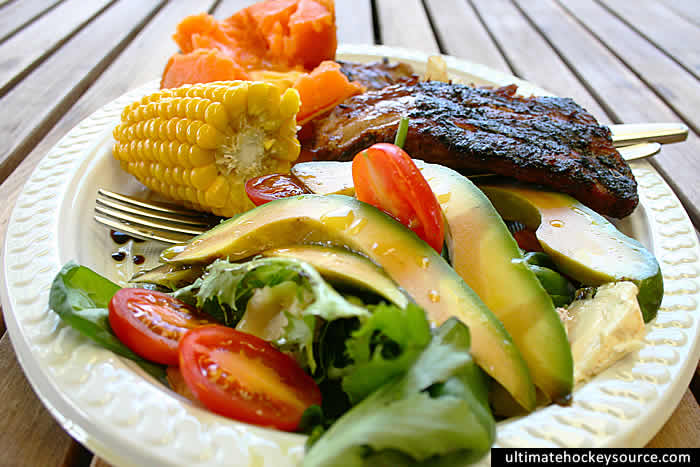
healthy_food_zps7b67d197

All athletes plan their routine, in terms of their exercise, nutrition; practice sessions all of this is done to get the best results from his/her body. While you might get the expected results with your performance but, that certainly does not mean that your body is also getting the expected nutrition. In fact, some of the best athletes and more recently we have come across cases of regular marathon runners fainting or blacking out during the run or after the run. This situation occurs due to nutrition imbalance in body.

To be healthy we have to take care of our meals throughout the day. Similarly, we have to take care of our post run meals as well to recover our body. By eating the right foods at right times your body will recover and be able to perform the way you want it to. So if you are a runner or planning to run you need to be aware of what exactly you should be eating before, during and after your running events. This is important so that you are able to keep your body in optimal condition.

So let’s understand more about this.

  1. Some basics before your run: If you are planning to jog no longer than 40 or 50 minutes at a relaxed pace, a glass of water might be all that’s needed ahead of time—provided you have had a decent dinner the night before. But, if the previous night’s meal wasn’t filling or if you ate it early, downing some orange juice or a banana will replace glycogen stores in your muscles to wave off sluggishness. If you’re heading out in the afternoon, have a snack with about 50 grams of carbs in it—like yogurt and a granola bar—an hour or two before hand
  2. Post run, our body requires lot of different nutrition, so let’s divide into different category – PROTEIN, CARBS, ELECTROLYTES AND ANTIOXIDANTS.
  • Protein: Protein is the best resource to repair your body. It repairs muscle damage, diminishes the effects of cortisol—the so-called “stress” hormone that breaks down muscle—and, when taken with carbohydrates it speeds your body’s ability to replenish its glycogen stores, your all-important energy source for those long runs during marathon season. So post run your Protein ratio should be 1:4 which means 1 gram of protein for every 4 gram of CARBS
  • Carbs: Carbohydrates or carbs as is known commonly are body’s main fuel source, and are stored as glycogen in the muscles and liver, so eating carbs shortly after your workout helps optimize your body’s recovery. And it is during this time that your muscles are most receptive to rebuilding your glycogen reserves.
  • Electrolytes and Antioxidants: Electrolytes are minerals in our blood and other body fluids like Calcium, Chloride, Magnesium, Phosphorous, Potassium, Sodium, etc that carry an electric charge. It also affects the percentage of water in our body, the acidity of our blood (pH), our muscle functionality, and other important processes. While running, we sweat a lot and we lose electrolytes when we sweat. So we really have to replace our sweat by drinking fluids that contain electrolytes.

The techniques we can use

The fastest recovery techniques post training is rehydration, glycogen resynthesis and protein and antioxidant supplementation. These techniques replenish our muscle fuel supplies, hasten the repair of muscle damage and combat free radical formation in our cells.

Having said all of the above now it’s time for me to provide you with some resources for the post recovery foods that can help to replenish your body with the vital nutrients discussed above.

At first you start restoring the fluids in the body after your long run – the quick fixes for this are sports drink, lemon water or some plain water. However, the recovery process does not stop here so we have some specific foods that can help you to restore your body in recovery.

  • Salmon
  • Cherries
  • Kale
  • Oatmeal
  • Greek yogurt
  • Banana
  • Skim Milk
  • Chicken
  • Hummus
  • Green Tea
  • Tomatoes
  • Lean beef
  • Turkey breast
  • Sports/Energy bar
  • Whole-Wheat Pasta
  • Berries
  • Fruit Juice
  • Low-fat cottage cheese
  • Eggs
  • Almonds or other nuts
  • Vegetables

Its recommended to have your post run meal within an hour or so, but incase if it is not possible then you can go for the following options, which will help you to sustain for some time:

  • Have an apple which will give you some energy and raise your glucose level to sustain.
  • Protein bars, Protein shake with the combination of milk or water, whatever is convenient for you.
  • Banana is really good option to get quick energy.
  • Have Bread with some peanut butter.
  • My Favorite – Chocolate Milkshake.
  • Hummus and carrots
  • Some Greek yogurt.

As we love running and it’s a part of our lifestyle, routine and our health journey, so we really need to take care of the hard impact of it on our body. To continue our journey with running and healthy lifestyle we need to give appropriate rest and relaxation after every run and make sure that our body recovers completely after a every rigorous workout/running.



November 30, 2015 By Hetal Chheda 2 Comments

Lactose Intolerance among children and food substitutes that help

mothers-giving-infants-solid-food-too-early-130325

Lactose Intolerance is a bigger problem than the letters in the word itself. Now this is a condition in which the body has a hard time digesting milk sugar (lactose), a natural sugar found in milk and dairy products.

There is an enzyme called lactase which is produced in the small intestine. This breaks down the sugar lactose present in milk and other dairy products. Kids who are lactose intolerant have less or no production of this enzyme LACTASE.

How will a little baby or a toddler explain that, ‘Mom, I can’t digest your breast feed or the top milk that you are feeding me’. Along with the child it is too much of a challenge firstly for the mother that her child cannot digest milk. Milk is usually the food for first 6 months in any child’s life.

WHAT ARE THE SYMPTOMS

  1. Unexplained crying,
  2. Abdominal/Lower belly pain
  3. Loose or foamy stools/diarrhea
  4. Gurgling sound in the tummy
  5. nausea,
  6. bloating,
  7. flatulence

STEPS TO BE TAKEN

  1. ELIMINATE

Parents should systematically eliminate milk and other dairy products from their child’s diet. Avoidance is the best treatment.

  1. REINTRODUCE

The dairy products like yogurt and cheese can be reintroduced overtime. The symptoms post introduction should be noticed. If there is no problem other milk products and diluted milk can be introduced. If there are negative symptoms then stop immediately.

  1. UNDERSTAND

Some kids can tolerate small amounts of milk products or certain types of milk products without problems while others cannot tolerate even little.

HOW TO MEET THE CALCIUM REQUIREMENTS

A big challenge for people whose kids are lactose-intolerant is learning how to eat to avoid discomfort and to get enough calcium for healthy bones.

Although it is definitely possible for children to get the calcium they need for strong bones without dairy.

Broccoli, brussels sprouts, dried figs, and sardines are among the most calcium-rich non-dairy foods, Other foods that contain good amount of calcium are Tofu, sesame seeds, ragi, almonds, Moong, kidney beans, urad dal, Chana, Amaranth and curry leaves.

Try and add one of these food items in every meal.

LITERAL MILK SUBSTITUTES FOR OVER 6 MONTH OLDS

  • YOGURT

If a child is lactose intolerant, there are chances that he/she is partially intolerant and in some cases may be able to digest yogurt. This is because yogurt has active bacterial cultures and also has less lactose as compared to milk. Yogurt may cause less bloating because much of the lactose has already been broken down by its ‘good’ bacteria.

  • SOY MILK

The immediate option for a child with lactose intolerance is soy milk. Some kids may reject it initially due to its taste but eventually get used to it. Do not opt for the flavoured versions instead go for natural.

However, if your child has a milk allergy which is different from lactose intolerance he or she may also be allergic to soy milk. Avoid using soy milk as a substitute for anyone with a milk allergy.

  • OTHER KINDS OF MILK

Goat, sheep, cow and Buffalo milk doesn’t help a child’s symptom because all milk from mammals contains lactose. However, for kids who don’t enjoy drinking soy milk there are some more options. Almond milk, which is loaded with magnesium and vitamin E. Rice milk, has almost no saturated fat and plenty of vitamin B12. Coconut milk, tastes creamy like cow’s milk. Other vegetable milks include oat and cashew. The only drawback is that these milks don’t work well with cooking.

·         CHEESE

Fermented cheeses have less lactose than other dairy products so a child may be able to tolerate them. It is a very good source of calcium and protein as well.  Examples of hard or aged cheeses that are low in lactose are Swiss, Parmesan, and blue cheese. Now days, it is easy to find these cheese in metro cities.

INFANTS

For infants with lactose intolerance, formulas that contain no lactose can be used. Similac is an example of a milk-based formula that contains corn-syrup solids rather than lactose as its carbohydrate calorie source. Many soy-protein formulas also do not contain lactose and are suitable for lactose intolerant infants.

HIDDEN LACTOSE FOODS-WATCHOUT

If the child craves for ice cream parents generally substitute with sherbet. Ready-made sherbet does contain some dairy, but it’s a low-lactose food, Sherbet is a good example of a hidden source of lactose because you probably don’t think of it as a dairy product.

Other hidden sources of lactose include ready to eat soups, salad dressings, and processed breakfast foods. There is always a way out. A child can grow very normally without having milk in his/her diet. A mother will just have to substitute by providing foods rich in proteins and calcium that can completely substitute milk.

November 30, 2015 By Anuja Mohile Leave a Comment

Shake off the salt habit!

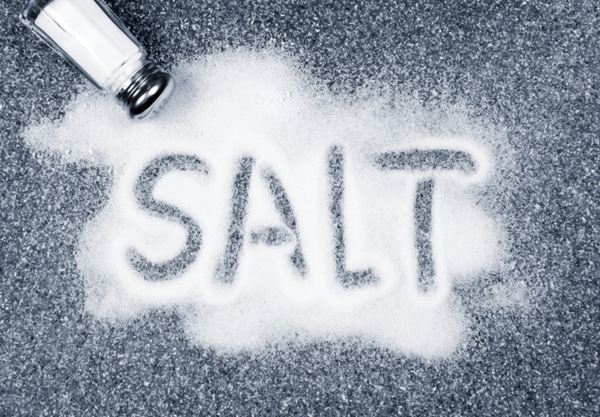
ImageGen

My food won’t taste good at all if I don’t add salt to it. Salt has become a habit to such an extent that we not only use it while cooking but add extra from the top too. We need salt for enhancing our fruits’ tastes too. Surprising isn’t it??

Salt namely Sodium chloride contains 40% of sodium in it. We add this salt to most of our foods/recipes and thus it is considered to be the major source of sodium to our body. Also the sodium we are talking about is not completely bad the way it’s being projected. Sodium also performs some important functions in our body like regulating the nerves and muscles, controlling the blood pressure and thus the sodium concentrations need to be carefully controlled by the body. Most of us consume far more sodium than what our body would actually need. This excess sodium causes the body to retain too much water in the blood vessels which causes a rise in the blood pressure thereby increasing the risk of heart disease, kidney disease and even stroke.

Our daily limit of sodium consumption per day is given as 2300 mg which is actually completed by 1 teaspoon of our table salt itself. Surprised?

Now give a thought to how much salt and thereby sodium are we consuming!!

So are you thinking that you don’t really consume that much of salt specially because you don’t sprinkle salt from top or not even add much to your daily food?

Research in fact shows that 75% of salt or more precisely sodium comes from the processed and preserved foods that we consume on a daily basis which we might not even consider to be really overly salty.

One vegetable wrap with loads of cheese, tomato sauce and mayonnaise in it can give you sodium for next 7 days. Thus, this is the extra sodium you consume in addition to any extra salt to your food at home.

Solution for this is not of course cutting all sodium/salt out of your diet but let’s try to strike a chord somewhere in the middle.

Here is a salt check and a few tips to help us to cut down our salt intake and thereby our sodium intake too.

  1. Cut down your all obviously salty foods like salted nuts, fried moong dal, farsan, chips, powders, cheese, pickles, sauces, dry fruits, dry fish etc.
  2. Look out for the hidden sources of sodium and salt. Baked items, breads, whole bread too, biscuits, breakfast cereals even if they are sweet, stir in masalas, table sauces, soup powders, tinned fruits, vegetables, canned juices, frozen patties, parathas, nuggets, sausages contain loads of sodium and should be restricted as much possible. It is not always sodium chloride but it can be other salts of sodium like citrate, sorbitrate, glutamate, benzoate, carbonate, bicarbonate etc. MSG or monosodium glutamate present in soya sauce, schezwan and chilli sauce – the main sauces in our Chinese version foods is again extremely salty a very high source of sodium.
  3. Try to google for the preservatives- the E- series- you will be surprised to see that almost many salts of sodium are used for your favorite foods.
  4. Buy fresh foods like vegetables, fruits, cereals, pulses and not their remix version.Try to obtain the goodness of cereal from the wholegrain s instead of breads and pastries. Natural foods contain far less sodium than the preserved ones. Start eating the fresh homemade food. Use healthy cooking methods.
  5. Instead of salt, use herbs, spices to season your cooking. Lime juice, tamarind, kokam, vinegar, garlic, black pepper, and cinnamon help to add the flavor. Try making different marinade and spicy rubs to add flavor to your foods instead of plain salt.
  6. Taste your food before adding the entire quantity of salt you plan to add.
  7. Take the salt off your dining table. If you have to always go and get your salt you tend not to bother to get it. You can cut down your salt by adding less to your food slowly day by day. Research suggests that if salt is decreased very slowly it is not even realized.

So finally next time if you forget to add salt in your vegetable, stop yourself from adding extra salt and instead try eating the vegetable just without salt. Initially you may find it difficult. But soon you may realize that what tastes now is the original taste of the vegetable and the spices or herbs that you have added to it. It might prove to be a pleasant surprise to your taste buds too. This effort needs to be taken from our side as we all are aware that excess salt consumption can act as a silent killer in the body.


November 25, 2015 By Jyoti Sawant 16 Comments

Home remedies to remove dark circles under your eyes

how-to-remove-dark-circles

Are you a workaholic, stressed out at work or due to other reasons and seldom sleep well at night? Then you must have also noticed dark patches under your eyes at times and wondered what are those dark patches and how can you get rid of them?

Dark circles occur when the skin under the eyes becomes discolored or dark. They are mainly caused due to insufficient sleep, genetics, stress and also aging. Dark circles can appear to both men and women, regardless of their age.

Although dark circles are not a serious problem, people find that it comes in the way of their looks. Of course the market has an abundance of expensive cosmetic products that promises to alleviate the problem but, the chemicals they contain can affect the delicate skin underneath your eyes in a negative way. In order to avoid these harsh chemical based cosmetics to cure the dark circles why don’t you try some simple and easy home remedies to get rid of those dark circles.

The causes of dark circles are:

* Lack of sleep

* Mental or physical stress

* Crying for long period of time

* Too much work on the computer

* Certain medications

Home Remedies for Dark Circles:

  • Tomato

Is a brilliant home remedy that can erase the dark circles under your eyes as it naturally helps in lightening the skin. Mix 1 teaspoon of tomato juice with a teaspoon of lemon juice and apply it under your eyes.  After applying it, leave it on for about 10 minutes and wash it off with water. Repeat this remedy at least 2 times a day. You can also drink tomato juice mixed with some lemon juice and mint leaves in order to

D get rid of dark circles.

  • Cucumber

Is another home remedy that will not only help in removing the dark circles, but also acts as a soothing agent for the eyes. Cut 2 slices of a fresh cucumber and keep them in the refrigerator for a while. Then place the cucumber slices over your eyes for about 10-15 minutes. You can also mix cucumber juice and lemon juice and apply it under your eyes. It is a natural remedy that will help you get rid of dark circles.

  • Rose Water

Soak cotton pads in rose water and put them over your eyes and leave them there for some time. You can also use rose petals and milk to make a paste and apply it over the dark circles. Rose water is one of the best home remedies for quick removal of dark circles under the eyes as it lightens the skin and also acts as a natural soothing agent.

  • Potato:

Grate a raw potato, strain it and extract its juice. Soak a cotton ball in the juice and place it on your eyelids. Apply it properly so that it covers the dark area under your eyes. Leave it for about 15 minutes, and then wash it off with water. Potato is a natural bleaching agent, which makes it one of the best home remedies for reducing dark circles under the eye.

  • Mint leaves:

A paste made of Mint leaves and tomato juice is another good cure for dark circles. Apply this paste on the area under the eyes. This remedy will eliminate the dark patches of skin.

  • Orange

Who ever thought that orange juice can also do wonders to remove dark circles but it   indeed does? Mix some orange juice with a few drops of glycerin and apply the mixture over the dark circles. It will diminish the dark circles and will also give a natural glow to the area around your eyes.

  • Turmeric Paste

Make a paste using pineapple juice and turmeric powder. Apply the paste on a regular basis to get rid of the dark circles fast.

  • Practice Yoga or Meditate

While, yoga and meditation can bring down the dark circles in your face, it also helps in rejuvenating our body and also brings a natural glow on your face while, at the same time, removing the dark circles under your eyes.

So instead of spending loads of money on expensive cosmetics to get rid of your dark circles try these easy home remedies and be rest assured that you will be back to looking beautiful in few days.

  • « Previous Page
  • 1
  • …
  • 179
  • 180
  • 181
  • 182
  • 183
  • …
  • 197
  • Next Page »

Search

Recent Posts

  • India Leads in Longevity: GOQii Sanjeevini Named Top 40 in $101M XPRIZE
  • The Importance Of Knowing If You’re Thirsty Or Hungry
  • Best Foods To Alleviate Irritable Bowel Syndrome
  • ALL ABOUT VERTIGO!
  • PCOS and Anxiety: Discover Relief with the 54321 Technique

Stay Updated

Archives

  • December 2025 (8)
  • November 2025 (15)
  • October 2025 (20)
  • September 2025 (6)
  • August 2025 (6)
  • July 2025 (12)
  • June 2025 (18)
  • May 2025 (16)
  • April 2025 (23)
  • March 2025 (23)
  • February 2025 (22)
  • January 2025 (26)
  • December 2024 (26)
  • November 2024 (25)
  • October 2024 (22)
  • September 2024 (24)
  • August 2024 (31)
  • July 2024 (21)
  • June 2024 (26)
  • May 2024 (31)
  • April 2024 (27)
  • March 2024 (29)
  • February 2024 (26)
  • January 2024 (25)
  • December 2023 (15)
  • November 2023 (11)
  • October 2023 (20)
  • September 2023 (22)
  • August 2023 (20)
  • July 2023 (22)
  • June 2023 (24)
  • May 2023 (24)
  • April 2023 (24)
  • March 2023 (23)
  • February 2023 (20)
  • January 2023 (16)
  • December 2022 (12)
  • November 2022 (15)
  • October 2022 (15)
  • September 2022 (12)
  • August 2022 (10)
  • July 2022 (17)
  • June 2022 (11)
  • May 2022 (10)
  • April 2022 (6)
  • March 2022 (6)
  • February 2022 (13)
  • January 2022 (12)
  • December 2021 (7)
  • November 2021 (3)
  • October 2021 (6)
  • September 2021 (3)
  • August 2021 (8)
  • July 2021 (7)
  • June 2021 (15)
  • May 2021 (16)
  • April 2021 (10)
  • March 2021 (7)
  • February 2021 (4)
  • January 2021 (4)
  • December 2020 (3)
  • November 2020 (4)
  • October 2020 (10)
  • September 2020 (3)
  • August 2020 (3)
  • July 2020 (2)
  • June 2020 (4)
  • May 2020 (10)
  • April 2020 (12)
  • March 2020 (10)
  • February 2020 (4)
  • January 2020 (4)
  • December 2019 (3)
  • November 2019 (7)
  • October 2019 (5)
  • September 2019 (4)
  • August 2019 (9)
  • July 2019 (9)
  • June 2019 (11)
  • May 2019 (4)
  • April 2019 (9)
  • March 2019 (8)
  • February 2019 (9)
  • January 2019 (8)
  • December 2018 (9)
  • November 2018 (3)
  • October 2018 (3)
  • September 2018 (5)
  • August 2018 (10)
  • July 2018 (6)
  • June 2018 (13)
  • May 2018 (8)
  • April 2018 (18)
  • March 2018 (9)
  • February 2018 (8)
  • January 2018 (15)
  • December 2017 (12)
  • November 2017 (19)
  • October 2017 (13)
  • September 2017 (15)
  • August 2017 (4)
  • July 2017 (8)
  • June 2017 (7)
  • May 2017 (6)
  • April 2017 (8)
  • March 2017 (6)
  • February 2017 (7)
  • January 2017 (9)
  • December 2016 (10)
  • November 2016 (7)
  • October 2016 (7)
  • September 2016 (7)
  • August 2016 (11)
  • July 2016 (9)
  • June 2016 (9)
  • May 2016 (12)
  • April 2016 (17)
  • March 2016 (17)
  • February 2016 (8)
  • January 2016 (6)
  • December 2015 (2)
  • November 2015 (9)
  • October 2015 (7)
  • September 2015 (9)
  • August 2015 (11)
  • July 2015 (9)
  • June 2015 (12)
  • May 2015 (9)
  • April 2015 (13)
  • March 2015 (8)
  • February 2015 (5)
  • January 2015 (12)
  • December 2014 (14)
  • November 2014 (11)
  • October 2014 (6)
  • September 2014 (13)
  • August 2014 (12)
  • July 2014 (6)
  • June 2014 (2)
  • May 2014 (7)
  • April 2014 (5)

From “Laddu Nawin” to Fit and Fierce: How a 25-Year-Old Insurance Advisor Shed 20 Kilos and Gained His Life Back

When 25-year-old Nawin Yadav from Hyderabad walked into his office every morning, he carried more than just his files and policy papers. He had the weight of fatigue, sluggish energy, and an ever-growing belly that was becoming the butt of jokes. “People … [Read More...]

“I’ve Challenged Myself to Live 100 Years” – The Story of Chandubhai Savani’s Second Chance at Life

At 67, most people start slowing down. Not Chandubhai Savani. A resident of Surat, Chandubhai, thought life was on track. “My life was going well till I had my bypass surgery,” he says. That surgery, back in 2021, was a wake-up call.  Medication was routine, but exercise wasn’t. His diet? What he calls ‘normal.’ “I […]

From Shimla’s Slopes to Chandigarh’s Sidewalks: Surinder Kaur Bhalla’s Journey from Chaos to Control

Some journeys start with a plan. Others begin with a stumble literally. Surinder Bhalla, a government professional, born and raised in the scenic hill town of Shimla, had always lived a life of movement. “In Shimla, you walked everywhere,” she reflects. “Walking was never an exercise. It was just life.” But after shifting to Chandigarh, […]

Ananda Mukherjee Health Story

From Terminal Illness To Complete Wellness! Ananda Mukherjee Health Story

As we observe World Cancer Day under the powerful theme ‘United by Unique’ (2025-2027)**, we are reminded that every individual’s journey with cancer is distinct, yet united by shared resilience, hope, and the collective fight against this disease. This theme places people at the centre of care and their stories at the heart of the […]

  • HOME
  • HEALTHY LIVING
  • FITNESS
  • HEALTHY RECIPES
  • USER STORIES
  • KARMA
  • BUY GOQii

Copyright ©2016 GOQii