GOQii

Blog

  • HOME
  • HEALTHY LIVING
  • FITNESS
  • HEALTHY RECIPES
  • USER STORIES
  • KARMA
  • BUY GOQii

Search Results for: soup

January 13, 2019 By Arooshi Garg 6 Comments

7 Super foods you must try this year- Don’t miss out!

jusmoothie-1

Since recent years the “Super Food” market has definitely been on the rise. But, what is a “superfood” anyway?

A “Superfood” refers to any food which is nutrient packed and dense. In other words, they have a rich supply of micronutrients like vitamins, minerals, and antioxidants.

Such foods used to be the type only woo-woo health nuts would gravitate toward. But, more recently, they have expanded to appeal to folks in a variety of cohorts. For example, as recently as two years ago, quinoa, flax seeds, and kale were considered exotic and difficult to find in supermarkets. Now, however, these super foods have become staples in the ‘healthy diet’ of many. From herbs and spices to fruits, vegetables, and grains, each year brings about a whole new variety of nutrient-rich, vitamin-packed foods that we can add to our daily meals.

So how about we give you some examples of these power-packed, cutting edge foods filled with good-for-you vitamins, minerals, and disease-fighting phytochemicals?

Here are 7 of the healthiest foods that you should be eating this year:

 i) JU-SMOOTHIES
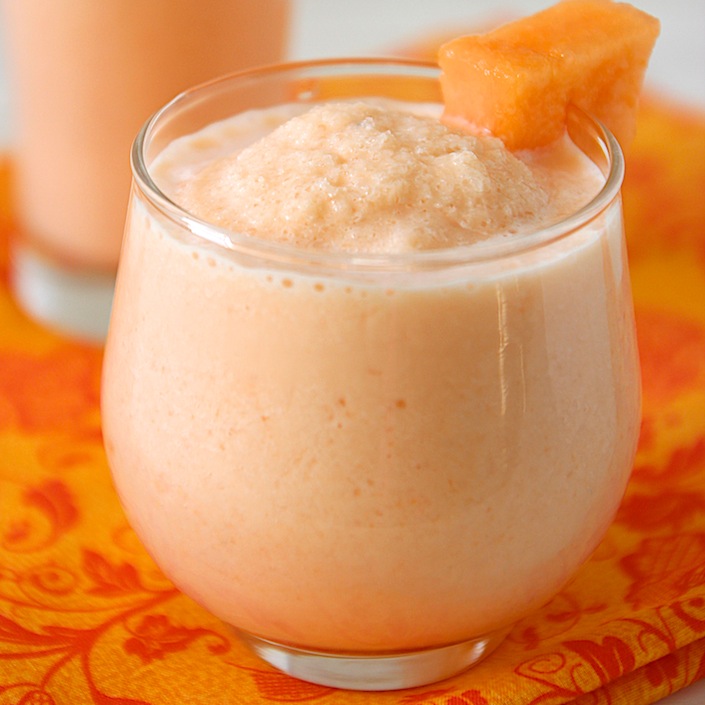
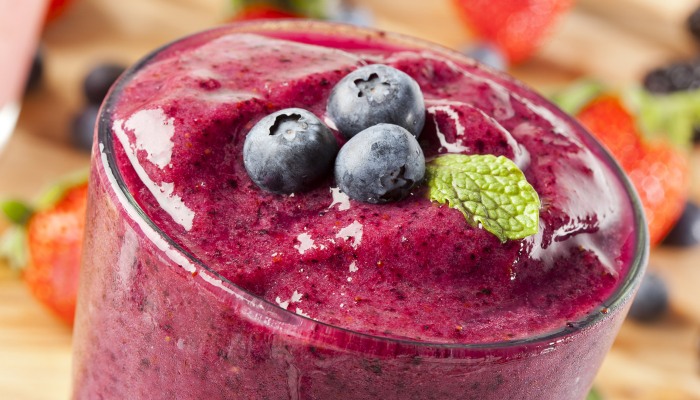
The newest word in the food dictionaries, everywhere… this trend is the latest to catch in the eye of health enthusiasts. What do you get when you cross a fresh juice with a smoothie? A Ju-Smoothie of course. A JU-smoothie is a fiber-filled liquid concoction with extra nutritional benefits than just a fruit-vegetable juice.

The JuSmoothie means you make your fresh juice and then blend it with bulky fruits or other ingredients that aren’t juicer friendly.

Vegetable and fruit juices absorb quickly which means they can leave you hungry a couple of hours later. But blend a super nutritious juice with a banana, melon or a sapota ( Chikoo) and some crushed flaxseeds or nuts and you’ve a more solid and substantial concoction that is absorbed slower and will keep you going longer with good satiety.

 ii) MATCHA (the newest green tea)
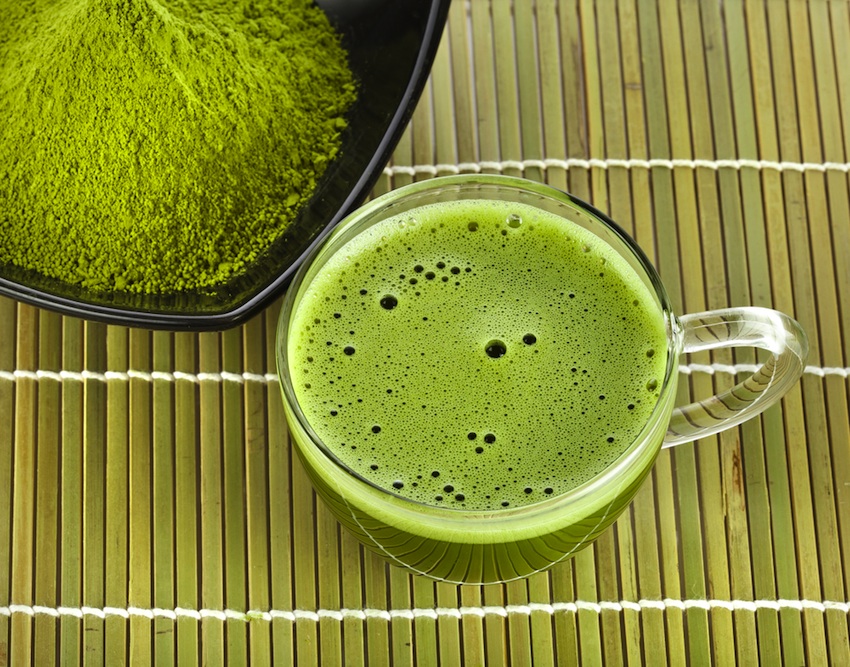
matcha

Green tea has become a staple in diets for some years now. The new entry, “Matcha” is derived from the Japanese sencha leaf and then stone ground into a bright-green fine powder. Matcha literally means powdered tea, and it’s incredibly good for health. The concentration of epigallocatechin gallate (EGCG) in Matcha is found to be 137 times greater than the amount found in most store-bought green tea. EGCG is known to boost lipolysis (the breakdown of fat) and block adipogenesis (the formation of fat cells), particularly in the belly. It can be made in the traditional way or be added to lattes, iced drinks, milkshakes, and smoothies. A single serving has around 4 grams of protein!!!

iii) Nut-Based Vegan Cheese
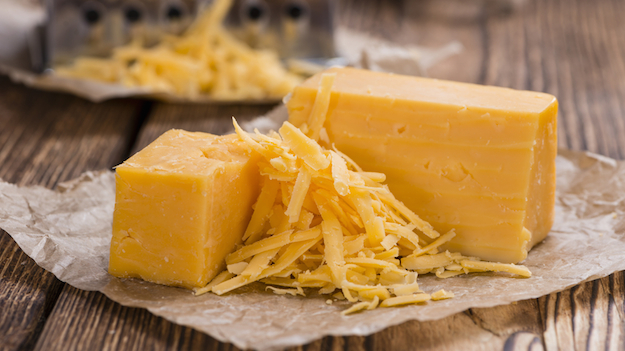
Nut-Based Vegan Cheese

A lot of vegan cheese varieties are emerging. Everyone’s favorite staple – cheese – gets a healthy makeover with nut milk. Nut-based cheeses are made from (alternative mil such as)almond, cashew, and macadamia but, prepared in traditional cheese-making style. That’s good news for vegans and cheese lovers!

Vegan cheese can have several benefits. It boasts to be rich in vitamin E and B12 and the content depends on the milk used and preparation method used.

iv) Beet Greens
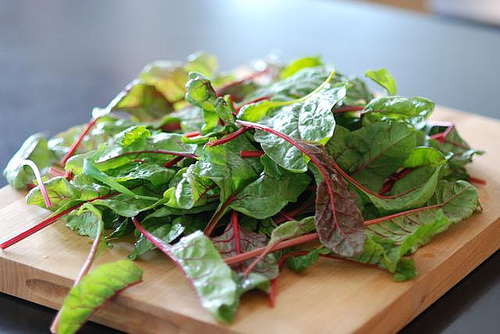
Beet Greens

Vitamin A-rich beet greens look similar to chard and even people who don’t like the sweet starchy flavor of beets, love beet greens. So next time you get beets with the greens still attached, don’t toss away that superfood in a bin. Rather, toss it in a mixed salad with carrots, radishes, tomatoes, and cucumbers!

Beet greens can be used in smoothies and soups. You can also replace them into a recipe that calls for spinach, kale, or lettuce. You can even or sauté them for an easy side dish that cooks in just a couple of minutes.

v) Teff : Teff is gaining popularity worldwide. Teff is an ancient and intriguing grain, tiny in size yetpacked with nutrition. It is simple to prepare and similar to millet or quinoa if you cook it. It is a fine grain—about the size of a poppy seed—that comes in a variety of colors, from white and red to dark brown. This tiny grain that has been a staple of traditional Ethiopian cooking for thousands of years
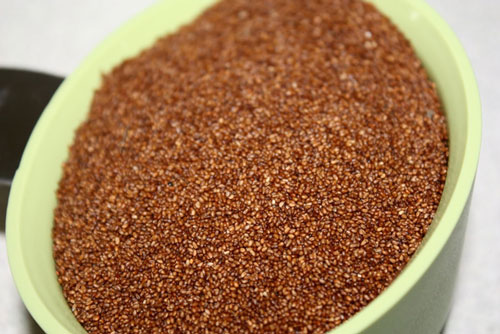
teff-grains

First cultivated in Ethiopia, Teff is high in calcium, iron, fiber, and protein with a mild, sweet, and nutty taste. It’s also naturally gluten-free.

Teff works well in a main or side dish, in baked goods, sourdough flatbread, or as a substitute for cornmeal in some recipes.

vi) Rooibos Tea
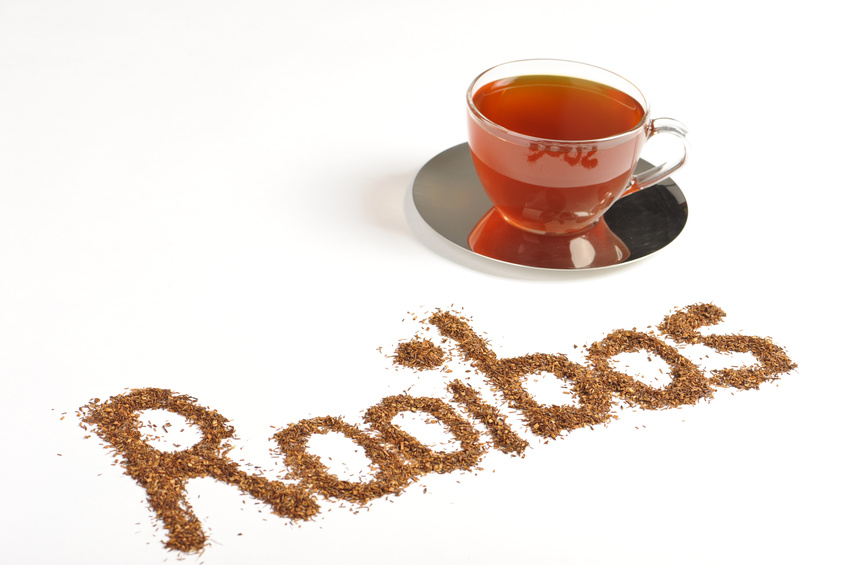
Rooibos Tea

Green tea isn’t the only super-healthy tea out there. Along with Matcha tea, Rooibos tea, too, has been showing up on supermarket shelves.

Rooibos tea is a red-colored herbal is a tea made from the leaves of the rooibos bush. Native to South Africa, it has shown to be beneficial for lowering LDL and improving HDL. Health benefits of red rooibos tea include its use as a cure for headaches, insomnia, asthma, eczema, bone weakness, hypertension, allergies, and premature aging.

The tea is absolutely free from caffeine content and is also low in tannins. Rooibos tea is said to contain rare nutrients like Quercetin and Bioflavonoids that assist in good blood circulation and obstructs hemorrhaging.

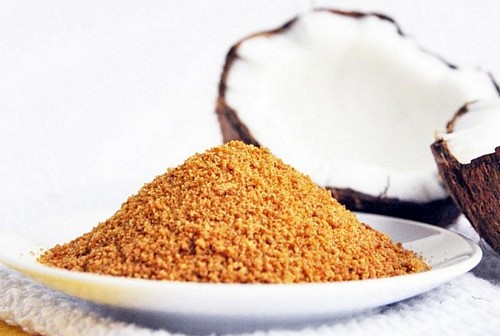
vii) Coconut sugar:  Coconut is one food that has emerged as a superfood lately. From organic coconut oil to organic coconut water and coconut flour, all have shown potential high nutritional qualities. Foodies are moving on to a different palm product-coconut sugar, also known as palm sugar. It has been used as a sweetener for thousands of years in Southeast Asia where coconuts are abundant, and it’s gaining popularity all over the world now as a “healthier” sugar alternative.
coconut-sugar

Unlike pure table sugar, only 78 percent of coconut sugar is actually sugar; the remaining 22 percent comes from nutrients like zinc, iron and fiber—more specifically, inulin, a type of insoluble fiber that acts as a prebiotic to feed the healthy bacteria in your gut and slows down the digestion and absorption of sugar into the blood. But be cautious in the usage, while coconut sugar is marketed as a “low GI sweetener,” it is still sugar: caloric and potentially fattening. So approach this health trend with caution. Consider coconut sugar the new honey—an ever-so-slightly better alternative to refined sugar!

So whether you’re a health nut looking to try the latest and greatest or just a foodie looking for new ingredients to add to your beloved recipes…get all or at least some of these Super Foods on your plate this year!
July 9, 2018 By Jyoti Sawant 7 Comments

Confused about eating healthy? Follow these 13 Strategies to eat healthy

eat-healthy

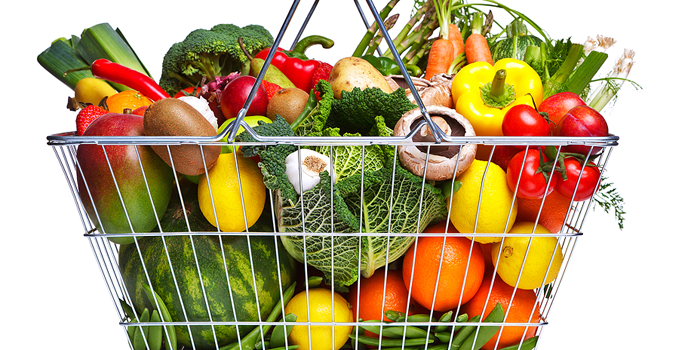
Healthy eating is not about strict dietary limitations, staying unrealistically thin, or depriving yourself of the foods you love. Rather, it’s about feeling great, having more energy, and stabilizing your mood. There are loads of information and dietary advice floating out there where if an expert tells you that certain food is good for you, you’ll find another one saying exactly the opposite thus confusing you totally. But, let me give you some simple tips by which you can cut through the confusion and learn how to create a tasty, varied, and healthy food habit at work.

A healthy diet is good but, a key foundation for any healthy diet is moderation. What is moderation? In essence, it means eating only as much food as your body needs. You should feel satisfied at the end of a meal and not stuffed. Moderation is also about a balance of carbohydrates, protein, fat, fibre, vitamins, and minerals to sustain a healthy body.

  1. Simplify: Measure portion size and do not be concerned about counting calories. Think of your healthy meal in terms of colour, variety, and freshness. This way it should be easier to make a healthy choice. Focus on finding foods you love and easy recipes that incorporate a few fresh ingredients. Gradually, your food will become healthier and more delicious.
  2.  Start slow and make changes to your eating habits over time. Trying to make your food healthy overnight isn’t realistic or smart. Changing everything at once usually leads to cheating or giving up on your new eating plan. Make small steps, like adding a salad (full of different colour vegetables) to your daily routine once a day or switching from peanut butter to olive oil when cooking. As this small change becomes a habit, you can continue to add more healthy choices to your lifestyle.
  3. Every change you make matters. You don’t have to be perfect and you don’t have to completely eliminate the foods you enjoy in order to have a healthy diet. Your long-term goal should be to feel good, have more energy, and reduce the risk of lifestyle diseases. Don’t let your missteps derail you—every healthy food choice you make counts.
  4. Think Smaller Portions. Serving sizes have ballooned recently, particularly in restaurants. When dining out, choose a starter instead of an entire plate, split a dish with a friend, and don’t order supersized anything. At home, use smaller plates, think about serving sizes in realistic terms, and start small. In case you are not satisfied at the end of the meal try adding more leafy green vegetables or rounding off the meal with some fresh salad. Visual cues can help with portion sizes–your serving of Egg, fish, or chicken should be the size of a deck of cards and half a cup of mashed potato, rice, or pasta is about the size of the small bowl.
  5. Take time to chew your food and enjoy mealtimes. Chew your food slowly, savouring every bite. We tend to rush through our meals thereby forgetting to actually taste the flavours and feel the texture of our food. Reconnect with the joy of eating.
  6. Listen to your body. Ask yourself if you are really hungry, or have a glass of water to see if you are thirsty or hungry. During a meal, stop eating before you feel full. It actually takes a few minutes for your brain to tell your body that it has had enough food, so eat slowly.
  7. Eat breakfast, and eat smaller meals throughout the day. A healthy breakfast can jumpstart your metabolism, and eating small, healthy meals throughout the day (rather than the standard three large meals) keeps your energy up and your metabolism going.
  8. Avoid eating at night. Try to eat dinner earlier in the day and then fast for 10-12 hours until breakfast the next morning. These simple dietary adjustments such as eating only when you’re most active and giving your digestive system a long break each day will only help to regulate your weight. After-dinner snacks tend to be high in fat and calories, but some healthy options like mixed vegetable soup, salad, and buttermilk is good.
  9.  Most of us consume too much salt in our diets. Eating too much salt can cause high blood pressure and lead to other health problems. Try to limit sodium intake to 1,500 to 2,300 mg per day which is equivalent to one teaspoon of salt.
  10.  Avoid processed or pre-packaged foods. Processed foods like canned soups or frozen dinners contain hidden sodium that quickly surpasses the recommended limit.
  11.  Be careful when eating out. Most restaurant and fast food meals are loaded with sodium. Some offer lower-sodium choices or you can ask for your meal to be made without salt. Most gravy and sauces are loaded with salt, so ask for it to be served on the side. Opt for fresh or frozen vegetables instead of canned vegetables. Cut back on salty snacks such as potato chips, and nuts. Check labels and choose low-salt or reduced-sodium products, including breakfast cereals.
  12. Slowly reduce the salt in your diet to give your taste buds some time to adjust.
  13. Go high on Fibre – In general, the more natural and unprocessed the food, the higher it is in fibre. Good sources of fibre include whole grains, wheat cereals, barley, oatmeal, beans, nuts, vegetables such as carrots, celery, and tomatoes, and fruits such as apples, berries, citrus fruits, and pears—all the more reason to add more fruit and vegetables to your diet. There is no fibre in meat, dairy, or sugar. Refined or “white” foods, such as white bread, white rice, and pastries, have had all or most of their fibre removed. An easy way to add more fibre to your diet is to start your day with a whole grain cereal, such as Fibre-One or All-Bran, or by adding unprocessed wheat bran to your favourite cereal.

May 22, 2018 By Parwage Alam 4 Comments

Eating healthy during Ramadan fasting

Eating healthy during Ramadan fasting
Who says you cannot be healthy if you’re fasting for an entire month?

You can eat healthily and feel good during an entire month of fasting provided you follow the right methods. The Holy month of Ramadan has begun this week and I have been fasting regularly for over two decades during Ramadan.

Considering the heat wave that is still on in the city with no rains as yet, one has to be extra careful and prepared about what to eat during the non-fasting period, so that you can maintain your health, fitness, endurance and flexibility during the entire month.

Fasting during the month of Ramadan or any other religious months/period can be good for your health if it’s done correctly. All changes happen in the body system during fasting (starvation). Stored nutrients, especially muscle proteins are broken down to provide fuel to our body. Fasting diet lacks in macronutrients like carbohydrates and fats which leads to weakness. In order to avoid this having healthy options of food during fasting is very important.

A person who is fasting needs good and nutrient-rich food which will help to maintain the energy levels in our body on a day to day basis.

Here are few tips for healthy eating options while Ramadan or any other holy fasting period.

Go with Natural food, Not Junk or Processed Foods:

Well, in today’s time processed foods might come across as a very convenient option, but they’re usually filled with unhealthy things like high-fructose corn syrup that leads to overconsumption. Secondly, contains a lot of artificial Ingredients. Most processed foods are Low in Nutrients.

It requires less energy and time to digest processed foods. Processed foods contain MSG (Monosodium glutamate – to enhance flavour), it also contains lots of sodium and typically all the wrong heart-clogging oils. Therefore it is always good to go with natural food available if possible go with homemade food.

Don’t break your fast with a feast:

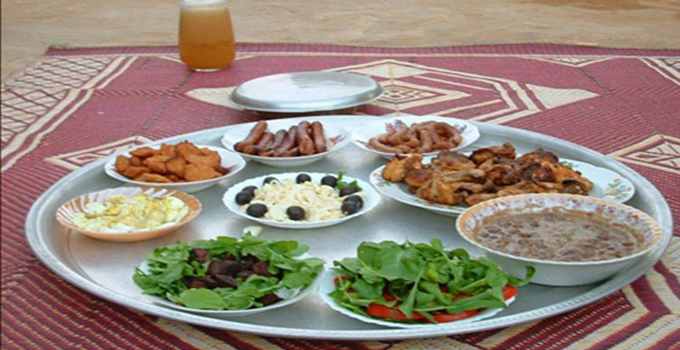
Be Careful. If you are not careful, the food eaten during the pre-dawn and dusk meals can cause some adverse effects. Those observing the fast in Ramadan month should have at least two meals a day, the pre-dawn meal (Suhoor) and a meal at dusk (Iftar).

The way to approach your diet during fasting is similar to the way you should be eating outside of the Ramadan month. It should contain foods from all the major food groups:

– Fruit and vegetables

– Bread, cereals and potatoes

– Meat, fish, or alternatives

– Milk and dairy foods

– Foods containing fat and sugar

Hydrate Your Body:

When we fast for long hours, our body gets dehydrated over the course of the day. During the non-fasting period, we should take care of the hydration levels in our body. After a long day of fasting, it’s difficult to drink a lot of water or have lots of water-based food items. But, we can have fruit juices and soups made with veggies to give our body the additional water it needs. A great way to break the fast is with ‘Dates’. Also consider having coconut water, or making smoothies, coolers and fruity drinks which are super-hydrating.

Wholesome foods during Ramadan:

Suhoor- the pre-dawn meal should be a wholesome and moderate meal that is filling and provides enough energy for many hours. Ideally, it should be slow digesting food like salads, brown bread, cereal (especially oats) so that your body will get energy for a long time constant. Also, you can have some fluids with vitamins, such as fruit and vegetable juice.

It’s customary for Muslims to break the fast (Iftar) with some dates. Dates provide a burst of energy.  Fruit juices also have a similar, revitalizing effect. My favourite, of course, is “FALOODA”. Start by drinking plenty of water, which helps rehydrate and reduces the chances of overindulgence.

SOME QUICK TIPS: What to have and What to avoid:

Foods to avoid

– deep-fried foods, for example, pakoras, samosas and fried dumplings

– High-sugar and high-fat foods, including sweets such as gulab jamun, rasgulla and balushahi

– High-fat cooked foods, for example, parathas, oily curries and greasy pastries

– Fatty meats, Liver and organ meats, Hotdog and sausages, large amounts of prawn, shrimp and shellfish

– Whole milk, Ice cream and whipped cream, full cream yoghurt and labneh, Full cream cheese especially yellow cheese, Creamy and cheese sauces

– Coconut (the only fruit rich in saturated fats that are unhealthy for the heart), Fried vegetables, Boiled vegetables with butter, Juices with added sugar

– Pastries that contain large amounts of fat (doughnuts, croissants, Danish pastries), Fried rice, Fried potato chips or French fries

Healthy alternatives

– Baked samosas and boiled or steamed dumplings

– Chapattis made without oil

– Baked or grilled meat and chicken, Fish, Grilled or boiled skinless chicken, Lean veal or lamb, moderate amounts of prawns, Legumes such as beans, lentils, and peas, eggs

– Milk-based sweets and puddings such as rasmalai and barfee, skimmed or low-fat milk, skimmed or low-fat yoghurt and labneh, Low-fat cheese

– All fresh vegetables, boiled, baked, steamed or cooked with a little oil, Seasoned vegetables or vegetables with lemon juice or a little oil, Fresh fruits and natural fruit juice (in moderation)

– Brown bread, Plain spaghetti or rice (without ghee or high fat sauce), Grains with no added fat, Baked or boiled potatoes

Healthy cooking methods

– Shallow frying

– Grilling, Roasting, Steaming or Baking is healthier and helps retain the taste and original flavour of the food, especially with chicken and fish.

May everyone who observes the blessed month of Ramadan or other holy fasting period have a peaceful, healthy and happy time with family, friends and community.

Please consult with your physician regarding fasting or consuming any particular foods before doing so.


May 7, 2018 By Urvashi Sareen 2 Comments

10 Foods that can fill you up

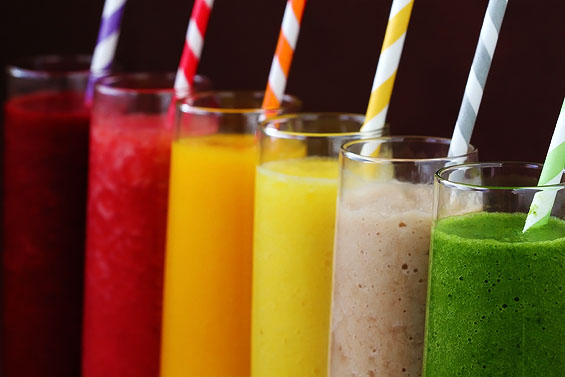
rainbow-smoothies

If you were to describe ‘The Perfect Food’, it would probably be: healthy, delicious, bigger than a morsel and filling enough to fight hunger for hours. “Foods that promote satiety”—a feeling of lasting fullness. In this blog, I have listed down some foods which are healthy and yet filling.

  1. Baked potato

The potato has been unfairly demonized—it’s actually a potent hunger tamer. Though potatoes are often shunned because they’re considered high in carbohydrates, they shouldn’t be. Whether baked or boiled, they’re loaded with vitamins, fibre and other nutrients. Baked potato get you steady energy and lasting fullness after noshing on them.

Feel even fuller: Eat baked and boiled tubers skin-on to get more fibre for just 160 calories a pop.

2.  Bean soup

Soups have high water content, which means they fill your stomach with very few calories. Broth-based bean soups, in particular, contain a hefty dose of fibre and resistant starch—a good carb that slows the release of sugar into the bloodstream—to make that full feeling really stick. “Once in the stomach, fibre and water activate stretch receptors that signal that you aren’t hungry anymore.

Feel even fuller: Resist the cracker pack on the side in favour of a bigger soup helping. Beans are starchy, satisfying and caloric enough on their own. To give variations to your soup, you can throw lentils, black-eyed peas or kidney or navy beans into a vinegar-based salad too.

3.     Eggs

Eggs are one of the few foods that are a complete protein, meaning they contain all nine essential amino acids that your body can’t make itself. Once digested, those amino acids trigger the release of hormones in your gut that suppress appetite.

Feel even fuller: Don’t discard the yolks—about half an egg’s protein lives in those yellow parts. Adding vegetables to a scramble boosts its volume and fibre content for few extra calories (an egg has 78Kcal, and a cup of spinach just 7Kcal).

4.     Yoghurt

Yoghurt is the single best food for shedding pounds: Over time, people who downed more of the protein-packed stuff lost pounds without trying. Yoghurt contains dairy proteins which increase satiety, reduces food intake and keeps blood sugar steady.
Feel even fuller: Top yoghurt with fibrous foods like raspberries (4 grams of fibre per half cup) or cucumber (9 grams per three-quarters of a cup).

5.     Apples

Apples are one of the few fruits that contain pectin, which naturally slows digestion and promotes a feeling of fullness. In fact, people who ate an apple as part of a meal felt more satiated and ate less than those who consumed a calorically equivalent amount of juice and applesauce. “Whole apples take a long time to eat for very few calories. Your body has more time to tell your brain that you’re no longer hungry. That means you can eat lots of this low-energy-density, high-satiety fruit and avoid feeling deprived while losing weight.

Feel even fuller: Add apple chunks to oatmeal or salad.

6.     Popcorn

This movie-night favourite is a low-energy-density food—for 90 calories, you could eat 3 cups of air-popped corn but whereas for the same number of calories you can just have a quarter cup of potato chips. This means, that a quarter cup of potato chips has 90 calories whereas 3 cups of plain air-popped popcorns have just 90 calories, so it is more filling. Popcorn takes up more room in your stomach, and seeing a big bowl of it in front of you tricks you into thinking that you’re eating more calories and that you’ll feel full when you’re finished.

Feel even fuller: Sprinkle some red pepper on popcorns or any meal. In a recent Purdue University study, people who added a half teaspoon of the spice to their meal felt less hungry.

7.     Figs

A great natural cure for a sweet tooth, fresh figs have a dense consistency and sweet flesh that’s high in fibre (each 37-calorie fig packs about a gram), which slows the release of sugar into the blood, preventing the erratic high caused by cookies or cake.

Feel even fuller: Split the fig in half and add protein such as a teaspoon of cheese or add walnuts.

8.     Oatmeal

Oatmeal’s filling force comes from its high fibre content and its uncanny ability to soak up liquid like a sponge. When cooked with water or skim milk, the oats thicken and take more time to pass through your digestive system, meaning you’ll go longer between hunger pangs.

Feel even fuller: Sprinkle almonds on top of your bowl. “The nuts pack protein and fibre and contain unsaturated fats that can help stabilize insulin levels,” regulating blood sugar.

9.     Smoothies

While most beverages don’t satisfy hunger very well, drinks blended full of air are an exception: They cause people to feel satiated and eat less at their next meal. Just be sure you’re not whipping your smoothie full of sugary, caloric ingredients like fruit juices or flavoured syrups, which will negate the health benefits.

Feel even fuller: Put ice and fat-free milk or yoghurt in a blender, add in fruit and give it a whirl. Try strawberries, which are extremely low in energy density—they’re 92 percent water!—and bananas, which are loaded with resistant starch.

        10.   Wheat berries

Wheat berries are whole-wheat kernels which contain one of the highest amounts of protein and fibre per serving of any grain (6 grams of protein and 6 grams of fibre).

Protein triggers the hormone ghrelin to tell our brain that we are satisfied and fibre activates appetite-suppressing gut hormones.

Feel even fuller: Toss wheat berries with apples, nuts and other diet-friendly foods to make a super tasty salad.

  • « Previous Page
  • 1
  • …
  • 21
  • 22
  • 23
  • 24
  • 25
  • …
  • 31
  • Next Page »

Search

Recent Posts

  • India Leads in Longevity: GOQii Sanjeevini Named Top 40 in $101M XPRIZE
  • The Importance Of Knowing If You’re Thirsty Or Hungry
  • Best Foods To Alleviate Irritable Bowel Syndrome
  • ALL ABOUT VERTIGO!
  • PCOS and Anxiety: Discover Relief with the 54321 Technique

Stay Updated

Archives

  • December 2025 (8)
  • November 2025 (15)
  • October 2025 (20)
  • September 2025 (6)
  • August 2025 (6)
  • July 2025 (12)
  • June 2025 (18)
  • May 2025 (16)
  • April 2025 (23)
  • March 2025 (23)
  • February 2025 (22)
  • January 2025 (26)
  • December 2024 (26)
  • November 2024 (25)
  • October 2024 (22)
  • September 2024 (24)
  • August 2024 (31)
  • July 2024 (21)
  • June 2024 (26)
  • May 2024 (31)
  • April 2024 (27)
  • March 2024 (29)
  • February 2024 (26)
  • January 2024 (25)
  • December 2023 (15)
  • November 2023 (11)
  • October 2023 (20)
  • September 2023 (22)
  • August 2023 (20)
  • July 2023 (22)
  • June 2023 (24)
  • May 2023 (24)
  • April 2023 (24)
  • March 2023 (23)
  • February 2023 (20)
  • January 2023 (16)
  • December 2022 (12)
  • November 2022 (15)
  • October 2022 (15)
  • September 2022 (12)
  • August 2022 (10)
  • July 2022 (17)
  • June 2022 (11)
  • May 2022 (10)
  • April 2022 (6)
  • March 2022 (6)
  • February 2022 (13)
  • January 2022 (12)
  • December 2021 (7)
  • November 2021 (3)
  • October 2021 (6)
  • September 2021 (3)
  • August 2021 (8)
  • July 2021 (7)
  • June 2021 (15)
  • May 2021 (16)
  • April 2021 (10)
  • March 2021 (7)
  • February 2021 (4)
  • January 2021 (4)
  • December 2020 (3)
  • November 2020 (4)
  • October 2020 (10)
  • September 2020 (3)
  • August 2020 (3)
  • July 2020 (2)
  • June 2020 (4)
  • May 2020 (10)
  • April 2020 (12)
  • March 2020 (10)
  • February 2020 (4)
  • January 2020 (4)
  • December 2019 (3)
  • November 2019 (7)
  • October 2019 (5)
  • September 2019 (4)
  • August 2019 (9)
  • July 2019 (9)
  • June 2019 (11)
  • May 2019 (4)
  • April 2019 (9)
  • March 2019 (8)
  • February 2019 (9)
  • January 2019 (8)
  • December 2018 (9)
  • November 2018 (3)
  • October 2018 (3)
  • September 2018 (5)
  • August 2018 (10)
  • July 2018 (6)
  • June 2018 (13)
  • May 2018 (8)
  • April 2018 (18)
  • March 2018 (9)
  • February 2018 (8)
  • January 2018 (15)
  • December 2017 (12)
  • November 2017 (19)
  • October 2017 (13)
  • September 2017 (15)
  • August 2017 (4)
  • July 2017 (8)
  • June 2017 (7)
  • May 2017 (6)
  • April 2017 (8)
  • March 2017 (6)
  • February 2017 (7)
  • January 2017 (9)
  • December 2016 (10)
  • November 2016 (7)
  • October 2016 (7)
  • September 2016 (7)
  • August 2016 (11)
  • July 2016 (9)
  • June 2016 (9)
  • May 2016 (12)
  • April 2016 (17)
  • March 2016 (17)
  • February 2016 (8)
  • January 2016 (6)
  • December 2015 (2)
  • November 2015 (9)
  • October 2015 (7)
  • September 2015 (9)
  • August 2015 (11)
  • July 2015 (9)
  • June 2015 (12)
  • May 2015 (9)
  • April 2015 (13)
  • March 2015 (8)
  • February 2015 (5)
  • January 2015 (12)
  • December 2014 (14)
  • November 2014 (11)
  • October 2014 (6)
  • September 2014 (13)
  • August 2014 (12)
  • July 2014 (6)
  • June 2014 (2)
  • May 2014 (7)
  • April 2014 (5)

From “Laddu Nawin” to Fit and Fierce: How a 25-Year-Old Insurance Advisor Shed 20 Kilos and Gained His Life Back

When 25-year-old Nawin Yadav from Hyderabad walked into his office every morning, he carried more than just his files and policy papers. He had the weight of fatigue, sluggish energy, and an ever-growing belly that was becoming the butt of jokes. “People … [Read More...]

“I’ve Challenged Myself to Live 100 Years” – The Story of Chandubhai Savani’s Second Chance at Life

At 67, most people start slowing down. Not Chandubhai Savani. A resident of Surat, Chandubhai, thought life was on track. “My life was going well till I had my bypass surgery,” he says. That surgery, back in 2021, was a wake-up call.  Medication was routine, but exercise wasn’t. His diet? What he calls ‘normal.’ “I […]

From Shimla’s Slopes to Chandigarh’s Sidewalks: Surinder Kaur Bhalla’s Journey from Chaos to Control

Some journeys start with a plan. Others begin with a stumble literally. Surinder Bhalla, a government professional, born and raised in the scenic hill town of Shimla, had always lived a life of movement. “In Shimla, you walked everywhere,” she reflects. “Walking was never an exercise. It was just life.” But after shifting to Chandigarh, […]

Ananda Mukherjee Health Story

From Terminal Illness To Complete Wellness! Ananda Mukherjee Health Story

As we observe World Cancer Day under the powerful theme ‘United by Unique’ (2025-2027)**, we are reminded that every individual’s journey with cancer is distinct, yet united by shared resilience, hope, and the collective fight against this disease. This theme places people at the centre of care and their stories at the heart of the […]

  • HOME
  • HEALTHY LIVING
  • FITNESS
  • HEALTHY RECIPES
  • USER STORIES
  • KARMA
  • BUY GOQii

Copyright ©2016 GOQii