GOQii

Blog

  • HOME
  • HEALTHY LIVING
  • FITNESS
  • HEALTHY RECIPES
  • USER STORIES
  • KARMA
  • BUY GOQii

Search Results for: running

November 14, 2014 By Jyoti Sawant Leave a Comment

Is Sweating good for you? – Part 1

sweating

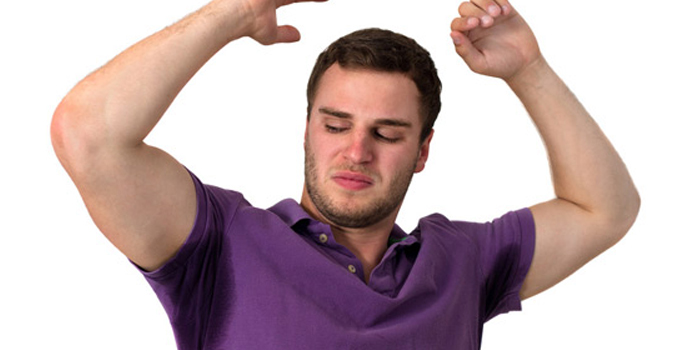
Sweating at the gym or while exercising in the outdoors is fine. But, sweating in the office or during a date is not so cool. Having pit stains while at a special dinner or having sweating palms while shaking hands is very unpleasant.

Every human being sweats-just not for the same reasons though or in the same amounts.  Sweating, also known as perspiration is the production of fluids secreted by sweat glands in your skin. Perspiration is caused by multiple reasons like genetics, anxiety, high temperatures and also exertion from exercise.

Sweating is the body’s way of reducing its internal temperature to maintain a normal body temperature, responding to outside environment. To put it simply, it is an essential body process designed to help your body stay cool

One should go along with natures rule in summer or while doing a physical activity when it’s time to sweat. Ideally do not bear the heat by running the air conditioners thus compromising on the immune system and neglecting your health. But, some may wonder whether it is beneficial to encourage your body to sweat more for reasons beyond temperature control.

Every human being is born with anywhere between 2 to 4 million sweat glands. And the number of such glands you have will determine, in part, how much your sweat. While women generally have more sweat glands than men, men’s glands tend to be more active and produce more sweat.

An international newspaper had once published an article on Sweating and concluded that Sweating per se, provides no health benefits aside from preventing overheating. But, I believe that sweating does have health benefits. Here is a look at these benefits.

Sweat has many health and beauty related benefits, all for your good.

# Sweating can reduce your cholesterol and sodium levels thus improving cardiovascular health.

# Sweating helps the body regulate its temperature & cool down.

# Sweating helps the skin release toxins and heavy metals, such as mercury and lead.

# Sweat has some amount of antibiotics that destroys skin bacteria.

# Sweat unclogs skin pores thus improving your skin tone, clarity and texture. And also helps eliminate blackheads and acne.

# Exercise associated with sweat releases endorphins into the body, making you feel happier and less stressed.

Some international research has also indicated that people who exercise, and therefore sweat more have a lower risk of kidney stones.

Sweating is a natural and necessary mechanism occurring on its own with great health benefits. However, excessive sweating also called hyperhidrosis is not good. Just remember while normally sweat do not forget to stay hydrated to replenish what’s lost.
November 5, 2014 By Shimpli Patil 3 Comments

A Perfect Supper

supper

Since time immemorial, we have been hearing this phrase “Breakfast like a King, Lunch like a Prince and Dinner like a Pauper”. Though this phrase is very true and most of us may or may not agree to it, the question is, how many of us actually follow it?

I have come across people who eat absolutely minimal or may even skip meals during the day and then wonder why they are not shedding any weight even though they are consuming less calories. The answer lies in their ‘very much elaborate dinners’!

In today’s fast paced and busy lives, it’s become very common that people tend to have very less or almost skip their breakfast as they need to rush to work. Lunch is had at the desk more often than not, either alone or with the colleagues, which may be less enjoyable. At times, due to time constraints, lunch gets compromised. All these factors lead to a limited food intake through the day. Result: Body deprived of energy through the day -> Feels excessively hungry in the latter half of the day -> over eating/ bingeing occurs during dinner. At times, we don’t just feel hungry but we might even ‘crave’ for some junk and thereby succumb to binging on junk food items which then results in fat storage.

For majority of us, dinner is the meal which we look forward to as most of the families consider dinner as an opportunity to catch up with the family members, interact with each other, laugh and have a good time, and dinner perfectly serves the purpose! While we relish various delicacies together and get busy talking to each other, there are high chances of us eating more than we actually want to.

Isn’t this scenario exactly opposite to the saying that we discussed at the top? Oh yes! It is! This is where the root cause of weight gain lies.

You’ll be surprised to know that just getting the dinner correct has helped people get their weight under control. It works like magic! It’s very simple and quite logical. Body has enough time to metabolize the food and shed off the extra calories consumed through the day as our activity levels are at peak during the daytime. As the day ends, our activity levels drop and so does the metabolic rate. Thus, the caloric consumption should ideally taper by the end of the day. However, if we load our body with a huge amount of calories at night, it has higher chances of pushing the calories into fat storage thereby leading to weight gain.

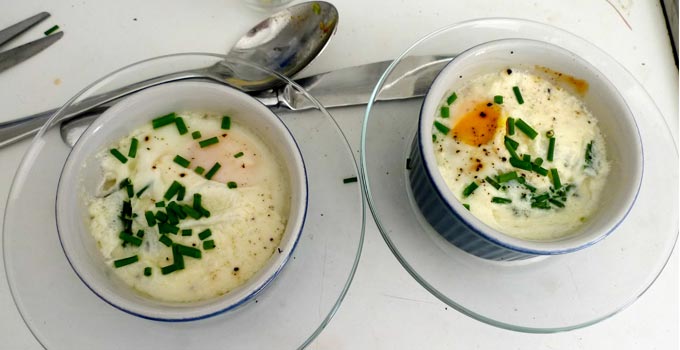
Now how do we tackle this? The very first solution is having a heavy breakfast. If you are running short of time, carry a mid-morning snack with you e.g. A fruit/Nuts/Dry fruits/Yogurt is a good for you. Second most important factor is to have a heavy evening snack by around 5-6 pm. Consuming an evening snack keeps us full, cuts down the junk cravings and thus automatically reduces our intake during dinner. It’s very important to choose the evening snacks wisely. It could be a bowl of sprouts/a whole wheat bread veggie sandwich/boiled corn with chopped veggies and herbs/boiled egg or paneer roll with whole wheat base/a bowl of roasted chanas or nuts. I am sure dishes like these would satiate your hunger and when you would go ahead for your dinner, you wouldn’t be very much hungry.

So your dinner could be – Start with a bowl of mix veggie soup/salad, then move on to a bowl of stir-fried veggies (that covers the carb/fiber component and certain vitamins-minerals) along with a bowl of roasted paneer cubes/sprouts/grilled chicken or fish/boiled eggs (that covers the protein and fat component). In this way, we can ensure a light yet balanced meal covering all the macronutrients along with micros (vitamins-minerals). Ofcourse you can make this meal delicious in your own ways by using various herbs and spices to delight your taste buds.

Remember to keep a gap of 2 to 3 hours between your bed time and this meal to avoid gastric discomfort.

Last but not the least, eat this meal absolutely mindfully, which means, eat slower, take smaller bites, savour every bite and thoroughly enjoy it with your family, making the experience absolutely joyful!

September 2, 2014 By Mohammed Tufail Qureshi Leave a Comment

Myth about Spot Reduction

Myth about Spot Reduction
One of the common questions as a fitness trainer I have encountered is if spot reduction- reducing fat from a particular area is possible or not?

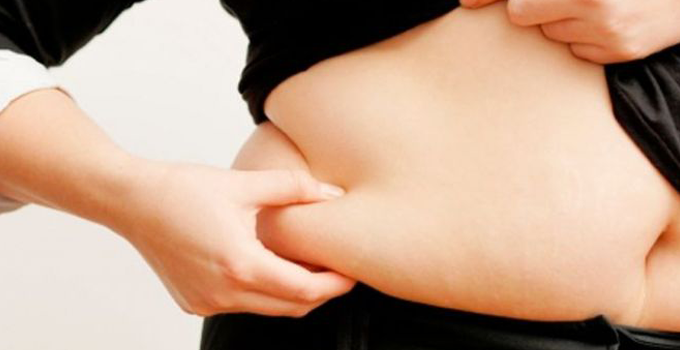
If a gym client has a problem collecting more fat around the abdominal area or generally a woman collecting more fat around the lower body they always request the trainers to give them more exercises for the abs or the lower body. But, is spot reduction actually possible? or is it a myth?

As a teenager we collect less amount of fat despite eating all the junk food. One major reason for this is while in the youth, the amount of muscle mass that we carry is more as compared to an elderly person. Hence, the BMR of a youth is quite high when as a teenager and it remains high up to the age of 24 or 25 years of age. Post 25, the degeneration sets in and the muscle mass starts to decline. Muscle being a metabolically active tissue contributes towards increasing the BMR. With the muscle mass degenerating, the BMR also drops and the individual starts collecting fat all over the body. But, in every individual there is a spot where he/she collects more fat then the other parts of the body.

The collection of fat in particular spots is dictated by an individual’s genetics. When, I say pre-decided by genetics, it means that it runs in the family. It is now important to understand how this happens?

Here we need to understand the role of 2 important hormones in our body

1)      Insulin and 2) Glucagon.

Insulin acts like a transporter of micro and macro nutrients into the liver and muscle cells. Insulin also plays a role of maintaining the blood sugar levels after a high carbohydrate meal by lowering the blood sugar levels and avoids a person from going into Hyperglycemia (high blood sugar levels).

Glucagon on the other hand is a hormone that again maintains blood sugar levels by increasing the blood sugar level during long hours of starvation or when an individual lowers the carbohydrate intake in his meals. Here, glucagon plays the role of raising the blood sugar levels and avoids the state of hypoglycaemia (low blood sugar levels).

After having simple carbohydrates such as sugar, chocolates, white rice, white bread, some fruits with high glycemic index, potatoes and other starch, the conversion of these foods into sugar is very fast and it increases the blood sugar levels.

Please note the sugar that is stored within the muscle as muscle glycogen is preserved by the body for any high intense anaerobic activity that we perform in our day to day activity (like running fast or lifting some heavy object etc)

In order to loose fat, a person needs to cut down on simple carbohydrates and keep complex carbohydrate in a reduced quantity (as and when required) as well as start in taking good amount of fibres and protien.When carbohydrates are reduced,
the body is deprived of energy so it starts surviving on the blood sugar for energy. The blood sugar levels drop then to normal thereby leading to hypoglycemia. This activates the pancreas to release Glucagon.

Glucagon starts to maintain the blood sugar levels by raising it. Since the sugar inflex is reduced from outside, the glucagon has no option but to use liver glycogen to raise the blood sugar levels. Once, the liver storage of glycogen is over, it moves to the muscle glycogen. Muscle glycogen is not released by the body as it is reserved for a high intense activity. Now glucagon has no other option but to move towards the fat cell to get energy for survival. Here, one more enzyme known as the HSL (Hormone sensitive lipase) which is on the fat cell allows the triglycerides to exit from the fat cell in the form of free fatty acid into the blood stream and it is used up by the tissues as a source of energy.

This is already programmed by our genetics and cannot be changed through any exercise or spot reduction techniques.

Performing abdominal exercises will definitely strengthen the abdominal muscles which will help an individual to increase his or her functionality in day to day activities as well as it will also help in lifting a decent poundage in functional movements like squats, Lunges, Bendover rows, Overhead presses and Regular deadlifts. But, abdominal exercises DO NOT give you a spot reduction. Hence, the intention of abdominal workout is increasing strength of the abdomen and not spot reduction.

Fat loss is all throughout the body because it catogorized as BODY FAT and not fat of the abdomen, arms, back, chest or legs.

August 14, 2014 By Ashwinkumar Rahate 3 Comments

Stay Fit Stay Healthy

Stay Fit Stay Healthy
All of us are keen on being fit. Most often we keep complaining about being overweight and therefore I need to do something about it. The most common thing said is, “I am going to go for a jog every morning, so I will lose weight”.

Other common assumptions that people have is that if they walk to office or home they do not have to do any other workout, yoga is the best way of keeping fit,  I have brought dumbbells at home so I am doing workouts at home and so on…

Is this correct?  As I mentioned in my previous blog (http://goqii.com/blog/benefits-of-physical-activities-part-2/) every person must invest minimum 3 days a week in physical activities as per American College of Sports &Medicine (ACSM) guidelines.

To improve Health we must focus on basic health related components of the fitness.

Focus on basic components of Fitness

  • Cardiovascular Endurance or cardiovascular fitness

It is the major component of fitness. The word Cardio means heart. It is also known as cardio respiratory fitness and aerobic fitness. It refers to the capacity of heart, lungs and the vascular system to supply oxygenated blood to the working muscles tissue and the muscle capacity to use that oxygen which helps in producing the movements. If we involve ourselves in cardiovascular fitness regularly, the heart becomes stronger and efficient to supply oxygenated blood to the body. Cardiovascular exercise should be done for prolong period of time. These include jogging, running, cycling, swimming, skipping, aerobics and lots of exercise.


  • Muscular Strength

Muscular strength refers to the ability or a capacity of lifting a weight. This activity is fall under anaerobic zone because in this workout oxygen is not used .To improve muscular strength we need to do weight training.


  • Muscular Endurance

Muscular endurance refers to the performance of the repetitive contraction for extended or prolonged period of time. The exercise may be for the single muscle or the group of muscles. Activity which is more than fifteen seconds but less than two minutes includes in the muscular endurance training. Weight training helps to improve muscular endurance.


  • Flexibility

Flexibility refers to a range of joint motions. Stretching can help improve flexibility. Dynamic stretches are done before we start our exercises. Static stretches are done after the workout during the cool down phase. During, static stretching we need to hold each stretch minimum fifteen seconds to get maximum benefits.


  • Body Composition

Body composition refers to the ratio between fat mass and fats free mass in the body More the muscle and less body fat is consider a great body composition. More fats and fewer muscles indicate poor body composition. Greater body composition can be achieved with following the above basic components of fitness such as muscular strength, muscular endurance, cardiovascular endurance and flexibility with the support of balance nutrition.

In as short if you are only jogging or brisk walking does not help. You have to look at the entire exercise components to achieve the necessary fitness and health goals. You can do alternates days of weight training and cardiovascular exercise. Following the above routine is one of the best examples of targeting all the components of the fitness.

  • « Previous Page
  • 1
  • …
  • 50
  • 51
  • 52
  • 53
  • Next Page »

Search

Recent Posts

  • ALL ABOUT VERTIGO!
  • PCOS and Anxiety: Discover Relief with the 54321 Technique
  • Navigating the Maze of Nutrition: Finding Clarity Amidst Confusion
  • Get children active and keep them healthy
  • What Gestational Diabetes Can Do To You & Your Unborn Child

Stay Updated

Archives

  • December 2025 (5)
  • November 2025 (15)
  • October 2025 (20)
  • September 2025 (6)
  • August 2025 (6)
  • July 2025 (12)
  • June 2025 (18)
  • May 2025 (16)
  • April 2025 (23)
  • March 2025 (23)
  • February 2025 (22)
  • January 2025 (26)
  • December 2024 (26)
  • November 2024 (25)
  • October 2024 (22)
  • September 2024 (24)
  • August 2024 (31)
  • July 2024 (21)
  • June 2024 (26)
  • May 2024 (31)
  • April 2024 (27)
  • March 2024 (29)
  • February 2024 (26)
  • January 2024 (25)
  • December 2023 (15)
  • November 2023 (11)
  • October 2023 (22)
  • September 2023 (22)
  • August 2023 (20)
  • July 2023 (22)
  • June 2023 (24)
  • May 2023 (24)
  • April 2023 (24)
  • March 2023 (23)
  • February 2023 (20)
  • January 2023 (16)
  • December 2022 (12)
  • November 2022 (15)
  • October 2022 (15)
  • September 2022 (12)
  • August 2022 (10)
  • July 2022 (17)
  • June 2022 (11)
  • May 2022 (10)
  • April 2022 (6)
  • March 2022 (6)
  • February 2022 (13)
  • January 2022 (12)
  • December 2021 (7)
  • November 2021 (3)
  • October 2021 (6)
  • September 2021 (3)
  • August 2021 (8)
  • July 2021 (7)
  • June 2021 (15)
  • May 2021 (16)
  • April 2021 (10)
  • March 2021 (7)
  • February 2021 (4)
  • January 2021 (4)
  • December 2020 (3)
  • November 2020 (4)
  • October 2020 (10)
  • September 2020 (3)
  • August 2020 (3)
  • July 2020 (2)
  • June 2020 (4)
  • May 2020 (10)
  • April 2020 (12)
  • March 2020 (10)
  • February 2020 (4)
  • January 2020 (4)
  • December 2019 (3)
  • November 2019 (7)
  • October 2019 (5)
  • September 2019 (4)
  • August 2019 (9)
  • July 2019 (9)
  • June 2019 (11)
  • May 2019 (4)
  • April 2019 (9)
  • March 2019 (8)
  • February 2019 (9)
  • January 2019 (8)
  • December 2018 (9)
  • November 2018 (3)
  • October 2018 (3)
  • September 2018 (5)
  • August 2018 (10)
  • July 2018 (6)
  • June 2018 (13)
  • May 2018 (8)
  • April 2018 (18)
  • March 2018 (9)
  • February 2018 (8)
  • January 2018 (15)
  • December 2017 (12)
  • November 2017 (19)
  • October 2017 (13)
  • September 2017 (15)
  • August 2017 (4)
  • July 2017 (8)
  • June 2017 (7)
  • May 2017 (6)
  • April 2017 (8)
  • March 2017 (6)
  • February 2017 (7)
  • January 2017 (9)
  • December 2016 (10)
  • November 2016 (7)
  • October 2016 (7)
  • September 2016 (7)
  • August 2016 (11)
  • July 2016 (9)
  • June 2016 (9)
  • May 2016 (12)
  • April 2016 (17)
  • March 2016 (17)
  • February 2016 (8)
  • January 2016 (6)
  • December 2015 (2)
  • November 2015 (9)
  • October 2015 (7)
  • September 2015 (9)
  • August 2015 (11)
  • July 2015 (9)
  • June 2015 (12)
  • May 2015 (9)
  • April 2015 (13)
  • March 2015 (8)
  • February 2015 (5)
  • January 2015 (12)
  • December 2014 (14)
  • November 2014 (11)
  • October 2014 (6)
  • September 2014 (13)
  • August 2014 (12)
  • July 2014 (6)
  • June 2014 (2)
  • May 2014 (7)
  • April 2014 (5)

From “Laddu Nawin” to Fit and Fierce: How a 25-Year-Old Insurance Advisor Shed 20 Kilos and Gained His Life Back

When 25-year-old Nawin Yadav from Hyderabad walked into his office every morning, he carried more than just his files and policy papers. He had the weight of fatigue, sluggish energy, and an ever-growing belly that was becoming the butt of jokes. “People … [Read More...]

“I’ve Challenged Myself to Live 100 Years” – The Story of Chandubhai Savani’s Second Chance at Life

At 67, most people start slowing down. Not Chandubhai Savani. A resident of Surat, Chandubhai, thought life was on track. “My life was going well till I had my bypass surgery,” he says. That surgery, back in 2021, was a wake-up call.  Medication was routine, but exercise wasn’t. His diet? What he calls ‘normal.’ “I […]

From Shimla’s Slopes to Chandigarh’s Sidewalks: Surinder Kaur Bhalla’s Journey from Chaos to Control

Some journeys start with a plan. Others begin with a stumble literally. Surinder Bhalla, a government professional, born and raised in the scenic hill town of Shimla, had always lived a life of movement. “In Shimla, you walked everywhere,” she reflects. “Walking was never an exercise. It was just life.” But after shifting to Chandigarh, […]

Ananda Mukherjee Health Story

From Terminal Illness To Complete Wellness! Ananda Mukherjee Health Story

As we observe World Cancer Day under the powerful theme ‘United by Unique’ (2025-2027)**, we are reminded that every individual’s journey with cancer is distinct, yet united by shared resilience, hope, and the collective fight against this disease. This theme places people at the centre of care and their stories at the heart of the […]

  • HOME
  • HEALTHY LIVING
  • FITNESS
  • HEALTHY RECIPES
  • USER STORIES
  • KARMA
  • BUY GOQii

Copyright ©2016 GOQii