GOQii

Blog

  • HOME
  • HEALTHY LIVING
  • FITNESS
  • HEALTHY RECIPES
  • USER STORIES
  • KARMA
  • BUY GOQii

Search Results for: running

January 19, 2023 By Saba Mirza 3 Comments

How to Set SMART Goals and Achieve Them

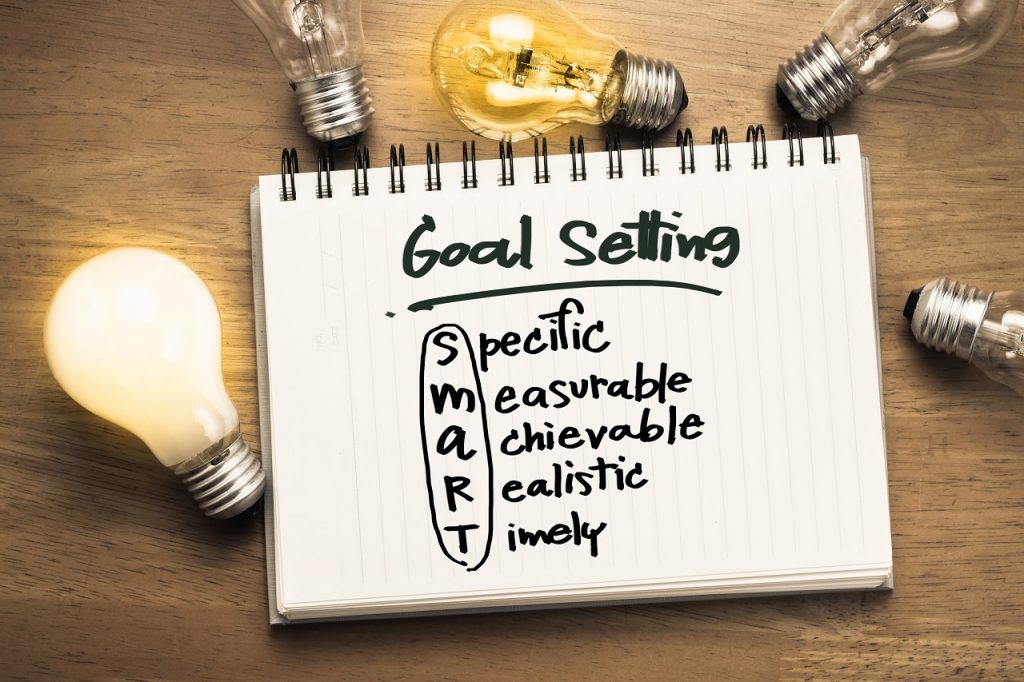
smart goalsAs a lifestyle coach, I often hear people complain about how they have been working on their health goals, but not getting anywhere. Most times, they aren’t able to achieve that “perfect target” is because they are either confused about the target they want to set or don’t know how to plan a strategy to achieve that goal. The simple solution is to plan SMART goals.

What are SMART Goals?  

SMART is an acronym which was first used by George Doran in a Management Review Magazine in 1981. It gained popularity not just in companies but, also in other relevant fields including health and fitness.

SMART stands for:

  • Specific
  • Measurable
  • Achievable
  • Realistic
  • Time bound

In essence, a SMART goal is a simple formula which helps you define your goal clearly, focus your efforts, and utilize your time and resources productively to increase your chances of achieving a particular goal successfully.

How Do We Achieve It?

1. Specific
Your goal should be clear and specific! It is crucial to focus your effort towards one point and feel truly motivated to achieve it. When planning the goal, ask the five “W” questions, namely:

  • What do I want to accomplish?
  • Why is it important to me?
  • When do I want to achieve this goal?
  • How will I achieve this goal?
  • Which resources will help me in achieving them?

For example, a general goal would be ‘I want to get a toned body’. While a SMART goal would be ‘I want to join a Zumba class near my house and I will go there 4 days a week to improve flexibility and muscle strength’.

2. Measurable
It is important to measure your goals in order to track your progress regularly and feel motivated. Assessing your progress with specific indicators at regular intervals helps you stay focused and feel the thrill of getting closer to your goals. In fact, it even helps you change your strategy if needed. To make a goal measurable, ask:

  • How many/much?
  • How will I know when it is accomplished?
  • What is the indicator of my progress?

For example, building on a specific goal, we will add, ‘I will join the Zumba class near my house for 4 days a week to improve flexibility and muscle strength. I will aim to lose 1kg of body fat weight every 15 days’.

3. Achievable
Ensure that your goal is achievable. While it should stretch your abilities enough to make you feel challenged, it should also be possible to achieve. An achievable goal should answer the following questions:

  • How can I achieve it?
  • Do I have the proper resources and capabilities to achieve the goal? If not, what am I missing?
  • Is the goal approved by experts in that field?

For example, setting a goal of reducing 4-5kg weight in one month may not be achievable and neither advisable by health professionals because of its harmful effects on the body. It can also demotivate you if you don’t achieve that goal.

4. Realistic
Keep your goals realistic! It should be practically achievable, given the resources and time available to you! A realistic goal should fulfil the following criteria:

  • Is the goal realistic and within reach?
  • Is the goal reachable given the time and resources?
  • Am I able to commit to achieving the goal?

For example, setting a specific goal of attending Zumba classes seven days a week may not be realistic if you have other commitments towards your family or professional life!

5. Time-Bound
Your goal should also have a specific deadline. This is to ensure that you have a well-defined duration to work towards it. Making your goal time-bound can also prevent the goal from slipping down your priority list.

A time-bound goal should answer the following questions:

  • When?
  • What can I achieve from six months now?
  • What can I achieve from six weeks now?
  • What can I achieve today?

For example, building on our goal above: ‘I will join a Zumba class from October 1 near my home. In order to improve muscle flexibility and strength, I will workout 4 days a week. Every 15 days I will target 1kg weight loss! By the end of October, I will have realised my goal if I lose 2kg of fat weight over the course of the month’.

As Bill Copeland has quoted, ”The trouble with not having a goal is that you can spend your life running up and down the field and never score!” So choose your goals SMARTly and get set to hit the bull’s eye!

What are some of your long-term and short-term health and fitness goals? Are they smart goals? Let us know in the comments below!

For more on goal setting and healthy living, check out Healthy Reads. To get started on your resolutions, sign up for GOQii’s Personalised Health Coaching and let our experts guide and motivate you!

#BeTheForce
January 6, 2023 By KriShna KuMar Leave a Comment

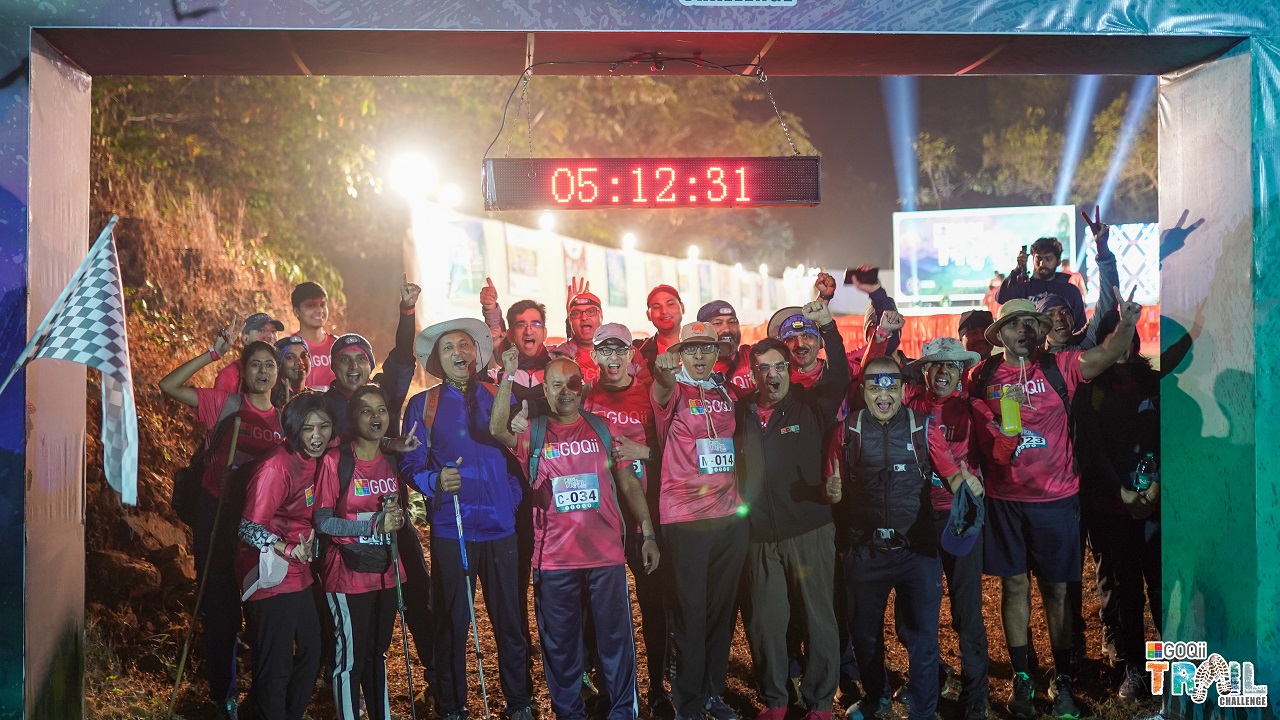
GOQii Trail Challenge Season 3 – A Reflection

GOQii Trail Challenge - A Reflection

“Pain is inevitable, Suffering is Optional”

This quote, attributed to Buddhist teachings, was first introduced to me by author Haruki Murakami. It has stayed with me since, and has been particularly relevant to the planning of the GOQii Trail Challenge Season 3.

In 2015, I decided to graduate from running half marathons to attempting a full marathon. I thought that since I was able to do a half marathon with ease, slowly building up to a full marathon should be a manageable feat. However, at the 32km mark, my legs failed me and I was forced to walk the remaining distance, limping to the finish line. I realized that the line between healthy confidence and unhealthy pride is thin, and in this case, my pride had gotten the best of me. The lesson I learned was that there is no substitute for proper training, and it requires time and dedication.

Preparing The Trail

When planning GTC Season 3, we had to take into consideration the limited training opportunities that COVID-19 had created for participants, and therefore, the trail needed to have a balance of “highs and lows”. We also developed a training calendar to help participants prepare. In March 2022, when the Omicron wave had subsided and local authorities relaxed some public gathering restrictions, we began the process of plotting the new trail on a map. We worked with local villages who had expressed interest in being a part of GTC, and considered factors such as checkpoint accessibility and infrastructure.

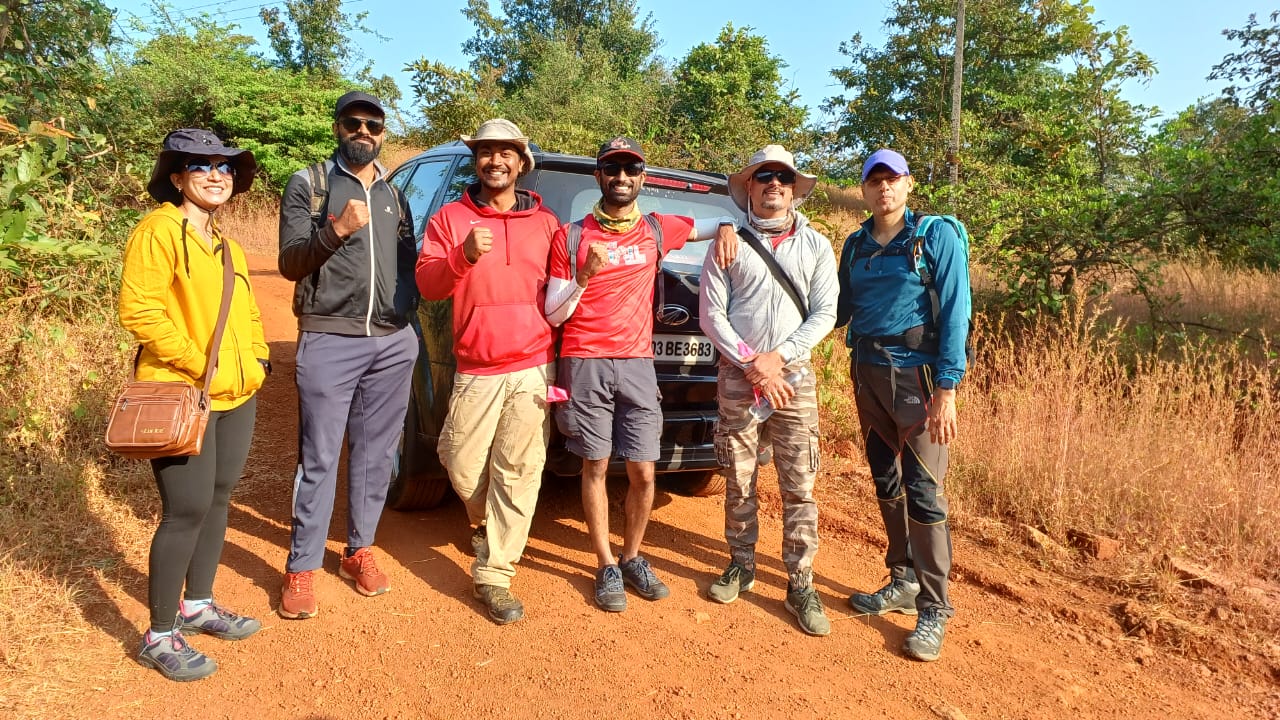
In May 2022, our team set out on an adventure through the mountainous region of Mandangad, armed with maps, compasses, and machetes. The dense vegetation and varied topography of the area presented a challenge, but we were determined to find a trail that was suitable for first-time hikers. Our team included both experienced hikers and beginners, including one woman, to ensure a balanced experience.

GTC Team 1

As we hiked, we kept in mind the needs and capabilities of first-time hikers. The ability to see the trail ahead can make a big difference in terms of perceived difficulty, and we made sure to choose routes that offered good visibility. We also avoided dense sections of foliage that could be disorienting and exhausting. While some of these sections were picturesque, we determined that they were not suitable for the GTC trail.

After scouting various routes and making our final selection, we marked it on our map and waited for the monsoon season to pass. The monsoon season in the Ratnagiri region is known for its heavy rains and tall grass growth. In 2022, the monsoon season was particularly long, resulting in even taller grass. 

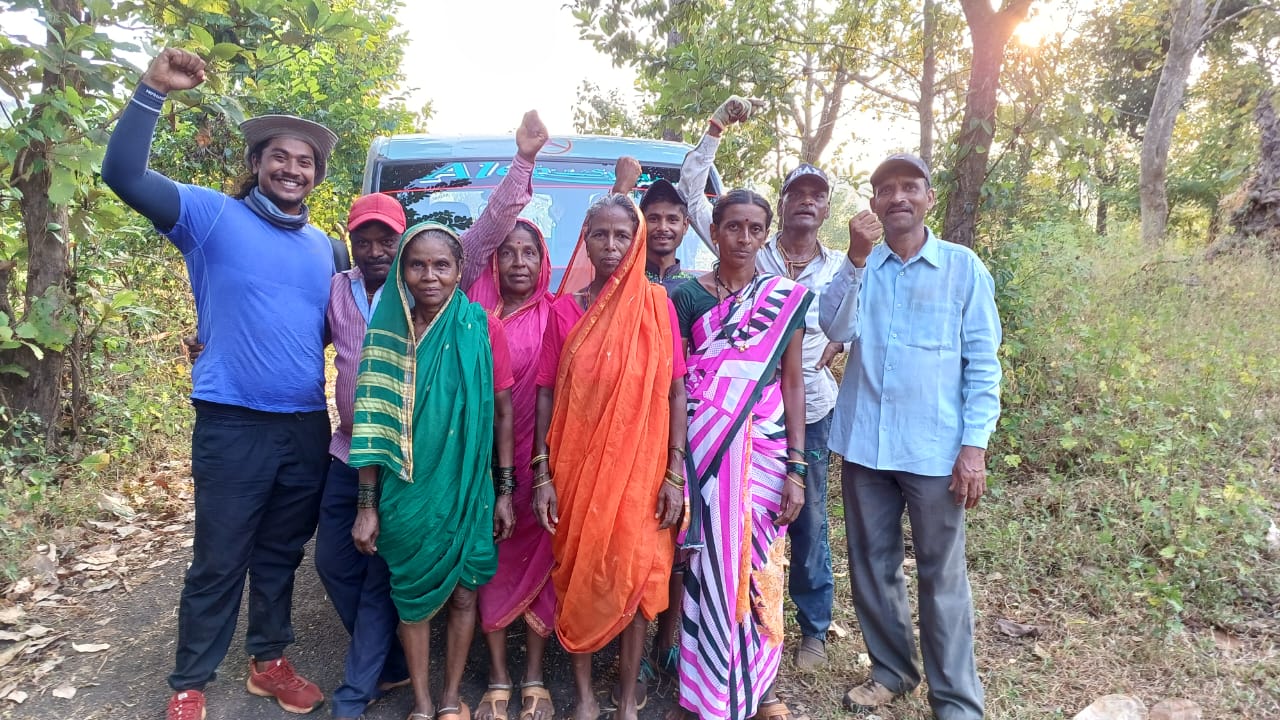
As part of GOQii’s Karma initiative, the decision was made to involve the local community in the trail-making process. Not only does this contribute to the local economy, but it also allows the community to be a part of the event and utilize their knowledge of the region’s old trails and how to navigate the tall grass without disrupting the ecosystem.

From October to mid-November, work was done to prepare the trail for Season 3. When the time came, the group of both first-timers and experienced walkers walked the full trail and determined it was ready for the season.

Dec 10th 2022: D-Day

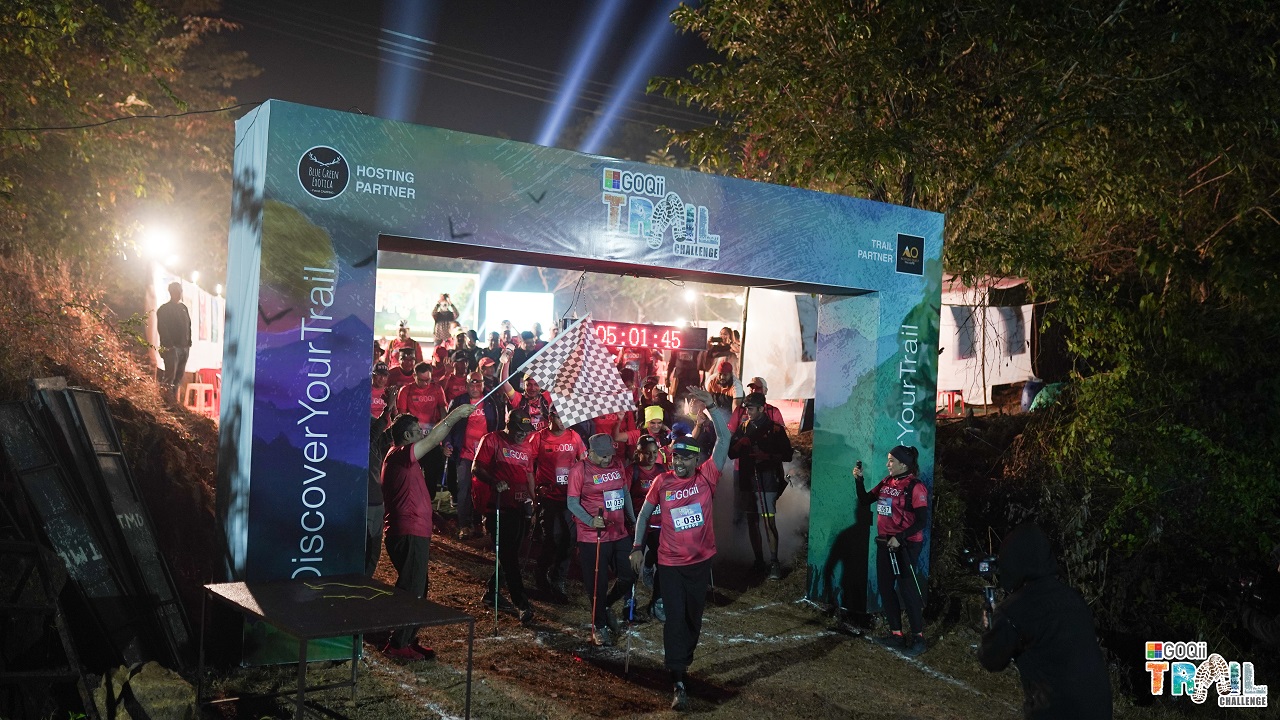
The motto of #DiscoverYourTrail has a purpose: to inspire people to become the best versions of themselves. At GOQii, we encourage our players to constantly strive for improvement and growth. This motto has a deeper meaning that is meant to be experienced through personal journey and reflection. It embodies the positive qualities of someone who is willing to take risks, embrace change, and move forward with determination, even when faced with uncertainty.

GOQii Trail Challenge

After completing a challenging trail like the GOQii Trail Challenge, it’s natural to feel overwhelmed and exhausted. But after a good night’s rest and some time to reflect, you may find that you are able to view the experience in a different light. You may begin to analyze your performance, piece by piece, and gain a deeper understanding of your own strengths and areas for improvement.

Like my Full Marathon experience, you too would then get the meaning of the Murakami quote.

Pain is inevitable, Suffering is Optional.

P.S: I would like to express my gratitude to all the participants who joined in the GTC Season 3.

A special thank you goes out to the Altitude Quest team and the local villagers for their assistance in designing and developing the trail.

I also want to thank Vasanthi, Rylan, Anand, and Parwage for joining me in exploring the trail, as well as the team of volunteers who worked tirelessly at each checkpoint with a smile.

Thank you to Sunny, Puneet, Yasser, and Dinesh for their help with the infrastructure setup, and to the Blue Green Exotica team for being wonderful hosts once again.

#BeTheForce

December 19, 2022 By Dr. Naina Sudarshan 1 Comment

Ideal Weekly Workout Routine For Beginners

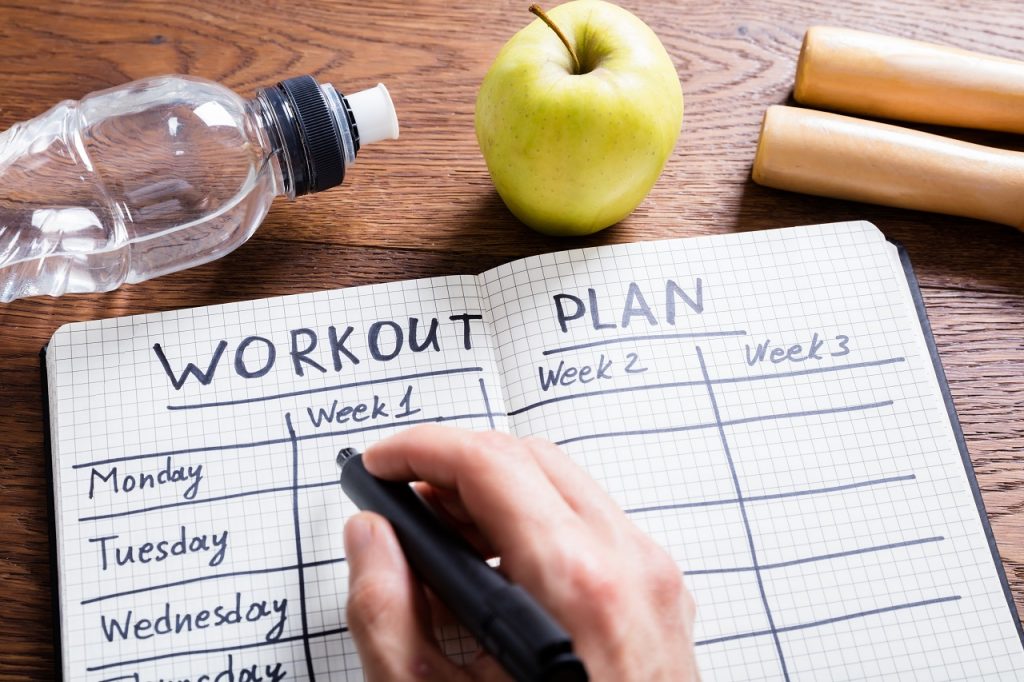
weekly workout routine for beginnersAs Health is among the top priority in our life, being healthy, immune to all types of infections, diseases and getting fit are the avenues for the same now. If you’re thinking about getting fit, and as we are drawing closer to the new year, don’t just take up a gym membership but work on consistency and have a plan. As per the American College of Sports Medicine recommendation, a healthy person needs at least 30 mins of exercise every day to maintain physical health, mental health, immunity, and prevent chronic diseases for all age groups. So, here’s an ideal weekly workout routine for beginners you can follow and stick to!

Get Motivated For Your Weekly Workout Routine 

Every day of the week may not go as we plan. But if we are determined to be fit, we can set aside some time for exercise every day. If you are a beginner, creating a workout schedule for every week would be a better choice than just having a vague idea about staying active every day. Find out a strong reason for yourself as to why you need to workout every day. This should be a reminder to maintain consistency in order to achieve your goal. 

Getting Started On Your Weekly Workout Routine 

Beginning a workout can be confusing and intimidating as to where and how to start. Once you find out the ideal time, duration, and location for you to exercise, think about the obstacles that can come your way. Slot a backup time to avoid missing the workout. For example, if you set a goal to walk for 30 mins, completing about 5-6k steps, and that doesn’t happen due to some unplanned situations, walk more at work, take the steps instead of the elevator, walk while you talk over the phone just to complete the intended number of steps for the day. Here are some points to remember before you begin: 

  1. Start with short duration but be consistent (It can be 15-20 mins workout rather than an hour of workout at a stretch in a day) and make sure to plan your workout for at least 5 days in a week with short term specific, measurable goal.
  2. Keep a track of how your energy levels are getting better and what other benefits you are getting out of exercise like improved quality of sleep, reduced stress, and increased appetite instead of just keeping a track of numbers on your weighing scale or inch loss.
  3. Plan your workout according to your entire week’s schedule taking into consideration your work, personal life and family time, etc.
  4. Choose different types of workouts that you are interested in and you are comfortable doing. Make a list of physical activities that you enjoy. It can be dance, running, walking, sports like football, badminton, tennis, volleyball, basketball, cricket, weight training, or yoga

Week 1

weekly workout routine for beginnersDay 1: Cardio exercises

  • Start with 5 minutes warm-up exercises at a slow to moderate pace to slowly increase the heart rate 
  • Switch to 20 mins of cardio exercise. It can include aerobic exercises, brisk walk, interval running outside, cycling, stationary bike, swimming, Zumba or any type of dance, or any type of sport. Pay attention to your energy level and breath. You should ideally be able to talk without going out of breath while exercising to know your comfortability. People who want to do running can begin with 1 min of running and 3 mins of walking initially. 
  • Stretch for 5 mins to cool down to gradually bring down the heart rate back to normal 

Day 2: Strength training

  • Warm-up exercises for 5 Minutes 
  • Easy Strength training exercises for 25 mins: As a beginner, it’s better, to begin with, bodyweight training initially. Some of the exercises that come under this can be jumping jacks, push-ups, squats, lunges, burpees, mountain climbers, shoulder bridge, crunches, planks and reverse lunges with just one set each and about 10 repetitions each. There can be 10 seconds of rest in between each set. 
  • Cooldown workout for 5 mins

Day 3: Yoga/Dance

  • Warm-up with 5 Surya namaskars/ jumping jacks
  • Easy Standing and sitting Yoga postures or Dance of your choice for 25 mins. It’s always better to learn yoga postures through a trainer to learn about breathing patterns and the correct postures.
  • Cooldown workout for 5 mins  

Day 4: Strength training

  • Warm-up exercises for 5 Minutes 
  • Easy Strength training exercises for 25 mins. This can be repeated the same as day 2.
  • Cooldown workout for 5 mins 

Day 5: Cardio exercises

  • Warm-up exercises for 5 Minutes 
  • Easy Cardio exercise for 25 mins. This can be repeated the same as day 1. 
  • Cooldown workout for 5 mins 

Day 6: Strength training

  • Warm-up exercises for 5 Minutes 
  • Easy Strength training exercises for 25 mins. This can be repeated the same as day 2
  • Cooldown workout for 5 mins

Day 7: Rest day 

Active rest, which means low-intensity exercise like stretching and casual walking, are suggested on this day to stay active, increase the blood flow to the muscles for good healing, and reduce soreness. 

Week 2

workout The routine of week 1 can be repeated on week 2 as well. People who are training for running can increase the duration of running to 3 mins of running and 1 min of walk.
  • Day 1: Cardio exercise for 25 mins with warm-up and cool down 
  • Day 2: Strength training exercise for 25 mins (15 reps of 1 set each) with warm-up and cool down
  • Day 3: Yoga, Pilates, dance, or stretching for 25 mins with warm-up and cool down
  • Day 4: Strength training exercises for 25 mins (15 reps of 1 set each)  with warm-up and cool down
  • Day 5: Cardio exercise for 25 mins with warm-up and cool down
  • Day 6: Strength training exercise for 25 mins (15 reps of 1 set each)  with warm-up and cool down
  • Day 7: Rest day

Week 3 and Week 4

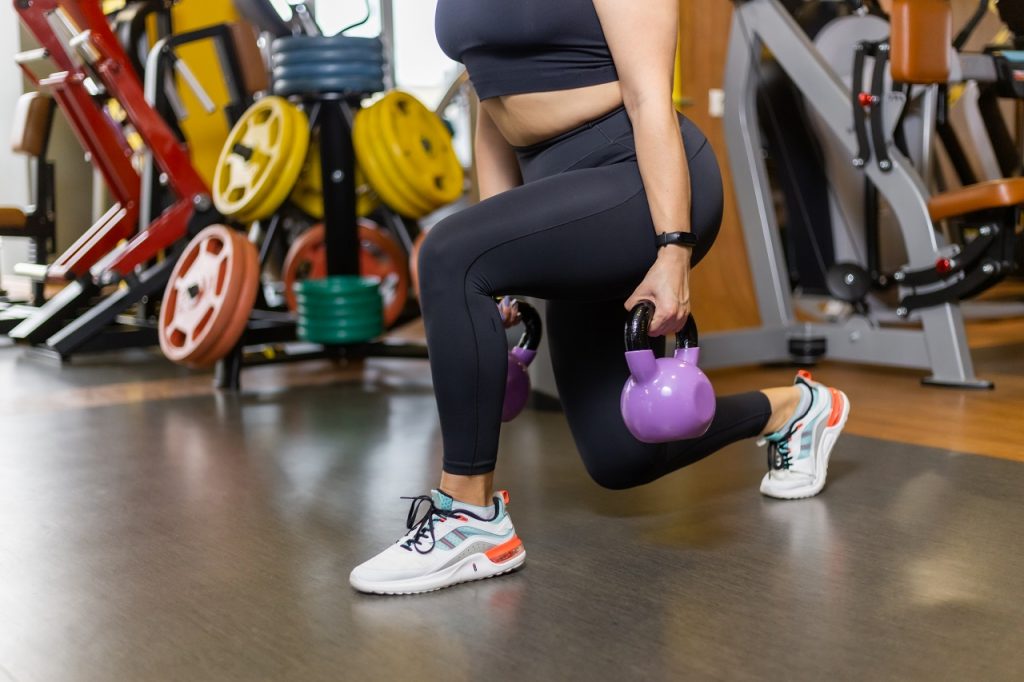
kettlebellRepeat the same routine for week 3 while increasing the duration, speed, and intensity of the workout this week. Small changes can be made with your workout to keep it interesting. For strength training, 2 sets can be done with 12 repetitions. If you feel this routine is easy one can also try other workouts like HIIT, kettlebell, resistance band workout, and weight training depending on their energy level and comfortability. This can include exercises that involve different muscle groups of the body like shoulder, arms, chest, abdomen, back, hips, glutes, thigh, and legs. 

These workouts have to be done again with the combination of cardio workouts on alternate days with one day as a Rest day. People who are running can switch to 4 mins running and 1 min walking, if they are comfortable. The idea here is to gradually increase the intensity of the workout so that the body is getting adjusted to the workouts easily without any injuries and exhaustion. 

  • Day 1: Cardio exercise for 25 mins with warm-up and cool down 
  • Day 2: Strength training exercise for 25 mins (15 reps of 2 set each) with warm-up and cool down
  • Day 3: Yoga, Pilates, dance, or stretching for 25 mins with warm-up and cool down
  • Day 4: Strength training exercise/HIIT for 25 mins (15 reps of 2 set each)  with warm-up and cool down
  • Day 5: Cardio exercise for 25 mins with warm-up and cool down
  • Day 6: Strength training exercise  for 25 mins (15 reps of 2 set each)  with warm-up and cool down
  • Day 7: Rest day

Proper warm-up and cool-down exercises are critical here to prevent injuries and for better healing. Muscle soreness can be common during the first week of exercise. But don’t give up. You will slowly get over it as you continue the workouts. 

One needs to pay attention to their diet with good protein, complex carbs, and fibers. Not to forget good hydration and quality sleep. If you have any health conditions like heart problems, diabetes, back pain, neck pain, knee pain, vertigo, arthritis, post-COVID or balance-related issues, get the clearance from your doctor. Certain types of exercises can be contraindicated in some of the conditions. It’s always ideal to have a personal coach or fitness trainer to learn how to go about a proper exercise routine, balanced diet, and healthy lifestyle tailored for your health condition and body type. 

For any additional help on getting started from the comfort of your home, you can sign up for our live, interactive GOQii Pro Classes where our fitness experts will guide and motivate you. You can book a class now from the GOQii App. 

Hope this weekly workout routine for beginners helps you. Do let us know your thoughts in the comments below!  

#BeTheForce 

November 28, 2022 By Komal Baxi 4 Comments

What Is Carb Loading & How To Do It

What is Carb Loading and how to do it

If you’ve just begun trekking, training for long distance running, cycling, mountain climbing or even if you have been doing it for a while, you have definitely come across the term ‘Carb Loading’. You might have a lot of questions pertaining to who, what, why, when, where and how you should be doing  carb loading, also known as ‘Super Compensation’.

What Is Carb Loading?

Carb Loading is a strategy (yes you may call it a strategy) that involves changes to training and nutrition which can maximize muscle glycogen stores prior to an endurance competition like the GOQii Trail Challenge. It also means reducing training load and resting the muscles to allow them to become completely loaded with glycogen. Let me highlight resting, which means involving in low to moderate intensity exercise which is as important as eating.

Who Should Do It?

Carbohydrates are considered the primary fuel for any physical activity. Our body usually has enough carb stores to utilize for short term exercises. So for short term exercises or workout sessions, you don’t need to carb load as the body’s usual carbohydrate stores are adequate.

However, when it comes to engaging in long, intense athletic events, your body needs extra energy to keep going. So basically, anyone exercising continuously for 90 minutes or longer, is likely to benefit from Carb Loading. Sports such as cycling, marathon running, longer distance triathlon, endurance swimming and so on, require carb loading so that the athletes can pull through the event with sustained energy and minimal fatigue.

Normal muscle glycogen stores are usually in the range of 100-120 mmol/kg ww (wet weight) and it is expected to reach up to 150-200 mmol/kg/ww with proper carb loading. This extra supply of carbohydrate dramatically improves endurance of athletes. So yes it’s quite a fact that it works!

How Should You Do It?

Trust me it’s simple, since it’s all about carbs and rest!

  • 3-4 days prior to the event, shoot up your carbohydrate intake to about 10-12 grams per kilogram of your body weight
  • Reduce your training sessions
  • And most importantly, rest completely the day before your big event

Basically, 3-4 days of exercise taper while following a high carb diet, means you have successfully managed to elevate muscle glycogen levels.

What Should You Eat? 

You should opt for simple carb-rich foods like white rice, oatmeal, bread, pancakes, bagels, whole wheat bread and pastas, rotis, broken wheat like daliya, potatoes,  peanut butter, dosas, idlis, fish, chicken, rajma, and chickpeas. You can also opt for hummus as it is a super power food. Yoghurt is a great option too. Try to drink fruit juices instead of whole fruit during carb loading for best results.

Choose foods that are low in fiber and easily digestible

Also, avoid high fat foods like cheese, butter, ghee, fried food or processed food to compensate for the extra carbohydrate-rich foods. Since your body requires more oxygen to your cells, too much of fat, like cheese, may actually slow u down as it makes the body acidic which hinders the oxygen supply to your cells.

Common Mistakes Made While Carb Loading

Carb loading requires an exercise taper. If u don’t rest, then it won’t turn out well. In order to consume the necessary amount of carbohydrate, it is necessary to cut back on fiber and make use of compact sources of carbohydrate, such as sugar, cordial, jam, honey, jelly, and tinned fruit. High fiber foods may be too bulky to consume at times.

Carb loading will most likely cause body mass to increase by approximately 2 kg. This extra weight is due to extra muscle glycogen and water. For some athletes, a fear of weight gain may prevent them from carb loading adequately.

Consuming too much high fat foods will make it difficult to consume sufficient carbohydrate. It may result in gaining body fat. The bottom line is to eat to high-carb, low fat foods while carbohydrate loading!

We hope this article helps you practice carb loading effectively for your next athletic or endurance event. Do let us know your thoughts in the comments below.

If you want to know more about carb loading, need guidance or if you wish to train for an athletic or endurance event, speak to an expert by subscribing for GOQii’s Personalised Health Coaching here: https://goqiiapp.page.link/bsr

For more articles on fitness and nutrition, check out Healthy Reads.

#BeTheForce

  • « Previous Page
  • 1
  • …
  • 18
  • 19
  • 20
  • 21
  • 22
  • …
  • 53
  • Next Page »

Search

Recent Posts

  • Best Foods To Alleviate Irritable Bowel Syndrome
  • ALL ABOUT VERTIGO!
  • PCOS and Anxiety: Discover Relief with the 54321 Technique
  • Navigating the Maze of Nutrition: Finding Clarity Amidst Confusion
  • Get children active and keep them healthy

Stay Updated

Archives

  • December 2025 (6)
  • November 2025 (15)
  • October 2025 (20)
  • September 2025 (6)
  • August 2025 (6)
  • July 2025 (12)
  • June 2025 (18)
  • May 2025 (16)
  • April 2025 (23)
  • March 2025 (23)
  • February 2025 (22)
  • January 2025 (26)
  • December 2024 (26)
  • November 2024 (25)
  • October 2024 (22)
  • September 2024 (24)
  • August 2024 (31)
  • July 2024 (21)
  • June 2024 (26)
  • May 2024 (31)
  • April 2024 (27)
  • March 2024 (29)
  • February 2024 (26)
  • January 2024 (25)
  • December 2023 (15)
  • November 2023 (11)
  • October 2023 (22)
  • September 2023 (22)
  • August 2023 (20)
  • July 2023 (22)
  • June 2023 (24)
  • May 2023 (24)
  • April 2023 (24)
  • March 2023 (23)
  • February 2023 (20)
  • January 2023 (16)
  • December 2022 (12)
  • November 2022 (15)
  • October 2022 (15)
  • September 2022 (12)
  • August 2022 (10)
  • July 2022 (17)
  • June 2022 (11)
  • May 2022 (10)
  • April 2022 (6)
  • March 2022 (6)
  • February 2022 (13)
  • January 2022 (12)
  • December 2021 (7)
  • November 2021 (3)
  • October 2021 (6)
  • September 2021 (3)
  • August 2021 (8)
  • July 2021 (7)
  • June 2021 (15)
  • May 2021 (16)
  • April 2021 (10)
  • March 2021 (7)
  • February 2021 (4)
  • January 2021 (4)
  • December 2020 (3)
  • November 2020 (4)
  • October 2020 (10)
  • September 2020 (3)
  • August 2020 (3)
  • July 2020 (2)
  • June 2020 (4)
  • May 2020 (10)
  • April 2020 (12)
  • March 2020 (10)
  • February 2020 (4)
  • January 2020 (4)
  • December 2019 (3)
  • November 2019 (7)
  • October 2019 (5)
  • September 2019 (4)
  • August 2019 (9)
  • July 2019 (9)
  • June 2019 (11)
  • May 2019 (4)
  • April 2019 (9)
  • March 2019 (8)
  • February 2019 (9)
  • January 2019 (8)
  • December 2018 (9)
  • November 2018 (3)
  • October 2018 (3)
  • September 2018 (5)
  • August 2018 (10)
  • July 2018 (6)
  • June 2018 (13)
  • May 2018 (8)
  • April 2018 (18)
  • March 2018 (9)
  • February 2018 (8)
  • January 2018 (15)
  • December 2017 (12)
  • November 2017 (19)
  • October 2017 (13)
  • September 2017 (15)
  • August 2017 (4)
  • July 2017 (8)
  • June 2017 (7)
  • May 2017 (6)
  • April 2017 (8)
  • March 2017 (6)
  • February 2017 (7)
  • January 2017 (9)
  • December 2016 (10)
  • November 2016 (7)
  • October 2016 (7)
  • September 2016 (7)
  • August 2016 (11)
  • July 2016 (9)
  • June 2016 (9)
  • May 2016 (12)
  • April 2016 (17)
  • March 2016 (17)
  • February 2016 (8)
  • January 2016 (6)
  • December 2015 (2)
  • November 2015 (9)
  • October 2015 (7)
  • September 2015 (9)
  • August 2015 (11)
  • July 2015 (9)
  • June 2015 (12)
  • May 2015 (9)
  • April 2015 (13)
  • March 2015 (8)
  • February 2015 (5)
  • January 2015 (12)
  • December 2014 (14)
  • November 2014 (11)
  • October 2014 (6)
  • September 2014 (13)
  • August 2014 (12)
  • July 2014 (6)
  • June 2014 (2)
  • May 2014 (7)
  • April 2014 (5)

From “Laddu Nawin” to Fit and Fierce: How a 25-Year-Old Insurance Advisor Shed 20 Kilos and Gained His Life Back

When 25-year-old Nawin Yadav from Hyderabad walked into his office every morning, he carried more than just his files and policy papers. He had the weight of fatigue, sluggish energy, and an ever-growing belly that was becoming the butt of jokes. “People … [Read More...]

“I’ve Challenged Myself to Live 100 Years” – The Story of Chandubhai Savani’s Second Chance at Life

At 67, most people start slowing down. Not Chandubhai Savani. A resident of Surat, Chandubhai, thought life was on track. “My life was going well till I had my bypass surgery,” he says. That surgery, back in 2021, was a wake-up call.  Medication was routine, but exercise wasn’t. His diet? What he calls ‘normal.’ “I […]

From Shimla’s Slopes to Chandigarh’s Sidewalks: Surinder Kaur Bhalla’s Journey from Chaos to Control

Some journeys start with a plan. Others begin with a stumble literally. Surinder Bhalla, a government professional, born and raised in the scenic hill town of Shimla, had always lived a life of movement. “In Shimla, you walked everywhere,” she reflects. “Walking was never an exercise. It was just life.” But after shifting to Chandigarh, […]

Ananda Mukherjee Health Story

From Terminal Illness To Complete Wellness! Ananda Mukherjee Health Story

As we observe World Cancer Day under the powerful theme ‘United by Unique’ (2025-2027)**, we are reminded that every individual’s journey with cancer is distinct, yet united by shared resilience, hope, and the collective fight against this disease. This theme places people at the centre of care and their stories at the heart of the […]

  • HOME
  • HEALTHY LIVING
  • FITNESS
  • HEALTHY RECIPES
  • USER STORIES
  • KARMA
  • BUY GOQii

Copyright ©2016 GOQii