GOQii

Blog

  • HOME
  • HEALTHY LIVING
  • FITNESS
  • HEALTHY RECIPES
  • USER STORIES
  • KARMA
  • BUY GOQii

Search Results for: muscle

November 14, 2016 By Dr Ashwin Nanda 2 Comments

DECODING DIABETES

Diabetes-Day

Last month, I had 2 patients on the same day diagnosed with Diabetes- one an overweight 34 year old IT professional and the other a 6-year-old girl. The reason, why this incident comes to my mind today is because they were both diabetics but, had different diabetes and even their course of treatments was different.

But, the first question I was asked in both the cases was whether they will need to be put on insulin injections immediately. Well, this is a common question asked by patients. To understand this condition better, let me try and explain a bit about the different types of diabetes on the basis of which the required treatment is normally recommended.

Diabetes is a group of metabolic disorders in which the person has high blood glucose (blood sugar), either because insulin production is inadequate, or because the body’s cells do not respond properly to insulin or both. Common symptoms of either diabetes are unexplained weight loss, excess hunger, and excess thirst and delayed wound healing.

Today, I would like to take you through specifically 3 major types of diabetes namely, Type 1, Type 2 and gestational Diabetes.

Let’s talk about

Type 1 Diabetes: is caused by a loss or malfunction of the insulin-producing cells in the pancreas, called beta cells. Damage to beta cells results in absence or insufficient production of insulin. Most cases of Type 1 Diabetes have an autoimmune basis in which immune system mistakenly attacks and destroys its own beta cells. These cases are detected either in childhood or teenage years. There are many theories about what causes type 1 diabetes like autoimmune disease, viral infection, genetic predisposition and environmental factors may also play a role.

Whatever be the cause, this missing insulin has to be replaced as insulin is necessary to sustain life. It is responsible for entry of glucose into the body cells from where the glucose is further utilized for energy and other activities. This glucose which is not entering the cells is circulating in the blood which gets detected as high blood sugar. The replacement insulin is administered by injection using a syringe or an insulin pump. Thanks to the invention of Insulin clubbed with a healthy lifestyle, a Type 1 diabetic is able to lead a happy good quality life.

Coming to Type 2 diabetes most often than not your tissues will be resistant to insulin, so the insulin is being produced but unfortunately not being utilized properly. It is the most common form of diabetes worldwide and accounts for 90-95% of the cases.

Insulin resistance in type 2 diabetes means the signal insulin gives to a cell is weakened. This results in less glucose uptake by muscle and fat cells and a reduction in insulin mediated activities inside cells.

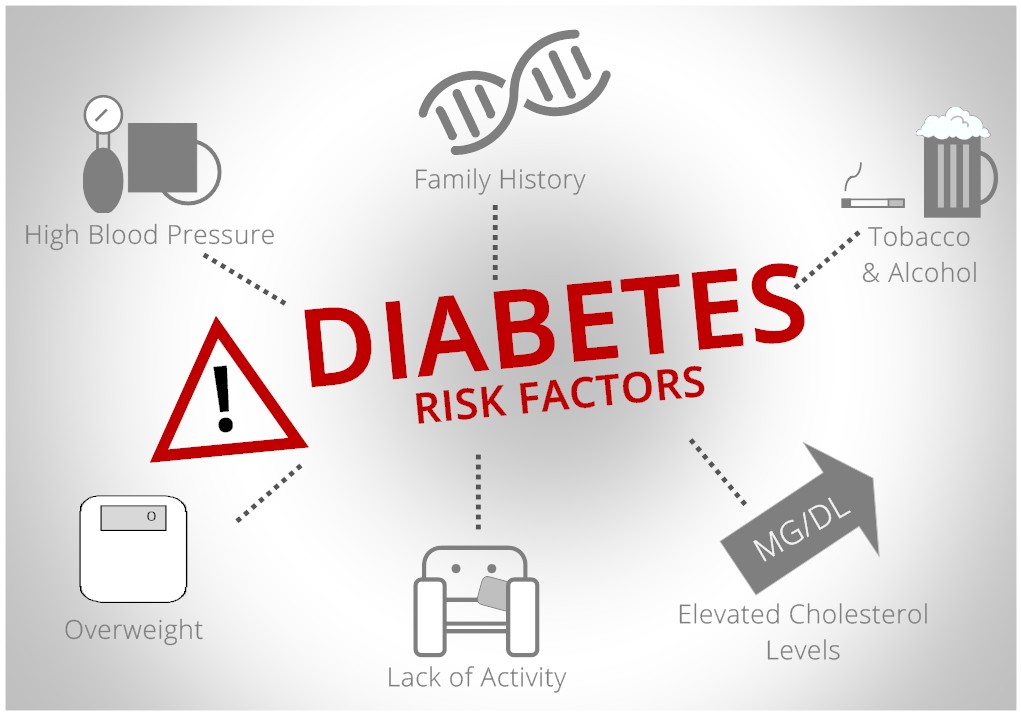
Risk factors for Type 2 Diabetes include an Unhealthy Lifestyle (being physically inactive or less active, erratic food and sleep habits, stress), being overweight or obese and importantly family history of diabetes in close relatives.
Diabetes-Risk

We have ample medicine combinations for type 2 diabetes like tablets which keep the blood sugar under control. But if sufficient sugar control is not achieved in spite of oral medications and a healthy lifestyle, then insulin might be required for further management.

Another type of Diabetes I would like to talk about is Gestational diabetes which basically refers to diabetes diagnosed during pregnancy.

Pregnancy hormones can interfere with the way insulin works in the mother’s body which can lead to elevated blood glucose levels during pregnancy. Women are typically screened for gestational diabetes at 24-28 weeks of pregnancy, however, women who have risk factors may be screened earlier.

Risk factors for developing gestational diabetes include having a family history of diabetes, being overweight, or over 28 years old. Blood glucose control during pregnancy is critical as elevated maternal glucose levels can lead to pregnancy complications and pose risks to the health of the baby. Gestational diabetes is likely to recur during subsequent pregnancies.

Gestational diabetes requires specialized treatment for the rest of the pregnancy. After the pregnancy is over, most women will have normal blood sugars again; however, up to 20-50 % can develop type 2 diabetes within 10 years. Regular screening is recommended.

A study conducted on people at risk of type 2 diabetes, it was seen that those who lost just 7% of their weight and exercised about 30 minutes a day cut their risk of diabetes by nearly 60%. In a nutshell, irrespective of the type of diabetes the best prevention or diabetes management strategy is to eat healthy, stay active and keep a check on your weight.

Reference: University of California, San Francisco – Diabetes online Education website.
October 20, 2016 By Dr Anand Kulkarni 3 Comments

OSTEOPOROSIS

osteoporosis

How often have you come across your parents, grandparents or an elderly relative who has had a minor fall in the bathroom, slipped on the floor or had a terrible jerk while travelling on a bumpy road and sustained fractures of bones with a lot of pain, suffering and disability.

It has been noticed that the culprit for such incidents is OSTEOPOROSIS.

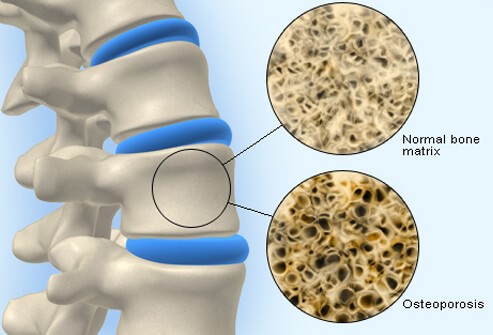
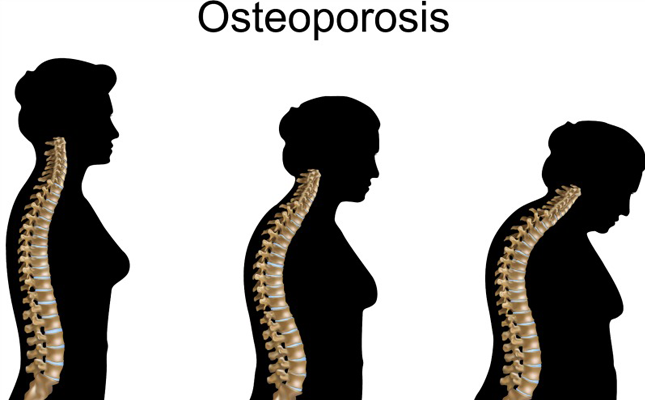
Osteoporosis is one of the most common disabilities encountered in the elderly. It literally means POROUS BONE. The condition results in reduced density and increased fragility of bones resulting in higher risk of fracture with minor falls, cough, sneeze, or minor bumps.

osteo1

The condition is observed worldwide. There are more than 10 million cases per year in India. In the USA about 55% of its population aged 50 years and older have Osteoporosis. One third have disabilities and one third regain their pre-fracture status. The health costs from fractures are tremendous amounting to billions of dollars annually.

It is very important to learn about osteoporosis because it is a ‘SILENT DISEASE’ except occasional bone pains. You may not know that you have osteoporosis until your thin weakened bones fracture in a bump or fall. The more common sites are Hip, Spinal Vertebrae and Wrist.

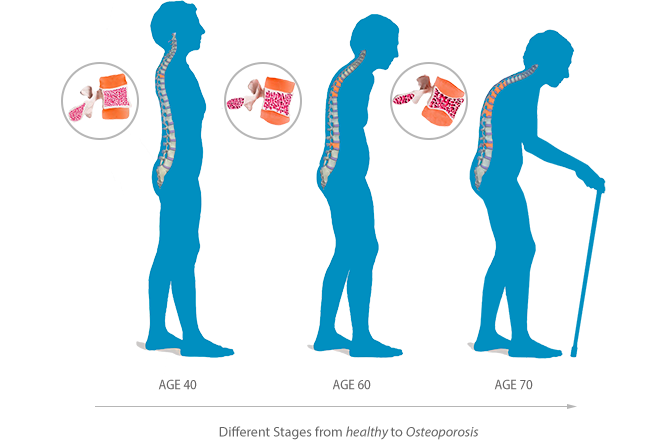
Clinical studies suggest that approximately 1 in 2 women and 1 in 4 men aged 50 years and older will break a bone due to osteoporosis. Such people in this age group usually present with chronic vague backache, loss of height, or stooping (Kyphosis) and should consult doctor immediately.

osteo2

THE RISK FACTORS ARE,

  • Advanced age
  • Family history of osteoporosis
  • Early menopause
  • Short Stature
  • Lack of Exercise
  • Poor nutrition with lack of Calcium
  • Lack of Vitamin D
  • Chronic Cigarette Smoking and Excessive Alcohol Consumption
  • Medical Illnesses- like hyperthyroidism, surgical removal of ovaries, long term steroid therapy and rare inherited bone disorders like Osteogenesis Imperfecta.

SCREENING is advised for all elderly above 65 years of age and Men and Women less than 65 years of age who have increased risk of fracture or already suffered from fracture.

DIAGNOSIS – is by bone scan which measures-Bone Mineral Density (BMD). The test called DEXA (Dual Energy X ray Absorptimetry) gives indication of likelihood of fracture due to osteoporosis.

It is also used to monitor response to treatment.

Result.— T score a)   ( -1) and above ——- normal

  1. b)   (-1) to ( -2.5) ——- mild bone loss or osteopenia
  2. c)     ( -2.5) and below —- osteoporosis

Our aim should be to prevent bone less or slow down the occurrence of Osteoporosis and encourage healthy bone mineralization.

Following measures are recommended:

  1. Healthy Nutritional Diet – To be incorporated during childhood and adolescent period itself with adequate calcium and magnesium intake. Calcium intake should be 1000 to 1200 mg per day. Common calcium rich foods are dairy products, cheese, ragi, broccoli, spinach, cabbage, green beans, soy beans, okra, dates, egg, salt water fish and fruits like orange, figs.
  2. Vitamin D intake of 800 IU per day is a must. We encourage exposure to SunLight and supplementation as Vitamin D requirement cannot be fulfilled through nutrition alone.
  3. EXERCISE plays a major role. Weight bearing exercises like walking, playing golf, Dancing, Hiking, Racket sports like Tennis, Squash promote mineralization of bones and make them healthy. Muscle strengthening exercises like weight lifting benefit by increasing muscle strength and Non- Impact activities like YOGA help in balancing, posture, agility of joints and benefit people with osteoporosis by decreasing the risk of falls and fractures.

Studies have also reported an increase in BMD in the spine of those who do YOGA regularly. Exercise should be tailored to the individual person based on BMD report and medical condition in consultation with health care professional.

osteo3

osteo    

  1. Other Lifestyle Changes – Have a Positive Attitude towards Life, avoid the use of tobacco and Cigarette Smoking, moderate alcohol intake if any, and measures to avoid falls like having railings, avoid slippery floors, having a mat or carpet on the floor helps etc.

Medications—You may also require osteoporosis medications to either build or maintain bone density. People have been treated with medications like Bisphosphonates, Hormone Therapy in Women, Calcitonin, Parathyroid Hormone. Stem Cell Therapy is also being tried out in severe cases.

But, any of these modalities of treatment should be undertaken in consultation with your Doctor. The doctor is the only one who will be able to decide the right treatment for you weighing the benefits and risks of the therapy.

Cultivate healthy living and enjoy life!

October 4, 2016 By Komilla Pareek 1 Comment

High Fructose diet and Vitamin D

high_fructose_corn_syrup_570

We are all aware that lack of sun exposure and spending more time indoors makes us prone to Vitamin D deficiency. But, did you know that Vitamin D deficiency could also occur due to an unhealthy diet –especially one that is loaded with high fructose.

In fact, what led me to write this blog is a recent conversation with a close friend of mine. Anita, as I knew her was always conscious about her diet and what she ate. Her seemingly healthy breakfast included packaged cereals and fruit yogurt. Trying to keep her meals small and frequent, her snacking included salads from fast food joints and her quick fix dinner at home mostly comprised of fruit juices with a veg sandwich.

But, something seem to bother hear off late. When I casually asked her how she was doing and that she looks a bit perturbed, she mentioned about her recently diagnosed Vitamin D deficiency at the age of 35 years.

What triggered the check up? Well she had a fall and fractured her right hand. It intrigued me to find out more. Anita was also keen to find out if there was anything in her diet that had led to the Vitamin D deficiency. She was obviously under the impression that she was eating healthy.

As a nutritionist, let me tell you that the sunshine vitamin-Vitamin D, can have reasons other than insufficient exposure for its deficiency. Fast paced lifestyle and dependence on packaged foods pointed to high fructose in the diet, which could be a major cause. Precisely, what triggered the deficiency in Anita as well?  Surviving on packaged foods is not a good idea at all.

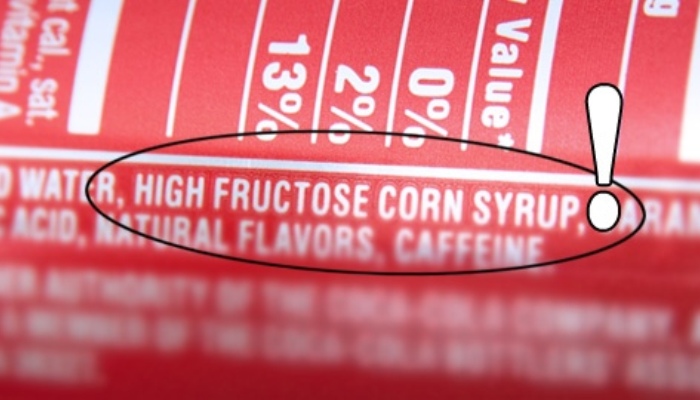
Fructose, as we know is a fruit-sugar; unfortunately, it’s not fruits from where we get most of the fructose in our diet. A large part of fructose in our food enters via HFCS – High fructose corn syrup which is an alternative to sugar in most packaged foods.

This low cost sweetener is favorite of food processing industries.Being stable in acidic foods and beverages, HFCS is attractive alternative to sucrose and is found in many unsuspecting packaged foods such as – Packaged fruit juices, carbonated drinks, breakfast cereals, flavored yogurt, salad dressing, ketchups, soups, sauces, nutrition bars etc. Baked products such as biscuits and breads, which is a classic case of ‘HFCS camouflaged with the whole grain marketing’.

When we consume high levels of fructose, an enzyme called  24-hydroxylase (which is responsible for degrading vitamin D3) becomes more active, while another enzyme, 1α-hydroxylase (which helps synthesize vitamin D) becomes less active.  As a result of this high level of fructose consumption, the body tends to start breaking down whatever levels of Vitamin D you have. In other words Fructose reduces blood levels of active Vitamin D.

Vitamin D in the form of calcitriol plays a critical role in maintaining calcium levels in blood. It regulates active calcium transport in the intestine, helping increase its absorption from food. In fact, in Vitamin D deficiency, we absorb only about 10 to 15% of the dietary calcium we eat!

We need calcium for proper functioning of nerves and muscles, including the cardiac muscle –Heart. When calcium levels go too low,in its survival mode body starts pulling calcium from bones. Boom: suddenly we enter a state of bone-tissue breakdown, because of a chain of events initiated by excess fructose. Over time, skeletal health becomes compromised, and the risk of osteopenia, osteoporosis, and fracture may go up.

A study published by PLOS One in April 2014 demonstrated that a chronic intake of high levels of dietary fructose can lead to a decrease in circulating levels of Vitamin D and also creates physiological increases in calcium requirement. They quoted this finding as highly relevant since fructose, a sugar contained in many types of foods that are being consumed at high levels, may contribute to the increasing prevalence of vitamin D insufficiency, especially in sensitive populations with high, processed sugar intakes. (http://journals.plos.org/plosone/article?id=10.1371%2Fjournal.pone.0093611).

Before it’s too late, cut down on your fructose intake. Less than 40 g of fructose from whole foods sources per day is a great target. For reference, that’s what we’d get from 1.3 whole mangoes or 3.5 apples. Yes, 2-5 servings of fruit per day (depending on fruit choice, stick to max 2 if high fructose fruit) is perfectly fine!

September 13, 2016 By Hira Junaid 1 Comment

8 Foods you should include in your Pre-Workout Meal

Untitled

Most people who work out regularly are very particular about their body and fitness levels. However,one of the main questions that they constantly battle within themselves is whether to feed or fast before a workout?For your body to continue performing well, you’ve got to fuel up-and that means eating the right foods before your workout. Not eating before a workout can result in low blood sugar, which leads to fatigue.

Manuel Villacorta, R.D., author of Eating Free and Peruvian Power Foods says, “If I don’t have my pre-exercise meal, my workout isn’t the same and it feels like a waste.” “If you fuel correctly, you will work out harder,” he adds.

Here are some Pre work out food options :

We are well aware that protein is vital for muscle growth and carbs are crucial for energy.But, certain foods are better than others for fueling up your body before you work out. After all, you use different muscles and burn out different levels of calories depending on if you’re lifting, doing High Intensity Interval Training (HIIT) or doing cardio.

Eating clean prior will give you the pump to rip up that work out. You should ideally eat at least 1 hour before the work out. This will do three things: sustain energy, boost your performance and speed up the recovery process.

Pre-workout food needs to have carbohydrates, some protein and some fat, to get you through longer workouts by providing you with energy. It also has to be light enough so that it doesn’t weigh you down or make you lethargic.

  1. FRUITS

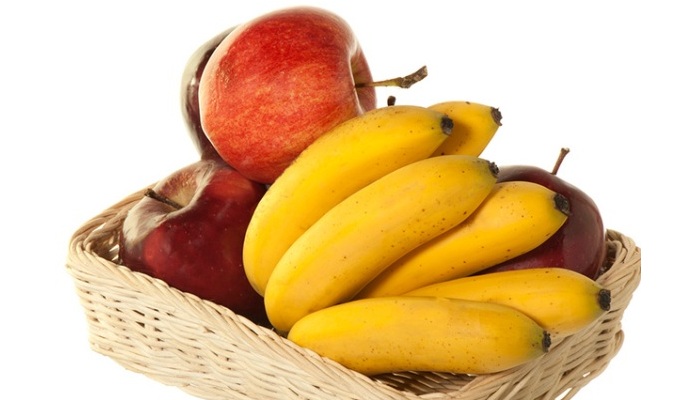
Fruits- mainly Banana and Apple are one of the most perfect pre workout food as they are loaded with digestible carbs, packed with minerals such as potassium and fiber which helps to maintain both nerve and muscle function. According to Dr. Louise Burke, head of Sports Nutrition at the Australian Institute of Sport and coauthor of The Complete Guide to Food for Sports Performance: Peak Nutrition for Your Sport, Bananas are nature’s Power Bar. They are also linked in lowering the blood pressure, boosting the alertness, etc.The carbs from fruits break down quickly and the protein is used later to prevent the damage of muscle.

  1. PEANUT BAR

Peanut bar is a perfect pre workout snack if you’re hitting the gym straight from work/office, as these are portable and energizing yet wholesome. It provides carbs to fuel up your muscles and is rich in fiber, protein, necessary fats, etc. It will keep your stomach satisfied and the energy levels up.

  1. GREEK YOGURT

It has double the amount of protein than a regular yogurt, has fewer carbs, sodium, and sugars, making it a pre-workout supplement power house. Unless you’re lactose intolerant, it is very easy on the stomach. What you get is a mix of fast and slow digesting proteins, which provide muscle-building amino acids while you work out.  You can add fruit, whole-grain cereal or honey, for an extra kick of energy.

  1. AVOCADO

For a sustained workout, eating an avocado just a few hours prior can provide valuable and healthy fat for that energy boost when depletion of carbohydrates occur. A small avocado is enoughsince you don’t need a lot of fat. But, don’t be afraid of this kind of fat. Avocado also contains vitamins that help your body metabolize all those healthy carbs and proteins you’ve been packing away.

  1. NUTS & SEEDS

Munching nuts and seeds is the best for pre-workout nutrition as they cover all your macronutrient bases, having carbs, protein, and fat. Eating a few nuts/seeds during a sustained workout can also provide a boost of energy to keep you going during endurance activities. I personally love chia seeds, as they’re loaded with omega-3 fats for sustained energy, protein, and antioxidants. Having these just a few hours before a long, intense workout can really help in fueling up. You can even have them during sustained activity such as trekking or cycling to get a boost of energy.

  1. ALMOND BUTTER/ PEANUT BUTTER

High in protein and unsaturated fats, Almond butter and peanut butter are great for your pre-workout meal. They are minimally processed with few added sugars and also has double the cholesterol-lowering monounsaturated fat. Moreover, almonds can protect against insulin resistance and prediabetes. Spread Almond/Peanut butter on a slice of wholegrain bread for a long, slow-burning energy supply.

  1. OATS

They are packed with fiber and you must be aware of why fiber is important for your diet. Slowly releasing glucose into the bloodstream without the insulin spike, and B vitamins boosts metabolic conversion, oatmeal gives you satiation and sustained energy. Steel-cut oats are the least processed as they are finely chopped. Ready-to-cook or instant oats are precooked, dried and mostly contain added sugar. So swap that instant oats pack with steel-cut oats.

  1. WHOLEGRAIN BREAD

Wholegrain bread is a very good source of carbs. And, you can top it up with honey, low fat spread like almond butter, or eggs for high quality protein supplement etc. This means it has flexible partners. If you’re to hit the gym during lunch hours, eat this about 45 minutes before you head out.

Plan your exercise for the day, add some pre-workout supplements and nosh on these foods to fuel up your body to give your best during the workout.

So, how are you fueling up today?

  • « Previous Page
  • 1
  • …
  • 90
  • 91
  • 92
  • 93
  • 94
  • …
  • 113
  • Next Page »

Search

Recent Posts

  • Water Intake Pre, During and Post Workout
  • India Leads in Longevity: GOQii Sanjeevini Named Top 40 in $101M XPRIZE
  • The Importance Of Knowing If You’re Thirsty Or Hungry
  • Best Foods To Alleviate Irritable Bowel Syndrome
  • ALL ABOUT VERTIGO!

Stay Updated

Archives

  • December 2025 (9)
  • November 2025 (15)
  • October 2025 (20)
  • September 2025 (6)
  • August 2025 (6)
  • July 2025 (12)
  • June 2025 (18)
  • May 2025 (16)
  • April 2025 (23)
  • March 2025 (23)
  • February 2025 (22)
  • January 2025 (26)
  • December 2024 (26)
  • November 2024 (25)
  • October 2024 (22)
  • September 2024 (24)
  • August 2024 (31)
  • July 2024 (21)
  • June 2024 (26)
  • May 2024 (31)
  • April 2024 (27)
  • March 2024 (29)
  • February 2024 (26)
  • January 2024 (25)
  • December 2023 (15)
  • November 2023 (11)
  • October 2023 (20)
  • September 2023 (22)
  • August 2023 (20)
  • July 2023 (22)
  • June 2023 (24)
  • May 2023 (24)
  • April 2023 (24)
  • March 2023 (23)
  • February 2023 (20)
  • January 2023 (16)
  • December 2022 (12)
  • November 2022 (15)
  • October 2022 (15)
  • September 2022 (12)
  • August 2022 (10)
  • July 2022 (17)
  • June 2022 (11)
  • May 2022 (10)
  • April 2022 (6)
  • March 2022 (6)
  • February 2022 (13)
  • January 2022 (12)
  • December 2021 (7)
  • November 2021 (3)
  • October 2021 (6)
  • September 2021 (3)
  • August 2021 (8)
  • July 2021 (7)
  • June 2021 (15)
  • May 2021 (16)
  • April 2021 (10)
  • March 2021 (7)
  • February 2021 (4)
  • January 2021 (4)
  • December 2020 (3)
  • November 2020 (4)
  • October 2020 (10)
  • September 2020 (3)
  • August 2020 (3)
  • July 2020 (2)
  • June 2020 (4)
  • May 2020 (10)
  • April 2020 (12)
  • March 2020 (10)
  • February 2020 (4)
  • January 2020 (4)
  • December 2019 (3)
  • November 2019 (7)
  • October 2019 (5)
  • September 2019 (4)
  • August 2019 (9)
  • July 2019 (9)
  • June 2019 (11)
  • May 2019 (4)
  • April 2019 (9)
  • March 2019 (8)
  • February 2019 (9)
  • January 2019 (8)
  • December 2018 (9)
  • November 2018 (3)
  • October 2018 (3)
  • September 2018 (5)
  • August 2018 (10)
  • July 2018 (6)
  • June 2018 (13)
  • May 2018 (8)
  • April 2018 (18)
  • March 2018 (9)
  • February 2018 (8)
  • January 2018 (15)
  • December 2017 (12)
  • November 2017 (19)
  • October 2017 (13)
  • September 2017 (15)
  • August 2017 (4)
  • July 2017 (8)
  • June 2017 (7)
  • May 2017 (6)
  • April 2017 (8)
  • March 2017 (6)
  • February 2017 (7)
  • January 2017 (9)
  • December 2016 (10)
  • November 2016 (7)
  • October 2016 (7)
  • September 2016 (7)
  • August 2016 (11)
  • July 2016 (9)
  • June 2016 (9)
  • May 2016 (12)
  • April 2016 (17)
  • March 2016 (17)
  • February 2016 (8)
  • January 2016 (6)
  • December 2015 (2)
  • November 2015 (9)
  • October 2015 (7)
  • September 2015 (9)
  • August 2015 (11)
  • July 2015 (9)
  • June 2015 (12)
  • May 2015 (9)
  • April 2015 (13)
  • March 2015 (8)
  • February 2015 (5)
  • January 2015 (12)
  • December 2014 (14)
  • November 2014 (11)
  • October 2014 (6)
  • September 2014 (13)
  • August 2014 (12)
  • July 2014 (6)
  • June 2014 (2)
  • May 2014 (7)
  • April 2014 (5)

From “Laddu Nawin” to Fit and Fierce: How a 25-Year-Old Insurance Advisor Shed 20 Kilos and Gained His Life Back

When 25-year-old Nawin Yadav from Hyderabad walked into his office every morning, he carried more than just his files and policy papers. He had the weight of fatigue, sluggish energy, and an ever-growing belly that was becoming the butt of jokes. “People … [Read More...]

“I’ve Challenged Myself to Live 100 Years” – The Story of Chandubhai Savani’s Second Chance at Life

At 67, most people start slowing down. Not Chandubhai Savani. A resident of Surat, Chandubhai, thought life was on track. “My life was going well till I had my bypass surgery,” he says. That surgery, back in 2021, was a wake-up call.  Medication was routine, but exercise wasn’t. His diet? What he calls ‘normal.’ “I […]

From Shimla’s Slopes to Chandigarh’s Sidewalks: Surinder Kaur Bhalla’s Journey from Chaos to Control

Some journeys start with a plan. Others begin with a stumble literally. Surinder Bhalla, a government professional, born and raised in the scenic hill town of Shimla, had always lived a life of movement. “In Shimla, you walked everywhere,” she reflects. “Walking was never an exercise. It was just life.” But after shifting to Chandigarh, […]

Ananda Mukherjee Health Story

From Terminal Illness To Complete Wellness! Ananda Mukherjee Health Story

As we observe World Cancer Day under the powerful theme ‘United by Unique’ (2025-2027)**, we are reminded that every individual’s journey with cancer is distinct, yet united by shared resilience, hope, and the collective fight against this disease. This theme places people at the centre of care and their stories at the heart of the […]

  • HOME
  • HEALTHY LIVING
  • FITNESS
  • HEALTHY RECIPES
  • USER STORIES
  • KARMA
  • BUY GOQii

Copyright ©2016 GOQii