GOQii

Blog

  • HOME
  • HEALTHY LIVING
  • FITNESS
  • HEALTHY RECIPES
  • USER STORIES
  • KARMA
  • BUY GOQii

Search Results for: hunger

January 23, 2019 By CHARMI GOGRI 13 Comments

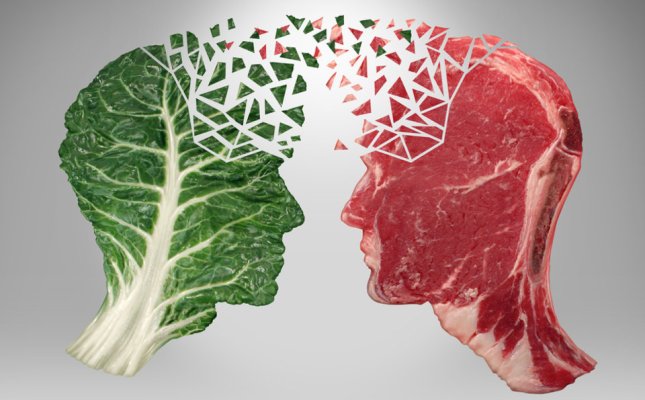
Vegetarianism: Pros and Cons

veg_vs_nonveg_foodguruz_inThe philosophy around going meatless or adopting a vegetarian lifestyle has become increasingly popular. People are being more aware of foods that are nutrient dense (and those less so) which helps them to stay healthy and fit. So is veering towards a plant-based approach the best way to go? A growing number of people seem to think so. A Vegetarian resource group conducted a poll and found that there was rise in people adopting vegetarianism/veganism compared to previous year’s data in USA, similar data was shown for Europe, Israel and India as well.

Before we fall in to the discussion of “Should people become Vegetarian?” however, it’s important to understand what vegetarianism actually means as well as the benefits and potential risks associated with it.

“Vegetarian” broadly refers to those who restricts consumption of animal products like meat, fish, poultry etc., and largely rely on plant based foods like fruits, veggies, whole grains, dairy, pulses etc., for living. Within this group, there are various levels of vegetarians. These are classified from most restrictive to those who are less so.

  • Vegan : They do not consume animal products or animal by-products like meat, poultry, fish, eggs, milk/milk products, honey etc. Also, they don’t use animal products like silk, wool, leather etc for commercial use. In other words, these are individuals who not only do not eat animals, but who also choose not to use products that come from animals.
  • Lacto-Vegetarian: These individuals  don’t consume meat, poultry, fish or eggs. But, they readily consume milk and milk products like yogurt, and cheese. Most of the Vegetarians in South Asian subcontinent fall under this category.
  • Ovo-Vegetarian: They avoid meat, poultry, fish and DAIRY. But, allow themselves to consume eggs.
  • Lacto-Ovo Vegetarian: People under this level restricts meat, poultry and fish. However, they consume egg as well as dairy. This is the most common type of vegetarian across the globe.

A vegetarian diet is naturally low in fats and high in fiber, but being vegetarian has its own risks. So no matter at what level you happen to fall, and no matter what reason you have chosen to commit to it , there are both pros and cons of being vegetarian. Here are few of them:

Pros of Vegetarianism:

  • Improves colon health: Fibers present in a plant-based vegetarian diet helps to maintain a healthy colon by improving the good bacteria within it. That’s because fiber is what helps feed those healthy bacteria. It also helps to cleanse the colon when supplemented with optimal water intake. Why? Because fiber can act like a chimney sweeper and remove any excess waste. The risk of colon cancer and constipation decreases with a high fiber vegetarian diet. On the flip side, meats and poultry takes time to digest and thus disrupts the natural balance in the body. They also don’t feed the friendly bacteria in our guts which are required to maintain a healthy gut lining.
  • Improves the heart rate: A vegetarian diet can help lower cholesterol, and blood pressure, aiding in the prevention of heart disease. A vegetarian diet can help to achieve these benefits as long as it includes food sources with potassium and dietary fiber, such as vegetables, fruits, legumes and whole grains.
  • Reduces risk of Kidney stones: Diet high in animal proteins leads body to excrete calcium, oxalate and uric acid. These are the major components of kidney stones. A diet high in animal protein have higher risk of Kidney stones in USA (15% of men and 7% of women) than diets rich in Vegetarian proteins.
  • Reduces risk of Cancer: Vegetarians show up to 40% less chance of developing cancer. Also, diets high in animal protein were associated with a 4-fold increase in cancer death risk compared to high protein diets based on plant-derived protein sources (figures based on 2014 study). The changes of contamination are high among meat eaters, on the flip side, consuming enough fruits and vegetables as part of vegetarian diet will help to build up strong immunity and fight cancer cells.
  • Lowers risk of Diabetes: Consumption of meat and processed meat increases the risk of Type 2 Diabetes in both men and women. On the other hand, vegetarian diets rich in whole grains, nuts, legumes and fibers improves the glycemic control in the people who already have diabetes.
  • Capable of delivering complete nutrition: When Vegetarian meals are optimally planned, all essential amino acids, vitamins and minerals can be supplied to the body. USDA and FAO of UN says “meat is not an essential part of healthy diet”
  • Weight loss: Vegetarian diet being high in fiber and low in fat helps one to reduce weight or at least prevent gaining those extra pounds from the high fat non vegetarian food.
  • Helps alleviate World’s hunger: There has been debate about insufficiency of our food supply if the entire world refuses to eat a primarily vegetarian diet. Grains and vegetarian food are required to feed animals and rear livestock in order to produce more meat (Over 10 pounds of plant protein is fed to produce one pound of beef). If that food were diverted for human consumption, world’s hunger can be alleviated.
  • Ethical view-point: Merciless killing of animals in the name of producing a food supply is on the rise. Cutting out animal products from our diet is a gentler kinder way to live as these warm blooded animals have emotions and can experience stress, pain and fear too. The less demand there will be for meat products, the fewer animals will be raised for slaughter.
  • For the sake of Nature: There are negative effects of raising livestock on environment. They produce more greenhouse gases than cars. Being vegetarian is one way to reduce carbon footprints and save the planet.

Cons of Vegetarianism:

  • Lack of Nutrition: Strict vegans/vegetarians might be missing on some of the nutrients like Omega 3 fatty acids (crucial for brain function), Vitamin B12, Vitamin D(crucial for bone health). Meeting protein needs gets hard, too, if meals aren’t planned well. While there are many good sources of iron for vegetarians, the bioavailability of that is lesser compared to non- vegetarian sources of Iron.
  • May still not be such a healthy choice: Vegetarianism doesn’t automatically mean you have made a healthy choice as it largely depends on the meal choices one makes. A vegetarian diet (if majorly relying on sugar, processed food, fries, refined food, high fructose corn syrup, and carbonated beverages) can possibly be harmful meal choices. An Oreo cookie is vegan. That doesn’t make it healthy.
  • Use of herbicides and pesticides: To improve production of crops and maintain quality. Numerous chemicals are used in the soil, residues of which can be found in the plant and can find its way to the human body.
  • The Notion that Vegetarians live longer can be a myth: Undoubtedly choosing high fibrous fresh vegetarian meal is the best choice. Choosing not-so-healthy vegetarian meals coupled with a faulty lifestyle like excessive smoking, frequent drinking, lack of physical activity etc., can decrease your life expectancy (Animal protein or no animal protein)


November 29, 2018 By Navnee Garg 2 Comments

QUICK BREAKFAST IDEAS FOR BUSY MORNINGS

Breakfast, widely considered as the day’s most important meal, is often skipped due to various reasons. Usually, mornings in most households are a little chaotic, as people roll out of their beds, feeling hungry. This is because of fasting all through the night with the need to eat something good, to get refuelled for an active morning.

Though patience is a virtue, it’s not true for many, especially picky eaters. Difficulties add up when breakfast options are limited and almost the same thing is served every day! So here are some quick healthy and nutritious breakfast ideas to satisfy your taste buds each morning.

1. Omelette Muffin: Unlike scrambled eggs that have become a little boring, this is identical to an omelette, but in the shape of a muffin. You can make a batch earlier night and simply grab it.

omlette muffin
 RECIPE:

  1. Preheat oven to 350 degrees F. Grease muffin cups or lines with paper liners.
  2. Beat eggs together in a large bowl. Mix cheese, shredded chicken, bell pepper, onion, salt, black pepper and water to the beaten eggs.
  3. Bake in the preheated oven until muffins are set in the minute for 18-20 minutes.
  1. Banana Bites

banana bites

This is one of the quickest breakfast sandwiches with or without bread! Simply use banana slices to sandwich your seed butter or nut butter of your choice.

RECIPE

  1. Toast whole/multigrain bread slices.
  2. Apply peanut butter/ seed butter of your choice on it.
  3. Slice banana into small pieces and place it on the spread.
  4. Sandwich with another toasted bread.
  1. WHOLE GRAIN PANCAKES

flour pancakes

Almost every family loves pancakes which can be kept in the refrigerator for microwaving during busy mornings.

RECIPE:

Ingredients

  • 1 cup whole wheat flour
  • 1 cup milk
  • 3 large eggs
  • 1/4 teaspoon salt
  • 1 Tablespoon honey
  • 2 teaspoons baking powder
  • 1 teaspoon baking soda
  • 1/4 cup oil (vegetable or canola oil)
  1. Add wheat flour and milk to a blender and blend on high for 3 minutes.
  2. Add the remaining ingredients and blend until smooth,.
  3. Cook on a hot greased griddle for 1-2 minutes on each side or until golden brown. (The batter will be very thin and you may start to question my judgment, but a few minutes later you would see they will puff up, and perfectly light and tender.)
  4. Serve hot or prepare the batter ready in the fridge and toss it in the morning for hot steaming pancakes.
  1. FRENCH TOAST STICKS

french toast

You only need to make the French toasts, cut each of them into four strips and serve with the dip of your choice.

RECIPE:

  1. Whisk the eggs and skimmed milk together in a bowl.
  2. Dip each piece of bread into the egg mixture and then press gently into the cereal, turning to coat completely.
  3. Melt the butter in a skillet over medium heat, cook the coated breadsticks in melted butter until golden, about 4 minutes each side.
  4. Serve with a healthy dip such as Strawberry Yogurt Dipping Sauce.

 5. OATS AND HONEY BREAKFAST SMOOTHIE

oats

A perfect glass to start your day by just blending all things together.

RECIPE:

  1. Add ripe pear, ripped and peeled banana, boiled porridge oats, honey, yogurt in a blender and blend on high 5 minutes.
  2. Add ice cubes if required.
  3. Garnish with Roasted oats.

BENEFITS OF HEALTHY BREAKFAST

  1. Weight Control: It can lower your hunger throughout the day and help you choose healthy foods at other meals.
  2. Improved Concentration: It keeps you productive and alert throughout the morning, by improving your attention span, creativity, problem-solving skills and concentration.
  3. Sticking to a Healthy Diet: When you eat a healthy breakfast regularly, you are more likely to stick to a healthier day. It acts as an encouragement to have the next meal balanced too.

September 15, 2018 By Neha Morche Leave a Comment

The Biological clock- Is it ticking?

18wzhzqjnqvpyjpg

You must have heard many say ‘biological clock is ticking’. Did you ever know what is the phenomenon behind biological clock is? Biological clock is nothing but an internal mechanism which controls the rhythm of the activities and rest within 24 hours.

Why do we sleep, eat, and wake up, clear bowels at the same time daily? We call it a routine. Basically, it is a Biological clock that has been set to our body over the years. That’s how our body reacts or starts giving us signal at a specific time. A “master clock” in the brain coordinates all the body clocks so that they are in synch. It is nothing but a group of   nerve cells in the brain located in the hypothalamus.

Two internal systems interact to regulate when we sleep and when we are awake. These systems monitor our need for sleep based on how long we have been awake that’s how it counterbalances with each other. However, because they operate independently, they can become misaligned by external factors as light and temperature, suggesting that they are somehow caused by the external changes. Disruption to daily rhythms usually has a negative effect in the short term.

Studies have also shown that light has a direct effect on human health because of the way it influences the circadian rhythms. Research has been finding that the body’s clock is responsible for more than just sleep and wakefulness. Other systems, like hunger, mental alertness, and mood, stress, heart function, and immunity also operate on a daily rhythm.

Why the biological clock becomes disrupted in certain people, or naturally with age, is not completely clear. There are many reasons for our body clocks to go out of sync, which probably involves a combination of genetic predisposition and lifestyle choices, such as alcohol consumption.

Environmental disruptions to the body’s clock

Jet Lag

‘Living out of your suitcase’ is a phrase we often use for people who travel a lot.  Constant travelling outside of the country is a prime example of how we can disrupt our own body clock. When jet lag sets in, we feel disoriented, foggy, and sleepy at the wrong times of the day because, after changing time zones, our body clock tells us it’s one time and the outside environment tells us it’s another. In fact, jet lag can be considered one type of circadian rhythm disorder. It can be treated simply by allowing the body to adjust to the new time, although it may take several days for external cues (light) to help the internal clock catch up or fall back with its new cycle.

Working in Shifts

Working in shifts is another example of how we can get ourselves off-routine, and this too can develop into a circadian rhythm disorder over the long term. People who work the night shift not only have a hard time with their sleep patterns (feeling sleepy at work or experiencing insomnia during the day), but other systems in their bodies can also feel the effects and they can be chronic. It’s not clear exactly why this connection exists, but weight gain or metabolic changes may be involved.

Biological and genetic disruptions and their implications on health

The Rhythm of the Heart

The heart is one organ that, although it can keep time by itself to some degree, it relies a lot on the brain’s biological clock for cues. For years doctors and researchers have noticed that heart problems like fatal arrhythmias are more likely to occur at certain times of the day. It can occur wither in the early morning and to a lesser degree or in the evening hours. Taking blood pressure medication in the evening seems to improve its effectiveness because it works with the body’s circadian rhythms.

Immunity and Vaccinations

Most of us have experienced being more susceptible to getting sick when sleep-deprived. The reason for this appears to be that certain chemicals responsible for immune function, like cytokines, wax and wane throughout the day and sleep deprivation deprives us of their best effects. Body rhythms don’t just enhance vaccine’s ability to provide immunity; they can affect the body’s ability to battle infection on its own.

Rhythm and Moods

Our internal clocks controls whether we feel up or down emotionally. People with mood disorders like depression, bipolar disorder, and seasonal affective disorder (SAD) have altered circadian rhythms. In fact, sleep disturbances, both sleeping too much and too little, are one of the key symptoms of depression and other mood disorders.

The relationship between body rhythms and mood is an intricate one, and it has to do with how the brain chemical serotonin fluctuates in relation to the light-dark cycle and throughout the year as the days become longer and shorter.

The circadian rhythm-mental health connection has also been linked to disease states like Alzheimer’s, Parkinson’s, and Huntington’s, and even autism spectrum disorder. Researchers are finding that disrupted daily rhythms can be good predictors for the development of mild cognitive impairment that comes with age, and even for dementia.

Keeping Time

Paying attention to the body’s natural rhythms is probably more important to our health than we realize. It’s not just sleep deprivation that affects our well-being, but it’s also the alteration of our biological rhythms that can interfere with so many body functions, making us more prone to health problems like infection, mood problems, and even heart disease. But keeping your schedule on track as much as possible is probably the best advice.

Avoid disruptions to your eat-sleep cycles. Practice good sleep hygiene, and stick to a sleep schedule that works well for your body to keep the system in its natural rhythm. Turning in a little earlier, cutting back on caffeine late in the day, and saving that last bit of work for the morning rather than staying late up to finish it, can make a big difference in how your internal clock functions and in how you feel.

Our clocks influence alertness, hunger, metabolism, fertility, mood and other physiological conditions. For this reason, clock dysfunction is associated with various disorders, including insomnia, diabetes and depression. There’s only so much we can do until our body and its clock are in equilibrium again.

So, watch your clock and maintain the rhythm!!


June 26, 2018 By Samar Hafeez 5 Comments

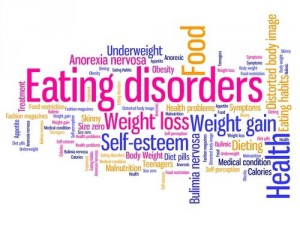
Know all about ‘Eating Disorders’

eating problms

DO YOU look in the mirror and pick yourself apart? Do you constantly worry about what and how you look?

Ask yourself, “What percentage of your time in a day you are preoccupied with thoughts regarding food, weight, and body image?”

If your answer is that you spend so much time with these concerns that it interferes with your happiness and daily functioning, then let me tell you that you may be having an Eating Disorder.!

What Is an Eating Disorder?

Eating Disorders are illnesses that cause serious disturbances in a person’s everyday diet. They are characterized by irregular eating habits which include inadequate or excessive food intake which can damage individual’s well-being.

In addition to abnormal eating patterns, there are severe distress or concern about body weight and shape. An Eating Disorder also includes your beliefs about food and how they impact your body.

Who Suffers From Eating Disorder?

Eating disorders can develop during any stage in life but typically it appears during teen years or young adulthood but, may also develop in childhood. It can affect both men and women, however, it’s more common in women.

Eating disorder when manifested at a young age can cause severe impairment in growth development, and overall mental and social well- being.

Let’s move on to knowing three most common types of Eating Disorders

ANOREXIA NERVOSA

The Term Anorexia Nervosa literally means “Lack of Appetite induced by Nervousness”

This is perhaps the best- known eating disorder. It causes its sufferers to excessively fear to be overweight and restrict their eating habits in an unhealthy, dangerous way which leads to a significantly low body weight.

Male and female suffering from Anorexia show following hallmarks

  • Extremely limited food intake
  • Obsessive intense fear of weight gain
  • Problems with body image (Unrealistic perception of the body) and a low self-esteem
  • Denial of low body weight

Overtime, the following symptoms may develop as the body goes into starvation

Physical symptoms

  • Menstrual cessation
  • Osteopenia or osteoporosis(Thinning of bones)
  • Anaemia
  • Fatigue
  • Brittle nail and hair
  • Skin dries and can take on a yellowish cast
  • Severe constipation, Low BP

Emotional and behavioural symptoms

  • Excessive/Compulsive exercising
  • Frequently skipping a meal or refusing to eat
  • Denial of hunger
  • Frequent checking in the mirror for ‘perceived’ flaws
  • Flat mood(Lack of emotion)
  • Low self-esteem
  • Irritability
  • Low sex drive

BULIMIA NERVOSA

The Greek word for Bulimia is BOULIMIA which means extreme hunger. Patients with bulimia nervosa eat frequently in a discrete period of time (example within any 2 hour period) they also have a sense of lack of control over eating during the episode.

They often consume thousands of calories that are high in sugars, carbohydrates and fats. They can eat rapidly, sometimes gulping food without even tasting it.

After a binge, they PURGE their bodies of food and calories they FEAR by using laxatives, enemas, diuretics, vomiting or by excessive exercise. People with Bulimia can be underweight, overweight or even obese.

Many people don’t know when a family member or friend has Bulimia nervosa because they almost always hide their binges but Bulimia nervosa does have symptoms that should raise red flags:-

Physical Symptoms

  • Chronically inflamed or a sore throat
  • Salivary glands in the neck and below jaw bone swollen; cheeks and face often become puffy
  • Tooth enamel wears off and begins to decay from exposure to stomach acids
  • Constant vomiting causes GERD (Gastro oesophagal reflux disease)
  • Laxative and Diuretic abuse cause kidney and intestinal problems
  • Frequent Severe dehydration from purging of fluids

Emotional and Behavioural symptoms

  • Negative/distorted self- image
  • Hoarding or hiding food
  • Social withdrawal
  • Extreme guilt and sadness
  • Excessive worry about body weight and shape

binge eating

BINGE EATING DISORDER

It is a form of compulsive OVEREATING. Sufferers feel a compulsion to eat large amounts of food and as though they cannot stop and UNLIKE PEOPLE WITH BULIMIA, THEY DO NOT TRY TO PURGE OR GET RID OF FOOD BY INDUCING VOMITING AND BY USING OTHER UNSAFE PRACTICES.

Symptoms are more or less similar to Bulimia nervosa except for purging and laxative abuse.

Binge eaters eat a large amount of food when not feeling physically hungry, binge eating episodes typically take place in private and can last for hours or a whole day. It is common for sufferers to feel distressed or guilty about their lack of control, it is this shame and guilt that can prevent a person from talking and seeking help.

CAUSES

Eating disorders are complex thus are influenced by a facet of factors. Though the exact cause is unknown, it is generally believed that a combination of biological, psychological, and/or environmental abnormalities contribute to the development.

Certain psychological, biological/genetic, and personality traits may predispose people to develop eating disorders.

However specific traits are linked to each of the disorders. People with Anorexia tend to be perfectionists and with bulimia and binge eating disorder impulsive nature is common. Hormonal irregularities and nutritional deficiencies can be among causes. As discussed earlier in this blog, negative body image, dissatisfaction with one’s body and low self-esteem can help build tendency towards abnormal eating patterns.

Among Socio-cultural factors, the media has the largest influence on people especially teens and young adults. The media pushes body image, clothes, fast food and weight loss with unrealistic results, the combination of all these lead teens and young adults down the road to eating disorders and a confusing self- image.

And on another side of continuum popular social media pages and videos with a variety of recipes and restaurants tempt people to eat more and more.

Other causes include disruptive thinking patterns and an inability to understand the healthy relationship between food and hunger, family dysfunctions and major life stressors/changes, negative emotions or traumas such as rape, childhood sexual abuse or death of loved ones can also trigger eating disorders.

Even a happy event, such as giving birth can lead to an eating disorder because of the stressful impact of the event on an individual’s new role and body image.

IMPORTANCE OF TREATMENT

Eating disorder untreated can have serious consequences like Malnutrition, stunted growth, osteoporosis, reduced metabolic rate, critically low blood pressure, serious heart, kidney and liver damages, obesity, diabetes (TYPE 1 AND 2), depression, anxiety, obsessive-compulsive disorder and substance abuse, cardiac arrests and even death!

Remember, the sooner the treatment starts, the better it is. The longer abnormal eating patterns continue the more deeply ingrained they become and more difficult to treat.

EFFECTIVE TREATMENT METHODS

  • PSYCHOTHERAPY
    • Cognitive Behaviour Therapy is a therapy focussing on the beliefs, values, maladaptive cognitive processes and negative emotions which are associated with meaning of weight, shape and appearance, it aims at reducing destructive eating patterns and restoring a healthy relationship with food. Psychologists identify important issues associated with causes of destructive eating habits and develop CBT plan respectively.
    • Dialectical Behavioural Therapy is a form of psychotherapy that helps to cope with painful emotions. The focus is on individuals who react to emotional circumstances with extreme behaviours. Weekly sessions help a person with Eating disorder practice mindful eating, distress tolerance and emotional regulation which focus on identifying barriers to changing emotions to constructive ones and to increase positive emotional events.
    • Incorporating Family, Group and Marital Therapy: This can be helpful in addressing the underlying causes of eating disorders and help prevent relapses by resolving interpersonal issues which are related to eating disorders.
  • Nutritional Counselling: This would involve a nutritionist’s guiding plan through weight restoration and stabilization, guidance for normal eating by keeping a food journal which includes type of food, amount, benefits, feelings thoughts associated with intake of food and drink, it also includes which binge foods are to be avoided. The inclusion of individualized meal plans for specific patients to improve nutritional intake is created.
  • Medication: Some patients with Bulimia Nervosa benefit from placebo or anti- depressants. But, medication should always be paired with psychotherapy and nutritional counselling.

A holistic approach involving all above methods/ways with an experienced team of caregivers and healthcare professionals can help patients suffering from eating disorder regain control of their eating behaviour and their lives!

Good Health is more than just being free from disease or injury. A healthy lifestyle helps you feel good, have a vibrant energy and maintain a positive outlook on life thereby contributing to your physical, mental, social well- being. Your mental health is as important as physical health and work hand-and-hand. Letting go of your eating disorder is one of many ways to move towards good health!


  • « Previous Page
  • 1
  • …
  • 20
  • 21
  • 22
  • 23
  • 24
  • …
  • 31
  • Next Page »

Search

Recent Posts

  • The Importance Of Knowing If You’re Thirsty Or Hungry
  • Best Foods To Alleviate Irritable Bowel Syndrome
  • ALL ABOUT VERTIGO!
  • PCOS and Anxiety: Discover Relief with the 54321 Technique
  • Navigating the Maze of Nutrition: Finding Clarity Amidst Confusion

Stay Updated

Archives

  • December 2025 (7)
  • November 2025 (15)
  • October 2025 (20)
  • September 2025 (6)
  • August 2025 (6)
  • July 2025 (12)
  • June 2025 (18)
  • May 2025 (16)
  • April 2025 (23)
  • March 2025 (23)
  • February 2025 (22)
  • January 2025 (26)
  • December 2024 (26)
  • November 2024 (25)
  • October 2024 (22)
  • September 2024 (24)
  • August 2024 (31)
  • July 2024 (21)
  • June 2024 (26)
  • May 2024 (31)
  • April 2024 (27)
  • March 2024 (29)
  • February 2024 (26)
  • January 2024 (25)
  • December 2023 (15)
  • November 2023 (11)
  • October 2023 (20)
  • September 2023 (22)
  • August 2023 (20)
  • July 2023 (22)
  • June 2023 (24)
  • May 2023 (24)
  • April 2023 (24)
  • March 2023 (23)
  • February 2023 (20)
  • January 2023 (16)
  • December 2022 (12)
  • November 2022 (15)
  • October 2022 (15)
  • September 2022 (12)
  • August 2022 (10)
  • July 2022 (17)
  • June 2022 (11)
  • May 2022 (10)
  • April 2022 (6)
  • March 2022 (6)
  • February 2022 (13)
  • January 2022 (12)
  • December 2021 (7)
  • November 2021 (3)
  • October 2021 (6)
  • September 2021 (3)
  • August 2021 (8)
  • July 2021 (7)
  • June 2021 (15)
  • May 2021 (16)
  • April 2021 (10)
  • March 2021 (7)
  • February 2021 (4)
  • January 2021 (4)
  • December 2020 (3)
  • November 2020 (4)
  • October 2020 (10)
  • September 2020 (3)
  • August 2020 (3)
  • July 2020 (2)
  • June 2020 (4)
  • May 2020 (10)
  • April 2020 (12)
  • March 2020 (10)
  • February 2020 (4)
  • January 2020 (4)
  • December 2019 (3)
  • November 2019 (7)
  • October 2019 (5)
  • September 2019 (4)
  • August 2019 (9)
  • July 2019 (9)
  • June 2019 (11)
  • May 2019 (4)
  • April 2019 (9)
  • March 2019 (8)
  • February 2019 (9)
  • January 2019 (8)
  • December 2018 (9)
  • November 2018 (3)
  • October 2018 (3)
  • September 2018 (5)
  • August 2018 (10)
  • July 2018 (6)
  • June 2018 (13)
  • May 2018 (8)
  • April 2018 (18)
  • March 2018 (9)
  • February 2018 (8)
  • January 2018 (15)
  • December 2017 (12)
  • November 2017 (19)
  • October 2017 (13)
  • September 2017 (15)
  • August 2017 (4)
  • July 2017 (8)
  • June 2017 (7)
  • May 2017 (6)
  • April 2017 (8)
  • March 2017 (6)
  • February 2017 (7)
  • January 2017 (9)
  • December 2016 (10)
  • November 2016 (7)
  • October 2016 (7)
  • September 2016 (7)
  • August 2016 (11)
  • July 2016 (9)
  • June 2016 (9)
  • May 2016 (12)
  • April 2016 (17)
  • March 2016 (17)
  • February 2016 (8)
  • January 2016 (6)
  • December 2015 (2)
  • November 2015 (9)
  • October 2015 (7)
  • September 2015 (9)
  • August 2015 (11)
  • July 2015 (9)
  • June 2015 (12)
  • May 2015 (9)
  • April 2015 (13)
  • March 2015 (8)
  • February 2015 (5)
  • January 2015 (12)
  • December 2014 (14)
  • November 2014 (11)
  • October 2014 (6)
  • September 2014 (13)
  • August 2014 (12)
  • July 2014 (6)
  • June 2014 (2)
  • May 2014 (7)
  • April 2014 (5)

From “Laddu Nawin” to Fit and Fierce: How a 25-Year-Old Insurance Advisor Shed 20 Kilos and Gained His Life Back

When 25-year-old Nawin Yadav from Hyderabad walked into his office every morning, he carried more than just his files and policy papers. He had the weight of fatigue, sluggish energy, and an ever-growing belly that was becoming the butt of jokes. “People … [Read More...]

“I’ve Challenged Myself to Live 100 Years” – The Story of Chandubhai Savani’s Second Chance at Life

At 67, most people start slowing down. Not Chandubhai Savani. A resident of Surat, Chandubhai, thought life was on track. “My life was going well till I had my bypass surgery,” he says. That surgery, back in 2021, was a wake-up call.  Medication was routine, but exercise wasn’t. His diet? What he calls ‘normal.’ “I […]

From Shimla’s Slopes to Chandigarh’s Sidewalks: Surinder Kaur Bhalla’s Journey from Chaos to Control

Some journeys start with a plan. Others begin with a stumble literally. Surinder Bhalla, a government professional, born and raised in the scenic hill town of Shimla, had always lived a life of movement. “In Shimla, you walked everywhere,” she reflects. “Walking was never an exercise. It was just life.” But after shifting to Chandigarh, […]

Ananda Mukherjee Health Story

From Terminal Illness To Complete Wellness! Ananda Mukherjee Health Story

As we observe World Cancer Day under the powerful theme ‘United by Unique’ (2025-2027)**, we are reminded that every individual’s journey with cancer is distinct, yet united by shared resilience, hope, and the collective fight against this disease. This theme places people at the centre of care and their stories at the heart of the […]

  • HOME
  • HEALTHY LIVING
  • FITNESS
  • HEALTHY RECIPES
  • USER STORIES
  • KARMA
  • BUY GOQii

Copyright ©2016 GOQii