GOQii

Blog

  • HOME
  • HEALTHY LIVING
  • FITNESS
  • HEALTHY RECIPES
  • USER STORIES
  • KARMA
  • BUY GOQii

Search Results for: home remedy

December 12, 2024 By Palak Mittal 1 Comment

5 Foods That Will Help You Avoid Acidity

avoid acidityDay in and day out, most of us experience acidity due to an erratic lifestyle, wrong postures, no time to have meals, eating junk or spicy food outside. Acidity is also known as heartburn. Do you know why? Because it actually feels like your chest is on fire! Acidity can be a serious mood killer in any circumstance and it can happen to anybody irrespective of age. So exactly can you avoid acidity? Before we answer that, let’s look at some common triggers: 

  • Staying on empty stomach for too long
  • Having too many cups of tea or coffee a day 
  • Spicy street food
  • Deep fried oily food
  • Junk food consumption containing refined flour
  • Frequent restaurant visits

What Can You Do To Avoid Acidity? 

To avoid acidity, you need to first avoid the above triggers. You can also try these 5 foods below which help in relieving acidity. 

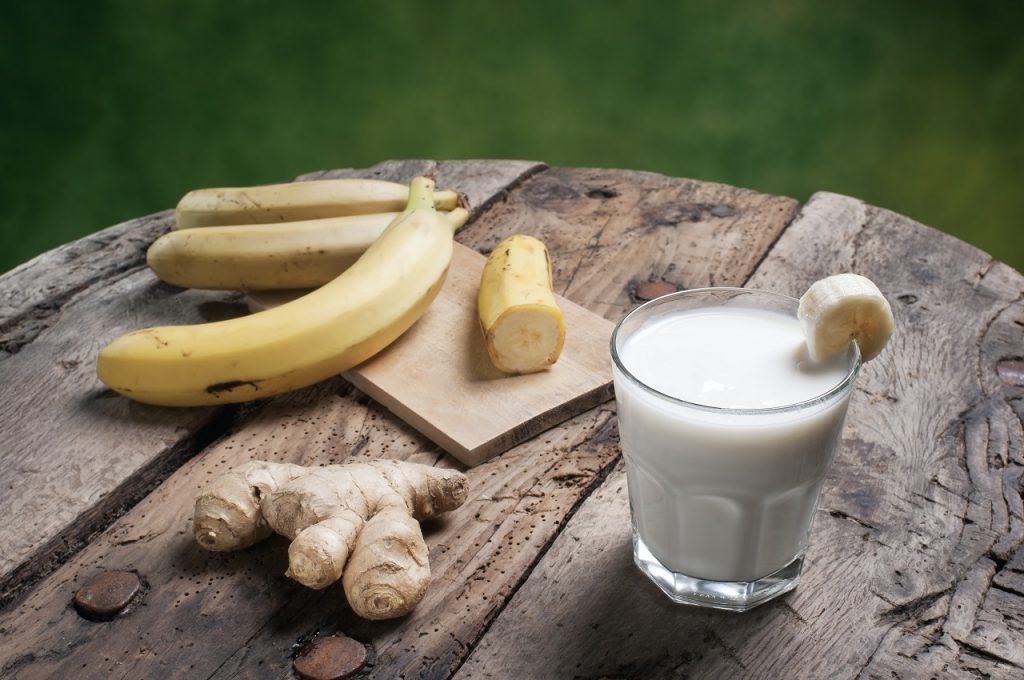
  1. Bananas: This fruit is easily available throughout the year. Its high fiber content strengthens the digestive system. Pectin, found in bananas, moves the residues through the digestive tract which actually helps one avoid acidity. 
  2. Ginger: is a natural treatment for acidity due to its anti-inflammatory properties. Ginger juice can be extracted and 2-3 drops or 1tsp of ginger juice can be consumed as ginger shot post meals to relieve acidity. Another way to consume ginger is by making ginger tea.
  3. Yogurt: also has a soothing effect on our digestive system as it helps coating the lining of the digestive tract. Also it contains probiotics which are healthy gut bacteria that aid digestion. Consuming curd/yogurt is a proven remedy for acid reflux. 
  4. Aloe Vera: not only soothes the skin but our gut as well. Due to its anti-inflammatory properties, it helps you avoid acidity. Drink 5-10ml of aloe vera juice everyday on an empty stomach for good results.
  5. Fennel Seeds (Saunf): are loaded with anti-inflammatory properties and they also aid good digestion, reducing the symptoms of acidity easily. Consume about 1tsp of fennel seeds post meals. It will not only improve digestion, but also help you fight against acidity. It works great as a good mouth freshener too.

So keep these easily available foods ready with you to avoid acidity. Do remember to avoid the triggers as well, as prevention is always better than cure. We hope this article helps you. If you’re suffering from acidity, try them out and let us know your experience in the comments below.

For more home remedies on acidity, check out Healthy Reads or ask a GOQii Coach by subscribing for Personalised Health Coaching here.

#BeTheForce

March 21, 2024 By Arooshi Garg 6 Comments

Celebrate a Skin-Friendly Holi With Natural Colors

Protect your skin on holi

Holi is the festival of colours in India that also marks the arrival of spring – a season of joy and hope. The festival is famous for its colours and how people apply them to each other’s face. I remember one horrendous incident a few years ago that left my face scarred due to an allergic reaction and I was on anti-allergens for over a month. The culprit was a toxic paste colour that my skin came in contact with. I, therefore, thought I should share some good ways to enjoy a safe and non-toxic Holi this year.

In the last couple of years, chemical colours are being used to celebrate Holi as they are cheaper than natural colours. Chemical colours can be very harmful to the health and skin of individuals as well as the environment.

Use of safe, natural and eco-friendly colours, can help to save our environment and conserve our biodiversity. Natural colours are obtained from skin friendly sources such as turmeric, flower extracts, sandalwood powder, mehndi (Henna), etc and are safe to use. 

Here’s How You Can Create Safe, Non-toxic Colours

  1. Brown color: Brown is one color that is never spotted anywhere in the color markets during Holi. So go ahead and surprise your visitors with this different and amazing color! Acacia catechu (Kattha) – which is commonly consumed with betel leaves (pan) gives a brownish color when mixed with water.
    Other methods: Boil tea or coffee leaves in water. Cool it and use it.
  2. Saffron: Soak a few stalks of Saffron in 2 tablespoons of water. Leave for a few hours and grind them to make a fine paste. Dilute that with water as per the desired color strength.
    Other methods: The Flame of the Forest, commonly known as Tesu, Palash or Dhak, is the source of the wonderful, traditional color for Holi. For fragrant yellowish-orange colored water, the flowers are soaked overnight in water and can also be boiled.
  3. Green: Save a trip to the parlor by using green colored henna powder (Mehendi) this Holi. Either use it separately or mix it with an equal quantity of any suitable flour to get a lovely and natural green shade. Make sure to use pure henna that does not have Amla (Indian Gooseberries) mixed in it, as this would be brown in color. Dry henna will not leave color on your face and can be easily brushed off. When mixed with water, it will leave a slight color, thereby making it a fast color.
    Other methods: Dry and finely powder Gulmohur tree leaves or crush the tender leaves of the Wheat plant to obtain a natural green color for Holi. The color can also be obtained by mixing a fine paste of green leafy vegetables like spinach (Palak), Coriander (Dhaniya) or Mint (Pudina) in water.
  4. Blue: Dry Jacaranda flowers (Neeli Gulmohar/Jungle Badam) in the shade and grind them to obtain a beautiful blue powder.
    Other methods: The Blue Hibiscus, which is found in Kerala, can be dried and powdered just like the red hibiscus, or crush berries of Indigo plant and add water to it as per the desired colour strength.
  5. Yellow: Mix two teaspoons of Turmeric powder with twice the quantity of gram flour (besan). Turmeric and gram flour have magical qualities that are very good for the skin. Ordinary wheat flour (Atta), refined wheat flour (Maida), rice flour, ground nut powder, fuller`s earth (Multani Mitti) and even talcum powder can be used as substitutes for gram flour. Other methods: Flowers like Cassia Fistula (Amaltas), Marigold (Gainda), Yellow Chrysanthemums and Black Babul yield different shades of yellow. Dry the petals of these flowers in the shade and crush them to obtain a fine powder. Mix an appropriate quantity of the powder with gram flour or its substitutes and see your festival come alive without any harmful effects of chemically-loaded colors.
  6. Pink: Slice or grate one beetroot and soak it in 1 liter of water for a wonderful magenta. Boil or leave overnight for a deeper shade and dilute it before use.
    Other methods: Boil the peels of 10-15 pink onions in half a liter of water for a pinkish color. Remove the peels before using them to remove any unneeded smell. You can also soak pink Bauhinia variegate (Kachnar) flowers in water overnight or boil them for a bright pink color.
  7. Red: Red Sandal Wood Powder, which has a beautiful red color, is extremely beneficial for the skin and can be used in place of Red Gulal.
    Other methods: Dry red hibiscus flowers in shade, powder and add any flour to increase the bulk. For a bright orange-red, mix a pinch of lime powder with 2 spoons of turmeric powder and a few drops of water. Use the resulting paste only after diluting it with 10 litres of water. Peels of Red Pomegranate boiled in water, juice of tomatoes and carrots diluted with sufficient quantity of water to remove the stickiness also give a natural yet beautiful red color.
  8. Black: Last but not the least, comes black. Often derived from very dangerous sources like used batteries, this color may cause a lot of trouble later. However, for a safe black color, boil dried fruits of Indian Gooseberry (Amla) in an iron vessel and leave it overnight. Dilute with water and use.
    Other methods: Extract juice of black grapes and dilute with sufficient quantity of water to remove stickiness.

Tips For a Skin-Friendly Holi

  • Cover up: Nothing can beat covering the maximum part of your body with full sleeved clothes and trousers. But the old remedy of using Mustard Oil, Coconut Oil, Olive Oil or Vaseline over your entire body on the morning of Holi does wonders in removing the colours easily
  • No warm water: Do not use warm water for bathing/removing colours. This can lead to the fastening of colours. Instead, always opt for cold water to wash the colours off. You should also try to remove the dry colour powder with dry hands rather than using water as it spreads even more after water application.
  • Stay Hydrated: Drink lots and lots of water as skin tends to get dehydrated with the use of chemicals. You can try other refreshing water-based drinks too. For instance, a virgin mint mojito, or fresh lime and buttermilk, to beat the heat out of your body!
  • Hair Care: Before you use a shampoo, rinse your hair with water to allow the additional colours to wash off. It is extremely vital to condition your hair to prevent any hair damage. Make a simple hair pack by soaking a few Fenugreek (Methi) seeds in four tablespoons of curd. Apply this pack or egg yolk on your scalp and wash your hair with a good shampoo after 30 minutes. You can also apply a mixture of honey and olive oil for deep conditioning.
  • Face: Do not scrub the colour off with soap. Opt for a mild cleanser and follow it up with lots of moisturizing cream. If you feel any skin irritation during the process of taking off the colours then take 2 tbsps. of calamine powder and mix it with a few drops of honey and rosewater to make a paste. Apply this on your face and once it has dried up, wash it off with water and apply a moisturizer. You can also take off the colour with a mixture of Gram Flour (besan) and Milk. If you are unable to do anything else, simply apply a generous amount of Multani-Mitti on the entire face and body to revive your skin.
  • Natural body scrub: You can use a homemade scrub by mixing the following ingredients: 2 tbsp. Wheat Bran, 1 tbsp. Sandalwood Powder, 1 tbsp. Rice Flour, along with some Poppy Seeds (khus-khus), few drops of Honey and a mashed tomato. Scrub your body with this to clear off the colours and to bounce back to your fair and glowing skin. You can also rub a piece of papaya on coloured areas of the face and body to get rid of the colours. There is another good body scrub you can use to wash off colours. Mix curd, gram flour, orange peel powder along with little turmeric, a few drops of lemon and 1 tbsp. of olive oil. This will help clean your skin.  

Post Holi Skincare Regime

For the next two weeks, apply a Multani Mitti face pack every alternate day to ensure that your skin remains soft and supple. Do not go for any skin treatments like waxing, threading, facials, or apply any other external medication on the skin for 2-3 days after Holi. Your skin is very sensitive after Holi. These treatments may cause an adverse reaction.

Safe, Natural Holi

We hope these tips help you. For more, check out Healthy Reads or ask a GOQii Coach by subscribing for Personalised Health Coaching here.

#BeTheForce 

January 21, 2024 By Vandana Juneja 6 Comments

Remedies For Leg Pain During Winter

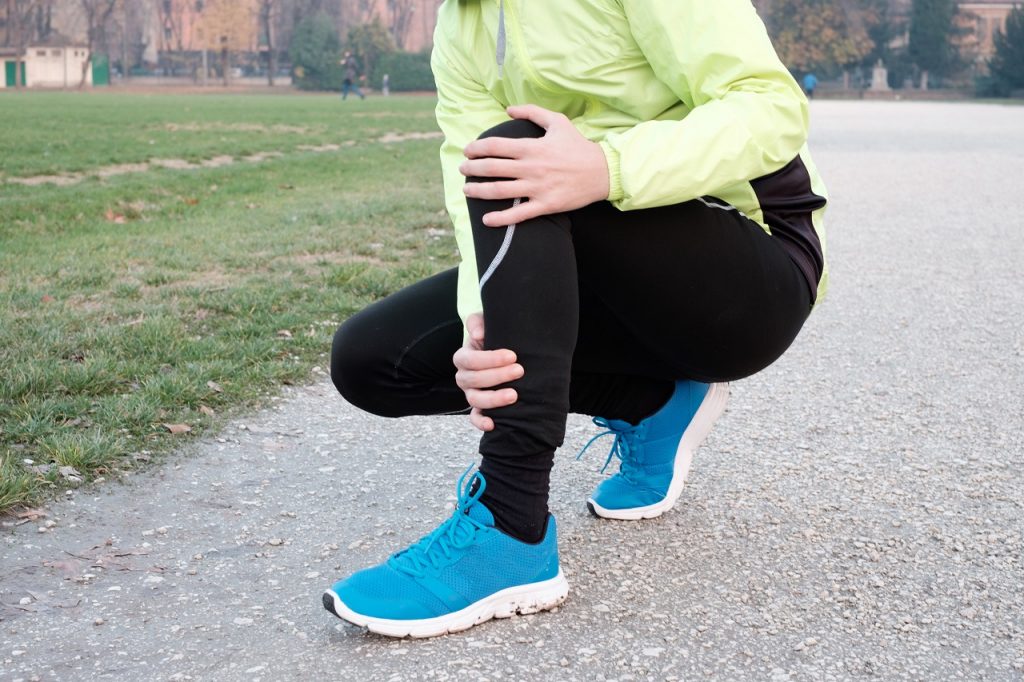
leg pain during winterAs winter sets in, there are many health issues that some people face, and one of them is feeling immense stiffness and soreness in the legs leading to being less active. Is it normal to feel these aches and pain? or is it a serious health concern? Let’s find out the reason for leg pain during winter. 

Why do we feel pain and stiffness in Winter?

According to various studies, the cold causes your muscles to lose heat and contract, this makes you feel tight especially around the joints, and eventually you tend to lose range of motion and your nerves can also be easily pinched.

Another theory says a drop in barometric pressure in winters, cause the tendons, muscles and surrounding tissues to expand. Because of the confined space within the body, this can cause pain, especially in joints affected by arthritis.

In general, during winters, we limit our movement due to the cold weather, don’t exercise much, and keep ourselves wrapped up in blankets to stay warm, eat calorie dense food and put on a few extra kilos! All these factors also attribute to increased sensation of pain and stiffness in the legs.

Whatever the reason, it is a fact that many people have “flare ups” or aggravated symptoms of aches and pains in their body especially the lower limbs. Though you may not take it as a serious health concern, one should work towards preventing and dealing with it, so that the aches and pain do not aggravate and restrict your mobility in winters.

Tips to Reduce Leg Pain During Winter

1. Keep Yourself Warm with Proper Clothing
Use cotton, wool or fleece long-sleeved clothing since these materials work the best at maintaining body heat. Wear slim-fitting clothes for your underlayer, so that you don’t look bulky and can easily move your limbs. Don’t forget to wear your woolen cap, gloves, scarf and overcoat (if really cold); with a warm pair of socks and shoes while going out for a walk or even for an outing. Long woolen socks are advised to keep your legs warm. There are woolen thermals available that cover your legs from mid thigh to ankle and are very comfortable. Keeping your muscles warm is important to feel good and comfortable. The right kind of shoe will prevent any kind of injury from a fall or slip.

2. Stay Active
It is important to stay active and exercise your joints and muscles to reduce pain and stiffness during winters. Exercise increases blood circulation, boosts production of your body’s synovial fluid, which lubricates your joints and makes movement easy and comfortable. Plus, a good workout releases your body’s natural feel-good compounds (happy hormones: endorphins, dopamine and serotonin), resulting in reduced perception of pain and boosting your mood and overall sense of well-being. Walking and stationary cycling are good low-impact options to improve blood flow and leg strength. Just remember to warm-up a bit first and skip high-impact exercises if they bother your joints.

Some exercises you should be doing at regular intervals are:

  • Ankle Circles: This exercise is great to warm the muscles in the lower legs before starting a full exercise routine. Ankle circles also increase joint flexibility. The technique can easily be performed while sitting or standing and holding a chair or railing for support.
  • Leg Raises While Sitting: This exercise will improve your quadriceps strength and can be easily done while watching T.V. or sitting with friends/ family. Sit with your thighs well placed on a chair, back touching the backrest and then raise your foot up till it is in line with the thigh. Repeat both sides, 10 times each, twice a day.
  • Calf Raises: By strengthening the calf muscles, you can comfortably climb up and down stairs or walk on elevated terrain. Use a chair for support, and stand on a large book or small stool. Rise up on the toes and hold for five seconds, then lower, repeat five to ten times. Drop the heels to the floor to stretch the calves. Hold for five seconds and relax.
  • Standing Leg Raises: This exercise strengthens the muscles in the lower back, buttocks, hips, and thighs. Stand sideways behind a chair while holding the chair back for support. Lift the outer leg to the side while keeping it straight from the hip to the heel. Keeping the back straightened, hold for five seconds, and lower. With the same leg, stand straight and move the leg back while keeping it straightened. Hold for five seconds and relax. Repeat the process with the other leg. Perform 10 repetitions with each leg, then repeat.
  • Knee Ups: High Knees are a cardio-intensive exercise performed at a fast pace. It engages your core, strengthens all the muscles in your legs, gets your heart rate up and improves momentum, coordination and flexibility. Stand with your feet hip-width apart. Lift up your left knee to your chest. Switch to lift your right knee to your chest. Continue the movement, alternating legs and moving at a sprinting or walking pace for 4-5 minutes.

Similarly there are many other exercises that you can do at home to avoid leg pain during winter, depending upon your current physical health. For instance, squats/wall squats, straight leg raises, prone leg raises, lunges, etc.

3. Add Anti-Inflammatory Components to your Daily Diet
It is important to include anti-inflammatory foods in your daily diet, to reduce inflammation, pain and stiffness in the joints and muscles. You can include super foods such as Ginger, Turmeric, Chilly Peppers, Mint and Virgin Olive Oil. Choose colourful foods like blueberries, blackberries, cherries, spinach, kale and broccoli. Opt for Salmon, Tuna, Sardines, nuts and seeds. Avoid processed foods, excess sugar and salt; high intake of alcohol.

4. Get Enough Vitamin D
During winter, Vitamin D levels naturally dip as we get less exposure to sunlight. Low levels of Vitamin D increase sensitivity to pain. Vitamin D-rich foods such as salmon, tuna, mackerel, cheese and egg yolks are important since Vitamin D helps your body absorb calcium from food, which is another important mineral for bone health that can help reduce pain. Get your levels checked and ask your doctor about supplements if your levels are low.

5. Hydrate Well
We tend to drink less water during winter, leading to dehydration and even the slightest of dehydration can cause increased sensitivity to pain. Drink at least 2-2.5 litres of water daily. You can have lukewarm water if not comfortable with water at room temperature.

6. Treat Yourself to a Massage
Massaging the legs increases the blood and lymphatic circulation, relaxes and normalises the soft tissues (muscle, connective tissue, tendons, ligaments), which releases nerves and deeper connective tissues; hence reducing spasm in the muscles and overall pain sensation. There are many essential oils that you can use to massage gently on your muscles as they have anti-inflammatory and analgesic properties, like lavender oil, eucalyptus oil, peppermint oil, rosemary oil. Other commonly used oils for massage include – coconut oil, sesame oil, mustard oil, almond oil and olive oil.

The mentioned tips, should keep the leg pain during winter away! So leave the quilts and start moving! Eat right, hydrate well, stay active, enjoy and level up this beautiful winter weather! But if your symptoms aggravate, despite all precautions, do consult your doctor.

Do you have a special remedy you use for aches and pains during winter? Share them with us in the comments below. For more winter tips, check out Healthy Reads or ask a GOQii Coach by subscribing for Personalised Health Coaching here.

#BeTheForce 
August 22, 2023 By Arooshi Garg 2 Comments

4 Ways to Naturally Heal Common Cold and Flu

4 Ways to Natural Heal Common Colds and FluIt’s that time of the year again when the ‘change in weather’ hits us all! Immunity levels suddenly drop, paving the way for cold, cough, flu, and body aches, which hamper our daily activities, work and physical well-being. What exactly is cold? Can you naturally heal common cold and flu? Let’s find out!



What is Common Cold?

You get a cold when a tiny living thing called a virus gets into your body. There are a hundred different types of viruses that can get you sick. Once a cold virus gets inside you, your immune system – the body’s defense against germs, launches a counter-attack. Your body’s response to the virus is what brings on the classic symptoms such as cough or a stuffed nose. The common cold is a viral, infectious disease that infects the upper respiratory system. It is also known as Acute Viral Rhinopharyngitis and Acute Coryza.

The viruses that cause common cold are contagious. You can contract them when someone who is infected sneezes, coughs, or shakes your hand. It can be spread by air droplets from coughs and sneezes and by touching infected surfaces. There are over 200 sub-types of viruses that can cause a cold with the Rhinovirus being the most common. Although colds occur more commonly during monsoon and winter, they can develop any time of the year. After a couple of weeks, at the most, your immune system fights off the illness and you should stop having symptoms.

Because there are more than 200 viruses that cause common cold, the human body can never build resistance to all of them. This is why colds are so common and often return. According to the CDC (Center for Disease Control and Prevention), adults get 2–3 colds per year, and children may have up to 12 per year.

How Can You Naturally Heal Common Cold and Flu? 

The symptoms of common cold are the body’s reaction to the cold virus. It triggers the release of chemicals, making the blood vessels leak, causing the mucous glands to work harder. So what’s the solution? With no long-term solution to this issue, the only way is to either avoid it or treat it! Here are 4 ways to naturally heal common cold and flu.

1. Steam Therapy

Steam therapy is absolutely natural.  Our bodies are made up of 50-60% water and steam is just droplets of water.  Quite simply put, you are renewing one of your body’s natural biochemical elements.

Steam therapy or steam inhalation, is the method of introducing warm, moist air into the lungs via the nose and throat. The prime benefit of breathing in moist, warm steam is that it may help ease the feeling of irritation and swollen blood vessels in the nasal passages. The moisture may also help thin the mucus in your sinuses, which allows them to empty more easily. This can return your breathing to normal.

Ways to Use Steam Therapy

  • Traditional: Boil a few cups of water, then pour the steaming water into a large bowl.  Place gently on a firm flat surface such as a kitchen table. Put a towel over your head to form a ‘tent’. Lean over with your face 15-20cm from the steam and inhale. Eucalyptus Oil, Lavender Oil and Holy Basil Leaves can be added for extra benefit.
  • Shower: Run a hot shower and inhale the steam – you can even use few drops of essential oils to help refresh and revitalize.
  • Personal Inhalers: An easy and portable way to enjoy steam therapy on the go. A great idea for the office or holidays, inhalers are also popular with public speakers, actors and singers to help open up the airways before a performance.

2. Gargle

Gargling several times a day with warm salt water can reduce swelling in the throat and loosen mucus. This helps in flushing out irritants or bacteria. Salt water creates a high-salt barrier and pulls out a lot of fluids from the tissues in the throat area. This helps in washing the virus out. The salt functions as a magnet for water. It’s good for symptomatic relief.

It’s best to use pure water because tap water often includes chlorine. One can also add Turmeric juice or powder to have an antiseptic effect. One can gargle every 4 hours if the cough/cold is troublesome.

3. Maintain Hydration Levels

Drinking plenty of fluids is one of the most important things you can do when you have a cold or flu. Because cold and flu symptoms like runny noses and sweating, which often accompanies fever, increase the amount of water your body loses. Dehydration might occur if your fluid intake is not increased to compensate.

Keeping your body hydrated also helps loosen mucus in your nose and relieve congestion. Staying hydrated ensures that the body can function properly and can defend itself more effectively against the cold or flu.

When you have a cold or flu, drink a minimum of 2 liters of fluid each day. Drink water or other healthy fluids whenever you are thirsty. Use your thirst as a guide to when and how much you should drink. If you are caring for a child who is over one year, ensure they drink a minimum of 90–120ml of fluid per hour. Babies under one year require at least 30–60ml fluid per hour. Pregnant women should increase their fluid intake to up to 2.50L per day.

Try these herbal concoctions:

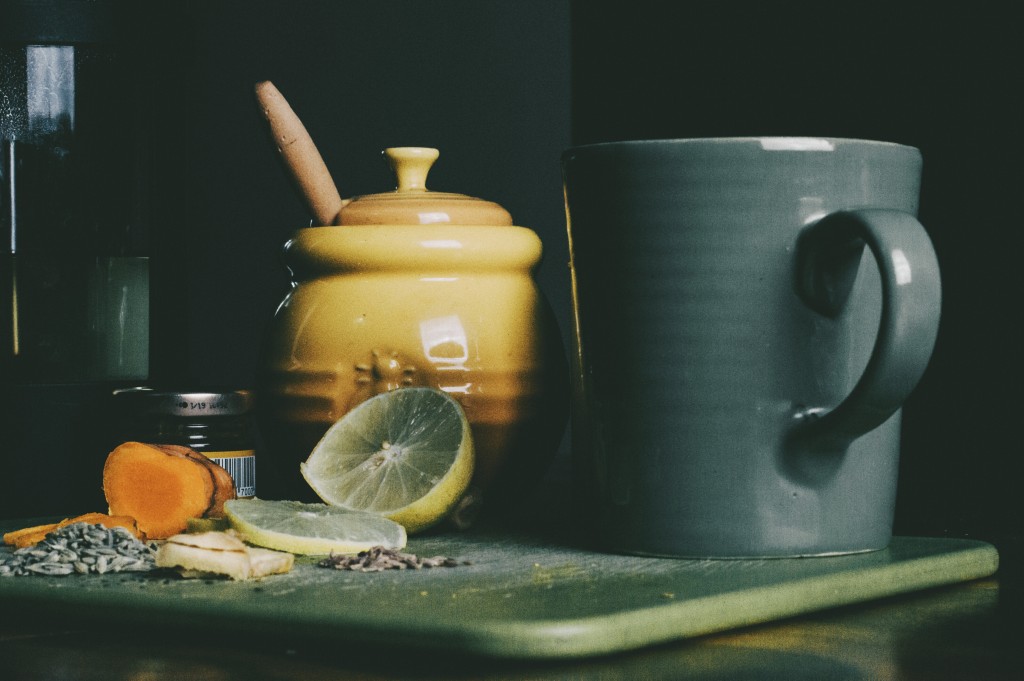
  • Herbal Tea: In a glass of boiling water, add a pinch of cinnamon, a few holy basil leaves, crushed ginger and a few crushed black peppercorns. Add honey and drink while hot.
  • Carom  Seeds Infused Water: Boil Carom Seeds in water. Strain and add Jaggery powder. This helps in relieving cough and congestion.
  • Garlic Concoction: Combine 2-4 cloves, chopped garlic and 3-4 slices of fresh ginger with 1 cup of water. Cover and let it steep for at least 20 minutes. Add honey and lemon to taste. Drink it while it is lukewarm.
  • Licorice Tea: Boil a 1/2inch piece of licorice + 1/2 tsp grated ginger and 1/2 spoon of cinnamon in 1 cup water for 10 mins. Strain and drink.
  • Raw Turmeric Drink: Boil a 1 inch piece of raw Turmeric or a 1/4 tsp of turmeric powder for 5 minutes. Add ginger juice/honey and consume.
  • Green Tea and Chamomile Tea
  • Soups: Vegetable soup/chicken soup/clear soup/chicken broth, lemon coriander soup, garlic spinach soup, tomato fennel soup or veg broth – all work well. A hot bowl of soup helps break up the congestion associated with both common cold and flu. The salt in the soup and its warmth can soothe a sore throat.

4. Rest

Rest is the best treatment! When you have a cold or flu, doctors recommend plenty of bed rest. When you limit mobility/take rest, your body has more resources to fight off your illness. Your body temperature goes up if you remain very active. Flu and cold organisms replicate at a faster rate when the body gets hotter. Also, if you head to the office when you are sick, the stress of work can make it hard for your body to attack the illness.

Do not over-exert yourself. You can do light intensity workout if you have the energy, your symptoms are mild such as just a runny nose, or if you have been fever free for more than 48 hours.

  • Avoid Exercise: When you have fever, body aches, cough, vomiting, diarrhea or chronic health concerns such as asthma /heart diseases.
  • Best Exercises: Walking, yoga or a light jog. All these stimulate you to take deep breaths and can help open up clogged passages.
  • Worst Exercises: Endurance runs, machines at gym and weight lifting.

We hope this information helps you naturally heal common cold and flu symptoms! Find more home remedies and articles on staying healthy during monsoon here. You can also get these tips, and more, directly from a GOQii Coach by subscribing for GOQii’s Personalized Health Coaching here.

Have a personal remedy of your own? Share it with us in the comments below!

#BeTheForce

  • « Previous Page
  • 1
  • …
  • 5
  • 6
  • 7
  • 8
  • 9
  • 10
  • Next Page »

Search

Recent Posts

  • Best Foods To Alleviate Irritable Bowel Syndrome
  • ALL ABOUT VERTIGO!
  • PCOS and Anxiety: Discover Relief with the 54321 Technique
  • Navigating the Maze of Nutrition: Finding Clarity Amidst Confusion
  • Get children active and keep them healthy

Stay Updated

Archives

  • December 2025 (6)
  • November 2025 (15)
  • October 2025 (20)
  • September 2025 (6)
  • August 2025 (6)
  • July 2025 (12)
  • June 2025 (18)
  • May 2025 (16)
  • April 2025 (23)
  • March 2025 (23)
  • February 2025 (22)
  • January 2025 (26)
  • December 2024 (26)
  • November 2024 (25)
  • October 2024 (22)
  • September 2024 (24)
  • August 2024 (31)
  • July 2024 (21)
  • June 2024 (26)
  • May 2024 (31)
  • April 2024 (27)
  • March 2024 (29)
  • February 2024 (26)
  • January 2024 (25)
  • December 2023 (15)
  • November 2023 (11)
  • October 2023 (20)
  • September 2023 (22)
  • August 2023 (20)
  • July 2023 (22)
  • June 2023 (24)
  • May 2023 (24)
  • April 2023 (24)
  • March 2023 (23)
  • February 2023 (20)
  • January 2023 (16)
  • December 2022 (12)
  • November 2022 (15)
  • October 2022 (15)
  • September 2022 (12)
  • August 2022 (10)
  • July 2022 (17)
  • June 2022 (11)
  • May 2022 (10)
  • April 2022 (6)
  • March 2022 (6)
  • February 2022 (13)
  • January 2022 (12)
  • December 2021 (7)
  • November 2021 (3)
  • October 2021 (6)
  • September 2021 (3)
  • August 2021 (8)
  • July 2021 (7)
  • June 2021 (15)
  • May 2021 (16)
  • April 2021 (10)
  • March 2021 (7)
  • February 2021 (4)
  • January 2021 (4)
  • December 2020 (3)
  • November 2020 (4)
  • October 2020 (10)
  • September 2020 (3)
  • August 2020 (3)
  • July 2020 (2)
  • June 2020 (4)
  • May 2020 (10)
  • April 2020 (12)
  • March 2020 (10)
  • February 2020 (4)
  • January 2020 (4)
  • December 2019 (3)
  • November 2019 (7)
  • October 2019 (5)
  • September 2019 (4)
  • August 2019 (9)
  • July 2019 (9)
  • June 2019 (11)
  • May 2019 (4)
  • April 2019 (9)
  • March 2019 (8)
  • February 2019 (9)
  • January 2019 (8)
  • December 2018 (9)
  • November 2018 (3)
  • October 2018 (3)
  • September 2018 (5)
  • August 2018 (10)
  • July 2018 (6)
  • June 2018 (13)
  • May 2018 (8)
  • April 2018 (18)
  • March 2018 (9)
  • February 2018 (8)
  • January 2018 (15)
  • December 2017 (12)
  • November 2017 (19)
  • October 2017 (13)
  • September 2017 (15)
  • August 2017 (4)
  • July 2017 (8)
  • June 2017 (7)
  • May 2017 (6)
  • April 2017 (8)
  • March 2017 (6)
  • February 2017 (7)
  • January 2017 (9)
  • December 2016 (10)
  • November 2016 (7)
  • October 2016 (7)
  • September 2016 (7)
  • August 2016 (11)
  • July 2016 (9)
  • June 2016 (9)
  • May 2016 (12)
  • April 2016 (17)
  • March 2016 (17)
  • February 2016 (8)
  • January 2016 (6)
  • December 2015 (2)
  • November 2015 (9)
  • October 2015 (7)
  • September 2015 (9)
  • August 2015 (11)
  • July 2015 (9)
  • June 2015 (12)
  • May 2015 (9)
  • April 2015 (13)
  • March 2015 (8)
  • February 2015 (5)
  • January 2015 (12)
  • December 2014 (14)
  • November 2014 (11)
  • October 2014 (6)
  • September 2014 (13)
  • August 2014 (12)
  • July 2014 (6)
  • June 2014 (2)
  • May 2014 (7)
  • April 2014 (5)

From “Laddu Nawin” to Fit and Fierce: How a 25-Year-Old Insurance Advisor Shed 20 Kilos and Gained His Life Back

When 25-year-old Nawin Yadav from Hyderabad walked into his office every morning, he carried more than just his files and policy papers. He had the weight of fatigue, sluggish energy, and an ever-growing belly that was becoming the butt of jokes. “People … [Read More...]

“I’ve Challenged Myself to Live 100 Years” – The Story of Chandubhai Savani’s Second Chance at Life

At 67, most people start slowing down. Not Chandubhai Savani. A resident of Surat, Chandubhai, thought life was on track. “My life was going well till I had my bypass surgery,” he says. That surgery, back in 2021, was a wake-up call.  Medication was routine, but exercise wasn’t. His diet? What he calls ‘normal.’ “I […]

From Shimla’s Slopes to Chandigarh’s Sidewalks: Surinder Kaur Bhalla’s Journey from Chaos to Control

Some journeys start with a plan. Others begin with a stumble literally. Surinder Bhalla, a government professional, born and raised in the scenic hill town of Shimla, had always lived a life of movement. “In Shimla, you walked everywhere,” she reflects. “Walking was never an exercise. It was just life.” But after shifting to Chandigarh, […]

Ananda Mukherjee Health Story

From Terminal Illness To Complete Wellness! Ananda Mukherjee Health Story

As we observe World Cancer Day under the powerful theme ‘United by Unique’ (2025-2027)**, we are reminded that every individual’s journey with cancer is distinct, yet united by shared resilience, hope, and the collective fight against this disease. This theme places people at the centre of care and their stories at the heart of the […]

  • HOME
  • HEALTHY LIVING
  • FITNESS
  • HEALTHY RECIPES
  • USER STORIES
  • KARMA
  • BUY GOQii

Copyright ©2016 GOQii