
GOQii

Blog

  • HOME
  • HEALTHY LIVING
  • FITNESS
  • HEALTHY RECIPES
  • USER STORIES
  • KARMA
  • BUY GOQii

Search Results for: heart health

March 22, 2025 By Trupti Hingad 3 Comments

7 Tips To Help You Drink Water The Right Way

7 tips to help you drink water the right way World Water Day 2025 is a timely reminder of the value water holds in our lives—not just globally, but personally. While this year’s theme focuses on glacier preservation, we often overlook a key question: Are we drinking water in the best possible way for our health?

We all know hydration is important. But how you drink water matters just as much as how much you drink. Water is a vital life force—it fuels digestion, flushes out toxins, supports metabolism, and keeps every cell functioning. Yet, many of us are unaware that drinking water incorrectly can impact our health.

How To Drink Water The Right Way 

Let’s explore 7 essential tips to help you hydrate better, smarter, and more mindfully every day.

  1. Sit Down to Drink Water
    When you stand and drink water you upset the balance of fluids in the body and this may lead to more accumulation of fluids in the joints. When you sit and drink, your muscles and nervous system is relaxed and you absorb it nicely. Also, kidney pace of filtration is good when you sit and drink water
  2. Sip, Don’t Gulp Large Quantities
    Avoid drinking large amounts of water in one go. Gulping too much too quickly can block air intake into your lungs and put undue pressure on your heart and lungs. Instead, sip water slowly throughout the day—this helps your body absorb and utilise it more effectively.
  3. Avoid Ice-Cold Water
    Cold or chilled water may feel refreshing, but it disrupts digestion by cooling the internal fire needed to digest food properly. Cold water also reduces blood flow to various organs and can lead to issues like constipation. Try to drink room temperature or warm water instead—it aids digestion, supports metabolism, and even helps control cholesterol levels.
  4. Listen to Your Body’s Thirst Cues
    Your body is smart—it tells you when it’s low on water. Dark yellow urine, dry lips, dry tongue, and persistent fatigue are signs of dehydration. Clear or pale urine means you’re well-hydrated. Pay attention to these signs and hydrate accordingly.
  5. Start Your Day with Water
    Drinking a glass of water first thing in the morning helps flush out toxins and cleanses your digestive system. It supports smoother bowel movements and kickstarts your metabolism—setting a healthy tone for the rest of the day.
  6. Store Water the Right Way
    Traditionally, water stored in copper or silver vessels is believed to balance the body’s energies by positively charging the water. Copper is known for its antioxidant and antibacterial properties, while silver is believed to have a cooling effect on the digestive system.While copper and silver vessels might not be common everywhere, you can opt for glass or stainless steel bottles as safe and eco-friendly alternatives to plastic. These options are free from harmful chemicals like BPA and help maintain the water’s purity.
  7. Drinking Water Isn’t Just to Quench Thirst
    Water is essential for replenishing lost minerals and salts, especially after sweating or physical activity. It hydrates muscles and joints, supports digestion, maintains fluid balance, and prevents acidity. Make water a daily habit of recovery and rejuvenation, not just a thirst response.

Drinking water the right way is about more than just hitting your daily quota. By being mindful of how and when you drink water—and how you store it—you can improve digestion, boost energy, and support overall well-being.

Let this World Water Day inspire a renewed appreciation for water—not only as a global resource but as a vital part of our personal health.

💧 How do you ensure you stay hydrated daily? Share your tips in the comments below!

#BeTheForce

Disclaimer: The information provided in this blog is for general awareness and educational purposes only. It is not intended to replace professional medical advice, diagnosis, or treatment. Always consult a qualified healthcare provider for personalised medical guidance or concerns related to your health.

March 10, 2025 By Asmita Maredia 4 Comments

Sitting for Hours? Try These Simple Office Workouts to Stay Active!

office workoutHow many hours do you spend sitting each day? If you work a desk job, the answer is probably too many! The average office worker sits for 6-10 hours daily, which can lead to back pain, fatigue, poor posture, and increased health risks such as obesity and heart disease. But don’t worry—staying active at your desk is easier than you think!
Even if you go to the gym, prolonged sitting can still take a toll on your body. These simple office workouts will help you keep your body moving and your mind refreshed without leaving your desk.

Office Workouts You Can Do at Your Desk

1.Walk & Move More

  • Set an alarm every 45 minutes to stand up and move. Aim for at least 1-2 minutes of movement during each break.
  • Walk to fill your water bottle, use the printer, or take a quick break.
  • Take the stairs instead of the lift – two at a time for extra burn!
  • If possible, pace around while on phone calls.

2. Neck & Shoulder Stretches

  • Neck Stretch: Tilt your head to one side and hold for 5 seconds. Repeat 5 times on each side.
  • Head Rotation: Slowly roll your head clockwise and anti-clockwise 5 times.
  • Shoulder Shrug: Raise your shoulders as high as possible, hold for 5 seconds, then relax.

3. Arm & Wrist Exercises

  • Arm Stretch: Cross one arm over your body and pull it towards you with the other hand.
  • Triceps Stretch: Place one hand behind your neck and pull your elbow with the other hand.
  • Wrist Rotations: Roll your wrists 10 times clockwise and anti-clockwise.
  • Finger Stretch: Extend fingers as far as possible, hold for 5 seconds, then make a tight fist and hold for another 5 seconds. Repeat 5 times.

4. Back & Posture Fixers

  • Seated Back Stretch: Place your hands on the edge of your desk and push your chair back until your head is between your arms, looking at the floor. Hold for 10 seconds and repeat 5 times.
  • Overhead Stretch: Interlock your fingers, stretch your arms towards the ceiling, and hold for 5 seconds. Repeat 5 times.

5.  Leg & Lower Body Movements

  • Seated Leg Raises: Straighten one leg, hold for 5 seconds, lower halfway and hold again, then relax. Repeat with the other leg 5 times each.
  • Thigh Stretch: Stand, grab your ankle and pull it towards your buttocks. Keep your back straight and hold for 10 seconds. Repeat 5 times on each leg.
  • Calf Stretch: Place one foot on a chair and bend forward until you feel the stretch. Hold for 5 seconds and switch legs.

More Office Workout Tips To Keep You Active! 

  • Use a standing desk if available to reduce prolonged sitting.
  • Maintain good posture—sit with your back straight and feet flat on the floor.
  • Consider an exercise ball instead of a chair for better core engagement.
  • Park further away from the office entrance to increase your walking time.
  • When you can—stand rather than sit, and walk rather than stand!

These simple office workouts help reduce muscular stress, improve posture, and keep you active throughout the day. Even small movements can make a big difference to your health and productivity.

💡 Try to avoid long sitting hours by taking short breaks and staying active! If you experience any pain, here’s what you can do to prevent further injuries.

💬 How do you stay active at work? Share your tips in the comments!

#BeTheForce 

Disclaimer: The information provided in this blog is for general awareness and educational purposes only. It is not intended to replace professional medical advice, diagnosis, or treatment. Always consult a qualified healthcare provider for personalised medical guidance or concerns related to your health. Images shown are for representation purposes only and may not depict the exact recommendations or outcomes.

March 7, 2025 By Anuja Mohile 1 Comment

Which breakfast cereal should you choose?

482477031_XSImagine walking into the supermarket cereal aisle—rows of colourful boxes promising to be ‘high in fibre,’ ‘low in sugar,’ or ‘fortified with vitamins.’ But how do you know which one is actually good for you? With so many brands and labels, making a healthy choice can be confusing.


Breakfast is meant to break the overnight fast, providing sustained energy and essential nutrients to start the day. However, many cereals that appear healthy may actually contain hidden sugars, excessive salt, or low fibre content. Let’s break down what really matters when choosing your ideal breakfast cereal.

Key Ingredients to Check on a Cereal Box

1. Sugar: Is Your Cereal Too Sweet?

Many breakfast cereals contain added sugars to enhance flavour. While carbohydrates are essential for energy, excess sugar can lead to spikes in blood sugar levels, increased cravings, and long-term health risks such as obesity and diabetes.

✅ Best Choice: Choose cereals with 5g of sugar or less per serving.

❌ Avoid: Cereals with over 10g of sugar per serving, especially those labelled as frosted, honey-coated, or flavoured—these often contain more sugar than nutrition.

⭐ Tip: Sweeten plain cereals naturally by adding fresh fruits, dates, or a drizzle of natural honey.

2. Fibre: The More, The Better!

Dietary fibre is essential for digestion, gut health, and keeping you full longer. A fibre-rich breakfast helps stabilise energy levels and prevent mid-morning cravings.

✅ Best Choice: Look for cereals with at least 3-6g of fibre per serving or 20g per 100g. Wholegrain cereals like bran flakes, shredded wheat, and oats are great choices.

❌ Avoid: Low-fibre cereals with less than 2g per serving—these will leave you feeling hungry soon after eating.

⭐ Tip: Add chia seeds, flaxseeds, or nuts to boost your fibre intake.

3. Salt: The Hidden Ingredient You Overlook

Many processed cereals contain added salt to enhance flavour and shelf life. Too much sodium can contribute to high blood pressure and heart disease.

✅ Best Choice: Opt for cereals with 0.3g of salt or less per 100g (0.1g of sodium or less).

❌ Avoid: Cereals with over 1.5g of salt per 100g (0.5g of sodium or more).

⭐ Tip: If sodium isn’t mentioned on the label, check for ingredients like sodium bicarbonate or preservatives, which indicate hidden salt content.

4. Fat: Watch Out for Unnecessary Additions

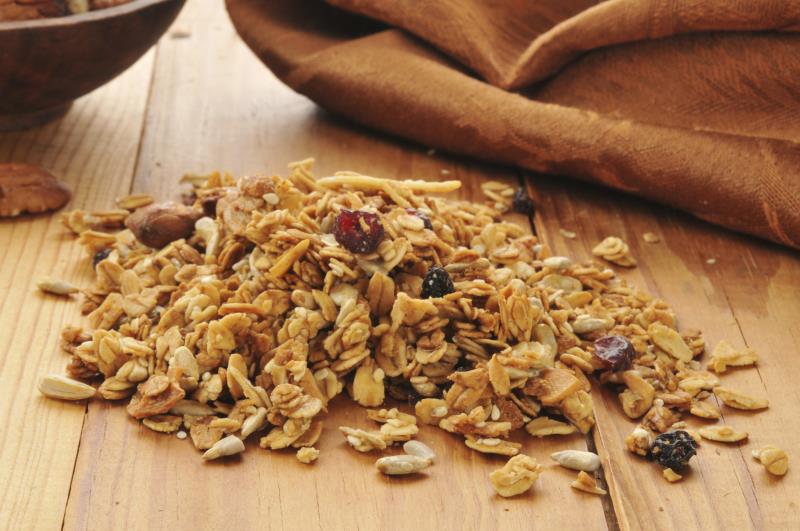
Most breakfast cereals are naturally low in fat. However, some granola, muesli, and nut-based cereals contain added oils that can increase caloric intake.

✅ Best Choice: Cereals with 5g of fat or less per 100g.

❌ Avoid: Those with excessive added oils, trans fats, or palm oil.

⭐ Tip: If you enjoy granola, opt for lightly roasted options with minimal added oil.

5. Added Nutrients: Do You Really Need Fortification?

Many cereals are fortified with Iron, Calcium, Vitamin D, and B Vitamins, especially for children and adults who may have nutrient deficiencies.

✅ Best Choice: If you struggle with nutrient intake, choose a cereal with fortified vitamins and minerals.

❌ Avoid: Highly processed cereals with artificial additives and preservatives.

⭐ Tip: Pair your cereal with milk, nuts, or yoghurt to enhance its nutritional value.

How to Build the Perfect Breakfast Bowl

A healthy breakfast isn’t just about cereal—it’s about balancing macronutrients for a more filling, nourishing start to your day:

🥣 Base: Choose a wholegrain cereal like oats, bran flakes, or shredded wheat.

🥛 Protein: Add Greek yoghurt, low-fat milk, or a plant-based alternative.

🥜 Healthy Fats: Sprinkle chia seeds, flaxseeds, or a handful of nuts.

🍓 Natural Sweetness: Fresh berries, banana slices, or dried fruits.

Navigating the cereal aisle doesn’t have to be overwhelming. By reading food labels carefully and making informed decisions, you can choose a nutritious breakfast that supports your energy, digestion, and overall health.

💡 Takeaway: Look for low sugar, high fibre, moderate salt, and avoid unnecessary additives for a balanced start to your day.

Which breakfast cereal do you enjoy the most? Share your favourites in the comments!

#BeTheForce

March 6, 2025 By GOQii Leave a Comment

Bursting Some Common Food Myths: Separating Fact from Fiction

nutrition myths and factsIn today’s digital world, we are constantly bombarded with diet trends, viral health tips, and well-meaning advice from family, friends, and social media influencers. Some of these food beliefs have been passed down for generations, while others have gained traction through modern misinformation. But how many of these commonly accepted truths are actually backed by science?

From the idea that carbs make you fat to the belief that frozen foods lack nutrients, many food myths dictate our eating habits and influence our health choices—sometimes in ways that do more harm than good. It’s time to separate fact from fiction and uncover the real truth behind the most common food myths that continue to mislead people across the world.

Let’s debunk these misconceptions and get back to making smarter, science-backed food choices!

❌ Myth #1: Fresh Produce is Always Healthier than Frozen


Many people believe that fresh fruit and vegetables are superior to frozen ones, but that’s not necessarily true.

✅ Truth: Frozen produce is picked at peak ripeness and flash-frozen, preserving its nutrients. On the other hand, fresh produce can lose vitamins and minerals during transport and storage. In some cases, frozen vegetables may even retain more nutrients than their fresh counterparts!

What to do? Don’t hesitate to stock up on frozen fruit and veg—they’re convenient, affordable, and just as nutritious!

❌ Myth #2: Carbs Make You Gain Weight

carbohydrate-addicts-diet-plan1

Carbohydrates have been wrongfully demonised for years, with many believing they lead to weight gain and poor health.

✅ Truth: Not all carbs are the enemy! Whole grains like quinoa, oats, brown rice, and wholewheat bread provide fibre, vitamins, and sustained energy. The real culprits? Refined carbs like white bread, pastries, and sugary cereals that spike blood sugar levels.

What to do? Choose complex carbs over refined ones and watch portion sizes, rather than cutting carbs completely.

❌ Myth #3: You Need to Detox Your Body with Juice Cleanses

Juices for weight loss

Juice cleanses are marketed as the ultimate detox, promising to flush out toxins and reset your system.

✅ Truth: Your liver and kidneys are already natural detoxifiers! Juice cleanses often lack protein and fibre, leading to blood sugar spikes, energy crashes, and muscle loss rather than ‘detoxification’.

What to do? Instead of extreme cleanses, focus on eating whole foods, drinking plenty of water, and supporting your body’s natural detox processes with balanced nutrition.

❌ Myth #4: Eating Late at Night Causes Weight Gain

Ever heard the advice “Don’t eat after 7 PM, or you’ll gain weight”? Many people believe late-night eating automatically leads to fat storage.

✅ Truth: Total calorie intake matters more than timing. The real problem isn’t when you eat, but what and how much. Late-night snacking on crisps, sweets, and processed foods leads to excess calorie intake, but a protein-rich snack before bed can actually support muscle repair and metabolism.

What to do? If you’re hungry at night, opt for healthy snacks like Greek yoghurt, a handful of nuts, or cottage cheese instead of high-sugar, high-fat processed foods.

❌ Myth #5: Egg Yolks Are Bad for Your Heart

benefits of egg yolk

Egg yolks have long been blamed for raising cholesterol levels and increasing the risk of heart disease.

✅ Truth: Egg yolks contain healthy fats, essential vitamins, and choline, which supports brain function. While they do contain cholesterol, research shows that dietary cholesterol has little impact on blood cholesterol levels for most people. The bigger concern? Processed foods high in trans fats and added sugars.

What to do? Unless advised otherwise by a doctor, enjoy whole eggs as part of a balanced diet—they’re a powerhouse of nutrients!

❌ Myth #6: Dairy Products Are Inflammatory

Many believe that dairy is inflammatory, causes weight gain, or isn’t necessary for adults.

✅ Truth: Unless you have a lactose intolerance or dairy allergy, dairy products like yoghurt, milk, and cheese provide calcium, protein, and probiotics that support bone health and gut health. Studies show that dairy doesn’t inherently cause inflammation unless there’s a specific intolerance.

What to do? Choose high-quality, minimally processed dairy and watch portion sizes. If dairy doesn’t agree with you, opt for fortified plant-based alternatives like almond or oat milk.

Misinformation about food and nutrition is everywhere, but understanding the science behind what we eat helps us make smarter, healthier choices. By busting these common myths, you can build a balanced, sustainable diet without unnecessary restrictions or food fears.

Which food myth have you believed in the past? Let us know in the comments!

#BeTheForce

Disclaimer: The information provided in this blog is for general awareness and educational purposes only. It is not intended to replace professional medical advice, diagnosis, or treatment. Always consult a qualified healthcare provider for personalised medical guidance or concerns related to your health.

  • « Previous Page
  • 1
  • …
  • 59
  • 60
  • 61
  • 62
  • 63
  • …
  • 136
  • Next Page »

Search

Recent Posts

  • Beyond the Screen: How Your Digital Habits Are Impacting Your Longevity
  • Healthy Eating: Vegetable Stuffed Ragi Paratha
  • Sustaining the “GLP-1 Glow”: Nutrition for Skin and Tissue Elasticity
  • Nutritional Deficiencies That Can Cause Hair Loss (And How to Fix Them)
  • The Recovery Gap: Sleep Debt, Overwork and Silent Burnout Are Ageing You Faster

Stay Updated

Archives

  • March 2026 (11)
  • February 2026 (14)
  • January 2026 (14)
  • December 2025 (19)
  • November 2025 (15)
  • October 2025 (20)
  • September 2025 (6)
  • August 2025 (6)
  • July 2025 (12)
  • June 2025 (18)
  • May 2025 (16)
  • April 2025 (22)
  • March 2025 (23)
  • February 2025 (22)
  • January 2025 (25)
  • December 2024 (22)
  • November 2024 (23)
  • October 2024 (21)
  • September 2024 (24)
  • August 2024 (30)
  • July 2024 (21)
  • June 2024 (26)
  • May 2024 (31)
  • April 2024 (27)
  • March 2024 (27)
  • February 2024 (25)
  • January 2024 (21)
  • December 2023 (15)
  • November 2023 (11)
  • October 2023 (19)
  • September 2023 (22)
  • August 2023 (18)
  • July 2023 (22)
  • June 2023 (24)
  • May 2023 (24)
  • April 2023 (23)
  • March 2023 (23)
  • February 2023 (19)
  • January 2023 (15)
  • December 2022 (11)
  • November 2022 (15)
  • October 2022 (15)
  • September 2022 (12)
  • August 2022 (10)
  • July 2022 (17)
  • June 2022 (11)
  • May 2022 (10)
  • April 2022 (6)
  • March 2022 (6)
  • February 2022 (13)
  • January 2022 (11)
  • December 2021 (7)
  • November 2021 (3)
  • October 2021 (6)
  • September 2021 (3)
  • August 2021 (8)
  • July 2021 (7)
  • June 2021 (15)
  • May 2021 (16)
  • April 2021 (10)
  • March 2021 (7)
  • February 2021 (4)
  • January 2021 (4)
  • December 2020 (3)
  • November 2020 (4)
  • October 2020 (10)
  • September 2020 (3)
  • August 2020 (3)
  • July 2020 (2)
  • June 2020 (4)
  • May 2020 (10)
  • April 2020 (12)
  • March 2020 (10)
  • February 2020 (4)
  • January 2020 (4)
  • December 2019 (3)
  • November 2019 (7)
  • October 2019 (5)
  • September 2019 (4)
  • August 2019 (9)
  • July 2019 (9)
  • June 2019 (11)
  • May 2019 (4)
  • April 2019 (8)
  • March 2019 (8)
  • February 2019 (9)
  • January 2019 (8)
  • December 2018 (9)
  • November 2018 (3)
  • October 2018 (3)
  • September 2018 (5)
  • August 2018 (10)
  • July 2018 (6)
  • June 2018 (13)
  • May 2018 (8)
  • April 2018 (18)
  • March 2018 (9)
  • February 2018 (8)
  • January 2018 (15)
  • December 2017 (12)
  • November 2017 (19)
  • October 2017 (13)
  • September 2017 (15)
  • August 2017 (4)
  • July 2017 (8)
  • June 2017 (7)
  • May 2017 (6)
  • April 2017 (8)
  • March 2017 (6)
  • February 2017 (7)
  • January 2017 (9)
  • December 2016 (10)
  • November 2016 (7)
  • October 2016 (7)
  • September 2016 (7)
  • August 2016 (11)
  • July 2016 (9)
  • June 2016 (9)
  • May 2016 (12)
  • April 2016 (17)
  • March 2016 (17)
  • February 2016 (8)
  • January 2016 (6)
  • December 2015 (2)
  • November 2015 (9)
  • October 2015 (7)
  • September 2015 (9)
  • August 2015 (11)
  • July 2015 (9)
  • June 2015 (12)
  • May 2015 (9)
  • April 2015 (13)
  • March 2015 (8)
  • February 2015 (5)
  • January 2015 (12)
  • December 2014 (14)
  • November 2014 (11)
  • October 2014 (6)
  • September 2014 (13)
  • August 2014 (12)
  • July 2014 (6)
  • June 2014 (2)
  • May 2014 (7)
  • April 2014 (4)

From “Laddu Nawin” to Fit and Fierce: How a 25-Year-Old Insurance Advisor Shed 20 Kilos and Gained His Life Back

When 25-year-old Nawin Yadav from Hyderabad walked into his office every morning, he carried more than just his files and policy papers. He had the weight of fatigue, sluggish energy, and an ever-growing belly that was becoming the butt of jokes. “People … [Read More...]

“I’ve Challenged Myself to Live 100 Years” – The Story of Chandubhai Savani’s Second Chance at Life

At 67, most people start slowing down. Not Chandubhai Savani. A resident of Surat, Chandubhai, thought life was on track. “My life was going well till I had my bypass surgery,” he says. That surgery, back in 2021, was a wake-up call.  Medication was routine, but exercise wasn’t. His diet? What he calls ‘normal.’ “I […]

From Shimla’s Slopes to Chandigarh’s Sidewalks: Surinder Kaur Bhalla’s Journey from Chaos to Control

Some journeys start with a plan. Others begin with a stumble literally. Surinder Bhalla, a government professional, born and raised in the scenic hill town of Shimla, had always lived a life of movement. “In Shimla, you walked everywhere,” she reflects. “Walking was never an exercise. It was just life.” But after shifting to Chandigarh, […]

Ananda Mukherjee Health Story

From Terminal Illness To Complete Wellness! Ananda Mukherjee Health Story

As we observe World Cancer Day under the powerful theme ‘United by Unique’ (2025-2027)**, we are reminded that every individual’s journey with cancer is distinct, yet united by shared resilience, hope, and the collective fight against this disease. This theme places people at the centre of care and their stories at the heart of the […]

  • HOME
  • HEALTHY LIVING
  • FITNESS
  • HEALTHY RECIPES
  • USER STORIES
  • KARMA
  • BUY GOQii

Copyright ©2016 GOQii