GOQii

Blog

  • HOME
  • HEALTHY LIVING
  • FITNESS
  • HEALTHY RECIPES
  • USER STORIES
  • KARMA
  • BUY GOQii

Search Results for: heart health

October 18, 2017 By ASHWINI PRAKASH CHAUDHARI 2 Comments

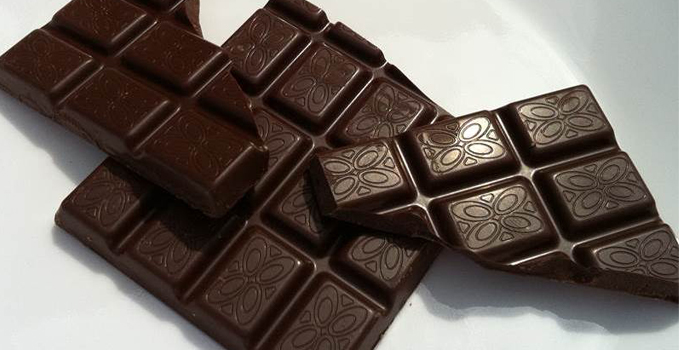
Dark Chocolate and its health benefits

dark-chocolate
Whenever I think about chocolates my taste buds get active and my saliva starts rolling……. And I guess it’s the same with every one of us. From the time we start understanding our taste buds, chocolate is the most common food we crave for and this craving continues even as we age.

People have different choices in chocolates such as milky, Cadbury, jelly, liquor-filled chocolates, dark chocolate, candies, bars etc., but in all these Dark Chocolate is the most nutritious. In 100 grams bar, it contains 50-70% cocoa and 11 grams of fibre. It also has plenty of iron, magnesium, copper, manganese, potassium, phosphorus, zinc and selenium. However, one should consume it in moderation.

A study conducted by the University of California tested the theory that, as Dark Chocolate is believed to increase your metabolism; these benefits may cancel out the calories consumed. It may not be an obvious food choice for dieters, but research findings suggest that eating dark chocolate in moderation could actually keep you slim. Adults who consumed dark chocolate frequently had a lower BMI (Basal Metabolic Index) than those who didn’t, despite them often eating more calories and not exercising more.

Like tea, dark chocolate contains flavonoids, which are compounds that act as antioxidants. Dark chocolate has the type of fat in chocolate may actually increase the good HDL (high-density lipoprotein) cholesterol and will not increase the bad LDL (low-density lipoprotein) cholesterol in the blood.

Dark Chocolate is our hearts Best Friend.  Yes!!! You heard it right our Hearts best friend.

A recent Harvard study concluded that eating dark chocolate may have a reduced benefit on blood pressure. This is likely due to the flavanols found in chocolate that contain at least 50 to 70% cocoa, which appear to result in mild blood vessel dilation. Compounds called phenols are present in cocoa-rich chocolate. These antioxidants are the same as the ones found in red wines.

Dark chocolate is rich in brain-boosting chemicals when you have got a tough exam coming up? Boost your IQ and indulge your taste buds at the same time by snacking on a few squares of chocolate which will help you to improve blood flow to the brain as well as improving their ability to form new memories.

Dark Chocolate not only offers many amazing health benefits, it is also a great pick-me-up snack so can help you stay energized for your workouts. It is high in energy-boosting chemicals including theobromine (a stimulant found in many popular energy drinks) and caffeine. Have 1-2 squares of chocolate in the afternoon or before a workout to help stay energized for a longer period of time.

Skin is the most sensitive organ of our body, the skin creams are great for keeping our skin looking more youthful, they can only do so much; to really keep the wrinkles at bay, you need to look to your diet. Research has suggested that, when it comes to fighting free-radicals, dark chocolate could be even healthier than fruit! When tested and compared to juices from ‘superfruits’ such as blueberries and pomegranate, dark chocolate was found to be higher in antioxidants.

Dark Chocolate makes you happy

Dark Chocolate is known to be high in mood-boosting chemicals and findings published in the scientific journal Nutritional Neuroscience have suggested that the food can even help reduce the symptoms of depression. As we talk about the taste buds when the taste buds are stimulated with pleasurable flavours, there are endorphins released in the brain. These endorphins are the feel-good compounds of the body. Chocolate contains chemicals that cause the brain to release compounds that trigger the ‘feeling of love’.

In moderation, if you consume 2 squares of dark chocolate every day you can continue to be healthy as well as fit for a long period of time.

“Note to self- Eat lots of Chocolate when times get rough and eat even more when times are great.” So always keep a smile on your face, a rainbow in your heart and some dark chocolate on hand! To make healthy lifestyle choices click here.
 

September 29, 2017 By Anusha Subramanian 2 Comments

The Heart Truth: ‘Let heart disease be a new beginning’

dr_blogimg

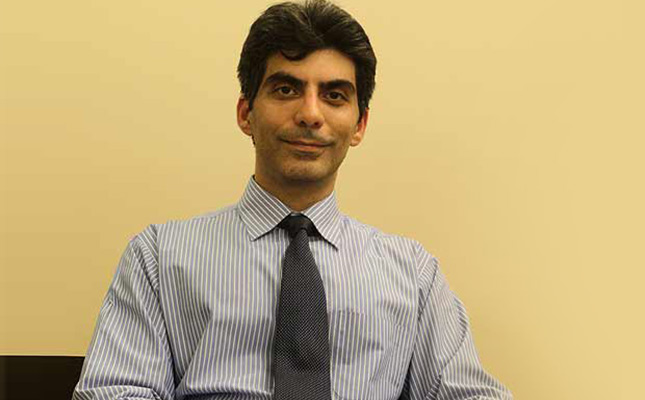
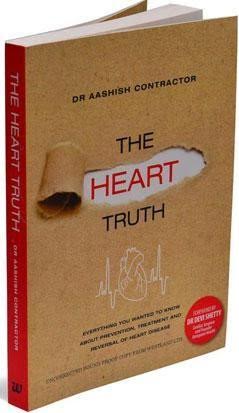
Widely recognized as a pioneer of Cardiac rehabilitation in India, Dr Aashish Contractor is a valuable information resource for the layperson to understand the various dimensions of coronary complications, their prevention and resolution. He just does not believe in leading a sedentary lifestyle. He is a marathoner and was the medical director at Standard Chartered Mumbai Marathon from 2004-14. In his book ‘The Heart Truth’, Dr Contractor has summed up his 18 years of medical experience to provide inputs and tips on how to take care of the heart. This is not a doctor prescribing from the pulpit but a heart expert sharing his knowledge as a friend would. The intention of the book is to spell things out with clarity. Anusha Subramanian met up with Dr Contractor to know all about ‘The Heart Truth’. Here are excerpts from the Interview.

  • What prompted you to write this book?

The Heart TruthHeart Disease is the leading cause of death among men and women worldwide and even in India. I have found that even among people who have suffered a heart disease, the lack of knowledge about the disease is astounding. With the amount of information we have today, I would expect people to be more aware but they aren’t. Funnily enough, there is lots of alternative information floating around and what’s app just amplifies it. Which is why I called the book- ‘The Heart Truth’ and decided let’s stick to facts and put it out. Secondly, I wanted to share a lot of real-life examples in order to show that after suffering a heart disease life does not end in fact in my opinion it begins. One starts a new chapter in life. My philosophy is one should get better than before and not just get back to where they were before. Through these real-life examples, many of whom have gone on to run marathons or climb mountains. One of them even had a turnaround just 200-300 meters from Mt Everest Summit only because of bad weather. Through the book, the idea was to showcase these real-life examples and inspire people to turn their lives and let heart disease be a new beginning.
  • What has led India to face this heart disease epidemic? We are already called the world Capital of Diabetes and we are not far from being called the World Capital of Heart Disease. Any particular reason why India’s are more prone to heart disease?

You are absolutely right, the trend of heart disease in India is rapidly on the increase. The statistics show that from 1990-2000 there has been a rapid upward curve for the disease and we are getting close to being called the world capital of heart disease and there are multifactorial reasons for this. According to me earlier many were dying of infectious diseases. I guess, the life expectancy during the early 50s and 60s was also less. Most were not living long enough to suffer from heart disease. As we are getting better and taking care of infectious diseases we are living longer. And with better diagnostic, we are understanding what the health issues are. Earlier, probably people were suffering heart diseases but one did not know or diagnosed and just died. Hence, we did not label it as dying of heart disease. There is a gross underestimation of the no. of heart disease deaths in the past. Now we are getting better in measuring this. Secondly, as we have got economically better off, our lifestyle has also changed. There is more processed food in our diet now than it was before, one is indulging in far less physical activity on a daily basis or there is no activity at all. Indian’s are genetically more prone to developing insulin resistance, metabolic syndrome, and higher triglycerides and more prone to developing belly fat and all of these conditions are a boiling pot which makes Indians more susceptible to heart disease.

  • When you say Indians are more susceptible to insulin resistance, higher triglycerides and other areas of diseases.. is it because of our diet?

One aspect could be a diet but, we should not isolate genes. Genetics or family risk for heart disease is a potent risk factor.  How much would they affect, it is difficult to say. Some people’s genes are so ‘bad’ they may get it no matter what but there is a difference. If they take all the care, they may get an attack at 60, that too, a mild one than getting a fatal attack at 45. So it is not that if your genes are bad, you are doomed, there are a lot of other things that you can do. We are genetically prone and Indians are affected a decade earlier than our western counterparts.

  • What according to you is the best way to detect Cardiac Ailment? As a layperson, if I do not want to go to a doctor but yet know if have a cardiac ailment?

There is no best way to detect. Once you become an adult you should keep a track of your BMI, height, weight, waist circumference on a regular basis. Once a year you should get a medical checkup done to know your basic lipid, cholesterol, BP and blood sugar levels. If the values are normal then it’s very good and you should get your tests done regularly once a year and if they are not then you must take the necessary action and make sure you go for follow-ups. If you feel any sort of discomfort, heaviness, breathlessness, chest pain, pain in the arms, in the right, in the left, back, jaw, exhaustion related kind of pain could be related to heart disease, exhaustion in your daily activity which you were doing easily at one point in time could be a symptom. These are warning signs and in most cases, these symptoms do occur before the full-blown attack it’s just that people ignore these symptoms.

  • Are Bypass and Angioplasty the only cure or are there alternative therapies?

Talking about heart disease or blockages, depending on where and what type of blockages these are. The kind of risk profile and symptoms the patient has, the medical management the patient has undergone, whether it is a bypass surgery or angioplasty? Bypass and Angioplasty are not the only cure. All the above questions have to be built on good lifestyle management. Whether you do A B or C you still need to maintain a good lifestyle. In addition to all of this, you may be fine just taking medicines or you might need a surgery or an angioplasty. Considering avoiding bypass and telling will manage through good lifestyle is not an alternative therapy. It’s a misnomer. True alternative therapies are external counterpulsation (ECP). ECP is meant for a specific subset of patients who have had stable angina after best medical management and stable angina still remains then ECP might work on them. This is generally done over 35 sittings, for an hour each. The goal of the therapy is to create collateral circulation by opening up small channels of blood. ECP is a good therapy for some patients with angina and for patients with heart failure. However, it’s not appropriate for every person with heart disease.

  • Can we reverse heart disease without surgery?

The term reversal of heart disease needs to be understood properly. We think that there is an artery with 90% block and you do something and it reduces to 60% but, it doesn’t work that way. The block doesn’t shrink to 60%, the only thing that is reduced is the chance of an event. So it is a physiological reversal but it is not an anatomical reversal. When you take care of all these factors, a reversal is possible. That is what we also do in our cardiac rehab program. He has ‘a method’, we have ‘a method’ but the principles are the same

  • There is a huge confusion on the fact that fit people are succumbing to a heart attack. Case in point is Dr Rakesh Sinha who was fit and a marathoner and he suddenly one day had a heart attack and died. And on the other hand, you have people who are completely unfit and doing all sorts of vices and yet survive longer a with no ailments

This is a concept of Risk Factors. Different factors go into your risk to develop heart disease. My classic example is driving a car; there are many factors that are in consideration when making a car accident-free. You cannot just say that my breaks were running fine and still I had an accident. That is exactly like saying I am fit and I still got a heart attack. It is good that one is fit but it is just one factor, being fit doesn’t give you immunity against other factors.

  • Two things that women need to know about Heart Disease.

One of the main thing that women need to know is that heart disease is one of the main cause of deaths among women, not breast cancer. Secondly, awareness is important as women often do not get diagnosed and this is a fact world over which is they get less care than men. The symptoms such as breathlessness in women are never considered to be a risk towards heart disease and hence not be considered for diagnosis. Sadly, women’s health is the most neglected.

  • Dr Contractor how do you keep yourself fit

I run, cycle and gym at least four to 5 days a week. It’s a mix and match of all the activities during the week.

  • How do you keep yourself away from getting stress?

Stress is part of normal life. I do believe that exercising regularly is a great stress buster for me. I would like to think that I take on a fairly positive attitude and this helps. It’s about how you deal with it. Some people really react to it negatively while some people deal with it calmly.

  • What are the three main things that people should keep in mind?

1st thing- you do not have to run a marathon or climb a mountain to be healthy. That you should do for achievements and not for health. First thing is to build a good baseline. Basic routine for few months then after that you can go for your huge goal of running a marathon or other extreme activities.

2nd Make a good plan and 3rd stick to that plan and gradually build on it. Believe me, there is nothing that you cannot do. Everybody can do everything.

  • Your Parting comments

Overall take care of yourself. Nobody needs to do anything dramatic. Consistency gets people results. As supposed to doing a dramatic program… push hard for 3-6 months and then after that, the motivation fades away. Remember, always stick to your plan. 42-43 weeks out of 52 weeks in a year helps.

Follow the ABCD principle-A- active, B- Blood pressure, C-Cholesterol and D-Good balanced diet, take care of Diabetes and do not smoke and get adequate sleep daily.

It’s not the end of the road. After suffering a heart ailment you can still come back and live a good life.

September 28, 2017 By Anusha Subramanian Leave a Comment

Know your ‘Heart’ and its risks

Know your heart

Mahesh Agrawal was the happiest man as he watched his only daughter walk down the stairs in her bright red bridal dress. His eyes were moist. Father and daughter posed happily for photographs, laughed and joked. Amidst all the happiness and laughter, Mr Agrawal suddenly realized a strange discomfort in his chest. It was more likely an excruciating pain and he started to profusely sweat. The pain had now moved to his neck and he developed shortness of breath almost feeling choked. He held his hand tightly on his chest and slowly settled himself on a chair without letting anyone know.

At this point in time, he remembered his father had a similar heart attack. But, he did not want that scene to cloud the happy scene of watching his daughter getting married. As he watched his daughter get married he bid her a silent goodbye and passed away peacefully with a smile on his face. Unfortunately, it was too late before a doctor was called in.

When everybody got to know what had happened there was a sudden atmosphere of gloom. Nobody was aware what had happened. Today, on World heart Day, let’s try and understand more about our hearts and through this story we could exactly understand what happened to Mr Agrawal and why?

On doctor’s examination, the doctor revealed that Mr Agrawal had suffered a heart attack and that was because he had a Coronary Heart Disease (CHD). A heart attack occurs if the flow of oxygen-rich blood to a section of heart muscle is cut off. If blood flow isn’t restored quickly, the section of heart muscle begins to die. Without quick treatment, a heart attack can lead to serious health problems or death. CHD is the most common of all heart diseases. In the United States, CHD is the #1 cause of death for both men and women. India is not far behind. According to an article by Dr Arvind Kohli, a Cardiac Surgeon, there has been a dramatic rise in heart disease in India.

India will soon be the largest burden of heart disease globally. In India, out of the estimated population of more than 1.27 billion dispersed across various geographical regions, about 45 million people suffer from coronary artery disease. According to current estimates, India will soon have the highest number of cases of cardiovascular disease in the world. It is estimated to account for 35.9 percent deaths by the year 2030, said the article.

Over time, CHD can weaken the heart muscle and lead to heart failure and arrhythmias (ah-RITH-me-ahs). Heart failure is a condition in which your heart can’t pump enough blood to meet your body’s needs. Arrhythmias are problems with the rate or rhythm of the heartbeat.

Knowing the warning symptoms of a heart attack and how to take action can save your life or someone else’s say, doctors. In many cases patients are unaware of the risk factors and that this could be a problem that has developed over the years due to pre-existing heart disease. Several factors such as genetic, metabolic, early-life, conventional and non-conventional risk factors are suspected to cause high CHD morbidity and mortality rates among Indians. Knowing who is at risk helps a great deal. Men have a greater risk of heart attack than women do, and men have heart attacks earlier in life than women. However, beginning at Age 70, the risk is equal for men and women.

Many are of the opinion that heart disease is a lifestyle disease that occurs because one is not maintaining a proper healthy lifestyle. But, you are mistaken. Heart disease could also be due to family history. Here is where the nature vs nurture concept comes in. Did you develop a heart disease over the years, did you already have it and it went undiagnosed or did someone give it to you. In fact, you have an increased risk of developing heart disease if you have a parent with a history of heart disease, especially if they were diagnosed before Age 50. Ask your doctor when it’s appropriate for you to start screenings for heart disease so it can be detected and treated early.

The other common risk factors could include cigarette smoking and exposure to tobacco smoke, high blood cholesterol, and high triglycerides – especially high LDL (“bad”) cholesterol over 100 mg/dL and low HDL (“good”) cholesterol under 40 mg/dL. Some patients who have existing heart or blood vessel disease, and other patients who have a very high risk, should aim for an LDL level less than 70 mg/dL. Your doctor can provide specific guidelines.

The risk of heart disease is also highest among the urban population. A 2013 study concluded that over 70 percent of the Urban Indian population is at the risk of being diagnosed with heart disease. This is mainly due to unhealthy eating habits, lack of physical activity and stress.

High blood pressure (140/90 mmHg or higher), uncontrolled diabetes (HbA1c >7.0), physical inactivity and being overweight (body mass index [BMI] 25–29 kg/m2) or being obese (BMI higher than 30 kg/m2) are other risks for heart diseases. The population of diabetics in India is about 50.8 million, making India the diabetic capital of the world. The prevalence is higher in urban areas (6-8 percent) compared to rural areas (2-3 percent), according to statics provided in Dr Kohli’s article. The increase in hypertension prevalence has been steady over the last 50 years, more in urban than in rural areas. Hypertension is about 25-30 percent in urban and 10-15 percent in rural individuals.

You might be surprised but uncontrolled stress and anger could also lead to CHD. Staying calm helps. Indians like Americans have a higher degree of obesity due to bad food habits. Diet high in saturated fat and cholesterol apart from drinking too much alcohol are also a major risk factor for CHD. The more risk factors you have, the greater your risk of developing coronary artery disease.

Hence knowing the symptoms and risk factors is very important. The most common symptom of CHD is angina (also called angina pectoris). Angina is often referred to as chest pain. It is also described as chest discomfort, heaviness, tightness, pressure, aching, burning, numbness, fullness, or squeezing. It can be mistaken for indigestion or heartburn. Angina is usually felt in the chest, but may also be felt in the left shoulder, arms, neck, back or jaw. All of these symptoms were witnessed by Mr Agrawal.

Other symptoms that may occur with coronary artery disease include:

  • Shortness of breath
  • Palpitations (irregular heartbeats, skipped beats or a “flip-flop” feeling in your chest)
  • A faster heartbeat
  • Dizziness
  • Nausea
  • Extreme weakness
  • Sweating

Cardiac surgeons opine that the treatment for CHD involves reducing your risk factors. Change your lifestyle. Get active, exercise and eat right and sleep well. If lifestyle changes aren’t enough to control your heart disease, taking medications as prescribed to treat certain risk factors, such as high cholesterol or high blood pressure helps. Possibly undergoing invasive and/or surgical procedures, and seeing your doctor for regular visits is also good. Treating CHD is important to reduce your risk of a heart attack or stroke. If the problem is detected early lifestyle changes, medicines, and medical procedures can help prevent or treat CHD. These treatments may reduce the risk of related health problems.

June 15, 2017 By GOQii Editor 11 Comments

Walk with a Doc – Reimagining Healthcare between doctors and their communities

Walk with a DocWalking is considered one of the best and simplest forms of exercise which can be done by all. Patients with chronic ailments such as heart disease, diabetes, cholesterol, hypertension etc., are recommended to walk as a form of exercise daily. Keeping in line with this, GOQii, the Health and Lifestyle start-up is launching a 10-year-old international movement called ‘Walk with a Doc’ (WWAD), a unique physician-led walking program focusing on encouraging physical activity among patients.
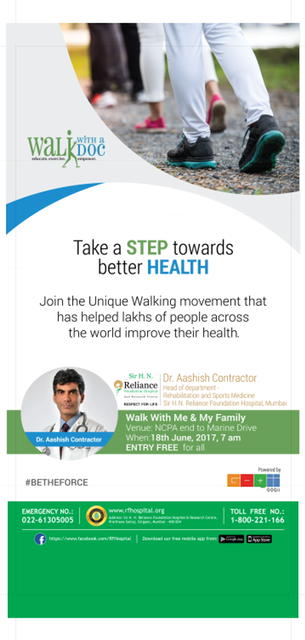


Dr Aashish Contractor, widely recognised as the pioneer of cardiac rehabilitation is kick-starting the first edition of WWAD in Mumbai on June 18, 2017, from NCPA at 7 am. Apart from GOQii, Dr Contractor is also supported in this initiative by his hospital Sir H N Reliance Foundation Hospital where he is currently, the head of Department of Rehabilitation and Sports Medicine. He is also the author of the book ‘The Heart Truth’.

The 40-minute long walk will start at 7 am from NCPA and cover a distance of 5 KMs on Marine Drive and end at NCPA at 8 am. This walk will be followed by a summation by Dr Contractor.

Each local walk will be hosted by a doctor, in addition to the health benefits that everyone enjoys just by walking, the doctors also get a chance to talk their patients while they walk. The movement first started in the United States 10- years ago by Dr David Sabgir, a Mount Carmel Cardiologist from Ohio.

In the US Dr Sabgir started this movement based on his own learnings from observing patients in his clinic for over a decade. As a cardiologist, he thought he was doing everything he could to help his patients. He spent extra time during appointments, listening to their issues and giving advice on how to live a healthier life. But in his own words “In the end, I just wasn’t successful at encouraging them to get out there and get physically active.”

WWAD Standee

Heart disease is the number one killer in America and India is no different. Recently, in an interview with GOQii, Dr Contarctor says, “Heart Disease is the leading cause of death among men and women worldwide and even in India”. Both Dr Sabgir and Dr Contractor believe that 80% of cardiovascular disease is preventable with more exercise and simple lifestyle changes.

Yet, Sabgir found that only five percent of his patients were getting the recommended 150 minutes a week of moderate physical activity. He was frustrated, so one day he asked a few patients to meet him and his family in the park to take a walk. That was the first Walk in 2005 where 101 people showed up. After ten years, there are 301 WWAD chapters spread across 44 states in the USA averaging 25 walkers per walk; which are done weekly / bi-weekly/ monthly by doctors.

“We are ecstatic that you are starting Walk with a Doc in India. We have been thrilled and humbled to see WWAD transform hundreds of new communities in the United States. The opportunity to collaborate with the great physicians of India is a tremendous honour that we will never take for granted,” says Dr Sabgir.

Talking about kick-starting the first walk in Mumbai, India, Dr Contractor says, “I advise my patients to instil the habit of healthy living, however, very few get motivated on their own. WWAD is a good concept and removes that barrier and makes healthy living a routine and fun. Therefore, when GOQii & WWAD- India chapter approached me to host the first edition of WWAD, I agreed. I have been regularly walking and running with my patients, WWAD is a new platform to do the same. I hope that through this program we will be able to inculcate healthy living as part of daily routine of the people.”

From GOQii’s perspective, the health start-up has been advocating healthy living and preventive healthcare. “We felt that this collaboration will compliment us in our vision to create a healthier society. I am thankful to Dr Contractor who agreed to spearhead the first edition in India,” says Vishal Gondal, Founder and CEO, GOQii Technologies Inc.

Walk with a Doc has already helped thousands commit to a healthy lifestyle in the USA and today the movement has reached 6 countries and India being the 7th.


  • « Previous Page
  • 1
  • …
  • 29
  • 30
  • 31
  • 32
  • 33
  • …
  • 136
  • Next Page »

Search

Recent Posts

  • Healthy Eating: Vegetable Stuffed Ragi Paratha
  • Sustaining the “GLP-1 Glow”: Nutrition for Skin and Tissue Elasticity
  • Nutritional Deficiencies That Can Cause Hair Loss (And How to Fix Them)
  • The Recovery Gap: Sleep Debt, Overwork and Silent Burnout Are Ageing You Faster
  • Sleep Well, Live Better: Lifestyle Habits That Improve Sleep Quality

Stay Updated

Archives

  • March 2026 (10)
  • February 2026 (14)
  • January 2026 (14)
  • December 2025 (19)
  • November 2025 (15)
  • October 2025 (20)
  • September 2025 (6)
  • August 2025 (6)
  • July 2025 (12)
  • June 2025 (18)
  • May 2025 (16)
  • April 2025 (22)
  • March 2025 (23)
  • February 2025 (22)
  • January 2025 (25)
  • December 2024 (22)
  • November 2024 (23)
  • October 2024 (21)
  • September 2024 (24)
  • August 2024 (30)
  • July 2024 (21)
  • June 2024 (26)
  • May 2024 (31)
  • April 2024 (27)
  • March 2024 (27)
  • February 2024 (25)
  • January 2024 (21)
  • December 2023 (15)
  • November 2023 (11)
  • October 2023 (19)
  • September 2023 (22)
  • August 2023 (18)
  • July 2023 (22)
  • June 2023 (24)
  • May 2023 (24)
  • April 2023 (23)
  • March 2023 (23)
  • February 2023 (19)
  • January 2023 (15)
  • December 2022 (11)
  • November 2022 (15)
  • October 2022 (15)
  • September 2022 (12)
  • August 2022 (10)
  • July 2022 (17)
  • June 2022 (11)
  • May 2022 (10)
  • April 2022 (6)
  • March 2022 (6)
  • February 2022 (13)
  • January 2022 (11)
  • December 2021 (7)
  • November 2021 (3)
  • October 2021 (6)
  • September 2021 (3)
  • August 2021 (8)
  • July 2021 (7)
  • June 2021 (15)
  • May 2021 (16)
  • April 2021 (10)
  • March 2021 (7)
  • February 2021 (4)
  • January 2021 (4)
  • December 2020 (3)
  • November 2020 (4)
  • October 2020 (10)
  • September 2020 (3)
  • August 2020 (3)
  • July 2020 (2)
  • June 2020 (4)
  • May 2020 (10)
  • April 2020 (12)
  • March 2020 (10)
  • February 2020 (4)
  • January 2020 (4)
  • December 2019 (3)
  • November 2019 (7)
  • October 2019 (5)
  • September 2019 (4)
  • August 2019 (9)
  • July 2019 (9)
  • June 2019 (11)
  • May 2019 (4)
  • April 2019 (8)
  • March 2019 (8)
  • February 2019 (9)
  • January 2019 (8)
  • December 2018 (9)
  • November 2018 (3)
  • October 2018 (3)
  • September 2018 (5)
  • August 2018 (10)
  • July 2018 (6)
  • June 2018 (13)
  • May 2018 (8)
  • April 2018 (18)
  • March 2018 (9)
  • February 2018 (8)
  • January 2018 (15)
  • December 2017 (12)
  • November 2017 (19)
  • October 2017 (13)
  • September 2017 (15)
  • August 2017 (4)
  • July 2017 (8)
  • June 2017 (7)
  • May 2017 (6)
  • April 2017 (8)
  • March 2017 (6)
  • February 2017 (7)
  • January 2017 (9)
  • December 2016 (10)
  • November 2016 (7)
  • October 2016 (7)
  • September 2016 (7)
  • August 2016 (11)
  • July 2016 (9)
  • June 2016 (9)
  • May 2016 (12)
  • April 2016 (17)
  • March 2016 (17)
  • February 2016 (8)
  • January 2016 (6)
  • December 2015 (2)
  • November 2015 (9)
  • October 2015 (7)
  • September 2015 (9)
  • August 2015 (11)
  • July 2015 (9)
  • June 2015 (12)
  • May 2015 (9)
  • April 2015 (13)
  • March 2015 (8)
  • February 2015 (5)
  • January 2015 (12)
  • December 2014 (14)
  • November 2014 (11)
  • October 2014 (6)
  • September 2014 (13)
  • August 2014 (12)
  • July 2014 (6)
  • June 2014 (2)
  • May 2014 (7)
  • April 2014 (4)

From “Laddu Nawin” to Fit and Fierce: How a 25-Year-Old Insurance Advisor Shed 20 Kilos and Gained His Life Back

When 25-year-old Nawin Yadav from Hyderabad walked into his office every morning, he carried more than just his files and policy papers. He had the weight of fatigue, sluggish energy, and an ever-growing belly that was becoming the butt of jokes. “People … [Read More...]

“I’ve Challenged Myself to Live 100 Years” – The Story of Chandubhai Savani’s Second Chance at Life

At 67, most people start slowing down. Not Chandubhai Savani. A resident of Surat, Chandubhai, thought life was on track. “My life was going well till I had my bypass surgery,” he says. That surgery, back in 2021, was a wake-up call.  Medication was routine, but exercise wasn’t. His diet? What he calls ‘normal.’ “I […]

From Shimla’s Slopes to Chandigarh’s Sidewalks: Surinder Kaur Bhalla’s Journey from Chaos to Control

Some journeys start with a plan. Others begin with a stumble literally. Surinder Bhalla, a government professional, born and raised in the scenic hill town of Shimla, had always lived a life of movement. “In Shimla, you walked everywhere,” she reflects. “Walking was never an exercise. It was just life.” But after shifting to Chandigarh, […]

Ananda Mukherjee Health Story

From Terminal Illness To Complete Wellness! Ananda Mukherjee Health Story

As we observe World Cancer Day under the powerful theme ‘United by Unique’ (2025-2027)**, we are reminded that every individual’s journey with cancer is distinct, yet united by shared resilience, hope, and the collective fight against this disease. This theme places people at the centre of care and their stories at the heart of the […]

  • HOME
  • HEALTHY LIVING
  • FITNESS
  • HEALTHY RECIPES
  • USER STORIES
  • KARMA
  • BUY GOQii

Copyright ©2016 GOQii

