GOQii

Blog

  • HOME
  • HEALTHY LIVING
  • FITNESS
  • HEALTHY RECIPES
  • USER STORIES
  • KARMA
  • BUY GOQii

Search Results for: grains

November 10, 2016 By Farida Gohil 1 Comment

Whole Grains slash Pre-Diabetes Risk!

Whole grains

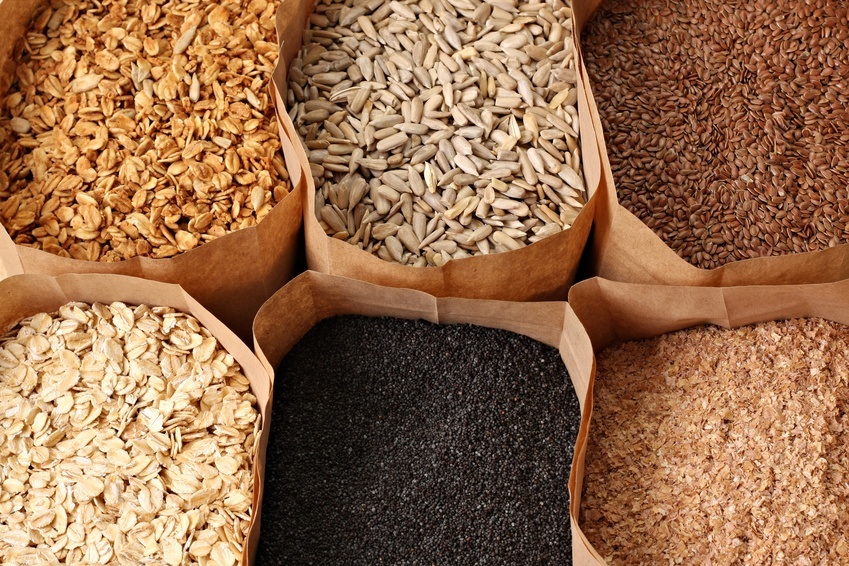
Whole grains are packed with nutrients, including protein, fiber, B vitamins, anti-oxidants, and trace minerals (iron, zinc, copper, and magnesium). A diet rich in whole grains has been shown to reduce the risk of heart disease, type 2 diabetes, obesity, and some forms of cancer.

The addition of more whole grains into a healthy diet is associated with a decreased risk of deteriorating glucose tolerance, including progression from normal glucose tolerance to pre-diabetes, according to a new study published in the American Journal of Clinical Nutrition.

According to a research paper titled Food Product Design, dated Dec 26, 2012 published in Health and Nutrition, researchers at Karolinska Institute and Karolinska University Hospital investigated whether a higher intake of whole grains protects against the development of pre-diabetes and type 2 diabetes and tested for modulation by polymorphisms of the TCF7L2 gene. Participants included 5,477 Stockholm residents aged 35 to 56 years who were not diagnosed with diabetes and who kept food journals of how much whole and refined grains they consumed. Researchers measured blood glucose in study participants and followed up 10 years later.

Participants who ate 59 grams of whole grains a day had a 34% lower risk to deteriorate in glucose tolerance compared to those who ate 30 grams of whole grains a day. Risk reduction was significant in men, but not in women. Participants who consumed 59 grams of whole grains a day also had a 27% reduced risk of becoming pre-diabetic.

Whole grains are rich in fibre. Fibre in the diet does not allow the blood glucose levels to rise thereby controls the rise in sugar levels in the body. Fibre also helps in lowering cholesterol as it helps in decreasing the low density lipoprotein whch is bad cholesterol and increases high density lipoprotein which is good cholesterol.

What foods are in the grains group?

Any food made from wheat, rice, oats, cornmeal, barley or another cereal grain is a grain product. Bread, pasta, oatmeal, breakfast cereals, tortillas, and grits are examples of grain products.

It is advised that at least half the grains in your diet should be whole grains. Whole-grain versions of rice, bread, cereal, flour and pasta can be found at most grocery stores. Many whole-grain foods come ready to eat. These include a variety of breads, pastas and cereals.

Examples of whole grains include:

  • Barley
  • Brown rice
  • Buckwheat
  • Bulgur (cracked wheat)
  • Millet
  • Oatmeal
  • Popcorn
  • Whole-wheat bread, pasta or crackers
  • Wild rice

It’s not always easy to tell what kind of grains a product has, especially bread. For instance, a brown bread isn’t necessarily whole wheat — the colour may come from added colouring. If you’re not sure something has whole grains, check the product label or the Nutrition Facts panel. Look for the word “whole” on the package, and make sure whole grains appear among the first items in the ingredient list.
November 17, 2025 By Hardika Vira 3 Comments

7 Healthy, Nutritious SWEETS


sugarfree dryfuit barfi 1

When you hear the word “sweets,” one expects loads of sugar and fatty foods. But who ever said that sweets cannot be nutritious and healthy?

There are some healthy and nutritious sweets which will not only satisfy your sugar cravings but are also sure to help you improve your health and immunity. Let’s have a look at these 7 recipes I have in store for you.

1. Date Rolls

date-rolls

Ingredients Amount
Dates 1 cup
Almonds 8-10 nos
Dry ginger powder 1 tbsp
Gum (gond/ dink) 1 tsp
Cow’s Ghee 1 tbsp

Note on Gum (Gond): This edible gum, also known as gond katira or Tragacanth gum, is a natural plant exudate. It is known for being a coolant and is rich in soluble fibre. It is easily available where grains and dry fruits are sold.

METHOD:

  1. Warm the ghee in a pan. Once it heats up, add the gum and stir until it swells. Remove to a plate.
  2. In the remaining ghee in the pan, sauté the dates for a few minutes.
  3. Turn off the heat and add the chopped almonds, dry ginger powder, and the fried gum.
  4. Mix it well and form into rolls. Garnish with almond slivers.
  5. Serve at room temperature.

P.S: You can add a little cocoa powder to give it a chocolaty taste. You can also use walnuts instead of almonds.

BENEFITS: Dates are a rich source of iron, ginger powder is anti-inflammatory, almonds are a rich source of Omega-3 fats, and gum is good for bones. All in all, this is a super immunity and health-booster sweet.

2. Sesame Chikki or Blocks

Sesame Chikki

Ingredients Amount
Roasted Sesame seeds/ Unsalted peanuts 1 cup
Jaggery ½ cup
Oil For greasing

METHOD:

  1. Take ½ cup of jaggery pieces in a pan. Over low heat, melt the jaggery, stirring continuously.
  2. Keep stirring until it attains a hard-ball consistency (check by dropping some jaggery syrup into cold water; it should harden like candy).
  3. Once the hard-ball consistency is achieved, add the roasted sesame seeds (or peanuts) to the jaggery syrup. Mix well.
  4. Remove the mixture from the heat and pour it onto a greased platform. Roll the mixture into a thin film (you must roll this while it is hot).
  5. It will harden as it cools, after which you can break it into small pieces.

P.S: You can use almonds, walnuts, dalia (roasted unsalted gram dal), or rajgira (amaranth seeds) instead.

BENEFITS: Jaggery is a rich source of iron, and til (sesame seed) is a super source of calcium. Jaggery-til chikki is excellent for women during their menses, as it can help ease menstrual pain. When peanuts or other nuts are used, it serves as an excellent, preservative-free energy bar.

3. Makhana (Foxnut) Kheer

navrathri-fasting-nutrition-dessert-sweet-makhana-kheer-fox-nut-foxnut-euryale-ferox

Ingredients Amount
Makahana/ foxnut 1 cup
Low-fat milk 500 ml
Cardamom powder 1 tsp
Almonds 6-8 nos
Ghee 1 tsp
Jaggery Approx. 3-4 tbsp
Saffron Optional

METHOD:

  1. In a pan, take a tablespoon of ghee and roast the foxnuts. You can powder some of the foxnuts if you want a thicker consistency.
  2. In another pan, heat the milk. When it comes to a boil, add the foxnuts, stir well, and simmer for 5-10 minutes over medium heat, stirring occasionally.
  3. Add the cardamom powder, a pinch of saffron, and almond slivers.
  4. Add jaggery and stir well until dissolved.
  5. If you want a thicker consistency, simmer for a few minutes more, stirring occasionally.

P.S: You can replace Foxnuts with brown rice, grated carrot, grated bottle gourd, Haleem seeds, or Ragi.

BENEFITS: Foxnut is a rich source of calcium, high in fibre, antioxidants, and protein. When combined with milk, its nutritional value increases further. Almonds add Omega-3s and fibre. It serves as an excellent food for toddlers and infants, as well as for pregnant and lactating females.

4. Mango Yoghurt Candies


Mango Yogurt

Ingredients Amount
Low fat fresh yoghurt 1 cup
Ripe Mango puree 1 cup

METHOD:

  1. In a blender, mix the low-fat fresh yoghurt and the ripe mango puree well. Do not add any sugar, as the fruit has natural sweetness. If needed, add a stevia-based sweetener.
  2. Pour this blended puree into moulds. Freeze for 6-8 hours. You can add wooden sticks to give an ice lolly/popsicle effect.
  3. Unmould and serve immediately.
  4. Choose fruits that are fresh and ripe, as they are sweet and do not require sugar substitutes. You can use fruits like strawberries, litchi, kiwi, blueberry, or custard apple.

BENEFITS: Yoghurt is a great source of probiotics, which maintain gut health. This recipe is also a great source of vitamins and minerals from the fruit. It makes for an excellent sugarless, low-fat ice cream with no added preservatives.

5. Lapsi

lapsi

Ingredients Amount
Broken Wheat / Dalia/ fada 1 cup
Jaggery 1 cup
Cardamom powder ½   tsp
Almonds 6-8 nos
Ghee 2 tbsp
Raisins Optional

METHOD:

  1. Heat a tablespoon of ghee in a wide pan over medium heat. Stir in the broken wheat and roast until it gets a nutty aroma and the colour changes to golden orange.
  2. In another pan, dissolve the jaggery in 2 cups of warm water. Strain if you see any impurities.
  3. Pour the jaggery water and cardamom powder into the broken wheat, stirring continuously until well combined. Reduce the heat to low, cover the pan, and simmer for 10-15 minutes, stirring occasionally, until the wheat is tender.
  4. Allow the Lapsi to rest (covered) for five minutes.
  5. Stir in some of the almond slivers and raisins. Garnish with the remaining almond slivers and serve hot.

P.S: You can also use oats / coarsely ground Moong Dal Flour instead of broken wheat

BENEFITS: Broken wheat is rich in fibre, manganese, magnesium, and phosphorus. It contains all the nutrients present in whole wheat. When combined with jaggery, it becomes a nutrient-dense sweet.

6. Puran Poli

oetsVSiigjfbh_bigger

Ingredients Amount
Whole wheat flour 1 cup
Tur dal/ Chana dal / lentil 1 cup
Jaggery 1/2 cup
Cardamom powder ½   tsp
Nutmeg powder ¼ tsp
Ghee 1 tbsp
Oil 1 tsp
Saffron Optional
Salt To taste

METHOD:

  1. In a large bowl, combine the wheat flour with salt. Knead with water to form a firm dough. Add 1 teaspoon of oil, coat the dough, and knead for a couple more minutes until smooth. Cover and keep aside for 10-15 minutes.
  2. Cook the dal with 1.5 cups of water until soft. You can also pressure cook the dal for one whistle and simmer on low heat for a few minutes. Drain any excess water.
  3. Heat ghee in another pan over medium heat. Add the jaggery and stir until it dissolves completely.
  4. Stir in the cooked dal, saffron, cardamom, and nutmeg. Continue stirring the mixture until it thickens and leaves the sides of the pan. Turn off the heat and let the puran (filling) cool completely.
  5. Divide the dough and puran mixture into 6-7 equal portions. Roll out a roti (flatbread) with the help of dry wheat flour. Place a portion of the puran in the centre, bring the edges of the roti together, and fold over to cover the filling completely, sealing it.
  6. Flatten the stuffed dough, dust with a little flour, and gently roll it into a medium-sized poli. Do not put too much pressure, or the puran will come out.
  7. Preheat a skillet (tava) on medium-high. Place the Puran Poli onto the skillet and cook until golden brown on both sides, applying a minimal amount of ghee to give it a crispier texture.
  8. Repeat for all remaining portions.

BENEFITS: This is an excellent cereal-pulse combination, providing good quality proteins. It is also a good source of iron from the jaggery and has a high satiety value since it’s high in protein and fibre.

7 Dry Fruit Barfisugarfree dryfuit barfi 1

Ingredients Amount
Seedless Dates (chopped) ½ cup
Dry figs (chopped) ½ cup
Almonds (finely chopped) ½   cup
Walnuts (finely chopped) ½   cup
Cashew+ Pistachio mixture (finely chopped) ¼ cup
Milk 1-2 tablespoon
Cardamom powder A pinch
Nutmeg powder A pinch
Ghee ½ tbsp.

METHOD:

  1. In a pan, heat the ghee. Roast all the dry fruits (except the dried figs and dates) until you get a nutty aroma.
  2. Blend the chopped dates and figs with 1-2 tablespoons of milk until smooth.
  3. In a nonstick pan, sauté the date-fig paste until golden brown, stirring continuously until the mixture leaves the sides of the pan.
  4. Add the roasted dry fruits to this mixture and mix well.
  5. Pour this mixture into a greased pan and smoothen it well. Allow it to rest until the mixture is cooled completely and firms up.
  6. Cut the Dry Fruit Barfi into equal squares. Garnish with almond slivers if desired.

BENEFITS: This serves as an excellent nutrition bar. It is high in Omega-3s, iron, calcium, fibre, and various multivitamins and minerals. A great option for all.

We hope you try and enjoy these recipes! Do leave your thoughts in the comments below. For more healthy recipes, check out Healthy Reads or ask a GOQii Coach by subscribing for Personalised Health Coaching here.

#BeTheForce 

Disclaimer: The information provided in this blog is for general awareness and educational purposes only. It is not intended to replace professional medical advice, diagnosis, or treatment. Always consult a qualified healthcare provider for personalised medical guidance or concerns related to your health.

November 8, 2025 By Urvi Gohil 2 Comments

Healthy Eating: Paneer Stuffed Palak Paratha

Paneer Stuffed Palak ParathaWant to try a recipe that’s balanced, nutritious, quick and easy to make? We’ve got you covered with this awesome Paneer Stuffed Palak Paratha recipe which is guaranteed to be the best meal of your day!

What You Will Need 

  • Blanched Spinach puree: ½ cup
  • Whole Wheat Flour: 1 cup
  • Paneer (scrambled): 1 cup
  • Carrot (shredded): ½ cup
  • Ginger Chilli Paste: 1 tsp
  • Salt as per taste
  • Turmeric Powder: ½ tsp
  • Red Chilli Powder: 1 tsp
  • Jeera Powder: 1 tsp
  • White Sesame Seeds: 1 tsp
  • Oil: 1 tbsp

Method:

  1. In a mixing bowl, add paneer, carrot, ginger chilli paste, salt & mix it well. Keep this stuffing aside.
  2. For making dough, in a bowl, add whole wheat flour, palak puree, salt, jeera powder, haldi, red chilli powder & white sesame seeds. Mix them well & make a soft dough.
  3. Now start rolling the rotis, dust some powder and make medium thick roti. Put the paneer stuffing, pack the rotis well & start rolling again.
  4. Heat a pan and start cooking the parathas. Grease the pan with some oil, once golden brown on a side, flip it over & cook again.
  5. Your Paneer Stuffed Palak Paratha is ready! Serve it hot with curd.

Highlights of the Paneer Stuffed Palak Paratha

  • A perfect meal combination having proteins, whole grains & green leafy vegetables all in one.
  • A very nutritional choice for kids, pregnant & lactating mothers too.
  • A recipe rich in Vitamin K, Vitamin A, Vitamin C, Copper, Folate, etc.

We hope you try and enjoy this recipe! Do leave your thoughts in the comments below. For more healthy recipes, check out Healthy Reads or ask a GOQii Coach by subscribing for Personalised Health Coaching here.

#BeTheForce 

Disclaimer: The information provided in this blog is for general awareness and educational purposes only. It is not intended to replace professional medical advice, diagnosis, or treatment. Always consult a qualified healthcare provider for personalised medical guidance or concerns related to your health. Images shown are for representation purposes only and may not depict the exact recommendations or outcomes.

November 3, 2025 By Urvi Gohil 4 Comments

5 Simple Lifestyle Changes To Manage Hypertension

manage hypertensionBy now, anyone conscious about their health is aware of hypertension. In case you’re unfamiliar, hypertension is simply another name for high blood pressure. Blood pressure is the force exerted by blood against the walls of the blood vessels. This force depends on vascular resistance and how hard the heart has to work. Hypertension is a major risk factor for cardiovascular diseases, including stroke, heart attack, heart failure, and aneurysm.

An optimal blood pressure level is a reading under 120/80 mmHg, while a reading over 140/90 mmHg is generally considered high. It is crucial to keep blood pressure under control, and lifestyle management is the first-line treatment for hypertension.

5 Lifestyle Changes to Manage Hypertension

1. Cut Down on Alcohol & Quit Smoking
Drinking too much alcohol can raise blood pressure to unhealthy levels. Having more than three drinks in one sitting temporarily spikes blood pressure, and frequent drinking can lead to long-term increases. Heavy drinkers should gradually reduce their alcohol intake over 1-2 weeks to prevent sudden blood pressure surges.
Similarly, smoking can raise blood pressure immediately after each cigarette. Quitting smoking helps to normalise BP, reduces the risk of heart disease, and significantly improves overall health.

2. Managing Stress Effectively
Your body produces stress hormones when faced with pressure or anxiety, causing your heart to beat faster and blood vessels to narrow—leading to temporary blood pressure spikes. While these return to normal once stress subsides, frequent episodes of high stress can damage blood vessels, the heart, and kidneys.

          How to manage stress:

    • Exercise regularly—30 minutes, 3-5 times a week, helps reduce stress.
    • Try yoga & meditation—Deep breathing and mindfulness can help regulate stress levels.
    • Get enough sleep—Quality rest is essential for keeping BP under control.
    • Maintain social connections—Engaging in enjoyable activities and staying socially active reduces stress.

3. Reduce Sodium Intake:
Even a small reduction in sodium can significantly improve heart health and lower blood pressure by 5-6 mmHg in hypertensive individuals.

          Recommended Daily Sodium Intake:

    • Limit sodium to 2300 mg per day (ideal for general adults)
    • 1500 mg per day is ideal for those with high BP (less than one teaspoon of salt)

          How to reduce sodium:

    • Read food labels and choose low-sodium options
    • Avoid processed & packaged foods (e.g., noodles, soups, crisps, biscuits)
    • Use herbs & spices instead of salt to add flavour
    • Gradually reduce salt intake so your palate adjusts over time

4. Increase Fruit & Vegetable Intake
A diet rich in whole grains, fruit, vegetables, and low-fat dairy—while avoiding saturated fats and cholesterol—can lower blood pressure by 11 mmHg.

This approach is called the DASH (Dietary Approaches to Stop Hypertension) Diet, which emphasises:

  • Fruits & vegetables—Great sources of potassium, which counteracts sodium.
  • Whole grains—Support heart health and lower BP naturally.
  • Low-fat dairy—Helps regulate blood pressure.
  • Beetroot—A powerhouse for reducing BP (add it to smoothies!).

⚠ If you have blood sugar concerns, consult your doctor before consuming beetroot.

5. Exercise Regularly
Making exercise a habit is one of the best ways to naturally lower BP. You don’t need to hit the gym—just ensuring regular movement is enough.

Engage in moderate exercise (e.g., brisk walking, jogging, cycling, swimming) for 30 minutes a day, at least 5 days a week. Even small activities—taking the stairs, stretching, or walking short distances—help maintain heart health. Always consult a doctor or health coach before starting a new fitness routine if you have high BP.

By incorporating these five simple lifestyle changes, you can effectively manage hypertension while improving overall health. Making small but consistent changes in your diet, exercise, and stress management will lead to long-term benefits for your heart and well-being.

Which lifestyle change has worked best for you? Share your experience in the comments below!

#BeTheForce

Disclaimer: The information provided in this blog is for general awareness and educational purposes only. It is not intended to replace professional medical advice, diagnosis, or treatment. Always consult a qualified healthcare provider for personalised medical guidance or concerns related to your health.

  • « Previous Page
  • 1
  • 2
  • 3
  • 4
  • …
  • 42
  • Next Page »

Search

Recent Posts

  • PCOS and Anxiety: Discover Relief with the 54321 Technique
  • Navigating the Maze of Nutrition: Finding Clarity Amidst Confusion
  • Get children active and keep them healthy
  • What Gestational Diabetes Can Do To You & Your Unborn Child
  • Breathing – A Forgotten Art

Stay Updated

Archives

  • December 2025 (4)
  • November 2025 (15)
  • October 2025 (20)
  • September 2025 (6)
  • August 2025 (6)
  • July 2025 (12)
  • June 2025 (18)
  • May 2025 (16)
  • April 2025 (23)
  • March 2025 (23)
  • February 2025 (22)
  • January 2025 (26)
  • December 2024 (26)
  • November 2024 (25)
  • October 2024 (22)
  • September 2024 (24)
  • August 2024 (31)
  • July 2024 (21)
  • June 2024 (26)
  • May 2024 (31)
  • April 2024 (27)
  • March 2024 (29)
  • February 2024 (26)
  • January 2024 (25)
  • December 2023 (15)
  • November 2023 (11)
  • October 2023 (22)
  • September 2023 (22)
  • August 2023 (20)
  • July 2023 (22)
  • June 2023 (24)
  • May 2023 (24)
  • April 2023 (24)
  • March 2023 (23)
  • February 2023 (20)
  • January 2023 (16)
  • December 2022 (12)
  • November 2022 (15)
  • October 2022 (15)
  • September 2022 (12)
  • August 2022 (10)
  • July 2022 (17)
  • June 2022 (11)
  • May 2022 (10)
  • April 2022 (6)
  • March 2022 (6)
  • February 2022 (13)
  • January 2022 (12)
  • December 2021 (7)
  • November 2021 (3)
  • October 2021 (6)
  • September 2021 (3)
  • August 2021 (8)
  • July 2021 (7)
  • June 2021 (15)
  • May 2021 (16)
  • April 2021 (10)
  • March 2021 (7)
  • February 2021 (4)
  • January 2021 (4)
  • December 2020 (3)
  • November 2020 (4)
  • October 2020 (10)
  • September 2020 (3)
  • August 2020 (3)
  • July 2020 (2)
  • June 2020 (4)
  • May 2020 (10)
  • April 2020 (12)
  • March 2020 (10)
  • February 2020 (4)
  • January 2020 (4)
  • December 2019 (3)
  • November 2019 (7)
  • October 2019 (5)
  • September 2019 (4)
  • August 2019 (9)
  • July 2019 (9)
  • June 2019 (11)
  • May 2019 (4)
  • April 2019 (9)
  • March 2019 (8)
  • February 2019 (9)
  • January 2019 (8)
  • December 2018 (9)
  • November 2018 (3)
  • October 2018 (3)
  • September 2018 (5)
  • August 2018 (10)
  • July 2018 (6)
  • June 2018 (13)
  • May 2018 (8)
  • April 2018 (18)
  • March 2018 (9)
  • February 2018 (8)
  • January 2018 (15)
  • December 2017 (12)
  • November 2017 (19)
  • October 2017 (13)
  • September 2017 (15)
  • August 2017 (4)
  • July 2017 (8)
  • June 2017 (7)
  • May 2017 (6)
  • April 2017 (8)
  • March 2017 (6)
  • February 2017 (7)
  • January 2017 (9)
  • December 2016 (10)
  • November 2016 (7)
  • October 2016 (7)
  • September 2016 (7)
  • August 2016 (11)
  • July 2016 (9)
  • June 2016 (9)
  • May 2016 (12)
  • April 2016 (17)
  • March 2016 (17)
  • February 2016 (8)
  • January 2016 (6)
  • December 2015 (2)
  • November 2015 (9)
  • October 2015 (7)
  • September 2015 (9)
  • August 2015 (11)
  • July 2015 (9)
  • June 2015 (12)
  • May 2015 (9)
  • April 2015 (13)
  • March 2015 (8)
  • February 2015 (5)
  • January 2015 (12)
  • December 2014 (14)
  • November 2014 (11)
  • October 2014 (6)
  • September 2014 (13)
  • August 2014 (12)
  • July 2014 (6)
  • June 2014 (2)
  • May 2014 (7)
  • April 2014 (5)

From “Laddu Nawin” to Fit and Fierce: How a 25-Year-Old Insurance Advisor Shed 20 Kilos and Gained His Life Back

When 25-year-old Nawin Yadav from Hyderabad walked into his office every morning, he carried more than just his files and policy papers. He had the weight of fatigue, sluggish energy, and an ever-growing belly that was becoming the butt of jokes. “People … [Read More...]

“I’ve Challenged Myself to Live 100 Years” – The Story of Chandubhai Savani’s Second Chance at Life

At 67, most people start slowing down. Not Chandubhai Savani. A resident of Surat, Chandubhai, thought life was on track. “My life was going well till I had my bypass surgery,” he says. That surgery, back in 2021, was a wake-up call.  Medication was routine, but exercise wasn’t. His diet? What he calls ‘normal.’ “I […]

From Shimla’s Slopes to Chandigarh’s Sidewalks: Surinder Kaur Bhalla’s Journey from Chaos to Control

Some journeys start with a plan. Others begin with a stumble literally. Surinder Bhalla, a government professional, born and raised in the scenic hill town of Shimla, had always lived a life of movement. “In Shimla, you walked everywhere,” she reflects. “Walking was never an exercise. It was just life.” But after shifting to Chandigarh, […]

Ananda Mukherjee Health Story

From Terminal Illness To Complete Wellness! Ananda Mukherjee Health Story

As we observe World Cancer Day under the powerful theme ‘United by Unique’ (2025-2027)**, we are reminded that every individual’s journey with cancer is distinct, yet united by shared resilience, hope, and the collective fight against this disease. This theme places people at the centre of care and their stories at the heart of the […]

  • HOME
  • HEALTHY LIVING
  • FITNESS
  • HEALTHY RECIPES
  • USER STORIES
  • KARMA
  • BUY GOQii

Copyright ©2016 GOQii