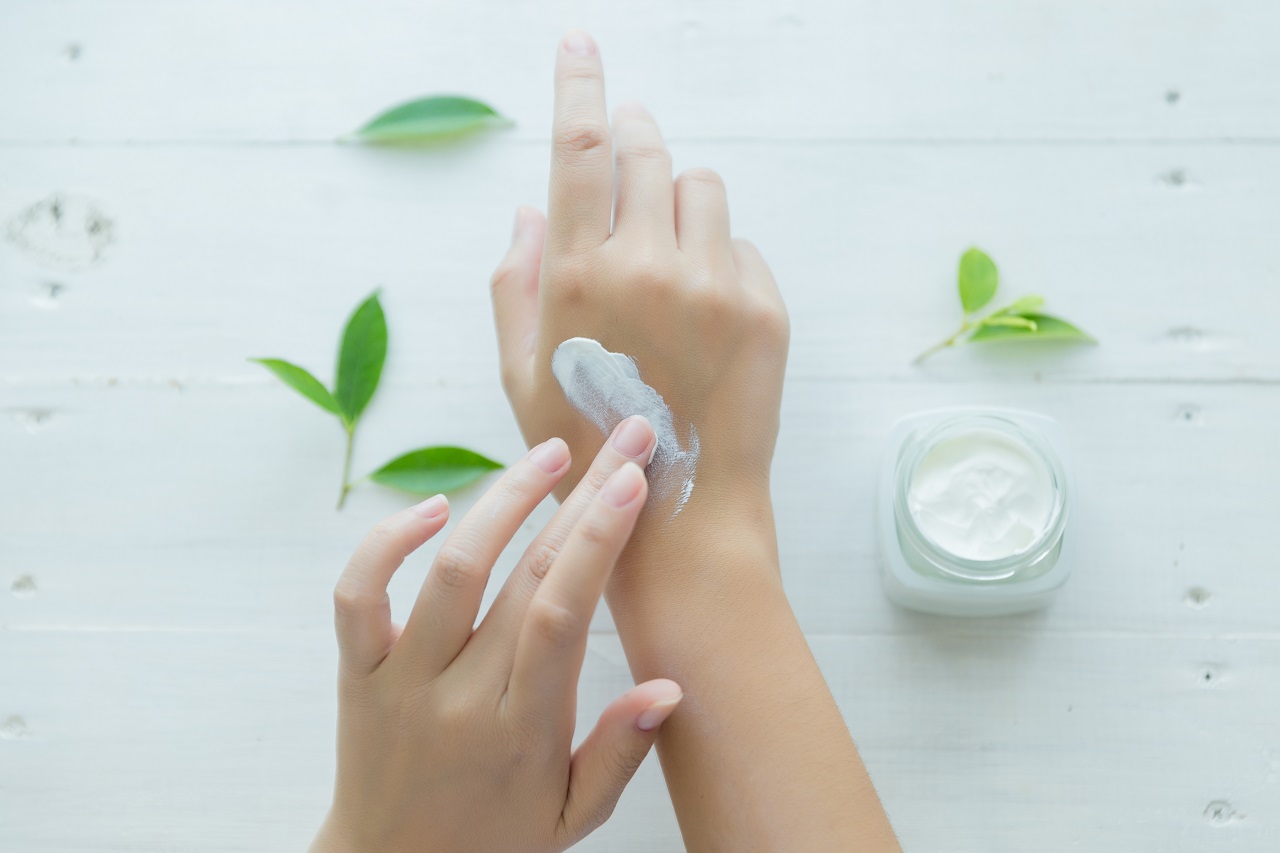
 Nobody likes it when their skin feels and looks tight, dry and flaky. But, winter creates these problems for the skin. Cold air, harsh winds and pumped-up indoor heat can increase facial tissue sensitivity and leave the skin dry. But don’t worry! We have some tips to keep your skin healthy this winter!
8 Tips To Keep Your Skin Healthy
- Hydrate: It would be a great idea to make sure that you have lots and lots of water to keep your cells alive. It indirectly will affect your skin to keep it amazingly glowing. Ideally, you need to drink 2-3l of water a day.
- Moisturize: Use the right moisturizer for your skin type and an oil-free skin serum underneath for additional hydration. For dry skin, using moisturizer with ingredients such as safflower oil, soya bean oil, sweet almond oil, carrot oil, Shea butter or evening primrose oil on a regular basis will help in correcting the lack of oil and hydration deep within the skin. It will help you get that moist, supple and smooth skin. Oils like Coconut oil, Olive Oil, or Mustard Oil, can be applied 10-15 mins before bathing.
- Cover Up: Avoid prolonged exposure to cold air. Wear hats, scarfs, and gloves for your hands to avoid them. Slipping on a cotton glove over a moisturized hand will help you protect your skin.
- Eat Right: Add more of Omega 3 fatty acids, and foods full of mono-unsaturated fats such as fish, nuts, olive oil, flax seeds, sardines and avocados to your diet. These foods are great for healthy skin.
- Include More Vit C: Eat more foods that are rich in Vitamin C as they can help boost your body’s collagen, a protein that maintains skin and other connective tissues.
- Handle With Care: To prevent chapping parched hands, use wipe-off, soap-free cleansers and alcohol-free hand sanitizers.
- Right Clothing: If your skin does get irritated, wear breathable soft fabrics, such as cotton instead of polyester or itchy woollens. Less fitting clothes will also prevent your skin from irritation due to perspiration and chaffing.
- Lastly, winter can also mean reduced sun exposure. Sunlight is very important not only for the skin but for the whole body as well to produce Vitamin D and get enough calcium that way. So consult a doctor if you have a deficiency.
These tips will help you keep your skin healthy through the winter season! We hope this article helps! Do leave your thoughts in the comments below.
For more tips to stay healthy during winter, check out Healthy Reads or speak to an expert by subscribing for GOQii’s Personalised Health Coaching here.
#BeTheForce
 I know many women, especially adolescents, who don’t like ‘being a woman’ because of the pain during menstruation. If you are one of those or know such women, this article is for you.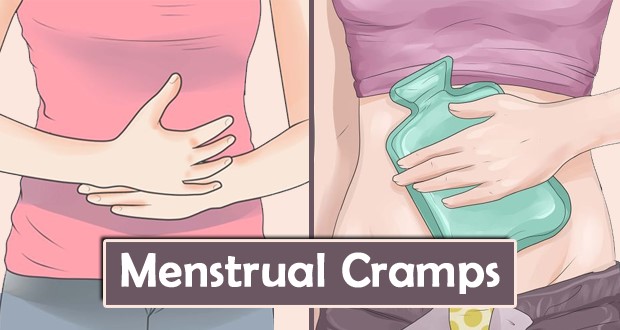
 Remember the old adage – Eat to Live and not Live to Eat? We don’t always eat simply to satisfy hunger. Sometimes, we turn to food for comfort, stress relief, or as a reward. It becomes an activity we do out of habit, like nail-biting, hair twirling, or finger tapping. Recent trends show that we often turn to food in response to certain emotions. For instance, eating chocolates or sweets when we’re sad or depressed. Whether you feel angry, sad, bored, or even excited—food can act as a buffer against these emotions. But is emotional eating good for you?
 Last step to deal with emotional eating requires long term modification i.e. healthy lifestyle habits. When you’re physically strong, relaxed, and well rested, you’re able to handle the challenges that life throws at you in a better way. But, when you’re already exhausted and overwhelmed, any little hiccup has the potential to send you off the rails and straight towards the kitchen>refrigerator>food. Exercise, sleep, and other healthy lifestyle habits will help you get through difficult times without emotional eating. Make daily exercise a priority.
 Remember the old adage – Eat to Live and not Live to Eat? We don’t always eat simply to satisfy hunger. Sometimes, we turn to food for comfort, stress relief, or as a reward. It becomes an activity we do out of habit, like nail-biting, hair twirling, or finger tapping. Recent trends show that we often turn to food in response to certain emotions. For instance, eating chocolates or sweets when we’re sad or depressed. Whether you feel angry, sad, bored, or even excited—food can act as a buffer against these emotions. But is emotional eating good for you?


