GOQii

Blog

  • HOME
  • HEALTHY LIVING
  • FITNESS
  • HEALTHY RECIPES
  • USER STORIES
  • KARMA
  • BUY GOQii

Search Results for: fitness

November 28, 2022 By Komal Baxi 4 Comments

What Is Carb Loading & How To Do It

What is Carb Loading and how to do it

If you’ve just begun trekking, training for long distance running, cycling, mountain climbing or even if you have been doing it for a while, you have definitely come across the term ‘Carb Loading’. You might have a lot of questions pertaining to who, what, why, when, where and how you should be doing  carb loading, also known as ‘Super Compensation’.

What Is Carb Loading?

Carb Loading is a strategy (yes you may call it a strategy) that involves changes to training and nutrition which can maximize muscle glycogen stores prior to an endurance competition like the GOQii Trail Challenge. It also means reducing training load and resting the muscles to allow them to become completely loaded with glycogen. Let me highlight resting, which means involving in low to moderate intensity exercise which is as important as eating.

Who Should Do It?

Carbohydrates are considered the primary fuel for any physical activity. Our body usually has enough carb stores to utilize for short term exercises. So for short term exercises or workout sessions, you don’t need to carb load as the body’s usual carbohydrate stores are adequate.

However, when it comes to engaging in long, intense athletic events, your body needs extra energy to keep going. So basically, anyone exercising continuously for 90 minutes or longer, is likely to benefit from Carb Loading. Sports such as cycling, marathon running, longer distance triathlon, endurance swimming and so on, require carb loading so that the athletes can pull through the event with sustained energy and minimal fatigue.

Normal muscle glycogen stores are usually in the range of 100-120 mmol/kg ww (wet weight) and it is expected to reach up to 150-200 mmol/kg/ww with proper carb loading. This extra supply of carbohydrate dramatically improves endurance of athletes. So yes it’s quite a fact that it works!

How Should You Do It?

Trust me it’s simple, since it’s all about carbs and rest!

  • 3-4 days prior to the event, shoot up your carbohydrate intake to about 10-12 grams per kilogram of your body weight
  • Reduce your training sessions
  • And most importantly, rest completely the day before your big event

Basically, 3-4 days of exercise taper while following a high carb diet, means you have successfully managed to elevate muscle glycogen levels.

What Should You Eat? 

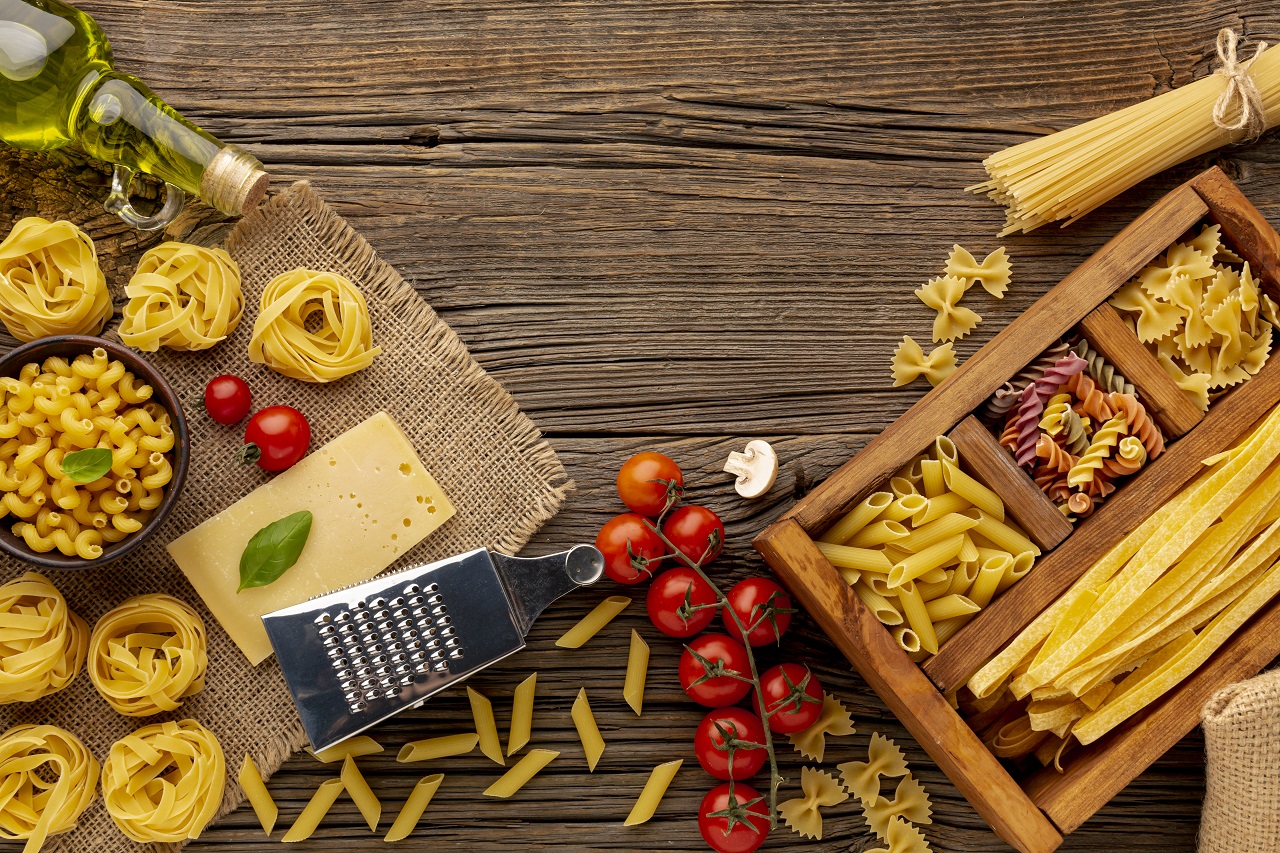
You should opt for simple carb-rich foods like white rice, oatmeal, bread, pancakes, bagels, whole wheat bread and pastas, rotis, broken wheat like daliya, potatoes,  peanut butter, dosas, idlis, fish, chicken, rajma, and chickpeas. You can also opt for hummus as it is a super power food. Yoghurt is a great option too. Try to drink fruit juices instead of whole fruit during carb loading for best results.

Choose foods that are low in fiber and easily digestible

Also, avoid high fat foods like cheese, butter, ghee, fried food or processed food to compensate for the extra carbohydrate-rich foods. Since your body requires more oxygen to your cells, too much of fat, like cheese, may actually slow u down as it makes the body acidic which hinders the oxygen supply to your cells.

Common Mistakes Made While Carb Loading

Carb loading requires an exercise taper. If u don’t rest, then it won’t turn out well. In order to consume the necessary amount of carbohydrate, it is necessary to cut back on fiber and make use of compact sources of carbohydrate, such as sugar, cordial, jam, honey, jelly, and tinned fruit. High fiber foods may be too bulky to consume at times.

Carb loading will most likely cause body mass to increase by approximately 2 kg. This extra weight is due to extra muscle glycogen and water. For some athletes, a fear of weight gain may prevent them from carb loading adequately.

Consuming too much high fat foods will make it difficult to consume sufficient carbohydrate. It may result in gaining body fat. The bottom line is to eat to high-carb, low fat foods while carbohydrate loading!

We hope this article helps you practice carb loading effectively for your next athletic or endurance event. Do let us know your thoughts in the comments below.

If you want to know more about carb loading, need guidance or if you wish to train for an athletic or endurance event, speak to an expert by subscribing for GOQii’s Personalised Health Coaching here: https://goqiiapp.page.link/bsr

For more articles on fitness and nutrition, check out Healthy Reads.

#BeTheForce
November 7, 2022 By Soni Thakur 3 Comments

Do Your Muscles Turn Into Fat When You Stop Weight Training?

musclesBeing indoors for this long has given people a lot of time to do some research. If you have been researching fitness, weight training and muscles, I’m sure the thought of  – “will my muscles turn into fat if I stop weight training” has crossed your mind. While you might watch your fitness levels, maintain a healthy weight and improve strength, etc, it is equally important to understand what happens once you stop weight training in order to preserve muscle mass. 
What Do Muscles Mean? 

Muscle is a tissue in animal bodies. Their main purpose is to help us move our body parts. When a muscle is activated via exercise, it contracts, making itself shorter and thicker i.e. it grows in size.

  • When you exercise, your body does not create new muscles. Instead, your existing muscles grow larger and stronger.
  • With regular exercise, muscles also develop more mitochondria (this is where biochemical processes of respiration and energy production occur in the cell). The result is larger and more muscle mass.
  • When you stop weight training/adopt a sedentary lifestyle, then the increased blood flow previously needed to fuel your cells during exercise is no longer required, so your body begins to contract and reduce the size of your capillaries. As a consequence, muscles shrink and decrease in mass.

Points To Consider 

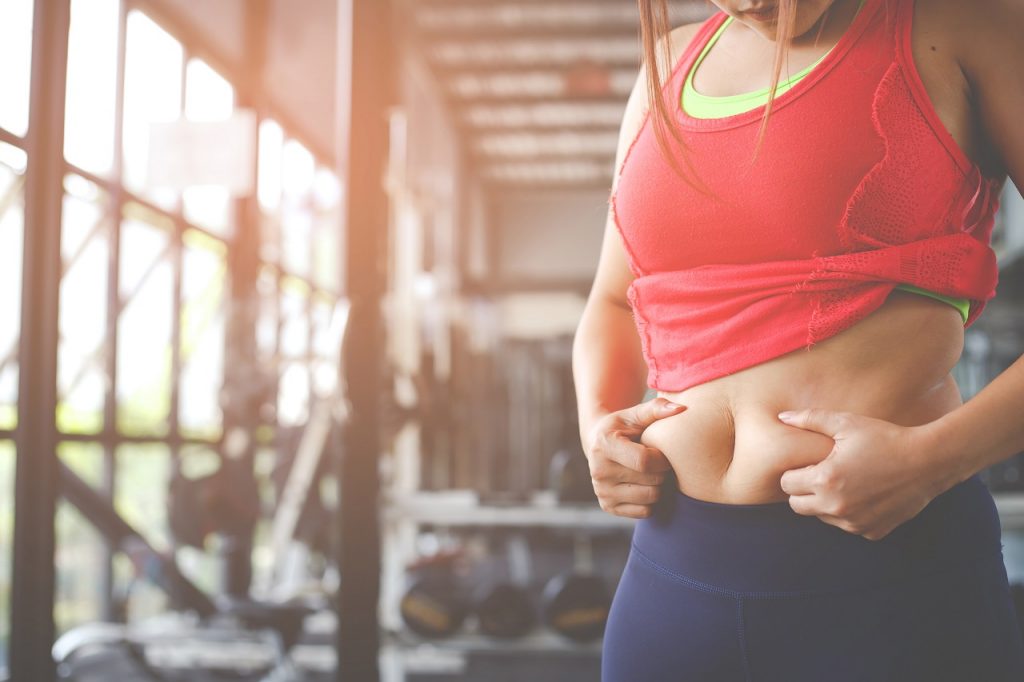
Muscle cells and fat cells are different structures and are not interchangeable at all. They will become smaller and weaker if you stop weight training because they lose muscle mass. Although, it will not happen in a short period of time as the process of losing muscle mass is slow and gradual which may take  4-6 weeks. Fat may be produced if your diet provides your body with more calories than required based on the activity levels you maintain.

You can preserve and maintain your muscle mass by keeping yourself active. By active I do not mean hitting the gym everyday but by just walking in between breaks, using the staircase instead of the lift, stretching your body every 2 hours, walking while being on a call instead of just sitting at one place, walking after every meal whether it’s your main meal or just snacks in between and obviously by eating a well- balanced healthy diet.

Keep an eye on your protein intake because the protein requirement of your body is directly associated with building and losing muscle mass as well. Don’t overtrain as this can also lead to decreased muscle. Leaving weight training alone should not be blamed for decreased muscle mass. 40-45 minutes of exercise 5-6 days a week is recommended and 1 day should be dedicated for rest and recovery.

We hope this article helps you. For more useful information on muscles, strength training, etc. check out Healthy Reads or tune in to LIVE, interactive workout classes by experts on GOQii PRO within the GOQii App. 

To get these tips directly from your GOQii Coach, subscribe for Personalised Health Coaching here: https://goqiiapp.page.link/bsr

#BeTheForce

November 4, 2022 By Komal Jethmalani 1 Comment

Busting Myths About Protein Supplements

protein supplements

A few decades back, protein supplements didn’t exist at all. Food was the source of all protein and people used to consume food to remain healthy. But in the current scenario, various lifestyle changes such as indulging in excessive gym workouts, having no time to eat due to work, deteriorating food quality, etc. have created a demand for supplements.

What are Protein Supplements?

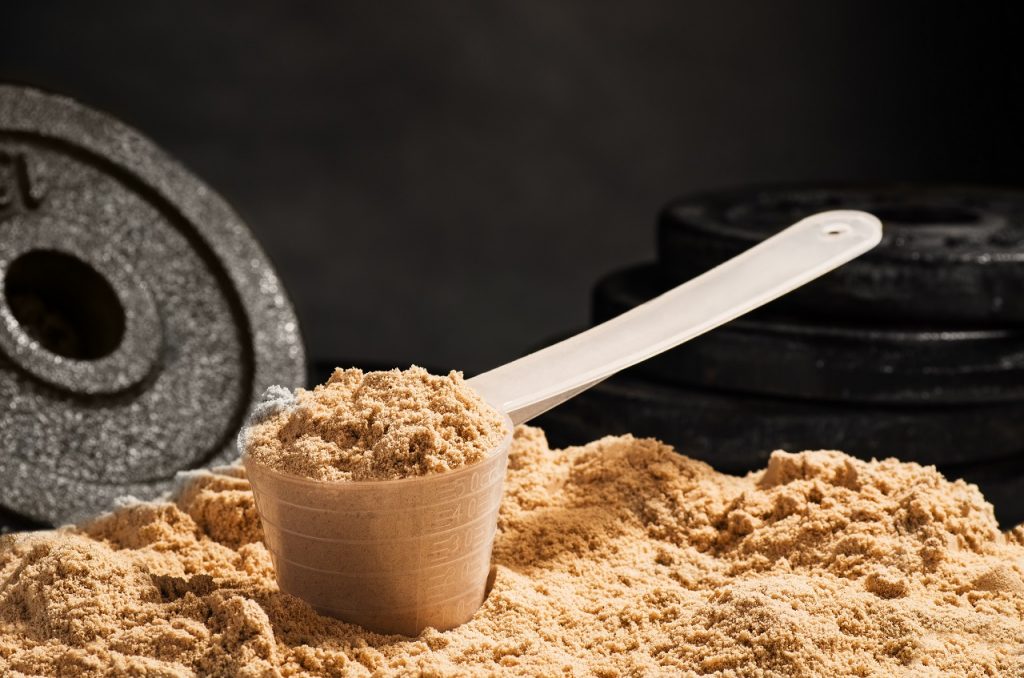
Protein supplements are concentrated sources of protein from animal or plant foods such as dairy, eggs, rice ,peas, hemp or brown rice. Some supplements are also fortified with vitamins and minerals, especially calcium. People use them to increase muscle mass, improve overall body composition and help meet their protein needs. 

Whey protein, the most vital supplement among all, is a must-have protein supplement whether you are a beginner or a pro in your fitness journey. Although, not everyone needs protein powder supplements, they can assist you if you do strength training or cannot meet your protein needs with diet alone.

Let’s Bust Some Myths! 

Myth #1: Protein Supplements Are Only For Bodybuilders
Fact: You can have a protein supplement if you are doing any form of exercise because it helps your muscles recover. Protein alone does not make your muscles big.

Myth #2: Whey Protein Is Not A Natural Form Of Protein
Fact: Whey protein is the natural protein derived from cow milk which constitutes two main protein components, namely casein and whey. Both components have Protein Digestibility Corrected Amino Acid score of 1.0 which is the highest score for a protein source.

Myth #3: Women Will Get Bulky From Protein Supplements
Fact: Due to women having lower levels of testosterone and higher levels of estrogen, they won’t bulk up as men. A diet rich in lean protein will help women build muscle, but not at the same rate as men. For both genders, it still takes weeks/months of consistent training and good nutrition to build visible muscle.

Myth #4: I Don’t Exercise Enough To Need A Protein Shake
Fact: Protein will help your muscles recover, whether you are working out six days a week or if you are a casual class goer – the results are the same.

Myth #5: Plant Based Protein Is Less Effective Than Whey Protein
Fact: For Vegan protein, a blend of whole pea and hemp sources is used to ensure an amino acid profile like whey with high levels of essential amino acids. Pea protein is allergen friendly, low fat and contains more protein per serving than whey. Hemp protein is also allergen friendly but is also rich in essential fatty acids and contains all nine essential amino acids.

Myth #6: Heating Protein Denatures It, Ruining The Effects
Fact: The only thing that changes when you heat protein is its structure, so it may become slightly less soluble. The protein itself is generally not affected by its yield.

Myth #7: You Need To Eat Very High Levels Of Protein To Get Results
Fact: The average person actually needs an adequate balance of carbs and fats alongside protein in their diet and probably needs no more than around 1.2 to 1.7gm of protein per kilo of bodyweight to build and maintain muscle.

Myth #8: Protein Shakes Will Make My Muscles Grow Quickly
Fact: Unfortunately, this is not true. Muscle building takes time, consistent training and good nutrition. Although having a post-workout, protein-rich meal/shake boosts protein synthesis and limits muscle breakdown. This simply means that your body recovers faster from aches and pains after training.

Myth #9: Pea Or Plant Protein Isn’t As good As Whey Protein
Fact: For vegans and people with digestive issues, plant-based protein powder is the way to go. It is digested differently than whey but still gives you the benefits of traditional powdered protein.

Myth #10: Protein Powder Equals Gas
Fact: That’s because most protein powders are derivatives of dairy products. But eating a balanced meal, which includes healthy fats, complex carbohydrates and water, along with a regular exercise routine, takes care of unpleasant digestive issues. The recommended dosage of protein shake is 1-2 scoops or 25-30 gm per day.

Myth #11: Whey Protein Leads To boils, Acidity, Poor Digestion
Fact: It is not whey protein but unabsorbed whey protein in the body that causes such issues. Insufficient water intake may lead to undigested protein resulting in boils, acidity, etc.

Myth #12: There’s No Such Thing As Too Much Protein
Fact: Eating excessive protein could lead to excessive nitrogen your body can’t excrete. If you’re a long-time high-protein dieter, you could be increasing your risk for kidney damage.

Myth #13: Powders Can Substitute Complete Protein Sources
Fact: While powders are a great protein source, they shouldn’t act as a substitute for whole food sources, both animal and plant alike. They’re an easy and convenient way to include extra protein in your diet.

Myth #14: Everyone Should Take Protein Supplement
Fact: It all depends on your fitness goals. The daily reference intake is 0.8g of protein per kg of body weight. Most people get enough protein through their daily diet with protein-rich food. You don’t need to include bodybuilding supplements or protein shakes. Having a bowl of Greek yogurt, or chicken salad with veggies and sprouts will suffice.

Myth #15: Cutting Down Protein Is A Great Way To Lose Weight
Fact: On the contrary, insufficient protein in your diet can make it difficult to get rid of excess fat. The feeling of being fuller for longer will keep you away from cravings and hunger pangs and a heightened metabolism will add to your workout routine and show positive results.

We hope these facts about protein supplements help you reach your goal! Consume protein, but don’t let it overpower other nutrients. Also, don’t cut it out completely from your diet. Balance is the key to complete health! If you’d like to know more about protein and protein supplements, speak to an expert by subscribing for Personalised Health Coaching here: https://goqiiapp.page.link/bsr

To read more about fitness and bodybuilding, check out Healthy Reads. Have you heard of any of these myths? Were any of these facts helpful? Let us know in the comments below.  

#BeTheForce 

October 25, 2022 By GOQii 5 Comments

Strength Training and It’s Benefits

strength training

Having covered so many topics across health and fitness, we wanted to focus today’s topic on Strength Training. I have always been fond of strength training. If performed correctly, strength training can provide significant functional benefits and improvement in overall health and well-being.

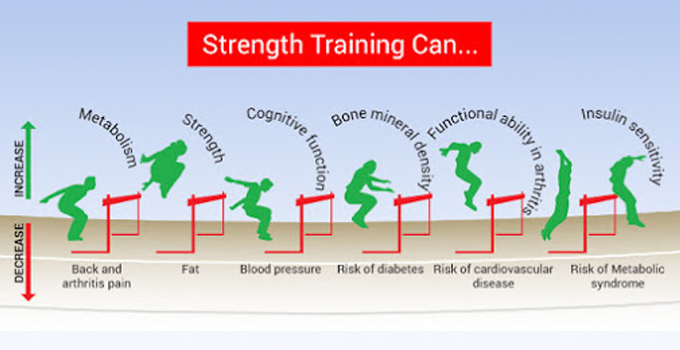
Weight training can increase Bone Mineral Density and Muscle Mass. It also increases the strength and toughness of our tendons and ligaments, improves joint function and range of motion, and reduces potential for injury. Strength training will tone your muscles.

benefits of strength trainingStrength training or weight training or anaerobic training all are same. In anaerobic exercise, cells use ATP (Adenosine Tri Phosphate) as a source of energy or glucose in the absence of oxygen. It usually lasts up to 2 minutes.



I began strength training at the age of 16 with traditional Indian squat, Surya Namaskar and push ups. At that time, my knowledge was limited. After some time I realized that my immune system is performing better. I used to fall sick more often with fever and/or cold but weight training really helped me make my immune system stronger.

Weight training can be done using body weight, elastic bands, dumbbells, barbells, and kettle bells. I prefer using my body weight as there is no investment which is required and sometimes, I use dumbbells for weight training.

If you are feeling depressed or stressed, try weight training. It helped me overcome depression and might work wonders for you! After a weight training session, endorphin levels increase in the body. Endorphins are the neurotransmitters released by the pituitary gland which makes one feel good. Neuro-muscular coordination improves.

One benefit of strength training is that during training you are burning calories but the effect will remain for more time because of the increased muscle mass. So weight training will help to increase the B.M.R. as muscle needs more energy to survive.

What Happens in Strength Training?

During strength training, there will be a wear and tear in the muscle fiber but that damage will be repaired after sleep and proper nutrition. Your muscles will become stronger. Your muscular strength and muscular endurance will go up after 2-3 sessions. For hypertrophy (increase in muscle mass), you need more training sessions, proper nutrition and rest.

During weight training, blood flow will increase to a particular muscle. There will be more supply of nutrients to that muscle and muscle will increase in size and strength. Smaller muscles need less time for recovery but bigger muscles like the hamstrings or quadriceps need more time and nutrition.

But before starting weight training you have to prepare your body and mind. Start with a good warm up. During or before you exercise, try ballistic stretching where you are not holding the stretch. After your training session, perform cool down and static stretching where you will hold the stretch for 10-15 seconds.

Want to know more about Strength Training? Ask an expert by subscribing for Personalised Health Coaching here: https://goqiiapp.page.link/bsr

For more on fitness, check out Healthy Reads.

#BeTheForce

  • « Previous Page
  • 1
  • …
  • 39
  • 40
  • 41
  • 42
  • 43
  • …
  • 98
  • Next Page »

Search

Recent Posts

  • 5 Essential Biomarkers Every Indian Should Monitor for Disease Reversal
  • Healthy Recipes For Kids: Healthy Twist On Pizza & Rolls
  • Staying Sharp After 40: The Ultimate Guide to Brain Longevity
  • Eat to Defy Age: Top 5 Foods to Fight Wrinkles and Premature Ageing
  • Brain Longevity: How to Stay Mentally Sharp After 40

Stay Updated

Archives

  • April 2026 (3)
  • March 2026 (18)
  • February 2026 (14)
  • January 2026 (14)
  • December 2025 (19)
  • November 2025 (15)
  • October 2025 (20)
  • September 2025 (6)
  • August 2025 (6)
  • July 2025 (12)
  • June 2025 (18)
  • May 2025 (16)
  • April 2025 (22)
  • March 2025 (28)
  • February 2025 (22)
  • January 2025 (25)
  • December 2024 (22)
  • November 2024 (23)
  • October 2024 (21)
  • September 2024 (24)
  • August 2024 (30)
  • July 2024 (21)
  • June 2024 (25)
  • May 2024 (30)
  • April 2024 (27)
  • March 2024 (27)
  • February 2024 (25)
  • January 2024 (21)
  • December 2023 (14)
  • November 2023 (11)
  • October 2023 (19)
  • September 2023 (22)
  • August 2023 (18)
  • July 2023 (22)
  • June 2023 (24)
  • May 2023 (24)
  • April 2023 (23)
  • March 2023 (23)
  • February 2023 (19)
  • January 2023 (15)
  • December 2022 (11)
  • November 2022 (15)
  • October 2022 (15)
  • September 2022 (12)
  • August 2022 (10)
  • July 2022 (17)
  • June 2022 (11)
  • May 2022 (10)
  • April 2022 (6)
  • March 2022 (6)
  • February 2022 (13)
  • January 2022 (11)
  • December 2021 (7)
  • November 2021 (3)
  • October 2021 (6)
  • September 2021 (3)
  • August 2021 (8)
  • July 2021 (7)
  • June 2021 (15)
  • May 2021 (16)
  • April 2021 (10)
  • March 2021 (7)
  • February 2021 (4)
  • January 2021 (4)
  • December 2020 (3)
  • November 2020 (4)
  • October 2020 (10)
  • September 2020 (3)
  • August 2020 (3)
  • July 2020 (2)
  • June 2020 (4)
  • May 2020 (10)
  • April 2020 (12)
  • March 2020 (10)
  • February 2020 (4)
  • January 2020 (4)
  • December 2019 (3)
  • November 2019 (7)
  • October 2019 (5)
  • September 2019 (4)
  • August 2019 (9)
  • July 2019 (9)
  • June 2019 (11)
  • May 2019 (4)
  • April 2019 (8)
  • March 2019 (8)
  • February 2019 (9)
  • January 2019 (8)
  • December 2018 (9)
  • November 2018 (3)
  • October 2018 (3)
  • September 2018 (5)
  • August 2018 (10)
  • July 2018 (6)
  • June 2018 (13)
  • May 2018 (8)
  • April 2018 (18)
  • March 2018 (9)
  • February 2018 (8)
  • January 2018 (15)
  • December 2017 (12)
  • November 2017 (19)
  • October 2017 (13)
  • September 2017 (15)
  • August 2017 (4)
  • July 2017 (8)
  • June 2017 (7)
  • May 2017 (6)
  • April 2017 (8)
  • March 2017 (6)
  • February 2017 (7)
  • January 2017 (9)
  • December 2016 (10)
  • November 2016 (7)
  • October 2016 (7)
  • September 2016 (7)
  • August 2016 (11)
  • July 2016 (9)
  • June 2016 (9)
  • May 2016 (12)
  • April 2016 (17)
  • March 2016 (17)
  • February 2016 (8)
  • January 2016 (6)
  • December 2015 (2)
  • November 2015 (9)
  • October 2015 (7)
  • September 2015 (9)
  • August 2015 (11)
  • July 2015 (9)
  • June 2015 (12)
  • May 2015 (9)
  • April 2015 (13)
  • March 2015 (8)
  • February 2015 (5)
  • January 2015 (12)
  • December 2014 (14)
  • November 2014 (11)
  • October 2014 (6)
  • September 2014 (13)
  • August 2014 (12)
  • July 2014 (6)
  • June 2014 (2)
  • May 2014 (7)
  • April 2014 (4)

From “Laddu Nawin” to Fit and Fierce: How a 25-Year-Old Insurance Advisor Shed 20 Kilos and Gained His Life Back

When 25-year-old Nawin Yadav from Hyderabad walked into his office every morning, he carried more than just his files and policy papers. He had the weight of fatigue, sluggish energy, and an ever-growing belly that was becoming the butt of jokes. “People … [Read More...]

“I’ve Challenged Myself to Live 100 Years” – The Story of Chandubhai Savani’s Second Chance at Life

At 67, most people start slowing down. Not Chandubhai Savani. A resident of Surat, Chandubhai, thought life was on track. “My life was going well till I had my bypass surgery,” he says. That surgery, back in 2021, was a wake-up call.  Medication was routine, but exercise wasn’t. His diet? What he calls ‘normal.’ “I […]

From Shimla’s Slopes to Chandigarh’s Sidewalks: Surinder Kaur Bhalla’s Journey from Chaos to Control

Some journeys start with a plan. Others begin with a stumble literally. Surinder Bhalla, a government professional, born and raised in the scenic hill town of Shimla, had always lived a life of movement. “In Shimla, you walked everywhere,” she reflects. “Walking was never an exercise. It was just life.” But after shifting to Chandigarh, […]

Ananda Mukherjee Health Story

From Terminal Illness To Complete Wellness! Ananda Mukherjee Health Story

As we observe World Cancer Day under the powerful theme ‘United by Unique’ (2025-2027)**, we are reminded that every individual’s journey with cancer is distinct, yet united by shared resilience, hope, and the collective fight against this disease. This theme places people at the centre of care and their stories at the heart of the […]

  • HOME
  • HEALTHY LIVING
  • FITNESS
  • HEALTHY RECIPES
  • USER STORIES
  • KARMA
  • BUY GOQii

Copyright ©2016 GOQii