 Hair is a tough protein made primarily of Keratin. The hair bulbs at the base of your hair follicles divide and grow to build the hair shaft, while blood vessels nourish the bulb and deliver the hormones that regulate growth.
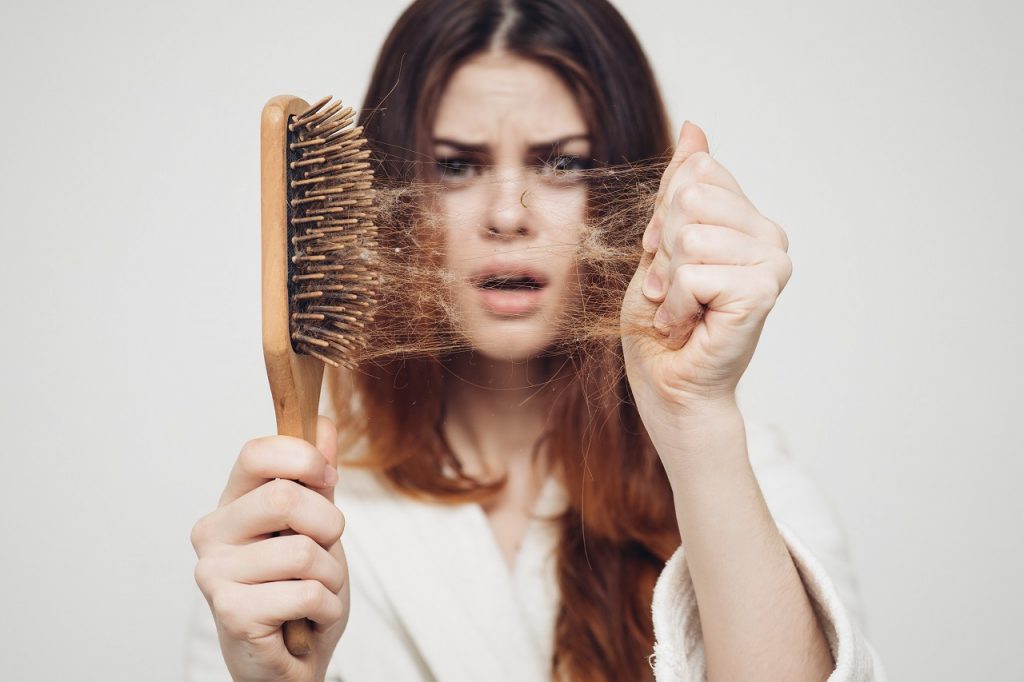
It is perfectly normal to shed around 50 to 200 hairs every day. However, hair loss happens at different rates for different people due to various reasons: heredity, hormonal changes (like hypothyroidism), medical conditions, stress, or even post-pregnancy calorie imbalances.
But one of the most common and highly treatable causes of sudden hair thinning is a lack of essential nutrients. When your body is deprived of specific vitamins and minerals, it restricts the nutrient supply to non-essential tissues like hair follicles to protect your vital organs. Let’s explore exactly which nutritional deficiencies lead to hair loss and how you can reverse them.
5 Nutritional Deficiencies Linked to Hair Loss
- Vitamin D DeficiencyVitamin D is crucial for hair growth because it stimulates hair follicles and helps maintain the thickness of each strand. Keratinocytes in the skin metabolise Vitamin D into Keratin (the structural protein of your hair). Low levels of Vitamin D make it difficult for these cells to regulate hair growth and shedding. Furthermore, Vitamin D deficiency is often linked to higher stress levels, which further accelerates hair fall.
- The Fix: Aim for 400-800 IU of Vitamin D a day. This is easily achieved with 10-30 minutes of direct daily sun exposure or through regular supplementation.
- Vitamin B7 or Biotin DeficiencyWhile severe biotin deficiency is relatively rare, it is a well-known culprit for hair loss. It can occur due to genetics, excessive alcohol consumption, smoking, or in people with inflammatory bowel disease. Interestingly, frequently consuming raw egg whites can also cause this deficiency, as they contain a protein called avidin that blocks the absorption of biotin in the gut.
- Food Sources: Bananas, carrots, cooked egg yolks, legumes, and nuts.
- Iron Deficiency (Anaemia)When you have an iron deficiency, your body produces less haemoglobin. This results in less oxygen being transported throughout your body. Because the body prioritizes vital organs, the oxygen supply to your hair follicles is severely restricted. Without adequate oxygen, hair follicles cease to function properly, switch to a resting phase, and eventually fall out. If you notice an unusual amount of hair in your shower drain, it is time to get your haemoglobin levels tested.
- Food Sources: Whole wheat grains, beans, chickpeas, tofu, peas, nuts, raisins, spinach, and lean meats like chicken.
- Vitamin C Deficiency
Vitamin C deficiency directly impacts hair health because this vitamin is essential for the absorption of iron from your intestines. Even if you consume enough iron, a lack of Vitamin C can lead to secondary iron deficiency and subsequent hair loss. Common risk factors include a poor diet, smoking, and chronic illness.- Food Sources: Citrus fruits (oranges, sweet lime, lemon), strawberries, guava, sweet potatoes, chillies, thyme, kale, and broccoli.
- Vitamin E Deficiency
Vitamin E possesses powerful antioxidant properties that reduce oxidative stress on the scalp. It fights free radical damage that can destroy hair cells. Additionally, Vitamin E supports a healthy scalp by protecting the lipid layer, locking in moisture, and reducing dryness and scaling.- Food Sources: Almonds, walnuts, pumpkin seeds, sunflower seeds, wheat germ oil, peanuts, avocados, mangoes, and spinach.
Top Tips To Reduce Hair Fall Naturally
- Eat Balanced Meals: Ensure your daily diet contains adequate protein, complex carbohydrates, and healthy fats.
- Stay Hydrated: Drink at least 8-10 glasses of water a day to aid the digestion and absorption of the nutrients from your food.
- Snack Smart: Include healthy snacks between meals to maintain energy levels and prevent calorie deficits.
- Eat the Rainbow: Include a variety of whole-grain cereals, eggs, nuts, leafy vegetables, tofu, legumes, quinoa, and dairy to cover all your nutritional bases.
- Maintain Scalp Hygiene: Wash your hair using a mild shampoo at least twice a week to keep the follicles clear of buildup.
- Manage Stress: Keep cortisol (stress hormone) levels in check through meditation, hobbies, or yoga, as high stress forces hair follicles into the shedding phase.
- Prioritize Rest: Get good quality sleep and exercise at least 4-5 days a week to improve overall blood circulation to your scalp.
Frequently Asked Questions (FAQs)
Can hair grow back after a nutritional deficiency? Yes. In most cases, hair loss caused by a nutritional deficiency is temporary. Once you identify the missing nutrient (like Iron or Vitamin D) through a blood test and correct it via diet or supplements, your hair growth cycle will typically return to normal within a few months.
Which vitamin is most responsible for hair loss? Deficiencies in Vitamin D, Iron, and Vitamin B12/B7 (Biotin) are the most common nutritional culprits behind excessive hair shedding and thinning.
How much hair fall is normal daily? It is perfectly normal to shed between 50 to 200 hair strands per day as part of the natural hair growth and renewal cycle.
We hope this article on nutritional deficiencies that can cause hair loss helps you! For more on hair loss and hair care, check out Healthy Reads or speak to a certified expert by subscribing to GOQii’s Personalised Health Coaching here.
#BeTheForce
Disclaimer: GOQii is committed to providing accurate, up-to-date, and comprehensive health information. This article is intended for informational purposes only and should not be used as a substitute for professional medical advice, diagnosis, or treatment. Always consult a qualified healthcare professional before starting or changing any medication, or sleep routine. Individual responses to lifestyle changes may vary.




Leave a Reply