GOQii

Blog

  • HOME
  • HEALTHY LIVING
  • FITNESS
  • HEALTHY RECIPES
  • USER STORIES
  • KARMA
  • BUY GOQii

February 4, 2024 By GOQii Leave a Comment

Equality in Healing: Overcoming Global Challenges in Cancer Treatment

World Cancer DayAccess to essential health services is a huge challenge for at least half the world’s population, according to a report from the World Bank and WHO. Many households are pushed into poverty as they have to pay for healthcare from their own pockets. This is especially true for cancer, a disease that many people are denied basic care for, although we live in a time where there are amazing advancements in cancer prevention, diagnostics and treatment.

The equity gap is costing people lives as those who need cancer care face barriers at every turn. Factors such as income, education, location and discrimination based on age, gender, ethnicity, sexual orientation, disability and lifestyle affect cancer care negatively. So do risk factors such as tobacco, diet or environmental hazards.

Barriers That Affect Cancer Care Gender Norms and Discrimination:

Women and girls face discrimination because of stereotypes and expected gender roles. Men also face challenges because of social norms surrounding masculinity, which stop them from taking life-saving procedures such as surgery for early prostate cancer, for fear of incontinence or impotence.
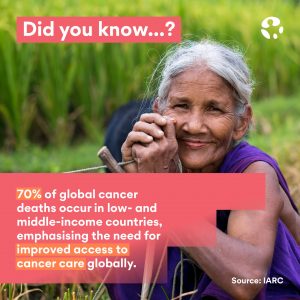
Socioeconomic Status: Poverty is a major obstacle to proper care as many people cannot pay for or access screening and treatment services. The ways of prevention and knowledge among these communities are also low.
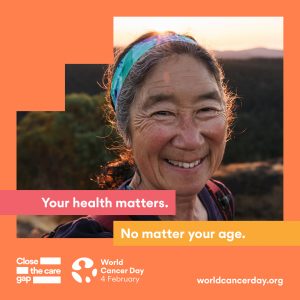
Age Discrimination: Older individuals are greatly underrepresented in the research that establishes the standards for cancer treatment. Many older women with breast cancer get less chemotherapy than their younger counterparts. More than 70% of deaths caused by prostate cancer happen in men above the age of 75. Age should not affect the quality of care one gets.
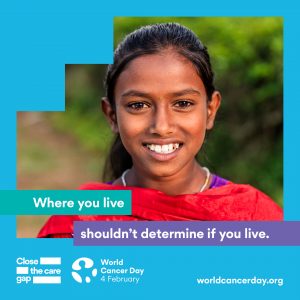
Rural-Urban Divide: Where one lives, should not affect if one will live. Rural patients are often diagnosed at later stages and are less likely to get suitable treatment. The financial cost of traveling to a place where one can get treatment and getting the right treatment can be too much.
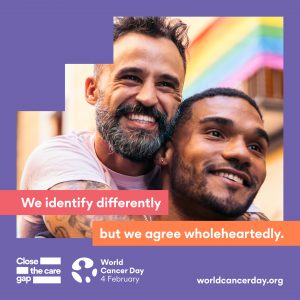
Homophobia, Transphobia & Related Discrimination: Around the world, the lesbian, gay, bisexual, transgender, queer and intersex (LGBTQAI) community face aggression and discrimination. They are also likely to face lack of awareness or bias from health practitioners.

These barriers to cancer care are only some of the ways in which people can be denied of cancer care. But these barriers can be removed. The first step is to acknowledge this inequality, question our own beliefs and prejudices, listen to the views of people living with cancer and fight these gaps when we see them.

What Leaders and Governments Can Do To Improve Cancer Care:  

Leaders and governments have a vital role in enhancing cancer care and closing the equity gap. Here are some of the steps they can take:

Improve the health system and make cancer services more accessible and affordable, especially in low- and middle-income countries and rural areas. This can be done by investing in infrastructure, equipment, human resources, and supply chains, as well as offering universal health coverage and social protection schemes

  1. Reduce and manage cancer risk factors, such as tobacco, alcohol, unhealthy diet, physical inactivity, and environmental pollution, by enacting effective policies and regulations. These include taxing harmful products, restricting their promotion, enforcing smoke-free and labeling laws, and promoting healthy habits.
  2. Support and apply research and innovation in cancer prevention, diagnosis, treatment, and care. This involves funding and facilitating studies, trials, and technology, and promoting collaboration and knowledge sharing among researchers, practitioners, and policymakers.
  3. Empower and involve people and communities in cancer care and advocacy, and meet their voices and needs. This involves educating on cancer prevention and early detection, providing psychosocial and palliative care, and supporting civil society organizations and patient groups that work for cancer causes.

By taking these steps, leaders and governments can make a change in enhancing cancer care and saving lives. They can also help achieve the global goals and targets set by the World Health Organization and the United Nations, such as the 2030 Agenda for Sustainable Development and the Global Action Plan for the Prevention and Control of Noncommunicable Diseases.

#BeTheForce

Image courtesy: https://worldcancerday.org
❮❮ Previous Post
Next Post ❯ ❯

Leave a Reply Cancel reply

Your email address will not be published. Required fields are marked *

Search

Recent Posts

  • Navigating the Maze of Nutrition: Finding Clarity Amidst Confusion
  • Get children active and keep them healthy
  • What Gestational Diabetes Can Do To You & Your Unborn Child
  • Breathing – A Forgotten Art
  • The Incredible Benefits Of Milk You Might Not Know

Stay Updated

Archives

  • December 2025 (3)
  • November 2025 (15)
  • October 2025 (20)
  • September 2025 (6)
  • August 2025 (6)
  • July 2025 (12)
  • June 2025 (18)
  • May 2025 (16)
  • April 2025 (23)
  • March 2025 (23)
  • February 2025 (22)
  • January 2025 (26)
  • December 2024 (26)
  • November 2024 (25)
  • October 2024 (22)
  • September 2024 (24)
  • August 2024 (31)
  • July 2024 (21)
  • June 2024 (26)
  • May 2024 (31)
  • April 2024 (27)
  • March 2024 (29)
  • February 2024 (26)
  • January 2024 (25)
  • December 2023 (15)
  • November 2023 (11)
  • October 2023 (22)
  • September 2023 (22)
  • August 2023 (20)
  • July 2023 (22)
  • June 2023 (24)
  • May 2023 (24)
  • April 2023 (24)
  • March 2023 (23)
  • February 2023 (20)
  • January 2023 (16)
  • December 2022 (12)
  • November 2022 (15)
  • October 2022 (15)
  • September 2022 (12)
  • August 2022 (10)
  • July 2022 (17)
  • June 2022 (11)
  • May 2022 (10)
  • April 2022 (6)
  • March 2022 (6)
  • February 2022 (13)
  • January 2022 (12)
  • December 2021 (7)
  • November 2021 (3)
  • October 2021 (6)
  • September 2021 (3)
  • August 2021 (8)
  • July 2021 (7)
  • June 2021 (15)
  • May 2021 (16)
  • April 2021 (10)
  • March 2021 (7)
  • February 2021 (4)
  • January 2021 (4)
  • December 2020 (3)
  • November 2020 (4)
  • October 2020 (10)
  • September 2020 (3)
  • August 2020 (3)
  • July 2020 (2)
  • June 2020 (4)
  • May 2020 (10)
  • April 2020 (12)
  • March 2020 (10)
  • February 2020 (4)
  • January 2020 (4)
  • December 2019 (3)
  • November 2019 (7)
  • October 2019 (5)
  • September 2019 (4)
  • August 2019 (9)
  • July 2019 (9)
  • June 2019 (11)
  • May 2019 (4)
  • April 2019 (9)
  • March 2019 (8)
  • February 2019 (9)
  • January 2019 (8)
  • December 2018 (9)
  • November 2018 (3)
  • October 2018 (3)
  • September 2018 (5)
  • August 2018 (10)
  • July 2018 (6)
  • June 2018 (13)
  • May 2018 (8)
  • April 2018 (18)
  • March 2018 (9)
  • February 2018 (8)
  • January 2018 (15)
  • December 2017 (12)
  • November 2017 (19)
  • October 2017 (13)
  • September 2017 (15)
  • August 2017 (4)
  • July 2017 (8)
  • June 2017 (7)
  • May 2017 (6)
  • April 2017 (8)
  • March 2017 (6)
  • February 2017 (7)
  • January 2017 (9)
  • December 2016 (10)
  • November 2016 (7)
  • October 2016 (7)
  • September 2016 (7)
  • August 2016 (11)
  • July 2016 (9)
  • June 2016 (9)
  • May 2016 (12)
  • April 2016 (17)
  • March 2016 (17)
  • February 2016 (8)
  • January 2016 (6)
  • December 2015 (2)
  • November 2015 (9)
  • October 2015 (7)
  • September 2015 (9)
  • August 2015 (11)
  • July 2015 (9)
  • June 2015 (12)
  • May 2015 (9)
  • April 2015 (13)
  • March 2015 (8)
  • February 2015 (5)
  • January 2015 (12)
  • December 2014 (14)
  • November 2014 (11)
  • October 2014 (6)
  • September 2014 (13)
  • August 2014 (12)
  • July 2014 (6)
  • June 2014 (2)
  • May 2014 (7)
  • April 2014 (5)

From “Laddu Nawin” to Fit and Fierce: How a 25-Year-Old Insurance Advisor Shed 20 Kilos and Gained His Life Back

When 25-year-old Nawin Yadav from Hyderabad walked into his office every morning, he carried more than just his files and policy papers. He had the weight of fatigue, sluggish energy, and an ever-growing belly that was becoming the butt of jokes. “People … [Read More...]

“I’ve Challenged Myself to Live 100 Years” – The Story of Chandubhai Savani’s Second Chance at Life

At 67, most people start slowing down. Not Chandubhai Savani. A resident of Surat, Chandubhai, thought life was on track. “My life was going well till I had my bypass surgery,” he says. That surgery, back in 2021, was a wake-up call.  Medication was routine, but exercise wasn’t. His diet? What he calls ‘normal.’ “I […]

From Shimla’s Slopes to Chandigarh’s Sidewalks: Surinder Kaur Bhalla’s Journey from Chaos to Control

Some journeys start with a plan. Others begin with a stumble literally. Surinder Bhalla, a government professional, born and raised in the scenic hill town of Shimla, had always lived a life of movement. “In Shimla, you walked everywhere,” she reflects. “Walking was never an exercise. It was just life.” But after shifting to Chandigarh, […]

Ananda Mukherjee Health Story

From Terminal Illness To Complete Wellness! Ananda Mukherjee Health Story

As we observe World Cancer Day under the powerful theme ‘United by Unique’ (2025-2027)**, we are reminded that every individual’s journey with cancer is distinct, yet united by shared resilience, hope, and the collective fight against this disease. This theme places people at the centre of care and their stories at the heart of the […]

  • HOME
  • HEALTHY LIVING
  • FITNESS
  • HEALTHY RECIPES
  • USER STORIES
  • KARMA
  • BUY GOQii

Copyright ©2016 GOQii


