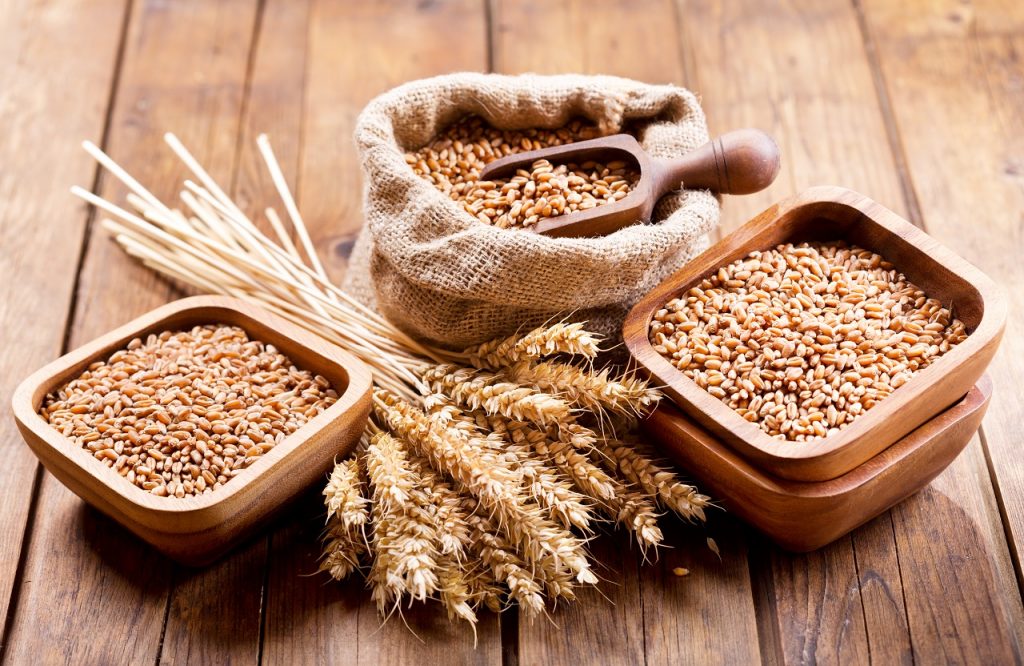
 If you are suffering from chronic diarrhea, constipation, gas, or bloating coupled with a poor immune system, your issue might be more than just something to do with “what you ate last night.” There is a fair chance that you might be experiencing something known as a leaky gut.
What is a Leaky Gut?
A Leaky Gut, as the phrase suggests, literally means that the gut or intestine is “leaking.”
Technically speaking, the permeability of the intestinal mucosa increases. As a result, a protein called Zonulin is released, and consequently, bacteria, toxins, digestive metabolites, and bacterial toxins leak through the intestinal wall and into the bloodstream.
This increases the toxic build-up in the body, which can manifest across various systems, including the skin, colon, hormones, lungs, liver, lymph, and kidneys. Symptoms often present as bloating, diarrhea, and constipation. This can also trigger an autoimmune response, potentially linking to conditions like rheumatoid arthritis, lupus, Celiac disease, migraines, a weak immune system, and hormonal imbalances.
While the exact cause of a leaky gut is heavily debated, potential triggers include a poor diet, chronic stress, toxin overload, and imbalances in the gut microbiome (dysbiosis).
The Role of Grains: Essential Nutrients or Hidden Hazards?
General dietary guidelines advise us to eat adequate amounts of whole grain products daily, promoting them as the fiber-rich foundation of a healthy diet.
Grains are undeniably the main source of our energy for daily activities and brain function. They supply us with Vitamin B Complex and vital minerals like Zinc, Chromium, Iron, Calcium, Magnesium, and Manganese that power numerous biochemical reactions in our bodies.
However, the question remains: Are all grains necessary, or can they sometimes be harmful?
Alongside their nutrients, grains and legumes also contain certain anti-nutritional compounds. For some individuals, these chemicals can trigger inflammation and negatively affect gut health.
What are the Anti-Nutritional Compounds in Grains?
- Gluten
Gluten is the main structural protein complex found in grains like wheat, rye, and barley. It is incredibly widespread in modern diets due to the heavy intake of processed and refined flour products like bread, cakes, pastries, sauces, ready meals, and breakfast cereals.
- The Impact: For a person with gluten sensitivity, ingesting gluten significantly increases intestinal permeability immediately after consumption.
- The Science: Studies demonstrate that daily consumption of wheat products can contribute to chronic inflammation. Gliadin (a component of gluten) can release Zonulin and wheat germ agglutinin, which actively increase intestinal permeability and trigger the immune system.
- Lectins
Grains contain different types of lectins, but not all are harmful. The problematic ones are Agglutinins and Prolamins.
- Agglutinins: These act as a natural insecticide to protect crops. To get a higher crop yield, some grains are genetically modified (GM) to produce more of these natural insecticides, which in turn can make the grain highly inflammatory for human digestion.
- Prolamins: These are tough to digest. Most grains contain a Prolamin similar in structure to gluten (e.g., Orzenin in rice, Avenin in oats, or Gliadins in wheat).
- Phytates and Phytic Acid
Found in the seeds of grains, Phytates and Phytic Acid inhibit the digestion and absorption of crucial minerals specifically zinc, iron, and calcium by binding to them in the gut.
- The Impact: A small amount of Phytates usually does not cause a problem if you are getting adequate nutrients elsewhere. However, if grains form the vast majority of your staple diet, mineral deficiencies can result, directly impacting your immune system.
5 Ways to Manage a Leaky Gut
If you suspect your gut needs healing, here are actionable, science-backed steps you can take to support your intestinal health:
- Choose Naturally Gluten-Free Grains: Opt for grains like bajra, rice, maize, and certified gluten-free oats. However, always read nutritional labels! Many commercial “gluten-free” products are packed with food additives, preservatives, and added sugar, which can further damage the gut lining.
- Prepare Your Grains Properly: Go for non-GMO and heirloom varieties of seeds. To make them easier to digest, soak your grains overnight in water mixed with a little lemon juice or apple cider vinegar. Sprouting and slow-cooking also activate Phytase, an enzyme that naturally breaks down harmful Phytates.
- Chew Your Food Thoroughly: Digestion begins in the mouth. Do not rush through your meals. Chew slowly and thoroughly so that smaller food particles can be easily digested and absorbed by the intestines.
- Adopt an Anti-Inflammatory Diet: Fill your plate with colourful fresh fruit, vegetables, seeds, soaked nuts, plant proteins (like beans and lentils), and oily fish. Simultaneously, cut out refined sugar, processed foods, red meat, and alcohol.
- Replenish with Fermented Foods: Introduce natural probiotics to rebuild your gut microbiome. Try incorporating curd, traditional fermented pickles, sauerkraut, kefir, or kombucha into your daily routine.
A Note on Nightshades and Autoimmunity: Vegetables from the nightshade family (Solanaceae)—such as tomatoes, peppers, eggplant (brinjal), and potatoes—are high in lectins that can irritate the gut lining, and these lectins do not break down during cooking. Those dealing with severe autoimmune diseases may want to experiment with avoiding these vegetables.
If grains are your primary staple food, they may be obstructing your digestion and contributing to gut permeability. For those with confirmed autoimmune diseases or severe gluten sensitivity, it is often wise to completely exclude grains, pseudo-grains, legumes, and nightshades temporarily. Once the intestinal gaps heal and symptoms disappear, you may be able to reintroduce these foods occasionally.
(Note: Medically, “Leaky Gut Syndrome” is often considered a hypothetical or unrecognized condition by some mainstream medical bodies, though intestinal permeability is a recognized scientifically studied phenomenon. Always consult a healthcare professional for chronic digestive issues.)
We hope this article helps you! Do leave your thoughts and questions in the comments below! For further guidance on elimination diets and gut health, speak to a certified expert by subscribing to GOQii’s Personalised Health Coaching here.
#BeTheForce
Disclaimer: The information provided in this article is for educational and informational purposes only and is not intended as medical advice, diagnosis, or treatment. Medically, “Leaky Gut Syndrome” is often considered a hypothetical condition by some mainstream medical bodies, though increased intestinal permeability is a recognized scientific phenomenon. Always consult with a qualified healthcare professional, gastroenterologist, or registered dietitian before making any significant changes to your diet especially eliminating entire food groups like grains or nightshades or if you are experiencing chronic digestive or autoimmune symptoms.




Leave a Reply