GOQii

Blog

  • HOME
  • HEALTHY LIVING
  • FITNESS
  • HEALTHY RECIPES
  • USER STORIES
  • KARMA
  • BUY GOQii

June 11, 2024 By Palak Mittal 13 Comments

What’s More Important For Good Health: Sleep or Exercise?

sleep or exercise

Have you found yourself in a predicament where you stayed up too late, got only a few hours of sleep, woke up groggy and went half asleep to the gym? But what is actually good for you – is it sleep or exercise? Both, actually! Sleep and exercise are key components of a healthy lifestyle. You can’t choose between sleep or exercise, as you need both. Slacking on either one of them can affect the other.

What Happens When You Sleep Late and Wake Up Early?

Due to minimal sleep, your circadian rhythms shifts. This means you’re “exercising during your biological night” when you should still be sleeping and that’s counterproductive. Your muscle cells, which also have circadian rhythms, recover and perform better during your body’s biological daytime than they do during the biological night.

Obviously, working out when your whole body is awake is crucial when it comes to your muscles and getting a proper amount of sleep also helps prevent injuries during exercises. In fact, a lack of sleep can weaken your immune system (which prevents you from working out) and can also lead to weight gain and health issues like cardiovascular disease and diabetes, i.e. precisely what exercise aims to prevent. But on the flipside, regular exercise promotes more restful sleep. So, working out at the right time can actually bank you some quality shut-eye rather than curb it.

How To Sleep Better For Better Exercise?

Whether you need to set an earlier bedtime or find a different window for working out, make sure you’re not putting yourself in the position to decide between these two titan pillars of wellness. Consider revolutionizing your to-do-list routine in a way that makes you happier to achieve these goals.

Stay away from heavy and oily foods before bed for better sleep. Also, keep away from electronics an hour before you go to bed as the back-light from your cellphones can affect your sleep. Try to be as comfortable as possible, which means wear loose clothing and keep yourself warm.

Try these tips to sleep better. In fact, you can also try breathing exercises to help you get better sleep: Click here to know more.

We hope this article has helped you and you don’t need to choose between sleep or exercise! To get more information like this from certified experts, subscribe for GOQii’s Personalised Health Coaching here.

#BeTheForce

May 25, 2024 By Palak Mittal 2 Comments

How smartphones and other electronic gadgets affects our sleep quality

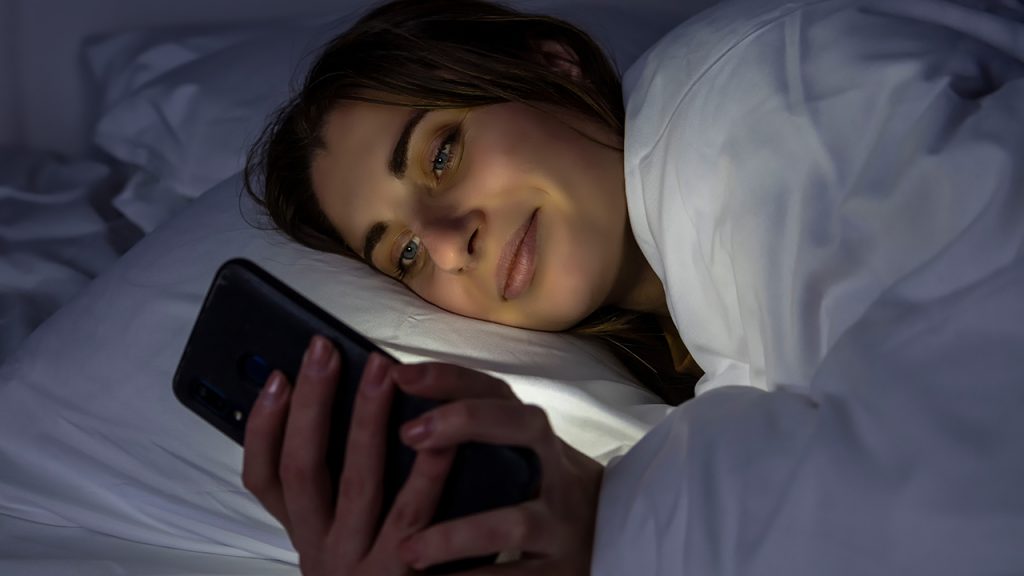
For most of us, our smartphone is the first thing we look at in the morning and the last thing we check before going to bed. But, is it a right practice? Well, it is not. As per a study published by the Brigham and Women’s Hospital in Boston, Massachusetts, using a smartphone right before bedtime actually reduces the overall quality of sleep.

Here’s how:

  • Difficulty in falling asleep – We feel sleepy when our brain releases a hormone called melatonin, which is determined by the body’s circadian rhythm. The blue light emitted by the screen of the smartphone interferes with this rhythm and the secretion of melatonin, which makes it difficult for us to fall asleep, even after we keep our phone aside.
  • Poor quality of sleep – Using a smartphone before going to bed also hampers the overall quality of sleep because, when we check an office email or a text message as the last thing before we sleep, it gets difficult for our brain to relax, due to which we are unable to sleep peacefully.
  • Decreased attention span – Our productivity suffers during the day, due to lack of proper sleep at night. Also, not getting enough sleep is known to hamper our decision-making skills, impair our long & short-term memory, which leads to unnecessary stress and anxiety
  • Increased risk of weight gain – Our body is more likely to feel hungry when we don’t get our due share of sleep, as sleep deprivation slows down our metabolism. Thus, use of smartphone right before bedtime can induce cravings, which lead to snacking and weight gain.
  • Weak immune system – While we are asleep our immune system produces antibodies that help fight infections, it also releases a protein known as cytokines. This protein not only promotes sleep but also fights inflammation and other problems caused by stress. Lack of sound sleep decreases the production of cytokines and increases the risk of falling sick, it also slows down our recovery cycle. Further, long-term sleep deprivation can raise the risk of diseases, such as diabetes, heart problems and obesity.
  • Skin damage – Sleeping late at night and not getting enough sleep can lead to dark circles, puffy eyes and fine lines across our face. The blue light emitted by our smartphones triggers the secretion of cortisol, which can damage our skin’s smoothness and elasticity.

Thus, even if we are spending only some time on our smartphone before going to bed, it affects our overall mental and physical well-being.

We hope this article sheds light on the detrimental effects of smartphone usage on sleep quality and overall health. If you found this information helpful, we’d love to hear your thoughts in the comments below. For more insights on improving sleep and maintaining a healthy lifestyle speak to a certified expert by subscribing to GOQii’s Personalised Health Coaching here.

#BeTheForce

April 30, 2024 By Hetal Chheda Leave a Comment

Why and how much should your child sleep?

toddler-sleep-routine

More often than not people do not consider sleep as an o important activity for good health. But, in reality sleep is a powerful tool that keeps your mind alert and calm. This is true for both elders as well as kids. Sleep should be considered as important as food.

Did you know that if you sleep well you can increase/build your brainpower just as you build muscles when you are weightlifting.

In this blog however, I am talking of how important is sleep for kids and how much they should sleep to be healthy.

Good sleep habits in kids help in;

  • Good health
  • Growth
  • Mental function.

BENEFITS OF SLEEP FOR KIDS

  • Increases concentration: Well slept kids are more receptive and interactive. These kids have good attention span and learn the most. Overall they become calmer, attentive, observant and also socially active.
  • Reduces behaviour problems: Sleep lets your entire body rest. Lack of rest makes kids hyperactive, fatigued, physically impulsive and agitated.
  • Reduces childhood obesity risk: Kids who don’t sleep enough are at higher risk for childhood obesity. Some researches prove that kids who slept only for an hour (Yes, Just an hour) they had increased their risk of obesity by 80 percent. This happens because the hormones that control hunger are directly related to sleep quality; with too little rest the appetite turns itself on and remains on.
  • Releases growth hormone: Quality sleep releases growth hormones. This hormone helps in normal growth and other bodily and brain development.
  • Increases Immunity: Kids who sleep well do not fall sick very often

HOW MUCH SLEEP IS NORMAL?

  • Toddlers – 12 hours till the age of three
  • Four to six – 10½ to 11½ hours
  • Six to Twelve – 10 hours
  • Teenagers – 8 to 9 hours

FOODS THAT WILL HELP YOUR CHILD SLEEP BETTER

  • Dairy products: Dairy products produce the hormone serotonin that makes you feel sleepy. So foods like milk, cottage cheese, yogurt and cheese helps kids sleep better.
  • Bananas: Bananas are another easy bedtime snack option. Researchers conclude that bananas contain melatonin, as well as serotonin, which helps to calm you and regulate your sleep cycles. They also contain magnesium and potassium, both of which are muscle relaxers.
  • Oatmeal: Oats have an extremely high concentration of melatonin. A warm serving of oatmeal may help your toddler feel full and enjoy a longer duration of sleep.

SLEEP TIPS FOR CHILDREN

  • Introduce good sleep habits right from the start
  • Create an environment that helps the child to sleep. Keep the lights minimum, room cool and quit.
  • Make sure that there is no TV or computer switched on which will distract sleep
  • Avoid caffeine
  • Put your child to bed at the same time on all days

Encourage importance of sleep in your children at an early age. This will help your child be happy, social and intelligent. The best part is you yourself might get some good deep sleep.

If you found this information helpful, we’d love to hear your thoughts in the comments below. To explore more insights on children’s health, check out Healthy Reads or for further information or guidance, reach out to our certified experts by subscribing to GOQii’s Personalised Health Coaching here.

#BeTheForce

April 21, 2024 By Vaishali Khanna 2 Comments

Sleep Apnea, its symptoms and how you can prevent it?

Sleep-Apnea-700x400

Has anyone ever told you that you have a tendency to snore? Or maybe you don’t…but you have a partner or family member who does? Do you find that you tend to wake up throughout the night? Or maybe you think you get good sleep, but you consistently find yourself with a dry mouth in the morning?

These are all signs that could suggest that you (or…your beloved snoring family member) may have something called “Sleep Apnea.” Well, there are people who cannot sleep without a machine and that is because they suffer from a medical condition called ‘Sleep Apnea’.

Let’s actually break this down. What is Sleep Apnea?

The most common type of Sleep Apnea is ‘Obstructive Sleep Apnea’ (OSA). OSA is a potentially life-altering and life-threatening breathing disorder that occurs during sleep.

The upper airway repeatedly collapses, causing cessation of breathing (apnea) or inadequate breathing (hypopnea) and sleep fragmentation. The breathing stops during sleep for 10 seconds to a minute or longer. Oxygen levels in the blood decrease.

One challenge with something like this is that you may not necessarily wake up entirely. So it’s not always easy to self-diagnose. BUT – Sleep fragmentation results in chronic daytime sleepiness (which you would expect if you’re constantly getting interrupted throughout the night). This disrupts healthy sleep and causes a number of short-term and long-lasting effects that threaten the health and well-being of those who suffer from the condition.

How many people have OSA? The prevalence of OSA in the general population is still unclear. Several epidemiological studies have attempted to examine this issue. Epidemiological data from Young, Palta, Dempsey, et. Al (1993) in a study paper titled:- Obstructive sleep apnea syndrome: natural history, diagnosis, and emerging treatment options, estimated that in a group of 602 middle-aged individuals 2% of women and 4% of men meet the minimal diagnostic criteria for sleep apnea with excessive daytime sleepiness.

People most likely to have or develop OSA may have any of the following:

  • Obesity, especially in the upper body
  • Small upper airway due to excess throat tissue or abdominal jaw structure
  • Nasal Obstruction
  • High Blood Pressure
  • Family History of OSA
  • Overweight Obese individuals

Obesity, particularly abdominal and upper body obesity is the most significant risk factor for obstructive sleep apnea. Excess body fat on the neck and chest constricts the air passageways and sometimes the lungs – thus setting the stage for interrupted breathing during the night. And according to the research…The more obese a person, the greater the risk of apnea.

The good news is that there are some general things that can make a big difference.

This includes:

Losing some weight, if you are overweight or obese (even as little as 5% of your body weight can make a change)

Avoid alcohol, sedatives, and hypnotics (as they can sedate the very muscles we need to breathe)

Sleeping on your side or in a semi propped position

If you have sleep apnea, do not take sleep medicines or sedatives. These chemicals will increase the relaxation in the tissues of the upper airway and make the obstruction worse. The specific treatment for obstructive sleep apnea is usually a mask worn at night to keep the airway open or using a sleep machine that can help you breathe and sleep properly.

If OSA is left untreated, it can increase the risk of developing:

  • Hypertension
  • Cardiac Arrhythmias
  • Myocardial Ischemia
  • Stroke Pre-diabetes
  • Decreased quality of life (because who wants to feel sleep deprived?)

Weight loss is frequently recommended to improve OSA among obese patients. Not only does sustained weight loss improve OSA, it also improves many other independently linked comorbidities such as Hypertension, High Cholesterol, and Diabetes. The greater the change in body weight or waist circumference, the greater is the improvement in OSA

Prioritize your sleep health by recognizing the symptoms of sleep apnea and implementing preventative measures. Share your experiences and insights on managing sleep apnea in the comments below. For personalised advice and support, consult a healthcare professional specializing in sleep disorders or reach out to our certified experts by subscribing to GOQii’s Personalised Health Coaching here.

#BeTheForce

  • « Previous Page
  • 1
  • 2
  • 3
  • 4
  • 5
  • …
  • 8
  • Next Page »

Search

Recent Posts

  • PCOS and Anxiety: Discover Relief with the 54321 Technique
  • Navigating the Maze of Nutrition: Finding Clarity Amidst Confusion
  • Get children active and keep them healthy
  • What Gestational Diabetes Can Do To You & Your Unborn Child
  • Breathing – A Forgotten Art

Stay Updated

Archives

  • December 2025 (4)
  • November 2025 (15)
  • October 2025 (20)
  • September 2025 (6)
  • August 2025 (6)
  • July 2025 (12)
  • June 2025 (18)
  • May 2025 (16)
  • April 2025 (23)
  • March 2025 (23)
  • February 2025 (22)
  • January 2025 (26)
  • December 2024 (26)
  • November 2024 (25)
  • October 2024 (22)
  • September 2024 (24)
  • August 2024 (31)
  • July 2024 (21)
  • June 2024 (26)
  • May 2024 (31)
  • April 2024 (27)
  • March 2024 (29)
  • February 2024 (26)
  • January 2024 (25)
  • December 2023 (15)
  • November 2023 (11)
  • October 2023 (22)
  • September 2023 (22)
  • August 2023 (20)
  • July 2023 (22)
  • June 2023 (24)
  • May 2023 (24)
  • April 2023 (24)
  • March 2023 (23)
  • February 2023 (20)
  • January 2023 (16)
  • December 2022 (12)
  • November 2022 (15)
  • October 2022 (15)
  • September 2022 (12)
  • August 2022 (10)
  • July 2022 (17)
  • June 2022 (11)
  • May 2022 (10)
  • April 2022 (6)
  • March 2022 (6)
  • February 2022 (13)
  • January 2022 (12)
  • December 2021 (7)
  • November 2021 (3)
  • October 2021 (6)
  • September 2021 (3)
  • August 2021 (8)
  • July 2021 (7)
  • June 2021 (15)
  • May 2021 (16)
  • April 2021 (10)
  • March 2021 (7)
  • February 2021 (4)
  • January 2021 (4)
  • December 2020 (3)
  • November 2020 (4)
  • October 2020 (10)
  • September 2020 (3)
  • August 2020 (3)
  • July 2020 (2)
  • June 2020 (4)
  • May 2020 (10)
  • April 2020 (12)
  • March 2020 (10)
  • February 2020 (4)
  • January 2020 (4)
  • December 2019 (3)
  • November 2019 (7)
  • October 2019 (5)
  • September 2019 (4)
  • August 2019 (9)
  • July 2019 (9)
  • June 2019 (11)
  • May 2019 (4)
  • April 2019 (9)
  • March 2019 (8)
  • February 2019 (9)
  • January 2019 (8)
  • December 2018 (9)
  • November 2018 (3)
  • October 2018 (3)
  • September 2018 (5)
  • August 2018 (10)
  • July 2018 (6)
  • June 2018 (13)
  • May 2018 (8)
  • April 2018 (18)
  • March 2018 (9)
  • February 2018 (8)
  • January 2018 (15)
  • December 2017 (12)
  • November 2017 (19)
  • October 2017 (13)
  • September 2017 (15)
  • August 2017 (4)
  • July 2017 (8)
  • June 2017 (7)
  • May 2017 (6)
  • April 2017 (8)
  • March 2017 (6)
  • February 2017 (7)
  • January 2017 (9)
  • December 2016 (10)
  • November 2016 (7)
  • October 2016 (7)
  • September 2016 (7)
  • August 2016 (11)
  • July 2016 (9)
  • June 2016 (9)
  • May 2016 (12)
  • April 2016 (17)
  • March 2016 (17)
  • February 2016 (8)
  • January 2016 (6)
  • December 2015 (2)
  • November 2015 (9)
  • October 2015 (7)
  • September 2015 (9)
  • August 2015 (11)
  • July 2015 (9)
  • June 2015 (12)
  • May 2015 (9)
  • April 2015 (13)
  • March 2015 (8)
  • February 2015 (5)
  • January 2015 (12)
  • December 2014 (14)
  • November 2014 (11)
  • October 2014 (6)
  • September 2014 (13)
  • August 2014 (12)
  • July 2014 (6)
  • June 2014 (2)
  • May 2014 (7)
  • April 2014 (5)

From “Laddu Nawin” to Fit and Fierce: How a 25-Year-Old Insurance Advisor Shed 20 Kilos and Gained His Life Back

When 25-year-old Nawin Yadav from Hyderabad walked into his office every morning, he carried more than just his files and policy papers. He had the weight of fatigue, sluggish energy, and an ever-growing belly that was becoming the butt of jokes. “People … [Read More...]

“I’ve Challenged Myself to Live 100 Years” – The Story of Chandubhai Savani’s Second Chance at Life

At 67, most people start slowing down. Not Chandubhai Savani. A resident of Surat, Chandubhai, thought life was on track. “My life was going well till I had my bypass surgery,” he says. That surgery, back in 2021, was a wake-up call.  Medication was routine, but exercise wasn’t. His diet? What he calls ‘normal.’ “I […]

From Shimla’s Slopes to Chandigarh’s Sidewalks: Surinder Kaur Bhalla’s Journey from Chaos to Control

Some journeys start with a plan. Others begin with a stumble literally. Surinder Bhalla, a government professional, born and raised in the scenic hill town of Shimla, had always lived a life of movement. “In Shimla, you walked everywhere,” she reflects. “Walking was never an exercise. It was just life.” But after shifting to Chandigarh, […]

Ananda Mukherjee Health Story

From Terminal Illness To Complete Wellness! Ananda Mukherjee Health Story

As we observe World Cancer Day under the powerful theme ‘United by Unique’ (2025-2027)**, we are reminded that every individual’s journey with cancer is distinct, yet united by shared resilience, hope, and the collective fight against this disease. This theme places people at the centre of care and their stories at the heart of the […]

  • HOME
  • HEALTHY LIVING
  • FITNESS
  • HEALTHY RECIPES
  • USER STORIES
  • KARMA
  • BUY GOQii

Copyright ©2016 GOQii