 Skin is the largest organ of our body and the one that is directly exposed to the outer environment every day. External factors like sunlight, wind, dust, cold weather, alcohol, and smoking, as well as internal factors like dehydration, aging, poor nutrition, stress, and lack of sleep, can damage the skin. When we feel that our skin is damaged or to prevent skin damage, many of us tend to fall for the plethora of skincare products available in the market. But in reality, we need to work on fixing our damaged skin internally rather than relying on external products that may contain harmful chemicals. So, what do we do for skin repair? The answer is simple—it’s the vitamins in our diet!
Which Vitamins Can Be Used For Skin Repair?
There are many vitamins found in food itself that can work wonders for skin repair. Let’s take a look at which vitamins can help:
1. Vitamin A:
- Benefits: Rich in antioxidants, Vitamin A protects the skin from sunburn by preventing the breakdown of collagen, a protein that gives elasticity to the skin. It helps in the regeneration of both the upper and lower layers of skin cells. Vitamin A also moisturizes the skin, making it effective for treating dry, itchy, and bumpy skin. In cases of inflammation or wounds, the antioxidants in Vitamin A protect the body from harmful free radicals.
- Food Sources: Orange-colored foods like carrots, papaya, sweet potato, mango, dried apricots, pumpkin, red bell pepper, tomato, and cantaloupe. Non-vegetarians can also find Vitamin A in liver meat.
2. Vitamin B:
- Benefits: Vitamin B helps in the formation of new skin cells.
- Vitamin B2 (Riboflavin): Maintains healthy collagen levels and balances skin oil, healing dryness. Found in almonds, spinach, beef liver, dairy products, and mushrooms.
- Vitamin B3 (Niacin): Treats sun-damaged skin, eczema, dry skin, and rosacea. Found in dairy products, fish, chicken, cereals, and mushrooms.
- Vitamin B5 (Pantothenic Acid): Keeps the skin hydrated, preventing aging and acne. Found in mushrooms, broccoli, sweet potatoes, and avocado.
- Vitamin B7 (Biotin): Repairs skin from acne, fungal infections, and rashes. Found in almonds, tomatoes, onions, eggs, sardines, and sweet potatoes.
- Vitamin B9 (Folic Acid): Repairs skin cell damage caused by free radicals. Found in green leafy vegetables, nuts, seeds, beets, and okra.
- Vitamin B12: Reduces inflammation, dryness, and redness in chronic skin conditions like psoriasis, eczema, and dermatitis. Found in dairy, fish, meat, and eggs.
3. Vitamin C:
- Benefits: Vitamin C plays a huge role in the natural production of collagen in the body. It is useful in treating photoaging, hyperpigmentation, and immune suppression caused by UV rays. Vitamin C promotes tissue healing and neutralizes free radicals that cause oxidative stress. It also helps in the production of barrier lipids, preventing skin dryness and moisture loss.
- Food Sources: Citrus fruits like oranges, tangerines, grapefruit, lemon, kiwi, strawberries, green pepper, guavas, cherries, plum, broccoli, and cantaloupe.
4. Vitamin D:
- Benefits: Vitamin D helps in wound healing and modulates inflammation. It also has antimicrobial properties that may help treat acne caused by bacterial overgrowth.
- Food Sources: Sunlight exposure, fish like sardines, salmon, herring, and mackerel, egg yolk, and fortified foods like cereals.
5. Vitamin E:
- Benefits: Vitamin E is a fat-soluble antioxidant with photoprotective and anti-tumorigenic properties. It protects the skin against solar radiation and acts as a scavenger against free radicals. It is effective in treating skin conditions like atopic dermatitis, psoriasis, melasma, acne vulgaris, and cutaneous ulcers.
- Food Sources: Nuts and seeds like almonds, hazelnuts, pine nuts, sunflower seeds, and avocado.
Remember, it is always better to avoid self-medication with vitamin supplements, as overdosing can cause severe side effects. A variety of nutrient-rich foods like fruits, vegetables, nuts, and seeds can provide all the necessary vitamins for skin repair. While topical vitamins are available in the market, getting vitamins through food internally is a safer and more effective approach.
Before you begin consuming any of the foods listed above, please consult your doctor, nutritionist or dietitian to find out if you have any allergies or deficiencies. We hope this article helps you. Do leave your thoughts in the comments below. For more on skin repair, check out Healthy Reads or speak to a GOQii Coach by subscribing for Personalised Health Coaching here.
#BeTheForce
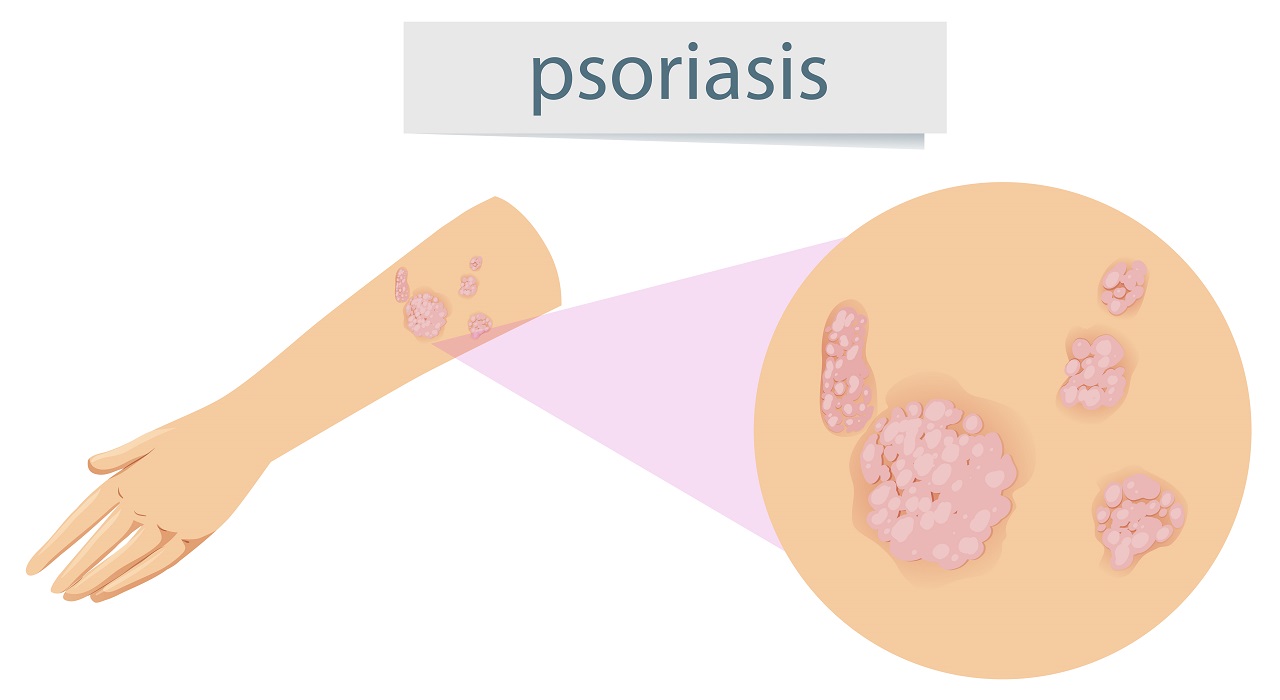 Psoriasis is a chronic skin disease characterized by red patches covered with white scales. The disease most commonly affects the skin of the elbows, knees, scalp, feet, and lumbosacral areas. It is a long-term autoimmune condition that accelerates the growth cycle of skin cells and causes inflammation due to immune system dysfunction.
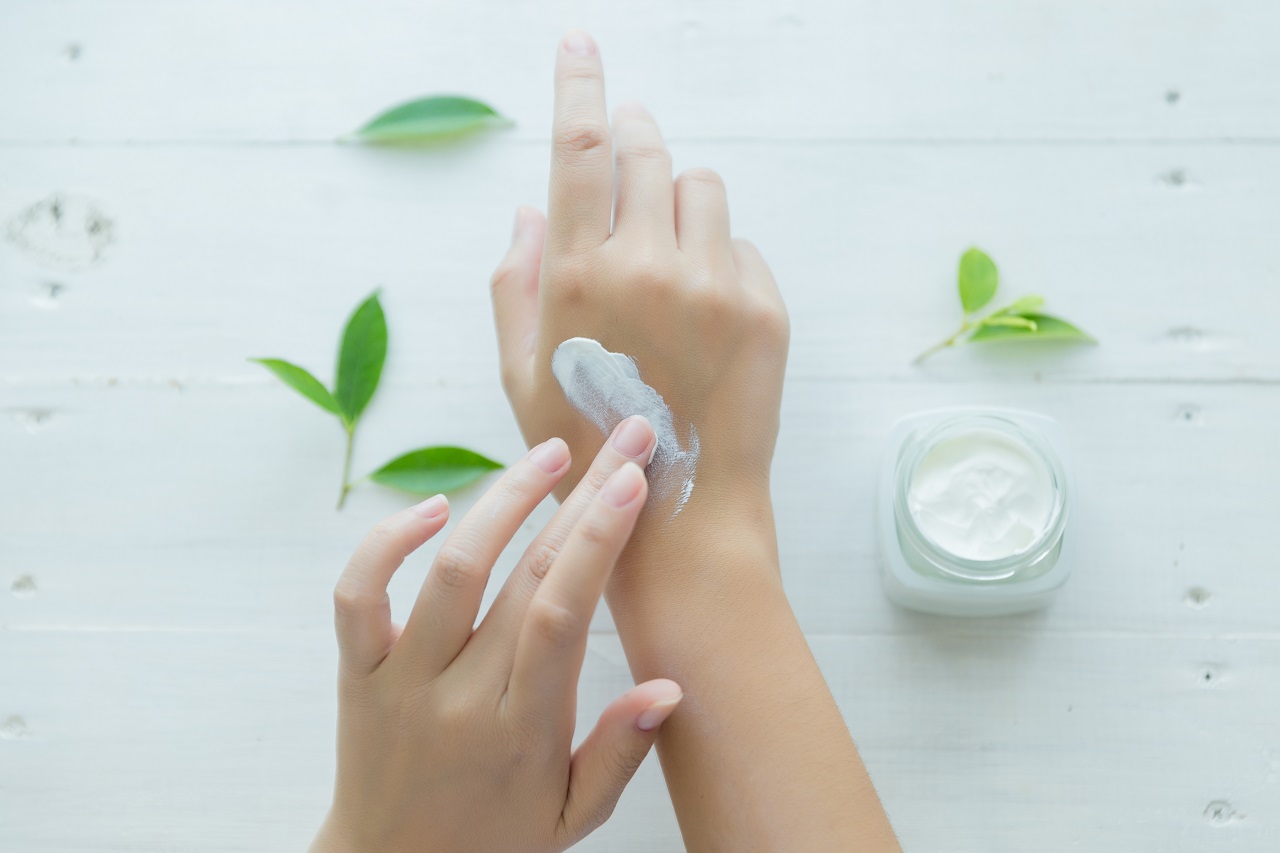 Nobody likes it when their skin feels and looks tight, dry and flaky. But, winter creates these problems for the skin. Cold air, harsh winds and pumped-up indoor heat can increase facial tissue sensitivity and leave the skin dry. But don’t worry! We have some tips to keep your skin healthy this winter!
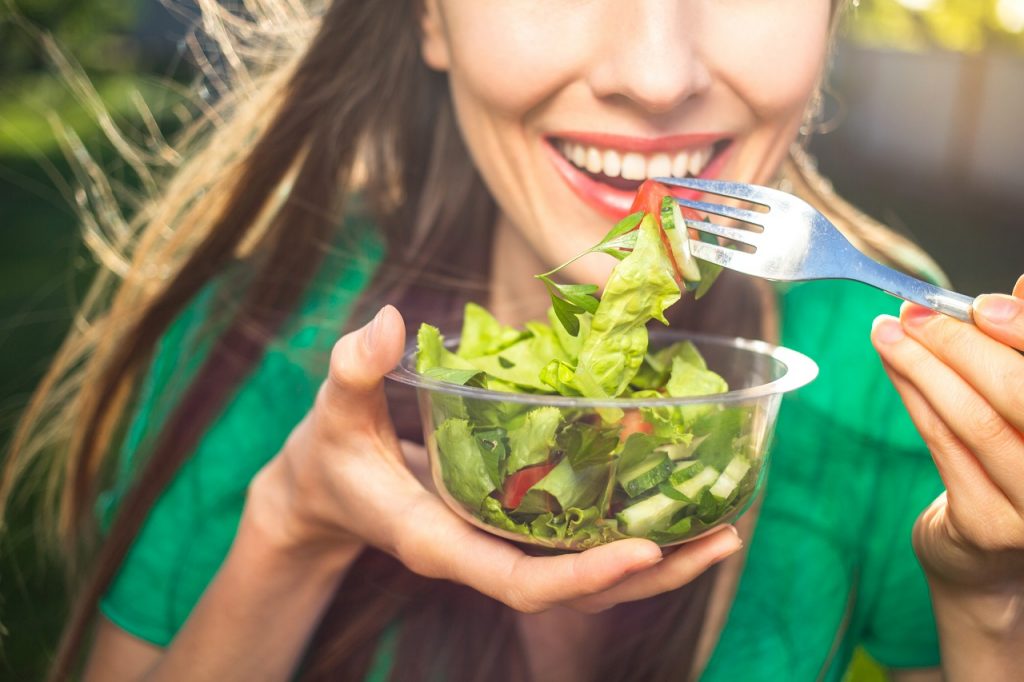 They say real beauty comes from within. Well, people may have different perspectives over this quote but in the opinion of a Nutritionist, what food you put inside your body, is what reflects on your skin! Ageing is a normal physiological phenomenon which starts from the inside out. This makes it imperative to take care of your diet to prevent the effects of ageing. With advancing age, the proteins and pigments of our skin start to deteriorate. However, with a healthy lifestyle and good nutrition, in the absence of disease, one can still manage to have a plump skin. Just like our emotional troubles can be seen on the face by the way of our expressions, the internal troubles of our body show up on the skin. If you feed your body with the right kind of food, it radiates right on the skin. Let’s look at some foods to get that younger looking skin you’ve always wanted!


