GOQii

Blog

  • HOME
  • HEALTHY LIVING
  • FITNESS
  • HEALTHY RECIPES
  • USER STORIES
  • KARMA
  • BUY GOQii

July 30, 2017 By Farida Gohil 1 Comment

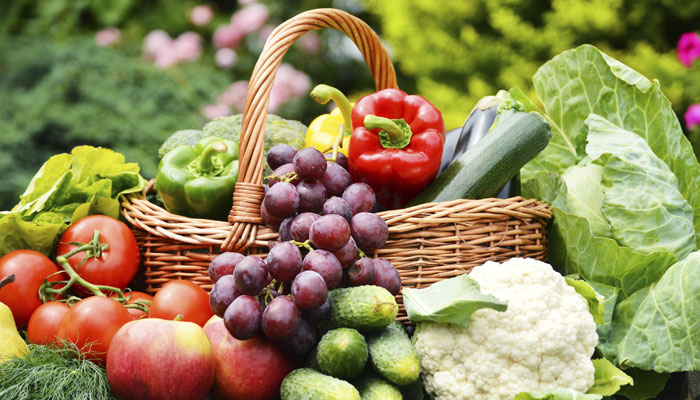
Vegetables can boost enjoyment of meals!

344361-vegetables

Did you know vegetables can make you look like a hero and a better cook?

According to a new study published in the journal of Public Health Nutrition, smart preparation and presentation of a vegetable entree not only enhances the enjoyment of a meal but also boosts a diner’s perception of the person who prepared it.

Researchers at Cornell University explored the impact that adding a vegetable to the plate has on perceptions of both the meal and the person who prepared it. With the majority of vegetable consumption in the American diet taking place at dinner time but only 23% of those meals being served with a vegetable, the study explored what added psychological motivation to include vegetables in meals might exist.

The study consisted of two phases. Twenty -two laddering interviews were conducted, followed by a national survey of 500 American mothers with two or more children under age 18. The survey asked participants to evaluate meals served either with or without vegetables, as well as the cook who did or did not include a vegetable with the dinner time meal. Participants who were asked to choose from a list of 12 attributes, such as “selfish” or “loving” to describe the meal preparation. No respondent saw both versions of the meal or meal preparer. The survey also asked questions regarding children’s favourite vegetable.

vegetable-rainbowParticipants eating meals that included a vegetable gave significantly higher ratings to dishes such as chicken, steak and pasta on a variety of dimensions including “tasty” and “loving”.

Results showed that meals were favoured when a vegetable was included. For example, plain Steak versus Steak with broccoli (score of 7.00 as opposed to 8.08), but also received better descriptions such as “loving” for the same meal (7.00 vs. 7.92).

They also choose much more positive descriptors for the meal preparer that served a vegetable, including a much more frequent selection of “thoughtful”, “attentive” and “capable” accompanied by a decrease in the selections of “neglectful”, “selfish” and boring.

Overall, vegetables “made the meal” not only in terms of enhancing expectations of the main dish but in terms of creating a better perception of the cook as well.

The researchers also uncovered a number of interesting insights concerning children’s favourite vegetables.Most participants easily recalled their children’s favourite vegetable, with over a dozen different vegetables receiving multiple mentions.Vegetable preference also changed with age; broccoli was the overall favourite for older children, while the carrots and corn topping the list for the younger kids.

Go ahead and do not forget to include a variety of veggies in your meal!

July 17, 2017 By Payal Choudhury 3 Comments

Carbohydrates -“Your diet’s fuel”

carbohydrate-addicts-diet-plan1

The way carbohydrates are demonized today, it’s no wonder that so many people actually fear eating them. I used to be one of them. As a recovering “carb-o-phobe,” I’m now on the flip side and advocate eating complex carbohydrates for optimal nutrition.

Carbohydrates are nutrients that act as a good source of energy for our body. It is made up of sugar, starch and cellulose and it contains hydrogen and oxygen in the ratio 2:1which is the same as that of water. Although carbohydrates can be digested a lot easier than fats or proteins, they aren’t considered indispensable for the body.

While some carbohydrates make us healthy, others can be harmful to our health, if taken in excess quantities. For example, certain carbohydrates increase the risk of diabetes and heart ailments. So why are certain carbohydrates are beneficial and others adversely affect our health?…We need to go deeper and learn about the different forms of carbohydrates.

There are many forms of carbohydrates, but the three common forms are sugars, starches, and fibres. The basic unit of all carbohydrates is a sugar molecule. Then there are simple and complex carbohydrates. While sugars are simple carbohydrates, starches and fibres are classified as complex.

We generally consume simple and complex carbs. To understand what they are about, we’ll look at the list of carbohydrate rich foods and all that is essential for.

Simple carbohydrates are sugars composed of monosaccharide (single sugar molecules) or disaccharides (two joined sugar molecules) such as glucose, sucrose, lactose, and fructose. This category of carbohydrates is best found in fresh fruits.

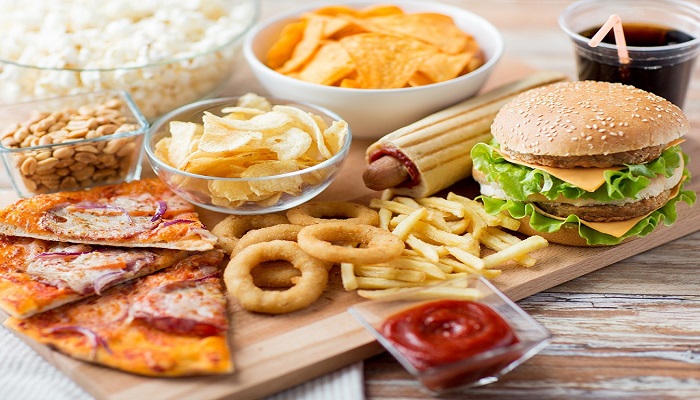
On the other hand, however, there is another grade of foods that contain simple carbohydrates. This class of foods is processed foods. The trouble with these foods is that they provide energy and calories in abundance. It is for this reason that these high-calorie products must be kept away. Apart from that, simple carbohydrates that the body obtains from natural foods are also easier to digest than those obtained from processed foods.

Simple carbohydrates contain one or two sugar molecules linked together and are digested or broken down into glucose faster, because the bonds in these small molecules are easily accessible to the enzymes of the digestive tract. Hence, these carbohydrates are readily absorbed.

Complex carbohydrate:

Complex carbohydrates (or polysaccharides) are made up of three or more sugar molecules that are bound together. Since these carbohydrates get digested slowly, they release sugar into the system very gradually, thus allowing the body a consistent level of energy.

Often referred to as starch, foods that contain these complex carbohydrates are a great source of vitamins, minerals, and fibres. The old belief that starch is bad for the body is rapidly dying, because starches by themselves contain only 4 calories per gram, while fat contains 9 calories per gram. Also, the advantage with complex carbohydrates is that they fill you up quicker, thus allowing a reduced intake of food, which very simply leads to a reduced calorie intake.

In addition, refined carbohydrates may contain hydrogenated vegetable oils, additional fat, and processed sugars. Eating refined carbohydrates like a cookie in the morning will neither give you the energy nor give you the nutrition to maintain a balanced body.

Benefits of simple sugars:

Eating sugar gives you immediate access to fuel. There are times when this is an advantage. When the level of sugar in your blood drops, you may feel sluggish or even ill. Eating a simple carbohydrate, such as a fruit, may raise your blood sugar and give you the burst you need.

Simple carbohydrates may have the advantage over complex when it comes to preparing for exercise. Before a training session, race or game, many athletes eat a large amount of carbohydrate to provide energy. So before any workout, simple carbohydrates are your best choice. Due to the fact that they’re digested more quickly, simple carbohydrates are good for athletes who need short bursts of energy, as opposed to endurance athletes who need longer-term energy from slow-digesting carbohydrates. Examples of pre-workout meals that contain simple carbs are bananas with honey, low-fat yogurt with jelly or chocolate milk.

Complex Sugars:

There a number benefits of eating more complex carbohydrates, so it might be necessary to make some switches. Here are some examples of easy substitutions:

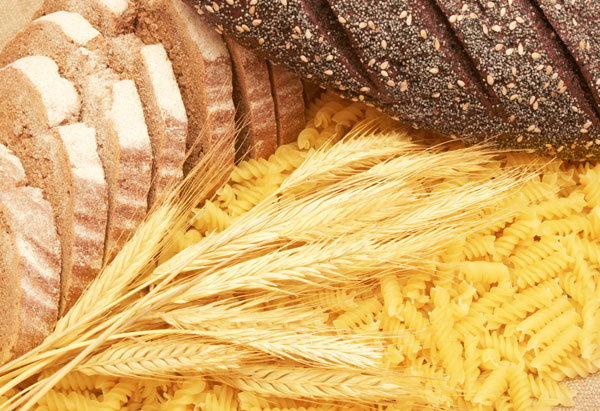
  • Instead of white bread and pasta, switch to whole grain bread and pasta (if the switch is intimidating at first, try mixing half whole grain and half white when making your pastas).
  • Instead of munching on chips, try raw vegetables.
  • Instead of rice, try eating more beans as a base for dishes.

Also diets rich in fibre help to keep us ‘regular’ which also promotes greater intestinal health and, in turn, helps to guard against a number of illnesses including colorectal cancer. Immunity is strengthened. It contributes to Energy, Digestion, Metabolism, Sleep, Filling fibre, Brain function, and Nervous system function.

Well, to distinguish simple and complex carbohydrates and how they are processed by the body, one might think that foods containing complex carbohydrates are actually healthier than those that have simple carbohydrates. However, this is not always true. Rice is rich in starch which is a complex carbohydrate, while fruits contain fructose which is a simple sugar. But we all know that between the two, fruits are a better option when it comes to eating healthy.

Thus, we see that not all carbohydrates are bad. In fact, a balanced diet that has a fair share of carbohydrates, is essential for a healthy you. So let go of your carbohydrate fears and feel good about including some of these foods and reap the benefits that good carbohydrates have to offer.


June 20, 2017 By Farida Gohil 5 Comments

5 foods that fight high CHOLESTEROL

mixed-nuts-olgakr-main

Image Credit: prevention.com

It’s easy to eat your way to an alarmingly high cholesterol level. The reverse is true too – changing what you eat can lower your cholesterol and improve the armada of fats floating through your bloodstream. Fresh fruits and vegetables, whole grains, and “good fats” are all part of a heart-healthy diet. But, some foods particularly are good at helping bring down cholesterol.

How? Some cholesterol-lowering foods deliver a good dose of soluble fibre, which binds cholesterol and its precursors in the digestive system and drags them out of the body before they get into circulation.Others provide polyunsaturated fats, which directly lower LDL. And, those with plant sterols and stanols keep the body from absorbing cholesterol. Here are a 5 of those foods:

  1. OATS: An easy way to start lowering cholesterol is to choose oatmeal or a cold oat-based cereal like cheerios for breakfast. It gives you 1 to 2 grammes of soluble fibre. Add a banana or some strawberries for another half -gramme.
  2. BEANS: Beans are especially rich in soluble fibre and take a while to digest, meaning you feel full for longer hours after a meal. That’s one reason beans are useful food for folks trying to lose weight. With so many choices from navy and kidney beans to lentils, garbanzos, black-eyed peas, and beyond, there are also many ways to prepare them. Beans a very versatile food.
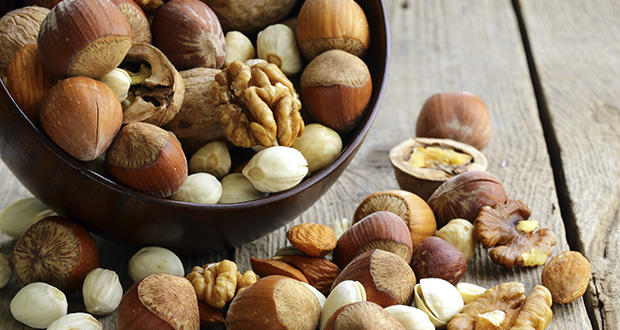
  3. NUTS: A bushel of studies shows that eating almonds, walnuts, peanuts, and other nuts are good for the heart. Eating 2 ounces of nuts a day can slightly lower LDL, on the order of 5%. Nuts have additional nutrients that protect the heart in other ways.

If you are allergic to any kind of nuts like peanuts, Walnuts or cashew nuts; you can go for pistachios or just almonds or if nothing works then you can just quit this food group and try to include the other four foods.

  1. Foods fortified with sterols and stanols: Sterols and stanols extracted from plants gum up the body’s ability to absorb cholesterol from food. Companies and adding them to foods ranging from margarine and granola bars to orange juice and chocolate. They are also available as supplements.Getting 2 grammes of plant sterols or stanols a day can lower LDL cholesterol by about 10%.
  2. FATTY FISH: Eating fish two or three times a week can lower LDL in two ways: by replacing meat, which has LDL -boosting saturated fats, and by delivering LDL -lowering Omega- 3 fats. Omega -3 s reduce triglycerides in the bloodstream and also protect the heart by helping prevent the onset of abnormal heart rhythms.

BUT STAY AWAY FROM…

As you consider eating more of the foods that can help lower down cholesterol, keep in mind that avoiding certain foods can improve your results. To keep cholesterol levels where you want them to be, limit intake of:

SATURATED FATS: The saturated fats found in red meat, milk and other Dairy Foods, and coconut and palm oil directly boost LDL. So one way to lower your LDL is to cut back on saturated fat. Try substituting extra- lean ground beef for regular; Low-fat or skim milk for whole milk; olive oil or a vegetable oil margarine for butter; baked fish or chicken for fried.

TRANS FAT: Trans fats are a by-product of the chemical reaction that turns liquid vegetable oil into solid margarine or shortening and that prevents liquid vegetable oils from turning rancid. Trans fats boost LDL as much as saturated fats do.They also lower protective HDL and increase the tendency for blood clots to form inside blood vessels. Although Trans fats were once ubiquitous in prepared foods, many companies now use trans- free alternatives. Summer restaurants and fast-food chains have yet to make the switch.

May 27, 2017 By Farida Gohil 3 Comments

Low fat, low carb, or Mediterranean: which diet is right for you?

digestive-enzymes-consideration-for-your-health

Losing weight sometimes takes experimentation. If you give a diet your best shot and it does not work long term, may be it was not the right one for you, your metabolism, or your situation.Genes, families, your environment – even your friends – influence how, why, what and how much you eat, so don’t get too discouraged or beat yourself up because a diet that “worked for everybody” didn’t pay off for you. Try another, keeping in mind that almost any diet will help you shed pounds – at least for a short time.

Here is a look at three common diet approaches.

  1. Low fat: does not taste Great… and is less filling

Once the main strategy for losing weight, low fat diets were shoved aside by low-carb frenzy. But, healthy fats can actually promote weight loss, and some fats are good for the heart; eliminating them from the diet can cause problems.

Since fat contains nine calories per gram while carbohydrates contain four, you can theoretically eat more without taking in more calories by cutting back on fatty foods and eating more that are full of carbohydrates, especially water-rich fruits and vegetables. Still such a diet tends to be less filling and flavourful than other diets, which lessens its long-term appeal. And, if the carbs you eat in place of fat are highly processed and rapidly digested, you may be sabotaging your weight loss plan.

  1. Low carbohydrate: Quick weight loss but long-term safety questions

Eating carbohydrates – especially highly processed ones like white bread and white rice quickly boosts blood sugar, which triggers an outpouring of insulin from the pancreas. The surge of insulin can rapidly drop blood sugar, causing hunger. Low-carb proponents claim that people who eat a lot of carbohydrates take in an extra calories and gain weight. Limiting carbs in favour of protein and fat is suppose to prevent the insulin surge and make you feel full longer.

To make up for the lack of carbohydrates in the diet, the body mobilises its own carbohydrates stores from liver and muscle tissue. In the process the body also mobilises water, meaning that the pounds shed are water weight. The result is rapid weight loss but, after a few months, weight loss tends to slow and reverse, just as happens with other diets.

The American Heart Association cautions people against following the Atkins diet because it is too high in saturated fat and proteins, which can be hard on heart, kidneys and bones. The lack of carb rich fruits and vegetables is also worrisome, because eating these foods tends to lower the risk of stroke, dementia and certain cancers. Most experts believe that the south beach and the less restrictive low-carbohydrate diet offer a more reasonable approach.

  1. Mediterranean style: Healthy fats and carbs with a big side of fruits and vegetables

Good fats are the monounsaturated fats found in olive oil and other oils like Coconut oil etc,and the polyunsaturated fats found in fish, Canola oil, walnuts and other foods.(Saturated fats and trans fats are the bad guys.) Mediterranean diets tend to have a moderate amount of fat, but most of it comes from healthy fats. The carbohydrates in the Mediterranean-style diet comes from unrefined, fiber-rich sources like whole wheat and beans. These diets are also rich in fruits and vegetables, nuts,seeds and fish with only modest amount of meat and cheese.

People living in the Mediterranean countries have a lower-than-expected rate of heart disease. But the traditional lifestyle in the region also includes lot of physical activity, regular meal patterns, wine, and a good social support. It is hard to know what relative role these different factors play – but there is growing evidence that, in and of itself the diet can reduce cardiovascular risk and the development of Diabetes.

MAKE YOUR OWN

A good diet should provide plenty of choices, relatively few restrictions, and no longer grocery lists of sometimes expensive special foods. It should be good for your heart, bones, brain and colon as it is for your waistline. And, it should be something you sustain for years. Such a diet will not give you a quick fix. But, they can offer you something better- a lifetime of savoury, healthy choices that will be good for all of you, not just a part of you.

  • « Previous Page
  • 1
  • …
  • 49
  • 50
  • 51
  • 52
  • 53
  • …
  • 68
  • Next Page »

Search

Recent Posts

  • ALL ABOUT VERTIGO!
  • PCOS and Anxiety: Discover Relief with the 54321 Technique
  • Navigating the Maze of Nutrition: Finding Clarity Amidst Confusion
  • Get children active and keep them healthy
  • What Gestational Diabetes Can Do To You & Your Unborn Child

Stay Updated

Archives

  • December 2025 (5)
  • November 2025 (15)
  • October 2025 (20)
  • September 2025 (6)
  • August 2025 (6)
  • July 2025 (12)
  • June 2025 (18)
  • May 2025 (16)
  • April 2025 (23)
  • March 2025 (23)
  • February 2025 (22)
  • January 2025 (26)
  • December 2024 (26)
  • November 2024 (25)
  • October 2024 (22)
  • September 2024 (24)
  • August 2024 (31)
  • July 2024 (21)
  • June 2024 (26)
  • May 2024 (31)
  • April 2024 (27)
  • March 2024 (29)
  • February 2024 (26)
  • January 2024 (25)
  • December 2023 (15)
  • November 2023 (11)
  • October 2023 (22)
  • September 2023 (22)
  • August 2023 (20)
  • July 2023 (22)
  • June 2023 (24)
  • May 2023 (24)
  • April 2023 (24)
  • March 2023 (23)
  • February 2023 (20)
  • January 2023 (16)
  • December 2022 (12)
  • November 2022 (15)
  • October 2022 (15)
  • September 2022 (12)
  • August 2022 (10)
  • July 2022 (17)
  • June 2022 (11)
  • May 2022 (10)
  • April 2022 (6)
  • March 2022 (6)
  • February 2022 (13)
  • January 2022 (12)
  • December 2021 (7)
  • November 2021 (3)
  • October 2021 (6)
  • September 2021 (3)
  • August 2021 (8)
  • July 2021 (7)
  • June 2021 (15)
  • May 2021 (16)
  • April 2021 (10)
  • March 2021 (7)
  • February 2021 (4)
  • January 2021 (4)
  • December 2020 (3)
  • November 2020 (4)
  • October 2020 (10)
  • September 2020 (3)
  • August 2020 (3)
  • July 2020 (2)
  • June 2020 (4)
  • May 2020 (10)
  • April 2020 (12)
  • March 2020 (10)
  • February 2020 (4)
  • January 2020 (4)
  • December 2019 (3)
  • November 2019 (7)
  • October 2019 (5)
  • September 2019 (4)
  • August 2019 (9)
  • July 2019 (9)
  • June 2019 (11)
  • May 2019 (4)
  • April 2019 (9)
  • March 2019 (8)
  • February 2019 (9)
  • January 2019 (8)
  • December 2018 (9)
  • November 2018 (3)
  • October 2018 (3)
  • September 2018 (5)
  • August 2018 (10)
  • July 2018 (6)
  • June 2018 (13)
  • May 2018 (8)
  • April 2018 (18)
  • March 2018 (9)
  • February 2018 (8)
  • January 2018 (15)
  • December 2017 (12)
  • November 2017 (19)
  • October 2017 (13)
  • September 2017 (15)
  • August 2017 (4)
  • July 2017 (8)
  • June 2017 (7)
  • May 2017 (6)
  • April 2017 (8)
  • March 2017 (6)
  • February 2017 (7)
  • January 2017 (9)
  • December 2016 (10)
  • November 2016 (7)
  • October 2016 (7)
  • September 2016 (7)
  • August 2016 (11)
  • July 2016 (9)
  • June 2016 (9)
  • May 2016 (12)
  • April 2016 (17)
  • March 2016 (17)
  • February 2016 (8)
  • January 2016 (6)
  • December 2015 (2)
  • November 2015 (9)
  • October 2015 (7)
  • September 2015 (9)
  • August 2015 (11)
  • July 2015 (9)
  • June 2015 (12)
  • May 2015 (9)
  • April 2015 (13)
  • March 2015 (8)
  • February 2015 (5)
  • January 2015 (12)
  • December 2014 (14)
  • November 2014 (11)
  • October 2014 (6)
  • September 2014 (13)
  • August 2014 (12)
  • July 2014 (6)
  • June 2014 (2)
  • May 2014 (7)
  • April 2014 (5)

From “Laddu Nawin” to Fit and Fierce: How a 25-Year-Old Insurance Advisor Shed 20 Kilos and Gained His Life Back

When 25-year-old Nawin Yadav from Hyderabad walked into his office every morning, he carried more than just his files and policy papers. He had the weight of fatigue, sluggish energy, and an ever-growing belly that was becoming the butt of jokes. “People … [Read More...]

“I’ve Challenged Myself to Live 100 Years” – The Story of Chandubhai Savani’s Second Chance at Life

At 67, most people start slowing down. Not Chandubhai Savani. A resident of Surat, Chandubhai, thought life was on track. “My life was going well till I had my bypass surgery,” he says. That surgery, back in 2021, was a wake-up call.  Medication was routine, but exercise wasn’t. His diet? What he calls ‘normal.’ “I […]

From Shimla’s Slopes to Chandigarh’s Sidewalks: Surinder Kaur Bhalla’s Journey from Chaos to Control

Some journeys start with a plan. Others begin with a stumble literally. Surinder Bhalla, a government professional, born and raised in the scenic hill town of Shimla, had always lived a life of movement. “In Shimla, you walked everywhere,” she reflects. “Walking was never an exercise. It was just life.” But after shifting to Chandigarh, […]

Ananda Mukherjee Health Story

From Terminal Illness To Complete Wellness! Ananda Mukherjee Health Story

As we observe World Cancer Day under the powerful theme ‘United by Unique’ (2025-2027)**, we are reminded that every individual’s journey with cancer is distinct, yet united by shared resilience, hope, and the collective fight against this disease. This theme places people at the centre of care and their stories at the heart of the […]

  • HOME
  • HEALTHY LIVING
  • FITNESS
  • HEALTHY RECIPES
  • USER STORIES
  • KARMA
  • BUY GOQii

Copyright ©2016 GOQii