GOQii

Blog

  • HOME
  • HEALTHY LIVING
  • FITNESS
  • HEALTHY RECIPES
  • USER STORIES
  • KARMA
  • BUY GOQii

November 20, 2023 By Ragul Vijaykumar Leave a Comment

Plant-based Nutrition: The Pros, Cons and Nutritional Know-How

You may have noticed that in the recent times, there has been a significant surge in the adoption of vegan and plant-based diets. These dietary preferences are celebrated for their numerous merits, which encompass health benefits, sustainability, and ethical reasoning. However, as with any lifestyle shift, there are certain hurdles to overcome.

In this blog post, we will delve into the advantages and potential obstacles associated with vegan and plant-based diets. Furthermore, we will provide valuable insights on how to ensure an adequate intake of essential nutrients such as protein, iron, calcium, and more, enabling you to maintain a well-rounded and satisfying plant-based lifestyle.

Plant-based Diets:

Plant-based diets are gaining favor due to their health perks, ethical alignment, and eco-friendly nature. Rooted in plant-derived foods while minimizing or eliminating animal products, these diets promote health and reduce environmental impact. Embracing this shift means choosing wellness for oneself and a sustainable future for the planet.

Common Vegetarian Diets:

  • Vegan Diet: Excludes all animal products, including meat, dairy, fish, eggs, and usually honey.
  • Lacto-Vegetarian Diet: Excludes meat, fish, poultry, and eggs but includes dairy foods like milk, cheese, yoghurt, and butter.
  • Lacto-Ovo Vegetarian Diet: Includes eggs and dairy products but excludes meat and fish.
  • Ovo-Vegetarian Diet: Excludes meat, poultry, seafood, and dairy foods but can take eggs.
  • Pesco-Vegetarian (Pescatarian) Diet: Includes fish, dairy, and eggs but excludes meat.
  • Semi-Vegetarian (Flexitarian) Diet: Primarily vegetarian but occasionally including small quantities of meat, dairy, eggs, poultry, or fish.

Pros of a Plant-Based Diet:

  1. High Nutrient Density: Plant-based diets are rich in vitamins, minerals, and antioxidants found in fruits, vegetables, and whole grains, which promote overall health and reduce disease risk.
  2. Low in Saturated Fat: They naturally contain minimal saturated fats, reducing the risk of heart disease.
  3. Fiber-Rich: Plant-based diets are high in fiber, aiding digestion, promoting satiety, and regulating blood sugar levels.
  4. Low Cholesterol: Eliminating or reducing animal products lowers dietary cholesterol intake, benefiting heart health.

Cons of a Plant-Based Diet:

  1. Risk of Deficiencies: Careful planning is required to ensure adequate intake of Vitamin B12, Iron, Calcium, and Omega-3 Fatty Acids, as these nutrients are less abundant in plant-based foods.
  2. Potential for Processed Foods: Some plant-based alternatives are heavily processed and may be high in sugar, sodium, or unhealthy fats.
  3. Caloric Density: Plant-based diets can be calorically dense due to nuts, seeds, and oils, potentially leading to weight gain if portion control is not maintained.
  4. Nutrient Variability: The nutrient content of plant foods can vary, so it’s important to diversify food choices to obtain a full range of nutrients.

Macro – Micronutrients:

Plant-based diets, especially vegan ones that exclude all animal products, raise valid concerns about nutritional adequacy. Plant foods often contain less absorbable micronutrients like Iron, Vitamin A, and Zinc compared to animal products. However, a well-rounded vegan diet with diverse plant foods can still provide recommended levels of these essential micronutrients.

Here are some important nutrient food sources in vegan and plant-based diets:

  • Protein: Plant-based sources such as legumes, tofu, and nuts can provide ample protein, and a well-balanced vegan diet can meet protein requirements.
  • Iron: Leafy greens like spinach and iron-fortified cereals are essential sources of plant-based iron, which should be consumed with Vitamin C-rich foods for optimal absorption.
  • Calcium: Fortified plant-based milk and calcium-set tofu are key sources of calcium, crucial for maintaining bone health in vegan and plant-based diets.
  • Vitamin A (beta-carotene): Beta-carotene-rich vegetables like sweet potatoes contribute to Vitamin A intake, essential for vision and immune function in these diets.
  • Zinc: Foods like legumes and nuts are vital Zinc sources in plant-based diets, supporting immune function and overall health when included in regular meals.

In conclusion, plant-based diets offer numerous health and environmental benefits. However, it’s crucial to pay attention to your nutrient intake. Diversify your plant-based foods to maintain good health and effectively prevent or manage diseases. If you opt for a vegan lifestyle, thoughtful meal planning becomes essential to ensure you’re meeting your micronutrient needs.

We hope this article helps you. For further information or guidance, reach out to our certified experts by subscribing to GOQii’s Personalised Health Coaching here.

November 16, 2023 By Poornima Seth 1 Comment

The Miraculous Health Benefits Of Horse Gram

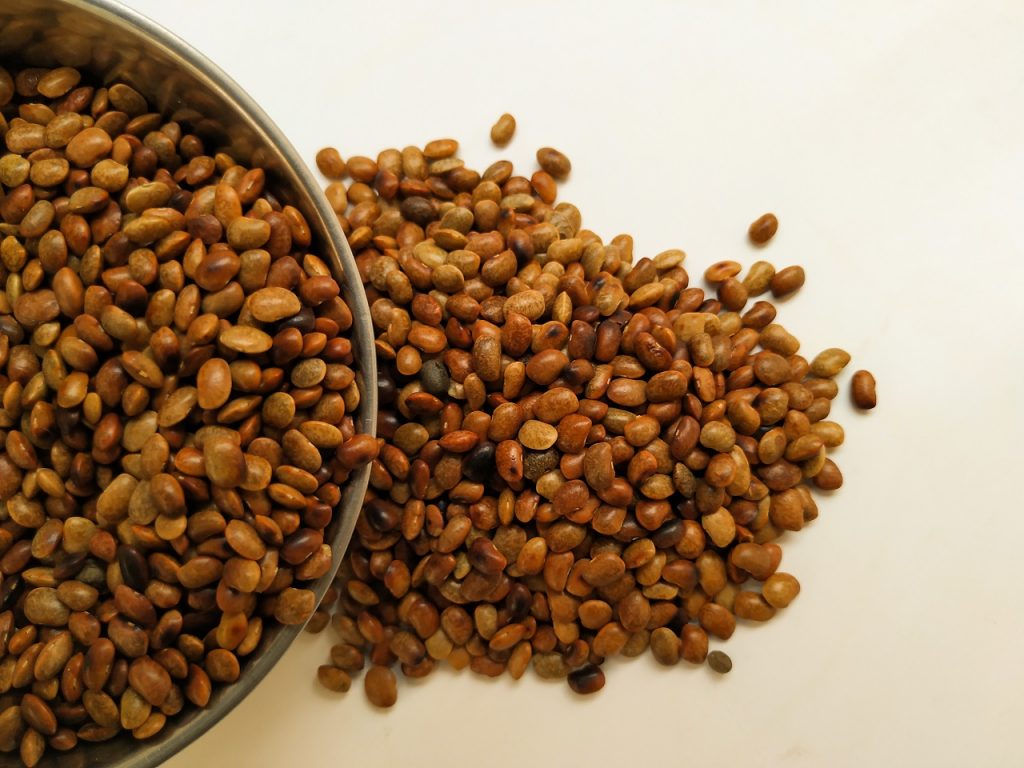
horse gram

Horse gram, also known as Kulthi Dal, is neither unique nor ordinary. It is lesser-known and most still don’t recognize this precious ingredient. Its medicinal effects are enormous. It doesn’t play an important role in any cuisine but it can make any cuisine healthier and might enhance the nutritional value once it is fully adopted by any regional cuisine.

Medicinal Uses of Horse Gram

  1. Anti Hyperglycemic: Horse gram seed possesses antihyperglycemic properties which control the glucose level in the blood. It lessens the absorption of carbohydrates and has copious amounts of soluble fiber.
  2. Hemolytic Activity: The seeds make anti-inflammatory drugs that efficiently neutralize indirect hemolytic activity.
  3. Diuretic activity: Kulthi Dal increases the flow of urine. It creates pressure on the deposited stone and thanks to this pressure, the stone comes down and gets removed through urination. One of the studies published in the Journal of the Association of Physicians of India in 2010 compared the effect of Kultha and potassium citrate on 47 patients with renal stones. It has been concluded that Kultha is often used to reduce the recurrence of calcium oxalate stone and had better results than the utilization of conventional potassium citrate.
  4. Treats Jaundice: Horse gram water is being used in Andhra Pradesh for the treatment of Jaundice.
  5. Relieves Cough and Cold: When consumed as soup, it helps relieve congestion by liquifying mucus and opens up the nasal tracts, allowing the mucus membranes to melt-up. Thus, horse gram water has been found effective in relieving cough and cold. This helps with easy breathing since the specified nutrients are boosting the metabolism of the body and immunity as well.
  6. Helps Weight Loss: Consuming this miraculous gram helps reduce body weight. Also, if we add powdered horse gram with sour buttermilk and apply it to the fat deposited area, it helps to cut back the fat.
  7. Treats Leucorrhea: Kulth is also used as a treatment for leucorrhoea (discharge from the vagina) and menstrual disorders in the hilly regions. According to Ayurveda, if we soak a handful of these overnight in a bowl of water, and boil it the subsequent day and use this water for consumption thrice daily, it will help treat the symptoms of leucorrhea. Being rich in iron, proteins, and calcium, is really good for kids too.
  8. Treats Piles: Piles happen when the veins in the rectum swell up and get inflamed, causing a lot of pain. Despite rushing to the pharmacy for medication and treatment, experts recommend the utilization of horse gram. Soak a cup of these overnight and consume the water the next day. Eat the gram steamed as a salad as well. The roughage in it, together with the fibre, helps treat piles effectively.
  9. Rich source of various natural bioactive substances: such as phytic acid, fibre and phenolic acid, etc. These bioactive substances have immense potential for curing different types of diseases such as cold, streptococcal sore throat, fever, urinary stones, asthma, bronchitis and leucoderma, etc.
  10. Skin Rashes and Boils: Horse gram can also be used as a topical pack to treat rashes, boils, and disorders of the skin to some extent. This is because it is antimicrobial and antibacterial, and has plenty of antioxidants in it in conjunction with minerals to nourish, replicate the healthy lipid layers of the skin and more.

Best Recipes

  • Kulthi Water: It is a lengthy process but truly natural without any side effects. Soak 25 grams in 250 ml of water overnight and in the morning, strain the water and drink this water on an empty stomach. Later, add the same amount of water in the same soaked horse gram and drink it for lunch. Continuing this process for 6 months will help break kidney stones. Later on, you’ll make thin dal of this soaked horse gram and can be consumed along with rice or roti.
  • Kulthi soup: Take 200 grams of kulthi dal with 2 liters of water and boil it on a slow flame for around 4-5 hours. When it’s reduced to half, consume it for lunchtime. Try having this soup alone at that time. Within a week or two, it will start working.

That’s a lot of nutritional and health benefits, don’t you think? Go get your horse grams now! We hope this article helps you. Do leave your thoughts in the comments below! For more on nutrition and food, check out Healthy Reads or speak to a certified expert by subscribing to GOQii’s Personalised Health Coaching here.

#BeTheForce 

October 30, 2023 By Hetal Chheda 1 Comment

Everyday foods for Memory and Concentration

Relax!!! You are not the only one. We all cruise in the same boat. These are common concerns that every parent faces.

The key to concentration, memory and intelligence to a great extent depends on the food that a child eats. It is very vital that a child’s food be balanced and most of us fail to understand this.

We come across a variety of food items on a daily basis and also practically use them in our own kitchen. But, we barely know of its potent usages.

Yes, some of the responses to the curious questions above are in our very own kitchen. Let us explore the foods that help our kids concentrate and intensify their memory.

ALMONDS:

These little brown coloured ovals also called ‘Badam’ is preferably the world’s healthiest food stuff. Almond is generally rich in proteins. Protein helps repair brain cells and boosts cognitive functions. Almonds contain the mineral Zinc which acts as an antioxidant in the body that competes against the free radicals which otherwise attack and breakdown brain cells.

Vitamin B6 and E promote brain health and also slackens the ageing of brain cells; which eventually harms the memory. Omega-3 and Omega-6 fatty acids present in almonds upsurge intellectual levels. Magnesium promotes the strengthening of brain nerves.

RED ONION:

Red Onions have decent levels of anthocyanin and quercetin. Researchers propose that flavonoids including the anthocyanin’s have the ability to prevent age-related brain impairment. It also enhances memory. Anthocyanin inhibits neuro-inflammation, activating synaptic signalling, and improving blood flow to the brain. This makes it an excellent memory food.

A 2005 study by Hokkaido Tokai University scientists concluded that di-n-propyl trisulphide, a sulphur compound found in onions, improves memory impairment.

INDIAN GOOSEBERRY:

Indian gooseberry, popularly known as Amla is a fantastic brain food. We all have memories of our parents feeding us chyawanprash (prepared using Amla) as they believed Amla increases memory. Our Indian beliefs do have some scientific evidences that prove them right.

The antioxidants present in Amla fights against the free radicals in the body which otherwise attack and breakdown brain cells. Vitamin-C content of Amla in it helps in the production of norepinephrine, a neurotransmitter which improves brain activity. The iron content in Amla facilitates oxygen transportation, preventing brain degeneration.

WATER:

Yes, water. It is an absolute surprise!

Brain gets its electrical energy from water which keeps the brain functions going including thought and memory. Water is also needed for the production of hormones and neurotransmitters in the brain. Now, when you provide enough water to your brain you will be able to think faster, be more focused, and experience greater clarity and creativity. Daily hydration is required for optimal brain function as brain cannot store water.

FATTY FISH:

Brain requires essential fatty acids like Omega 3 and Omega 6 fatty acids. We need to include it in our regime as the body cannot process these acids. Fatty fish as the name suggests is filled with good fats – Omega 3 and Omega 6. Including fatty fish in the diet can boost the memory function by 15 percent. The fish highest in omegas include salmon, mackerel, sardines, rainbow trout, and albacore tuna. If you don’t like fish or eat it rarely, consider taking a fish oil supplement.

Gift your child with good and balanced nutrition and see the healthier them; booming in all facets of life. For more articles and guidance explore our Healthy Reads or speak to a certified expert by subscribing to GOQii’s Personalised Health Coaching here.

#BeTheForce
October 24, 2023 By Mrinali Dwivedi 2 Comments

The Rainbow Diet: Decoding The Color Of Foods For Good Health!

the rainbow diet

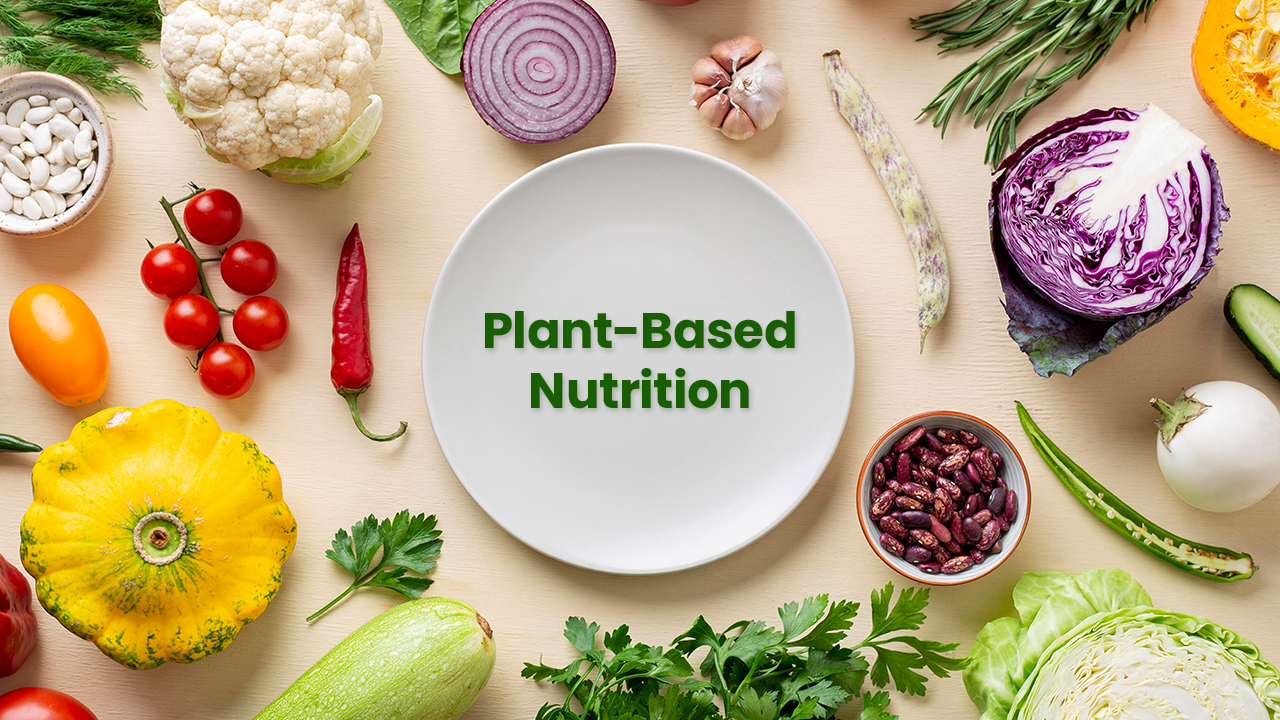
Different foods have different colors, this is because of the different coloured pigments in them. These pigments, also called phytonutrients (phytoplants), provide various benefits to our body. Specific phytonutrients have specific functions, each playing a crucial role in the well being of humans. While immunity and good health is just a play of a well functioning organ system, it is very important to take care of each organ and function in particular. This can only be made sure when the diet is diverse and sufficient in all essential nutrients and in moderation. Hence, the Rainbow Diet! 

What Is The Rainbow Diet?

The rainbow diet focuses on the consumption of a variety of colourful and fresh produce in your meals. Ensuring a colourful diet, ensures indiscriminate intake of all nutrients and also protects from any deficiencies that may have detrimental health outcomes. As a low or high of any one specific nutrient can disturb the peculiar balance of the optimum nutrient complex imperial to maintain good health.

The mantra of “eating the rainbow” inspires to add more color and colourful plant foods to the diet. It is a health based trend rather than the fads that provoke masses to avoid gluten, fats, lactose, carbs and what not! Here, all you need to do is add as many colors to your diet as possible in the form of different coloured plant based foods and that’s how you make sure you are doing right to your body! That way, one never has to worry about balancing as the rainbow diet is naturally balanced and with no side effects.

How Does It Help?

The abundance of supply of antioxidants and anti-inflammatory molecules from the rainbow diet, translates to a good immunogenic response by the body and allows effective combat against biological stressors and oxidative stress. In addition to this, plant foods are rich in fiber and prebiotics, both of which improve digestive function and gut health, making sure the best absorption of all available nutrients.

In all, the rainbow diet is beneficial for avoiding cardiovascular diseases and maintaining heart health, protecting against cancer, building good immunity and restricting infections. Additionally, it also helps in reducing weight, keeping away obesity related disorders, helps maintain good hair, skin and nails, keeps your energy levels high and improves overall good mood!

The Color Code Of Foods 

Here you may find options of foods under each color and health function category and learn about its role.

Red Immune health Cherry, cranberry, raspberry, watermelon, pomegranate, red plums, strawberry, red grapes, dragon fruit, apple, tomato, red pepper, beetroot, kidney beans, red amaranth Anti-inflammatory, antioxidant, immune modulating
Orange Reproductive health Orange, papaya, sweet potato, persimmon, pumpkin, cantaloupe, mango, muskmelon, peach, apricot, almond, paprika Endocrine modulation, fat-soluble antioxidants, role in ovulation and fertility
Yellow Digestive health Banana, pineapples, ginger, lemon, yellow zucchini, corn, sweet lime, yellow pepper, cinnamon, turmeric, honey, whole grains and husk Anti-inflammatory, binders, fibres, catalysts, gastric motility, glycemic response, prebiotic
Green Cardiovascular health Spinach, kale, fenugreek, radish leaves, micro greens, broccoli, Brussels sprouts, cucumber, green beans, olives, avocado, kiwi, grapes, green apple, pear, parsley, pumpkin seeds Clotting, detoxification, methylation, vasodilation, binders, antioxidants
Blue- Purple Brain health Purple grapes, fig, purple jam, blueberry, mulberry, jamun (java plum), prunes, plums, eggplant, purple cabbage, purple onion, lavender Anti-inflammatory, antioxidant, brain protective, cognition support, neuronal support
White Skeletal health Cauliflower, milk/curd/paneer (cottage cheese), coconut, sesame, radish, soyabean, turnips, white onion, garlic, sunflower seeds Probiotic, strengthening, absorptive, energising

We hope this article on the Rainbow Diet helps you choose and adapt these foods to your diet! Do try it and let us know in the comments below! For more on nutrition, check out Healthy Reads or to get nutrition information, tips and recipes directly from your GOQii Coach, sign up for Personalised Health Coaching here. 

Eat healthy and #BeTheForce 

  • « Previous Page
  • 1
  • …
  • 17
  • 18
  • 19
  • 20
  • 21
  • …
  • 68
  • Next Page »

Search

Recent Posts

  • PCOS and Anxiety: Discover Relief with the 54321 Technique
  • Navigating the Maze of Nutrition: Finding Clarity Amidst Confusion
  • Get children active and keep them healthy
  • What Gestational Diabetes Can Do To You & Your Unborn Child
  • Breathing – A Forgotten Art

Stay Updated

Archives

  • December 2025 (4)
  • November 2025 (15)
  • October 2025 (20)
  • September 2025 (6)
  • August 2025 (6)
  • July 2025 (12)
  • June 2025 (18)
  • May 2025 (16)
  • April 2025 (23)
  • March 2025 (23)
  • February 2025 (22)
  • January 2025 (26)
  • December 2024 (26)
  • November 2024 (25)
  • October 2024 (22)
  • September 2024 (24)
  • August 2024 (31)
  • July 2024 (21)
  • June 2024 (26)
  • May 2024 (31)
  • April 2024 (27)
  • March 2024 (29)
  • February 2024 (26)
  • January 2024 (25)
  • December 2023 (15)
  • November 2023 (11)
  • October 2023 (22)
  • September 2023 (22)
  • August 2023 (20)
  • July 2023 (22)
  • June 2023 (24)
  • May 2023 (24)
  • April 2023 (24)
  • March 2023 (23)
  • February 2023 (20)
  • January 2023 (16)
  • December 2022 (12)
  • November 2022 (15)
  • October 2022 (15)
  • September 2022 (12)
  • August 2022 (10)
  • July 2022 (17)
  • June 2022 (11)
  • May 2022 (10)
  • April 2022 (6)
  • March 2022 (6)
  • February 2022 (13)
  • January 2022 (12)
  • December 2021 (7)
  • November 2021 (3)
  • October 2021 (6)
  • September 2021 (3)
  • August 2021 (8)
  • July 2021 (7)
  • June 2021 (15)
  • May 2021 (16)
  • April 2021 (10)
  • March 2021 (7)
  • February 2021 (4)
  • January 2021 (4)
  • December 2020 (3)
  • November 2020 (4)
  • October 2020 (10)
  • September 2020 (3)
  • August 2020 (3)
  • July 2020 (2)
  • June 2020 (4)
  • May 2020 (10)
  • April 2020 (12)
  • March 2020 (10)
  • February 2020 (4)
  • January 2020 (4)
  • December 2019 (3)
  • November 2019 (7)
  • October 2019 (5)
  • September 2019 (4)
  • August 2019 (9)
  • July 2019 (9)
  • June 2019 (11)
  • May 2019 (4)
  • April 2019 (9)
  • March 2019 (8)
  • February 2019 (9)
  • January 2019 (8)
  • December 2018 (9)
  • November 2018 (3)
  • October 2018 (3)
  • September 2018 (5)
  • August 2018 (10)
  • July 2018 (6)
  • June 2018 (13)
  • May 2018 (8)
  • April 2018 (18)
  • March 2018 (9)
  • February 2018 (8)
  • January 2018 (15)
  • December 2017 (12)
  • November 2017 (19)
  • October 2017 (13)
  • September 2017 (15)
  • August 2017 (4)
  • July 2017 (8)
  • June 2017 (7)
  • May 2017 (6)
  • April 2017 (8)
  • March 2017 (6)
  • February 2017 (7)
  • January 2017 (9)
  • December 2016 (10)
  • November 2016 (7)
  • October 2016 (7)
  • September 2016 (7)
  • August 2016 (11)
  • July 2016 (9)
  • June 2016 (9)
  • May 2016 (12)
  • April 2016 (17)
  • March 2016 (17)
  • February 2016 (8)
  • January 2016 (6)
  • December 2015 (2)
  • November 2015 (9)
  • October 2015 (7)
  • September 2015 (9)
  • August 2015 (11)
  • July 2015 (9)
  • June 2015 (12)
  • May 2015 (9)
  • April 2015 (13)
  • March 2015 (8)
  • February 2015 (5)
  • January 2015 (12)
  • December 2014 (14)
  • November 2014 (11)
  • October 2014 (6)
  • September 2014 (13)
  • August 2014 (12)
  • July 2014 (6)
  • June 2014 (2)
  • May 2014 (7)
  • April 2014 (5)

From “Laddu Nawin” to Fit and Fierce: How a 25-Year-Old Insurance Advisor Shed 20 Kilos and Gained His Life Back

When 25-year-old Nawin Yadav from Hyderabad walked into his office every morning, he carried more than just his files and policy papers. He had the weight of fatigue, sluggish energy, and an ever-growing belly that was becoming the butt of jokes. “People … [Read More...]

“I’ve Challenged Myself to Live 100 Years” – The Story of Chandubhai Savani’s Second Chance at Life

At 67, most people start slowing down. Not Chandubhai Savani. A resident of Surat, Chandubhai, thought life was on track. “My life was going well till I had my bypass surgery,” he says. That surgery, back in 2021, was a wake-up call.  Medication was routine, but exercise wasn’t. His diet? What he calls ‘normal.’ “I […]

From Shimla’s Slopes to Chandigarh’s Sidewalks: Surinder Kaur Bhalla’s Journey from Chaos to Control

Some journeys start with a plan. Others begin with a stumble literally. Surinder Bhalla, a government professional, born and raised in the scenic hill town of Shimla, had always lived a life of movement. “In Shimla, you walked everywhere,” she reflects. “Walking was never an exercise. It was just life.” But after shifting to Chandigarh, […]

Ananda Mukherjee Health Story

From Terminal Illness To Complete Wellness! Ananda Mukherjee Health Story

As we observe World Cancer Day under the powerful theme ‘United by Unique’ (2025-2027)**, we are reminded that every individual’s journey with cancer is distinct, yet united by shared resilience, hope, and the collective fight against this disease. This theme places people at the centre of care and their stories at the heart of the […]

  • HOME
  • HEALTHY LIVING
  • FITNESS
  • HEALTHY RECIPES
  • USER STORIES
  • KARMA
  • BUY GOQii

Copyright ©2016 GOQii