GOQii

Blog

  • HOME
  • HEALTHY LIVING
  • FITNESS
  • HEALTHY RECIPES
  • USER STORIES
  • KARMA
  • BUY GOQii

March 2, 2015 By Ashwinkumar Rahate 1 Comment

TRADITIONAL FITNESS TRAINING VS FUNCTIONAL FITNESS TRAINING

training

Given today’s monotonous and fast paced life, if one is not thinking about being fit and healthy then there is something drastically wrong. Fitness and Health is essential for today’s life. Daily we should have a fitness regime to be healthy. Some prefer to go to the gym and exercise and some prefer the outdoors. Either way it’s a good thing

But, the bigger question I am always posed with is between traditional fitness training (TFT)and functional fitness training (FFT) , which is better?

Let me explain to you what the two methods of exercise are. In traditional fitness training we train to improve our muscular fitness as well as flexibility which brings about many positive changes in us such as muscles build up, improvement in bone density, lowering of fat percentage in the body and many more benefits.

But, this fitness regime will not help in our day to day activities such as standing walking, lifting etc. because TFT involves doing only one type of exercise at a time. Also in weight training you concentrate and target one major muscle at a time. In TFT we do not do the exercises that are used in day to day life- for example Dumbbells Curl is a great exercise for the Biceps but, it is not part of our daily routine.

Functional Fitness Training (FFT) involves the movements we use in our day to day life such as sitting, walking, lifting object etc. For example exercise like Squats, Lunges which are useful in day to day activities.

FFT is more effective as its benefits are many.  For instance it focuses on body stabilisation because it consists of exercises like squats, lunges, push ups etc. At a time we can focus on multiple muscle groups, it helps to improve our body posture and finally also helps to prevent injury..

According to me we need to balance between TFT and FFT which will eventually give us the desired results of being fit and healthy.

March 2, 2015 By Anushree Ashtekar 27 Comments

Anabolic Steroids v/s Dietary Supplements – All you want to know

suppliments

We often hear people talking about “supplements” and “steroids”. We hear about how “protein powders are harmful to health as they contain steroids” and how people are hesitant to take vitamin supplements as they are “pills” and treat them like medications.

But, do people really understand what are anabolic steroids and dietary supplements? The answer is no. Large sections of the society are still unaware of the use and need of taking dietary supplements and anabolic steroids.

What are Anabolic Steroids and Dietary Supplements?

Anabolic Steroids: Anabolic steroids are synthetic (man-made) substances similar to male sex hormone, testosterone. The term “anabolic” means “growth”. Here, it refers to growth in muscle mass. Steroids are performance enhancing substances which cause an increase in muscle mass and physical strength. Some common examples of anabolic steroids include Androstenedione, Dehydrochloromethyltestosterone (Turinabol), Methandienone (Dianabol), Methyltestosterone (Android), Nandrolone (Durabolin), Oxandrolone (Oxandrin), Oxymetholone (Anadrol), Stanozolol (Winstrol).

Dietary Supplements: Dietary supplement is any product which is consumed orally and which contains dietary nutrients intended to supplement the diet. Dietary supplements may include amino acids, vitamins, minerals, herbs or other botanical ingredients (except tobacco), substances like enzymes and metabolites (glucosamine, creatine, alpha-lipoic acid, Coenzyme Q10).

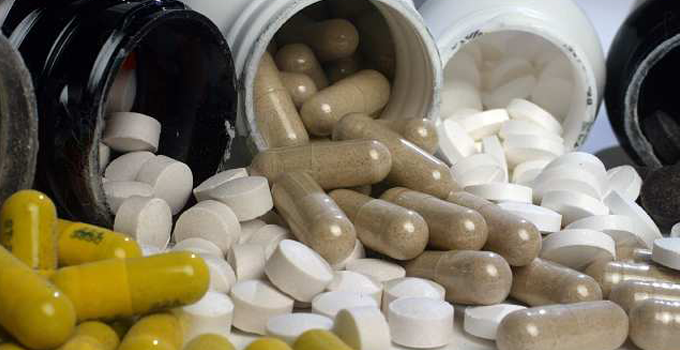
Dietary supplements can be extracts or concentrates and may be available as tablets, capsules, softgels, gelcaps, liquids and powders. They are also available in the form of nutrition bars.

Dietary supplements cannot be categorized as foods or drugs and hence, they are not regulated by the FDA. Dietary supplements are regulated under DSHEA (Dietary Supplement and Health Education Act) passed in the US in 1994. DSHEA defines dietary or nutritional supplements as “a nutrient, a formulation, or some compound that is drug-free or natural”.

Use and abuse of anabolic steroids: Anabolic steroids stimulate growth in tissues, especially bone and muscles. They also increase the production of RBCs (Red blood Cells). Anabolic steroids can be taken orally, are injectable or are used externally. Anabolic steroids are used in the treatment of many medical issues such as delayed puberty in boys, sexual dysfunction in men, breast cancer in women, weight loss in HIV, osteoporosis, anemia, endometriosis and other conditions involving hormonal imbalance.

Now, Anabolic steroids are also abused at large. Some athletes’ may abuse anabolic steroids to build muscle mass, prolong endurance and enhance performance. Anabolic steroids are converted into testosterone in the body, beyond normal levels. This leads to some serious side effects like dramatic increase in muscle mass (Greater Anabolism), Organ damage (Liver disease, kidney disease, heart disease), impotence, gynecomastia (fat deposition on the chest due to increased estrogen levels causing abnormal breast enlargement in men), severe acne, hair fall, oily skin, stunted growth and height in teens, shrinking of testicles, azoospermia (absence of sperms in semen), menstrual irregularities in women, excess facial or body hair and deeper voice in women, irritability, increased aggression, mood swings, depression or suicidal tendencies, high blood pressure, alterations in cholesterol and other blood lipids, risk of viral and bacterial infections due to use of unsterile injections.

Anabolic steroids are also addictive. They make the user and abuser physically and psychologically dependant on them.

Use and benefits of dietary supplements: Nutritional or dietary supplements are, in simple words, foods in a concentrated form. Nutritional deficiency is the root cause of many diseases. These days, chronic diseases are on a high and are striking people at a much earlier age. Air and water pollution, overuse of chemical fertilizers and pesticides in agricultural practices, genetically engineered seeds, and depleted nutrient content in the soil are all responsible for the poor nutrient quality of the fruits and vegetables available in the market today.

The advantage of taking dietary supplements is that they provide adequate quantity of superior quality of nutrients, they give a specific combination and quantity of nutrients required at a particular time in a day and they make it convenient for the body to be supplied with all the essential nutrients.

Who all need to take dietary supplements? Dietary supplements are safe enough to be consumed by all of us. They are concentrated foods that help in building our immune system keeping us away from various diseases.

The modern day fast-paced lives, fast-food culture, increasing stress levels, deteriorating quality of fruits and vegetables are all the reasons for anyone and every one of us to turn to dietary supplements for attaining optimum health. People who are into intense exercise regimes, sports enthusiasts, athletes, competitive bodybuilders are the ones who need dietary supplements to repair the wear and tear in their body, grow and maintain healthy muscle mass, enhance their functionality and improve the immunity of the body. Also, Vegetarianism and veganism sometimes makes it difficult to get nutrients like complete proteins (with all the essential amino acids) and B12 vitamin .

But, simply consuming dietary supplements just for the sake of taking them is not right. Even natural substances can cause undesirable side effects, especially when taken in high doses. There are other things too, that go into building healthier bodies. They are, having an active lifestyle (adequate exercise), healthy eating habits and maintaining a positive state of mind. Finally, it all boils down to body, mind and soul connection.

The confusion between Anabolic Steroids and Dietary Supplements: There is a general fear that supplements may contain anabolic steroids. Due to the ignorance amongst the public and media hype, people easily confuse dietary supplements with anabolic steroids. Anabolic steroids are drugs that abnormally increase testosterone levels in the body whereas, dietary or nutritional supplements are concentrated forms of naturally occurring food nutrients like proteins, carbohydrates, omega 3 fatty acids, etc. Anabolic steroid use is prohibited by the International Olympic Committee (IOC).

The bottom line is that Anabolic Steroids and Dietary Supplements are worlds apart. Use them wisely, use them safely and you will benefit from them. Or else, “too much of anything is bad”!

Ps Note: Before starting on any dietary supplement or Anabolic Steroid its better that you consult your doctor

February 9, 2015 By Parwage Alam Leave a Comment

Exercising Too Much – Think Twice

exercising

Is too much exercise bad for you?

Many once have got on to the fitness path think that if they do too much of exercise they will achieve their goals faster. Is this true let’s find out?

It is always said that too much of good is also not very nice, including exercise. Too much of exercising is actually damaging.

Everyone believes that “Exercising is good for him/her, and that more exercising is considered better…”, this is a myth. The fact is that too much exercise could actually harm you rather than benefit you. In the excitement of doing too much exercise one does not realize they can harm themselves. You will end up facing problems related to physical and emotional conditions such as injuries, bone loss, muscle loss and sometimes even heart failure.

Adequate amount of exercise helps you to build good muscles. Then you become an “exercise freak”, same like the eating disorder. And, eventually you get devastating results.

You lose weight, yes, but not the way you should– your body goes into starvation mode and releases cortisol (Cortisol is produced by the adrenal glands in your body when you are under stress. Cortisol will increase production of a neurotransmitter called neuropeptide Y, which can increase cravings for sweet or starchy foods – bad for health and fitness).

Increased cortisol inhibits any fat metabolism and breaks your muscle mass — your body basically starts eating itself. So instead of becoming a lean, mean fitness machine, you find you’ve less strength and also a weakened immune system.

Make no mistake about it, regular exercise is probably is the biggest factor in living a long and healthy life (not discounting healthy eating).

Here are several ways to tell that you’re working out too hard or Effect of too much Exercise can lead to:

  • Dizziness
  • Trouble breathing or maintaining a conversation
  • Disorientation, foggy mental processing
  • Rapid heart beat
  • Dehydration
  • Injuries
  • Loss of lean muscle mass
  • Heart failure in the absence of proper nutrition. Your heart is a muscle and over exercising could weaken it, leading to potential failure
  • Weakened immune system
  • Cessation of menstrual cycles, a condition known as amenorrhea
  • Research shows that many female athletes who over train begin to experience bone loss that apparently can’t be reversed if the amenorrhea persists long enough.
  • Sleep disorder
  • Eating disorder such as anorexia
  • Irritability, depression and low self esteem

Here is a checklist which will help you judge on your own if you are doing too much exercise:

  1. Make up for one missed workout by doubling it the next session
  2. You will force yourself even when you don’t want to
  3. When you over eat, you prefer to exercise to burn all extra calories
  4. You set the intensity of your exercise based on your food intake
  5. You might feel guilty when you miss your exercise session
  6. You become very upset if you miss a workout
  7. You always have a fear that you’ll gain weight if you miss the exercise session for a day
  8. You will miss the pleasure during exercise
  9. You can’t bring yourself to take a day off from exercise

So the next time you go to exercise stop worrying. Just have fun and enjoy your workout.

January 30, 2015 By SNEHA CHIKHALE Leave a Comment

How to stop that binging after workout

How to stop that binging after workoutNothing’s more annoying than burning calories only to ruin all the hard work done by overeating in the next hour. We always are surrounded by this myth, that we now have liberty to gorge on our favourite food as we have sweated it out in the gym! Let’s have a glance to simple and effective ways to avoid that insane hunger after workout.


  • Grab a pre-workout snack


Eat healthy, fibre rich snack before working out. This will not only help in satisfying your hunger but will also give you energy in slow interval. And your craving for food immediately after a workout is over.


  • Get rid of the habit


We tend to confuse habit with necessity. We might have noticed that, we are not really that hungry but, crave for food because our mind knows that we have sweated it out. Consciously work on breaking the habit of eating post a workout.


  • Have high carbs and protein food


Always opt for a snack which is high in carbohydrates and proteins. Whole wheat bread or multigrain bread sandwich with chicken / paneer filling or wheat bread toast and scrambled or poached egg whites are the ideal and healthy options. You’ll not only suppress your hunger but your body will also heal faster.


  • Drink enough water during and after workout


Water tends to make you full. Moreover, you need to regain all the fluids you have lost through sweating. Before reaching out to your post – workout snacks, drink a glass of water and wait for at least 15-20 minutes. You will see your hunger vanishing.


  • Schedule your workout close to meal time


Often after workout, you feel like hogging on a junk food menu! However, you can avoid this planning your workout right before your regular meal time. You can rest for 15-20 minutes after your workout and directly proceed to having your meal. This will avoid you from taking in those additional calories in the form of special post – workout snack.


  • Enjoy your exercise routine


A recent study conducted by Cornell University showed that people who enjoy their workout eat less afterwards. Try to vary your fitness session frequently, if typical workout bores you. Keep switching to a new form of workout to retain your interest in it!!

  • « Previous Page
  • 1
  • …
  • 35
  • 36
  • 37
  • 38
  • 39
  • …
  • 43
  • Next Page »

Search

Recent Posts

  • Navigating the Maze of Nutrition: Finding Clarity Amidst Confusion
  • Get children active and keep them healthy
  • What Gestational Diabetes Can Do To You & Your Unborn Child
  • Breathing – A Forgotten Art
  • The Incredible Benefits Of Milk You Might Not Know

Stay Updated

Archives

  • December 2025 (3)
  • November 2025 (15)
  • October 2025 (20)
  • September 2025 (6)
  • August 2025 (6)
  • July 2025 (12)
  • June 2025 (18)
  • May 2025 (16)
  • April 2025 (23)
  • March 2025 (23)
  • February 2025 (22)
  • January 2025 (26)
  • December 2024 (26)
  • November 2024 (25)
  • October 2024 (22)
  • September 2024 (24)
  • August 2024 (31)
  • July 2024 (21)
  • June 2024 (26)
  • May 2024 (31)
  • April 2024 (27)
  • March 2024 (29)
  • February 2024 (26)
  • January 2024 (25)
  • December 2023 (15)
  • November 2023 (11)
  • October 2023 (22)
  • September 2023 (22)
  • August 2023 (20)
  • July 2023 (22)
  • June 2023 (24)
  • May 2023 (24)
  • April 2023 (24)
  • March 2023 (23)
  • February 2023 (20)
  • January 2023 (16)
  • December 2022 (12)
  • November 2022 (15)
  • October 2022 (15)
  • September 2022 (12)
  • August 2022 (10)
  • July 2022 (17)
  • June 2022 (11)
  • May 2022 (10)
  • April 2022 (6)
  • March 2022 (6)
  • February 2022 (13)
  • January 2022 (12)
  • December 2021 (7)
  • November 2021 (3)
  • October 2021 (6)
  • September 2021 (3)
  • August 2021 (8)
  • July 2021 (7)
  • June 2021 (15)
  • May 2021 (16)
  • April 2021 (10)
  • March 2021 (7)
  • February 2021 (4)
  • January 2021 (4)
  • December 2020 (3)
  • November 2020 (4)
  • October 2020 (10)
  • September 2020 (3)
  • August 2020 (3)
  • July 2020 (2)
  • June 2020 (4)
  • May 2020 (10)
  • April 2020 (12)
  • March 2020 (10)
  • February 2020 (4)
  • January 2020 (4)
  • December 2019 (3)
  • November 2019 (7)
  • October 2019 (5)
  • September 2019 (4)
  • August 2019 (9)
  • July 2019 (9)
  • June 2019 (11)
  • May 2019 (4)
  • April 2019 (9)
  • March 2019 (8)
  • February 2019 (9)
  • January 2019 (8)
  • December 2018 (9)
  • November 2018 (3)
  • October 2018 (3)
  • September 2018 (5)
  • August 2018 (10)
  • July 2018 (6)
  • June 2018 (13)
  • May 2018 (8)
  • April 2018 (18)
  • March 2018 (9)
  • February 2018 (8)
  • January 2018 (15)
  • December 2017 (12)
  • November 2017 (19)
  • October 2017 (13)
  • September 2017 (15)
  • August 2017 (4)
  • July 2017 (8)
  • June 2017 (7)
  • May 2017 (6)
  • April 2017 (8)
  • March 2017 (6)
  • February 2017 (7)
  • January 2017 (9)
  • December 2016 (10)
  • November 2016 (7)
  • October 2016 (7)
  • September 2016 (7)
  • August 2016 (11)
  • July 2016 (9)
  • June 2016 (9)
  • May 2016 (12)
  • April 2016 (17)
  • March 2016 (17)
  • February 2016 (8)
  • January 2016 (6)
  • December 2015 (2)
  • November 2015 (9)
  • October 2015 (7)
  • September 2015 (9)
  • August 2015 (11)
  • July 2015 (9)
  • June 2015 (12)
  • May 2015 (9)
  • April 2015 (13)
  • March 2015 (8)
  • February 2015 (5)
  • January 2015 (12)
  • December 2014 (14)
  • November 2014 (11)
  • October 2014 (6)
  • September 2014 (13)
  • August 2014 (12)
  • July 2014 (6)
  • June 2014 (2)
  • May 2014 (7)
  • April 2014 (5)

From “Laddu Nawin” to Fit and Fierce: How a 25-Year-Old Insurance Advisor Shed 20 Kilos and Gained His Life Back

When 25-year-old Nawin Yadav from Hyderabad walked into his office every morning, he carried more than just his files and policy papers. He had the weight of fatigue, sluggish energy, and an ever-growing belly that was becoming the butt of jokes. “People … [Read More...]

“I’ve Challenged Myself to Live 100 Years” – The Story of Chandubhai Savani’s Second Chance at Life

At 67, most people start slowing down. Not Chandubhai Savani. A resident of Surat, Chandubhai, thought life was on track. “My life was going well till I had my bypass surgery,” he says. That surgery, back in 2021, was a wake-up call.  Medication was routine, but exercise wasn’t. His diet? What he calls ‘normal.’ “I […]

From Shimla’s Slopes to Chandigarh’s Sidewalks: Surinder Kaur Bhalla’s Journey from Chaos to Control

Some journeys start with a plan. Others begin with a stumble literally. Surinder Bhalla, a government professional, born and raised in the scenic hill town of Shimla, had always lived a life of movement. “In Shimla, you walked everywhere,” she reflects. “Walking was never an exercise. It was just life.” But after shifting to Chandigarh, […]

Ananda Mukherjee Health Story

From Terminal Illness To Complete Wellness! Ananda Mukherjee Health Story

As we observe World Cancer Day under the powerful theme ‘United by Unique’ (2025-2027)**, we are reminded that every individual’s journey with cancer is distinct, yet united by shared resilience, hope, and the collective fight against this disease. This theme places people at the centre of care and their stories at the heart of the […]

  • HOME
  • HEALTHY LIVING
  • FITNESS
  • HEALTHY RECIPES
  • USER STORIES
  • KARMA
  • BUY GOQii

Copyright ©2016 GOQii