GOQii

Blog

  • HOME
  • HEALTHY LIVING
  • FITNESS
  • HEALTHY RECIPES
  • USER STORIES
  • KARMA
  • BUY GOQii

February 28, 2023 By Roopa Tandur 2 Comments

Why Do We Gain Weight During Winter?

gain weight during winter

Have you noticed that you tend to gain weight during winter? While there are many factors at play here, is it true for everybody? If you’re one of those who gain weight during winter, it is best to know why it happens and take necessary measures to prevent it!

Let’s Analyse Why We Gain Weight During Winter

  1. Less Water Intake: As we aren’t thirsty and neither do we sweat as much as we do during summer, we tend to drink very little water which makes us lethargic and fatigued. The usual signs like dry and flaky skin is an indicator that one is not having enough water. We use moisturisers instead and not increase water intake which gives more room for frequent infection and dehydration leading to headache and dry cough
  2. Not Exercising Enough: With the pleasant winter chills, it is a little difficult to get off the couch or bed. This leads to fewer calories being burned and as a result, weight gain!
  3. Increased Production of Melatonin: Less sunlight and shorter days affect our hormones and some people tend to produce more of the hormone melatonin which controls our sleep-wake cycle. This increased production of melatonin induces sleep when it is not the time to sleep, making one lazy, lacking motivation and energy. It also increases appetite and leads to eating more.
  4. Increase in Metabolism: While this sounds great, it doesn’t really support your weight loss goals during winter. The sudden increase in metabolism will burn more calories to keep you warm but it will also make you hungrier.
  5. Staying Indoors: makes us lazy and bored. When bored, we begin binge-watching followed by binge-eating comfort or fried food which is high in sugar and salt. It doesn’t take a genius to figure that this contributes to weight gain as well.  

How Do We Prevent Gaining Weight This Season?

There is an effective way to break the vicious cycle of more sleep, less healthy food and little to no exercise! Here’s how you can avoid gaining weight during winter.

  1. Choose Foods Wisely: Choose healthy, home-cooked meals such as soups. Opt for green tea. You can even add natural spices to your meals which are warm and benefit your health. Choose foods which can be paired with others or can be eaten any time of the day. Swap options like sauces available in markets to homemade hummus or dips.
  2. Pick a Hobby: Concentrate on other things like hobbies, sports, painting or reading books. You can even clean your house if you’ve been postponing it. Do something that engages you instead of finding comfort in food.
  3. Time Your Sleep: Maintain sleep timings which will set your circadian rhythm and help you stay active through the day or take power naps in the afternoon instead of sleeping for long hours
  4. Exercise: Plan indoor activities and exercises like yoga, skipping, stair activities which will help you be active more regularly. In fact, you can tune in to GOQii Play and browse some indoor workouts by fitness experts or yoga and meditation by yoga specialists. You can even opt for making group plans which have less chances of failure. If you can’t find a group, join our LIVE, interactive, GOQii PRO sessions conducted by experts within the GOQii App. 

That’s all! Mind what you eat, sleep on time and exercise regularly to not gain weight during winter. We hope you found this article useful! Please leave your thoughts in the comments below.

For more on weight loss, fitness and being healthy, check out Healthy Reads or ask a GOQii Coach by subscribing for personalized health coaching here: https://goqiiapp.page.link/bsr

#BeTheForce 

August 24, 2021 By Roopa Tandur 1 Comment

Foods That Weaken the Immune System

immune systemDo you experience high amounts of stress, get irritated by little things, aren’t able to concentrate on work, suffer from digestive disturbances or have a cold more often than usual? In fact, do your wounds take more time to heal than normal? Frequent infections? Do you feel tired all the time? All this could be due to a weak immune system!
Immunity is a balanced state of multicellular organisms having adequate defence to fight infection, disease or other unwanted biological invasion while also avoiding allergies and other autoimmune disease. The immune system also keeps a record of every microbe it has defeated so it can recognise and destroy the microbe if it enters the body again.

Bone marrow and thymus form the primary immune system and spleen, tonsils, lymph vessels, lymph nodes, adenoids, skin and liver form the secondary immune system.

  • Bone marrow: helps produce white blood cells (T cells, B cells) which defend the body against infectious disease and foreign materials.
  • Thymus: Situated at the base of the neck is most active in the neonatal and preadolescent period of development.

One of the best ways to build immunity is through nutrition. There are many foods that help us improve the immune system but there are also foods which can weaken it. During this Coronavirus pandemic, it has become increasingly important to take care of ourselves and build our immune system! In order to do that, we must avoid consuming things which can lower or harm our immunity levels. 

Foods That You Must Avoid

1. Soda and Carbonated Beverages
This includes sweeteners like aspartame, saccharin, and sucralose, which are all harmful to the immune system. These ingredients reduce levels of beneficial bacteria in your gut and have an adverse effect on glucose metabolism which has an extended effect on how well our body responds to potential threats.

Solution: Choose water with few slices of fruits if you do not like having plain water or choose green tea with lemon which has good antioxidants. Drink green Tea in moderation.

2. Processed Foods and Refined Carbs
The large number of calories in processed food may lead to health problems such as increased inflammation, reduced control of infection, increased rates of cancer, and increased risk for allergic and auto-inflammatory disease by changing the balance of bacteria in our gut – all of which weaken the immune system

Solution: Include whole grain healthy snacks which are baked or roasted and not deep fried

3. Foods & Drinks High in Sugar
Drinks high in sugar spike insulin levels which spike cortisol and suppress the immune system. Unwanted bacteria thrive on sugar and the more sugar they have to feed on, the safer they grow, which will outnumber beneficial bacteria. This can have a negative effect on our mood, blood sugar levels and immune function. Increased sugar intake makes it difficult for the body to absorb Vitamin C, which eventually decreases immunity levels

Solution: Choose whole foods and natural sweeteners like honey which promote growth of healthy gut bacteria

4. Alcoholic Beverages
Drinking alcoholic beverages affects hormones by disrupting the circadian rhythm. As sleep is closely connected to the immune system, changes in circadian rhythm can make one feel unwell by having a negative effect on the immune system.

Solution: Alternate alcohol drinks with water or choose healthy snacks to have with alcohol to limit intake of alcohol.

5. Caffeine
Increased intake of caffeine (present in coffee and coffee products) boosts cortisol levels which reduces your immunity levels. Regular increased intake of caffeine reduces the number of T cells which are responsible for destroying the infected cells of the body.

Solution: Switch to low caffeine beverage and keep check on your intake of caffeine rich foods

 6. Refined Oil
Oil can be incredibly healthy, providing much-needed fatty acids like omega-3 and vitamin E but only when they’re produced the right way. Refined oils go through a lot of heat processing which destroys the nutrients that we derive from fats. Eating food cooked in refined oils leads to production of free radicals that damage the tissues and cause temporary inflammation.

Solution: Switch to cold pressed oils and filtered oils which go through less or no heat processing, keeping the nutrients intact.

 7. Junk Foods
Foods high in fat, sugar and low on fiber other than creating cravings, also destroys the immune system. The body responds to fast foods the same way it responds to an infection. The moment one consumes fast food our body identifies it as a threat and starts attacking faster than usual as it would react to a bacterial infection. These repeated reactions of the body leads to development of diabetes and heart diseases.

Solution: Choose healthy homemade snacks which have no added namkeen/crispies or are fried in healthy oils 

We hope that this article helps you remain healthy during this time. It is crucial to keep our immunity levels in check and avoid foods that can destroy it. 

For tips on how to build your immunity, read more articles on Healthy Reads. To get these tips directly from your GOQii Coach, subscribe to personalized coaching here: https://goqiiapp.page.link/bsr  

Do leave your thoughts in the comments below! 

#BeTheForce 

June 7, 2021 By Roopa Tandur Leave a Comment

Critical Signs & Symptoms of Low Blood Oxygen Levels

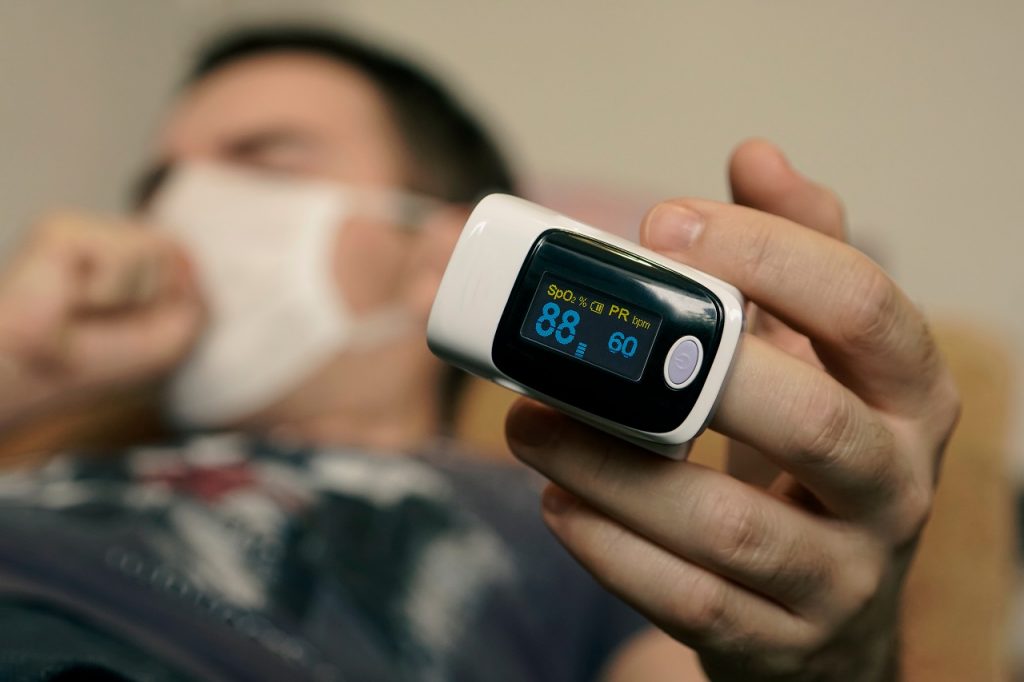
low blood oxygen levelsBlood Oxygen levels, also known as oxygen saturation or SpO2, is the amount of oxygenated haemoglobin circulating in the blood i.e it indicates how well the body carries oxygen to all parts of the body. Most of the oxygen in the body is carried by the red blood cells, which collect oxygen from the lungs and deliver it to different parts of the body. Oxygen levels above 95-100 are considered normal and a value between 91-94 requires regular monitoring (prone breathing helps improve levels in this situation), values below 91 indicates hypoxemia, low blood oxygen levels. 

The second wave of COVID-19 is affecting the youth more than the elderly. Reports suggest that the younger generation is taking time to realize the infection in their bodies which is spreading the virus more rapidly. In spite of low blood oxygen levels, a person shows no signs – a condition known as happy hypoxia (low levels of oxygen at tissue levels). 

The most efficient way to measure blood oxygen level is through an ABG test, which requires a blood sample of a person and is done in a laboratory. So, an alternative test can be done using a small device known as a pulse oximeter – a small device which is clipped on a person’s finger. It measures the blood oxygen by light absorption through a person’s pulse. This is not very accurate compared to the ABG test as it depends on many factors like dirty fingers, nail polish and poor circulation to the extremities. 

Symptoms of Low Oxygen Levels 

  • Shortness of breath or breathlessness is an uncomfortable condition which makes it difficult to get air fully into the lungs
  • Throbbing headache: lack of oxygen in the brain causes sudden and rapid increase in blood pressure in the brain, leading to throbbing headache
  • Restlessness is a feeling to constantly move, not being able to calm the mind or a combination of both.
  • Dizziness and confusion is a feeling of lightheadedness or a feeling of fainting while confusion is a situation when a person is not able to think straight. Dizziness is a temporary feeling which might come and go while confusion affects a person’s thinking capacity. Extremely low levels of oxygen can also lead to loss of consciousness or inability to stay awake or even get up.
  • Rapid breathing: Low oxygen levels in the blood causes shortness of breath and a hunger for air. Because of incomplete exhalation, carbon-di-oxide concentration increases in the body causing rapid breathing
  • Chest pain: Not getting enough oxygen into the lungs creates an urge to breathe deep and this repeated action causes pain and discomfort in the chest.
  • High blood pressure: Low levels of oxygen in the blood narrows down the pulmonary arteries which squeezes the blood into a narrow space, leading to increased blood pressure. 
  • Changes in colour of skin, lips or the extremities to blue or cherry red or shades varying between the two known as cyanosis usually happens when oxygen levels are extremely low and the person feels too cold to touch. 
  • Lack of coordination also called coordination impairment happens when there is disruption in communication between the brain and the rest of the body. Walking does not require much effort on a regular basis but when a person has low oxygen levels, they might wobble or have difficulty in lifting their legs. This usually happens when there is less oxygen supply to the brain.
  • Visual disorders: Lack of oxygen supply to the eyes causes blurred vision, burning, excessive tearing and scratching. Excessive tear production is due to inflammation of the glands in the eyes or blockage of tear ducts. There could also be redness of the eyes due to inflammation of the conjunctiva. 
  • Sense of euphoria is a feeling of excitement and happiness. Some people show symptoms of a high, which you usually have when taking drugs or side effects of any medicine. This is due to the lack of oxygen which creates confusion and people fail to realize their oxygen levels are low.
  • Rapid heartbeat: The heart sends electrical signals which make it beat and pump blood. This signal begins in the upper right chamber of the heart called the Sino Atrial Node, also the pacemaker which controls heartbeat. These electrical signals are controlled by the Autonomic Nervous System and low oxygen levels make the ANS transmit these signals at a faster rate and increase the demand for more oxygen causing rapid heart rate

The above-mentioned symptoms and the complications can easily be prevented when a person is alert and knows the symptom and measures their blood oxygen levels or SpO2 on a regular basis. SpO2, along with other symptoms of COVID-19 such as high body temperature can be easily monitored through the GOQii Smart Vital. As the new wave of COVID is said to affect children, you might also consider getting the GOQii Smart Vital Junior for your kids and imbibe healthy habits in them from a young age! 

We hope this article helps. For more on COVID-19, check out Healthy Reads or tune in to LIVE sessions by experts on GOQii Play. To get these tips and support directly from your GOQii Coach, subscribe to personalized coaching now: https://goqiiapp.page.link/wssu 

Stay home, stay safe and #BeTheForce 

January 12, 2021 By Roopa Tandur Leave a Comment

Tips To Support Your Immunity During Winter

support your immunityWith the onset of winter, there’s always that one person at home who catches a cold and spreads it to the rest of the family members due to the close proximity. Infections spread easily during winter and given the ongoing pandemic, it has become quite important to support your immunity and avoid cough, cold and flu. But, is there a way to support your immunity naturally? Let’s take a look! 

Support Your Immunity Naturally 

  1. Improve gut health as your gut is your second brain. Any disturbance in gut health will affect your immune system. Prebiotics and probiotics together help keep the gut healthy. Prebiotics in simple terms is the food that feeds the friendly bacteria in the gut. Garlic, onion, leeks, asparagus, bananas, barley, oats and flax seeds all help increase gut friendly bacteria and improve the immune system. On the other hand, probiotics are living microorganisms which give health benefits when taken orally. Probiotic foods include sauerkraut, yogurt, Kimchi and tempeh.
  2. Eat Seasonal and dark coloured fruits and vegetables which are rich in antioxidants and vitamin C like oranges, sweet lime, amla, guava, apple, sweet potato, ginger, carrot and beetroot. You can also have sea buckthorn juice which is the best known source of vitamin C having 12 times more vitamin C than an orange. These foods help us keep our moisture levels and prevent dryness due to seasonal changes.
  3. Get your daily dose of Vitamin D: As there are less food sources of vitamin D, getting a good amount of sunlight, at least 20 minutes during the day, between 9am to 3pm or including supplements to maintain your vitamin D levels is very important, especially if you are living in an area with severe cold. Low levels of vitamin D can lead to low levels of mood boosting hormone, mood swings and depression.
  4. Supplement your regular diet with immune boosting herbs like ashwagandha, tulsi, turmeric, cinnamon, cardamom, methi seeds and ginger. The list is endless! These foods help us keep warm, improve gut health, reduce inflammation and also manage stress – all of which keeps our immunity at optimum levels.
  5. Get adequate sleep of 7-8 hours: When we sleep, we give our body a chance to repair and restore itself to optimal levels. It helps you gear up for the next day’s activities. Good sleep also means fewer cravings for unhealthy food, better management of stress, less hormonal variations and weight gain.
  6. Have well-balanced meals and avoid junk and unhealthy sweets in large quantities as they cause inflammation and increase your risk of infection. Including a lot of sugar in your diet also reduces the white blood cells ability to attack invaders. Having a lot of sweets also leads to more production of free radicals, which increases inflammation and lowers immunity.
  7. Exercise regularly: Aim for 30 minutes of exercise at least 5 days a week as it improves metabolism and blood circulation. This makes it easy for the body to digest food and improved blood circulation makes it easy for cells to absorb nutrients from it. Exercising regularly also helps improve cardiovascular health, manage BP and avoid many lifestyle diseases. Exercise helps us manage our weight as being overweight impairs immunity.
  8. Quit smoking and keep a check on alcohol intake: Nicotine is known to suppress neutrophil’s ability to kill pathogens, leading to tissue damage and inflammation. Research also proves that the brains of smokers have weaker neuro-immune response to infection and inflammation. Alcohol intake kills the healthy bacteria in the gut, triggering inflammation by altering the microbiome of the gut. It also destroys the cells of the immune system which leads to increased risk of serious infection. Alcohol also disrupts the body’s critical functions as the body does not have the ability to store alcohol as it does with other nutrients like carbohydrates or fats. So the moment one consumes alcohol, all the body’s energy is concentrated in breaking down the alcohol and sending it to the liver for further metabolism. 

We hope this article helps you support your immunity and stay strong during winter. Do leave your thoughts in the comments below! For more on immunity, check out Healthy Reads or tune in to LIVE sessions by experts on GOQii Play. 

#BeTheForce 

  • « Previous Page
  • 1
  • 2
  • 3
  • 4
  • Next Page »

Search

Recent Posts

  • Navigating the Maze of Nutrition: Finding Clarity Amidst Confusion
  • Get children active and keep them healthy
  • What Gestational Diabetes Can Do To You & Your Unborn Child
  • Breathing – A Forgotten Art
  • The Incredible Benefits Of Milk You Might Not Know

Stay Updated

Archives

  • December 2025 (3)
  • November 2025 (15)
  • October 2025 (20)
  • September 2025 (6)
  • August 2025 (6)
  • July 2025 (12)
  • June 2025 (18)
  • May 2025 (16)
  • April 2025 (23)
  • March 2025 (23)
  • February 2025 (22)
  • January 2025 (26)
  • December 2024 (26)
  • November 2024 (25)
  • October 2024 (22)
  • September 2024 (24)
  • August 2024 (31)
  • July 2024 (21)
  • June 2024 (26)
  • May 2024 (31)
  • April 2024 (27)
  • March 2024 (29)
  • February 2024 (26)
  • January 2024 (25)
  • December 2023 (15)
  • November 2023 (11)
  • October 2023 (22)
  • September 2023 (22)
  • August 2023 (20)
  • July 2023 (22)
  • June 2023 (24)
  • May 2023 (24)
  • April 2023 (24)
  • March 2023 (23)
  • February 2023 (20)
  • January 2023 (16)
  • December 2022 (12)
  • November 2022 (15)
  • October 2022 (15)
  • September 2022 (12)
  • August 2022 (10)
  • July 2022 (17)
  • June 2022 (11)
  • May 2022 (10)
  • April 2022 (6)
  • March 2022 (6)
  • February 2022 (13)
  • January 2022 (12)
  • December 2021 (7)
  • November 2021 (3)
  • October 2021 (6)
  • September 2021 (3)
  • August 2021 (8)
  • July 2021 (7)
  • June 2021 (15)
  • May 2021 (16)
  • April 2021 (10)
  • March 2021 (7)
  • February 2021 (4)
  • January 2021 (4)
  • December 2020 (3)
  • November 2020 (4)
  • October 2020 (10)
  • September 2020 (3)
  • August 2020 (3)
  • July 2020 (2)
  • June 2020 (4)
  • May 2020 (10)
  • April 2020 (12)
  • March 2020 (10)
  • February 2020 (4)
  • January 2020 (4)
  • December 2019 (3)
  • November 2019 (7)
  • October 2019 (5)
  • September 2019 (4)
  • August 2019 (9)
  • July 2019 (9)
  • June 2019 (11)
  • May 2019 (4)
  • April 2019 (9)
  • March 2019 (8)
  • February 2019 (9)
  • January 2019 (8)
  • December 2018 (9)
  • November 2018 (3)
  • October 2018 (3)
  • September 2018 (5)
  • August 2018 (10)
  • July 2018 (6)
  • June 2018 (13)
  • May 2018 (8)
  • April 2018 (18)
  • March 2018 (9)
  • February 2018 (8)
  • January 2018 (15)
  • December 2017 (12)
  • November 2017 (19)
  • October 2017 (13)
  • September 2017 (15)
  • August 2017 (4)
  • July 2017 (8)
  • June 2017 (7)
  • May 2017 (6)
  • April 2017 (8)
  • March 2017 (6)
  • February 2017 (7)
  • January 2017 (9)
  • December 2016 (10)
  • November 2016 (7)
  • October 2016 (7)
  • September 2016 (7)
  • August 2016 (11)
  • July 2016 (9)
  • June 2016 (9)
  • May 2016 (12)
  • April 2016 (17)
  • March 2016 (17)
  • February 2016 (8)
  • January 2016 (6)
  • December 2015 (2)
  • November 2015 (9)
  • October 2015 (7)
  • September 2015 (9)
  • August 2015 (11)
  • July 2015 (9)
  • June 2015 (12)
  • May 2015 (9)
  • April 2015 (13)
  • March 2015 (8)
  • February 2015 (5)
  • January 2015 (12)
  • December 2014 (14)
  • November 2014 (11)
  • October 2014 (6)
  • September 2014 (13)
  • August 2014 (12)
  • July 2014 (6)
  • June 2014 (2)
  • May 2014 (7)
  • April 2014 (5)

From “Laddu Nawin” to Fit and Fierce: How a 25-Year-Old Insurance Advisor Shed 20 Kilos and Gained His Life Back

When 25-year-old Nawin Yadav from Hyderabad walked into his office every morning, he carried more than just his files and policy papers. He had the weight of fatigue, sluggish energy, and an ever-growing belly that was becoming the butt of jokes. “People … [Read More...]

“I’ve Challenged Myself to Live 100 Years” – The Story of Chandubhai Savani’s Second Chance at Life

At 67, most people start slowing down. Not Chandubhai Savani. A resident of Surat, Chandubhai, thought life was on track. “My life was going well till I had my bypass surgery,” he says. That surgery, back in 2021, was a wake-up call.  Medication was routine, but exercise wasn’t. His diet? What he calls ‘normal.’ “I […]

From Shimla’s Slopes to Chandigarh’s Sidewalks: Surinder Kaur Bhalla’s Journey from Chaos to Control

Some journeys start with a plan. Others begin with a stumble literally. Surinder Bhalla, a government professional, born and raised in the scenic hill town of Shimla, had always lived a life of movement. “In Shimla, you walked everywhere,” she reflects. “Walking was never an exercise. It was just life.” But after shifting to Chandigarh, […]

Ananda Mukherjee Health Story

From Terminal Illness To Complete Wellness! Ananda Mukherjee Health Story

As we observe World Cancer Day under the powerful theme ‘United by Unique’ (2025-2027)**, we are reminded that every individual’s journey with cancer is distinct, yet united by shared resilience, hope, and the collective fight against this disease. This theme places people at the centre of care and their stories at the heart of the […]

  • HOME
  • HEALTHY LIVING
  • FITNESS
  • HEALTHY RECIPES
  • USER STORIES
  • KARMA
  • BUY GOQii

Copyright ©2016 GOQii