
GOQii

Blog

  • HOME
  • HEALTHY LIVING
  • FITNESS
  • HEALTHY RECIPES
  • USER STORIES
  • KARMA
  • BUY GOQii

March 16, 2026 By Roopa Tandur Leave a Comment

Nutritional Deficiencies That Can Cause Hair Loss (And How to Fix Them)

hair lossHair is a tough protein made primarily of Keratin. The hair bulbs at the base of your hair follicles divide and grow to build the hair shaft, while blood vessels nourish the bulb and deliver the hormones that regulate growth.

It is perfectly normal to shed around 50 to 200 hairs every day. However, hair loss happens at different rates for different people due to various reasons: heredity, hormonal changes (like hypothyroidism), medical conditions, stress, or even post-pregnancy calorie imbalances.

But one of the most common and highly treatable causes of sudden hair thinning is a lack of essential nutrients. When your body is deprived of specific vitamins and minerals, it restricts the nutrient supply to non-essential tissues like hair follicles to protect your vital organs. Let’s explore exactly which nutritional deficiencies lead to hair loss and how you can reverse them.

5 Nutritional Deficiencies Linked to Hair Loss

  1. Vitamin D DeficiencyVitamin D is crucial for hair growth because it stimulates hair follicles and helps maintain the thickness of each strand. Keratinocytes in the skin metabolise Vitamin D into Keratin (the structural protein of your hair). Low levels of Vitamin D make it difficult for these cells to regulate hair growth and shedding. Furthermore, Vitamin D deficiency is often linked to higher stress levels, which further accelerates hair fall.
    • The Fix: Aim for 400-800 IU of Vitamin D a day. This is easily achieved with 10-30 minutes of direct daily sun exposure or through regular supplementation.
  2. Vitamin B7 or Biotin DeficiencyWhile severe biotin deficiency is relatively rare, it is a well-known culprit for hair loss. It can occur due to genetics, excessive alcohol consumption, smoking, or in people with inflammatory bowel disease. Interestingly, frequently consuming raw egg whites can also cause this deficiency, as they contain a protein called avidin that blocks the absorption of biotin in the gut.
    • Food Sources: Bananas, carrots, cooked egg yolks, legumes, and nuts.
  3. Iron Deficiency (Anaemia)When you have an iron deficiency, your body produces less haemoglobin. This results in less oxygen being transported throughout your body. Because the body prioritizes vital organs, the oxygen supply to your hair follicles is severely restricted. Without adequate oxygen, hair follicles cease to function properly, switch to a resting phase, and eventually fall out. If you notice an unusual amount of hair in your shower drain, it is time to get your haemoglobin levels tested.
    • Food Sources: Whole wheat grains, beans, chickpeas, tofu, peas, nuts, raisins, spinach, and lean meats like chicken.
  4. Vitamin C Deficiency
    Vitamin C deficiency directly impacts hair health because this vitamin is essential for the absorption of iron from your intestines. Even if you consume enough iron, a lack of Vitamin C can lead to secondary iron deficiency and subsequent hair loss. Common risk factors include a poor diet, smoking, and chronic illness.

    • Food Sources: Citrus fruits (oranges, sweet lime, lemon), strawberries, guava, sweet potatoes, chillies, thyme, kale, and broccoli.
  5. Vitamin E Deficiency
    Vitamin E possesses powerful antioxidant properties that reduce oxidative stress on the scalp. It fights free radical damage that can destroy hair cells. Additionally, Vitamin E supports a healthy scalp by protecting the lipid layer, locking in moisture, and reducing dryness and scaling.

    • Food Sources: Almonds, walnuts, pumpkin seeds, sunflower seeds, wheat germ oil, peanuts, avocados, mangoes, and spinach.

Top Tips To Reduce Hair Fall Naturally

  • Eat Balanced Meals: Ensure your daily diet contains adequate protein, complex carbohydrates, and healthy fats.
  • Stay Hydrated: Drink at least 8-10 glasses of water a day to aid the digestion and absorption of the nutrients from your food.
  • Snack Smart: Include healthy snacks between meals to maintain energy levels and prevent calorie deficits.
  • Eat the Rainbow: Include a variety of whole-grain cereals, eggs, nuts, leafy vegetables, tofu, legumes, quinoa, and dairy to cover all your nutritional bases.
  • Maintain Scalp Hygiene: Wash your hair using a mild shampoo at least twice a week to keep the follicles clear of buildup.
  • Manage Stress: Keep cortisol (stress hormone) levels in check through meditation, hobbies, or yoga, as high stress forces hair follicles into the shedding phase.
  • Prioritize Rest: Get good quality sleep and exercise at least 4-5 days a week to improve overall blood circulation to your scalp.

Frequently Asked Questions (FAQs)

Can hair grow back after a nutritional deficiency? Yes. In most cases, hair loss caused by a nutritional deficiency is temporary. Once you identify the missing nutrient (like Iron or Vitamin D) through a blood test and correct it via diet or supplements, your hair growth cycle will typically return to normal within a few months.

Which vitamin is most responsible for hair loss? Deficiencies in Vitamin D, Iron, and Vitamin B12/B7 (Biotin) are the most common nutritional culprits behind excessive hair shedding and thinning.

How much hair fall is normal daily? It is perfectly normal to shed between 50 to 200 hair strands per day as part of the natural hair growth and renewal cycle.

We hope this article on nutritional deficiencies that can cause hair loss helps you! For more on hair loss and hair care, check out Healthy Reads or speak to a certified expert by subscribing to GOQii’s Personalised Health Coaching here. 

#BeTheForce 

Disclaimer: GOQii is committed to providing accurate, up-to-date, and comprehensive health information. This article is intended for informational purposes only and should not be used as a substitute for professional medical advice, diagnosis, or treatment. Always consult a qualified healthcare professional before starting or changing any medication, or sleep routine. Individual responses to lifestyle changes may vary.

January 30, 2026 By Roopa Tandur 2 Comments

Why Do We Gain Weight During Winter?

gain weight during winterHave you noticed that you tend to gain weight during winter? While there are many factors at play here, is it true for everybody? If you’re one of those who gain weight during winter, it is best to know why it happens and take necessary measures to prevent it!

Let’s Analyse Why We Gain Weight During Winter

  1. Less Water Intake: As we aren’t thirsty and neither do we sweat as much as we do during summer, we tend to drink very little water which makes us lethargic and fatigued. The usual signs like dry and flaky skin is an indicator that one is not having enough water. We use moisturisers instead and not increase water intake which gives more room for frequent infection and dehydration leading to headache and dry cough
  2. Not Exercising Enough: With the pleasant winter chills, it is a little difficult to get off the couch or bed. This leads to fewer calories being burned and as a result, weight gain!
  3. Increased Production of Melatonin: Less sunlight and shorter days affect our hormones and some people tend to produce more of the hormone melatonin which controls our sleep-wake cycle. This increased production of melatonin induces sleep when it is not the time to sleep, making one lazy, lacking motivation and energy. It also increases appetite and leads to eating more.
  4. Increase in Metabolism: While this sounds great, it doesn’t really support your weight loss goals during winter. The sudden increase in metabolism will burn more calories to keep you warm but it will also make you hungrier.
  5. Staying Indoors: makes us lazy and bored. When bored, we begin binge-watching followed by binge-eating comfort or fried food which is high in sugar and salt. It doesn’t take a genius to figure that this contributes to weight gain as well.  

How Do We Prevent Gaining Weight This Season?

There is an effective way to break the vicious cycle of more sleep, less healthy food and little to no exercise! Here’s how you can avoid gaining weight during winter.

  1. Choose Foods Wisely: Choose healthy, home-cooked meals such as soups. Opt for green tea. You can even add natural spices to your meals which are warm and benefit your health. Choose foods which can be paired with others or can be eaten any time of the day. Swap options like sauces available in markets to homemade hummus or dips.
  2. Pick a Hobby: Concentrate on other things like hobbies, sports, painting or reading books. You can even clean your house if you’ve been postponing it. Do something that engages you instead of finding comfort in food.
  3. Time Your Sleep: Maintain sleep timings which will set your circadian rhythm and help you stay active through the day or take power naps in the afternoon instead of sleeping for long hours
  4. Exercise: Plan indoor activities and exercises like yoga, skipping, stair activities which will help you be active more regularly. In fact, you can tune in to GOQii Play and browse some indoor workouts by fitness experts or yoga and meditation by yoga specialists. You can even opt for making group plans which have less chances of failure. If you can’t find a group, join our LIVE, interactive, GOQii PRO sessions conducted by experts within the GOQii App. 

That’s all! Mind what you eat, sleep on time and exercise regularly to not gain weight during winter. We hope you found this article useful! Please leave your thoughts in the comments below.

For more on weight loss, fitness and being healthy, check out Healthy Reads or ask a GOQii Coach by subscribing for Personalised Health Coaching here.

#BeTheForce 

Disclaimer: The information provided in this blog is for general awareness and educational purposes only. It is not intended to replace professional medical advice, diagnosis, or treatment. Always consult a qualified healthcare provider for personalised medical guidance or concerns related to your health.

January 8, 2026 By Roopa Tandur 1 Comment

5 Interesting Ways To Include Citrus Fruits In Your Diet

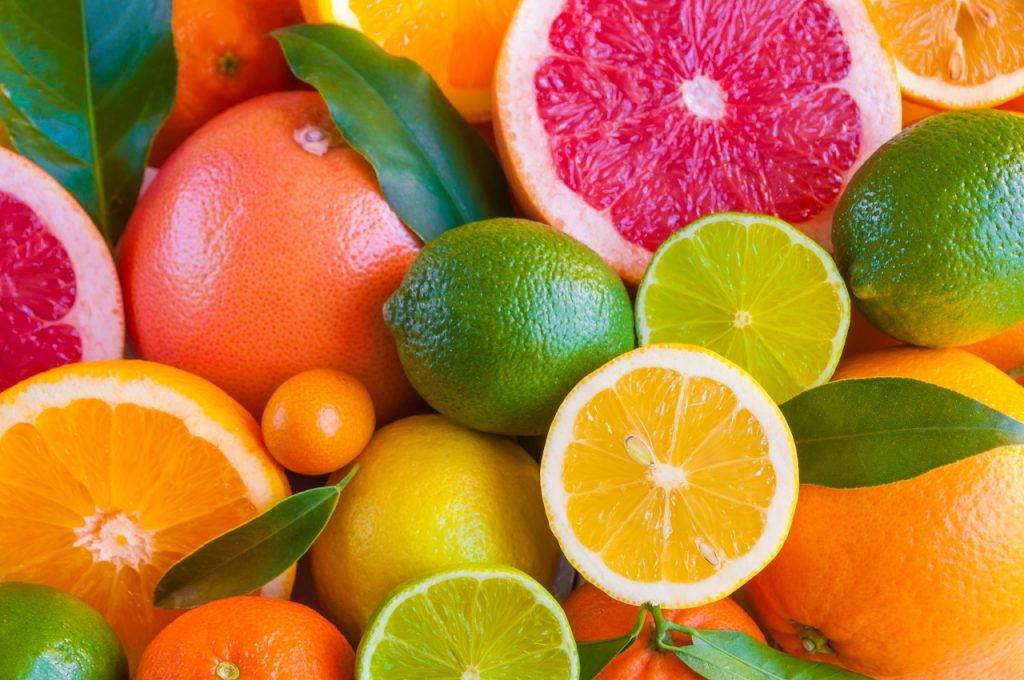
citrus fruitsThe moment one imagines citrus fruits, the image of yellow-orange coloured tangy fruits comes to mind, which can instantly add taste to a dish. Citrus fruits mainly include lemon, sweet lime, orange, grapefruit and tangerine.
They are packed with nutrients like Vitamin C, antioxidants, flavonoids, potassium and citric acid which have many health benefits like maintaining electrolyte balance, regulating acid-alkaline balance in the body, preventing heart disease, managing acidity, improving digestion, preventing constipation, and building good immunity. 

While lemon is widely used in beauty products for its immense benefits on hair and skin, including it in your diet adds to its taste and nutrients. Citrus fruits can be included in your diet easily to make your meals more appetizing and tasty. All this while also giving you the much required health benefits. 

How To Add Citrus Fruits To Your Diet 

  1. Breakfast
    Include vegetable and citrus fruit smoothies like tomato and orange juice or celery, sweet lime and spinach juice or whole fruits to your breakfast. It is an easy and quick way to add nutrients to your meal especially if you’re running late for work. You can replace your morning coffee with orange juice or add lemon juice to your green tea instead of drinking milk tea with breakfast. 
  2. Sprinkle Lemon Juice
    Sprinkle lemon juice on your sprouts or peanut salad or include lemon slices as a salad. You can have this as your mid-morning or evening snack. This may help you reduce stress eating and also aid weight loss as well as manage acidity as these snacks are low on fat and loaded with a good amount of micronutrients.
     
  3. Make a Dessert
    Make a dessert using citrus fruits or citrus fruit juices. You can also add lemon zest to your cakes and puddings or add orange juice to your nutrition bars instead of sugar. This will enhance the taste and up the nutrient content, making your dish more flavorful.
     
  4. Pickling
    Pickling citrus foods is the oldest and most widely known method of preserving them. It can be stored for the whole year and can be had during seasons when we do not get foods rich in Vitamin C. These fruits can also be used in making jams which can be stored for quite some time.
     
  5. Detox Water
    Add lemon, orange or grapefruit slices to your water. This helps clean your system by removing toxins from your body. It also improves energy levels, keeps the skin clear and healthy, improves sleep quality and also your mood with its potassium levels! It also supports weight loss.  

We hope this article helps you. Is there an interesting way you add citrus fruits to your diet? Let us know in the comments below. For more interesting tips on diet and nutrition, check out Healthy Reads or speak to a certified expert by subscribing to GOQii’s Personalised Health Coaching here.

#BeTheForce 

Disclaimer: The information provided in this blog is for general awareness and educational purposes only. It is not intended to replace professional medical advice, diagnosis, or treatment. Always consult a qualified healthcare provider for personalised medical guidance or concerns related to your health. Images shown are for representation purposes only and may not depict the exact recommendations or outcomes.

June 12, 2025 By Roopa Tandur 5 Comments

11 Fat Burning Foods You Should Try For Weight Loss!

fat burning foodsYou’ve been exercising, eating in measured quantities, counting your calorie intake, controlling cravings, and drinking plenty of water. Yet, even after 5–6 weeks of doing everything right, the scale refuses to budge. You start to wonder—could it be your food choices? Quite possibly. But don’t worry—try these fat-burning foods which may boost your metabolism and support your weight loss journey.



Fat Burning Foods For Weight Loss

  1. Eggs:
    Often called a nutritional powerhouse, eggs top the list as a complete food. High in protein and healthy fats, they keep you fuller for longer. People who include eggs in their breakfast tend to experience fewer cravings throughout the day, along with improved waist circumference and body fat reduction.
  2. Green Tea:
    A potent antioxidant, green tea triggers fat cells to release stored fat for energy. It may also reduce body fat and lower cholesterol. Its flavonoids and phytochemicals are known to boost metabolism and aid recovery after intense workouts.
  3. Nuts & Seeds:
    Almonds, walnuts, flaxseeds, and pumpkin seeds are rich in micronutrients like magnesium, selenium, and zinc. These healthy fats curb hunger and may help reduce belly fat. Flaxseeds are particularly high in fibre and mucilage, creating a sense of satiety when soaked in water.
  4. Fatty Fish:
    Fish like salmon, herring, sardines, and mackerel are rich in omega-3 fatty acids, which help reduce inflammation. Their high-quality protein supports lean muscle mass, increases metabolism, and enhances fat burning—even at rest.
  5. Avocados:
    Packed with monounsaturated fats and minerals like potassium and magnesium, avocados reduce bloating, aid nutrient absorption, and support digestion. Their healthy fats and fibre also help you feel full for longer.
     
  6. Leafy Greens:
    Kale, spinach, and collard greens are loaded with magnesium and iron, which reduce stress and aid oxygen flow. Stress is often linked with weight gain, so leafy greens can indirectly support weight loss while being easy to incorporate into your meals.
  7. Probiotics like Yoghurt:
    Probiotics improve gut health, reduce bloating, enhance immunity, and promote better nutrient absorption. A balanced gut may lead to a faster metabolism. Natural yoghurt (unsweetened) is a widely available probiotic option in the UK.
     
  8. Spices (Pepper & Cinnamon):
    Pepper contains capsaicin, which burns belly fat and boosts energy conversion. Cinnamon helps cells absorb glucose more efficiently. Both may help reduce water retention and salt cravings while supporting fat metabolism.
  9. Apple Cider Vinegar (ACV):
    Taking ACV before meals may slow carb digestion and reduce blood sugar spikes—one of the causes of fat storage. It also supports digestion and helps you feel full sooner.
  10. Legumes:
    Beans, peas, chickpeas, and lentils offer protein, fibre, and complex carbs. They support muscle formation and slow the release of sugars into the bloodstream, promoting sustained energy and fat loss.
  11. Healthy Oils (Coconut & Olive Oil):
    Coconut oil contains MCTs that suppress hunger and aid fat burning, while olive oil improves insulin sensitivity and helps regulate blood sugar levels. Both can support metabolism and satiety when used in moderation.

Add these foods to your weight loss plan mindfully. Always consult your GP, dietitian, or nutritionist—especially if you have any allergies or pre-existing health conditions.

Want more tips on sustainable weight loss? Explore our articles here or subscribe to GOQii’s Personalised Health Coaching here.

#BeTheForce 

Disclaimer: The information provided in this blog is for general awareness and educational purposes only. It is not intended to replace professional medical advice, diagnosis, or treatment. Always consult a qualified healthcare provider for personalised medical guidance or concerns related to your health. Images shown are for representation purposes only and may not depict the exact recommendations or outcomes.

  • 1
  • 2
  • 3
  • 4
  • Next Page »

Search

Recent Posts

  • Brain Longevity: How to Stay Mentally Sharp After 40
  • The Role of Glutamine: Why This Amino Acid is Crucial for Muscle Recovery
  • Biological Age vs. Chronological Age: How to Measure Your True Vitality
  • Sustaining the “GLP-1 Glow”: Nutrition for Skin and Tissue Elasticity
  • Glucose Spikes vs. Calories: Why Blood Sugar Matters More for Ageing

Stay Updated

Archives

  • March 2026 (17)
  • February 2026 (14)
  • January 2026 (14)
  • December 2025 (19)
  • November 2025 (15)
  • October 2025 (20)
  • September 2025 (6)
  • August 2025 (6)
  • July 2025 (12)
  • June 2025 (18)
  • May 2025 (16)
  • April 2025 (22)
  • March 2025 (28)
  • February 2025 (22)
  • January 2025 (25)
  • December 2024 (22)
  • November 2024 (23)
  • October 2024 (21)
  • September 2024 (24)
  • August 2024 (30)
  • July 2024 (21)
  • June 2024 (25)
  • May 2024 (31)
  • April 2024 (27)
  • March 2024 (27)
  • February 2024 (25)
  • January 2024 (21)
  • December 2023 (14)
  • November 2023 (11)
  • October 2023 (19)
  • September 2023 (22)
  • August 2023 (18)
  • July 2023 (22)
  • June 2023 (24)
  • May 2023 (24)
  • April 2023 (23)
  • March 2023 (23)
  • February 2023 (19)
  • January 2023 (15)
  • December 2022 (11)
  • November 2022 (15)
  • October 2022 (15)
  • September 2022 (12)
  • August 2022 (10)
  • July 2022 (17)
  • June 2022 (11)
  • May 2022 (10)
  • April 2022 (6)
  • March 2022 (6)
  • February 2022 (13)
  • January 2022 (11)
  • December 2021 (7)
  • November 2021 (3)
  • October 2021 (6)
  • September 2021 (3)
  • August 2021 (8)
  • July 2021 (7)
  • June 2021 (15)
  • May 2021 (16)
  • April 2021 (10)
  • March 2021 (7)
  • February 2021 (4)
  • January 2021 (4)
  • December 2020 (3)
  • November 2020 (4)
  • October 2020 (10)
  • September 2020 (3)
  • August 2020 (3)
  • July 2020 (2)
  • June 2020 (4)
  • May 2020 (10)
  • April 2020 (12)
  • March 2020 (10)
  • February 2020 (4)
  • January 2020 (4)
  • December 2019 (3)
  • November 2019 (7)
  • October 2019 (5)
  • September 2019 (4)
  • August 2019 (9)
  • July 2019 (9)
  • June 2019 (11)
  • May 2019 (4)
  • April 2019 (8)
  • March 2019 (8)
  • February 2019 (9)
  • January 2019 (8)
  • December 2018 (9)
  • November 2018 (3)
  • October 2018 (3)
  • September 2018 (5)
  • August 2018 (10)
  • July 2018 (6)
  • June 2018 (13)
  • May 2018 (8)
  • April 2018 (18)
  • March 2018 (9)
  • February 2018 (8)
  • January 2018 (15)
  • December 2017 (12)
  • November 2017 (19)
  • October 2017 (13)
  • September 2017 (15)
  • August 2017 (4)
  • July 2017 (8)
  • June 2017 (7)
  • May 2017 (6)
  • April 2017 (8)
  • March 2017 (6)
  • February 2017 (7)
  • January 2017 (9)
  • December 2016 (10)
  • November 2016 (7)
  • October 2016 (7)
  • September 2016 (7)
  • August 2016 (11)
  • July 2016 (9)
  • June 2016 (9)
  • May 2016 (12)
  • April 2016 (17)
  • March 2016 (17)
  • February 2016 (8)
  • January 2016 (6)
  • December 2015 (2)
  • November 2015 (9)
  • October 2015 (7)
  • September 2015 (9)
  • August 2015 (11)
  • July 2015 (9)
  • June 2015 (12)
  • May 2015 (9)
  • April 2015 (13)
  • March 2015 (8)
  • February 2015 (5)
  • January 2015 (12)
  • December 2014 (14)
  • November 2014 (11)
  • October 2014 (6)
  • September 2014 (13)
  • August 2014 (12)
  • July 2014 (6)
  • June 2014 (2)
  • May 2014 (7)
  • April 2014 (4)

From “Laddu Nawin” to Fit and Fierce: How a 25-Year-Old Insurance Advisor Shed 20 Kilos and Gained His Life Back

When 25-year-old Nawin Yadav from Hyderabad walked into his office every morning, he carried more than just his files and policy papers. He had the weight of fatigue, sluggish energy, and an ever-growing belly that was becoming the butt of jokes. “People … [Read More...]

“I’ve Challenged Myself to Live 100 Years” – The Story of Chandubhai Savani’s Second Chance at Life

At 67, most people start slowing down. Not Chandubhai Savani. A resident of Surat, Chandubhai, thought life was on track. “My life was going well till I had my bypass surgery,” he says. That surgery, back in 2021, was a wake-up call.  Medication was routine, but exercise wasn’t. His diet? What he calls ‘normal.’ “I […]

From Shimla’s Slopes to Chandigarh’s Sidewalks: Surinder Kaur Bhalla’s Journey from Chaos to Control

Some journeys start with a plan. Others begin with a stumble literally. Surinder Bhalla, a government professional, born and raised in the scenic hill town of Shimla, had always lived a life of movement. “In Shimla, you walked everywhere,” she reflects. “Walking was never an exercise. It was just life.” But after shifting to Chandigarh, […]

Ananda Mukherjee Health Story

From Terminal Illness To Complete Wellness! Ananda Mukherjee Health Story

As we observe World Cancer Day under the powerful theme ‘United by Unique’ (2025-2027)**, we are reminded that every individual’s journey with cancer is distinct, yet united by shared resilience, hope, and the collective fight against this disease. This theme places people at the centre of care and their stories at the heart of the […]

  • HOME
  • HEALTHY LIVING
  • FITNESS
  • HEALTHY RECIPES
  • USER STORIES
  • KARMA
  • BUY GOQii

Copyright ©2016 GOQii
