GOQii

Blog

  • HOME
  • HEALTHY LIVING
  • FITNESS
  • HEALTHY RECIPES
  • USER STORIES
  • KARMA
  • BUY GOQii

June 23, 2025 By GOQii 7 Comments

The Preliminary Step To Weight Loss Is Training Your Mind

the preliminary step to weight loss is training your mindWe’ve noticed that many of our players often say the same thing when it comes to losing weight:
“I don’t think I’ll lose weight no matter how hard I try because I don’t have the willpower.”

If you’re already aware that willpower is something you struggle with, that’s actually a good place to start. Because once you’re aware, you can take active steps to strengthen it and the truth is, it’s far easier than you think!

Barriers To Weight Loss

Weight loss starts with a decision – a mindset shift. You can absolutely lose weight if you decide to. But the biggest barrier isn’t the workout or the diet plan. It’s self-discipline and willpower to consistently follow the habits your coach has set for you.

Often, people get caught in a cycle:

  • Eating too many refined carbs, fats, and processed foods
  • Feeling constantly tired or lethargic
  • Avoiding exercise
  • Losing motivation
  • Giving up altogether

It becomes a loop of frustration and hopelessness. But here’s the good news – you can break that cycle.

Only You Can Make The Change!

There is a way forward and it starts with you.

Willpower isn’t a magical trait you’re born with or without. It’s more like a muscle – a skill that improves with practice.
For example, the first time you turn down your favourite sweet, it’s hard. But the next time? It’s a bit easier. Do it enough, and it becomes second nature.

But how exactly do you say no?

preliminary step to weight lossIt’s All in Your Brain

Whether a habit is good or bad, your brain is always learning. When you repeat a behaviour, your brain forms a neural pathway that gets stronger over time. Give in to cravings once, and your brain starts laying the groundwork for that to become a habit. Repeat it, and the pathway becomes stronger.

The key is to shift focus from habits that harm you to those that serve you.
You’re not trying to erase the old – you’re building something better.

If you need help replacing negative patterns with sustainable, healthy habits, consider working with a professional.

A GOQii Coach can guide you through the entire process, helping you develop the mindset, motivation, and structure you need to succeed.

Subscribe to GOQii’s Personalised Health Coaching to build the mental strength and lifestyle habits that support lasting weight loss.

For more articles on weight loss, check out Healthy Reads.

#BeTheForce

Disclaimer: The information provided in this blog is for general awareness and educational purposes only. It is not intended to replace professional medical advice, diagnosis, or treatment. Always consult a qualified healthcare provider for personalised medical guidance or concerns related to your health. Images shown are for representation purposes only and may not depict the exact recommendations or outcomes.

June 19, 2025 By GOQii 3 Comments

How to Burn Fat With Exercise

burning fat with exerciseDon’t be misled by the so-called fat-burning zone. This widely held belief suggests that working at a lower intensity (e.g. walking) is better for fat burning than exercising at a higher effort level (e.g. running). The reality is quite the opposite – the harder you exercise, the more calories you burn, and it’s the total calories burned that truly count when it comes to fat loss.

Choosing the Right Fat Loss Exercise

There’s no one-size-fits-all ‘ultimate’ calorie-burning activity. The energy you expend depends on the effort you apply, your skill level, duration and how consistently you do it. Choose an activity that you can stick with regularly. That means picking something you genuinely enjoy and can access easily – because no one wants their workouts to be a chore.

Exercise Larger Muscles For Greater Calorie Burn

Effective fat-burning activities engage large muscle groups – such as the thighs, glutes, chest, and back. The greater the overall muscle recruitment, the higher the calorie burn. For example, rowing – which engages the upper and lower body – burns significantly more calories than arm-only cardio machines at the gym.

Sustainable Exercise is Key

To ignite your body’s calorie furnace, your workout needs to be sustainable over time. Skipping is a brilliant cardiovascular activity, but if you only do it for a few minutes, the benefits are limited. According to the American College of Sports Medicine, aim for 20–60 minutes per session, three to five times per week. This doesn’t have to be continuous—you can break it up into manageable chunks.

Maximise Fat Burn With Interval Training

Interval training – alternating between high-effort bursts and rest – is one of the best ways to burn more calories efficiently. It boosts aerobic fitness and is time-effective. To get started, try a 2:2 work-to-rest ratio: push beyond your comfort zone during effort periods and ease off during recovery.

Weight-Bearing Activities Burn More

Exercises like walking and running, where you carry your own bodyweight, typically burn more calories than supported activities like cycling or swimming. Why? Because you’re working against gravity. That added resistance increases your energy expenditure.

Should You Exercise on an Empty Stomach?

There’s a belief that morning fasted workouts burn more fat because the body taps into fat stores for fuel. While that may be true in theory, lack of energy could reduce workout intensity or duration. It’s important to listen to your body and choose what works best for you.

The ‘After Burn’ Effect

One of the most exciting benefits of exercise is that fat burning continues even after your workout. This is known as the after burn or excess post-exercise oxygen consumption (EPOC). Research shows this effect is significantly higher after working out at 75% or more of your maximum heart rate – another reason to prioritise intensity.

Progressively Increase Intensity

To keep seeing results, you must keep progressing. This doesn’t necessarily mean pushing harder—it means increasing workload as your fitness improves. If you stay in your comfort zone, your results will plateau.

Move More Throughout the Day

Research from the Mayo Clinic shows that leaner individuals tend to move more throughout the day than those who are overweight. Their non-exercise activity thermogenesis (NEAT) – the energy burned during daily movement like standing, fidgeting, or walking – can account for up to 350 extra calories a day. So stand up, stretch, take the stairs – it all adds up!

Sample Calorie Burn Per Hour (values approximate for a 70kg adult)

Activity

Calories Burned/hour

Running (8-minute mile pace)

720–910 kcal

Swimming (continuous laps)

630–730 kcal

Uphill walking (10% incline)

590–690 kcal

Fat loss through exercise is not about gimmicks – it’s about consistency, variety, and effort. Choose activities you enjoy, aim for progression, and remember that small movements throughout the day matter too.

Did you find this article helpful? Let us know in the comments below! For more on weight loss, click here.

#BeTheForce

Disclaimer: The information provided in this blog is for general awareness and educational purposes only. It is not intended to replace professional medical advice, diagnosis, or treatment. Always consult a qualified healthcare provider for personalised medical guidance or concerns related to your health. Images shown are for representation purposes only and may not depict the exact recommendations or outcomes.

June 17, 2025 By GOQii Leave a Comment

Why Longevity Must Be India’s Next Health Mission

For the first time in human history, living to 90 or even 100 is no longer a rare feat—it’s becoming the norm. But behind this celebration of longer life lies a sobering truth: we’re living longer, but not necessarily better.

Across the world, people are spending more of their later years grappling with chronic illness, frailty, and declining independence. This trend, often called the “decompression of morbidity,” is stretching health systems, straining economies, and impacting quality of life on a massive scale.

We are standing at the edge of a demographic revolution. The core challenge facing us today isn’t how to extend lifespan—we’ve already done that. The real question is: How do we extend health span?

What Is Healthspan – and Why Does It Matter

Healthspan refers to the years a person lives in good health, free from serious illness, mental decline, and disability. It’s about not just how long you live, but how well you live.

Imagine reaching the age of 80 and still being physically active, mentally sharp, and emotionally fulfilled. That’s the promise of healthy longevity—and it’s not just a dream anymore. Thanks to advances in medicine, genomics, artificial intelligence, and preventive healthcare, we now know that ageing is not fixed. It’s flexible. Malleable. Even reversible in some areas.

Science has shown that the processes that cause ageing—cellular damage, inflammation, loss of muscle and cognitive function—can be slowed, delayed, and in some cases, restored. But to turn this knowledge into reality, we need a complete shift in how we approach health.

A System Built for Sickness, Not for Longevity

Most healthcare systems today are reactive. They wait for the disease to appear, then scramble to treat it. But by the time symptoms show up, the damage is often already done.

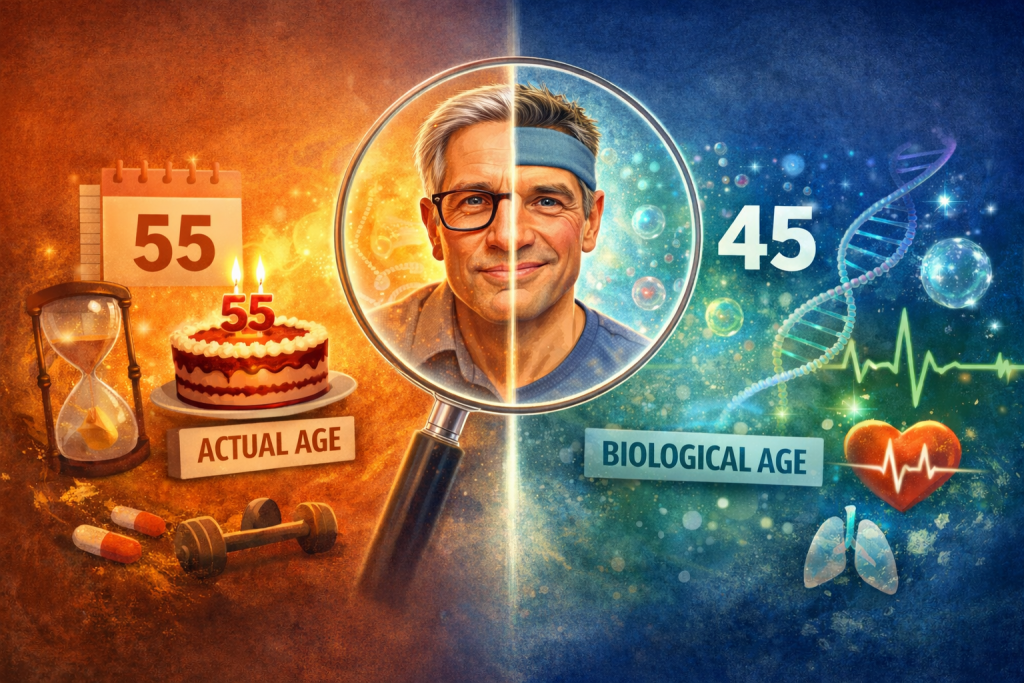
A longevity-focused approach flips this model. It emphasises early detection, continuous monitoring, lifestyle interventions, and personalised care. Instead of simply treating illness, we need to start managing ageing itself—tracking biological age, not just the number on a birth certificate.

This requires investment not only in technology, but in rethinking everything from urban planning and public health policies to diet, exercise, and social connection. Longevity is not a pill or a procedure—it’s a lifestyle supported by a system that enables it.

The Global Wake-Up Call

The urgency is clear. Several research papers on longevity indicate that by 2050, nearly 20% of the global population of estimated 8.2 billion will be over 65, double the percentage from just a few decades ago. This isn’t a challenge for the future, it’s one we must face today.

While ageing populations have long been associated with wealthier countries, the reality has changed. The majority of the world’s older adults now live in low- and middle-income countries. Places like India, with a rapidly growing elderly population, are on the frontlines of this shift.

And yet, this is also where the greatest opportunity lies.

Why India Can Lead the Longevity Movement

India has a unique advantage in the global longevity landscape. We are a young nation, demographically speaking, but also home to over 140 million people over the age of 60, a number expected to double by 2050. This duality gives us the urgency and the scale to build solutions for both present and future generations.

But more importantly, India brings something few other countries do: a culture that already values holistic well-being. For centuries, our traditions have emphasised the balance of mind, body, and spirit through yoga, Ayurveda, meditation, and community living. These aren’t just cultural practices; they are pillars of a longevity lifestyle.

Combined with our digital innovation, scientific talent, and entrepreneurial energy, India is well-positioned to develop, test, and export models of healthy ageing that are affordable, scalable, and rooted in prevention.

The XPRIZE Signal: A $101 Million Push Toward Longevity

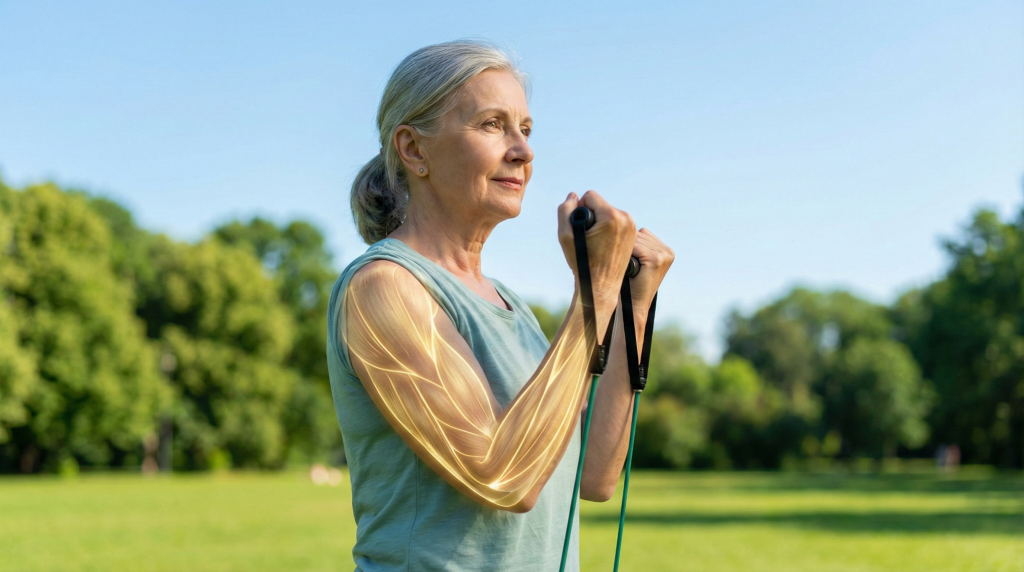
The global focus on healthy ageing has never been stronger, and leading this momentum is the XPRIZE Healthspan competition, a groundbreaking $101 million initiative challenging innovators worldwide to rethink what’s possible in longevity science. The mission is bold: to develop solutions that can rejuvenate the body and mind of people aged 50–80, restoring muscle strength, cognitive abilities, and immune function by at least a decade, all within just 12 months.

It’s a call to the world’s brightest minds to not just extend life, but to meaningfully turn back the biological clock.  Among the 40 global semifinalists—and the only one representing India – is GOQii’s Project Sanjeevini, an advanced health platform that seamlessly integrates artificial intelligence, genomics, and behavioural science to deliver deeply personalised, real-time care. Designed to adapt to each individual’s unique biology and lifestyle, Sanjeevini represents a bold new approach to healthy ageing on a global scale. Unlike typical wellness tools, Sanjeevini operates as a living, learning system—tracking biological markers in real time and delivering targeted interventions based on user behaviour and biology.

This kind of bold thinking is what we need more of—urgently. The longevity movement is not about extending elite access to anti-ageing tools. It’s about creating systems and environments where everyone, regardless of income or geography, can thrive in later life.

Redefining Ageing, Globally and Personally

We need to rewrite the story of ageing—from a period of decline to a time of continued growth, contribution, and vitality. A 70-year-old should not be seen as someone winding down, but as someone potentially hitting a new stride, with the support of an intelligent, personalised health system.

This isn’t science fiction. It’s a global health strategy whose time has come. India can—and must—be a leader in this transformation. Not just for its people, but for the world. Because when we invest in longevity, we’re not just adding years to life—we’re adding life to years.

#BeTheForce

June 4, 2025 By GOQii 20 Comments

Myths, Tips and Tricks for Weight Loss

Weight LossAre you struggling to lose weight? Have you tried everything from fad diets to exercise routines and health clubs but found no lasting results? Perhaps you’ve even regained the kilos as quickly as you lost them. So, when it comes to weight loss—what actually works?

Since every person’s body type and composition differ, weight loss varies from individual to individual. What remains common, however, is that weight loss must be holistic—diet alone isn’t the answer. The ideal approach combines several lifestyle factors.

The key to weight loss lies in making lasting changes to both your eating habits and overall lifestyle. Weight gain doesn’t happen overnight—it’s not the result of a few weeks or even months, but often years of overeating and poor habits. The safest and most effective way to lose weight is sensibly. For instance, shedding a kilo a week is both achievable and sustainable.

Crash diets should be avoided—they tend to fail over time. Extreme diets can slow down the body’s metabolism. Sustainable weight loss comes from gradual, permanent dietary changes. Don’t try to overhaul your diet all at once. Begin with small tweaks and build on them until balanced, nutritious choices become your new normal. Gradual change is more likely to form lasting habits.

Some Myths, Tips & Fun Tricks For Weight Loss

Myths

  • A glass of warm water in the morning helps you lose weight: Many believe hot water on an empty stomach melts fat. But fat doesn’t dissolve in water—hot or cold.
  • Switching sugar with honey will aid weight loss: While honey has many therapeutic properties, curing obesity isn’t one of them.
  • Bananas are fattening: This fruit is often misunderstood. It has calories similar to other fruits and is a great source of potassium. It’s filling and helps relieve constipation.
  • Standing while eating burns more calories: Not quite. You’re likely to eat more while standing. It’s always better to sit and eat mindfully—unless circumstances demand otherwise.
  • Skipping breakfast is good for dieting: Avoid skipping breakfast. It may lead to overeating later. Your body is in a fasting state overnight, and breakfast helps refuel and kickstart metabolism.
  • Potatoes are fattening: Surprisingly, potatoes are a better option than bread—boiled potatoes are far less fattening than fried ones or refined carbs.
  • Saunas help in shedding kilos: You might feel refreshed post-sauna, but the weight lost is only water. Once you rehydrate, your weight returns.

Tips

  • Eat plenty of leafy greens, fruits and whole grains.
  • Stay well-hydrated. Often, what feels like hunger is actually thirst. Here’s how to tell the difference.
  • Watch your nutrient intake. Divide your plate into four quarters – fill half with vegetables and fruits. The rest can be balanced between dairy, beans or cereals.
  • Choose smaller, more frequent meals over the traditional three – breakfast, lunch and dinner. Ideally, eat every 2.5–3 hours.
  • Have a colourful plate – with natural colours! Think vibrant vegetables and fruits for both nutrition and visual appeal.
  • Eat mindfully and chew thoroughly. It improves digestion, encourages portion control and reduces overeating.
  • Got a sweet tooth? Don’t deny it—satisfy it mindfully. Pick something that lasts, like a peppermint. If it’s high in sugar or fat, just take a bite—you’re after the taste, not the calories.
  • If indulging in sweets or fried food, have them at breakfast. Your metabolism is most active then—and you’ve got the rest of the day to burn off the extra energy.
  • Lack of sleep can lead to unnecessary snacking. Prioritise restful sleep to support your weight goals.
  • Breathe deeply into your belly. Fat burns in the flame of oxygen. Equal focus on exhaling helps detoxify your system.
  • Move every day. If you’re short on time, even 20 minutes of activity makes a difference. Remember, some movement is better than none!

Tricks

  • Set up a reward system. Having something to look forward to at each milestone helps keep you emotionally and mentally on track.
  • Be realistic with your goals – don’t aim for an unrealistic figure. Achieving a practical target can boost your confidence to keep going.
  • This might sound odd – but it works. When tempted by a snack, take a deep breath and count to 100. Chances are, the craving will pass.
  • Craving chocolate? Take a whiff of a strong perfume—it can dull the urge.
  • Try pinching your ear! Reflexologists believe it can curb cravings and reduce appetite.
  • Stay motivated. Visualise your desired weight or outfit. Imagine how you’ll feel and how others will respond. That mental image can be a powerful motivator.

The takeaway? Weight loss is a by-product of a healthy, active lifestyle. It’s you who has to get up, get moving, and choose a healthier path—meal by meal, step by step.

Do you have any other myths, tips or tricks you’d like to share? Drop them in the comments below! For more on Weight Loss, check out Healthy Reads. For the right guidance and motivation to work towards your health goals, subscribe for GOQii’s Personalised Health Coaching here.

#BeTheForce

Disclaimer: The information provided in this blog is for general awareness and educational purposes only. It is not intended to replace professional medical advice, diagnosis, or treatment. Always consult a qualified healthcare provider for personalised medical guidance or concerns related to your health. Images shown are for representation purposes only and may not depict the exact recommendations or outcomes.

  • « Previous Page
  • 1
  • …
  • 5
  • 6
  • 7
  • 8
  • 9
  • …
  • 83
  • Next Page »

Search

Recent Posts

  • Navigating the Maze of Nutrition: Finding Clarity Amidst Confusion
  • Get children active and keep them healthy
  • What Gestational Diabetes Can Do To You & Your Unborn Child
  • Breathing – A Forgotten Art
  • The Incredible Benefits Of Milk You Might Not Know

Stay Updated

Archives

  • December 2025 (3)
  • November 2025 (15)
  • October 2025 (20)
  • September 2025 (6)
  • August 2025 (6)
  • July 2025 (12)
  • June 2025 (18)
  • May 2025 (16)
  • April 2025 (23)
  • March 2025 (23)
  • February 2025 (22)
  • January 2025 (26)
  • December 2024 (26)
  • November 2024 (25)
  • October 2024 (22)
  • September 2024 (24)
  • August 2024 (31)
  • July 2024 (21)
  • June 2024 (26)
  • May 2024 (31)
  • April 2024 (27)
  • March 2024 (29)
  • February 2024 (26)
  • January 2024 (25)
  • December 2023 (15)
  • November 2023 (11)
  • October 2023 (22)
  • September 2023 (22)
  • August 2023 (20)
  • July 2023 (22)
  • June 2023 (24)
  • May 2023 (24)
  • April 2023 (24)
  • March 2023 (23)
  • February 2023 (20)
  • January 2023 (16)
  • December 2022 (12)
  • November 2022 (15)
  • October 2022 (15)
  • September 2022 (12)
  • August 2022 (10)
  • July 2022 (17)
  • June 2022 (11)
  • May 2022 (10)
  • April 2022 (6)
  • March 2022 (6)
  • February 2022 (13)
  • January 2022 (12)
  • December 2021 (7)
  • November 2021 (3)
  • October 2021 (6)
  • September 2021 (3)
  • August 2021 (8)
  • July 2021 (7)
  • June 2021 (15)
  • May 2021 (16)
  • April 2021 (10)
  • March 2021 (7)
  • February 2021 (4)
  • January 2021 (4)
  • December 2020 (3)
  • November 2020 (4)
  • October 2020 (10)
  • September 2020 (3)
  • August 2020 (3)
  • July 2020 (2)
  • June 2020 (4)
  • May 2020 (10)
  • April 2020 (12)
  • March 2020 (10)
  • February 2020 (4)
  • January 2020 (4)
  • December 2019 (3)
  • November 2019 (7)
  • October 2019 (5)
  • September 2019 (4)
  • August 2019 (9)
  • July 2019 (9)
  • June 2019 (11)
  • May 2019 (4)
  • April 2019 (9)
  • March 2019 (8)
  • February 2019 (9)
  • January 2019 (8)
  • December 2018 (9)
  • November 2018 (3)
  • October 2018 (3)
  • September 2018 (5)
  • August 2018 (10)
  • July 2018 (6)
  • June 2018 (13)
  • May 2018 (8)
  • April 2018 (18)
  • March 2018 (9)
  • February 2018 (8)
  • January 2018 (15)
  • December 2017 (12)
  • November 2017 (19)
  • October 2017 (13)
  • September 2017 (15)
  • August 2017 (4)
  • July 2017 (8)
  • June 2017 (7)
  • May 2017 (6)
  • April 2017 (8)
  • March 2017 (6)
  • February 2017 (7)
  • January 2017 (9)
  • December 2016 (10)
  • November 2016 (7)
  • October 2016 (7)
  • September 2016 (7)
  • August 2016 (11)
  • July 2016 (9)
  • June 2016 (9)
  • May 2016 (12)
  • April 2016 (17)
  • March 2016 (17)
  • February 2016 (8)
  • January 2016 (6)
  • December 2015 (2)
  • November 2015 (9)
  • October 2015 (7)
  • September 2015 (9)
  • August 2015 (11)
  • July 2015 (9)
  • June 2015 (12)
  • May 2015 (9)
  • April 2015 (13)
  • March 2015 (8)
  • February 2015 (5)
  • January 2015 (12)
  • December 2014 (14)
  • November 2014 (11)
  • October 2014 (6)
  • September 2014 (13)
  • August 2014 (12)
  • July 2014 (6)
  • June 2014 (2)
  • May 2014 (7)
  • April 2014 (5)

From “Laddu Nawin” to Fit and Fierce: How a 25-Year-Old Insurance Advisor Shed 20 Kilos and Gained His Life Back

When 25-year-old Nawin Yadav from Hyderabad walked into his office every morning, he carried more than just his files and policy papers. He had the weight of fatigue, sluggish energy, and an ever-growing belly that was becoming the butt of jokes. “People … [Read More...]

“I’ve Challenged Myself to Live 100 Years” – The Story of Chandubhai Savani’s Second Chance at Life

At 67, most people start slowing down. Not Chandubhai Savani. A resident of Surat, Chandubhai, thought life was on track. “My life was going well till I had my bypass surgery,” he says. That surgery, back in 2021, was a wake-up call.  Medication was routine, but exercise wasn’t. His diet? What he calls ‘normal.’ “I […]

From Shimla’s Slopes to Chandigarh’s Sidewalks: Surinder Kaur Bhalla’s Journey from Chaos to Control

Some journeys start with a plan. Others begin with a stumble literally. Surinder Bhalla, a government professional, born and raised in the scenic hill town of Shimla, had always lived a life of movement. “In Shimla, you walked everywhere,” she reflects. “Walking was never an exercise. It was just life.” But after shifting to Chandigarh, […]

Ananda Mukherjee Health Story

From Terminal Illness To Complete Wellness! Ananda Mukherjee Health Story

As we observe World Cancer Day under the powerful theme ‘United by Unique’ (2025-2027)**, we are reminded that every individual’s journey with cancer is distinct, yet united by shared resilience, hope, and the collective fight against this disease. This theme places people at the centre of care and their stories at the heart of the […]

  • HOME
  • HEALTHY LIVING
  • FITNESS
  • HEALTHY RECIPES
  • USER STORIES
  • KARMA
  • BUY GOQii

Copyright ©2016 GOQii