GOQii

Blog

  • HOME
  • HEALTHY LIVING
  • FITNESS
  • HEALTHY RECIPES
  • USER STORIES
  • KARMA
  • BUY GOQii

October 2, 2020 By Anusha Subramanian 1 Comment

GOQii’s Mental Health Study Reveals 43% Indians Plagued With Depression

depression

The current Pandemic situation across the world has taken a toll on people and Indians are no different. It has led to fear, panic and anxiety among people. The corona-stress is taking a toll on the mental health of people world over. To add to it, social distancing – key and essential steps taken to curtail the spread, is leading to minimal human contact and negligible physical social connections. The pandemic has only intensified depression.

With the fear of losing livelihood and going out, insecurity for oneself and loved ones, anxiety, health scares and the overall volatile environment, stress levels are at an all-time high. Copious amounts of stress can lead to depression.

A recent study undertaken by GOQii indicates that 43% of Indians are depressed and are learning to cope with it. Another 26% Indians are facing mild depression, 17% face a more strenuous kind. It is concerning to note that 6% Indians are severely depressed, the study indicated.

How Has The Lockdown Affected Mental Health? 

The study was conducted by GOQii, across 10000+ Indians, to understand how COVID has changed lifestyle and how Indians are adapting to the new normal. This is a comparative study and highlights the glaring difference in lifestyle habits pre-corona and post lockdown. As per the study, a large section of the population has little interest in doing things in the current scenario.

There is a cause of concern with more than 59% of the population having little pleasure in doing things these days, out of which 38% have this feeling on a few days and 9% feel so more than half of the days. 12% of the population have little interest almost every day in these times.

“Anxiety is one of the symptoms of depression. Most people are anxious on various counts. For some it is about not having a regular routine as they did in normal times,” says Divya Thampi, an Emotional Wellness Coach on GOQii Play, the interactive video coaching platform. 

As a counsellor, she has found that for many individuals, it’s related to the work from home (WFH) situation. Work hours have invariably extended, there is lack of boundaries, lack of sleep, lack of motivation to work and lots of nervousness – all leading to anxiety.

Many are experiencing the ‘MEH’ feeling. This is an emotion that says a lot without saying much. It is a feeling where one has little interest in doing things, does not want to get up from the couch, wants to eat copious amounts of food and especially the urge to eat sugary things, procrastinating to do certain tasks that need to be done and many such things.

Key Insights of the Study 

As per the GOQii study, approximately 10% feel down and depressed more than half of the days or nearly every day.  The study further indicates that a large section of the population has little interest in doing things in the current scenario. There is a cause for concern with more than 59% of the population having little pleasure in doing things these days, out of which 38% have this feeling on a few days, 9% feel thus on more than half of the days and 12% of the population have little interest in anything almost every day.

The fact that there are no boundaries, no routine to follow and also that many have yet not been able to adjust to the new normal is creating problems for some. “Most people feel energetic when there is sense of purpose or a goal to achieve,” Thampi adds.

Counsellors and mental health practitioners say that from a pandemic perspective, the number of people reaching out for help is increasing and many are newcomers. The common feeling among most is that of ‘not feeling okay’.

Given The Situation, How Does One Cope With Depression?

What are the coping mechanisms that can ease the stress of those going through some or the other mental condition?

Coping mechanisms are varied. Under normal circumstances, walking in nature is advised, as it calms you and relaxes your mind. But in the current scenario, being indoors and not being able to step out is a challenge for many. Also, most look for a safe place to be able to talk to someone or their counsellors. Mental health practitioners say these days many are unable to do that. Given such a scenario what is the way out?

Thampi says, “When there a purpose or a goal set for yourself, you will be occupied to get that task or goal completed. Taking up something as a challenge works well as it gives you some engagement. Secondly, if you cannot go out, having plants around you is a good option as that is a connection to nature as well.”

Mental practitioners recommend that individuals in this condition should talk to people with whom they feel safe. One should also reach out for therapists if necessary. The positive factor is that people are reaching out for counselling. Counsellors and Mental Health practitioners echo one point that mental health is now being discussed openly by families, parents and even corporations. It is being taken seriously.

Mental health is an important part of overall health and wellbeing. It affects how we think, feel and act. It may also affect how we handle stress, relate to others and make choices during an emergency. We need more conversations around the issue and people need to realise its ‘okay’ to talk about it.  
March 19, 2020 By Anusha Subramanian Leave a Comment

Social Distancing & What You Need To Do!

social distancingMissing out on your daily diet of social interactions? Feeling anxious and irritated about being cooped up at home? Well, we have no choice but to adhere to the directive that has been put out in the wake of the recent widespread and rapid outbreak of the Coronavirus infection across the world, including India.
As few states and cities across India confront the rapid spread of COVID-19 cases, doctors say that the next two weeks is the mitigation phase of the outbreak. The virus has already spread into our communities, so now, the idea is to mitigate or reduce the risk and damage from the disease.

Newspapers, TV channels and social media are abuzz with updates revolving around COVID-19. Schools, colleges, gyms, clubs and religious places of worship have been shut till the end of the month. Public gatherings have been banned and most businesses have asked their employees to work from home.

In the wake of all this, the buzzword doing the rounds is Social Distancing. A phrase that has never seen mention in normal course but since the past week, it has been drilled into our heads constantly, reminding us to maintain distance from one and all. Social Distancing is going to be the key phrase that is going to remain for the next few weeks to come.

What is Social Distancing?

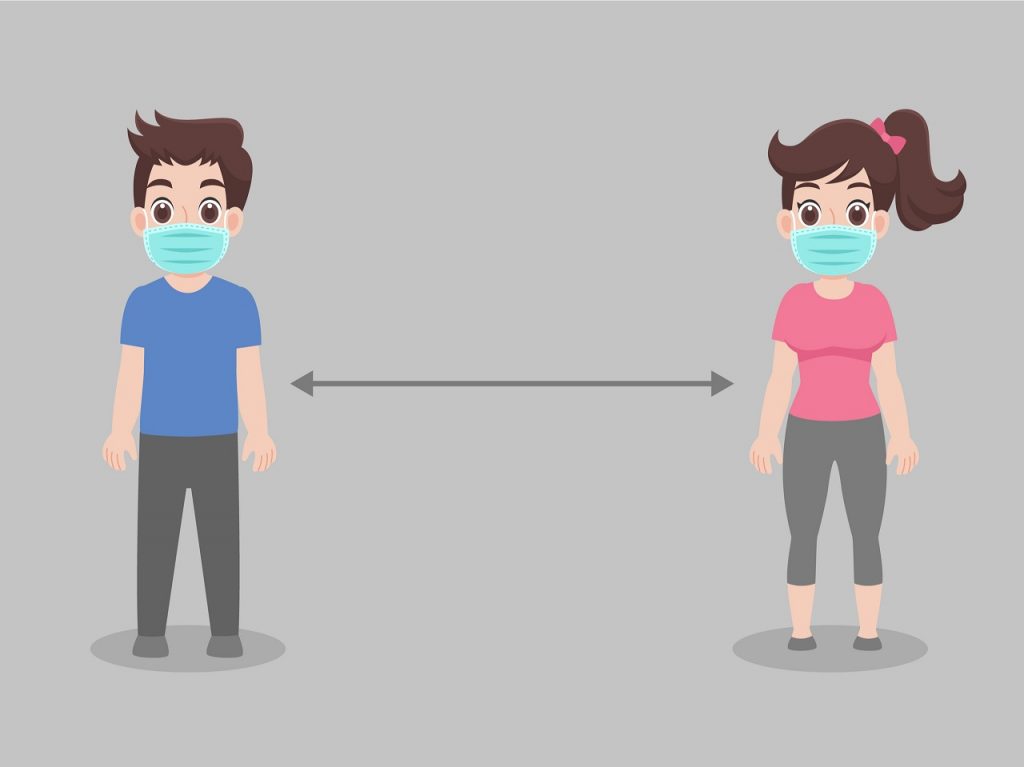
In simple terms, it means maintain distance or avoid contact with another individual. In the current scenario, it refers to staying away from another individual so as to avoid catching the virus yourself and to also avoid passing it on.

According to the World Health Organisation (WHO), one should maintain at least 1 meter (3 feet) distance between yourself and anyone who is coughing or sneezing because when someone coughs or sneezes, they spray small liquid droplets from their nose or mouth which may contain the virus. If you are too close, you can breathe in the droplets, including the COVID-19 virus if the person coughing has been infected.

Lots of us might be relatively healthy or so think we are and hence feel that we might be able to withstand the rigors of an infection, but there is a concern about spreading it to vulnerable individuals and also the pressure it can put on our healthcare system if we are unable to stop the spread.

According to doctors and also directive by WHO, everyone has to practice social distancing as it helps to stop or slow the spread of infectious diseases. It means less contact between you and other people. Social distancing is critical at this point in time as COVID-19 is spreading fast and how.

It is spreading through:

  • Direct close contact with a person while they are infected or in the 24 hours before their symptoms appeared
  • Close contact with a person with a confirmed infection who coughs or sneezes
  • Touching objects or surfaces (such as door handles or tables) contaminated from a cough or sneeze from a person with confirmed infection, and then touching your mouth or face

According, to doctors staying home as much as possible, even if you believe you aren’t infected, is the type of altruistic decision that, when performed en masse, has the potential to slow the infection rate. When you maintain social distance as recommended, the harder it is for the virus to spread.

What Should One Do? 

It is all about getting back to simple actions that can help reduce the risk to you and others.

  • Staying away from people if you are sick. In the current COVID-19 scenario stay more than 1 meter from people). When at home and if you are sick, ensure you are inside your room – that is the most important thing you can do.
  • Practicing good hand and sneeze/cough hygiene
  • Washing your hands frequently with soap and water, before and after eating, and after going to the toilet
  • Cover your cough and sneeze, dispose of tissues, and use alcohol-based hand sanitizer, 
  • Regularly disinfect high touch surfaces, such as tables, kitchen floor, and tables and doorknobs
  • Increase ventilation in the home by opening windows or adjusting the air conditioning
  • Visit shops sparingly and buy more goods and services online
  • Consider whether outings and travel, both individual and family, are sensible and necessary

All these simple things if followed well during social distancing will help slow the spread of disease in the community. Think of this as an ethical and moral obligation towards our society and curb your activities, practice social distancing and substitute it with safer alternatives such as was video calls, skype, hangout meetings and calls instead of in-person meetings. Let us all work towards and support our Government and our doctors who are tirelessly working towards containing the spread of COVID-19.

For more information about the Coronavirus, building immunity and home workouts during social isolation or self-quarantine, visit GOQii Play. You can also purchase N95 Masks and sanitizers from the GOQii Health Store within the App.

#BeTheForce 

March 15, 2020 By Anusha Subramanian Leave a Comment

GOQii app launches ‘Contact Tracking’ feature

To help users self-track potential virus carriers to contain the spread of COVID19

Last week in Pune when the couple and their child were tested positive, immediately, the health authorities tried and traced back all those people with whom the couple and child came in contact. Tracing helped them detect two positive cases from Mumbai including the cab driver who drove them from Mumbai airport to Pune. A statement then from the Integrated Disease Surveillance Programme of the Public Health Department, Maharashtra then said an “aggressive contact tracing activity” is in progress on a war footing after two Dubai returnees from Pune were found positive for coronavirus.

The last time, I remember reading and hearing about contact tracing was during the wild outbreak of Ebola virus disease (EVD) in West Africa. The early rollout of all measures alongside contact tracing efforts in Liberia was considered to have played a major role in the rapid decline of the country’s cases in September 2014.

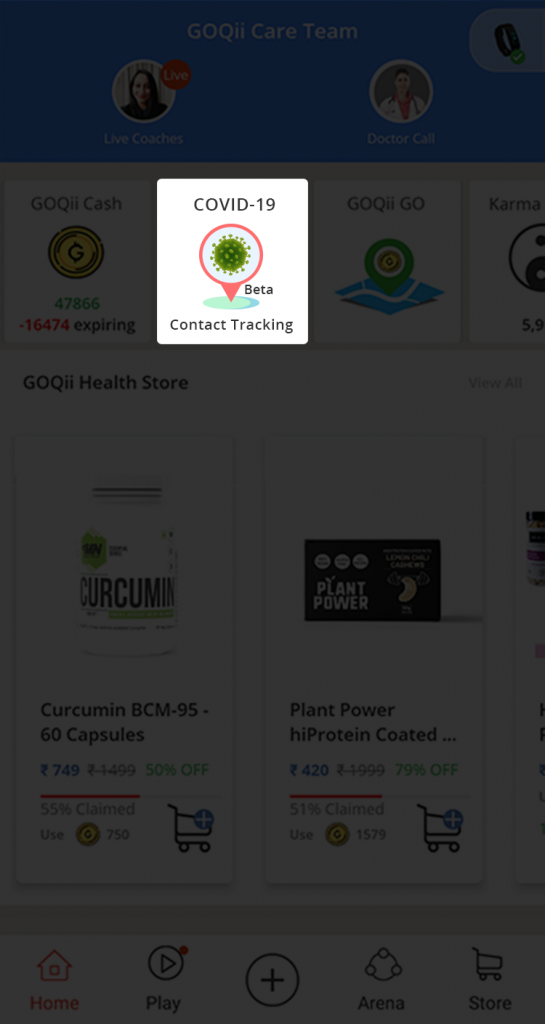
In the current scenario, Coronavirus (COVID-19) has been declared a pandemic by the WHO. The virus is fast spreading and it is imperative to act quickly, cautiously and focus on prevention given that there is no cure yet. In the wake of coronavirus and the call by PM Modi to caution and not panic, GOQii, as a preventive healthcare platform has launched a first of its kind ‘Contact Tracking’ features, to help users track every movement, activity and also track those who have been in close contact with them and this app feature will effectively help in social distancing as is recommended by the WHO.

This app will help especially in cases of a positive detection, where users can immediately backtrack every movement and individuals that one has come in contact with, in the last few days. This will ensure prevention, quick detection of virus carriers and thus curtail the spread of the virus. 

But, before we understand why such an app feature could be important for individuals and public health workers and institutions, it is important to understand What is Contact Tracing and why is it important during an outbreak is important?

Several international research and also the WHO describes that Contact tracing is an important strategy in epidemiology and refers to the identification and diagnosis of those individuals who have come in contact with an infected person. It ultimately aims to reduce the time span required to detect and treat a case of infectious disease and hence significantly minimizes the risk of transmission to the subsequent susceptible individuals. In-fact, contact tracing continues to remain an important measure, as it aids the epidemiologist in containing the infection.

Contact tracing is closely linked with case detection and investigation processes so that subsequent symptomatic patients can be effectively managed.

Contact tracing can feel like drudgery, but in an outbreak, it’s vital to public health. During this current COVID-19 outbreak, contact tracing will help make possible early diagnosis and getting care to people who need it. The information it uncovers also helps public health authorities contain epidemics.

Given this scenario, GOQii felt ‘self-tracking’ is also essential and should be followed to track one’s daily routine. Thus, it has specially updated the app to help users self-track, to the level of keeping a tab on every person one must have come in contact with, like cab sharing apps like Uber, Lyft, Ola, E-commerce and food delivery services like Amazon, Flipkart, Swiggy and Zomato. One can record the person’s name, contact number as well as photographs of course with their permission. 

COVID19 Tracking related App Features 

  1. Track Body Temperature, Weight, Heart Rate, Blood Sugar and other vitals. 
  2. Symptoms like Cough, Cold, Difficulty in breathing etc 
  3. Food and activity log with location
  4. Log contacts – time spent with people at various occasions
  5. Uber, Lyft, Ola rides with driver details
  6. Food delivery and other delivery services, name and phone number of delivery persons

You can download the app from Android Store and iOS Store 

 GOQii app follows the privacy policy. The data logged by the user is private to the user. The privacy settings in the app let the users decide whether they want to share their logs publicly, with just their friends or keep them visible only to themselves. 

 GOQii’s Founder & CEO Vishal Gondal believes that the GOQii COVID-19 related App features will help with contact tracing and remote quarantine management. We are hoping that we could play a major role in helping people take all precautions as well as help the government and health authorities, to be able to contain COVID19. We hope our combined efforts will rapidly lead to a better epidemiological understanding of COVID-19. Our goal is to improve the outcomes of the global community—as more people become infected”. “GOQii will do all within its ambit to implement caution as a clarion call by the PM. PM Modi’s efforts are being praised worldwide “as India is ahead of the curve to contain the virus,” Gondal added.

Healthcare authorities and professionals can leverage GOQii’s cutting-edge wearable, artificial intelligence & coaching ecosystem to accelerate COVID-19 surveillance and interventions. GOQii is supportive and open to helping all Government bodies in a step towards prevention and adequate health management. 

Apart from tracking daily activity, GOQii app will also enable users to track symptoms related to coronavirus and distinguishing symptoms including headache, cough, cold, flu and difficulty in breathing etc. Keeping your immunity intact is important in such a crisis situation. Users can have free access for 3 months to GOQii Play live for workouts and access to updates from experts while working out in the confines of your home to avoid social contact.


March 14, 2020 By Anusha Subramanian 4 Comments

Safety Tips to Prevent Coronavirus Infection

coronavirusThe recent Coronavirus outbreak has become one of the biggest health scare in the world right now. What started in Wuhan, China on 31 December, 2019 has now struck Europe and the US and has overall claimed many lives. As of February 27, 2020, China reported 78,824 confirmed cases of the virus with a death toll of 2,788.
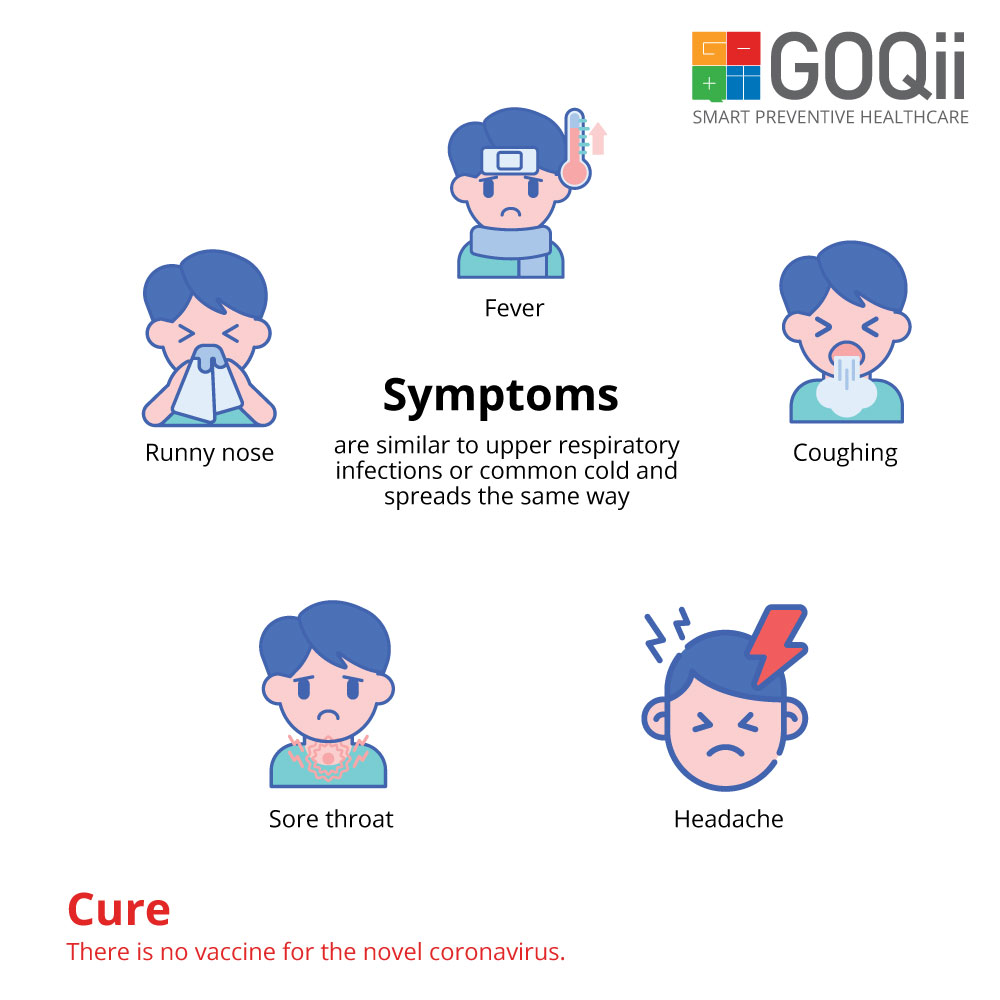
The virus is spreading rapidly and has been deemed to have pandemic potential by WHO. Now, among all the quarantines, preventive measures and news spreading like wildfire, how much do we really know about the virus? Of course, we’re well aware that it spread from China but what else do we really know?

In India, people are aware about the virus but aren’t prepared. This is because of lack of details. At this point, we are of the opinion that prevention is best as there is no cure for the Coronavirus yet.

As a leading preventive healthcare company, GOQii is recommending a few basic prevention and safety tips that people need to follow. The recommendations made here are in line with WHO guidelines: https://www.who.int/emergencies/diseases/novel-coronavirus-2019/advice-for-public

The first and foremost thing is to build your defense by building your Immunity. All that one needs to do is follow the basics of exercise, eat right and sleep well.

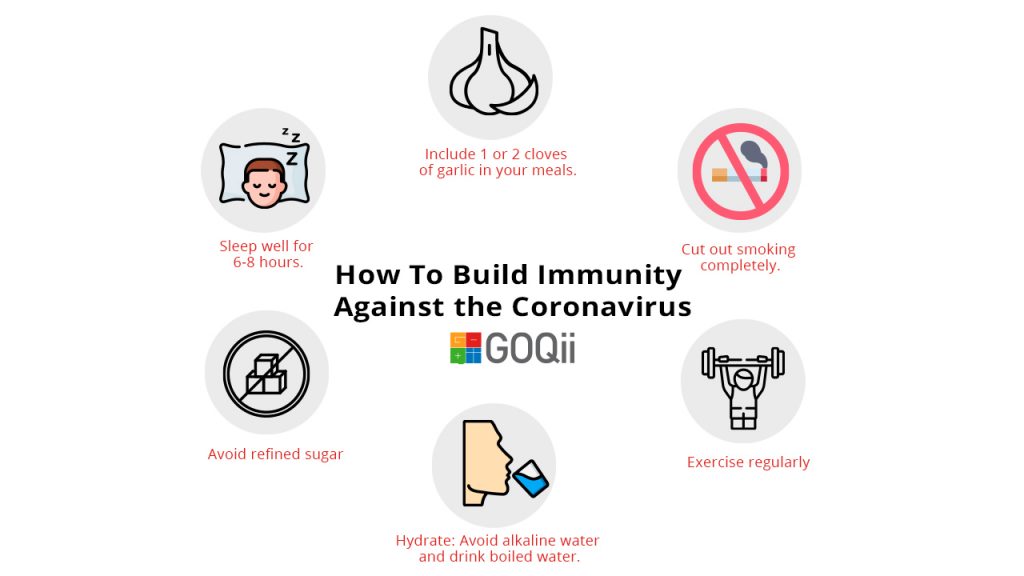
How Do You Build Immunity Against the Coronavirus?

  • Include 1 or 2 cloves of garlic every day in your meals. As garlic is a potent anti-viral.
  • Cut out smoking completely. Smoking destroys your respiratory tract including the lungs.
  • Exercise regularly- Include a combination of strength training and cardio, concentrating on breathing patterns
  • A dehydrated body is most prone to infections. Drink adequate water. Avoid alkaline water and drink boiled water.
  • Avoid refined sugar in any form as sugar can reduce your immunity directly plus alters the bacteria in your gut
  • Make sure you sleep well for at least 6-8 hours.

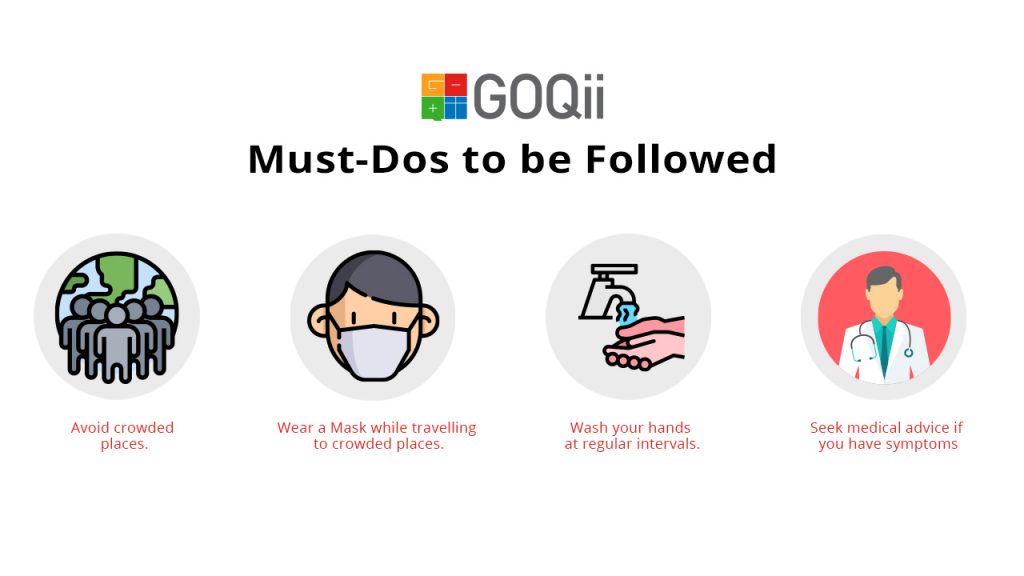
Other Prevention Must-Dos to be Followed

  • Wear a Mask while travelling to crowded places. Preferably avoid crowded places.
  • Wash your hands at regular intervals.
  • If you have any symptoms of fever, cough, cold, sore throat and having trouble breathing please seek medical advice immediately.
  • Avoid touching eyes, nose and mouth while travelling and otherwise
  • While coughing or sneezing use a tissue and dispose it off safely
  • « Previous Page
  • 1
  • …
  • 4
  • 5
  • 6
  • 7
  • 8
  • …
  • 30
  • Next Page »

Search

Recent Posts

  • Navigating the Maze of Nutrition: Finding Clarity Amidst Confusion
  • Get children active and keep them healthy
  • What Gestational Diabetes Can Do To You & Your Unborn Child
  • Breathing – A Forgotten Art
  • The Incredible Benefits Of Milk You Might Not Know

Stay Updated

Archives

  • December 2025 (3)
  • November 2025 (15)
  • October 2025 (20)
  • September 2025 (6)
  • August 2025 (6)
  • July 2025 (12)
  • June 2025 (18)
  • May 2025 (16)
  • April 2025 (23)
  • March 2025 (23)
  • February 2025 (22)
  • January 2025 (26)
  • December 2024 (26)
  • November 2024 (25)
  • October 2024 (22)
  • September 2024 (24)
  • August 2024 (31)
  • July 2024 (21)
  • June 2024 (26)
  • May 2024 (31)
  • April 2024 (27)
  • March 2024 (29)
  • February 2024 (26)
  • January 2024 (25)
  • December 2023 (15)
  • November 2023 (11)
  • October 2023 (22)
  • September 2023 (22)
  • August 2023 (20)
  • July 2023 (22)
  • June 2023 (24)
  • May 2023 (24)
  • April 2023 (24)
  • March 2023 (23)
  • February 2023 (20)
  • January 2023 (16)
  • December 2022 (12)
  • November 2022 (15)
  • October 2022 (15)
  • September 2022 (12)
  • August 2022 (10)
  • July 2022 (17)
  • June 2022 (11)
  • May 2022 (10)
  • April 2022 (6)
  • March 2022 (6)
  • February 2022 (13)
  • January 2022 (12)
  • December 2021 (7)
  • November 2021 (3)
  • October 2021 (6)
  • September 2021 (3)
  • August 2021 (8)
  • July 2021 (7)
  • June 2021 (15)
  • May 2021 (16)
  • April 2021 (10)
  • March 2021 (7)
  • February 2021 (4)
  • January 2021 (4)
  • December 2020 (3)
  • November 2020 (4)
  • October 2020 (10)
  • September 2020 (3)
  • August 2020 (3)
  • July 2020 (2)
  • June 2020 (4)
  • May 2020 (10)
  • April 2020 (12)
  • March 2020 (10)
  • February 2020 (4)
  • January 2020 (4)
  • December 2019 (3)
  • November 2019 (7)
  • October 2019 (5)
  • September 2019 (4)
  • August 2019 (9)
  • July 2019 (9)
  • June 2019 (11)
  • May 2019 (4)
  • April 2019 (9)
  • March 2019 (8)
  • February 2019 (9)
  • January 2019 (8)
  • December 2018 (9)
  • November 2018 (3)
  • October 2018 (3)
  • September 2018 (5)
  • August 2018 (10)
  • July 2018 (6)
  • June 2018 (13)
  • May 2018 (8)
  • April 2018 (18)
  • March 2018 (9)
  • February 2018 (8)
  • January 2018 (15)
  • December 2017 (12)
  • November 2017 (19)
  • October 2017 (13)
  • September 2017 (15)
  • August 2017 (4)
  • July 2017 (8)
  • June 2017 (7)
  • May 2017 (6)
  • April 2017 (8)
  • March 2017 (6)
  • February 2017 (7)
  • January 2017 (9)
  • December 2016 (10)
  • November 2016 (7)
  • October 2016 (7)
  • September 2016 (7)
  • August 2016 (11)
  • July 2016 (9)
  • June 2016 (9)
  • May 2016 (12)
  • April 2016 (17)
  • March 2016 (17)
  • February 2016 (8)
  • January 2016 (6)
  • December 2015 (2)
  • November 2015 (9)
  • October 2015 (7)
  • September 2015 (9)
  • August 2015 (11)
  • July 2015 (9)
  • June 2015 (12)
  • May 2015 (9)
  • April 2015 (13)
  • March 2015 (8)
  • February 2015 (5)
  • January 2015 (12)
  • December 2014 (14)
  • November 2014 (11)
  • October 2014 (6)
  • September 2014 (13)
  • August 2014 (12)
  • July 2014 (6)
  • June 2014 (2)
  • May 2014 (7)
  • April 2014 (5)

From “Laddu Nawin” to Fit and Fierce: How a 25-Year-Old Insurance Advisor Shed 20 Kilos and Gained His Life Back

When 25-year-old Nawin Yadav from Hyderabad walked into his office every morning, he carried more than just his files and policy papers. He had the weight of fatigue, sluggish energy, and an ever-growing belly that was becoming the butt of jokes. “People … [Read More...]

“I’ve Challenged Myself to Live 100 Years” – The Story of Chandubhai Savani’s Second Chance at Life

At 67, most people start slowing down. Not Chandubhai Savani. A resident of Surat, Chandubhai, thought life was on track. “My life was going well till I had my bypass surgery,” he says. That surgery, back in 2021, was a wake-up call.  Medication was routine, but exercise wasn’t. His diet? What he calls ‘normal.’ “I […]

From Shimla’s Slopes to Chandigarh’s Sidewalks: Surinder Kaur Bhalla’s Journey from Chaos to Control

Some journeys start with a plan. Others begin with a stumble literally. Surinder Bhalla, a government professional, born and raised in the scenic hill town of Shimla, had always lived a life of movement. “In Shimla, you walked everywhere,” she reflects. “Walking was never an exercise. It was just life.” But after shifting to Chandigarh, […]

Ananda Mukherjee Health Story

From Terminal Illness To Complete Wellness! Ananda Mukherjee Health Story

As we observe World Cancer Day under the powerful theme ‘United by Unique’ (2025-2027)**, we are reminded that every individual’s journey with cancer is distinct, yet united by shared resilience, hope, and the collective fight against this disease. This theme places people at the centre of care and their stories at the heart of the […]

  • HOME
  • HEALTHY LIVING
  • FITNESS
  • HEALTHY RECIPES
  • USER STORIES
  • KARMA
  • BUY GOQii

Copyright ©2016 GOQii



