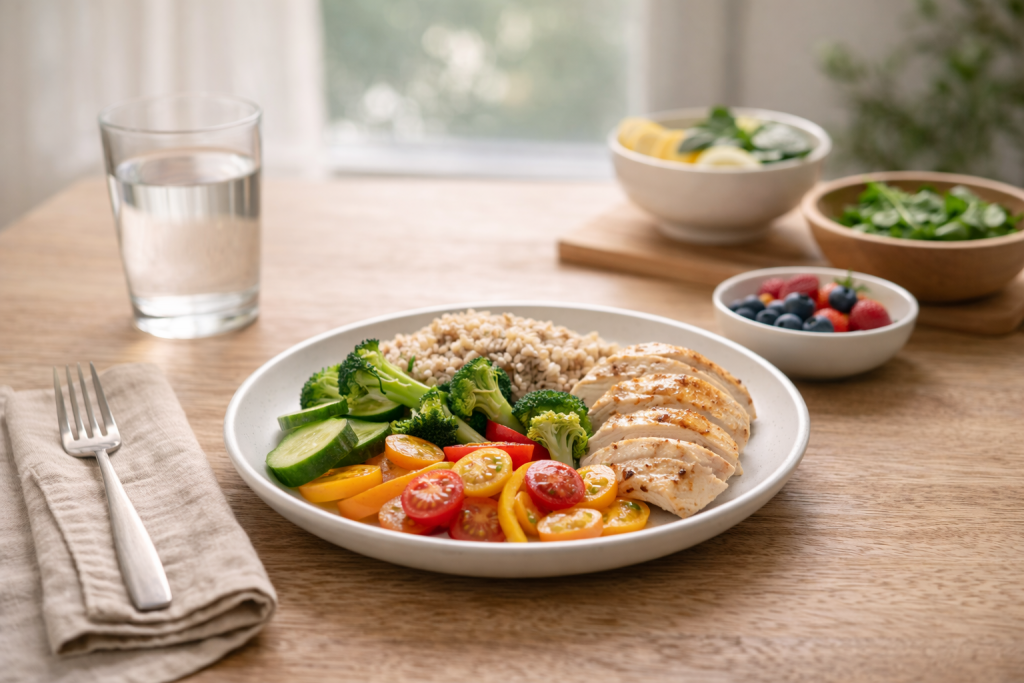
 Starting Mounjaro often brings up an important question: What should I be eating alongside it? While the medication plays a role in blood sugar management and weight-related goals, food choices and daily habits continue to shape long-term outcomes.
Mounjaro is prescribed to be used alongside diet and physical activity. Rather than following a rigid meal plan, most healthcare professionals recommend focusing on balanced, sustainable eating patterns that support metabolic health and overall wellbeing.
This guide explores the types of foods commonly encouraged while on Mounjaro and how lifestyle choices can help you get the most from your treatment—always in consultation with your doctor or dietitian.
Understanding Mounjaro and Nutrition
Mounjaro (tirzepatide) is a GLP-1 and GIP receptor agonist approved for use, alongside diet and exercise, to help manage blood sugar levels in adults with Type 2 Diabetes.
If you’ve been prescribed Mounjaro, there’s no single “Mounjaro diet” to follow. Nutritional needs vary from person to person based on health history, preferences, and goals. This is why personalised guidance from a healthcare professional or registered dietitian is strongly recommended.
That said, general healthy eating principles can help support the way Mounjaro works in the body.
Is There a Recommended Mounjaro Diet Plan?
There are no strict dietary rules that apply to everyone taking Mounjaro. Instead, the focus is usually on balanced, nutrient-dense meals that are easier to sustain over time.
In broad terms, this means prioritising foods from the following groups, in line with widely accepted dietary guidelines.
Vegetables
Vegetables form the foundation of a balanced diet and can be included in meals daily. They may be fresh, frozen, or canned.
Commonly recommended options include:
- Leafy greens such as spinach, lettuce, kale, and broccoli
- Red and orange vegetables like carrots, sweet potatoes, and peppers
- Legumes including beans, lentils, and peas
- Starchy vegetables such as potatoes and corn
- Other vegetables like asparagus, Brussels sprouts, onions, and okra
For individuals managing diabetes, non-starchy vegetables are often emphasised, as they tend to be lower in carbohydrates and help support steady blood sugar levels.
Fruits
Fruits can be enjoyed fresh, frozen, canned, or dried, and include 100% fruit juice in moderation. Many nutrition guidelines suggest that at least half of fruit intake should come from whole fruits.
Examples include berries, apples, citrus fruits, bananas, and peaches.
Health organisations often note that fruits without added sugars especially fresh or frozen varieties are preferable for people managing blood sugar levels.
Grains
Grains provide energy and fibre, with an emphasis usually placed on whole grains.
Examples include:
- Brown rice
- Oats
- Barley
- Whole wheat bread and whole grain cereals
Refined grains, such as white rice and products made with white flour, are generally recommended in smaller amounts, as they can cause quicker rises in blood sugar.
Protein
Including protein at meals can help support satiety and muscle health. Common protein sources include:
- Lean cuts of meat or poultry
- Fish and seafood
- Eggs
- Nuts and seeds
- Soy-based products
Choosing a variety of protein sources across the week helps support overall nutrition.
Dairy
Dairy foods include milk, yoghurt, and cheese. In a balanced eating pattern, lower-fat or no-fat dairy options are often recommended, depending on individual tolerance and preferences.
Non-dairy alternatives can also be considered, especially for those with lactose intolerance or dietary restrictions.
The Bigger Picture
Mounjaro is most effective when viewed as one part of a broader health approach. While food choices matter, long-term success also depends on factors such as regular movement, sleep quality, stress management, and consistency.
At GOQii, we believe sustainable health comes from combining treatment with personalised guidance and everyday habits that fit into real life. Working with your doctor, dietitian, and coach can help you build a routine that supports both your medication and your overall wellbeing.
If you have questions about what to eat while taking Mounjaro, always consult your healthcare professional for advice tailored to your needs.
#BeTheForce
Disclaimer: GOQii is committed to providing accurate, up-to-date, and comprehensive health information. This article is intended for informational purposes only and should not be used as a substitute for professional medical advice, diagnosis, or treatment. Always consult a qualified healthcare professional before making changes to your diet or medication. Nutritional and medication guidance may vary based on individual health conditions.




Leave a Reply