GOQii

Blog

  • HOME
  • HEALTHY LIVING
  • FITNESS
  • HEALTHY RECIPES
  • USER STORIES
  • KARMA
  • BUY GOQii

Archives for May 2024

May 18, 2024 By Vaishali Vibhute Leave a Comment

What Happens To Your Body When You Eat Too Much Sugar

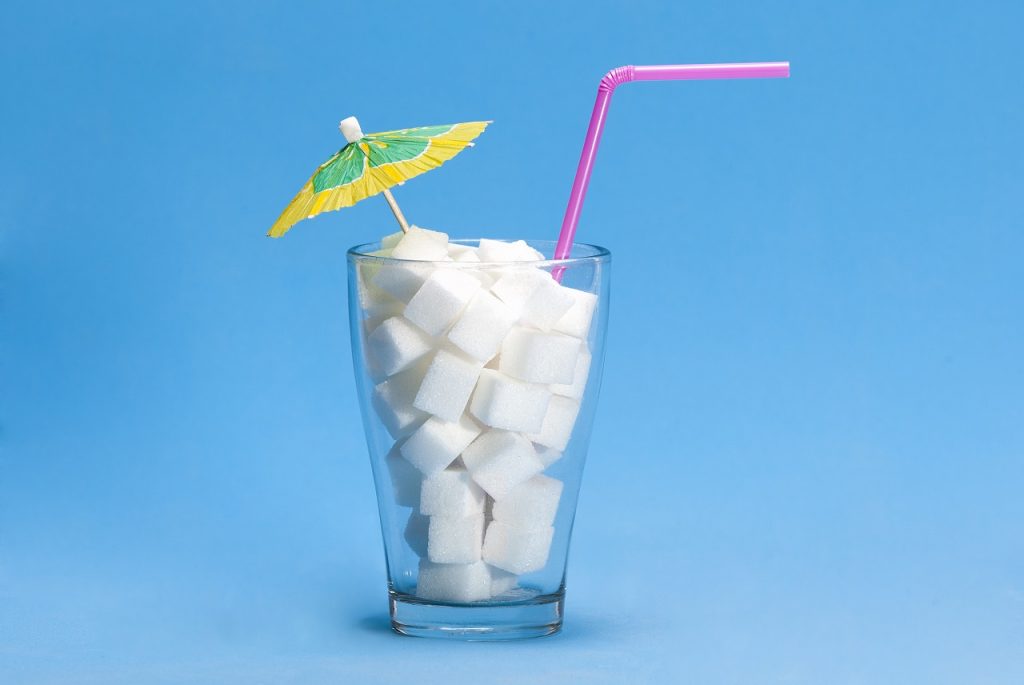
too much sugar

“You are what you eat, so eat something sweet” is a very sweet quote but has a bittersweet reputation when it comes to health! Did you know that carbohydrate, an essential micro nutrient, is a producer of sugar? Sugars, in fact, are simple carbohydrates which are easily absorbed and digested by the body. It is an empty calorie food, has zero nutritional value and provides only energy. It is naturally found in lots of foods. For instance, as fructose in fruits, as lactose in dairy and dairy products and different cereals and grains. 

Is It Really A Villain Of Good Health? 

Along with negatives, sugar has many positives: 

  • It makes anything taste better
  • Provides immediate energy to your body 
  • Naturally found sugars in foods like fruits and vegetables have little effect on blood sugar and are considered healthy
  • It increases happy hormones

Adverse Effects Of Eating Too Much Sugar 

Too much of anything is bad, and the same goes for sugar! Here are some ill-effects it can have on your body: 

  • Weight Gain or Obesity: Too much consumption of white sugar can contribute to weight gain or obesity, due to it’s high calorie content. When eaten in excess, it gets dumped into cells and gets stored as fat and results in weight gain.
  • Type 2 Diabetes: Excessive intake creates problems for pancreas. Body monitors blood glucose levels and produces insulin to help control it. When blood glucose level is high and has more glucose than your body needs, cells become insulin resistant, the control breaks down, blood sugar rises to dangerous levels and leads to Type 2 Diabetes.
  • Hurt your Heart: There is a clear relation between sugar consumption and high BP. Eating too much can harden the arteries and damage heart tissues, which is a major risk factor for heart disease and stroke.
  • Tooth Decay: It is the primary food source for bacteria that can grow in your mouth and cause tooth decay.
  • Non Alcoholic Fatty Liver Disease (NAFLD): is a metabolic stress related liver disease. A diet high in sugar and specially fructose, can trigger your liver to store fat which can lead to NALFD.
  • Hampers Immune Function: It can interfere with the immune system as bacteria and yeast feed on sugar. So excessive glucose in the body causes these organisms to build and cause infections.
  • Accelerates Ageing: When it enters your bloodstream, it attaches to protein. The mix of these proteins with sugar causes loss of elasticity and increases premature ageing. Thus, it can mess with your skin by contributing to wrinkles and sagging.
  • Increases Risk of Developing Gout: Gout is an inflammatory condition that causes pain in the joints. Added sugars raise uric acid levels in the blood and increases risk of developing and worsening gout.
  • Damages Kidneys: When blood sugar is too high, the kidneys spill it into urine, which can cause permanent damage.
  • Fertility: High blood sugar impairs reproduction function in both men and women. Excessive consumption can rob essential vitamins and minerals.

How Can You Cut Down The Intake? 

Daily recommended limit of sugar for women is 6 tsp (30gms), men 7tsp (35gms) and for children 3tsp(15gms). Apart from this recommended limit, you can also do the following:  

  • Avoid sugary drinks such as sodas, energy/sports drinks, etc. That will reduce sugar intake and could help you lose weight. Homemade sherbet’s like lemon, kokum or amla, etc. can be a better alternative to sugary drinks.
  • Avoid packaged or processed food in favour of whole foods like fresh fruits, vegetables, seeds, whole grains, legumes and nuts.
  • When you buy ready to eat foods, read nutrition labels. If you know how much sugar is in a product, you can limit the intake of that food. Some of the common names of hidden sugars on packaged food labels are corn syrup, cane sugar, dextrose, agave, high fructose corn syrup, coconut palm sugar, etc. Food manufacturers add sugars in foods like ice-cream, cookies, candy, soda, ketchup, sauces, bread, yogurt, etc.
  • Instead of adding sugar in cereals or oats, try fresh fruits like banana, strawberry, sapota and apple, etc.
  • Avoid protein/granola bars which contain lots of added sugar. Eat low sugar snacks such as nuts and fruits.
  • Don’t store desserts like ice cream, cakes, different sauces in the fridge and biscuits and cookies on shelves to reduce cravings. 
  • Natural sweeteners such as stevia and xylitol can be healthy alternatives to sweet sugar.

Sugary or sweet products are sweet to the tongue but not for the body. Consuming small quantities is the key to healthy eating. For least harm to the body and fullest enjoyment, eat it in moderation. 

We hope this article helps you make healthy eating choices. Do leave your thoughts in the comments below! For more on nutrition, check out Healthy Reads or ask a GOQii Coach by subscribing for personalized health coaching here: https://goqiiapp.page.link/bsr

#BeTheForce 

May 17, 2024 By Dr. Viral Thakkar 1 Comment

Hypertension: Know it to Avoid it

Hypertension Day John, 38, is caught in the grind of a demanding job that consumes his weekdays with 12-hour shifts, tight deadlines, and constant pressure. His stressful work environment leaves him perpetually exhausted and struggling to get enough sleep. To cope with the relentless stress, John turns to partying over the weekends, indulging in late nights and heavy drinking as a way to escape his hectic routine and enjoy his financial success.

However, a few days ago, his life took an alarming turn when he was diagnosed with hypertension, with his blood pressure reading at 170/100 mmHg. The news left John tense and scared, realising that his health was at serious risk. His doctor suggested lifestyle modifications as the first step towards managing his condition.

Determined to take responsibility for his well-being, John began researching ways to improve his health. He discovered a holistic approach to wellness that includes personalised coaching, fitness tracking, and health insights. Through expert guidance, he learned strategies to manage his hypertension, leading him towards a healthier lifestyle and helping him combat the impact of his stressful job and sleepless nights.

Understanding Blood Pressure

Blood pressure is the force exerted by the blood against the walls of the blood vessels. The pressure depends on the heart’s workload and the resistance within the arteries. A normal blood pressure reading is 120 (systolic)/80 (diastolic) mmHg, while hypertension is diagnosed when readings consistently exceed 140/90 mmHg. Since blood pressure fluctuates throughout the day, at least three separate readings taken two hours apart are required to confirm chronic hypertension.

Types of Hypertension

  1. Primary Hypertension: May result from factors like plasma volume and hormonal regulation of blood pressure, or lifestyle and environmental influences.
  2. Secondary Hypertension: Develops as a complication of other conditions such as diabetes, thyroid disorders, kidney disease, sleep apnoea, or certain medications.

What Can Lead to Hypertension?

  • Stress – Chronic stress contributes to high blood pressure.
  • Underlying Health Conditions – Diabetes, cardiovascular disease, chronic kidney disease, and high cholesterol can increase risk.
  • Alcohol & Tobacco Use – Both can significantly raise blood pressure and cause other health issues.
  • Age & Gender – Hypertension is more common in individuals over 60, though lifestyle factors are causing an increase in younger adults. Men are more prone at a younger age, whereas older women experience a rise in BP due to hormonal changes.
  • Obesity & Poor Diet – Excess weight and consumption of processed, fatty, and high-salt foods increase the risk.
  • Lack of Physical Activity – A sedentary lifestyle can worsen heart health.
  • Genetic Factors – A family history of high blood pressure may contribute, but healthy habits can override genetic predispositions.

If you fall into any of these categories, it’s time to take proactive steps to maintain your health.

Your Daily Routine for Managing Hypertension

  1. Start your morning on a positive note – Be grateful, relax, and avoid rushing into stressful tasks.
  2. Eat a balanced diet – Include whole foods, fresh vegetables, fruits, lean proteins, and healthy fats while avoiding junk food.
  3. Reduce salt intake – The WHO recommends limiting salt to under 5g per day to reduce hypertension risk.
  4. Exercise regularly – Aim for at least 45 minutes of moderate activity daily.
  5. Avoid smoking & alcohol – Eliminating these habits can significantly lower blood pressure.
  6. Maintain a healthy weight – Strive to achieve and sustain a healthy BMI.
  7. Practice relaxation techniques – Pranayama, yoga, and meditation help reduce stress and improve heart health.
  8. Monitor your blood pressure – Regular check-ups help detect issues early and prevent complications.

Why Managing Hypertension is Important

Long-term hypertension can cause arterial damage, leading to complications such as:

  • Heart Disease – Increases the risk of heart attacks and heart failure.
  • Stroke – Can result from restricted blood flow to the brain.
  • Aneurysm – A bulge in an artery that can burst, leading to severe internal bleeding.
  • Kidney Failure – High blood pressure can damage kidney function over time.
  • Hypertensive Retinopathy – Can cause vision loss or blindness.

The best way to prevent and manage hypertension is to prioritise both mental and physical well-being. By reducing stress, eating healthily, staying active, and monitoring your blood pressure, you can take control of your heart health and prevent serious complications.

Have you made changes to manage hypertension? Share your experience in the comments below!

#BeTheForce

⚠ Medication should always be taken as per your doctor’s advice, but remember—lifestyle modifications are the key to long-term health!

Disclaimer: The information provided in this blog is for general awareness and educational purposes only. It is not intended to replace professional medical advice, diagnosis, or treatment. Always consult a qualified healthcare provider for personalised medical guidance or concerns related to your health.

May 17, 2024 By Trupti Hingad 8 Comments

Combat Constipation Naturally: Causes, Symptoms, and Remedies

bowel-movement

After reading my blog on Poop…most of my blog reader’s reaction was Ewww!! Most of us feel the same way when we talk about shit or pee. But we forget that its part of our own body and we are only responsible for how it turns out. In my years of experience. I have noticed that many of them have issue related to clear bowel movement – medically termed as CONSTIPATION and is one of the reason for not losing weight too.

In Bollywood.too….many films are made on this – like Toilet—Ek Prem Katha, Piku, Delhi Belly. The over or under use of toilet is always an issue!

Constipation is defined as lesser than three stools per week and Chronic constipation means once or less per week.

Most of us have gone through this phase sometime or other in our life. Have you ever wondered why? Well, I know this topic is not that which eases our mind but it’s important to know about it.

Constipation can results into symptoms like abdominal discomfort, feeling of incomplete evacuation, hard stools, rectal or anal bleeding.

Constipation occurs where the food in the stomach and intestine is taking an inconsistently long time to be digested. The contractions that push the food forward is called the peristalsis movement. When the chyme (semi-digested food) is not pushed forward but remains in the intestine it starts fermenting, causing gases and bloating to occur. The water content has all been absorbed so it becomes dry and peristalsis becomes even more difficult and even painful at times. 

When we travel our eating, sleeping habits become irregular, bringing with it changes in our digestive system which can sometimes cause constipation. It can also happen due to some medications, low fibre diet, hormonal disorders, stress, pelvic disorder, less water intake. When that happens we must increase our water intake immediately so as to keep the colon well hydrated to make sure that the chyme doesn’t dry out.

Another reason could also be a sedentary lifestyle. It is important to keep up with moderate activity as we grow older our metabolism gradually slows down and with it the digestive process. Our body is like a machine that we need to keep well-oiled in all departments to keep working properly.

Here are Simple solutions that can help to prevent and cure it.

1. Good Fibre: Increase fiber intake so that there is sufficient fibre for bile to mix with and digest the food. Soluble fibre softens the stools and insoluble fibre adds bulk and roughage to the stools. E.g. Legumes, Oats, Rice Bran, Whole Fruits, Green Vegetables, Figs, Nuts and Seeds. etc. Apple and Guava works best as per my personal experience.

2. Adequate hydration is must: Increase your water intake makes possible for the insoluble fibre in the colon to move forward more effectively. Water ensure a good production of digestive juices in the stomach and intestine and smooth passage of food thorough the intestine. It even makes stools softer to ensure they are passed out easily. Drink about 3-3.5 ltrs per day to keep cells hydrated.

Use the bathroom as and when needed. Do not hold back.

3. Regularize lifestyle and eating and sleeping patterns. Have good sound sleep and avoid stress. De-stress yourself with some meditation or deep breathing techniques

4. Avoid all the packaged foods, and foods loaded with refined flour. Trans fat, sodium and other preservatives are low in fibre or lack fibre completely.

5. One of the best home remedy is to soak 2 figs or 4-5 raisins overnight and then have it in the morning with a glass of luke warm water. Prunes also acts as a great laxative.

6. One tbsp of castor oil or cold pressed virgin coconut oil works best if had before going to bed. It helps in smooth passage of stools next morning.

7. Our ancient study says – Triphala powder—one tbsp in glass of luke warm water helps in detoxifying and cleansing the colon and rectum.

8. Exercise about 30-45 min daily. This improves blood circulation which promotes better digestion and hence clear bowel movement. Avoid exercise immediately after meals.

Let me share some basic yoga asanas which can be done daily to regularize your bowel movement. Yoga helps revitalise your body and also increases the flow of blood and oxygen in the system, thereby, improving your digestive system.

Ardha-Matsyendrasana (Sitting Half Spinal Twist Pose)

Half-spinal-twist-Ardha-matsyendrasana-300x232

How to do it:
* Sit down on the ground with your legs extended in front of you; toes pointed toward the ceiling.
* Bend your left leg, under your right one, placing your foot next to your right buttock.
* Place the right foot firm on the ground, near the left knee.
* Extend both your arms, and twist your upper body to the right. Place the right arm on the ground behind the back, and your left hand on the right ankle in front of your body.
* Sustain the pose for at least 30 seconds. Gradually, increase the time to 1 minute.
* Release and repeat on the other side.

Benefits: This pose stimulates the pancreas, liver, spleen, kidneys, stomach, and ascending and descending colons, hence, improving bowel movements and providing relief from constipation.

Pavanmuktasana (Wind-Relieving Pose)

Pavanmuktasana
This is one of the easiest and most effect Yoga pose if you are felling gassy.

How to do it:
* Recline on your back and hug your legs into your chest.
* Pull the head up and try to put your nose in between the knees.
* You may rock gently if you wish too. Release after 10 to 15 seconds.
* Alternatively, you can extend one leg out.

Benefits: As the name suggests, this posture helps release gas from the body, a common trouble of constipation. The posture can help cure several digestive disorders, including dyspepsia. It also helps in relieving acid reflux which is caused by indigestion.

Shishuasana/Balasana (Child Pose)

childs pose
This position means that you crouch down over your knees on the floor, pushing onto your lower abdomen.

How to do it:
* Start by kneeling on your knees, with your knees touching.
* Sit down so your bottom is touching your feet and your hands are on your knees.
* Place your hands on the floor in front of you and slowly start to move them forward, lowering your body down until your stomach is on your knees and your arms are stretched out in front of you. Your hands stay touching the floor or you can take them back to hold your feet.
* Now relax, taking slow deep breaths in and out of your nose.
* Hold for about 30 seconds and let the weight of your body go so that you are relaxed in this pose, and your knees push into the abdomen to provide relief.
* Then slowly work your way back up.

Benefits: Relieve any pain that you may get when constipated.

Malasana (Garland Pose)

malasana1
How to do it:
* Squat down with your feet as close together as possible, and slightly pigeon-toed or pointing outwards.
* Your heels should be on the floor – you can always place a folded towel underneath them if this isn’t possible at first.
* Separate your thighs so that they are slightly wider than your body, and then lean forward between your thighs.
* As you do so, place your elbows on the inside of your knees with your palms together in a prayer position and gently push against your knees, which helps to lengthen the abdomen.
* Hold for 30 seconds, breathing gently through the nose before releasing.

Benefits: This pose will help you to relax and stretch the intestines.

So, in case your bowel movements are irregular stop worrying and start practising! Just give few minutes of your daily time, along with healthy diet and good sleep and you can actually look forward to a healthy digestive system and a happier you!!

If this article helped you, let us know your thoughts in the comments below. You can find more articles like this on Gut Health here. If you want expert advice or further guidance on improving digestive or gut health, speak to a GOQii Coach by subscribing for Personalised Health Coaching here.

#BeTheForce

May 16, 2024 By Dr Darshana Salve 2 Comments

Navigating Pregnancy: A Journey of Transformation

PREGNANT-women

Seeing two pink lines (positive) on the pregnancy test strip and confirming the pregnancy after the doctor’s visit knew no boundaries to their happiness.

But, with each passing week of the pregnancy came not only new excitement but, also doubts whether the changes taking place inside the body were normal or not.

Here’s an insight into Pregnancy.

The entire pregnancy is about 38 weeks plus minus 7 days. If the baby is born before 37 weeks then it is a pre-term delivery whereas if the delivery happens after 42 weeks then it is called a post-term delivery.

Pregnancy is divided into 3 trimesters and each trimester is 3 months.

The first trimester is the most crucial to your baby’s development. During this period, your baby’s body structure and organ systems develop. Most miscarriages and birth defects occur during this period. Inculcating a healthy lifestyle during this period is very important as the foetus depends on its mother for nourishment. During this period have a balanced diet, compromised of proteins, carbohydrates, fats, vitamins and minerals. Make sure you include Folic acid tablets which are essential for normal brain development of the baby.

In this period the expectant mother may not put on weight, rather she may lose some due to morning sickness. She needs 300-350 calories more than her normal requirement during this period. Do not stop eating because you feel nauseated but, try and include foods that you like and that are light on your stomach. Proper diet and exercise ensures foetal health and growth.

 Physical changes that normally occur during the First Trimester (1-3 months).

– Nausea (morning sickness) with or without vomiting
– Increased frequency of urination
– Food cravings
– Breast heaviness and darkening of the areola
– Constipation, gases or heartburn
– Occasional headaches
– Fetal heart sounds can be heard during the Sonography by the 5th week of pregnancy.

Emotional changes

– Happiness, euphoria, fear or irritability
– Frequent mood swings
– Confused mental state if the pregnancy was unplanned

The Second trimester

The Second trimester of pregnancy is often called the “golden period” because many of the unpleasant effects of early pregnancy disappear. During the second trimester, you’re likely to experience decreased nausea, better sleep patterns, and increased energy levels. You need to supplement with Iron and Calcium tablets as prescribed by your Doctor.

Physical changes that normally occur during Second Trimester (3-6 months).

– Decreased nausea and vomiting and increased appetite
– Fatigue and giddiness
– Constipation and bloating
– White discharge from the vagina
– Mild swelling of ankles and feet and leg cramps
– Weight gain 4-6 kgs
– Lower abdomen and back discomfort
– Darkening of skin and stretch marks on tummy

Emotional changes

– Joy of looking pregnant due to enlarging tummy
– Excitement about feeling the fetal movements.

It is advisable to get the Anomaly Scan by the 20th week of pregnancy to check if there are any congenital defects in the baby like Down’s syndrome, cleft lip or palate and heart and spine abnormalities.

Along with the Anomaly scan, if the Mother is less than 30 years of age then the Double Marker blood test is recommended and if she is more than 30 years of age then the Triple Marker test is recommended which is used for detecting chromosomal abnormalities that might occur after the conception. 1 in 700 births can have chromosomal abnormalities.

You have now reached your final stretch of pregnancy and are probably very excited and anxious at the same time for the birth of your baby. Some of the physical symptoms you may experience during this period include;

– Large, itchy abdomen and breasts with protruding umbilicus (navel)
– Gentle uterine contractions (Braxton Hicks Contractions) (false labor)
– Leaking of breast milk from the nipples
– Shortness of breath
– Difficulty in sleeping
– Increased constipation and occasionally piles
– Increased in foetal activity (kicking)
– Fatigue and breathing difficulty

Emotional changes

– Anxiety about labour and baby care
– Excitement about shopping for baby and preparing for the baby nursery
– Irritability and impatience about reaching the due date
– “Nesting instinct” – Nesting is the act of preparing your home (cleaning, stockpiling and organizing) for your baby’s arrival

How do you know you are in labour?

  1. Blood tinged or brownish vaginal discharge
  2. Diarrhoea
  3. Fluid gushing or leaking from the vagina means the membranes of the amniotic sac that surrounded and protected the baby have ruptured
  4. More frequent and intense painful Contractions.

Look out for these signs and know that your baby is on its way. Contact your Doctor and prepare for the delivery. Labour can be absolutely exhausting extending anywhere between 12 to 36 hours but, always remember the end result is the joy of holding your precious baby in your arms and knowing that this is your perfect creation. It’s not the end but the beginning of a beautiful journey.

We hope this article helps you. For further information or guidance, reach out to our certified experts by subscribing to GOQii’s Personalised Health Coaching here.

#BeTheForce 

  • « Previous Page
  • 1
  • 2
  • 3
  • 4
  • 5
  • 6
  • …
  • 8
  • Next Page »

Search

Recent Posts

  • Navigating the Maze of Nutrition: Finding Clarity Amidst Confusion
  • Get children active and keep them healthy
  • What Gestational Diabetes Can Do To You & Your Unborn Child
  • Breathing – A Forgotten Art
  • The Incredible Benefits Of Milk You Might Not Know

Stay Updated

Archives

  • December 2025 (3)
  • November 2025 (15)
  • October 2025 (20)
  • September 2025 (6)
  • August 2025 (6)
  • July 2025 (12)
  • June 2025 (18)
  • May 2025 (16)
  • April 2025 (23)
  • March 2025 (23)
  • February 2025 (22)
  • January 2025 (26)
  • December 2024 (26)
  • November 2024 (25)
  • October 2024 (22)
  • September 2024 (24)
  • August 2024 (31)
  • July 2024 (21)
  • June 2024 (26)
  • May 2024 (31)
  • April 2024 (27)
  • March 2024 (29)
  • February 2024 (26)
  • January 2024 (25)
  • December 2023 (15)
  • November 2023 (11)
  • October 2023 (22)
  • September 2023 (22)
  • August 2023 (20)
  • July 2023 (22)
  • June 2023 (24)
  • May 2023 (24)
  • April 2023 (24)
  • March 2023 (23)
  • February 2023 (20)
  • January 2023 (16)
  • December 2022 (12)
  • November 2022 (15)
  • October 2022 (15)
  • September 2022 (12)
  • August 2022 (10)
  • July 2022 (17)
  • June 2022 (11)
  • May 2022 (10)
  • April 2022 (6)
  • March 2022 (6)
  • February 2022 (13)
  • January 2022 (12)
  • December 2021 (7)
  • November 2021 (3)
  • October 2021 (6)
  • September 2021 (3)
  • August 2021 (8)
  • July 2021 (7)
  • June 2021 (15)
  • May 2021 (16)
  • April 2021 (10)
  • March 2021 (7)
  • February 2021 (4)
  • January 2021 (4)
  • December 2020 (3)
  • November 2020 (4)
  • October 2020 (10)
  • September 2020 (3)
  • August 2020 (3)
  • July 2020 (2)
  • June 2020 (4)
  • May 2020 (10)
  • April 2020 (12)
  • March 2020 (10)
  • February 2020 (4)
  • January 2020 (4)
  • December 2019 (3)
  • November 2019 (7)
  • October 2019 (5)
  • September 2019 (4)
  • August 2019 (9)
  • July 2019 (9)
  • June 2019 (11)
  • May 2019 (4)
  • April 2019 (9)
  • March 2019 (8)
  • February 2019 (9)
  • January 2019 (8)
  • December 2018 (9)
  • November 2018 (3)
  • October 2018 (3)
  • September 2018 (5)
  • August 2018 (10)
  • July 2018 (6)
  • June 2018 (13)
  • May 2018 (8)
  • April 2018 (18)
  • March 2018 (9)
  • February 2018 (8)
  • January 2018 (15)
  • December 2017 (12)
  • November 2017 (19)
  • October 2017 (13)
  • September 2017 (15)
  • August 2017 (4)
  • July 2017 (8)
  • June 2017 (7)
  • May 2017 (6)
  • April 2017 (8)
  • March 2017 (6)
  • February 2017 (7)
  • January 2017 (9)
  • December 2016 (10)
  • November 2016 (7)
  • October 2016 (7)
  • September 2016 (7)
  • August 2016 (11)
  • July 2016 (9)
  • June 2016 (9)
  • May 2016 (12)
  • April 2016 (17)
  • March 2016 (17)
  • February 2016 (8)
  • January 2016 (6)
  • December 2015 (2)
  • November 2015 (9)
  • October 2015 (7)
  • September 2015 (9)
  • August 2015 (11)
  • July 2015 (9)
  • June 2015 (12)
  • May 2015 (9)
  • April 2015 (13)
  • March 2015 (8)
  • February 2015 (5)
  • January 2015 (12)
  • December 2014 (14)
  • November 2014 (11)
  • October 2014 (6)
  • September 2014 (13)
  • August 2014 (12)
  • July 2014 (6)
  • June 2014 (2)
  • May 2014 (7)
  • April 2014 (5)

From “Laddu Nawin” to Fit and Fierce: How a 25-Year-Old Insurance Advisor Shed 20 Kilos and Gained His Life Back

When 25-year-old Nawin Yadav from Hyderabad walked into his office every morning, he carried more than just his files and policy papers. He had the weight of fatigue, sluggish energy, and an ever-growing belly that was becoming the butt of jokes. “People … [Read More...]

“I’ve Challenged Myself to Live 100 Years” – The Story of Chandubhai Savani’s Second Chance at Life

At 67, most people start slowing down. Not Chandubhai Savani. A resident of Surat, Chandubhai, thought life was on track. “My life was going well till I had my bypass surgery,” he says. That surgery, back in 2021, was a wake-up call.  Medication was routine, but exercise wasn’t. His diet? What he calls ‘normal.’ “I […]

From Shimla’s Slopes to Chandigarh’s Sidewalks: Surinder Kaur Bhalla’s Journey from Chaos to Control

Some journeys start with a plan. Others begin with a stumble literally. Surinder Bhalla, a government professional, born and raised in the scenic hill town of Shimla, had always lived a life of movement. “In Shimla, you walked everywhere,” she reflects. “Walking was never an exercise. It was just life.” But after shifting to Chandigarh, […]

Ananda Mukherjee Health Story

From Terminal Illness To Complete Wellness! Ananda Mukherjee Health Story

As we observe World Cancer Day under the powerful theme ‘United by Unique’ (2025-2027)**, we are reminded that every individual’s journey with cancer is distinct, yet united by shared resilience, hope, and the collective fight against this disease. This theme places people at the centre of care and their stories at the heart of the […]

  • HOME
  • HEALTHY LIVING
  • FITNESS
  • HEALTHY RECIPES
  • USER STORIES
  • KARMA
  • BUY GOQii

Copyright ©2016 GOQii