GOQii

Blog

  • HOME
  • HEALTHY LIVING
  • FITNESS
  • HEALTHY RECIPES
  • USER STORIES
  • KARMA
  • BUY GOQii

Archives for November 2019

November 9, 2019 By Anusha Subramanian Leave a Comment

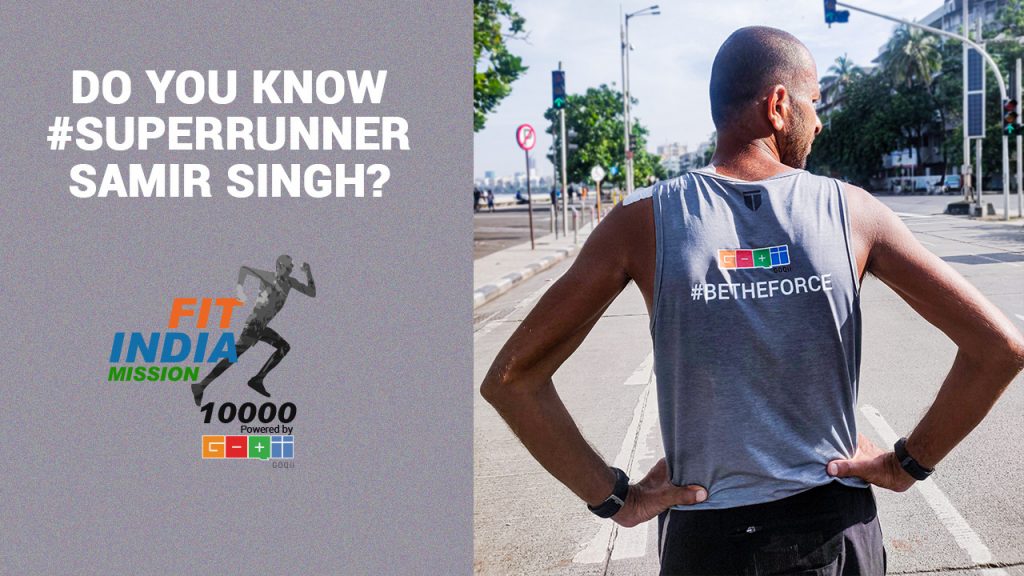
Do You Know #SuperRunner Samir Singh?

samir singhRunning keeps you fit! It’s a tried, tested and approved fact. Now, whether you’re running to lose weight, catch a bus you’re obviously late for or running away from your problems, at the end of it there will be change. If you must run, can your goals be kicked up a notch? Can they mean something more? One man decided to push the envelope of what’s possibly the ultimate test of strength, endurance and mental fortitude. Have you heard of the Super Runner, yet?

In mid-October, ultra-runner Samir Singh, also known as the Faith Runner, took to challenge his mind and body by attempting to run 10,000km in over 100 days. He calls his run the “Fit India Mission 10000”, a humble dedication to the Fit India Movement. “I think this is the best movement that the Government has started. The movement is inspiring a lot of people to take up fitness as a way of life and I strongly believe in it,” he says in support of the Government initiative for a healthier, fitter India.

It has been around three weeks since he started and has completed approximately 1500km. “I believe in myself. I have dreamt of doing this for a long time and I believe it is possible! I can do it!” said Samir with confidence. For him, it is his self-motivation and passion that keeps him moving. But what drove him to take such a huge step?

Coming from a humble background where his family’s main occupation is farming, Samir managed to come to Mumbai from his hometown Kanaheda in Madhya Pradesh in 2000 in the hope of getting a decent job. He got one with a marketing agency where he was asked to do surveys by interviewing people. In one such survey related to marathons, he got interested in running. It led him to believe that running and winning marathons can not only help him get fit but also earn money.

Samir Singh gave up his sedentary lifestyle and took to running long distances at the age of 35. Prior to embarking on ultra-runs, he started running full marathons. Did a couple of them and even won some of them. His first ultra-race was the Mumbai Ultra (a 12-hour run) where he logged approximately 107 KM in 2015 and 120 Km in 2016 with a podium finish.

Having achieved these feat, he understood his body and how it reacted to stress. His urge to challenge himself further and do something extraordinary kept nudging him and he decided to push himself to do a 10,000km in 100 days. In his first attempt of 10,000km, he unfortunately fell short of just 36km and ran only 9,964.19km.

What is interesting to note is that he started his running career without any fancy gears. Sometimes barefoot and sometimes with make do shoes. His focus was only on running.  He does not have any major nutrition plans and does not take any supplements. He believes in ‘Satvik’ food which is simple, nutritious and less spicy.

Upon hearing this man’s story and his determination to challenge his body, GOQii decided to extend their support to his mission. GOQii has been working with him to ensure that his nutritional needs are met during his journey to spread awareness for the Fit India Movement. GOQii has also helped him choose the right gear to ensure his run is a major success.
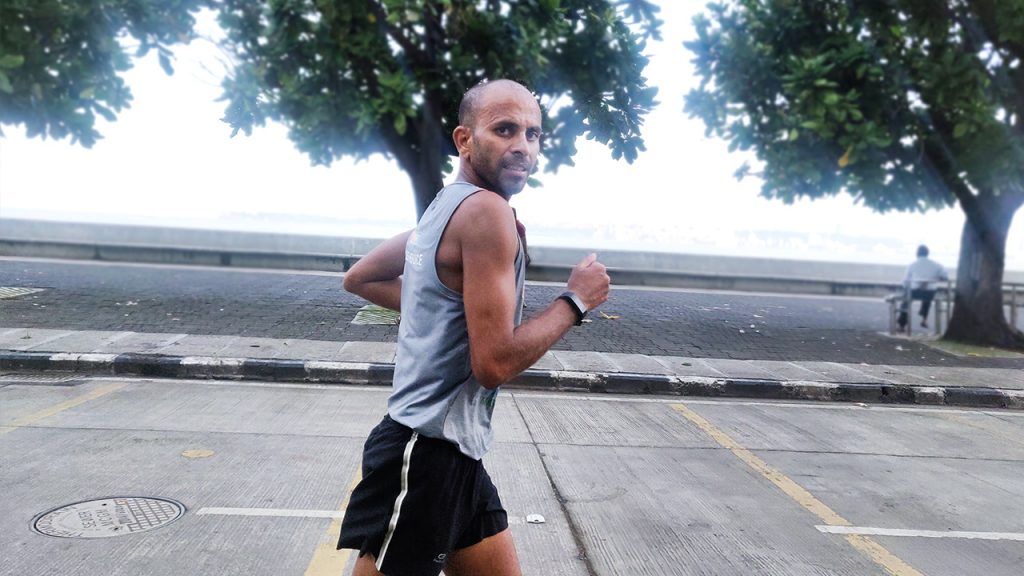
super runnerSo far, the Faith Runner shows no signs of slowing down, steadily taking one step forward towards his goals. You can see Samir Singh begin as early as 4:30AM in the morning every day from Girgaum Chowpatty, opposite Wilson College and run all the way till Juhu Beach and back! If you feel motivated after reading this story, lace up your running shoes and join him in running towards a healthier India and a fitter you!

If 100km is too much, you can try joining us for the GOQii Trail Challenge 2019 in December. Get all the details about the beautiful, scenic trail here and gear up for a health retreat that will leave you breathless: www.goqii.com/gtc.

#BeTheForce
November 7, 2019 By Varsha Jangid 1 Comment

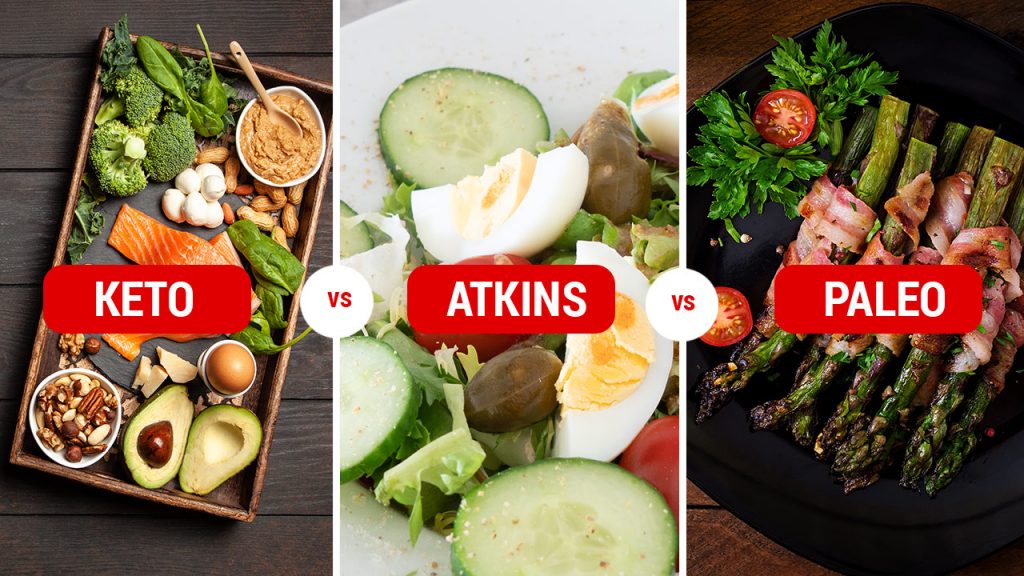
The Difference Between Keto, Paleo and Atkins

keto, atkins and paleo

With fad diets running around in full swing, you’re bound to wonder what they are about. To give you a quick gist, Keto, Atkins and Paleo are all low carbohydrate diets that serve different purposes. To understand the difference between them, let’s delve into details first!

1. Ketogenic or Keto Diet

This diet was created in the 1920s as a mode of treating epilepsy. The classic Keto diet requires 90% of the calories coming from fat, 6% from proteins and 4% from carbohydrates. The purpose of this diet is to force the body to go into ketosis, which is a metabolic state that utilizes fat for energy instead of glucose (i.e. from Carbs).

Although the diet is low-carb, its main focus is to be high in fat with some protein. There are no restrictions on the type of fat to be consumed.  So followers can have bacon, avocados, butter, etc.

Pros:

  • High-fat and high-protein foods keep you fuller for longer.
  • You can eat up to four ounces of cheese (For some of us, that’s key).
  • Protein is more limited than on Atkins, so your liver will not end up processing it.
  • Your cholesterol is going to get better as the good cholesterol will go up and the bad triglycerides will go down.
  • It can also help lower blood pressure.
  • The keto diet has been shown, in some studies, to improve the health of women with PCOS (Polycystic ovarian syndrome), reduce cholesterol, decrease seizures in epileptic children, and improve acne.

Cons: 

  • Have you heard of the Keto flu? When you start the diet, you may begin feeling grumpy and foggy while your body and brain adjust to using ketones instead of glucose for fuel. The Keto flu can last from 2 days to 2 weeks.
  • You cannot eat any fruit.
  • As the fiber content in the diet is low, it can cause issues such as constipation.
  • You need to be careful about dehydration.
  • You need to get ketone urine testing strips to confirm you’re in ketosis at regular intervals.
  • If you are accustomed to a high-fiber diet, you might need a supplement.
  • If you are on medication for hypertension, diabetes, or other conditions, you must talk to a doctor before starting the diet.

2. Atkins Diet

This diet is specifically labelled as a low-carb diet. There are 2 versions of Atkins diet: Atkin 20 which is the original diet and Atkin 40, which is a diet created for those looking to lose less than 40 pounds (approx. 18 kg).

The Classic Atkins diet has 4 phases: The 1st phase starts off with having 20-25gms of carbs per day and then slowly progresses to phase 4 in which people are allowed 80-100gms of carbs, which is still considered low-carb.

Atkins focuses on net carb intake. Instead of counting all carbs as the same, this diet takes fiber and sugars into account, whereas Paleo and Keto don’t. So if a food has 10gms of carbs, but 3gms of fiber, and 1gm of sugar, than your net carb intake would be 6gms.

Pros: 

  • You won’t be hungry. You will feel satisfied.
  • Weight comes off quickly, although some of it will be water weight. 
  • The four phases allow you to slowly add some carbs back in, making it somewhat easier to sustain. 
  • Atkins has a line of snack bars, shakes, and frozen meals, which make compliance convenient.
  • There is evidence that the diet helps improve both cholesterol and blood sugar levels.

Cons: 

  • Your initial dramatic weight loss is a whole lot of water — you won’t keep losing at the same level and the minute you eat carbs again it will come back on. 
  • You eat too much protein, which can cause serious liver issues.
  • This can also prevent you from going into ketosis, which means you won’t lose weight. 
  • Eating barely any carbs can, at first, make you feel cranky, lethargic, and even achy — mainly because your brain takes time to adjust from processing glucose to ketones.
  • Being in a state of ketosis causes stinky breath — and since bad breath doesn’t come from your mouth, brushing isn’t going to help.
  • The Atkins line of foods and snacks often contain artificial sweeteners and other processed ingredients.

3. Paleo Diet

The Paleo diet follows the eating pattern followed during the Paleolithic era, 2.6 million years ago, which is basically eating like a hunter- gatherer. It focuses mostly on a high-protein diet with lots of vegetables and fruit. Unlike Keto and Atkins, this diet doesn’t aim to be low-carb. It cuts down the intake of carbs from grains, dairy, legumes, refined and processed foods.

While keto diet doesn’t discriminate between the types of fats that needs to be included, the Paleo diet advises its followers to avoid certain types of oils and trans-fats. Although you can eat all the peanut butter you want to on a keto diet, the paleo diet cuts out the peanut butter because technically peanuts are classified under legumes.

Pros: 

  • The focus of Paleo is on whole, nutrient-dense foods.
  • You can have proteins, fruits and vegetables, and healthy fats (like those from avocado, nuts, and seeds). 
  • Low-glycemic diets have been shown to lower blood sugar and cholesterol and reduce visceral fat. 
  • You don’t have to give up sweets, as long as they are natural (honey, maple syrup, etc.). 
  • People with gut issues may find eliminating wheat, dairy, and processed foods also eliminates digestive discomfort. 
  • It is higher in fiber and other nutrients than Atkins and Keto.

Cons: 

  • The diet is restrictive and difficult to implement. 
  • Be prepared to shop and cook for every meal, because it’s challenging to eat out on Paleo. 
  • This diet might burn a hole in your pockets as grass-fed meats, free-range poultry and organic produce are expensive. 
  • Without dairy, you may need to increase your efforts to consume enough calcium. 
  • Weight loss, if any, may be more gradual than on the other diets.

While GOQii does not advocate, promote or instruct its players to follow fad diets, if you’re still adamant on choosing any one of these, you may want to consult your GOQii Coach within the app, nutritionist or dietician before proceeding as the same diet doesn’t work for everyone. You might even want to check with your doctor in case you have food allergies.

We hope this article helps you! Leave your thoughts in the comments below!

#BeTheForce

November 6, 2019 By Dr. Viral Thakkar Leave a Comment

Stroke: A Few Untouched Aspects

stroke

Stroke is the sudden death of some brain cells due to lack of oxygen when the blood flow to the brain is lost by blockage or rupture of an artery to the brain. According to the WHO, it is the second leading cause of death and the third leading cause of disability. Stroke is also a leading cause of dementia and depression. For commonly known causes of stroke, please refer to the article “Stroke: Straight Dive or Pavilion” published earlier. While you might have read a number of reasons which lead to stroke, this article focuses on the importance of emotional health to prevent stroke.

 There Are 2 Main Types of Stroke  

  1. Hemorrhagic Stroke: is caused by bleeding in the brain due to a weak spot in the wall of the vessel, which can cause an aneurysm (bulging of the vessel wall). The vessels can also be weakened by chronic or very high blood pressure and break from force. When the vessel breaks, blood leaks into surrounding tissue, and the brain doesn’t get the oxygen and nutrients it needs.
  2. Ischemic Stroke: results from blocked arteries, which often occur from cholesterol build-up, called plaque. Plaques on the inside of the vessel can be fragile when blood flows past, causing the plaque to lift.  But in the blood vessel, when a plaque lifts-up and the body tries to heal it, like it would scab on your arm, it makes a clot where that plaque lifted up, which blocks blood flow and can lead to ischemic stroke.

The human body is magical. When the mind perceives a threat or stress, the body releases cortisol and adrenaline to cope with it. These hormones impact the homeostasis of the body; the other parameters get deranged and affect the healing processes of the body. Now, if your personality is to take constant stress, cortisol and level of other stress hormones will be high to ensure the body deals with stress. This could cause retention of salt which might increase blood pressure. Stress also causes an increase in blood sugar, which means the vessels can’t dilate or contract to better control blood flow. Increased cortisol is also known to disrupt sleep cycles leading to fatigue.

Anyone Can Be At Risk…

…for many reasons, not just stress. Sometimes, it just how your body responds.

While there is no concrete reason to state that positive emotions, a stress-free life or a balanced psychological state will not lead to stroke. However, there are numerous research studies to indicate that there might be a relationship between negative emotions, stress & stroke. In my practice, I have usually seen stressed people holding negative emotions fall prey to issues like stress, heart ailments, etc.  A University of Michigan study found that men who were more physiologically reactive to stress were 72% more likely to suffer a stroke.

Regardless of how your life or your job is, if you feel you are stressed, you most probably are.

If you’re still unsure, ask yourself these questions:

  • Does your significant other tell you, you seem stressed?
  • You tend to pick up fights and arguments with your family and co-workers more than normal?
  • You resort to alcohol, drugs, smoking to alleviate stress?
  • Do you find less joy in things that normally make you happy?
  • Do you find it difficult to fall or stay asleep compared to normal?
  • You don’t like to get up in the morning, especially on days you know you will come across stress causing situations

If the answer to the above is yes, then it’s time for you to work on yourself. Contemplate on the reason, give attention to the little things in life… It is the little things which lead to bigger changes! Some attitude changes like acceptance and forgiveness make a lot of difference!

Quick tip: Whenever you feel stress, start taking deep breaths. Mentally count till 5 & inhale, count another 5 and exhale. Make it as slow and steady as possible. Taking in more oxygen allows more oxygen to be available to the brain tissues. Some research suggests that deep breathing helps to rehabilitate the brain after a stroke. This style of breathing also helps to relax and calm the mind and whole being.

While everyone faces issues in life, it is the ability to cope with it, be in sync with one’s body which determines health!

#BeTheForce

  • « Previous Page
  • 1
  • 2

Search

Recent Posts

  • Navigating the Maze of Nutrition: Finding Clarity Amidst Confusion
  • Get children active and keep them healthy
  • What Gestational Diabetes Can Do To You & Your Unborn Child
  • Breathing – A Forgotten Art
  • The Incredible Benefits Of Milk You Might Not Know

Stay Updated

Archives

  • December 2025 (3)
  • November 2025 (15)
  • October 2025 (20)
  • September 2025 (6)
  • August 2025 (6)
  • July 2025 (12)
  • June 2025 (18)
  • May 2025 (16)
  • April 2025 (23)
  • March 2025 (23)
  • February 2025 (22)
  • January 2025 (26)
  • December 2024 (26)
  • November 2024 (25)
  • October 2024 (22)
  • September 2024 (24)
  • August 2024 (31)
  • July 2024 (21)
  • June 2024 (26)
  • May 2024 (31)
  • April 2024 (27)
  • March 2024 (29)
  • February 2024 (26)
  • January 2024 (25)
  • December 2023 (15)
  • November 2023 (11)
  • October 2023 (22)
  • September 2023 (22)
  • August 2023 (20)
  • July 2023 (22)
  • June 2023 (24)
  • May 2023 (24)
  • April 2023 (24)
  • March 2023 (23)
  • February 2023 (20)
  • January 2023 (16)
  • December 2022 (12)
  • November 2022 (15)
  • October 2022 (15)
  • September 2022 (12)
  • August 2022 (10)
  • July 2022 (17)
  • June 2022 (11)
  • May 2022 (10)
  • April 2022 (6)
  • March 2022 (6)
  • February 2022 (13)
  • January 2022 (12)
  • December 2021 (7)
  • November 2021 (3)
  • October 2021 (6)
  • September 2021 (3)
  • August 2021 (8)
  • July 2021 (7)
  • June 2021 (15)
  • May 2021 (16)
  • April 2021 (10)
  • March 2021 (7)
  • February 2021 (4)
  • January 2021 (4)
  • December 2020 (3)
  • November 2020 (4)
  • October 2020 (10)
  • September 2020 (3)
  • August 2020 (3)
  • July 2020 (2)
  • June 2020 (4)
  • May 2020 (10)
  • April 2020 (12)
  • March 2020 (10)
  • February 2020 (4)
  • January 2020 (4)
  • December 2019 (3)
  • November 2019 (7)
  • October 2019 (5)
  • September 2019 (4)
  • August 2019 (9)
  • July 2019 (9)
  • June 2019 (11)
  • May 2019 (4)
  • April 2019 (9)
  • March 2019 (8)
  • February 2019 (9)
  • January 2019 (8)
  • December 2018 (9)
  • November 2018 (3)
  • October 2018 (3)
  • September 2018 (5)
  • August 2018 (10)
  • July 2018 (6)
  • June 2018 (13)
  • May 2018 (8)
  • April 2018 (18)
  • March 2018 (9)
  • February 2018 (8)
  • January 2018 (15)
  • December 2017 (12)
  • November 2017 (19)
  • October 2017 (13)
  • September 2017 (15)
  • August 2017 (4)
  • July 2017 (8)
  • June 2017 (7)
  • May 2017 (6)
  • April 2017 (8)
  • March 2017 (6)
  • February 2017 (7)
  • January 2017 (9)
  • December 2016 (10)
  • November 2016 (7)
  • October 2016 (7)
  • September 2016 (7)
  • August 2016 (11)
  • July 2016 (9)
  • June 2016 (9)
  • May 2016 (12)
  • April 2016 (17)
  • March 2016 (17)
  • February 2016 (8)
  • January 2016 (6)
  • December 2015 (2)
  • November 2015 (9)
  • October 2015 (7)
  • September 2015 (9)
  • August 2015 (11)
  • July 2015 (9)
  • June 2015 (12)
  • May 2015 (9)
  • April 2015 (13)
  • March 2015 (8)
  • February 2015 (5)
  • January 2015 (12)
  • December 2014 (14)
  • November 2014 (11)
  • October 2014 (6)
  • September 2014 (13)
  • August 2014 (12)
  • July 2014 (6)
  • June 2014 (2)
  • May 2014 (7)
  • April 2014 (5)

From “Laddu Nawin” to Fit and Fierce: How a 25-Year-Old Insurance Advisor Shed 20 Kilos and Gained His Life Back

When 25-year-old Nawin Yadav from Hyderabad walked into his office every morning, he carried more than just his files and policy papers. He had the weight of fatigue, sluggish energy, and an ever-growing belly that was becoming the butt of jokes. “People … [Read More...]

“I’ve Challenged Myself to Live 100 Years” – The Story of Chandubhai Savani’s Second Chance at Life

At 67, most people start slowing down. Not Chandubhai Savani. A resident of Surat, Chandubhai, thought life was on track. “My life was going well till I had my bypass surgery,” he says. That surgery, back in 2021, was a wake-up call.  Medication was routine, but exercise wasn’t. His diet? What he calls ‘normal.’ “I […]

From Shimla’s Slopes to Chandigarh’s Sidewalks: Surinder Kaur Bhalla’s Journey from Chaos to Control

Some journeys start with a plan. Others begin with a stumble literally. Surinder Bhalla, a government professional, born and raised in the scenic hill town of Shimla, had always lived a life of movement. “In Shimla, you walked everywhere,” she reflects. “Walking was never an exercise. It was just life.” But after shifting to Chandigarh, […]

Ananda Mukherjee Health Story

From Terminal Illness To Complete Wellness! Ananda Mukherjee Health Story

As we observe World Cancer Day under the powerful theme ‘United by Unique’ (2025-2027)**, we are reminded that every individual’s journey with cancer is distinct, yet united by shared resilience, hope, and the collective fight against this disease. This theme places people at the centre of care and their stories at the heart of the […]

  • HOME
  • HEALTHY LIVING
  • FITNESS
  • HEALTHY RECIPES
  • USER STORIES
  • KARMA
  • BUY GOQii

Copyright ©2016 GOQii