GOQii

Blog

  • HOME
  • HEALTHY LIVING
  • FITNESS
  • HEALTHY RECIPES
  • USER STORIES
  • KARMA
  • BUY GOQii

November 11, 2026 By Priyanka Mangla 3 Comments

The Early Signs & Symptoms of Diabetes

symptoms of diabetes

Diabetes rarely announces itself. Type 2 diabetes, which accounts for more than 90% of cases, usually develops slowly over years, and many people have no obvious symptoms at all. Worldwide, the International Diabetes Federation estimates that 589 million adults are living with diabetes, and about 4 in 10 of them don’t know it.

In India, the numbers are especially high. The ICMR-INDIAB study, published in The Lancet Diabetes & Endocrinology, estimated that 101 million Indians have diabetes and another 136 million have prediabetes, blood sugar that’s higher than normal but not yet in the diabetes range.

That’s why it’s worth knowing the early signs, and also knowing that you shouldn’t wait for them. Spotting raised blood sugar early, before it damages the eyes, kidneys, nerves, heart and blood vessels, gives you the best chance of keeping it under control or, in the prediabetes stage, of bringing it back to normal. This guide explains the symptoms to look out for, how they differ between types of diabetes, who should get tested even without symptoms, and what the test results mean.

At a glance

  • Many people have no symptoms, especially with type 2 diabetes and prediabetes. A blood test is the only way to know.
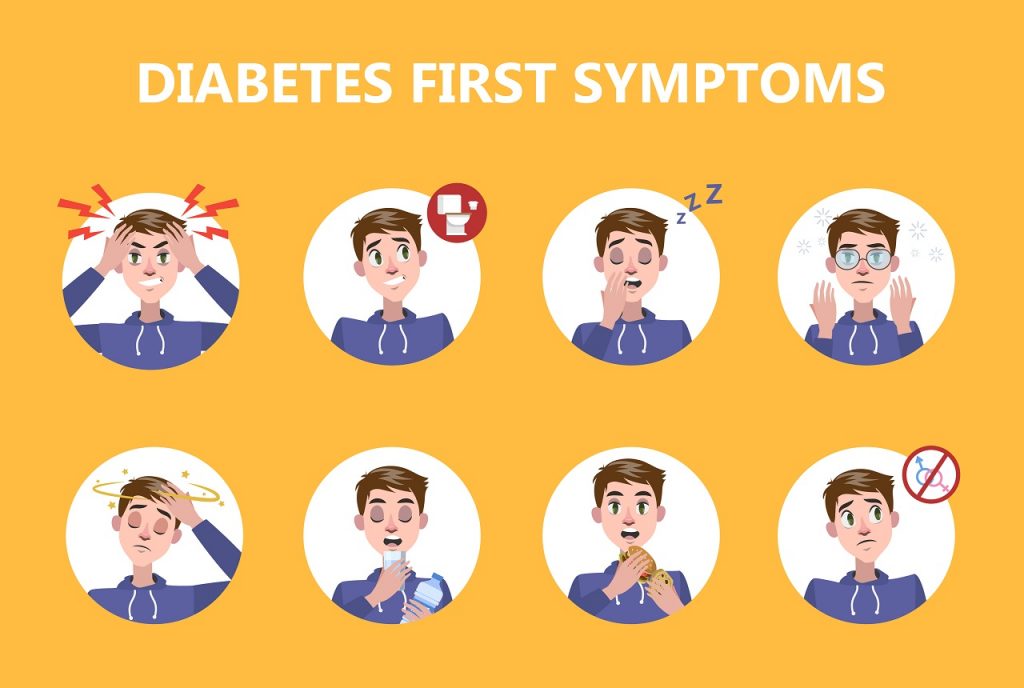
  • The classic signs are passing urine often (especially at night), feeling very thirsty, unexplained weight loss, tiredness and blurred vision.
  • Other clues include slow-healing cuts, frequent infections such as urinary or yeast infections, tingling or numbness in the hands or feet, and dark, velvety patches of skin on the neck or armpits.
  • Type 1 diabetes can appear quickly, over weeks, and can become an emergency. Vomiting, stomach pain, fast breathing, fruity-smelling breath or confusion need urgent care.
  • Get tested if you’re 30 or over, or younger with risk factors such as a family history, extra weight around the waist, a history of diabetes in pregnancy or PCOS. Indians tend to develop type 2 diabetes younger and at a lower weight.
  • The main tests are fasting blood glucose, HbA1c and the oral glucose tolerance test. An HbA1c of 6.5% or more suggests diabetes; 5.7–6.4% suggests prediabetes.
  • Prediabetes is a window to act. Healthy eating, regular activity and modest weight loss can lower your risk of it progressing.

The early signs of diabetes, and why they happen

When there’s too much glucose (sugar) in your blood, your body tries to get rid of it and can’t use it properly for energy. That explains most of the symptoms below. The US Centers for Disease Control and Prevention lists these as common symptoms of type 1 and type 2 diabetes. You might notice only one or two of them, and they can be mild enough to put down to stress, age or a busy schedule.

1. Passing urine more often

When blood sugar is high, your kidneys pass the extra glucose into your urine, and it takes water with it. You may need to urinate more often, particularly at night, and pass larger amounts.

2. Feeling very thirsty

Losing more water through urine leaves you dehydrated, so you feel thirsty and may have a dry mouth however much you drink. Thirst and frequent urination together are among the most common early clues.

3. Feeling hungry and tired

Insulin moves glucose from your blood into your cells for energy. When insulin isn’t working well or there isn’t enough, your cells are short of fuel even though there’s plenty of sugar in your blood. You may feel tired, low on energy, irritable or hungry soon after eating.

4. Losing weight without trying

If your body can’t use glucose for energy, it starts breaking down fat and muscle instead, and you lose calories as sugar in your urine. Unexplained weight loss is more typical of type 1 diabetes, but it can happen with type 2 too, and it always deserves a check-up.

5. Blurred vision

High blood sugar can change the fluid balance in the lens of the eye, making it swell and your vision blur. This often improves when blood sugar comes down, but it’s worth seeing a doctor. Over time, diabetes can damage the blood vessels at the back of the eye.

6. Slow-healing cuts and frequent infections

High blood sugar can affect circulation and the immune system, so cuts, sores and wounds may take longer to heal. Some people get repeated infections, such as urinary tract infections, thrush (yeast infections), skin or gum infections.

7. Tingling, numbness or burning in the hands or feet

Over time, raised blood sugar can damage nerves, particularly in the feet. This tends to happen when type 2 diabetes has been present for a while without being diagnosed, which is one reason testing early matters.

8. Dark, velvety skin patches

Darker, thicker, velvety skin in body folds, such as the back of the neck, armpits or groin, is called acanthosis nigricans. It’s often a sign of insulin resistance, the problem behind type 2 diabetes, and can appear years before diabetes develops. It’s common in South Asians and worth mentioning to your doctor, particularly in children and young adults.

Signs that are often blamed on something else

Tiredness, frequent urination at night, itchy skin, recurring infections and irritability are easy to put down to age, work or the weather. If you have several of these, or any of them along with risk factors for diabetes, ask for a blood test rather than waiting to see if they pass.

A note on what’s not a reliable sign: symptoms alone can’t confirm or rule out diabetes, and some that are often listed online, such as pale skin or a loss of libido, have many other causes. Only a blood test can tell you.

How symptoms differ: type 1, type 2, prediabetes and pregnancy

How it develops What you might notice
Type 1 diabetes An autoimmune condition in which the body stops making insulin. It can start at any age, but is most often diagnosed in children, teenagers and young adults. Symptoms can appear suddenly, over a few weeks or months, and can be severe: marked thirst, frequent urination, weight loss, tiredness, and sometimes nausea, vomiting and stomach pain.
Type 2 diabetes The body doesn’t respond well to insulin (insulin resistance) and gradually can’t make enough. Linked to genes, age, weight around the waist and lifestyle. Symptoms often take several years to develop, and some people have none. Slow-healing wounds, infections, tingling feet and dark skin patches may be the first clues.
Prediabetes Blood sugar is higher than normal but below the diabetes range. Usually no symptoms at all. It’s found only with a blood test.
Gestational diabetes High blood sugar that develops during pregnancy, usually in the second half. Usually no symptoms, which is why pregnant women are tested routinely. It raises the risk of type 2 diabetes later in life.

Type 1 diabetes isn’t present from birth, and type 2 is no longer only an adult disease: it’s increasingly seen in young adults and even teenagers. Our guide to type 1 vs type 2 diabetes explains the differences in more detail.

When high blood sugar is an emergency

In type 1 diabetes, and occasionally type 2, a severe lack of insulin can cause diabetic ketoacidosis (DKA), a life-threatening condition that can develop quickly. Get urgent medical help, or call 112, if someone has high blood sugar symptoms along with any of these warning signs of DKA:

  • stomach pain, feeling sick or being sick
  • breathing more deeply than usual
  • fruity-smelling breath (like pear drops or nail polish remover)
  • tiredness, sleepiness or confusion

This is especially important in children and young people who suddenly become very thirsty, are passing a lot of urine and losing weight. Don’t wait for a routine appointment.

Who should get tested, even without symptoms

Because type 2 diabetes and prediabetes are often silent, testing is based on risk rather than symptoms.

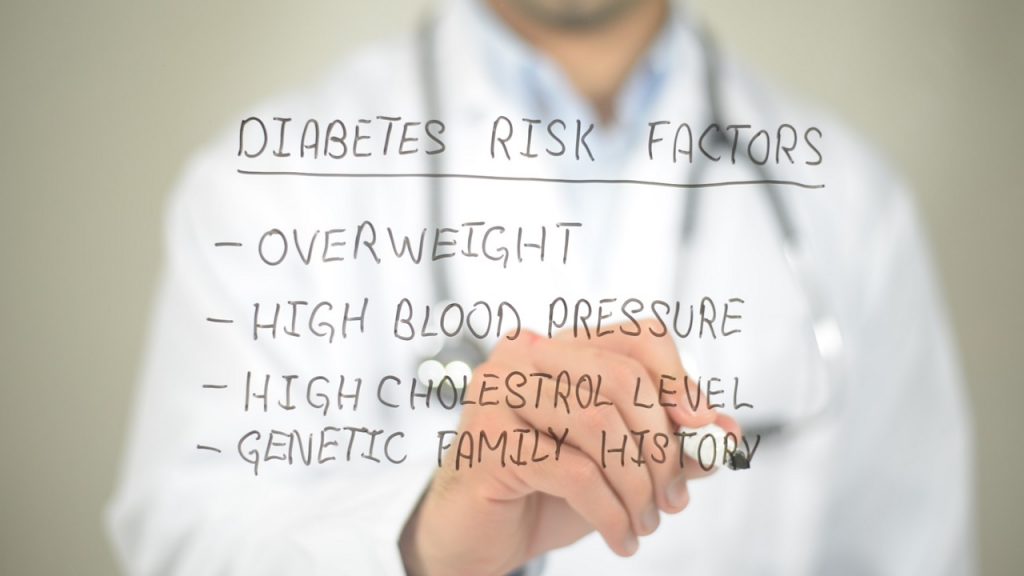
Risk factors

  • Age 30 or over. India’s national programme offers diabetes screening at Ayushman Arogya Mandirs and government health facilities for all adults aged 30 and over.
  • A parent, brother or sister with diabetes.
  • Extra weight, especially around the waist. For South Asian adults, a waist of more than about 90 cm (35.5 in) for men or 80 cm (31.5 in) for women is a common warning threshold.
  • South Asian heritage. At the same body weight, Asian Indians tend to have more body fat, more fat around the organs and less muscle than people of European descent, and diabetes often develops at a weight that would be considered healthy in Europeans. US screening guidance suggests considering testing in Asian adults from a BMI of 23.
  • Diabetes during pregnancy, or having had a baby weighing more than about 4 kg.
  • Polycystic ovary syndrome (PCOS).
  • High blood pressure, high cholesterol or triglycerides, or heart disease.
  • Little physical activity, smoking or regularly short sleep.
  • Dark, velvety skin patches (acanthosis nigricans).

How often to test

  • Adults aged 30 and over: get a blood sugar test, and repeat it at least every three years if it’s normal. Your doctor may suggest testing more often if you have other risk factors.
  • Younger adults with extra weight plus one or more risk factors: get tested now rather than waiting.
  • People with prediabetes: test every year.
  • Women who had gestational diabetes: get tested 6–12 weeks after the birth, then regularly for life.
  • Anyone with symptoms: don’t wait for a routine check. See a doctor soon.

If you’re due a check-up, our Dhanteras health guide lists the key tests by age and where to get them.

The tests, and what your numbers mean

Diabetes is diagnosed with a blood test, not a urine test or a symptom checklist. These are the ranges used by the American Diabetes Association, which are widely used in India too:

Test Normal Prediabetes Diabetes
Fasting blood glucose (after 8 hours without food) Below 100 mg/dL 100–125 mg/dL 126 mg/dL or higher
HbA1c (average blood sugar over 2–3 months; no fasting needed) Below 5.7% 5.7–6.4% 6.5% or higher
Oral glucose tolerance test (2 hours after a 75 g glucose drink) Below 140 mg/dL 140–199 mg/dL 200 mg/dL or higher

A random blood glucose of 200 mg/dL or more in someone with classic symptoms, such as thirst, frequent urination and weight loss, also points to diabetes.

A few things to know:

  • One high result usually needs confirming with a repeat test or a second type of test, unless your sugar is very high and you have clear symptoms.
  • HbA1c can be misleading in people with anaemia, some inherited haemoglobin conditions (such as thalassaemia trait), kidney disease or pregnancy. Your doctor may use fasting glucose or a glucose tolerance test instead.
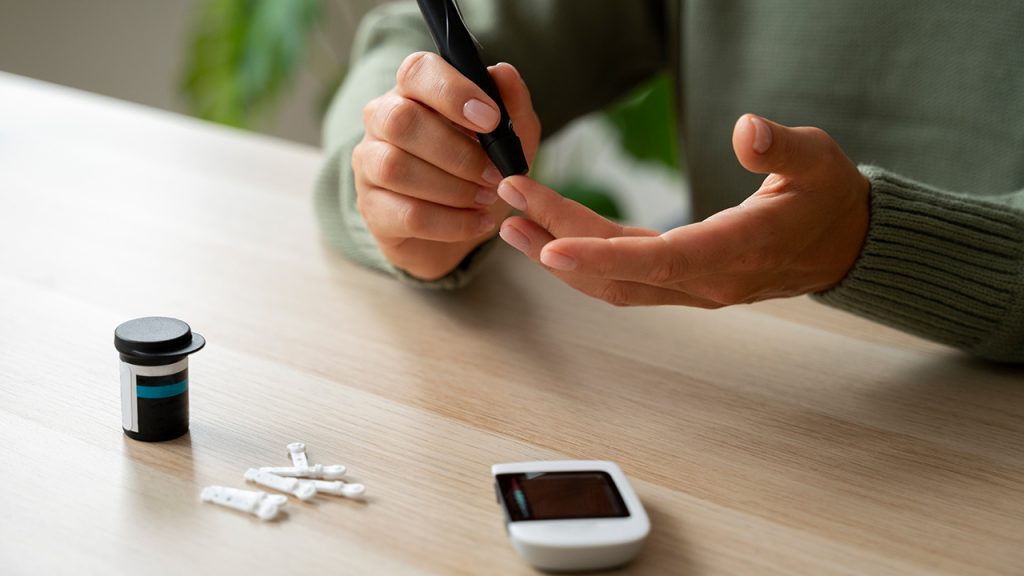
  • Home glucometers are useful for monitoring once you’re diagnosed, but a lab test is needed to diagnose diabetes.

What to do with your result

  • Normal: keep up healthy habits and retest at least every three years, or as your doctor advises.
  • Prediabetes: this is a window to act. Regular activity, healthier eating and losing even a modest amount of weight can lower your risk of developing type 2 diabetes. Retest every year. Our tips on managing diabetes with lifestyle and nutrition apply here too.
  • Diabetes: your doctor will talk to you about treatment, which may include lifestyle changes, medicines or both, and check your eyes, kidneys, feet, blood pressure and cholesterol. Diagnosed early and managed well, diabetes is far less likely to cause complications.

Be wary of “cures”. Foods and traditional remedies such as karela (bitter gourd), jamun seeds or methi are often promoted as natural treatments for diabetes. Some have shown small effects in early studies, but none replaces diagnosis and medical treatment. Don’t stop or change prescribed medicines without talking to your doctor. If you’re weighing up sweeteners, our guide to jaggery vs sugar explains why gur isn’t a healthier choice for blood sugar.

The bottom line

Diabetes often develops quietly. Thirst, frequent urination, tiredness, blurred vision, slow-healing wounds and unexplained weight loss are all reasons to get checked, but the absence of symptoms isn’t a reason to skip testing. If you’re 30 or over, or younger with a family history, extra weight around the waist, PCOS or a history of diabetes in pregnancy, a simple blood test can tell you where you stand. Finding high blood sugar early, especially at the prediabetes stage, gives you the most room to act.

Pro Tip: Book a fasting glucose or HbA1c test if you haven’t had one in the last year, and log the result in the GOQii App so you can track it over time alongside your steps, weight and sleep. If your numbers are in the prediabetes or diabetes range, your GOQii Personalised Health Coach can help you build realistic eating and activity habits, alongside your doctor’s advice.

Frequently asked questions

What are the first signs of diabetes?

The most common early signs are passing urine more often, especially at night, feeling very thirsty, tiredness, blurred vision and losing weight without trying. Many people with type 2 diabetes or prediabetes have no symptoms at all, so a blood test is the only way to know.

Can you have diabetes without any symptoms?

Yes. Type 2 diabetes often develops slowly over years without obvious symptoms, and prediabetes usually has none. The International Diabetes Federation estimates that about 4 in 10 adults with diabetes don’t know they have it.

What are the early signs of diabetes in women?

Women have the same main symptoms as men, but may also notice repeated vaginal yeast infections (thrush) or urinary tract infections. Women with PCOS or a history of diabetes in pregnancy have a higher risk and should be tested regularly.

What blood sugar level indicates diabetes?

A fasting blood glucose of 126 mg/dL or higher, an HbA1c of 6.5% or higher, or a 2-hour glucose tolerance test result of 200 mg/dL or higher indicates diabetes, usually confirmed with a repeat test. Fasting glucose of 100 to 125 mg/dL or HbA1c of 5.7 to 6.4% indicates prediabetes.

At what age should I get tested for diabetes?

In India, adults aged 30 and over are advised to be screened. Get tested earlier if you have extra weight plus a risk factor, such as a family history of diabetes, PCOS, high blood pressure or diabetes in a previous pregnancy.

How is type 1 different from type 2 diabetes in symptoms?

Type 1 symptoms often appear suddenly over weeks and can be severe, with marked thirst, frequent urination and weight loss. Type 2 symptoms usually develop slowly over years and may be mild or absent. Vomiting, stomach pain, fast breathing or fruity-smelling breath can signal diabetic ketoacidosis and need urgent care.

Can prediabetes be reversed?

Prediabetes can often return to normal blood sugar levels with regular physical activity, healthier eating and modest weight loss, which also lowers the risk of developing type 2 diabetes. Retest at least once a year.

#BeTheForce

Disclaimer: The information provided in this blog is for general awareness and educational purposes only. It is not intended to replace professional medical advice, diagnosis, or treatment. Always consult a qualified healthcare provider for personalised medical guidance or concerns related to your health.
March 27, 2025 By GOQii Leave a Comment

Type 1 vs Type 2 Diabetes: What’s the Real Difference?

Have you ever wondered if there’s a real difference between Type 1 and Type 2 diabetes? Maybe you’ve heard the terms tossed around but never really got the full picture. You’re not alone! Diabetes is often misunderstood, but knowing the difference between the two types could be a game-changer—for yourself or someone you care about.

So, let’s break it down in a simple, no-jargon way—because understanding your health shouldn’t feel like solving a puzzle.

What Exactly Is Diabetes?

Imagine this: your body runs on glucose (sugar) for energy, like a car runs on fuel. To get that fuel into your cells, your body uses a key—insulin—produced by your pancreas. But when that key either doesn’t exist or doesn’t work properly, glucose stays in your bloodstream, causing blood sugar to rise. That’s diabetes in a nutshell.

Let’s Meet Type 1 Diabetes: Autoimmune & Unexpected

Think of Type 1 as your immune system going rogue—mistaking your healthy insulin-producing cells for enemies and attacking them. As a result, your body stops making insulin altogether.

Who Gets It?

It often shows up in children or young adults, but it can surprise anyone at any age. It’s not caused by lifestyle, and you can’t prevent it.

Signs to Look For:

⚡ Constant thirst
⚡ Frequent urination
⚡ Sudden weight loss
⚡ Fatigue
⚡ Blurred vision

Treatment?

Insulin for life—via injections or a pump. And with proper care, people with Type 1 diabetes can live full, vibrant lives.

Type 2 Diabetes: The Lifestyle-Linked One

Now, Type 2 is more like your cells ignoring the key. Your body still makes insulin, but your cells don’t respond properly—a condition called insulin resistance.

Who’s at Risk?

Mostly adults over 40, but it’s becoming common in younger people due to poor diet, lack of exercise, and weight gain.

What You Might Notice:

⚠️ Tiredness
⚠️ Slow-healing cuts
⚠️ Tingling in hands/feet
⚠️ Frequent infections
⚠️ Subtle weight gain

Treatment?

  • Lifestyle changes: diet + exercise
  • Medication (e.g., Metformin)
  • Insulin (in later stages for some)

Here’s the good news: Type 2 is often preventable and reversible with the right lifestyle tweaks.

Quick Comparison: Type 1 vs Type 2

Feature

Type 1 Diabetes

Type 2 Diabetes

Cause

Autoimmune destruction

Insulin resistance

Onset Age

Usually younger people

Usually 40+, but now younger

Insulin Production

None

Reduced/ineffective

Treatment

Insulin only

Lifestyle, meds ± insulin

Preventable?

No

Often, yes

Onset Speed

Sudden

Gradual

Can You Prevent or Reverse Type 2 Diabetes?

Absolutely.
Here’s how you can stay ahead:

  • Eat balanced, whole foods
  • Stay active—150 minutes a week does wonders
  • Maintain a healthy weight
  • Sleep well, stress less
  • Get regular health check-ups

Remember: small steps today can lead to big wins tomorrow.

Understanding the difference between Type 1 and Type 2 diabetes helps you make better choices and support others on their health journey. Whether you’re managing the condition or simply staying informed, awareness is your superpower.

💬 Have tips or a personal experience with diabetes? Share it in the comments—we’d love to hear from you!

#BeTheForce

Disclaimer: The information provided in this blog is for general awareness and educational purposes only. It is not intended to replace professional medical advice, diagnosis, or treatment. Always consult a qualified healthcare provider for personalised medical guidance or concerns related to your health.

November 16, 2024 By Dr Akshat Chadha 1 Comment

Busting Myths Related To Diabetes Reversal

diabetes reversalYou may have often come across the term ‘Diabetes Reversal’. But can the condition actually be ‘reversed’? “The word ‘reversal’ is a misnomer, as the dictionary defines it as a change in an opposite direction, position, or course of action or back to a former state. Of late, this seems to be used very loosely next to diabetes, and that’s not an accurate way to look at it.
Why is it not accurate? That is because ‘diabetes reversal’ would mean that the medicines are stopped, and the person no longer suffers from the disease. But, this scenario is seldom seen in practice for many patients. Yes, few patients — like the ones with prediabetes are able to ‘reverse’ their conditions for a longer period of time (if they are able to maintain a good lifestyle) but those with chronic, long-standing diabetes, find it difficult to even sustain the reduced medications.

The word ‘reversal’ may actually only mean better control and management to begin with, then slowly tapering off medicines, to finally try and take them off with further work aimed at a situation where you do not go back to medications. If a patient can sustain this state of no medicines with the blood reports staying within the normal limits for five years, then probably we can say that diabetes (Type 2) has been reversed.

Common Myths Surrounding Diabetes Reversal 

Myth #1: Type 2 diabetes reversal is easy and can be achieved in 6-8 weeks by joining a program.

Fact: This one is actually a pretty funny and dangerous myth. I would think it’s impossible to believe something like this. But, people do believe it as they tend to get desperate to get rid of the condition and hence, go to any extent where they see a ray of hope, which makes it dangerous. Fad diets or even strict diets can show the blood reports getting better along with a reduction in weight (4-5 kgs every month). But, this drastic change can cause other issues later in life including chronic deficiencies.

While on the program, the patients are also taken off the medicines (since the blood reports look better) but once the program ends, and those who aren’t able to sustain the changes, the sugar starts to increase and this time with a vengeance. Some even end up rushing back to their original doctors who understandably get upset as they fear the damage caused and invariably have to increase medication. Thus, the patient suffers the most at multiple levels and what starts as a ray of hope for the patient ends up being a ray of destruction.

Myth #2: Cut out carbs, fruits and sugar and you will reverse Type 2 diabetes

no sugar diabetes reversal

Fact: The patient will definitely get the numbers down initially, at least on paper. But, apart from the nutritional benefits that they will miss out on, it’s very unlikely that diabetes reversal will be achieved.

I want to help you all understand that the major source of the problem such as inflammation or insulin resistance is the refined carbohydrates and sugar that are present in cakes, pastries, sodas and even packaged foods. Grains and fruits can increase the sugars but it varies from person to person. If they are balanced with fiber, proteins and fats, then you will be surprised to know how well the sugars are regulated. We have a tendency of eating 5-6 chapatis (Indian flatbread) or a big portion of rice with just a touch of vegetables (sometimes the quantity is even lesser than pickle) and sometimes no dals (lentils) or beans or even curd. So, instead of going extreme and cutting down everything (which again becomes difficult to sustain), look at including a balanced meal as you will not only have better blood sugar but also improve your overall health.

Myth #3: Do fasting and you will reverse diabetes

Fact: This one is really doing the rounds. This might not be a myth but rather an exaggeration. It makes sense to fast as you will end up consuming lesser food (>12hrs – you mostly will end up missing one major meal). Initially, one will witness weight loss and the gut along with the pancreas will get some relaxation during the fasting period. Fasting is an age-old practice and does have benefits if done the ‘right way’. It’s however important to know what’s the right way to fast.

The answer to this question is that it varies from diabetic to diabetic and also depends on the co-morbid conditions, current medications, insulin and how much the blood sugar fluctuates. Of course, eating 2kg of fruits or eating “anything and everything” during the eating window isn’t going to work, so such behaviour is not encouraged. Also, if you are continuously fasting for weeks or months together, then be careful about muscle health, gut health and even your metabolism as all of these can take a slight dip. Fasting when used as one of the tools for better diabetes management under the right guidance should help in the overall improvement of the patient’s health.

Myth #4: I will not be able to reduce medicines or get off them because I have a family history of diabetes.

family history diabetes reversalFact: Family history, especially if both parents have diabetes, does play a big role in making a person predisposed to diabetes. But it’s not the only factor that triggers diabetes. It’s, in fact, your lifestyle, your daily habits repeated over a period of time that finally leads you to diabetes. So, in the same way, you might have to be more particular and take better care of yourself. If done consistently, one can hope to see the medicines reduced, in spite of the family history.

Of course, prevention or postponement is better than reversal so if people can start following a healthier sustainable lifestyle then they can keep diabetes away for a longer time or even if they get it, they can manage it with minimum medicines. Better control can also help to reduce chances of the complications.

Myth #5: If I start medicines or insulin, I will never be able to reverse the diabetes

Fact: I feel this is one myth that should be broken as soon as possible. Many times starting medication or insulin earlier can actually help you conserve the beta-cell function (cells in the pancreas that produce insulin), further increasing your chances of getting off the medicine sooner provided you have made the lifestyle changes simultaneously. If the patient refuses to make basic changes like eating better, getting regular exercise, sleeping and managing stress better, then the medicine will also not get the desired support and that can further lead to an increase in the medicines.

So it’s time the diabetics reset their mindset. Stop doubting every doctor or medicine and take responsibility for your health by making the right changes so that diabetes reversal can become an easier reality in the coming years.

Myth #6: Type 1 diabetes can be reversed

Fact: Simply put, not yet. If anyone at this point is claiming or promising reversal of Type 1 diabetes, then that’s far from the truth. There’s a lot of work and research going on in this field but nothing conclusive has been shown. I do feel and hope that it’s a matter of time and in this interim, we all need to build up our patience and instead work on the information that we have and at least better manage type 1 diabetes. Type 1 diabetes doesn’t stop a patient from doing anything or living a good life, so if you have that worry or fear, it’s a good time to start changing it.

To summarize, diabetes reversal (the real one as I have mentioned above) is possible if the question on reversal is generic. But, we now need to ask the question differently – can I reverse my diabetes? If not then can I live healthy, fearlessly with diabetes – and the answer will always be a big yes!

We hope this article helps you! For more on Diabetes, check out Healthy Reads.

For further guidance and motivation by certified experts, join the GOQii Diabetes Care program. It’s India’s only diabetes program that is driven by Smart Science and Personal Coaching to improve Fasting Blood Sugar (FBS), Postprandial Blood Sugar (PP), reduce HbA1c levels and let you win gold! You can subscribe here: https://store.goqii.com/diabetescare.

#BeTheForce 

Search

Recent Posts

  • International Men’s Day 2026: why men’s health is everyone’s business
  • World COPD Day 2026: Short of Breath? Think COPD – Why Early Diagnosis Matters
  • National Epilepsy Day 2026: Seizure First Aid – What to Do (and Not Do) When Someone Has a Seizure
  • Children’s Day 2026: Healthy Lunchboxes and Screen-Time Habits for Happier, Healthier Kids
  • World Diabetes Day 2026: Early Action on Diabetes – Know Your Risk, Get Tested, Reverse Prediabetes

Stay Updated

Archives

  • November 2026 (18)
  • October 2026 (23)
  • September 2026 (5)
  • August 2026 (8)
  • July 2026 (24)
  • June 2026 (22)
  • May 2026 (20)
  • April 2026 (24)
  • March 2026 (18)
  • February 2026 (14)
  • January 2026 (14)
  • December 2025 (19)
  • November 2025 (14)
  • October 2025 (17)
  • September 2025 (6)
  • August 2025 (5)
  • July 2025 (9)
  • June 2025 (18)
  • May 2025 (16)
  • April 2025 (22)
  • March 2025 (25)
  • February 2025 (21)
  • January 2025 (25)
  • December 2024 (21)
  • November 2024 (21)
  • October 2024 (15)
  • September 2024 (22)
  • August 2024 (27)
  • July 2024 (14)
  • June 2024 (23)
  • May 2024 (26)
  • April 2024 (27)
  • March 2024 (27)
  • February 2024 (23)
  • January 2024 (21)
  • December 2023 (14)
  • November 2023 (10)
  • October 2023 (18)
  • September 2023 (20)
  • August 2023 (16)
  • July 2023 (16)
  • June 2023 (21)
  • May 2023 (20)
  • April 2023 (19)
  • March 2023 (23)
  • February 2023 (19)
  • January 2023 (15)
  • December 2022 (11)
  • November 2022 (15)
  • October 2022 (15)
  • September 2022 (12)
  • August 2022 (9)
  • July 2022 (17)
  • June 2022 (11)
  • May 2022 (10)
  • April 2022 (6)
  • March 2022 (6)
  • February 2022 (13)
  • January 2022 (11)
  • December 2021 (7)
  • November 2021 (3)
  • October 2021 (6)
  • September 2021 (3)
  • August 2021 (8)
  • July 2021 (7)
  • June 2021 (15)
  • May 2021 (16)
  • April 2021 (10)
  • March 2021 (7)
  • February 2021 (4)
  • January 2021 (4)
  • December 2020 (3)
  • November 2020 (4)
  • October 2020 (10)
  • September 2020 (3)
  • August 2020 (3)
  • July 2020 (2)
  • June 2020 (4)
  • May 2020 (10)
  • April 2020 (12)
  • March 2020 (10)
  • February 2020 (4)
  • January 2020 (4)
  • December 2019 (3)
  • November 2019 (7)
  • October 2019 (5)
  • September 2019 (4)
  • August 2019 (9)
  • July 2019 (9)
  • June 2019 (11)
  • May 2019 (4)
  • April 2019 (8)
  • March 2019 (8)
  • February 2019 (9)
  • January 2019 (8)
  • December 2018 (9)
  • November 2018 (3)
  • October 2018 (3)
  • September 2018 (5)
  • August 2018 (10)
  • July 2018 (6)
  • June 2018 (13)
  • May 2018 (8)
  • April 2018 (17)
  • March 2018 (9)
  • February 2018 (8)
  • January 2018 (15)
  • December 2017 (12)
  • November 2017 (19)
  • October 2017 (13)
  • September 2017 (15)
  • August 2017 (4)
  • July 2017 (8)
  • June 2017 (7)
  • May 2017 (6)
  • April 2017 (8)
  • March 2017 (6)
  • February 2017 (7)
  • January 2017 (9)
  • December 2016 (10)
  • November 2016 (7)
  • October 2016 (7)
  • September 2016 (7)
  • August 2016 (11)
  • July 2016 (9)
  • June 2016 (9)
  • May 2016 (12)
  • April 2016 (17)
  • March 2016 (17)
  • February 2016 (8)
  • January 2016 (6)
  • December 2015 (2)
  • November 2015 (9)
  • October 2015 (7)
  • September 2015 (9)
  • August 2015 (11)
  • July 2015 (9)
  • June 2015 (11)
  • May 2015 (9)
  • April 2015 (13)
  • March 2015 (8)
  • February 2015 (5)
  • January 2015 (12)
  • December 2014 (14)
  • November 2014 (11)
  • October 2014 (6)
  • September 2014 (13)
  • August 2014 (12)
  • July 2014 (6)
  • June 2014 (2)
  • May 2014 (7)
  • April 2014 (4)

From Burnout to Balance: How Dr. Ranjit Reclaimed His Health

Dr Ranjit Bhatt has spent years tending to others. A practising doctor in Odisha, his days were packed with patients, surgeries, and emergencies. From the outside, it looked like a life lived in service. But on the inside, something wasn’t right. “I had no … [Read More...]

From Shimla’s Slopes to Chandigarh’s Sidewalks: Surinder Kaur Bhalla’s Journey from Chaos to Control

Some journeys start with a plan. Others begin with a stumble literally. Surinder Bhalla, a government professional, born and raised in the scenic hill town of Shimla, had always lived a life of movement. “In Shimla, you walked everywhere,” she reflects. “Walking was never an exercise. It was just life.” But after shifting to Chandigarh, […]

“I’ve Challenged Myself to Live 100 Years” – The Story of Chandubhai Savani’s Second Chance at Life

At 67, most people start slowing down. Not Chandubhai Savani. A resident of Surat, Chandubhai, thought life was on track. “My life was going well till I had my bypass surgery,” he says. That surgery, back in 2021, was a wake-up call.  Medication was routine, but exercise wasn’t. His diet? What he calls ‘normal.’ “I […]

Ananda Mukherjee Health Story

From Terminal Illness To Complete Wellness! Ananda Mukherjee Health Story

As we observe World Cancer Day under the powerful theme ‘United by Unique’ (2025-2027)**, we are reminded that every individual’s journey with cancer is distinct, yet united by shared resilience, hope, and the collective fight against this disease. This theme places people at the centre of care and their stories at the heart of the […]

  • HOME
  • HEALTHY LIVING
  • FITNESS
  • HEALTHY RECIPES
  • USER STORIES
  • KARMA
  • BUY GOQii

Copyright ©2016 GOQii



