GOQii

Blog

  • HOME
  • HEALTHY LIVING
  • FITNESS
  • HEALTHY RECIPES
  • USER STORIES
  • KARMA
  • BUY GOQii

April 21, 2024 By Vaishali Khanna 2 Comments

Sleep Apnea, its symptoms and how you can prevent it?

Sleep-Apnea-700x400

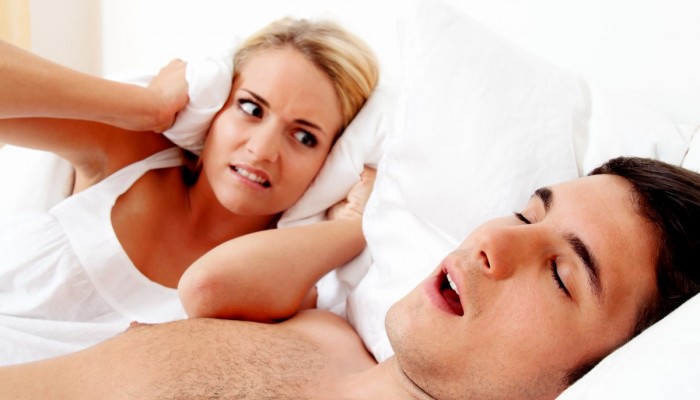
Has anyone ever told you that you have a tendency to snore? Or maybe you don’t…but you have a partner or family member who does? Do you find that you tend to wake up throughout the night? Or maybe you think you get good sleep, but you consistently find yourself with a dry mouth in the morning?

These are all signs that could suggest that you (or…your beloved snoring family member) may have something called “Sleep Apnea.” Well, there are people who cannot sleep without a machine and that is because they suffer from a medical condition called ‘Sleep Apnea’.

Let’s actually break this down. What is Sleep Apnea?

The most common type of Sleep Apnea is ‘Obstructive Sleep Apnea’ (OSA). OSA is a potentially life-altering and life-threatening breathing disorder that occurs during sleep.

The upper airway repeatedly collapses, causing cessation of breathing (apnea) or inadequate breathing (hypopnea) and sleep fragmentation. The breathing stops during sleep for 10 seconds to a minute or longer. Oxygen levels in the blood decrease.

One challenge with something like this is that you may not necessarily wake up entirely. So it’s not always easy to self-diagnose. BUT – Sleep fragmentation results in chronic daytime sleepiness (which you would expect if you’re constantly getting interrupted throughout the night). This disrupts healthy sleep and causes a number of short-term and long-lasting effects that threaten the health and well-being of those who suffer from the condition.

How many people have OSA? The prevalence of OSA in the general population is still unclear. Several epidemiological studies have attempted to examine this issue. Epidemiological data from Young, Palta, Dempsey, et. Al (1993) in a study paper titled:- Obstructive sleep apnea syndrome: natural history, diagnosis, and emerging treatment options, estimated that in a group of 602 middle-aged individuals 2% of women and 4% of men meet the minimal diagnostic criteria for sleep apnea with excessive daytime sleepiness.

People most likely to have or develop OSA may have any of the following:

  • Obesity, especially in the upper body
  • Small upper airway due to excess throat tissue or abdominal jaw structure
  • Nasal Obstruction
  • High Blood Pressure
  • Family History of OSA
  • Overweight Obese individuals

Obesity, particularly abdominal and upper body obesity is the most significant risk factor for obstructive sleep apnea. Excess body fat on the neck and chest constricts the air passageways and sometimes the lungs – thus setting the stage for interrupted breathing during the night. And according to the research…The more obese a person, the greater the risk of apnea.

The good news is that there are some general things that can make a big difference.

This includes:

Losing some weight, if you are overweight or obese (even as little as 5% of your body weight can make a change)

Avoid alcohol, sedatives, and hypnotics (as they can sedate the very muscles we need to breathe)

Sleeping on your side or in a semi propped position

If you have sleep apnea, do not take sleep medicines or sedatives. These chemicals will increase the relaxation in the tissues of the upper airway and make the obstruction worse. The specific treatment for obstructive sleep apnea is usually a mask worn at night to keep the airway open or using a sleep machine that can help you breathe and sleep properly.

If OSA is left untreated, it can increase the risk of developing:

  • Hypertension
  • Cardiac Arrhythmias
  • Myocardial Ischemia
  • Stroke Pre-diabetes
  • Decreased quality of life (because who wants to feel sleep deprived?)

Weight loss is frequently recommended to improve OSA among obese patients. Not only does sustained weight loss improve OSA, it also improves many other independently linked comorbidities such as Hypertension, High Cholesterol, and Diabetes. The greater the change in body weight or waist circumference, the greater is the improvement in OSA

Prioritize your sleep health by recognizing the symptoms of sleep apnea and implementing preventative measures. Share your experiences and insights on managing sleep apnea in the comments below. For personalised advice and support, consult a healthcare professional specializing in sleep disorders or reach out to our certified experts by subscribing to GOQii’s Personalised Health Coaching here.

#BeTheForce
February 21, 2017 By Anusha Subramanian Leave a Comment

Know your HeartBeat

Untitled-1

Heart disease has been a leading cause of death for both men and women. Bad lifestyle is one the main reasons for people developing heart ailments at a young age.It’s remarkable that heart attacks are so common and cause so much pain (emotional and physical) disability when they can more often than not be prevented.

The good news is that people are getting aware of the risks of a bad lifestyle leading to many taking to fitness and indulging in activities such as running. They have become more conscious of their well-being and their bodies. With the heart being one of the most vital organs, they at every juncture are keen to monitor their heart rate.

What is heart rate? Heart rate is the number of heartbeats per unit of time. Simply put, it is also how well your heart is able to pump oxygenated blood.

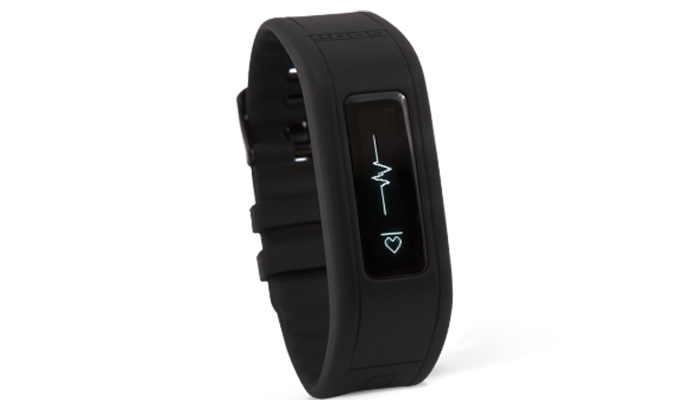
Keeping in mind the above factors and also as a part of extending their services, GOQii, one of the leading health ecosystem and preventive healthcare platform has launched its latest service offering-GOQii Heart Care which focuses on cardiovascular health.The key feature of this service is its ability to connect consumers to cardiovascular specialists through the GOQii application and a new GOQii tracker which has capabilities to monitor heart rate.

The constant rise of cardiovascular cases across the globe was one of the primary reasons behind the development of this specialised offering. With this new service, GOQii aims to create the world’s leading health eco-system which connects the GOQii users to leading professionals in the fitness and healthcare space.

Today, there are so many devices generating huge data most of which is essentially junk if not analysed and acted upon. “When we launched the GOQii service, we launched it precisely with personal coaching so that the user is aware of the data and the coach can help him or she follow a routine and lifestyle based on that data. Similarly, the GOQii Heart Care is a one-stop solution that tracks and analyses data generated by the Heart Rate trackers and can connect the GOQii user to the GOQii doctor who can help make sense of the data. It is a unique offering as compared to any other wearable device or service available in the market,” says Vishal Gondal, CEO, GOQii.

To use this new feature, all that the GOQii users have to do is share their health and heart rate data via the new GOQii tracker with the GOQii Doctor for his analysis. The doctor will go through this data and provide specific inputs to the users on how to maintain good heart health. In specific cases, if required the GOQii doctor will refer the user to a cardiac specialist at Max Hospital and other partner hospitals. GOQii has partnered with max Hospitals.

The constant rise of cardiovascular cases across the globe was one of the primary reasons behind the development of this specialised offering. With this new service, GOQii aims to create the world’s leading health eco-system which connects the GOQii users to leading professionals in the fitness and healthcare space. Having said that, the heart care service is not a replacement for a regular doctor and does not apply to any emergency medical or chronic situations.

Consumers can upgrade their existing wearable devices with the new service as well.  With regards to third party hardware which includes the Heart Rate Monitor, consumers can avail of the service by paying a nominal consultation fee. The services along with the new GOQii Heart Rate tracker will be available at a subscription Rs 2999 for 6 months and 3999 for 12 months respectively.

October 20, 2016 By Dr Anand Kulkarni 3 Comments

OSTEOPOROSIS

osteoporosis

How often have you come across your parents, grandparents or an elderly relative who has had a minor fall in the bathroom, slipped on the floor or had a terrible jerk while travelling on a bumpy road and sustained fractures of bones with a lot of pain, suffering and disability.

It has been noticed that the culprit for such incidents is OSTEOPOROSIS.

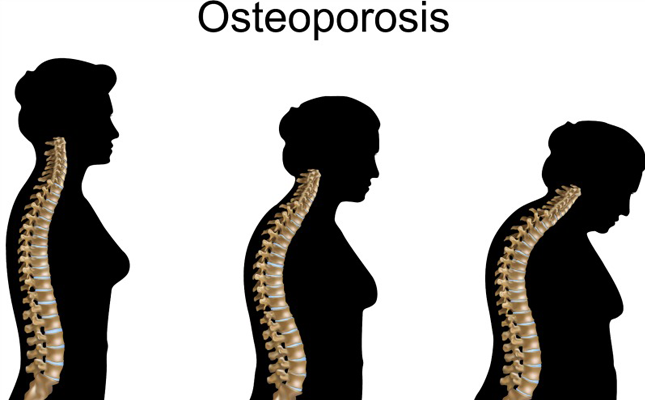
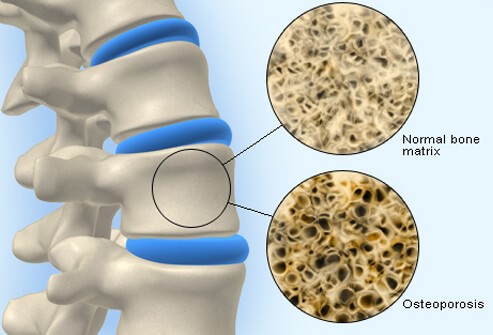
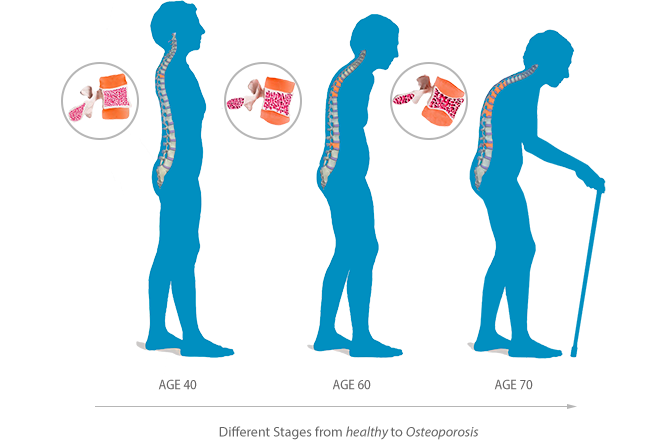
Osteoporosis is one of the most common disabilities encountered in the elderly. It literally means POROUS BONE. The condition results in reduced density and increased fragility of bones resulting in higher risk of fracture with minor falls, cough, sneeze, or minor bumps.

osteo1

The condition is observed worldwide. There are more than 10 million cases per year in India. In the USA about 55% of its population aged 50 years and older have Osteoporosis. One third have disabilities and one third regain their pre-fracture status. The health costs from fractures are tremendous amounting to billions of dollars annually.

It is very important to learn about osteoporosis because it is a ‘SILENT DISEASE’ except occasional bone pains. You may not know that you have osteoporosis until your thin weakened bones fracture in a bump or fall. The more common sites are Hip, Spinal Vertebrae and Wrist.

Clinical studies suggest that approximately 1 in 2 women and 1 in 4 men aged 50 years and older will break a bone due to osteoporosis. Such people in this age group usually present with chronic vague backache, loss of height, or stooping (Kyphosis) and should consult doctor immediately.

osteo2

THE RISK FACTORS ARE,

  • Advanced age
  • Family history of osteoporosis
  • Early menopause
  • Short Stature
  • Lack of Exercise
  • Poor nutrition with lack of Calcium
  • Lack of Vitamin D
  • Chronic Cigarette Smoking and Excessive Alcohol Consumption
  • Medical Illnesses- like hyperthyroidism, surgical removal of ovaries, long term steroid therapy and rare inherited bone disorders like Osteogenesis Imperfecta.

SCREENING is advised for all elderly above 65 years of age and Men and Women less than 65 years of age who have increased risk of fracture or already suffered from fracture.

DIAGNOSIS – is by bone scan which measures-Bone Mineral Density (BMD). The test called DEXA (Dual Energy X ray Absorptimetry) gives indication of likelihood of fracture due to osteoporosis.

It is also used to monitor response to treatment.

Result.— T score a)   ( -1) and above ——- normal

  1. b)   (-1) to ( -2.5) ——- mild bone loss or osteopenia
  2. c)     ( -2.5) and below —- osteoporosis

Our aim should be to prevent bone less or slow down the occurrence of Osteoporosis and encourage healthy bone mineralization.

Following measures are recommended:

  1. Healthy Nutritional Diet – To be incorporated during childhood and adolescent period itself with adequate calcium and magnesium intake. Calcium intake should be 1000 to 1200 mg per day. Common calcium rich foods are dairy products, cheese, ragi, broccoli, spinach, cabbage, green beans, soy beans, okra, dates, egg, salt water fish and fruits like orange, figs.
  2. Vitamin D intake of 800 IU per day is a must. We encourage exposure to SunLight and supplementation as Vitamin D requirement cannot be fulfilled through nutrition alone.
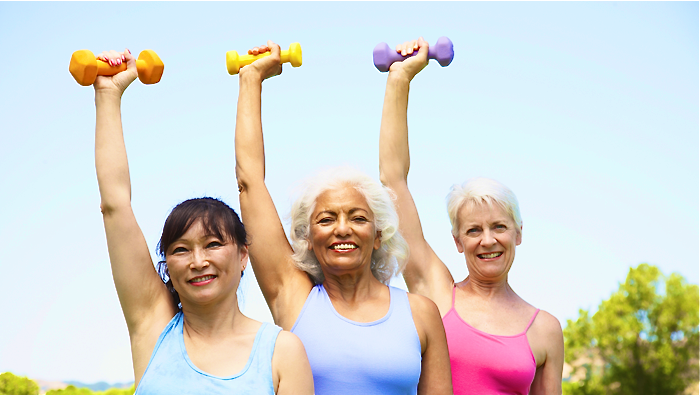
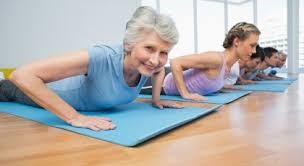
  3. EXERCISE plays a major role. Weight bearing exercises like walking, playing golf, Dancing, Hiking, Racket sports like Tennis, Squash promote mineralization of bones and make them healthy. Muscle strengthening exercises like weight lifting benefit by increasing muscle strength and Non- Impact activities like YOGA help in balancing, posture, agility of joints and benefit people with osteoporosis by decreasing the risk of falls and fractures.

Studies have also reported an increase in BMD in the spine of those who do YOGA regularly. Exercise should be tailored to the individual person based on BMD report and medical condition in consultation with health care professional.

osteo3

osteo    

  1. Other Lifestyle Changes – Have a Positive Attitude towards Life, avoid the use of tobacco and Cigarette Smoking, moderate alcohol intake if any, and measures to avoid falls like having railings, avoid slippery floors, having a mat or carpet on the floor helps etc.

Medications—You may also require osteoporosis medications to either build or maintain bone density. People have been treated with medications like Bisphosphonates, Hormone Therapy in Women, Calcitonin, Parathyroid Hormone. Stem Cell Therapy is also being tried out in severe cases.

But, any of these modalities of treatment should be undertaken in consultation with your Doctor. The doctor is the only one who will be able to decide the right treatment for you weighing the benefits and risks of the therapy.

Cultivate healthy living and enjoy life!

Search

Recent Posts

  • India Leads in Longevity: GOQii Sanjeevini Named Top 40 in $101M XPRIZE
  • The Importance Of Knowing If You’re Thirsty Or Hungry
  • Best Foods To Alleviate Irritable Bowel Syndrome
  • ALL ABOUT VERTIGO!
  • PCOS and Anxiety: Discover Relief with the 54321 Technique

Stay Updated

Archives

  • December 2025 (8)
  • November 2025 (15)
  • October 2025 (20)
  • September 2025 (6)
  • August 2025 (6)
  • July 2025 (12)
  • June 2025 (18)
  • May 2025 (16)
  • April 2025 (23)
  • March 2025 (23)
  • February 2025 (22)
  • January 2025 (26)
  • December 2024 (26)
  • November 2024 (25)
  • October 2024 (22)
  • September 2024 (24)
  • August 2024 (31)
  • July 2024 (21)
  • June 2024 (26)
  • May 2024 (31)
  • April 2024 (27)
  • March 2024 (29)
  • February 2024 (26)
  • January 2024 (25)
  • December 2023 (15)
  • November 2023 (11)
  • October 2023 (20)
  • September 2023 (22)
  • August 2023 (20)
  • July 2023 (22)
  • June 2023 (24)
  • May 2023 (24)
  • April 2023 (24)
  • March 2023 (23)
  • February 2023 (20)
  • January 2023 (16)
  • December 2022 (12)
  • November 2022 (15)
  • October 2022 (15)
  • September 2022 (12)
  • August 2022 (10)
  • July 2022 (17)
  • June 2022 (11)
  • May 2022 (10)
  • April 2022 (6)
  • March 2022 (6)
  • February 2022 (13)
  • January 2022 (12)
  • December 2021 (7)
  • November 2021 (3)
  • October 2021 (6)
  • September 2021 (3)
  • August 2021 (8)
  • July 2021 (7)
  • June 2021 (15)
  • May 2021 (16)
  • April 2021 (10)
  • March 2021 (7)
  • February 2021 (4)
  • January 2021 (4)
  • December 2020 (3)
  • November 2020 (4)
  • October 2020 (10)
  • September 2020 (3)
  • August 2020 (3)
  • July 2020 (2)
  • June 2020 (4)
  • May 2020 (10)
  • April 2020 (12)
  • March 2020 (10)
  • February 2020 (4)
  • January 2020 (4)
  • December 2019 (3)
  • November 2019 (7)
  • October 2019 (5)
  • September 2019 (4)
  • August 2019 (9)
  • July 2019 (9)
  • June 2019 (11)
  • May 2019 (4)
  • April 2019 (9)
  • March 2019 (8)
  • February 2019 (9)
  • January 2019 (8)
  • December 2018 (9)
  • November 2018 (3)
  • October 2018 (3)
  • September 2018 (5)
  • August 2018 (10)
  • July 2018 (6)
  • June 2018 (13)
  • May 2018 (8)
  • April 2018 (18)
  • March 2018 (9)
  • February 2018 (8)
  • January 2018 (15)
  • December 2017 (12)
  • November 2017 (19)
  • October 2017 (13)
  • September 2017 (15)
  • August 2017 (4)
  • July 2017 (8)
  • June 2017 (7)
  • May 2017 (6)
  • April 2017 (8)
  • March 2017 (6)
  • February 2017 (7)
  • January 2017 (9)
  • December 2016 (10)
  • November 2016 (7)
  • October 2016 (7)
  • September 2016 (7)
  • August 2016 (11)
  • July 2016 (9)
  • June 2016 (9)
  • May 2016 (12)
  • April 2016 (17)
  • March 2016 (17)
  • February 2016 (8)
  • January 2016 (6)
  • December 2015 (2)
  • November 2015 (9)
  • October 2015 (7)
  • September 2015 (9)
  • August 2015 (11)
  • July 2015 (9)
  • June 2015 (12)
  • May 2015 (9)
  • April 2015 (13)
  • March 2015 (8)
  • February 2015 (5)
  • January 2015 (12)
  • December 2014 (14)
  • November 2014 (11)
  • October 2014 (6)
  • September 2014 (13)
  • August 2014 (12)
  • July 2014 (6)
  • June 2014 (2)
  • May 2014 (7)
  • April 2014 (5)

From “Laddu Nawin” to Fit and Fierce: How a 25-Year-Old Insurance Advisor Shed 20 Kilos and Gained His Life Back

When 25-year-old Nawin Yadav from Hyderabad walked into his office every morning, he carried more than just his files and policy papers. He had the weight of fatigue, sluggish energy, and an ever-growing belly that was becoming the butt of jokes. “People … [Read More...]

“I’ve Challenged Myself to Live 100 Years” – The Story of Chandubhai Savani’s Second Chance at Life

At 67, most people start slowing down. Not Chandubhai Savani. A resident of Surat, Chandubhai, thought life was on track. “My life was going well till I had my bypass surgery,” he says. That surgery, back in 2021, was a wake-up call.  Medication was routine, but exercise wasn’t. His diet? What he calls ‘normal.’ “I […]

From Shimla’s Slopes to Chandigarh’s Sidewalks: Surinder Kaur Bhalla’s Journey from Chaos to Control

Some journeys start with a plan. Others begin with a stumble literally. Surinder Bhalla, a government professional, born and raised in the scenic hill town of Shimla, had always lived a life of movement. “In Shimla, you walked everywhere,” she reflects. “Walking was never an exercise. It was just life.” But after shifting to Chandigarh, […]

Ananda Mukherjee Health Story

From Terminal Illness To Complete Wellness! Ananda Mukherjee Health Story

As we observe World Cancer Day under the powerful theme ‘United by Unique’ (2025-2027)**, we are reminded that every individual’s journey with cancer is distinct, yet united by shared resilience, hope, and the collective fight against this disease. This theme places people at the centre of care and their stories at the heart of the […]

  • HOME
  • HEALTHY LIVING
  • FITNESS
  • HEALTHY RECIPES
  • USER STORIES
  • KARMA
  • BUY GOQii

Copyright ©2016 GOQii