
GOQii

Blog

  • HOME
  • HEALTHY LIVING
  • FITNESS
  • HEALTHY RECIPES
  • USER STORIES
  • KARMA
  • BUY GOQii

July 17, 2026 By GOQii 6 Comments

7 Tips to Prevent Diarrhea During Monsoons: Protect Your Gut This Rainy Season

prevent diarrhea during monsoonsThe Big Question: Why do stomach infections seem to become so common during the monsoon, and what can you do to enjoy the season without compromising your digestive health?

The rainy season brings cooler weather, hot cups of chai, and irresistible comfort foods. Unfortunately, it also creates ideal conditions for bacteria, viruses, and parasites to thrive. Increased humidity, contaminated water, and improper food handling can all increase the risk of foodborne and waterborne illnesses.

The good news? A few simple, proactive precautions can significantly reduce your chances of developing diarrhea and other gastrointestinal infections.

Why Does Diarrhea Increase During the Monsoon?

Warm temperatures combined with high atmospheric humidity create highly favorable conditions for microorganisms to multiply rapidly. The most common causes of monsoon-related diarrhea include:

  • Drinking contaminated or unfiltered water.
  • Eating improperly cooked or raw food.
  • Consuming food prepared in unhygienic conditions (like open-air street stalls).
  • Poor hand hygiene after touching damp, bacteria-prone surfaces.
  • Cross-contamination during food preparation.

Most cases are mild and resolve within a few days, but severe diarrhea can lead to rapid dehydration and may require immediate medical attention.

7 Essential Tips to Prevent Monsoon Diarrhea

  1. Drink Safe Water

Water contamination is one of the leading causes of diarrhea during the rainy season. Always choose boiled water, filtered water, or packaged drinking water from trusted sources when traveling. Strictly avoid drinking water from unknown sources or consuming ice made with unverified water.

  1. Wash Your Hands Properly

Hand hygiene is one of the simplest and most effective ways to prevent gastrointestinal infections. Wash your hands with soap and warm water for at least 20 seconds before eating, before preparing food, after using the toilet, after returning home, and after handling raw meat or seafood.

  1. Choose Fresh, Home-Cooked Food

Freshly prepared meals are generally much safer than food that has been sitting out for long periods. Although street food is tempting during the rains, it is frequently prepared with contaminated water or exposed to flies, dust, and environmental contaminants. Whenever possible, choose freshly cooked home meals.

  1. Be Careful with Raw Foods

Raw fruits and vegetables can carry stubborn bacteria and parasites if they are not washed thoroughly. If eating outside, skip raw salads, avoid pre-cut fruits sold by street vendors, and prefer freshly cooked vegetables. At home, wash all produce thoroughly under running water (or soak in warm salt water) before use.

  1. Store Food Safely

Food spoils significantly faster during humid weather. To halt bacterial growth, refrigerate leftovers promptly, reheat leftovers until they are piping hot, and avoid keeping cooked food sitting at room temperature for several hours. When in doubt, throw it out.

  1. Eat Seafood Carefully

Seafood is highly perishable and requires proper storage, and the monsoon is the breeding season for many aquatic species. If you choose to eat seafood, buy it from highly reputable vendors, ensure it is thoroughly cooked, and completely avoid raw or undercooked seafood dishes.

  1. Avoid Contact with Floodwater

Puddles and floodwaters often contain sewage overflow, chemicals, and harmful microorganisms. If you must walk through floodwater, wear waterproof footwear, wash your feet and legs thoroughly with soap immediately afterwards, and clean any cuts right away to prevent infection.

The Gut Recovery Matrix: What to Eat & Avoid

If you do develop an upset stomach, your primary goal must shift to replacing lost fluids and allowing the digestive system to rest and recover.

Dietary Goal Safe Choices to Include Triggers to Avoid
Hydration Oral Rehydration Solution (ORS), boiled water, clear broths, fresh coconut water. Sugary sodas, excessive caffeine, and alcohol (which worsen dehydration).
Digestion Plain white rice, toast, bananas, khichdi, applesauce, and plain curd/yogurt. Greasy fried foods, heavy spices, and ultra-processed snacks.
Gut Flora Plain natural yogurt (provides beneficial probiotics to restore gut bacteria). Unpasteurized dairy products or heavy creams.

When Should You See a Doctor?

Seek medical attention immediately if you experience any of the following red flags:

  • Diarrhea lasting for more than 48 hours.
  • Blood or mucus in the stool.
  • Persistent vomiting that prevents you from keeping liquids down.
  • A high, unyielding fever.
  • Severe, sharp abdominal pain.
  • Signs of acute dehydration (dizziness, dry mouth, dark or reduced urination).

Note: Young children, older adults, and people with weakened immune systems should seek medical advice much earlier, as they are at a greater risk of rapid complications.

The monsoon doesn’t have to mean stomach infections. Practicing good food hygiene, drinking safe water, and choosing freshly prepared meals can go a long way in protecting your digestive health. If diarrhea does occur, focus heavily on hydration, eat light meals, and seek medical care promptly if symptoms become severe. A little caution today can help you enjoy the rainy season without unnecessary health setbacks!

Pro Tip: Seasonal changes can heavily affect your digestion, hydration, and eating habits. Use the GOQii App to track your daily water intake, meals, and symptoms. Your GOQii Personalised Health Coach can help you make informed dietary choices and guide you on healthy habits to support your gut health throughout the entire monsoon season!

Frequently Asked Questions (FAQs)

  1. Why is diarrhea more common during the monsoon?

High humidity and frequent water contamination create favorable conditions for bacteria, viruses, and parasites to breed rapidly. These pathogens easily contaminate food and drinking water, leading to a spike in gastrointestinal illnesses.

  1. Is street food safe during the rainy season?

Street food carries a significantly higher risk of contamination during the monsoon due to unhygienic water sources, open-air storage, and exposure to flies. Choosing freshly cooked food from trusted, enclosed vendors or eating at home is much safer.

  1. Should I stop eating entirely if I have diarrhea?

No. While you may lose your appetite, you should continue eating light, easy-to-digest foods (like plain rice or toast) while staying well-hydrated. Avoid fasting entirely, but stay clear of greasy or spicy foods until you fully recover.

  1. Is curd (yogurt) good for diarrhea?

Yes, plain curd contains beneficial probiotic bacteria that can help restore your natural gut microbiota after a bout of diarrhea. However, if dairy specifically worsens your symptoms or you are lactose intolerant, choose other easily digestible foods instead.

#BeTheForce 

Disclaimer: This article is for educational purposes only and should not replace professional medical advice. Consult a qualified healthcare provider if symptoms are severe, persist beyond 48 hours, or are accompanied by blood in the stool, high fever, or signs of dehydration.
July 2, 2026 By Shaeba Shaikh 1 Comment

5 Foods You Should Avoid Eating During Monsoons

5 Foods You Shouldn't Eat During MonsoonsThe Big Question: Why do our favorite rainy-day comfort foods often act as the primary triggers for severe stomach infections and metabolic sluggishness?
The arrival of the monsoon brings much-needed relief from the intense summer heat. It’s the season of cool breezes, steaming cups of tea, and our favorite comfort foods. But while the rainy season refreshes the environment, it also creates conditions that allow bacteria, viruses, and fungi to thrive. Higher humidity, fluctuating temperatures, and increased moisture make food spoil faster and drastically raise the risk of foodborne illnesses. During this time, your digestive system may also become more sensitive, making food hygiene and smart eating choices more important than ever.

The good news? You don’t have to give up enjoying the monsoon—you simply need to make safer food choices that protect your gut health.

Why Food Choices Matter During the Monsoon

The rainy season often brings a noticeable increase in stomach infections, food poisoning, diarrhea, typhoid, and other waterborne illnesses.

This happens because:

  • Microbial Proliferation: High atmospheric moisture and dampness encourage the rapid growth of bacteria and fungi.
  • Rapid Spoilage: Cooked and raw foods spoil much more quickly in humid weather.
  • Vulnerable Water Supplies: Local drinking water sources face a higher risk of cross-contamination from rainwater runoff.
  • Gastrointestinal Slowdown: Environmental shifts can naturally lower your baseline digestive efficiency, reducing the secretion of essential stomach enzymes.

Choosing freshly prepared, hygienic meals can go a long way in protecting your digestive health and supporting your immune system.

5 Specific Foods to Restrict (And Their Healthy Alternatives)

  1. Deep-Fried Foods

Nothing feels more comforting than hot pakodas, samosas, bhajiyas, or fries while it’s raining outside. However, because your metabolic rate naturally slows down during the monsoon, heavy trans-fats and deeply saturated oils take an exceptionally long time to break down and digest. Eating fried foods frequently can lead to bloating, severe acidity, and uncomfortable indigestion.

  • The Destructive Autopilot Loop: Heavy Fried Fats à Stalled Gastric Emptying à Gastrointestinal Sluggishness à Low Energy.
  • The Mindful Alternative Loop: Roasted or Air-Fried Starches à Smooth Digestion à Balanced Glucose àLight & Active Feeling.
  • Better Choices: Roasted makhana (foxnuts), roasted chana (chickpeas), baked sweet potato wedges, air-fried snacks, or homemade vegetable cutlets cooked with minimal oil.
  1. Open-Air Street Food

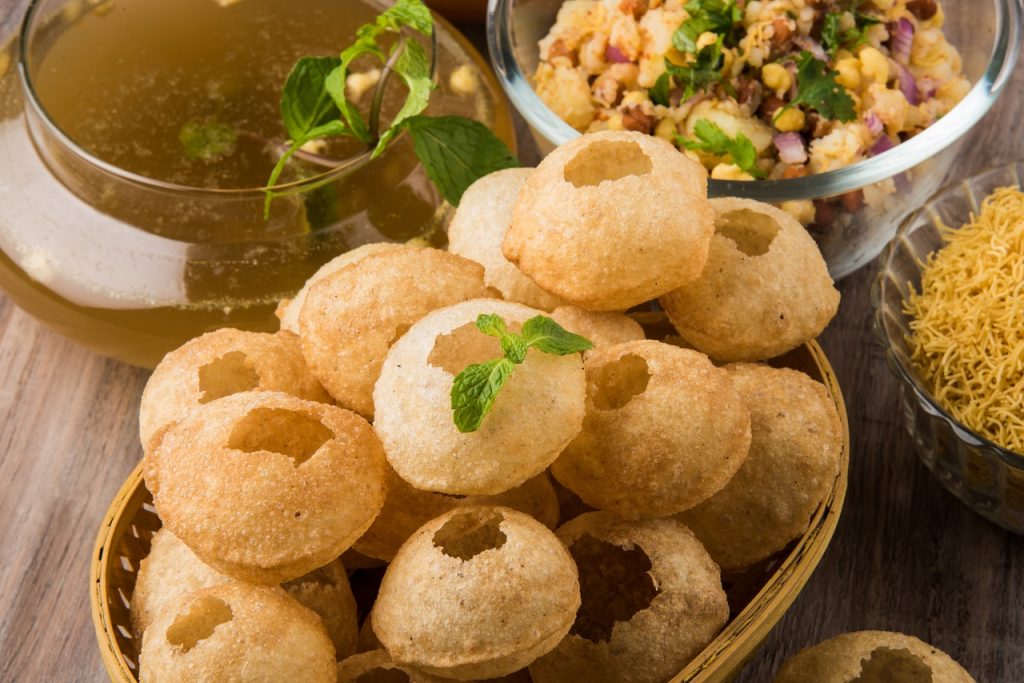
Pani puri, bhel puri, dahi puri, chaats, and roadside snacks become even more tempting during the rains. Unfortunately, open-air food stalls are highly exposed to airborne dust, flies, and humid ambient temperatures.

More importantly, the water used to construct the savory mint liquids in pani puri can easily become contaminated with waterborne bacterial spores due to monsoon pipe leaks. This contamination is a primary cause of seasonal dysentery, typhoid, and jaundice.

  • Better Choices: Try making your favorite chaat at home using filtered, boiled water and fresh ingredients. Other safe options include hot, home-cooked soups, freshly prepared hot snacks, and roasted corn on the cob.
  1. Raw Leafy Greens

Leafy vegetables like spinach, lettuce, cabbage, and coriander are packed with dietary fiber, magnesium, and essential vitamins. However, during the monsoon, their intricate folds, damp surfaces, and proximity to moist soil make them a major breeding ground for bacteria, parasites, and fungi that thrive in humid weather. Consuming them raw in salads significantly increases the risk of food poisoning.

  • Better Choices: Do not avoid these nutritious greens entirely—simply focus on proper cleaning and cooking. Wash them thoroughly under running water, soak them in clean water with a pinch of salt for 10 minutes, and choose steamed, blanched, or thoroughly cooked leafy vegetables instead of raw salads.
  1. Cut Fruits Left in the Open

Fresh fruits are an important part of a healthy diet, providing vital Vitamin C and antioxidants. However, fruits that are pre-cut and left exposed on street stalls or kitchen counters can become contaminated quickly, especially in humid weather. The longer fruit slices remain uncovered, the faster airborne bacteria multiply on their sugary surfaces.

  • Better Choices: Buy whole fruits instead. Wash the outer skin thoroughly under running water and cut your fruits immediately before eating. If you have leftovers, store the freshly cut fruits in a sealed container inside the refrigerator right away.
  1. Poorly Stored Seafood

Fish and seafood are excellent sources of lean protein and healthy fats, but freshness is extremely important during this season. The monsoon marks the primary breeding period for most marine life, meaning fresh catch is limited.

Furthermore, water quality fluctuates wildly due to heavy rain runoff, increasing the risk that wild-caught seafood may carry waterborne bacteria. Improper storage and handling at this time can quickly trigger acute gastroenteritis.

  • Better Choices: If you choose to consume seafood, ensure it is sourced from reliable suppliers and cooked thoroughly. Alternatively, fulfill your protein goals with easily digestible, home-cooked staples such as organic eggs, paneer, tofu, sprouts, or mixed lentils and dals.

The Monsoon Food Safety Quick-Reference

Food Item to Limit The Primary Biological Risk The Safe, Healthy Alternative
Deep-Fried Pakodas Causes long digestive delays and extreme lethargy. Roasted chana, foxnuts, or oil-free baked crisps.
Street Pani Puri High vulnerability to contaminated, waterborne bacteria. Homemade chaat using boiled ingredients and filtered water.
Raw Leafy Salads Harbors hidden bacterial spores and micro-parasites. Thoroughly blanched, steamed, or fully cooked greens.
Exposed Cut Fruits Accelerates bacterial growth on sugary surfaces. Whole seasonal fruits washed and cut right before eating.

Foods That Are Great During the Monsoon

Instead of focusing only on what to avoid, fill your plate with nourishing choices that support your digestion and overall well-being:

  • Warm Soups: Lentil, tomato, or chicken soups comfort the throat and digest easily.
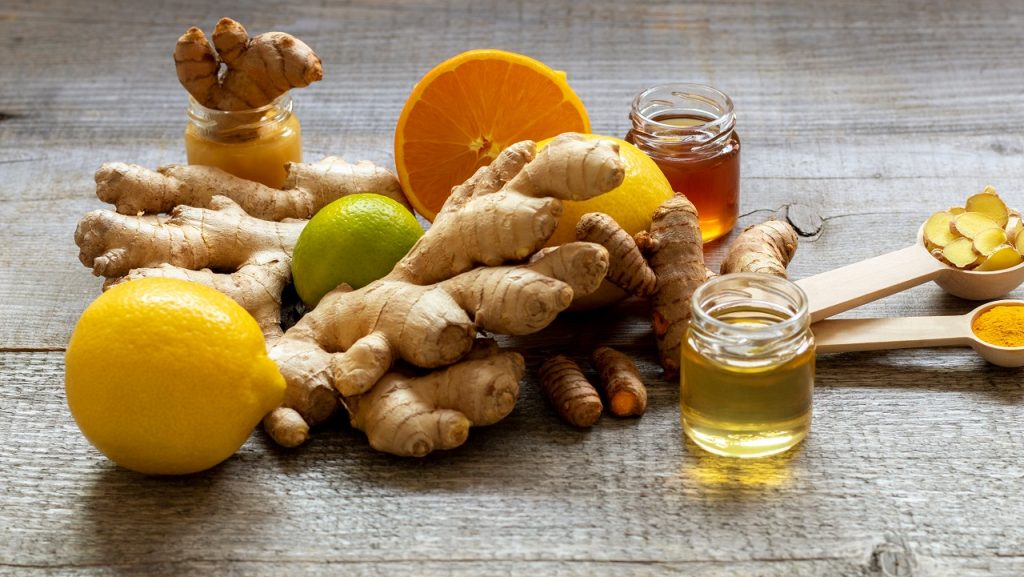
  • Therapeutic Spices: Include ginger, garlic, turmeric, and black pepper in your meals to stimulate digestive enzymes.
  • Probiotic Support: Fresh curd or unsweetened yogurt (if well-tolerated) introduces beneficial bacteria to reinforce your gut lining.
  • Herbal Infusions: Hot ginger or tulsi (Holy Basil) tea helps clear out early respiratory congestion.
  • Whole Grains: Oats, millets, and brown rice provide steady, long-lasting daytime energy.

Simple Monsoon Food Safety Tips

Good food choices go hand in hand with consistent daily hygiene habits. Keep these precautions in mind to protect your family:

✔ Wash your hands thoroughly with soap before preparing or eating food.

✔ Drink strictly filtered, boiled, or safe bottled drinking water.

✔ Focus on eating freshly cooked, steaming-hot meals whenever possible.

✔ Refrigerate leftovers promptly in airtight containers to avoid spoilage.

✔ Avoid food items that have been left uncovered or exposed to flies.

The monsoon is a wonderful, refreshing season—but it also demands a little extra care when it comes to your plate. Choosing freshly prepared meals, practicing rigorous food hygiene, and limiting foods that spoil easily can completely protect you from seasonal stomach infections and digestive discomfort. Healthy eating isn’t about avoiding everything you love. It’s about making smarter, mindful choices that allow you to enjoy the rains while keeping your body strong and resilient!

Pro Tip: Managing your seasonal nutrition targets is effortless when you track your choices consistently. Use the GOQii App to log your daily meals, monitor your pure water intake, and record your sleep patterns. You can seamlessly share this information with your GOQii Personalised Health Coach to receive customized monsoon meal plans, immune-boosting recipes, and expert guidance built to support your unique wellness goals!

Frequently Asked Questions (FAQs)

  1. Why do stomach infections become more common during the monsoon?

Stomach infections spike during the monsoon because the high atmospheric humidity and warm moisture create the perfect environment for bacteria, viruses, and fungi to multiply rapidly. When these pathogens contaminate our food or water supplies, they easily bypass our naturally slowed seasonal digestion, resulting in higher rates of gastroenteritis.

  1. Can I safely eat street food during the rainy season?

It is highly recommended to avoid street food during the rainy season. Open stalls are vulnerable to airborne dust, flies, and contaminated water systems. If you find yourself craving tangy chaats, preparing them cleanly at home with boiled ingredients and filtered water is a much safer option.

  1. Should I completely stop eating leafy vegetables during the monsoon?

No, you do not need to eliminate them. Leafy greens are highly nutritious. However, you must change how you prepare them: avoid raw salads entirely. Ensure you wash the leaves thoroughly under running water, soak them in salt water to loosen hidden pests, and steam or cook them completely before eating.

  1. Which foods are best for supporting digestion during the rainy season?

Foods that are warm, light, and easy to break down are ideal. Focus on freshly cooked vegetables, whole grains like millets or oats, warm lentil soups, anti-inflammatory spices (ginger, turmeric, black pepper), and probiotic-rich fresh curd to support your gut flora.

#BeTheForce

Disclaimer: This article is intended for educational and informational purposes only. It is not intended to replace professional medical advice, clinical diagnosis, or personalized dietary treatment. Always consult your primary care physician or a registered dietitian before making major changes to your eating habits, especially if you manage an underlying gastrointestinal condition or chronic metabolic disorder.

July 6, 2024 By Vaishali Vibhute 4 Comments

Useful Tips To Boost Immunity During Monsoon

boost immunity during monsoonWe all welcome the monsoon every year to find relief from the scorching summer heat. Rains are beautiful and can quickly elevate your mood. Since monsoon weather is damp and humid, it is the perfect environment for microbes to grow and flourish. Thanks to this, people with low immunity are prone to suffer and fall sick frequently during this season. The weather can ruin your immune system and a good immune system is needed during the rainy season. There are a number of ways to build immunity and one of those ways is by eating healthy food! So, let’s look at some useful tips to boost immunity during monsoon! 
Tips To Boost Immunity During Monsoon 

Here’s how you can improve immunity during monsoon by eating the right kind of food to support your immune system. 

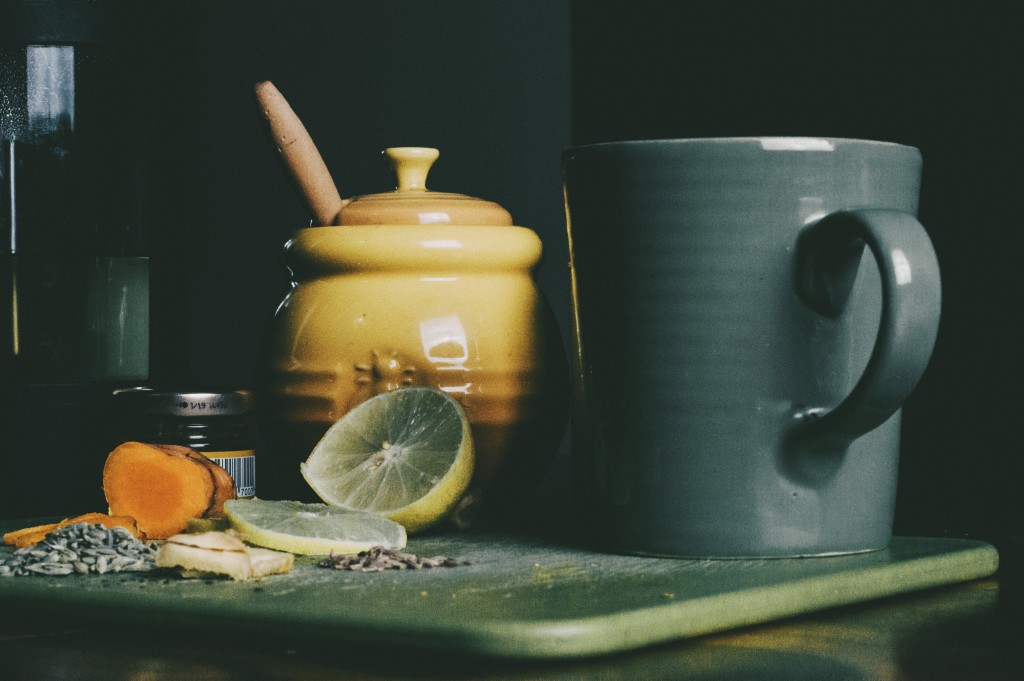
  • Switch to herbal teas: Herbal teas such as Tulsi and ginger tea are your best friends to boost immunity during monsoon. Drinking tea will keep you warm and safe from cold and flu while boosting your immunity. Add a few drops of honey for its antibacterial and anti-inflammatory properties instead of sugar.
  • Stay hydrated: Drink 8-10 glasses of water a day to stay hydrated, as due to colder climate, the water intake is considerably reduced, which is bad for the body. It is the best source to flush out toxins from your body and doesn’t have calories and sugar. Make sure water should be potable to keep waterborne diseases like Jaundice and Diarrhea at bay.
  • Have protein rich food: Protein, a major macronutrient, increases immunity, wound healing and muscle building. Food like dal, pulses, curd, eggs, chicken, paneer, soy, tofu are rich in protein.
  • Have a low salt diet: High blood pressure may weaken the immune system. So, it is always better to have a low salt diet as it prevents high blood pressure and water retention. Fruits like watermelon, muskmelon, cucumber can also lead to water retention. 
  • Prefer curd or yogurt over milk: Curd and yogurt are fermented food, rich in probiotics and the good bacteria present in it can help increase immunity and fight infection and can help your digestive system function well.
  • Include spices: Include more immunity boosting Indian spices in your food like turmeric, fenugreek, cloves, pepper, cinnamon, ginger and curry leaves. They help in digestion and flush out sinus from the body and improve Immunity. Warm water with honey, ginger and black pepper can be a miraculous cure to avoid cold, cough and flu.
  • Improve sunshine vitamin level: Vitamin D or the sunshine vitamin, is an essential micronutrient which can help boost your immune system. It can modulate the innate and adaptive immune response. A deficiency of Vitamin D can make you more prone to common infections. Improve your Vitamin D levels by exposing yourself to morning sunshine and consuming egg, cheese, mushroom and fortified cereals.
  • Eat healthy fats: Include monounsaturated and polyunsaturated fats to your diet. These healthy fats boost your body’s immune response to pathogens as well. These fats are anti-inflammatory and good for your heart too. Nuts, seeds, fish, soy milk, almonds, avocados, walnuts, sunflower, pumpkin, and sesame seeds are prime examples of healthy fats.
  • Eat fruits: Fruits help to build immunity, give energy and are loaded with nutrients such as Vitamin A, C and fiber. Apple, Guava, Banana, Orange, Amla, Papaya, Pomegranate, etc. are the best additions to your diet. Vitamin C helps in iron absorption too.
  • Incorporate vegetables: All vegetables, including green leafy vegetables like cabbage and spinach are good sources of immunity boosting Vitamins A, C, and E as well as folate, antioxidants, and fiber.
  • Limit simple sugar: Most people are aware that eating sugar has negative consequences on their health, leading to things like obesity and diabetes. However, most of them are unaware that it has an effect on the immune system as well. It lowers the ability of white blood cells to fight and destroy bacteria.
  • Avoid outside food: Foods like sandwiches, pani puris, samosas, etc. may seem tempting during monsoons but they may contain bacteria that might cause indigestion. Avoid pre-cut or raw foods/fruits as they could contain germs which may lead to food poisoning and lower your immunity.

Apart from the above food tips, you also require adequate, good quality sleep. Keeping your mind stress-free also helps. Don’t forget to exercise regularly as it boosts your immune system by regenerating your immune cells. 

Underactive and poor immunity can make the body more prone to a host of gastrointestinal problems and monsoon related ailments. Under the current circumstances as well, keeping your immunity level high could be the only way to cherish good health while enjoying the rains.

If these tips to build your immunity during monsoon helped, let us know in the comments below! Find more tips on staying healthy during the monsoon here.

You can also get these tips directly from a GOQii Coach by subscribing to Personalised Health Coaching here.

#BeTheForce 

August 22, 2023 By Arooshi Garg 2 Comments

4 Ways to Naturally Heal Common Cold and Flu

4 Ways to Natural Heal Common Colds and FluIt’s that time of the year again when the ‘change in weather’ hits us all! Immunity levels suddenly drop, paving the way for cold, cough, flu, and body aches, which hamper our daily activities, work and physical well-being. What exactly is cold? Can you naturally heal common cold and flu? Let’s find out!


What is Common Cold?

You get a cold when a tiny living thing called a virus gets into your body. There are a hundred different types of viruses that can get you sick. Once a cold virus gets inside you, your immune system – the body’s defense against germs, launches a counter-attack. Your body’s response to the virus is what brings on the classic symptoms such as cough or a stuffed nose. The common cold is a viral, infectious disease that infects the upper respiratory system. It is also known as Acute Viral Rhinopharyngitis and Acute Coryza.

The viruses that cause common cold are contagious. You can contract them when someone who is infected sneezes, coughs, or shakes your hand. It can be spread by air droplets from coughs and sneezes and by touching infected surfaces. There are over 200 sub-types of viruses that can cause a cold with the Rhinovirus being the most common. Although colds occur more commonly during monsoon and winter, they can develop any time of the year. After a couple of weeks, at the most, your immune system fights off the illness and you should stop having symptoms.

Because there are more than 200 viruses that cause common cold, the human body can never build resistance to all of them. This is why colds are so common and often return. According to the CDC (Center for Disease Control and Prevention), adults get 2–3 colds per year, and children may have up to 12 per year.

How Can You Naturally Heal Common Cold and Flu? 

The symptoms of common cold are the body’s reaction to the cold virus. It triggers the release of chemicals, making the blood vessels leak, causing the mucous glands to work harder. So what’s the solution? With no long-term solution to this issue, the only way is to either avoid it or treat it! Here are 4 ways to naturally heal common cold and flu.

1. Steam Therapy

Steam therapy is absolutely natural.  Our bodies are made up of 50-60% water and steam is just droplets of water.  Quite simply put, you are renewing one of your body’s natural biochemical elements.

Steam therapy or steam inhalation, is the method of introducing warm, moist air into the lungs via the nose and throat. The prime benefit of breathing in moist, warm steam is that it may help ease the feeling of irritation and swollen blood vessels in the nasal passages. The moisture may also help thin the mucus in your sinuses, which allows them to empty more easily. This can return your breathing to normal.

Ways to Use Steam Therapy

  • Traditional: Boil a few cups of water, then pour the steaming water into a large bowl.  Place gently on a firm flat surface such as a kitchen table. Put a towel over your head to form a ‘tent’. Lean over with your face 15-20cm from the steam and inhale. Eucalyptus Oil, Lavender Oil and Holy Basil Leaves can be added for extra benefit.
  • Shower: Run a hot shower and inhale the steam – you can even use few drops of essential oils to help refresh and revitalize.
  • Personal Inhalers: An easy and portable way to enjoy steam therapy on the go. A great idea for the office or holidays, inhalers are also popular with public speakers, actors and singers to help open up the airways before a performance.

2. Gargle

Gargling several times a day with warm salt water can reduce swelling in the throat and loosen mucus. This helps in flushing out irritants or bacteria. Salt water creates a high-salt barrier and pulls out a lot of fluids from the tissues in the throat area. This helps in washing the virus out. The salt functions as a magnet for water. It’s good for symptomatic relief.

It’s best to use pure water because tap water often includes chlorine. One can also add Turmeric juice or powder to have an antiseptic effect. One can gargle every 4 hours if the cough/cold is troublesome.

3. Maintain Hydration Levels

Drinking plenty of fluids is one of the most important things you can do when you have a cold or flu. Because cold and flu symptoms like runny noses and sweating, which often accompanies fever, increase the amount of water your body loses. Dehydration might occur if your fluid intake is not increased to compensate.

Keeping your body hydrated also helps loosen mucus in your nose and relieve congestion. Staying hydrated ensures that the body can function properly and can defend itself more effectively against the cold or flu.

When you have a cold or flu, drink a minimum of 2 liters of fluid each day. Drink water or other healthy fluids whenever you are thirsty. Use your thirst as a guide to when and how much you should drink. If you are caring for a child who is over one year, ensure they drink a minimum of 90–120ml of fluid per hour. Babies under one year require at least 30–60ml fluid per hour. Pregnant women should increase their fluid intake to up to 2.50L per day.

Try these herbal concoctions:

  • Herbal Tea: In a glass of boiling water, add a pinch of cinnamon, a few holy basil leaves, crushed ginger and a few crushed black peppercorns. Add honey and drink while hot.
  • Carom  Seeds Infused Water: Boil Carom Seeds in water. Strain and add Jaggery powder. This helps in relieving cough and congestion.
  • Garlic Concoction: Combine 2-4 cloves, chopped garlic and 3-4 slices of fresh ginger with 1 cup of water. Cover and let it steep for at least 20 minutes. Add honey and lemon to taste. Drink it while it is lukewarm.
  • Licorice Tea: Boil a 1/2inch piece of licorice + 1/2 tsp grated ginger and 1/2 spoon of cinnamon in 1 cup water for 10 mins. Strain and drink.
  • Raw Turmeric Drink: Boil a 1 inch piece of raw Turmeric or a 1/4 tsp of turmeric powder for 5 minutes. Add ginger juice/honey and consume.
  • Green Tea and Chamomile Tea
  • Soups: Vegetable soup/chicken soup/clear soup/chicken broth, lemon coriander soup, garlic spinach soup, tomato fennel soup or veg broth – all work well. A hot bowl of soup helps break up the congestion associated with both common cold and flu. The salt in the soup and its warmth can soothe a sore throat.

4. Rest

Rest is the best treatment! When you have a cold or flu, doctors recommend plenty of bed rest. When you limit mobility/take rest, your body has more resources to fight off your illness. Your body temperature goes up if you remain very active. Flu and cold organisms replicate at a faster rate when the body gets hotter. Also, if you head to the office when you are sick, the stress of work can make it hard for your body to attack the illness.

Do not over-exert yourself. You can do light intensity workout if you have the energy, your symptoms are mild such as just a runny nose, or if you have been fever free for more than 48 hours.

  • Avoid Exercise: When you have fever, body aches, cough, vomiting, diarrhea or chronic health concerns such as asthma /heart diseases.
  • Best Exercises: Walking, yoga or a light jog. All these stimulate you to take deep breaths and can help open up clogged passages.
  • Worst Exercises: Endurance runs, machines at gym and weight lifting.

We hope this information helps you naturally heal common cold and flu symptoms! Find more home remedies and articles on staying healthy during monsoon here. You can also get these tips, and more, directly from a GOQii Coach by subscribing for GOQii’s Personalized Health Coaching here.

Have a personal remedy of your own? Share it with us in the comments below!

#BeTheForce

  • 1
  • 2
  • Next Page »

Search

Recent Posts

  • Healthy Eating: Vegetable and Paneer Kathi Roll
  • The Science of Power Naps: How Long is Too Long?
  • 7 Reasons Why Pulses Are Good For You!
  • How Exercise Impacts Mental Health
  • Dussehra 2026: 10 Unhealthy Habits to Leave Behind

Stay Updated

Archives

  • October 2026 (17)
  • September 2026 (5)
  • August 2026 (8)
  • July 2026 (25)
  • June 2026 (22)
  • May 2026 (20)
  • April 2026 (24)
  • March 2026 (18)
  • February 2026 (14)
  • January 2026 (14)
  • December 2025 (19)
  • November 2025 (15)
  • October 2025 (20)
  • September 2025 (6)
  • August 2025 (5)
  • July 2025 (9)
  • June 2025 (18)
  • May 2025 (16)
  • April 2025 (22)
  • March 2025 (25)
  • February 2025 (21)
  • January 2025 (25)
  • December 2024 (21)
  • November 2024 (21)
  • October 2024 (15)
  • September 2024 (22)
  • August 2024 (27)
  • July 2024 (15)
  • June 2024 (23)
  • May 2024 (26)
  • April 2024 (27)
  • March 2024 (27)
  • February 2024 (23)
  • January 2024 (21)
  • December 2023 (14)
  • November 2023 (10)
  • October 2023 (18)
  • September 2023 (20)
  • August 2023 (16)
  • July 2023 (16)
  • June 2023 (21)
  • May 2023 (20)
  • April 2023 (19)
  • March 2023 (23)
  • February 2023 (19)
  • January 2023 (15)
  • December 2022 (11)
  • November 2022 (15)
  • October 2022 (15)
  • September 2022 (12)
  • August 2022 (9)
  • July 2022 (17)
  • June 2022 (11)
  • May 2022 (10)
  • April 2022 (6)
  • March 2022 (6)
  • February 2022 (13)
  • January 2022 (11)
  • December 2021 (7)
  • November 2021 (3)
  • October 2021 (6)
  • September 2021 (3)
  • August 2021 (8)
  • July 2021 (7)
  • June 2021 (15)
  • May 2021 (16)
  • April 2021 (10)
  • March 2021 (7)
  • February 2021 (4)
  • January 2021 (4)
  • December 2020 (3)
  • November 2020 (4)
  • October 2020 (10)
  • September 2020 (3)
  • August 2020 (3)
  • July 2020 (2)
  • June 2020 (4)
  • May 2020 (10)
  • April 2020 (12)
  • March 2020 (10)
  • February 2020 (4)
  • January 2020 (4)
  • December 2019 (3)
  • November 2019 (7)
  • October 2019 (5)
  • September 2019 (4)
  • August 2019 (9)
  • July 2019 (9)
  • June 2019 (11)
  • May 2019 (4)
  • April 2019 (8)
  • March 2019 (8)
  • February 2019 (9)
  • January 2019 (8)
  • December 2018 (9)
  • November 2018 (3)
  • October 2018 (3)
  • September 2018 (5)
  • August 2018 (10)
  • July 2018 (6)
  • June 2018 (13)
  • May 2018 (8)
  • April 2018 (17)
  • March 2018 (9)
  • February 2018 (8)
  • January 2018 (15)
  • December 2017 (12)
  • November 2017 (19)
  • October 2017 (13)
  • September 2017 (15)
  • August 2017 (4)
  • July 2017 (8)
  • June 2017 (7)
  • May 2017 (6)
  • April 2017 (8)
  • March 2017 (6)
  • February 2017 (7)
  • January 2017 (9)
  • December 2016 (10)
  • November 2016 (7)
  • October 2016 (7)
  • September 2016 (7)
  • August 2016 (11)
  • July 2016 (9)
  • June 2016 (9)
  • May 2016 (12)
  • April 2016 (17)
  • March 2016 (17)
  • February 2016 (8)
  • January 2016 (6)
  • December 2015 (2)
  • November 2015 (9)
  • October 2015 (7)
  • September 2015 (9)
  • August 2015 (11)
  • July 2015 (9)
  • June 2015 (11)
  • May 2015 (9)
  • April 2015 (13)
  • March 2015 (8)
  • February 2015 (5)
  • January 2015 (12)
  • December 2014 (14)
  • November 2014 (11)
  • October 2014 (6)
  • September 2014 (13)
  • August 2014 (12)
  • July 2014 (6)
  • June 2014 (2)
  • May 2014 (7)
  • April 2014 (4)

From Burnout to Balance: How Dr. Ranjit Reclaimed His Health

Dr Ranjit Bhatt has spent years tending to others. A practising doctor in Odisha, his days were packed with patients, surgeries, and emergencies. From the outside, it looked like a life lived in service. But on the inside, something wasn’t right. “I had no … [Read More...]

From Shimla’s Slopes to Chandigarh’s Sidewalks: Surinder Kaur Bhalla’s Journey from Chaos to Control

Some journeys start with a plan. Others begin with a stumble literally. Surinder Bhalla, a government professional, born and raised in the scenic hill town of Shimla, had always lived a life of movement. “In Shimla, you walked everywhere,” she reflects. “Walking was never an exercise. It was just life.” But after shifting to Chandigarh, […]

“I’ve Challenged Myself to Live 100 Years” – The Story of Chandubhai Savani’s Second Chance at Life

At 67, most people start slowing down. Not Chandubhai Savani. A resident of Surat, Chandubhai, thought life was on track. “My life was going well till I had my bypass surgery,” he says. That surgery, back in 2021, was a wake-up call.  Medication was routine, but exercise wasn’t. His diet? What he calls ‘normal.’ “I […]

Ananda Mukherjee Health Story

From Terminal Illness To Complete Wellness! Ananda Mukherjee Health Story

As we observe World Cancer Day under the powerful theme ‘United by Unique’ (2025-2027)**, we are reminded that every individual’s journey with cancer is distinct, yet united by shared resilience, hope, and the collective fight against this disease. This theme places people at the centre of care and their stories at the heart of the […]

  • HOME
  • HEALTHY LIVING
  • FITNESS
  • HEALTHY RECIPES
  • USER STORIES
  • KARMA
  • BUY GOQii

Copyright ©2016 GOQii

