GOQii

Blog

  • HOME
  • HEALTHY LIVING
  • FITNESS
  • HEALTHY RECIPES
  • USER STORIES
  • KARMA
  • BUY GOQii

March 25, 2025 By GOQii Leave a Comment

Understanding PCOS: Symptoms & Solutions

Polycystic Ovary Syndrome (PCOS) is more common than you might think. Affecting 1 in 10 women of reproductive age globally, it’s a hormonal condition that can often go undiagnosed for years—leaving many to silently struggle with irregular periods, weight gain, acne, or mood swings, without truly knowing why.

If you’ve ever felt that your body is working against you, or if your health concerns have been dismissed as “normal” or “just stress,” you’re not alone. PCOS can be complex, but with the right knowledge, support, and lifestyle changes, it is manageable—and many women go on to live healthy, balanced lives.

Let’s break it down together and explore what PCOS really is, its symptoms, and the steps you can take to regain control of your health.

What Is PCOS?

PCOS is a hormonal imbalance that affects how the ovaries work. It’s called “polycystic” because many women with PCOS have multiple small cysts on their ovaries—but not always.

At its core, PCOS involves excess androgen levels (male hormones like testosterone), insulin resistance, and irregular ovulation. These disrupt your menstrual cycle, metabolism, and can even impact fertility.

Common Symptoms of PCOS

PCOS affects each woman differently, but here are some common signs to look out for:

  • Irregular periods or no periods at all
  • Excessive hair growth on the face, chest, or back (hirsutism)
  • Acne that’s hard to control
  • Thinning hair or hair loss from the scalp
  • Weight gain, particularly around the abdomen
  • Difficulty losing weight
  • Mood swings, anxiety, or depression
  • Fatigue and low energy levels
  • Fertility challenges

If you identify with some of these symptoms, it’s worth consulting a GP or gynaecologist who can carry out blood tests and scans to confirm a diagnosis.

What Causes PCOS?

The exact cause of PCOS isn’t fully understood, but several factors are believed to play a role:

  • Genetics – If your mother or sister has PCOS, your chances increase.
  • Insulin resistance – When the body’s cells become resistant to insulin, blood sugar levels rise, triggering the ovaries to produce more androgens.
  • Inflammation – Chronic low-grade inflammation can increase androgen production.
  • Lifestyle factors – Sedentary living, poor diet, and stress can aggravate symptoms.

How PCOS Can Affect Long-Term Health

If left unmanaged, PCOS can increase the risk of:

  • Type 2 Diabetes
  • High blood pressure
  • Heart disease
  • Endometrial cancer
  • Sleep apnoea
  • Anxiety and depression

The good news? Early diagnosis and lifestyle changes can significantly reduce these risks and help you take back control of your health.

Natural Solutions for Managing PCOS

There’s no one-size-fits-all cure, but small, sustainable changes can make a big difference. Here’s how you can manage PCOS naturally:

  1. Nourish Your Body with the Right Foods

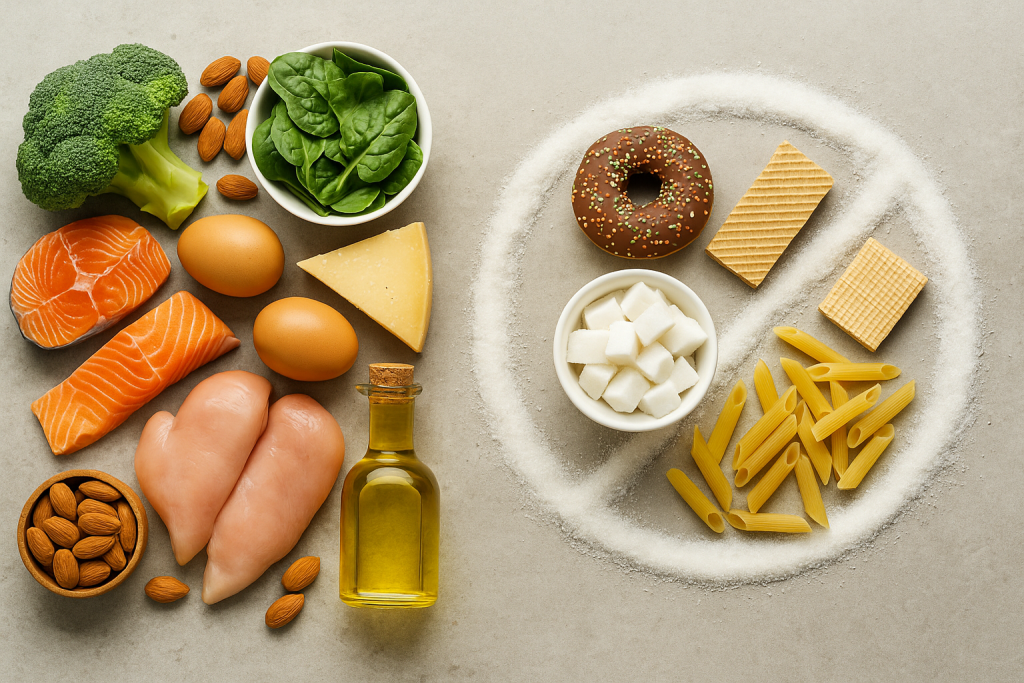
Focus on a balanced, low-GI diet to regulate blood sugar and manage insulin levels:

  • Whole grains (quinoa, oats, brown rice)
  • Lean proteins (fish, chicken, tofu, lentils)
  • Healthy fats (avocados, nuts, olive oil)
  • Plenty of vegetables and berries
  • Limit refined carbs, sugars, and processed foods

Tip: Don’t skip meals—this can cause blood sugar crashes and worsen fatigue.

  1. Stay Active, Your Way

Regular exercise helps manage weight, insulin resistance, and boosts mood:

  • Aim for 30 minutes of movement, 5 days a week
  • Mix it up—try walking, cycling, yoga, strength training, or dancing

Tip: Start small and stay consistent. Even daily walks make a difference.

  1. Prioritise Stress Management

Chronic stress affects hormones and can worsen symptoms. Try:

  • Deep breathing or meditation
  • Journaling or gratitude practice
  • Spending time in nature
  • Mindful movement like yoga or tai chi
  1. Improve Sleep Quality

PCOS can disrupt sleep, but quality rest is essential for hormone balance:

  • Stick to a regular sleep schedule
  • Limit screens before bed
  • Create a calm, dark sleep environment
  1. Seek Medical Support

Depending on your symptoms, a doctor may recommend medications like:

  • Metformin for insulin resistance
  • Hormonal birth control for regulating cycles
  • Fertility treatments, if needed

Note: Lifestyle changes can often reduce the need for medication over time.

PCOS may feel overwhelming, but you’re not alone. With the right approach and support, you can manage symptoms, boost your energy, improve your mood, and reclaim your well-being.

Small steps matter. Whether it’s preparing a nourishing meal, taking a walk, or simply resting when needed, every choice adds up to better health.

💬 Have you been managing PCOS? Share your tips and journey in the comments—we’d love to hear from you!

#BeTheForce

Disclaimer: The information provided in this blog is for general awareness and educational purposes only. It is not intended to replace professional medical advice, diagnosis, or treatment. Always consult a qualified healthcare provider for personalised medical guidance or concerns related to your health.
March 24, 2025 By GOQii Leave a Comment

How to Lower Blood Pressure Naturally Through Diet & Lifestyle

High blood pressure—also known as hypertension—affects millions of people around the world. Often called the “silent killer,” it usually has no obvious symptoms but significantly raises your risk of heart disease, stroke, and kidney issues if left unchecked.

While medication can help control blood pressure, it’s not the only way. In fact, simple, consistent changes in your diet and lifestyle can go a long way in reducing your blood pressure naturally—improving your health and overall quality of life.

Let’s explore proven, practical ways to lower your blood pressure through everyday habits.

1. Eat More Whole, Unprocessed Foods 

A balanced, nutrient-rich diet forms the foundation for blood pressure control. Focus on:

  • Fruits & Vegetables – Rich in potassium, magnesium, and antioxidants. Potassium helps balance sodium levels and relax blood vessel walls.
  • Whole Grains – Oats, brown rice, quinoa, and wholemeal bread are high in fibre, which supports heart health.
  • Lean Proteins – Include fish (especially fatty fish like salmon), chicken, tofu, lentils, and beans.
  • Healthy Fats – Avocados, nuts, seeds, and olive oil offer heart-protective fats.

🧂 Tip: Cut down on salt (sodium). Aim for less than 5g of salt (or 2g sodium) per day. Use herbs, spices, lemon, and garlic to add flavour instead.

2. Move More – Stay Active 

Regular physical activity strengthens the heart, enabling it to pump blood with less effort, lowering the pressure on your arteries.

  • Aim for at least 30 minutes of moderate exercise (like brisk walking, swimming, or cycling) on most days.
  • Incorporate strength training 2-3 times a week.

🚶‍♀️ Short on time? Even walking during breaks, taking stairs, or stretching regularly can help!

3. Watch Your Weight 

Excess weight, especially around the abdomen, puts pressure on your heart and blood vessels.

  • Losing even 5-10% of your current weight can significantly lower your blood pressure.
  • Combine a calorie-controlled diet with increased activity for sustainable weight loss.

4. Reduce Stress Levels 

Chronic stress can trigger temporary spikes in blood pressure—and over time, lead to lasting effects.

  • Practise deep breathing, meditation, or mindfulness daily.
  • Engage in hobbies, connect with loved ones, or simply take time for yourself.
  • Try journaling or spending time in nature to unwind.

5. Limit Alcohol & Quit Smoking 

  • If you drink alcohol, stick to recommended limits—no more than 14 units per week (UK guideline), spread out over several days.
  • Smoking damages blood vessels and immediately raises blood pressure—quitting can improve heart health dramatically.

6. Stay Hydrated 

Water supports kidney function and helps flush out excess sodium. Aim for 2-3 litres of water daily unless advised otherwise by a healthcare professional.

7. Cut Down on Caffeine

While moderate caffeine may be fine, too much can cause spikes in blood pressure in some individuals.

  • Limit to 1-2 cups of coffee or tea per day.
  • Monitor how your body responds and adjust accordingly.

8. Sleep Well 

Poor sleep is linked to higher blood pressure and increased risk of chronic conditions.

  • Aim for 7-9 hours of quality sleep each night.
  • Create a bedtime routine—avoid screens before bed, keep your room dark and cool, and wind down with relaxing activities.

Managing your blood pressure isn’t just about medication—it’s about taking daily actions that support your heart and overall health. Small, consistent lifestyle changes can lead to big improvements.

💬 Have you made changes to manage your blood pressure naturally? Share your experience in the comments below!

#BeTheForce

Disclaimer: The information provided in this blog is for general awareness and educational purposes only. It is not intended to replace professional medical advice, diagnosis, or treatment. Always consult a qualified healthcare provider for personalised medical guidance or concerns related to your health.

March 22, 2025 By Trupti Hingad 3 Comments

7 Tips To Help You Drink Water The Right Way

7 tips to help you drink water the right way World Water Day 2025 is a timely reminder of the value water holds in our lives—not just globally, but personally. While this year’s theme focuses on glacier preservation, we often overlook a key question: Are we drinking water in the best possible way for our health?

We all know hydration is important. But how you drink water matters just as much as how much you drink. Water is a vital life force—it fuels digestion, flushes out toxins, supports metabolism, and keeps every cell functioning. Yet, many of us are unaware that drinking water incorrectly can impact our health.

How To Drink Water The Right Way 

Let’s explore 7 essential tips to help you hydrate better, smarter, and more mindfully every day.

  1. Sit Down to Drink Water
    When you stand and drink water you upset the balance of fluids in the body and this may lead to more accumulation of fluids in the joints. When you sit and drink, your muscles and nervous system is relaxed and you absorb it nicely. Also, kidney pace of filtration is good when you sit and drink water
  2. Sip, Don’t Gulp Large Quantities
    Avoid drinking large amounts of water in one go. Gulping too much too quickly can block air intake into your lungs and put undue pressure on your heart and lungs. Instead, sip water slowly throughout the day—this helps your body absorb and utilise it more effectively.
  3. Avoid Ice-Cold Water
    Cold or chilled water may feel refreshing, but it disrupts digestion by cooling the internal fire needed to digest food properly. Cold water also reduces blood flow to various organs and can lead to issues like constipation. Try to drink room temperature or warm water instead—it aids digestion, supports metabolism, and even helps control cholesterol levels.
  4. Listen to Your Body’s Thirst Cues
    Your body is smart—it tells you when it’s low on water. Dark yellow urine, dry lips, dry tongue, and persistent fatigue are signs of dehydration. Clear or pale urine means you’re well-hydrated. Pay attention to these signs and hydrate accordingly.
  5. Start Your Day with Water
    Drinking a glass of water first thing in the morning helps flush out toxins and cleanses your digestive system. It supports smoother bowel movements and kickstarts your metabolism—setting a healthy tone for the rest of the day.
  6. Store Water the Right Way
    Traditionally, water stored in copper or silver vessels is believed to balance the body’s energies by positively charging the water. Copper is known for its antioxidant and antibacterial properties, while silver is believed to have a cooling effect on the digestive system.While copper and silver vessels might not be common everywhere, you can opt for glass or stainless steel bottles as safe and eco-friendly alternatives to plastic. These options are free from harmful chemicals like BPA and help maintain the water’s purity.
  7. Drinking Water Isn’t Just to Quench Thirst
    Water is essential for replenishing lost minerals and salts, especially after sweating or physical activity. It hydrates muscles and joints, supports digestion, maintains fluid balance, and prevents acidity. Make water a daily habit of recovery and rejuvenation, not just a thirst response.

Drinking water the right way is about more than just hitting your daily quota. By being mindful of how and when you drink water—and how you store it—you can improve digestion, boost energy, and support overall well-being.

Let this World Water Day inspire a renewed appreciation for water—not only as a global resource but as a vital part of our personal health.

💧 How do you ensure you stay hydrated daily? Share your tips in the comments below!

#BeTheForce

Disclaimer: The information provided in this blog is for general awareness and educational purposes only. It is not intended to replace professional medical advice, diagnosis, or treatment. Always consult a qualified healthcare provider for personalised medical guidance or concerns related to your health.

March 20, 2025 By GOQii 9 Comments

Does Happiness Affect Our Health? 10 Benefits Of Being Happy

Happiness and HealthHappiness is a wonderful feeling! Whether you associate it with optimism, joy, wellbeing, or personal achievement – or perhaps all of these – it naturally goes hand-in-hand with healthier habits. People who are in good spirits tend to eat better, move more, and sleep more soundly than those who are not. In turn, these healthy habits activate the hormones and neurotransmitters that influence our happiness.

When our mood is low, we’re more likely to skip exercise, indulge in emotional eating, and struggle with sleep.

This International Day of Happiness 2025, we embrace the theme “Caring and Sharing” – a powerful reminder that spreading joy, kindness, and connection not only uplifts others, but also has a profound impact on our own health and wellbeing.

Let’s explore the fascinating ways that happiness can boost your health – and why sharing a smile could make all the difference.

10 Health Benefits Of Being Happy

 1. Smile, Even If You Don’t Feel Like It
Science suggests that when we smile, whether we’re feeling happy or not, our mood improves. Smiling stretches the muscles in our face, triggering the brain to release “happy hormones” that make us feel good and reduce stress. Your smile not only brightens someone else’s day – it lifts your own spirits too.

2. Laughter is Truly the Best Medicine
Laughter helps you exhale more air and inhale more oxygen, purifying the blood and leaving you refreshed and relaxed. It boosts circulation, relieves tension, and even reduces pain. No wonder laughter clubs exist in parks all over the world – people are choosing joy for their health!

3. The Power of Happy Hormones

Our thoughts and emotions translate into chemicals in the body – either promoting healing or contributing to ill health. Let’s meet the “happy hormones”:

  • Endorphins: Natural painkillers – they allow us to push through challenges.
  • Serotonin: Enhances mood, social connection, and emotional stability.
  • Dopamine: Keeps us motivated, focused, and rewarded.
  • Oxytocin: The “love hormone,” strengthening bonds and trust.
  • Estrogen & Progesterone: Help regulate mood, anxiety, and sleep.

4. Stronger Immune System

There’s a link between happiness and stronger immunity. Studies show that happier people respond better to vaccines and have more robust immune responses, protecting them from infections. Chronic stress, on the other hand, weakens our immune defences.

5. A Happier Heart

Happiness is linked to lower heart rate and blood pressure, as well as better heart rate variability (a marker of heart health). Happy people are less prone to coronary heart disease – it’s that simple.

6. Healthier Blood

Happy individuals have lower levels of fibrinogen, a blood protein that causes clotting. High fibrinogen levels increase the risk of heart attacks – keeping stress low and mood high helps maintain healthy circulation.

7. Reduced Aches and Pains

Happiness seems to ease physical discomfort. When we’re in a good mood, our bodies release endorphins that naturally block pain. Chronic conditions like arthritis or muscle tension often feel less severe when we’re happy.

8. Lower Stress Levels

Happiness can help temper the harmful effects of stress. Happier people recover faster from stressful events and have lower levels of cortisol, the stress hormone linked to high blood pressure and Type 2 diabetes.

9. Even Our Genes Respond to Joy

Remarkably, happiness can influence gene expression. People who report greater wellbeing show lower levels of inflammatory gene activity and stronger antiviral responses. Love and happiness activate “growth genes”, promoting healing and resilience.

10. Live Longer, Live Better

Happiness is linked to longevity. Happier people are less likely to experience frailty, mobility issues, or early death. Staying upbeat can keep inflammation in check and help fend off disease.

Mother Teresa, who spent decades caring for the sick and dying, lived until the age of 87 – a testament to how compassion, purpose, and happiness can support lasting health.

Happiness is more than a fleeting emotion – it’s a state of being that nourishes your body, mind, and spirit. And the best part? It grows stronger the more you share it.

This International Day of Happiness, let’s make a conscious effort to care for ourselves and others – through kind words, acts of compassion, and positive connection. When we choose happiness, we create ripples of wellness that touch everyone around us.

💬 How do you practise happiness and share it with others? Let us know in the comments!

#BeTheForce

  • « Previous Page
  • 1
  • …
  • 20
  • 21
  • 22
  • 23
  • 24
  • …
  • 97
  • Next Page »

Search

Recent Posts

  • Best Foods To Alleviate Irritable Bowel Syndrome
  • ALL ABOUT VERTIGO!
  • PCOS and Anxiety: Discover Relief with the 54321 Technique
  • Navigating the Maze of Nutrition: Finding Clarity Amidst Confusion
  • Get children active and keep them healthy

Stay Updated

Archives

  • December 2025 (6)
  • November 2025 (15)
  • October 2025 (20)
  • September 2025 (6)
  • August 2025 (6)
  • July 2025 (12)
  • June 2025 (18)
  • May 2025 (16)
  • April 2025 (23)
  • March 2025 (23)
  • February 2025 (22)
  • January 2025 (26)
  • December 2024 (26)
  • November 2024 (25)
  • October 2024 (22)
  • September 2024 (24)
  • August 2024 (31)
  • July 2024 (21)
  • June 2024 (26)
  • May 2024 (31)
  • April 2024 (27)
  • March 2024 (29)
  • February 2024 (26)
  • January 2024 (25)
  • December 2023 (15)
  • November 2023 (11)
  • October 2023 (22)
  • September 2023 (22)
  • August 2023 (20)
  • July 2023 (22)
  • June 2023 (24)
  • May 2023 (24)
  • April 2023 (24)
  • March 2023 (23)
  • February 2023 (20)
  • January 2023 (16)
  • December 2022 (12)
  • November 2022 (15)
  • October 2022 (15)
  • September 2022 (12)
  • August 2022 (10)
  • July 2022 (17)
  • June 2022 (11)
  • May 2022 (10)
  • April 2022 (6)
  • March 2022 (6)
  • February 2022 (13)
  • January 2022 (12)
  • December 2021 (7)
  • November 2021 (3)
  • October 2021 (6)
  • September 2021 (3)
  • August 2021 (8)
  • July 2021 (7)
  • June 2021 (15)
  • May 2021 (16)
  • April 2021 (10)
  • March 2021 (7)
  • February 2021 (4)
  • January 2021 (4)
  • December 2020 (3)
  • November 2020 (4)
  • October 2020 (10)
  • September 2020 (3)
  • August 2020 (3)
  • July 2020 (2)
  • June 2020 (4)
  • May 2020 (10)
  • April 2020 (12)
  • March 2020 (10)
  • February 2020 (4)
  • January 2020 (4)
  • December 2019 (3)
  • November 2019 (7)
  • October 2019 (5)
  • September 2019 (4)
  • August 2019 (9)
  • July 2019 (9)
  • June 2019 (11)
  • May 2019 (4)
  • April 2019 (9)
  • March 2019 (8)
  • February 2019 (9)
  • January 2019 (8)
  • December 2018 (9)
  • November 2018 (3)
  • October 2018 (3)
  • September 2018 (5)
  • August 2018 (10)
  • July 2018 (6)
  • June 2018 (13)
  • May 2018 (8)
  • April 2018 (18)
  • March 2018 (9)
  • February 2018 (8)
  • January 2018 (15)
  • December 2017 (12)
  • November 2017 (19)
  • October 2017 (13)
  • September 2017 (15)
  • August 2017 (4)
  • July 2017 (8)
  • June 2017 (7)
  • May 2017 (6)
  • April 2017 (8)
  • March 2017 (6)
  • February 2017 (7)
  • January 2017 (9)
  • December 2016 (10)
  • November 2016 (7)
  • October 2016 (7)
  • September 2016 (7)
  • August 2016 (11)
  • July 2016 (9)
  • June 2016 (9)
  • May 2016 (12)
  • April 2016 (17)
  • March 2016 (17)
  • February 2016 (8)
  • January 2016 (6)
  • December 2015 (2)
  • November 2015 (9)
  • October 2015 (7)
  • September 2015 (9)
  • August 2015 (11)
  • July 2015 (9)
  • June 2015 (12)
  • May 2015 (9)
  • April 2015 (13)
  • March 2015 (8)
  • February 2015 (5)
  • January 2015 (12)
  • December 2014 (14)
  • November 2014 (11)
  • October 2014 (6)
  • September 2014 (13)
  • August 2014 (12)
  • July 2014 (6)
  • June 2014 (2)
  • May 2014 (7)
  • April 2014 (5)

From “Laddu Nawin” to Fit and Fierce: How a 25-Year-Old Insurance Advisor Shed 20 Kilos and Gained His Life Back

When 25-year-old Nawin Yadav from Hyderabad walked into his office every morning, he carried more than just his files and policy papers. He had the weight of fatigue, sluggish energy, and an ever-growing belly that was becoming the butt of jokes. “People … [Read More...]

“I’ve Challenged Myself to Live 100 Years” – The Story of Chandubhai Savani’s Second Chance at Life

At 67, most people start slowing down. Not Chandubhai Savani. A resident of Surat, Chandubhai, thought life was on track. “My life was going well till I had my bypass surgery,” he says. That surgery, back in 2021, was a wake-up call.  Medication was routine, but exercise wasn’t. His diet? What he calls ‘normal.’ “I […]

From Shimla’s Slopes to Chandigarh’s Sidewalks: Surinder Kaur Bhalla’s Journey from Chaos to Control

Some journeys start with a plan. Others begin with a stumble literally. Surinder Bhalla, a government professional, born and raised in the scenic hill town of Shimla, had always lived a life of movement. “In Shimla, you walked everywhere,” she reflects. “Walking was never an exercise. It was just life.” But after shifting to Chandigarh, […]

Ananda Mukherjee Health Story

From Terminal Illness To Complete Wellness! Ananda Mukherjee Health Story

As we observe World Cancer Day under the powerful theme ‘United by Unique’ (2025-2027)**, we are reminded that every individual’s journey with cancer is distinct, yet united by shared resilience, hope, and the collective fight against this disease. This theme places people at the centre of care and their stories at the heart of the […]

  • HOME
  • HEALTHY LIVING
  • FITNESS
  • HEALTHY RECIPES
  • USER STORIES
  • KARMA
  • BUY GOQii

Copyright ©2016 GOQii