GOQii

Blog

  • HOME
  • HEALTHY LIVING
  • FITNESS
  • HEALTHY RECIPES
  • USER STORIES
  • KARMA
  • BUY GOQii

November 14, 2025 By Pradnya Shinde Leave a Comment

The Hidden Link Between Diabetes and Mental Health – And How to Break the Cycle

A concerned woman holding a glucose meter with a high blood sugar reading, symbolising the connection between diabetes and mental health.This World Diabetes Day, the theme is “Diabetes across life stages,” with a special focus on “Diabetes and Well-being.” This highlights a crucial truth: managing diabetes isn’t just about blood sugar; it’s a lifelong mental and emotional journey.
Is the fear of diabetes complications weighing you down, leaving you anxious and uncertain about your health?

Living with diabetes can feel like a full-time job. The constant blood sugar checks, meal planning, and insulin management can be overwhelming. However, what often goes unnoticed is how much diabetes affects mental health. Did you know that people with diabetes are 50% more likely to experience depression than those without it? And the connection works both ways, depression can also increase the risk of developing diabetes.

So, what’s the link? And more importantly, what can you do about it?

How Diabetes Affects Your Brain

High blood sugar doesn’t just impact your body, it affects your brain too. The hippocampus, which controls memory and emotions, is particularly vulnerable. Over time, elevated blood sugar levels can shrink brain cells, making it harder to focus, think clearly, or remember things.

But that’s not all. It can also trigger mood swings, anxiety, and even lead to depression or dementia. If you’ve been feeling foggy, forgetful, or just “off,” your blood sugar levels might be playing a bigger role than you realise.

Can Depression Lead to Diabetes?

It’s not just diabetes affecting mental health—mental health can impact diabetes too. Depression makes it harder to stay active, eat well, or take care of yourself. This, in turn, can lead to weight gain and insulin resistance, increasing the risk of type 2 diabetes.

To make things even trickier, some antidepressants can cause weight gain, making it harder to manage blood sugar. It’s a vicious cycle—similar to the classic “chicken or egg” dilemma.

The Role of Stress in All of This

Stress is the common thread linking diabetes and depression. When you’re stressed, your body releases cortisol, the “fight or flight” hormone. While short bursts of cortisol are helpful, chronic stress can raise blood sugar levels and make your body less responsive to insulin.

This is why managing stress is just as important as managing your diet or exercise routine. The good news? There are proven ways to break the diabetes-stress cycle.

Stress Through the Life Stages

This “diabetes-stress cycle” can feel different depending on your stage of life.

  • In Childhood & Teens: The stress often comes from feeling different at school, managing blood sugar during exams, or navigating social events and peer pressure.
  • In Adulthood: The pressure shifts to the workplace. This includes discreetly checking blood sugar in meetings, worrying about a hypo-glycaemic episode during a presentation, or balancing a demanding career with self-care.
  • In Older Age: The anxiety might shift to a greater focus on managing complications or fears about the future.

The good news is that the same mind-body tools can help you take control, no matter your age or environment.

How to Take Control of Your Health (Both Physical & Mental)

The key is a mind-body approach—where you care for your mental well-being just as much as your physical health. Here are two effective strategies:

  1. Move More

Exercise is one of the best natural antidepressants out there. When you work out, your body releases endorphins, the “feel-good” chemicals that boost your mood and lower stress. Plus, exercise improves insulin sensitivity, helping your body use glucose more effectively.

Even 15-30 minutes of movement a day—like walking, dancing, or yoga—can make a huge difference in both diabetes management and mental well-being.

  1. Try Cognitive Behavioural Therapy (CBT)

CBT is a type of therapy that helps you reframe negative thoughts. Studies show that when combined with exercise, CBT is more effective than medication alone for improving mental health—and it has long-term benefits.

Here’s a simple CBT trick:

  • If you find yourself thinking, “I’ll never stick to this diet,” try shifting it to, “I might struggle, but I can take it one step at a time.”
  • Small shifts in mindset can reduce stress and help you stay on track.

CBT usually involves 6 to 18 sessions with a therapist, where you’ll set goals, learn healthy coping skills, and challenge unhelpful thinking patterns. Over time, this can transform how you approach both diabetes and your overall well-being.

Dealing With Emotional Eating

Ever find yourself reaching for food when you’re stressed, bored, or feeling low? You’re not alone. Emotional eating is common—but recognising triggers is the first step in managing it.

Here’s how to keep it under control:

  • Keep healthy snacks nearby – like nuts, yoghurt, or fruit.
  • Stay hydrated – sometimes thirst feels like hunger.
  • Practise mindful eating – focus on your food, chew slowly, and avoid distractions.
  • Find other stress relievers – try deep breathing, a short walk, or listening to music.

Balanced meals with protein, healthy fats, and fibre can also help stabilise mood and reduce cravings.

Breaking the Cycle

Living with diabetes can be overwhelming, but you don’t have to do it alone. By incorporating simple strategies like exercise, CBT, and mindful eating, you can take charge of both your mental and physical health.

It’s not about being perfect—it’s about progress. Small changes, done consistently, can have a huge impact over time.

By addressing both physical and mental health, you can break the diabetes-stress cycle and regain control of your well-being. Whether it’s through movement, therapy, stress management, or better eating habits, the goal is progress—not perfection.

If you’re struggling, reach out for support—you deserve to feel your best.

What has helped you manage stress or mental health while living with diabetes? Share your experience in the comments below!

#BeTheForce

Disclaimer: The information provided in this blog is for general awareness and educational purposes only. It is not intended to replace professional medical advice, diagnosis, or treatment. Always consult a qualified healthcare provider for personalised medical guidance or concerns related to your health.

May 24, 2025 By GOQii Leave a Comment

One Starchy Meal a Day: Why Moderation Matters in the DIP Plan

Understanding the science behind starch, blood sugar, and sustainable change
When it comes to managing diabetes through diet, it’s not just about cutting out sugar. It’s about making strategic choices — especially when it comes to starchy carbohydrates like rice, bread, potatoes, and pasta.

The Diabetes Improvement Programme (DIP) takes a balanced, evidence-informed approach. One of its core principles is simple: limit starchy carbohydrates to just one meal a day. At first glance, this may sound restrictive — but there’s solid science behind it. And more importantly, it works.

Here’s why this one-meal rule matters — and how it can help you take meaningful control of your blood sugar and long-term health.

What Are Starchy Carbohydrates?

Starches are complex carbohydrates found in foods such as:

  • Rice, pasta, and noodles
  • Potatoes, sweet potatoes, and yams
  • Bread, crackers, and baked goods
  • Corn, peas, lentils, and beans

Although they’re often considered “slow release”, these foods can rapidly break down into glucose in the body — especially when eaten in large quantities or refined forms. This causes a rise in blood sugar levels — precisely what individuals with diabetes or insulin resistance aim to manage.

The Problem With Overdoing Starch

When starchy foods are consumed at every meal, they can:

  • Spike blood sugar levels multiple times a day
  • Increase insulin demand, placing extra strain on the pancreas
  • Lead to weight gain or make weight loss more difficult
  • Contribute to energy crashes and cravings later in the day

For those with Type 2 diabetes or prediabetes, this daily glucose rollercoaster can make management difficult and may even undo the benefits of other healthy habits.

Why One Starchy Meal Works Better

By limiting starch to just one meal per day, the DIP plan allows the body to:

  • Stabilise blood sugar levels more effectively throughout the day
  • Lower overall insulin exposure, which supports weight loss and improves insulin sensitivity
  • Improve energy levels without the post-meal slump
  • Break the dependency on carbohydrate-rich meals for satiety or satisfaction

This strategy doesn’t eliminate carbs — it simply creates a rhythm where your body has time to reset and burn fat more efficiently between meals.

It’s Not About Elimination — It’s About Moderation

Let’s be clear — starch is not the enemy. Many starchy foods are part of cultural traditions, family meals, and emotional comfort. The DIP framework respects that. By allowing starch at just one meal a day, it encourages mindful moderation rather than extreme restriction.

This flexibility helps make the plan more realistic, sustainable, and enjoyable — which is key for long-term change.

How to Make the Most of Your One Starchy Meal

If you’re choosing to include starch, here are a few tips:

  • Pick whole, minimally processed options — such as brown rice, millet, or sweet potato
  • Mind your portions — one cup (about the size of your fist) is a helpful guide
  • Pair it with protein, fibre, and fat — this slows digestion and helps reduce glucose spikes
  • Make it the highlight, not the base — build your plate with vegetables and protein first

For example:
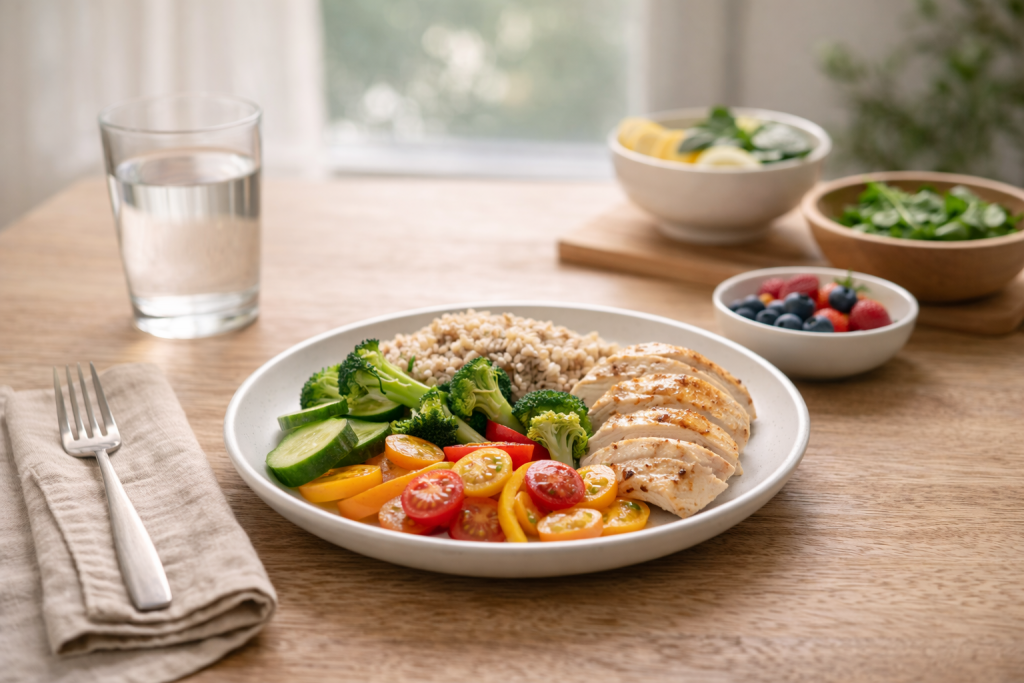
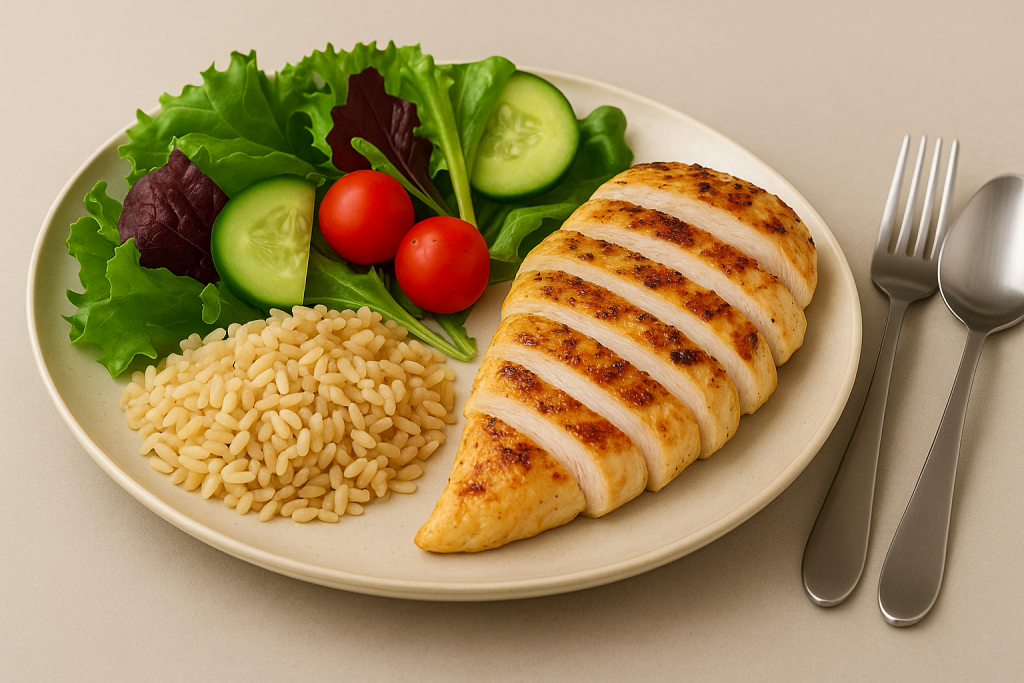
A lunch of grilled chicken, mixed salad, and a small portion of brown rice is more balanced than a heaping plate of pasta with little else.

Science Meets Simplicity

The concept of one starchy meal per day is backed by research in low-carb and moderate-carb interventions for Type 2 diabetes. Numerous studies show that reducing daily carbohydrate load (especially starchy carbs) improves HbA1c, supports weight loss, and enhances metabolic markers like triglycerides and insulin sensitivity.

By following this simple principle, you’re not just adopting a diet — you’re creating better metabolic conditions for your body to heal and thrive.

Small Change, Big Impact

You don’t need to give up rice forever. You don’t need to avoid bread at every meal. But choosing to have starch just once a day could be the difference between constantly battling blood sugar fluctuations and finally finding control.

This one shift — this small act of moderation — can ripple out into better energy, clearer thinking, improved lab results, and a more empowered relationship with food.

And in the end, that’s what the DIP plan is all about — progress, not perfection.

#BeTheForce

Disclaimer: The information provided in this blog is for general awareness and educational purposes only. It is not intended to replace professional medical advice, diagnosis, or treatment. Always consult a qualified healthcare provider for personalised medical guidance or concerns related to your health. Images shown are for representation purposes only and may not depict the exact recommendations or outcomes.

May 7, 2025 By GOQii Leave a Comment

Goodbye Sugar, Hello Health: A Real-Food Approach to Managing Diabetes

Have you ever wondered if you could take control of your diabetes rather than letting it control you? What if the secret wasn’t buried deep on a pharmacy shelf, but already sitting on your plate?



Welcome to the world of DIP (Diabetes Improvement Programme) Nutrition – a low-carb, real-food philosophy that’s helping people across the globe rewrite their diabetes story.

The Sugar Trap: Why We’ve Been Getting It Wrong

For years, conventional advice has often pointed those with type 2 diabetes towards a low-fat, high-carb diet—ironically the very combination that spikes blood sugar. We’ve been told to count calories, watch portions, and rely heavily on medication.

But here’s the uncomfortable truth: more carbs mean more glucose, and more glucose means more insulin… and the cycle continues.

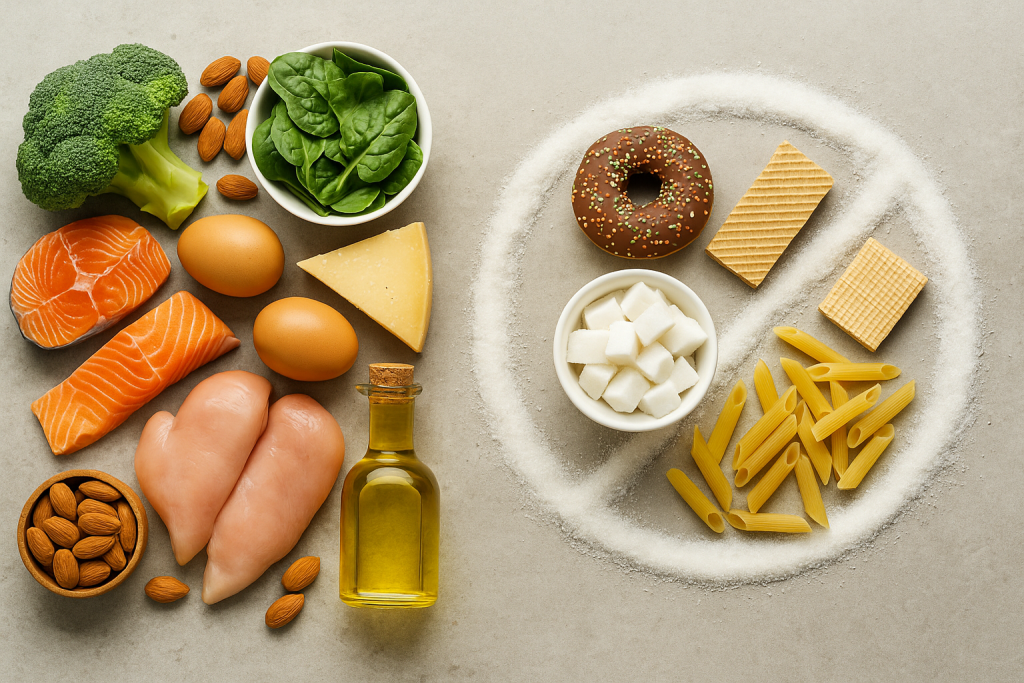
The DIP approach flips the script. It starts with one simple but powerful change: ditching sugar and refined starches. Think white bread, rice, pasta, sweets, sugary drinks – the usual suspects. Cutting these out helps reduce the constant glucose overload and gives the body the breathing space it needs to heal.

Low-Carb, Real-Food: What’s on the Menu?

This isn’t about deprivation or fad diets. It’s about getting back to basics. Real food – the kind your great-grandparents would recognise.

Think:

  • Above-ground vegetables
  • Healthy fats like nuts, seeds, and olive oil
  • Good-quality protein
  • And yes, even eggs and cheese

The DIP philosophy is rooted in nutrient-dense, whole food that nourishes rather than spikes.

The result? Lower blood sugar levels, improved insulin sensitivity, weight loss, better energy, and most importantly — hope.

Real Stories, Real Change

Across communities, people who follow the DIP way report feeling more in control than ever before. They’re reducing medications (under medical supervision), shedding stubborn weight, and finally breaking free from constant cravings and crashes.

It’s not magic. It’s metabolic science meets mindful eating.

Is This the Beginning of Your New Chapter?

If you’ve felt frustrated with traditional approaches…
If you’re tired of chasing highs and crashing lows…

Maybe it’s time for a fresh start.

“Goodbye sugar, hello health” isn’t just a catchy phrase – it’s a powerful reality waiting to unfold.

Let your first step be this: rethink what’s on your plate. Your body will thank you.

#BeTheForce

Disclaimer: The information provided in this blog is for general awareness and educational purposes only. It is not intended to replace professional medical advice, diagnosis, or treatment. Always consult a qualified healthcare provider for personalised medical guidance or concerns related to your health.

May 7, 2025 By GOQii Leave a Comment

Good Carbohydrates for Managing Diabetes

good carbohydratesDiabetes may be a lifelong condition, but with the right lifestyle changes, it can be managed and in some cases, even reversed. One of the most powerful changes you can make is to your diet.

Many people believe carbohydrates are the enemy and should be avoided completely. But that’s not true. Carbohydrates are an essential part of your diet it’s about choosing the right kind.

Two Types of Carbohydrates You Should Know

Type Description Impact
Simple Carbs Found in white bread, sugary drinks, sweets, and juices Broken down quickly, causing a rapid rise in blood sugar
Complex Carbs Found in whole grains, beans, vegetables, and fruits Digested slowly, causing a steady and gentle rise in blood sugar

The key is not to cut out carbs, but to choose complex, fibre-rich carbohydrates that support stable blood sugar and better health.

Diabetes-Friendly Carbohydrates to Include

You can confidently enjoy the following in moderate portions:

  • Fruits – Prefer whole fruits like apples, guavas, pears, cherries, and berries
  • Vegetables – Especially non-starchy types like spinach, cucumbers, okra, zucchini
  • Whole Grains – Brown rice, oats, whole wheat, barley, Jareesh, and Bulgur
  • Beans & Pulses – Lentils, Chickpeas, Fava Beans
  • Nuts & Seeds – Almonds, walnuts, flaxseeds, sunflower seeds

How to Add Good Carbs to Your Day

Here are some practical swaps and additions that fit right into Saudi meals:

Tip What to Do
Swap Your Bread Replace white khubz with whole wheat or multigrain varieties
Switch Up Your Rice Choose brown rice or mix with quinoa or Jareesh for better fibre
Bulk Up Your Stews Add more vegetables to dishes like salona or edam
Enjoy Traditional Salads Include Tabbouleh or a fresh green salad daily
Boost Your Salads Add boiled chickpeas, lentils, nuts, or mixed seeds for added fibre and protein
Snack Smart A small portion of dates with nuts, or fruit with a spoon of yoghurt, can be balanced snacks

It’s Not Just About Diet

Managing diabetes involves a full lifestyle approach:

  • 🏃 Stay physically active – even 30 minutes of walking helps
  • 🧘 Manage stress – through prayer, reflection, or breathing exercises
  • 🚭 Avoid smoking – it worsens insulin resistance
  • 🛏️ Prioritise good sleep – it’s essential for blood sugar control

If you’ve completely cut out carbs, it’s time to reintroduce the right ones in healthy, controlled portions.

Before making any dietary changes, consult your doctor or a licensed dietitian. Everyone’s body responds differently, and personalised guidance is essential.

If this article helped you, share it with your family and friends. Good health is better when shared.

#BeTheForce

Disclaimer: The information provided in this blog is for general awareness and educational purposes only. It is not intended to replace professional medical advice, diagnosis, or treatment. Always consult a qualified healthcare provider for personalised medical guidance or concerns related to your health. Images shown are for representation purposes only and may not depict the exact recommendations or outcomes.

  • 1
  • 2
  • Next Page »

Search

Recent Posts

  • India Leads in Longevity: GOQii Sanjeevini Named Top 40 in $101M XPRIZE
  • The Importance Of Knowing If You’re Thirsty Or Hungry
  • Best Foods To Alleviate Irritable Bowel Syndrome
  • ALL ABOUT VERTIGO!
  • PCOS and Anxiety: Discover Relief with the 54321 Technique

Stay Updated

Archives

  • December 2025 (8)
  • November 2025 (15)
  • October 2025 (20)
  • September 2025 (6)
  • August 2025 (6)
  • July 2025 (12)
  • June 2025 (18)
  • May 2025 (16)
  • April 2025 (23)
  • March 2025 (23)
  • February 2025 (22)
  • January 2025 (26)
  • December 2024 (26)
  • November 2024 (25)
  • October 2024 (22)
  • September 2024 (24)
  • August 2024 (31)
  • July 2024 (21)
  • June 2024 (26)
  • May 2024 (31)
  • April 2024 (27)
  • March 2024 (29)
  • February 2024 (26)
  • January 2024 (25)
  • December 2023 (15)
  • November 2023 (11)
  • October 2023 (20)
  • September 2023 (22)
  • August 2023 (20)
  • July 2023 (22)
  • June 2023 (24)
  • May 2023 (24)
  • April 2023 (24)
  • March 2023 (23)
  • February 2023 (20)
  • January 2023 (16)
  • December 2022 (12)
  • November 2022 (15)
  • October 2022 (15)
  • September 2022 (12)
  • August 2022 (10)
  • July 2022 (17)
  • June 2022 (11)
  • May 2022 (10)
  • April 2022 (6)
  • March 2022 (6)
  • February 2022 (13)
  • January 2022 (12)
  • December 2021 (7)
  • November 2021 (3)
  • October 2021 (6)
  • September 2021 (3)
  • August 2021 (8)
  • July 2021 (7)
  • June 2021 (15)
  • May 2021 (16)
  • April 2021 (10)
  • March 2021 (7)
  • February 2021 (4)
  • January 2021 (4)
  • December 2020 (3)
  • November 2020 (4)
  • October 2020 (10)
  • September 2020 (3)
  • August 2020 (3)
  • July 2020 (2)
  • June 2020 (4)
  • May 2020 (10)
  • April 2020 (12)
  • March 2020 (10)
  • February 2020 (4)
  • January 2020 (4)
  • December 2019 (3)
  • November 2019 (7)
  • October 2019 (5)
  • September 2019 (4)
  • August 2019 (9)
  • July 2019 (9)
  • June 2019 (11)
  • May 2019 (4)
  • April 2019 (9)
  • March 2019 (8)
  • February 2019 (9)
  • January 2019 (8)
  • December 2018 (9)
  • November 2018 (3)
  • October 2018 (3)
  • September 2018 (5)
  • August 2018 (10)
  • July 2018 (6)
  • June 2018 (13)
  • May 2018 (8)
  • April 2018 (18)
  • March 2018 (9)
  • February 2018 (8)
  • January 2018 (15)
  • December 2017 (12)
  • November 2017 (19)
  • October 2017 (13)
  • September 2017 (15)
  • August 2017 (4)
  • July 2017 (8)
  • June 2017 (7)
  • May 2017 (6)
  • April 2017 (8)
  • March 2017 (6)
  • February 2017 (7)
  • January 2017 (9)
  • December 2016 (10)
  • November 2016 (7)
  • October 2016 (7)
  • September 2016 (7)
  • August 2016 (11)
  • July 2016 (9)
  • June 2016 (9)
  • May 2016 (12)
  • April 2016 (17)
  • March 2016 (17)
  • February 2016 (8)
  • January 2016 (6)
  • December 2015 (2)
  • November 2015 (9)
  • October 2015 (7)
  • September 2015 (9)
  • August 2015 (11)
  • July 2015 (9)
  • June 2015 (12)
  • May 2015 (9)
  • April 2015 (13)
  • March 2015 (8)
  • February 2015 (5)
  • January 2015 (12)
  • December 2014 (14)
  • November 2014 (11)
  • October 2014 (6)
  • September 2014 (13)
  • August 2014 (12)
  • July 2014 (6)
  • June 2014 (2)
  • May 2014 (7)
  • April 2014 (5)

From “Laddu Nawin” to Fit and Fierce: How a 25-Year-Old Insurance Advisor Shed 20 Kilos and Gained His Life Back

When 25-year-old Nawin Yadav from Hyderabad walked into his office every morning, he carried more than just his files and policy papers. He had the weight of fatigue, sluggish energy, and an ever-growing belly that was becoming the butt of jokes. “People … [Read More...]

“I’ve Challenged Myself to Live 100 Years” – The Story of Chandubhai Savani’s Second Chance at Life

At 67, most people start slowing down. Not Chandubhai Savani. A resident of Surat, Chandubhai, thought life was on track. “My life was going well till I had my bypass surgery,” he says. That surgery, back in 2021, was a wake-up call.  Medication was routine, but exercise wasn’t. His diet? What he calls ‘normal.’ “I […]

From Shimla’s Slopes to Chandigarh’s Sidewalks: Surinder Kaur Bhalla’s Journey from Chaos to Control

Some journeys start with a plan. Others begin with a stumble literally. Surinder Bhalla, a government professional, born and raised in the scenic hill town of Shimla, had always lived a life of movement. “In Shimla, you walked everywhere,” she reflects. “Walking was never an exercise. It was just life.” But after shifting to Chandigarh, […]

Ananda Mukherjee Health Story

From Terminal Illness To Complete Wellness! Ananda Mukherjee Health Story

As we observe World Cancer Day under the powerful theme ‘United by Unique’ (2025-2027)**, we are reminded that every individual’s journey with cancer is distinct, yet united by shared resilience, hope, and the collective fight against this disease. This theme places people at the centre of care and their stories at the heart of the […]

  • HOME
  • HEALTHY LIVING
  • FITNESS
  • HEALTHY RECIPES
  • USER STORIES
  • KARMA
  • BUY GOQii

Copyright ©2016 GOQii
