
GOQii

Blog

  • HOME
  • HEALTHY LIVING
  • FITNESS
  • HEALTHY RECIPES
  • USER STORIES
  • KARMA
  • BUY GOQii

June 28, 2018 By Samar Hafeez 7 Comments

Reduce Anxiety, Sleep Sound

anxiety1

Anxiety and Fear are a part of life. You may feel anxious before you take a test or walk a dark street. This kind of anxiety is useful as it can make you more alert, careful and productive, however, it usually ends soon after you are out of the situation that caused it. But, for millions of people, the anxiety does not go away and gets worse over time. This can make one, more restless, clumsy and unproductive thereby causing dysfunction in daily activities, and ultimately begins to take over lives.

Anxiety has plagued millions around the world from time immemorial. Anxiety is defined as a feeling of excessive worry, nervousness or unease about something. In this people are always preoccupied with ‘what- if’ thinking, what if something bad, dangerous or threatening could happen, what if anything bad happens to someone I love etc.

Symptoms of Anxiety:

Physical symptoms include:

  • Muscle tension, Muscle Twitching
  • Chronic indigestion, constipation, Diarrhoea
  • Increased or heavy breathing
  • Hyperventilation/Palpitations
  • Nausea
  • Cold chills, Hot flash, Frequent urination, sudden weight loss, headaches

Emotional symptoms include:

  • Feeling of dread, feeling tense and jumpy
  • Irritability
  • Restlessness
  • Sleep problems
  • Panicky most of the time

Cognitive symptoms:

  • Poor concentration Negative thoughts and Apprehension
  • Confusion
  • Poor communication, attention and memory skills

Now let’s move on to discuss how Anxiety may cause sleep problems

Many of us toss and turn and watch the clock when we can’t sleep for a night or two. But for some, a restless night is routine.

The growing cases of sleep disorders due to anxiety are not to be ignored. Indian women outnumber men when it comes to disturbed sleep due to anxiety.

Anxiety and sleep have a bidirectional relationship, meaning high amounts of anxiety tends to disrupt sleep and disruptions in sleep tend to increase anxiety.

In case of Anxiety, it begins in anticipation of an event. When you reflect on a stressful event at night, the emotional centres of brain namely Amygdala and Insular cortex get activated. This stimulates a chain of events that raise both your adrenaline and blood sugar levels. This sudden source of energy then keeps you alert, tense and restless. Ultimately disrupting your sleep.

Sleep on other hand is an integral part of emotional regulation. A lack of it leaves your emotions unstable and in disarray. You are more prone to falling sick often, show irritability and lack of patience and discontent often.

What your Anxiety at night may look like

An individual usually experiences either racing or stagnant/fixed anxious thoughts. These thoughts build on each other or spiral around making it harder and harder to fall asleep.

Some people describe this feeling as being stuck in their head.

Due to the consistent rise in adrenaline and cortisol (stress hormone) levels more and more physical symptoms may result.

Reduce Anxiety

  1. Melt Anxiety with mindfulness meditation: Focusing on your breath and physical sensations can help you stay in the present moment. This can help you recognize what your thoughts may be, allowing them to pass without reaction or judgement.
  2. Rationalize and not Awfulize: Accept the what if thinking as a projection that connects horrifying thoughts and images to anxiety. Think that a what if disaster does not validate or guarantee a disaster, Awfulizing things real or imagined situations as horrible, Awful or terrible will only make symptoms worse
  3. The shift from passive to active perspective: Talk to yourself in a realistic self- assuring way
  4. Relax your body Relax your mind: Practice Diaphragmatic breathing these exercises are simple to learn and can have relatively quick effects. This technique involves breathing in a way that your belly expands as you breathe in and contracts as you breathe out. Psychologist Jon Carlson describes belly breathing as a technique that can send calming signals to the brain and promote a feeling of relaxation and improved attention and awareness.
  5. Imagination and Relaxation: Rolodex of anxiety thoughts can be controlled by using Guided imagery, Guided imagery serves to redirect people’s attention away from what is stressing them and towards an alternative focus, this includes only visualizing pleasant and relaxing image like on a beach or on a serene hill or whatever may soothe a person. This practice is extremely portable, as it relies on nothing but one’s imagination and concentration abilities.
  6. Exercise: Regular exercise provides an outlet for frustrations and releases mood-enhancing endorphins/hormones
  7. Play music: Soft calming music can lower blood pressure and muscle agitation, usually found symptoms in people who get anxious often
  8. Direct anxiety elsewhere: Lend a hand to relative or neighbour or volunteer in your community services. Helping others will take your mind off your own anxieties and will help you count your blessings.

Sleep More Soundly

  1. Make good sleep a priority: Block out 7 hours for a full uninterrupted sleep
  2. Maintain regularity: Try to sleep and wake up on same time daily even on weekends, this helps circadian rhythm your ‘biological clock’ to tick properly.
  3. Avoid stimulants: Say no-no to alcohol, coffee, chocolate or nicotine post sunset
  4. Keep it cool: sleep in a dark room which is slightly cold, this helps the temperature in the brain to fall and help fall asleep quicker, the cool room takes your brain and body in the right temperature direction to get good sleep.
  5. Dark- deprived society: We need darkness in the evening to allow the release of a hormone called Melatonin(sleep hormone) It helps the healthy time of our sleep. In this modern era, we are severely deprived of darkness. So try to dim lights down in your home an hour before bed. Stay away from LED screens as they emit blue light that actually puts break on melatonin and fools brain into thinking it’s still daytime, even though night time.
  6. Do not stay in bed awake: If you haven’t fallen asleep within 30 mins of getting into bed or have woken up and finding difficult to fall back asleep, the advise is to get up go to another room and in dim light just read a book, no screens, no email checking, NO FOOD. And only when you feel sleepy should you return to bed and that way your brain can actually re-learn the association between bed being a place of sleep, rather than a place to stay awake.
  7. Avoid big meals before bedtime and avoid working out 2 hours before bedtime.
  8. Try magnesium-rich foods/supplements like fish or fish oil, almonds, bananas, pumpkin seeds, warm milk, cherries, mushrooms and dark green leafy veggies in dinner. Magnesium relaxes muscles and easesanxiety1 anxiety which contributes to insomnia
  9. Chamomile magic: Try having a cup of chamomile tea 30 mints before bed chamomile is regarded as a mild tranquillizer and sleep inducer, It relaxes nerves and muscles and help fall sleep quicker.

The power of sleep has always been known to be significant but now there’s more and more evidence demonstrating just how important it is for those who experience anxiety. By using above mentioned techniques you can hope for relief from anxiety and eventually will sleep your anxiety away!



December 17, 2017 By Parwage Alam 11 Comments

Myths and Health Benefits of Meditation

Benefits-of-Meditation

Stress can be dangerous. Here is a link to a blog on Stress

http://goqii.com/blog/avoid-stress-lead-a-healthy-and-happy-life/

In this blog, I am going to talk about meditation and its health benefits in detail. Most foreigners  are it the Americans or the Europeans aren’t raised to sit and say “Om.” But, today whether it is outside of India or within our country at every nook and corner you can find a yoga and meditation centre. Meditation has gained millions of converts, helping them ease chronic pain, anxiety, stress, improve heart health, boost mood and immunity, and resolve a lot of medical issues even pregnancy problems.

According to doctors, any condition that’s caused or worsened by stress can be alleviated through meditation. Peace is something we all seek for or let’s say satisfaction is something we all long for. Satisfaction could be different for different people. For some satisfaction could mean happiness, for some it could be an achievement. The influence of external factors in our life largely decides our state of mind to be happy, sad or angry.

We often seek for happiness or peace in the outside world. People have their own ways of finding peace or relaxing their mind. Most common practice is going out of town or getting away from our usual routine. It’s very necessary to find peace within us as not everyone can afford to go out of station often. So here is what we can do and also save some money in the process to reach our goal of happiness and peace- MEDITATE.

Meditation you can transform the mind. Meditation doesn’t mean that you have to sit in a particular posture and focus on any single point on the wall or certain point. The definition of meditation is different for different people. If you ask me, meditation is the art of focusing our attention (100%) in one area. We all believe that our mind gets maximum rest while sleeping; however, the fact is that our mind gets to rest and relief while meditating.

Doctors who recommend meditation say that the relaxation response [from meditation] helps decrease metabolism, lowers blood pressure and improves heart rate, breathing, and brain waves. Tension and tightness seep from muscles as the body receives a quiet message to relax.

Articles in medical journals on Meditation indicate there is scientific evidence that shows how meditation works. In people who are meditating, brain scans called MRI have shown an increase in activity in areas that control metabolism and heart rate. Other studies on Buddhist monks have shown that meditation produces long-lasting changes in the brain activity in areas involved in attention, working memory, learning, and conscious perception.

There are some dangerous myths about meditation like:

1.          Meditation is a religion: Meditation is not related to any religion. However, meditation brings all religion together.

2.         Just relaxation: Meditation is not about just relaxation like sitting on your sofa or lying on your resting chair, meditation helps to produce specific chemical changes in the brain. For example, Transcendental meditation is known to cause the brain to release a soothing hormone known as prolactin.

3.         Sit in the lotus posture to meditate: There is a myth that meditating you should always sit in a lotus posture. However, while meditating it is more important to be comfortable and steady. You can sit cross-legged, on a chair, in a sofa – it is fine, but it is mandatory that you have to maintain the same position till you finish meditating.

4.         Meditation is for old people: Most of the people believe that meditation is only for people who have reached a certain age or for old people. That is so untrue. Meditation is universal and anyone can do it. It adds value to lives of people of all age groups. A study in the American Journal of Hypertension showed that teenagers who meditated for 15 minutes twice a day for four months were able to lower their blood pressure a few points.10 minutes of meditation in the morning clean your mind, it gives zeal and enthusiasm.

5.         Meditation is like hypnotizing yourself: Most of the people believe that Meditation is hypnotising you. But, that’s again false. In hypnotism no one is aware what he or she is going through, however, in meditation, you are always aware of each and every moment.

If you are feeling tense, tired, depressed or anxious or stressed, the one simple word I can suggest or recommend is ‘Meditation’. Five to 10 minutes of meditation will help you relax and get over your stress and restore your calm and inner peace.

Anyone can start meditating with a small practice. It’s really very simple and does not require you to visit therapists or a practitioner of meditation. It also does not require any equipment. You can practice meditation whenever and wherever you are – in office, home, on the bus or train, or waiting at the doctor’s clinic or even in the middle of a difficult business meeting.

Meditation works as a medicine of mind and body and produces a deep state of relaxation.  During meditation, we centralize our attention and get rid of the unwanted stress-causing thoughts. This process results in enhanced physical and emotional well-being.

Some great Benefits of Meditation:

Psychological Benefits: Reduces stress and anxiety, increases creativity and intelligence. Reduces depression, increases learning ability, reasoning and memory power, reduces irritability and moodiness, Feelings of vitality and rejuvenation, increase emotional control, self-esteem, alertness, Improves relationships and also concentration

Physiological Benefits: May help lower blood pressure, Prevents or relives any pain, boosts immune system- with meditation higher levels of antibodies are produced against the flu virus, according to the study in Psychosomatic Medicine, lowers blood cholesterol levels, improves airflow through the respiratory system, especially in those with asthma, Youngers your biological age.

Women can also benefit from meditation. Quoting a study from an article in WebMD, the article says that PMS symptoms subsided by 58% when women meditated. certain other issues such as anxiety, depression, and fatigue can also be reduced by a regular meditation program.


October 10, 2016 By Dr Ashwin Nanda 1 Comment

SHEDDING LIGHT ON DEPRESSION

depression

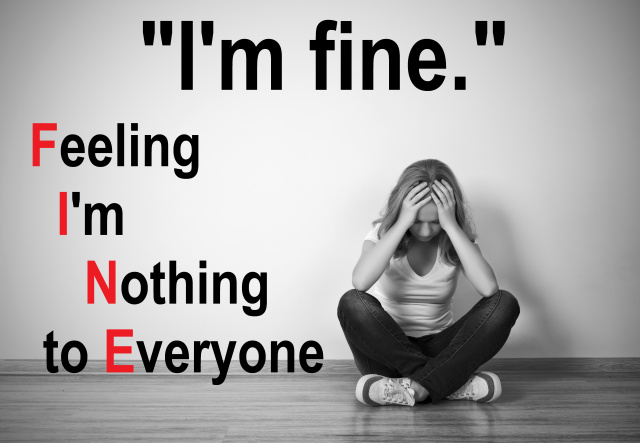
Last year, when the famous Bollywood actress Deepika Padukone opened the lid on her struggle with anxiety and depression and admitted to the world that she was on medication for the same, it became the talk of the town. Everyone started discussing mental health, there were articles in Newspapers, TV channels interviewing the actress and asking her to tell her story. Padukone became an example for many to come out and discuss their issue without fear. Why so? Because depression and mental illness isn’t usually talked about. There is shame and stigma attached to talking about depression. Today, on world health day, I would like to share some insights into depression and what needs to be done when in that situation.

My first experience in dealing with depression was when I was still in Medical school. My very close friend from medical school went through depression. It was then I realized that one needs a lot of empathy and patience to understand what someone is going through in depression. The extreme low mood during depression is such a bad feeling that no one chooses to be depressed by choice …it’s either circumstances or medical conditions that push an individual into depression.

My friend had slipped into depression due to a heart break. The impact was so huge that he withdrew himself from studies, friends and family. He slept longer than usual 8 hours, ate less and experienced terrible mood swings. He refused to talk to anyone and eventually turned suicidal. It is at this point that we had to rush him to the psychiatry department of our college hospital.

The psychiatrist talked to my friend privately for 15 minutes and then to his parents and me privately for another 10 minutes. Then, called us all in and sat us down and explained to us that my friend was suffering from an episode of major depression and medication was a must.

None of us were comfortable that he needed medication to recover from depression but, as counseled by the doctor, avoiding medicines wasn’t an option as he was feeling suicidal. Fifteen days later he started feeling better by 10% and the counselor started weekly sessions with him on the recommendation of the Psychiatrist to expedite recovery. Thankfully my friend recovered completely to his normal self in 6 months’ time and medicines and counseling were discontinued.

It is said that one in every four people suffer from anxiety and depression. According to WHO (World Health Organization) 350 million people worldwide suffer from depression in a year. By the year 2020, it will be the second most common disorder after heart disease. The chemical changes occurring in the brain during depression is a reduction in the level of Serotonin, dopamine and nor adrenaline – these are neurotransmitters (Chemicals which are produced by brain cells).

SOME COMMON SYMPTOMS OF DEPRESSION:

  1. Loss of interest / pleasure in activities which were previously enjoyable.
  2. Decreased energy.
  3. Feelings of guilt and low self – worth.
  4. Disturbed sleep and appetite.
  5. Poor concentration.
  6. Substantial impairment in the person’s ability to handle his/her daily responsibilities.
  7. At its worst it can make the person suicidal.

All symptoms are mild in the beginning and gradually increase in intensity over time.

RISK FACTORS:

  1. Genetics – If you have an immediate family member who has experienced major depression, there is a likelihood that you will also have an episode in your lifetime.
  2. Financial hardships and low education levels.
  3. Female Gender – depression is two to three times more likely in women as compared to men. Depression setting in after delivery of child occurs in some cases.
  4. Chronic illnesses like diabetes, tuberculosis, arthritis.
  5. Exposure to violence / Abuse especially in childhood.
  6. Being separated / divorced especially for men.

MANAGING DEPRESSION:

It is important to recognize depression and take it seriously. Going to a psychiatrist is a must

Mild cases can improve with counseling and psychological therapy (depending on the cause of depression, the person is taught coping mechanisms). Severe cases need anti-depressants along with psychological therapy. Self help is equally essential.

Some self help tips:

  1. Create a daily routine and try to stick to it.
  2. Exercise releases endorphins in the brain which give a feeling of happiness, hence daily exercise is a must to recover and prevent depression.
  3. Try to eat a healthy and balanced diet daily.
  4. Openly communicate with family members and loved ones about what you are experiencing to foster relationships and get support.
  5. Avoid alcohol and recreational drugs as they worsen depression.
  6. Be patient with yourself. For someone with depression even the smallest tasks can seem impossible.

Depression is treatable and plenty of help is available to assist a person cope with it and get back to leading a normal and enjoyable life.

  • « Previous Page
  • 1
  • 2

Search

Recent Posts

  • India Leads in Longevity: GOQii Sanjeevini Named Top 40 in $101M XPRIZE
  • The Importance Of Knowing If You’re Thirsty Or Hungry
  • Best Foods To Alleviate Irritable Bowel Syndrome
  • ALL ABOUT VERTIGO!
  • PCOS and Anxiety: Discover Relief with the 54321 Technique

Stay Updated

Archives

  • December 2025 (8)
  • November 2025 (15)
  • October 2025 (20)
  • September 2025 (6)
  • August 2025 (6)
  • July 2025 (12)
  • June 2025 (18)
  • May 2025 (16)
  • April 2025 (23)
  • March 2025 (23)
  • February 2025 (22)
  • January 2025 (26)
  • December 2024 (26)
  • November 2024 (25)
  • October 2024 (22)
  • September 2024 (24)
  • August 2024 (31)
  • July 2024 (21)
  • June 2024 (26)
  • May 2024 (31)
  • April 2024 (27)
  • March 2024 (29)
  • February 2024 (26)
  • January 2024 (25)
  • December 2023 (15)
  • November 2023 (11)
  • October 2023 (20)
  • September 2023 (22)
  • August 2023 (20)
  • July 2023 (22)
  • June 2023 (24)
  • May 2023 (24)
  • April 2023 (24)
  • March 2023 (23)
  • February 2023 (20)
  • January 2023 (16)
  • December 2022 (12)
  • November 2022 (15)
  • October 2022 (15)
  • September 2022 (12)
  • August 2022 (10)
  • July 2022 (17)
  • June 2022 (11)
  • May 2022 (10)
  • April 2022 (6)
  • March 2022 (6)
  • February 2022 (13)
  • January 2022 (12)
  • December 2021 (7)
  • November 2021 (3)
  • October 2021 (6)
  • September 2021 (3)
  • August 2021 (8)
  • July 2021 (7)
  • June 2021 (15)
  • May 2021 (16)
  • April 2021 (10)
  • March 2021 (7)
  • February 2021 (4)
  • January 2021 (4)
  • December 2020 (3)
  • November 2020 (4)
  • October 2020 (10)
  • September 2020 (3)
  • August 2020 (3)
  • July 2020 (2)
  • June 2020 (4)
  • May 2020 (10)
  • April 2020 (12)
  • March 2020 (10)
  • February 2020 (4)
  • January 2020 (4)
  • December 2019 (3)
  • November 2019 (7)
  • October 2019 (5)
  • September 2019 (4)
  • August 2019 (9)
  • July 2019 (9)
  • June 2019 (11)
  • May 2019 (4)
  • April 2019 (9)
  • March 2019 (8)
  • February 2019 (9)
  • January 2019 (8)
  • December 2018 (9)
  • November 2018 (3)
  • October 2018 (3)
  • September 2018 (5)
  • August 2018 (10)
  • July 2018 (6)
  • June 2018 (13)
  • May 2018 (8)
  • April 2018 (18)
  • March 2018 (9)
  • February 2018 (8)
  • January 2018 (15)
  • December 2017 (12)
  • November 2017 (19)
  • October 2017 (13)
  • September 2017 (15)
  • August 2017 (4)
  • July 2017 (8)
  • June 2017 (7)
  • May 2017 (6)
  • April 2017 (8)
  • March 2017 (6)
  • February 2017 (7)
  • January 2017 (9)
  • December 2016 (10)
  • November 2016 (7)
  • October 2016 (7)
  • September 2016 (7)
  • August 2016 (11)
  • July 2016 (9)
  • June 2016 (9)
  • May 2016 (12)
  • April 2016 (17)
  • March 2016 (17)
  • February 2016 (8)
  • January 2016 (6)
  • December 2015 (2)
  • November 2015 (9)
  • October 2015 (7)
  • September 2015 (9)
  • August 2015 (11)
  • July 2015 (9)
  • June 2015 (12)
  • May 2015 (9)
  • April 2015 (13)
  • March 2015 (8)
  • February 2015 (5)
  • January 2015 (12)
  • December 2014 (14)
  • November 2014 (11)
  • October 2014 (6)
  • September 2014 (13)
  • August 2014 (12)
  • July 2014 (6)
  • June 2014 (2)
  • May 2014 (7)
  • April 2014 (5)

From “Laddu Nawin” to Fit and Fierce: How a 25-Year-Old Insurance Advisor Shed 20 Kilos and Gained His Life Back

When 25-year-old Nawin Yadav from Hyderabad walked into his office every morning, he carried more than just his files and policy papers. He had the weight of fatigue, sluggish energy, and an ever-growing belly that was becoming the butt of jokes. “People … [Read More...]

“I’ve Challenged Myself to Live 100 Years” – The Story of Chandubhai Savani’s Second Chance at Life

At 67, most people start slowing down. Not Chandubhai Savani. A resident of Surat, Chandubhai, thought life was on track. “My life was going well till I had my bypass surgery,” he says. That surgery, back in 2021, was a wake-up call.  Medication was routine, but exercise wasn’t. His diet? What he calls ‘normal.’ “I […]

From Shimla’s Slopes to Chandigarh’s Sidewalks: Surinder Kaur Bhalla’s Journey from Chaos to Control

Some journeys start with a plan. Others begin with a stumble literally. Surinder Bhalla, a government professional, born and raised in the scenic hill town of Shimla, had always lived a life of movement. “In Shimla, you walked everywhere,” she reflects. “Walking was never an exercise. It was just life.” But after shifting to Chandigarh, […]

Ananda Mukherjee Health Story

From Terminal Illness To Complete Wellness! Ananda Mukherjee Health Story

As we observe World Cancer Day under the powerful theme ‘United by Unique’ (2025-2027)**, we are reminded that every individual’s journey with cancer is distinct, yet united by shared resilience, hope, and the collective fight against this disease. This theme places people at the centre of care and their stories at the heart of the […]

  • HOME
  • HEALTHY LIVING
  • FITNESS
  • HEALTHY RECIPES
  • USER STORIES
  • KARMA
  • BUY GOQii

Copyright ©2016 GOQii



